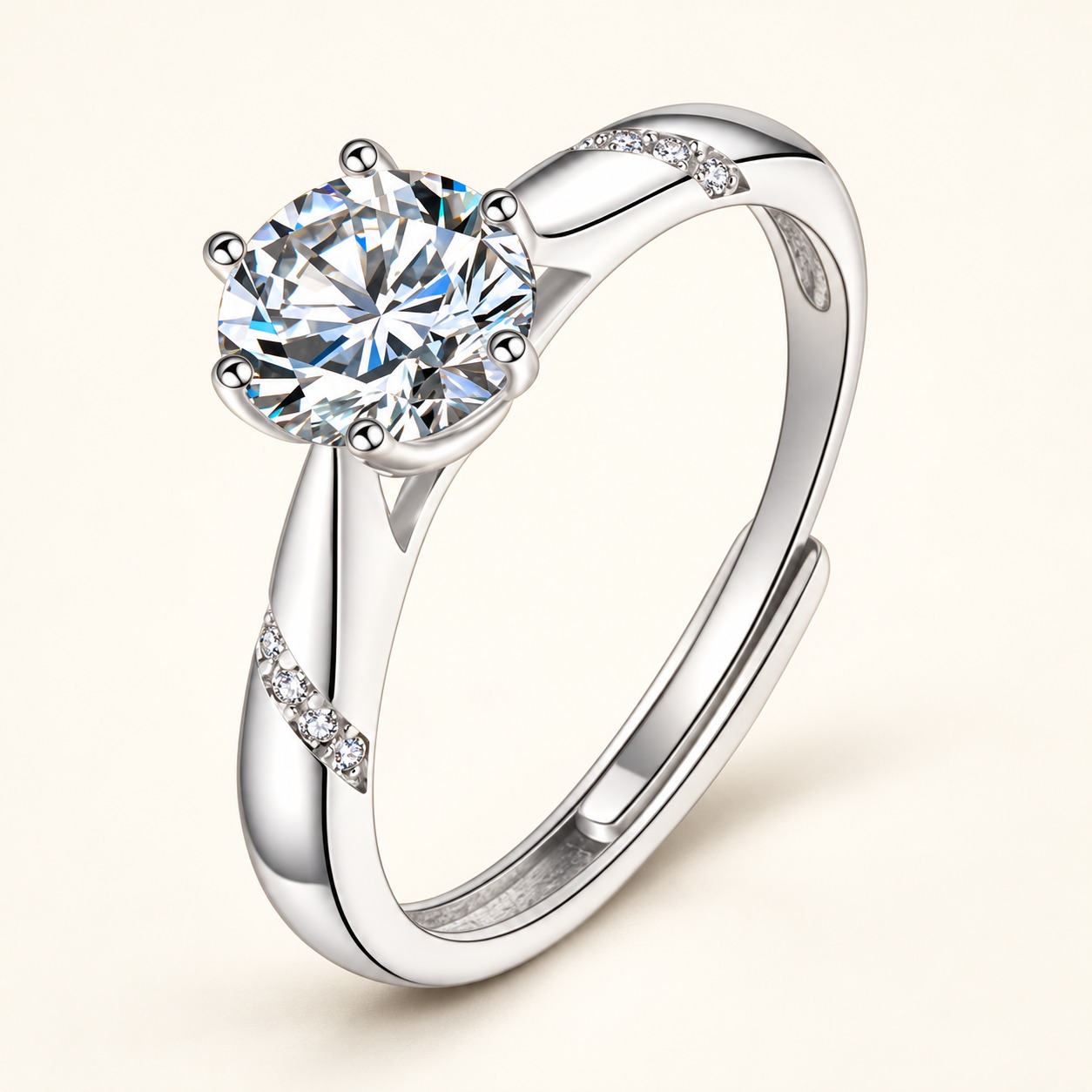
· О муассаните
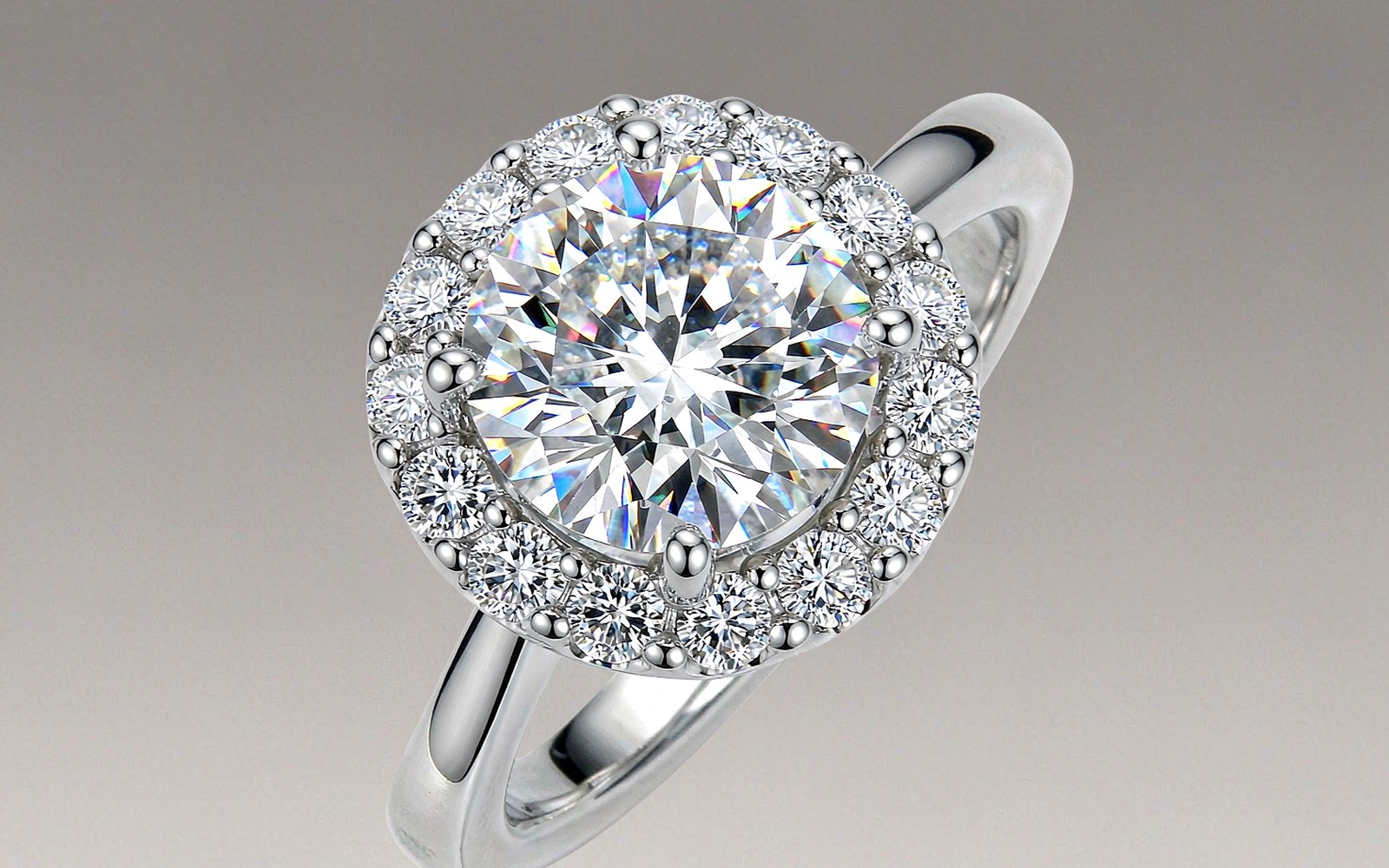
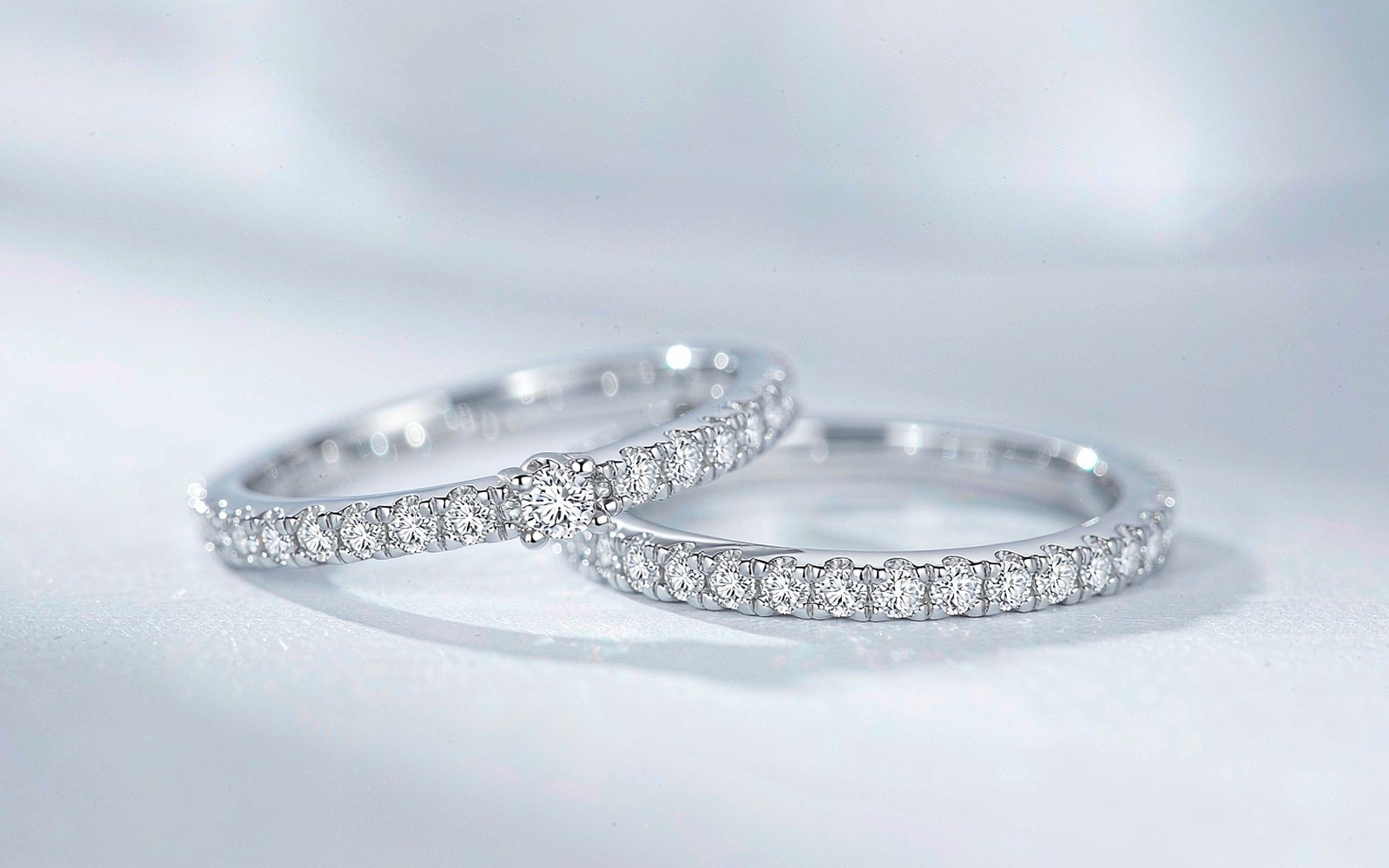
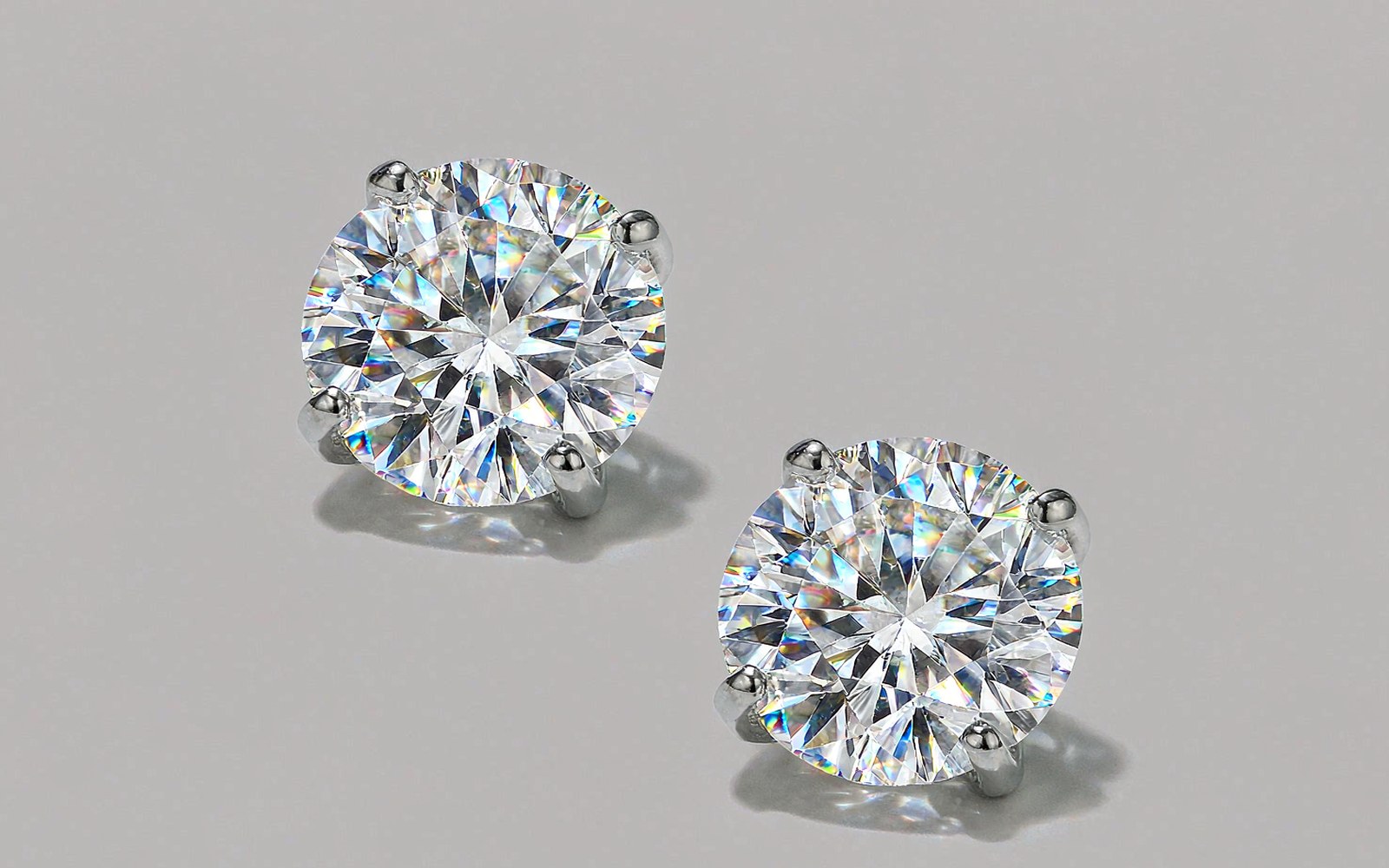
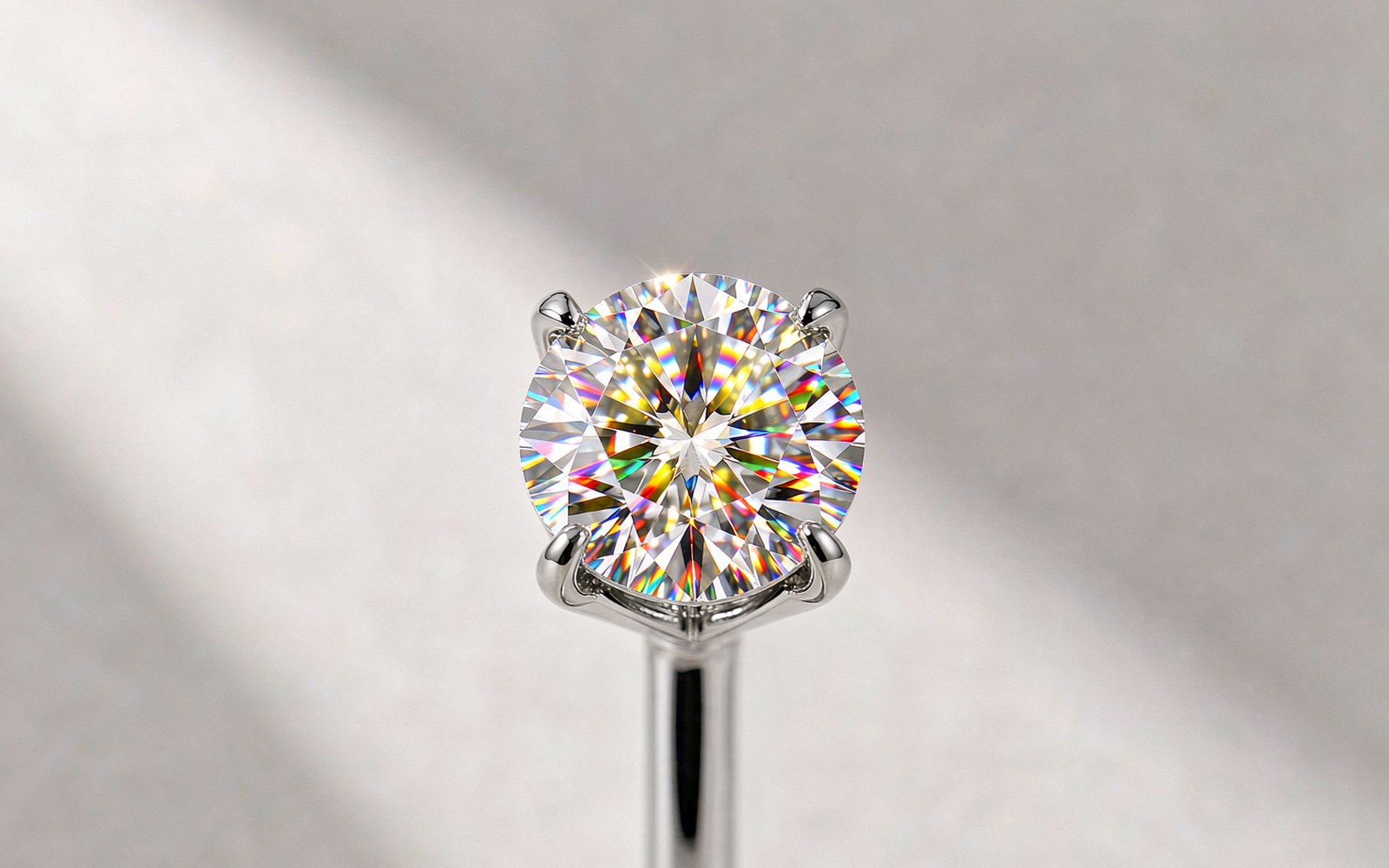
A halo moissanite ring places a circle of small accent stones around the center stone. The effect is more sparkle and a center that reads larger than its actual carat weight. This guide answers the questions overseas buyers ask most before they order, so you can decide with confidence rather than guesswork.
What Is a Halo Moissanite Ring?
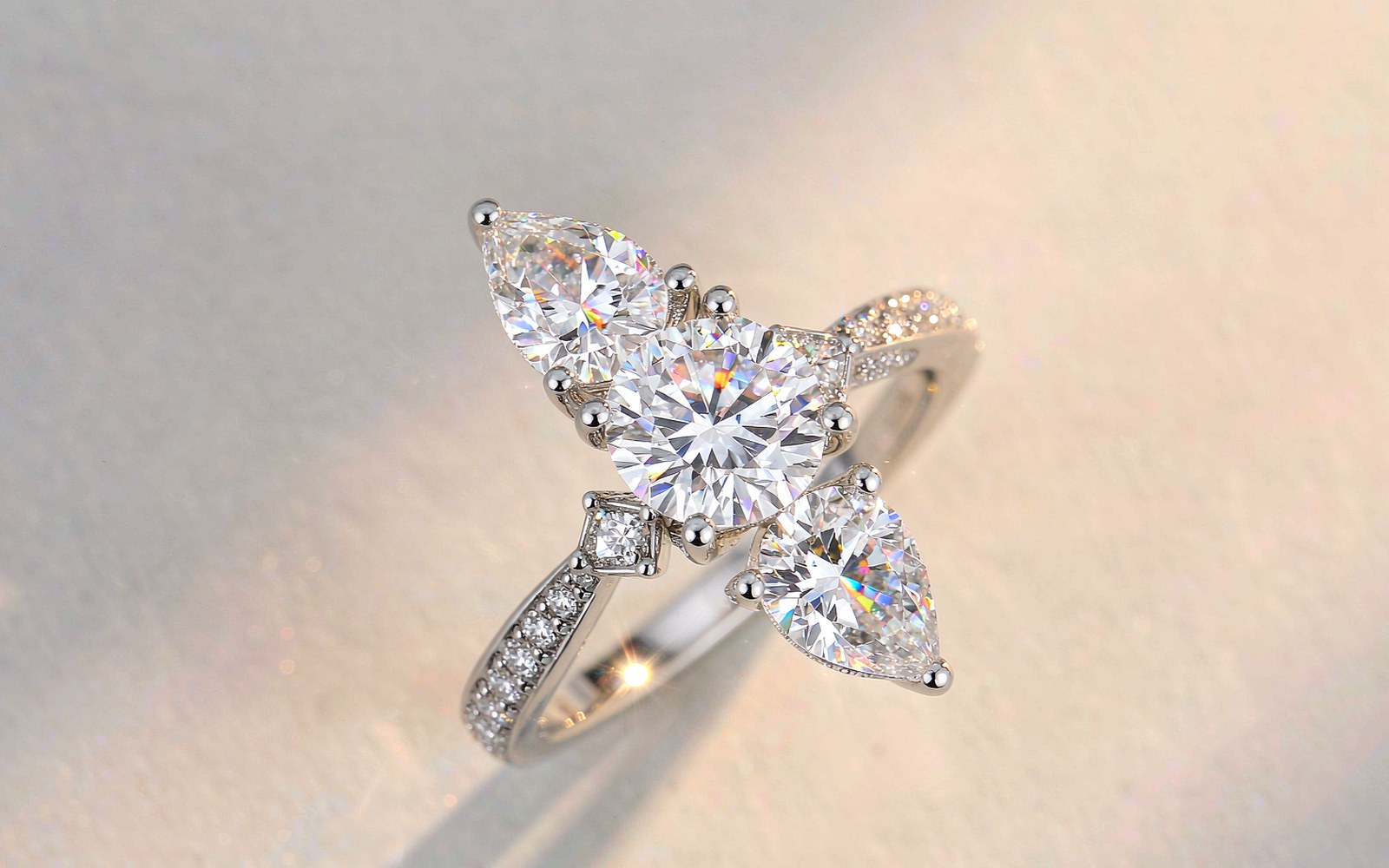
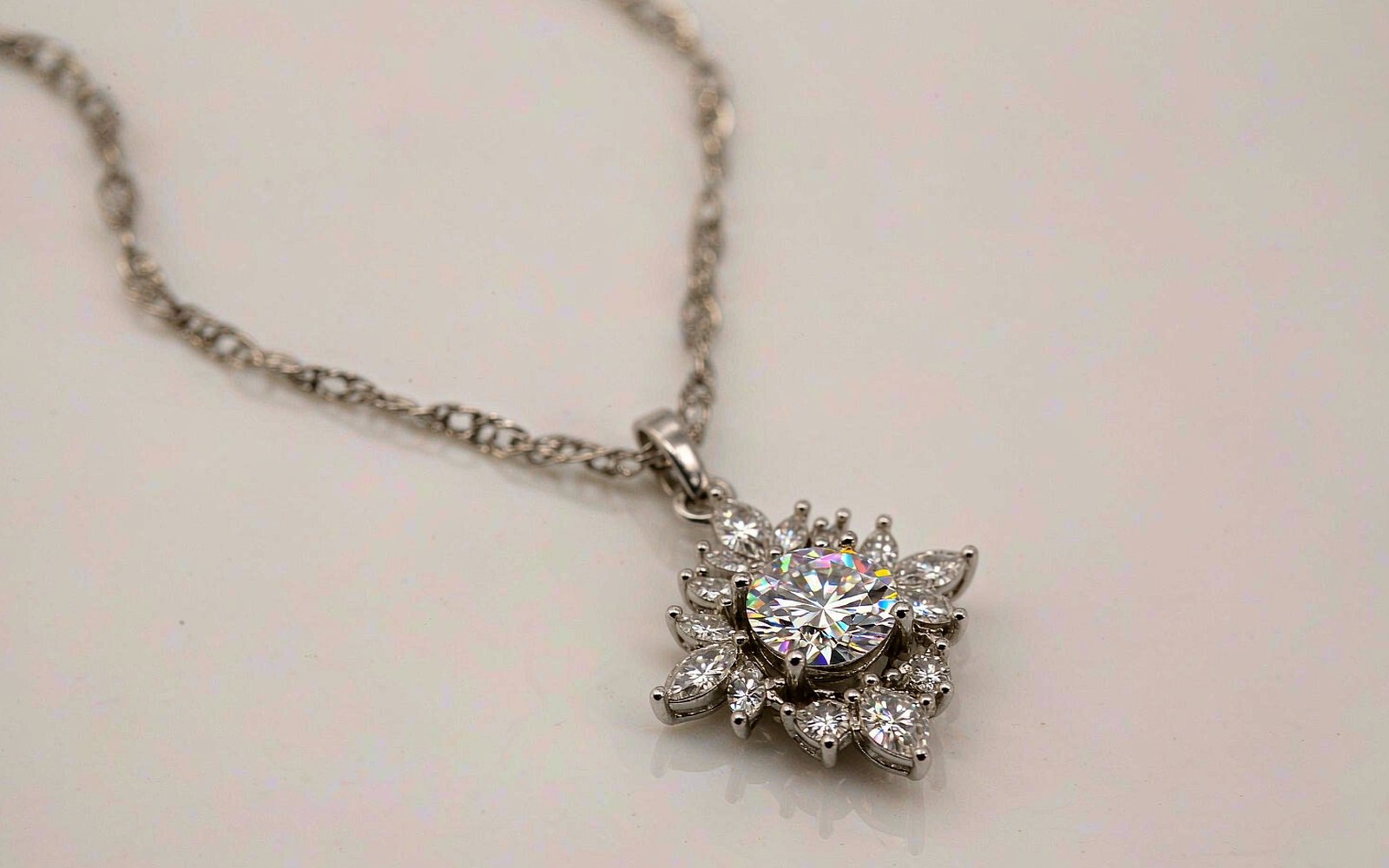
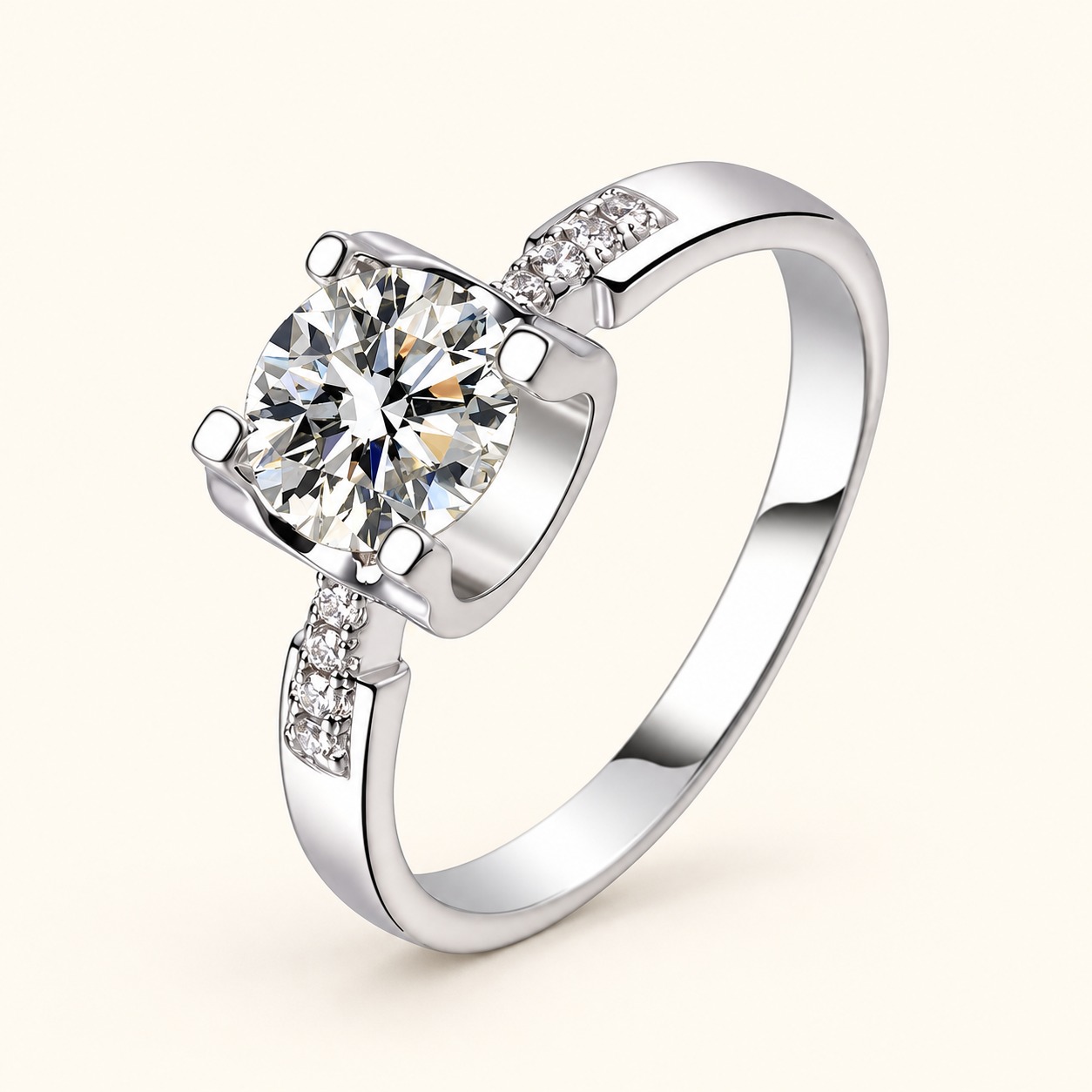
A halo setting surrounds the central moissanite with a ring of smaller accent stones, usually set in a shared or individual prong frame. The accent stones are typically small round brilliants. The goal is visual impact: the bright frame draws the eye to the center and adds fire from more angles. You will also see double halo styles, where two concentric rows of accents sit around the stone. For background on the stone itself, see our what is moissanite page.
Does a Halo Setting Make the Center Stone Look Bigger?
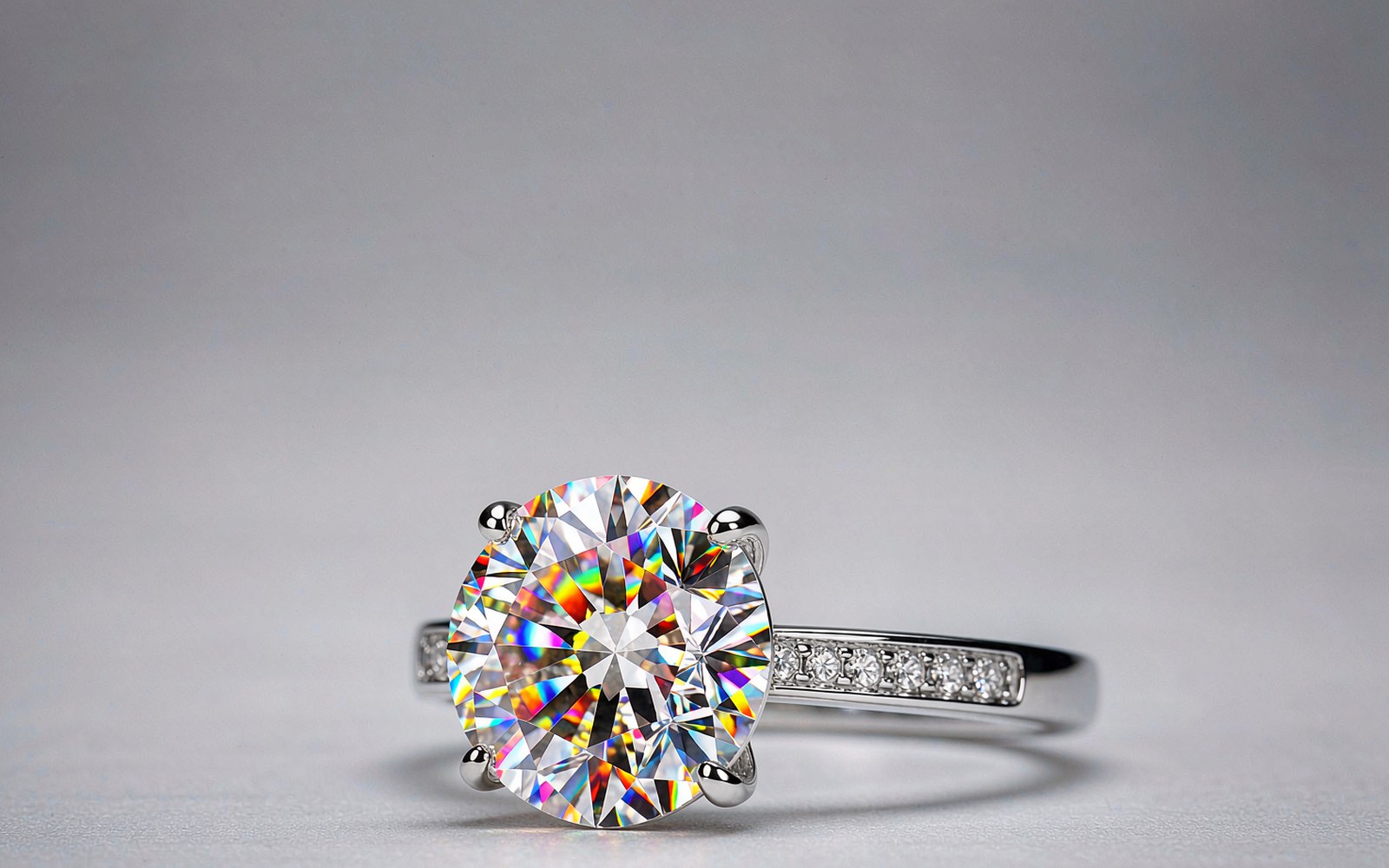
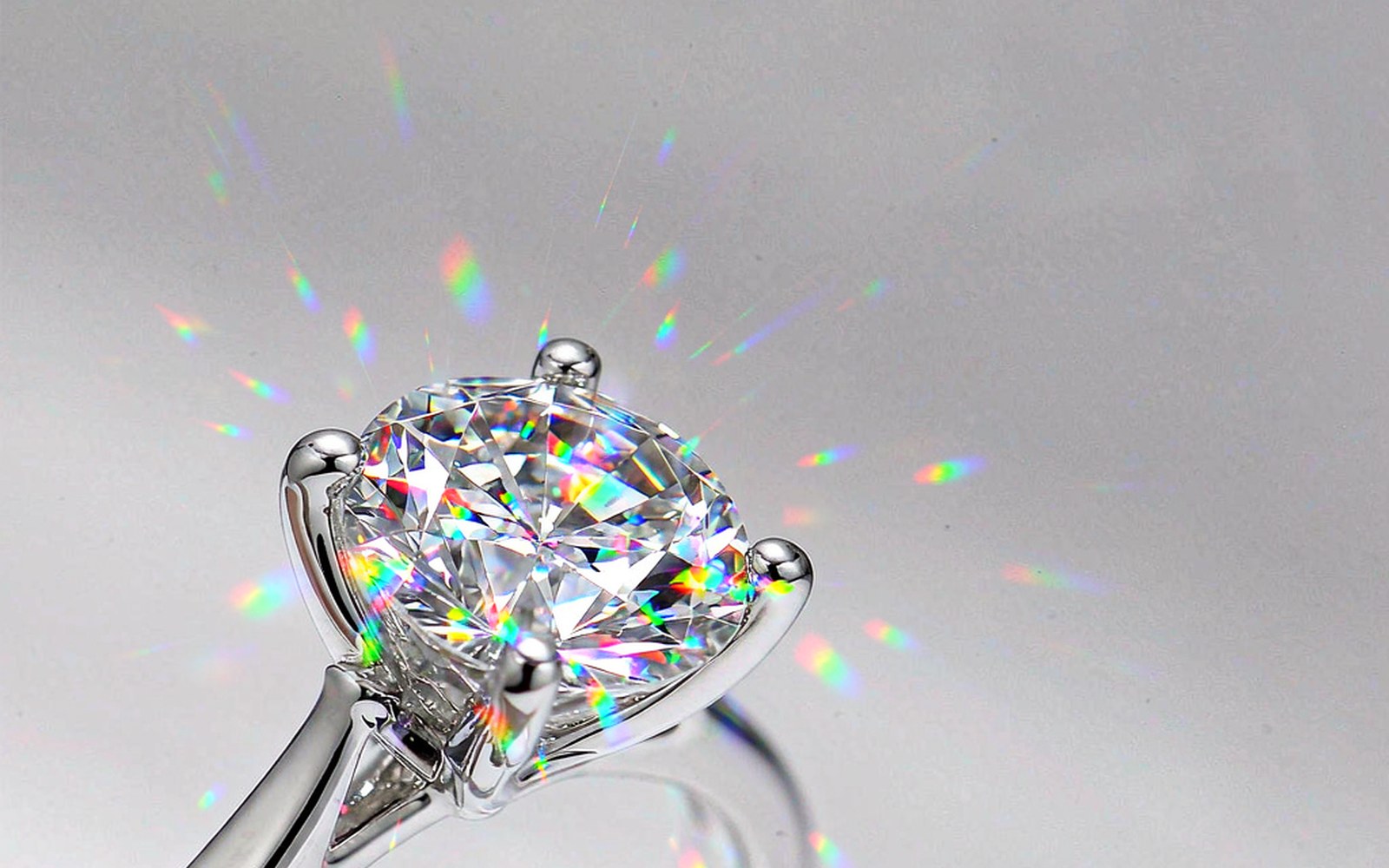
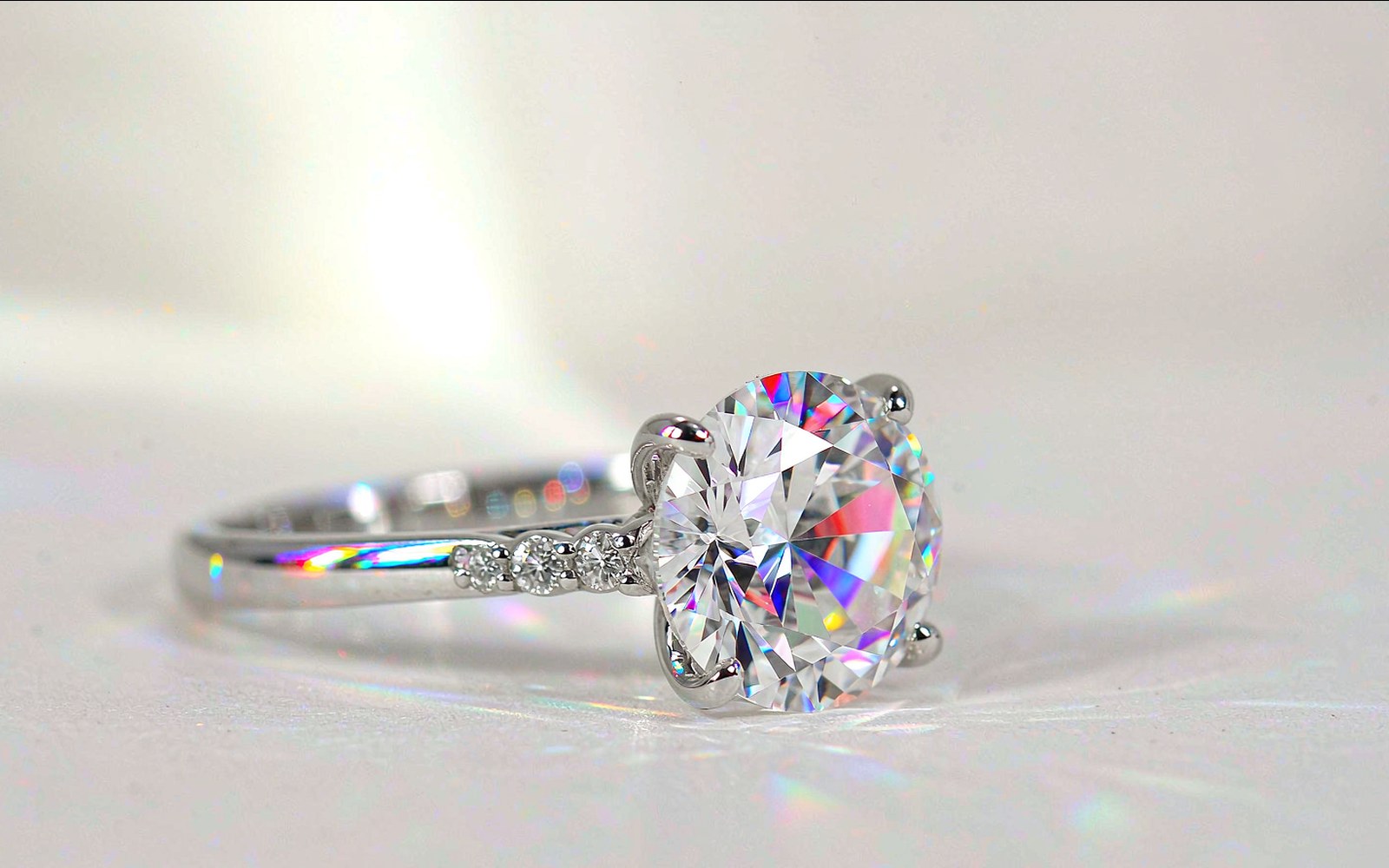
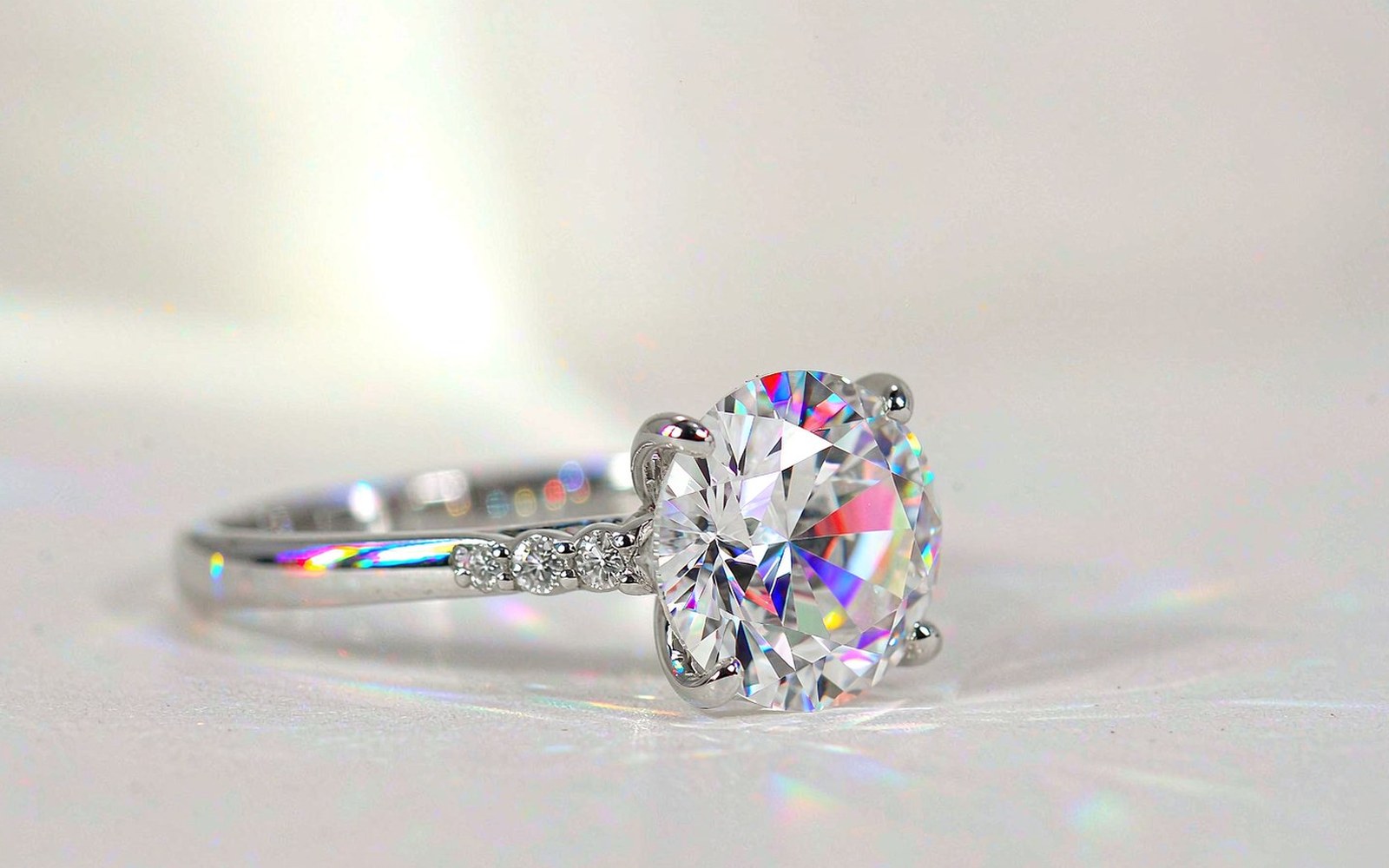
Yes, in most cases. The surrounding accents create contrast that makes the center appear noticeably larger to the eye, though the exact effect depends on the accent size and the gap between the center and the frame. Buyers who want presence without a heavier center carat often choose this setting for that reason. The added sparkle also helps in low light, where moissanite already performs well because of its high refractive index.
What Is the Difference Between a Halo and a Hidden Halo?
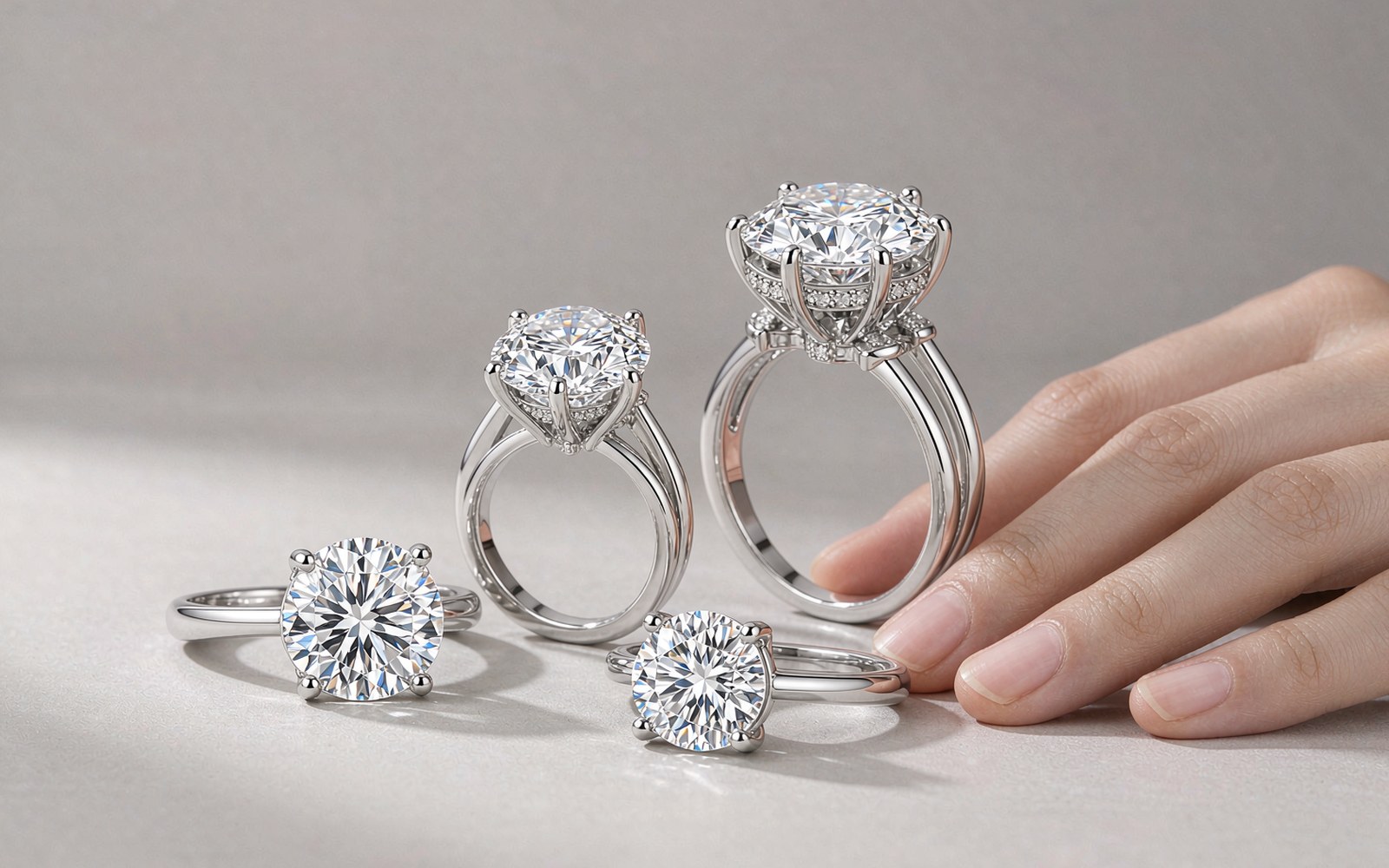
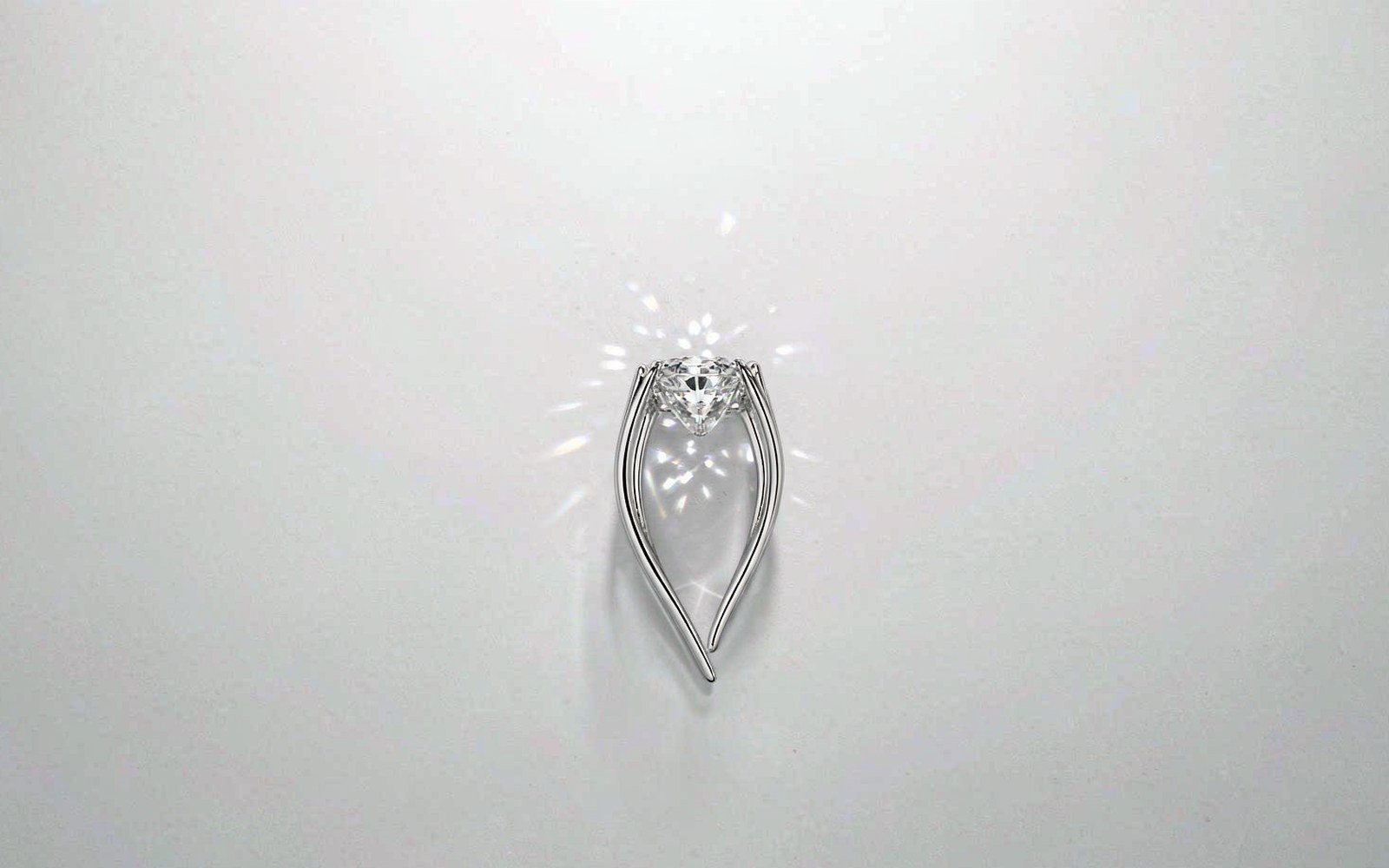
A standard halo is visible from the top, sitting just outside the center stone. A hidden halo sits beneath the center, seen only from the side or at an angle. The hidden version gives a lift and a hint of sparkle without changing the clean top view. If you prefer a minimalist top look but still want extra fire, the hidden halo moissanite style is the quieter choice. Both can be built around the same center shape.
Which Moissanite Shapes Work Best in a Halo Setting?
Round and oval centers are the most common because their outlines match the circular accent frame. Cushion and pear shapes also work, with the frame following the outline. Marquise and emerald cuts are less common in a halo because the geometry can look busy. The shape you choose changes the overall silhouette more than the accent stones do, so decide the center shape first, then the frame. Among halo ring settings, the hidden version keeps the top outline clean while still adding side sparkle.
Is a Halo Setting Durable Enough for Everyday Wear?
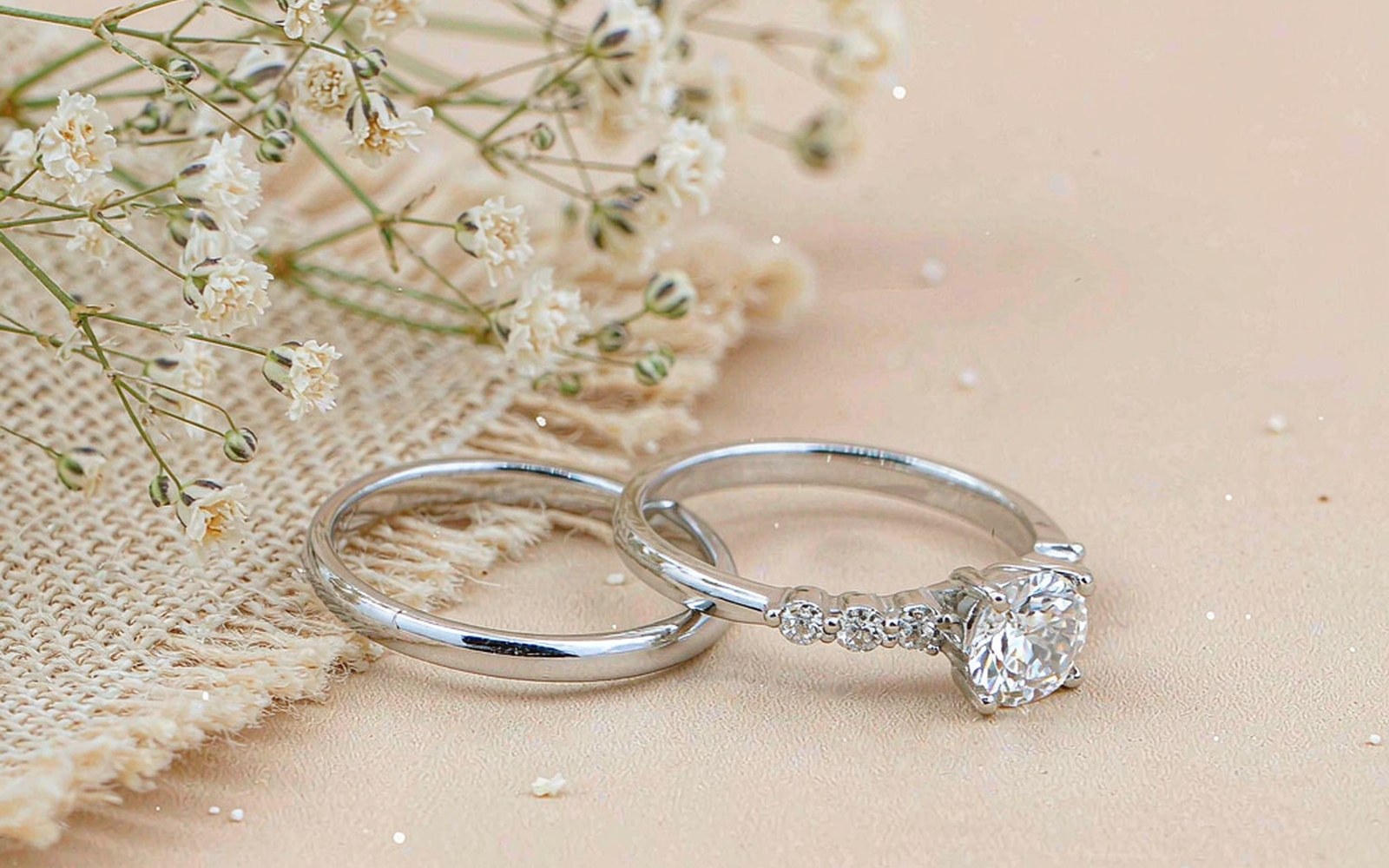
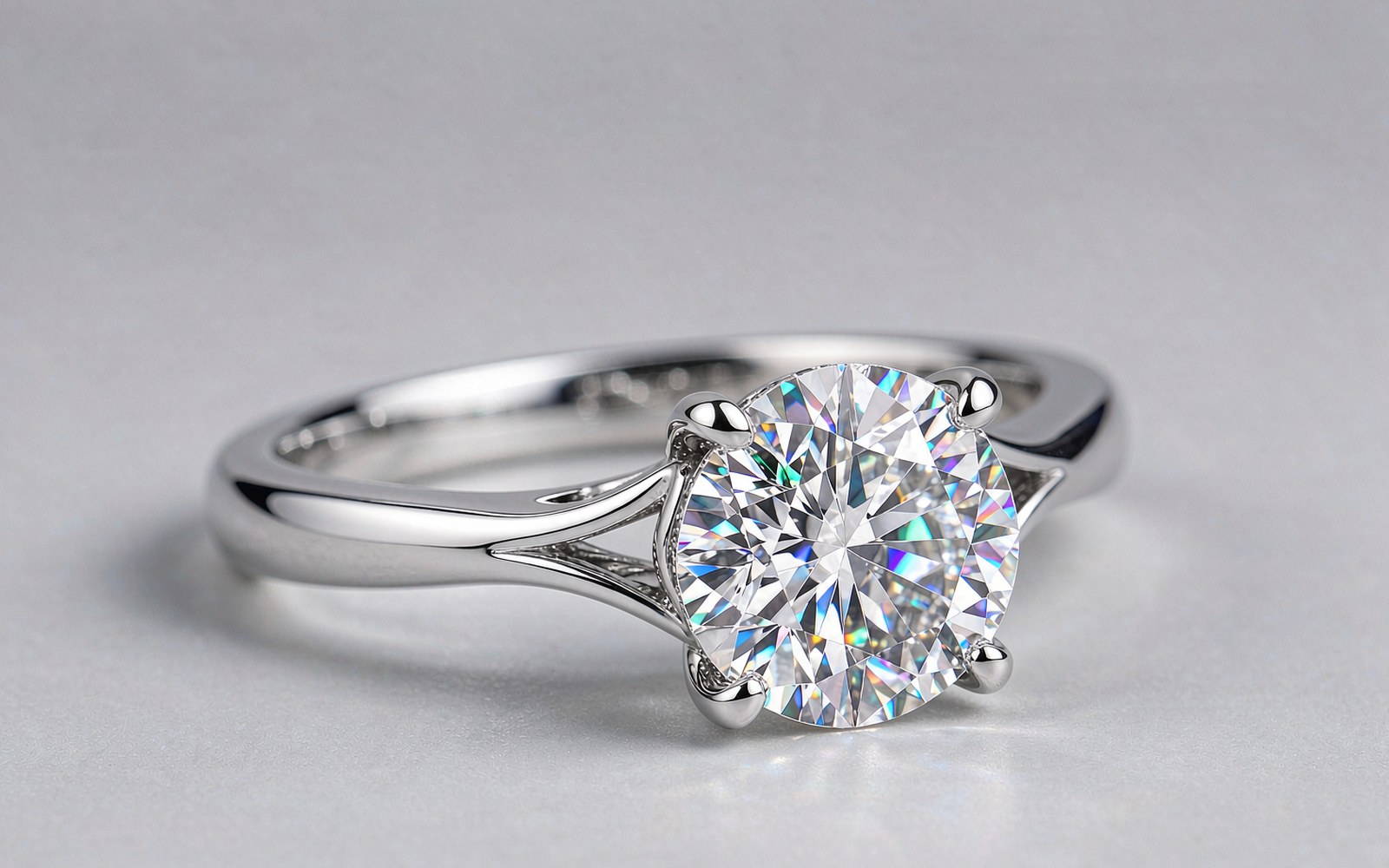
Halo rings can be worn daily, but the setting has more small stones and prongs than a solitaire, so it needs a little more care. Smooth, well-finished prongs reduce the chance of the piece catching on fabric. A thicker band and a secure prong style help the ring hold up over years of use. If you are rough on jewelry, ask the seller about a low-profile frame that sits closer to the finger. It is a popular pick as a halo engagement ring because the frame adds presence without a heavier center.
How Do I Choose the Right Metal for a Halo Ring?
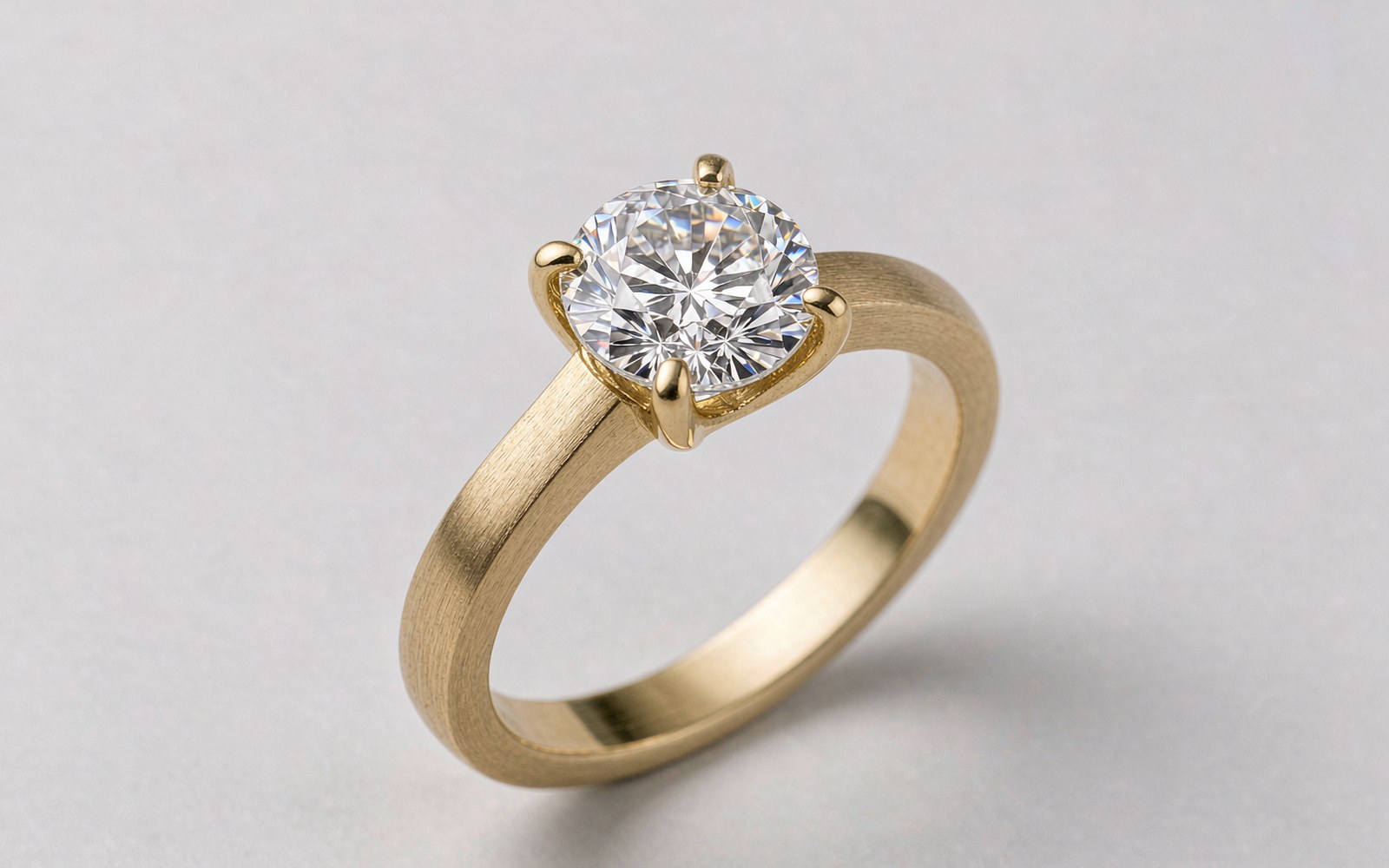
Metal choice affects both look and comfort. White metals such as rhodium-finished silver or white gold keep the focus on the stone and suit the cool brilliance of moissanite. Yellow and rose tones give a warmer, more classic feel. If skin sensitivity matters to you, look for nickel-safe, hypoallergenic metals and confirm the plating process with the seller. You can compare options on our rings page.
What Should I Confirm With the Seller Before Ordering a Halo Ring?
Before you place an order, confirm these points in writing with the seller. A short checklist saves most problems:
Applicable boundaries: a halo suits buyers who want more visual size and sparkle. It may not match a strictly minimalist taste, and the extra stones add a little weight.
Lead time: ask the seller for the production window and get the promised date in writing before you pay.
Minimum order: if you are ordering more than one piece, ask the seller for their minimum order quantity and whether a sample is required first.
Sample: request a sample or a video of the actual piece under natural light before committing to a full order.
Failure conditions: a poorly finished frame can let an accent stone loosen or catch on clothing. Confirm the prong finish and the gap tolerance.
Testing method: verify the piece with a loupe or a professional jewelry test on arrival. You can request a grading note describing the stone on request.
Parameter explanation: key parameters are band width, accent stone count, prong type, and the gap between center and frame. Ask the seller to list each one.
Inspection and after-sales: on arrival, check every prong and accent stone, then confirm the seller's after-sales policy for loose stones or finish issues.
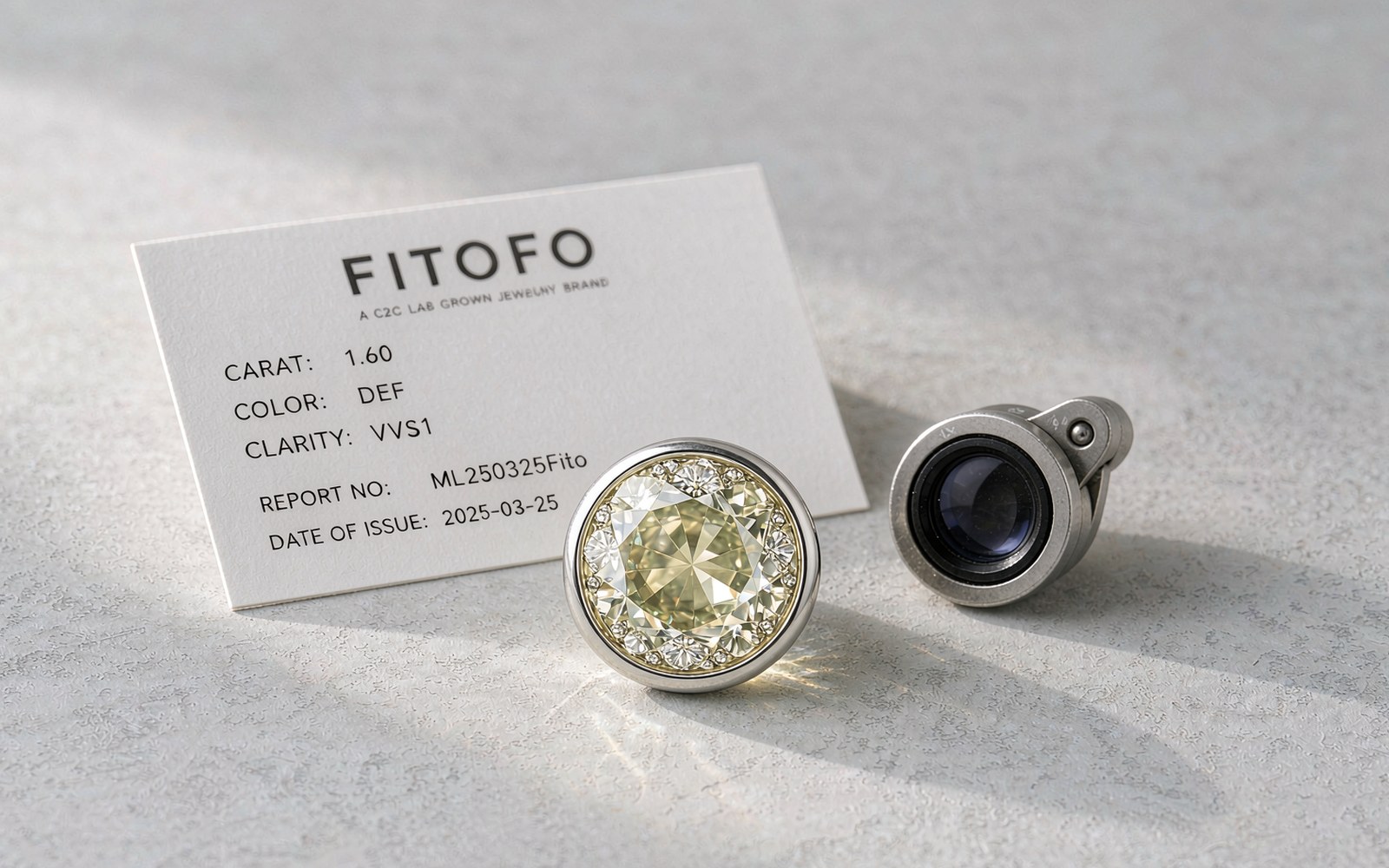
Some sellers provide a certificate. A certificate describes the stone's characteristics, but it does not certify durability or future value. Use it as a record of what you received, not as a promise about resale.
How Can I Verify a Halo Moissanite Ring After It Arrives?
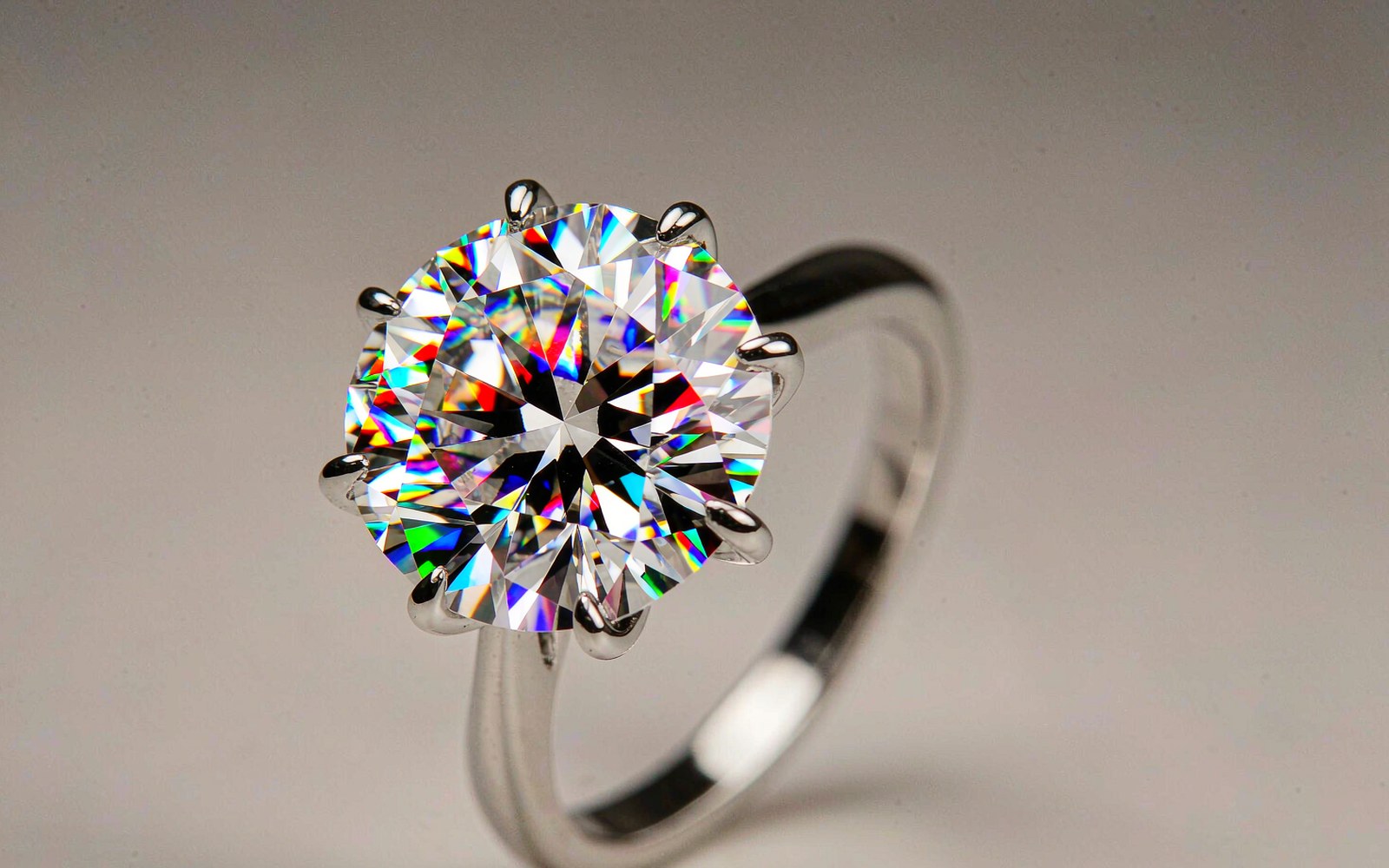
Check the ring under bright, natural light. Look at each accent stone for even setting and no gaps. Gently feel the prongs to confirm they are smooth. A real moissanite shows strong fire and a different light pattern than cubic zirconia. If anything looks off, contact the seller through our contact page and refer to your order note. Our faq covers common checks buyers use.
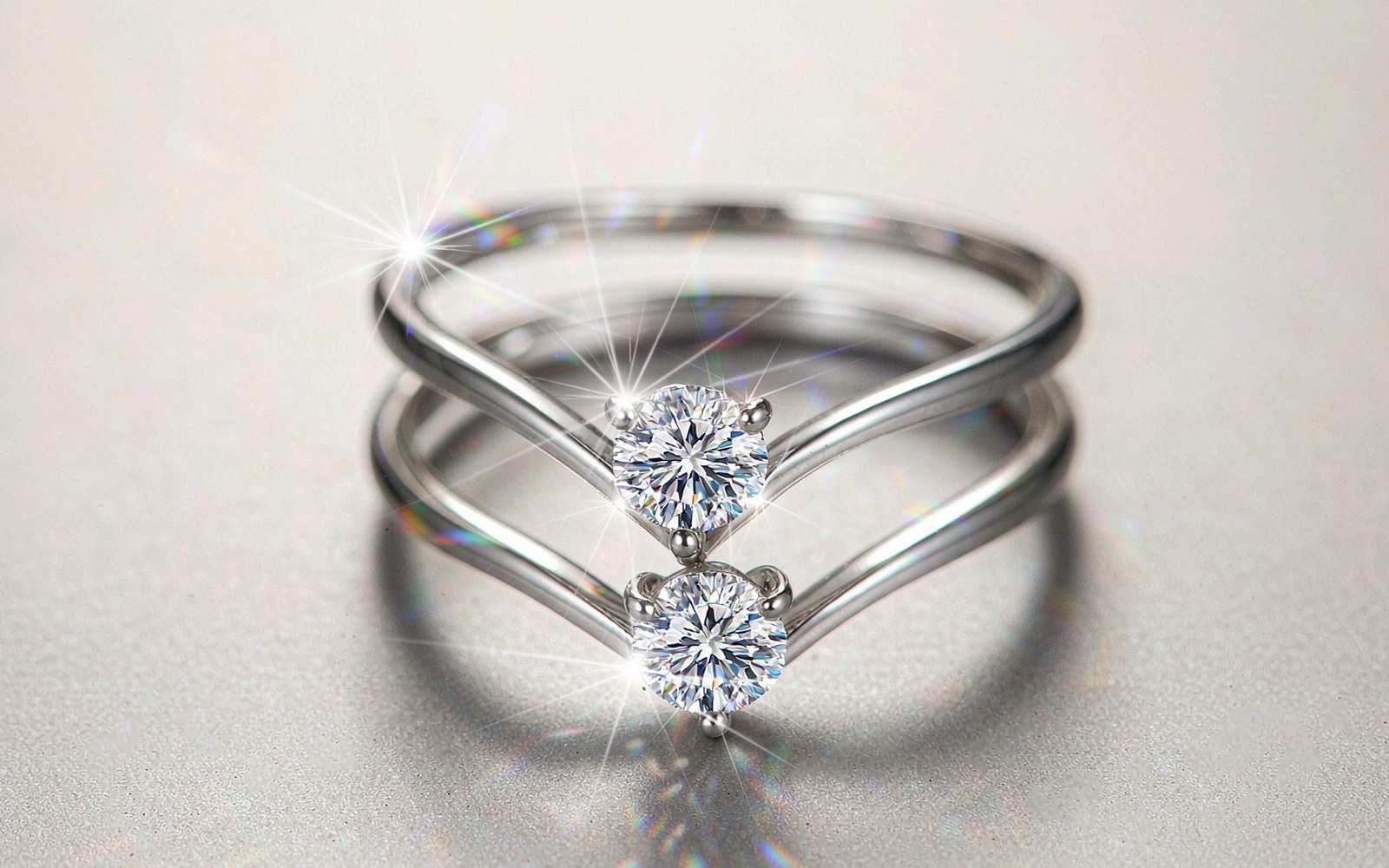
A halo moissanite ring is a strong choice when you want maximum sparkle and a center that reads larger than its carat weight, with the hidden halo as a quieter alternative. Pick the center shape first, choose a metal that suits your skin and style, and confirm production time, parameters, and after-sales in writing before you order. Verify the piece on arrival and keep the seller's note for reference. This moissanite ring buying guide covers the questions that matter most, so you can order a halo ring that matches how you actually wear it.