· О муассаните
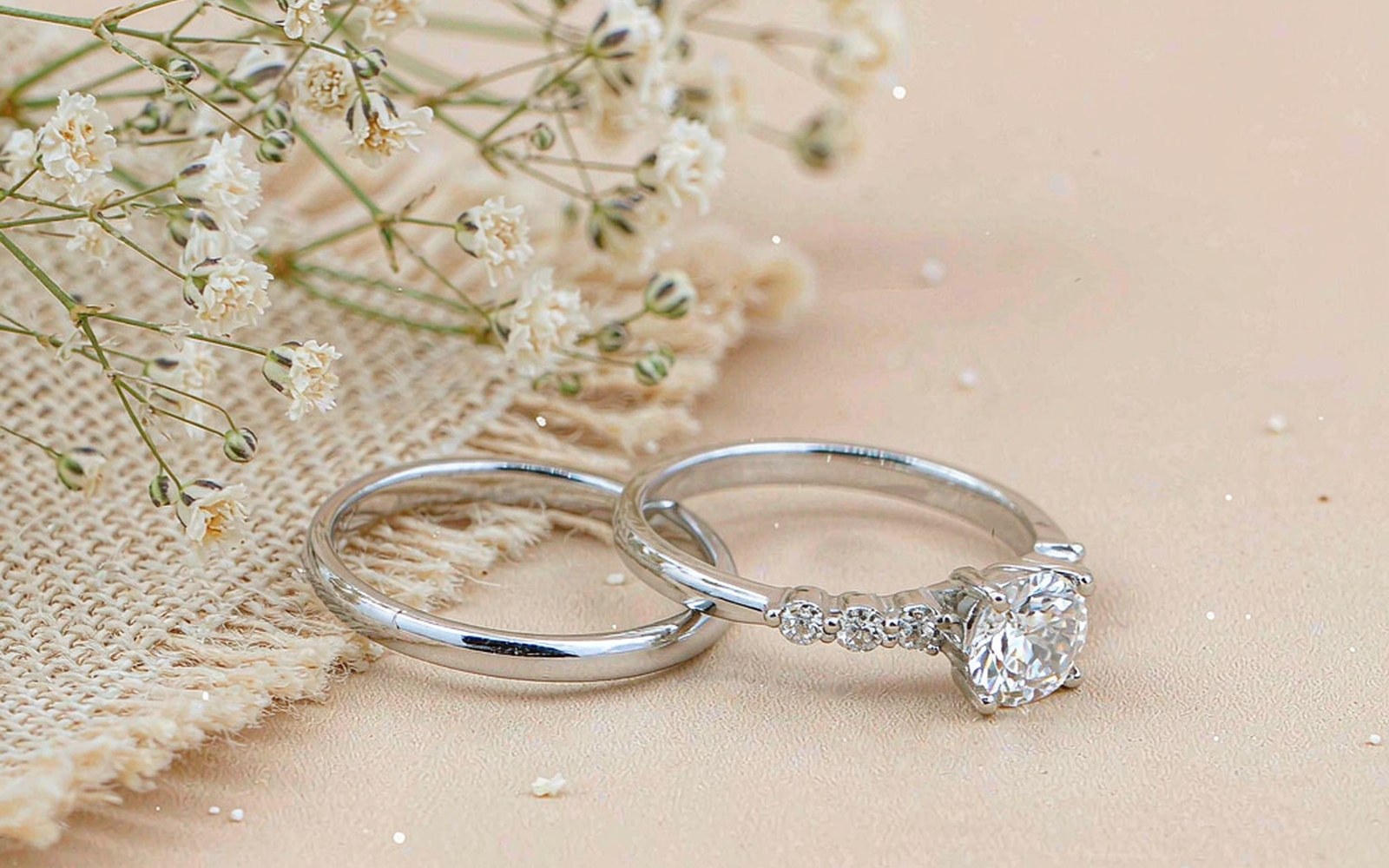
Moissanite has moved from a diamond alternative to a stone people actually live in. In 2026, the clearest shift in how buyers wear it is everyday luxury: rings, necklaces, and bracelets chosen for the grocery run and the office, not just the proposal. This guide answers the practical questions buyers ask before they commit to wearing moissanite daily, and it gives you a checklist to confirm with any seller before you order.
What does everyday wear actually mean for a moissanite ring?
Everyday wear means the piece is on your hand or body through typing, cooking, commuting, and sleeping, not locked in a box for special occasions. For a ring, that exposes it to counters, doorframes, hand washing, and the small knocks of a normal day. The right question is not whether moissanite can survive one afternoon, but whether the whole piece, stone and setting together, stays secure and comfortable across months of repetition. A stone can be tough while a thin band wears faster than you expect, so judge the complete piece, not just the center.
Does moissanite scratch easily in daily life?
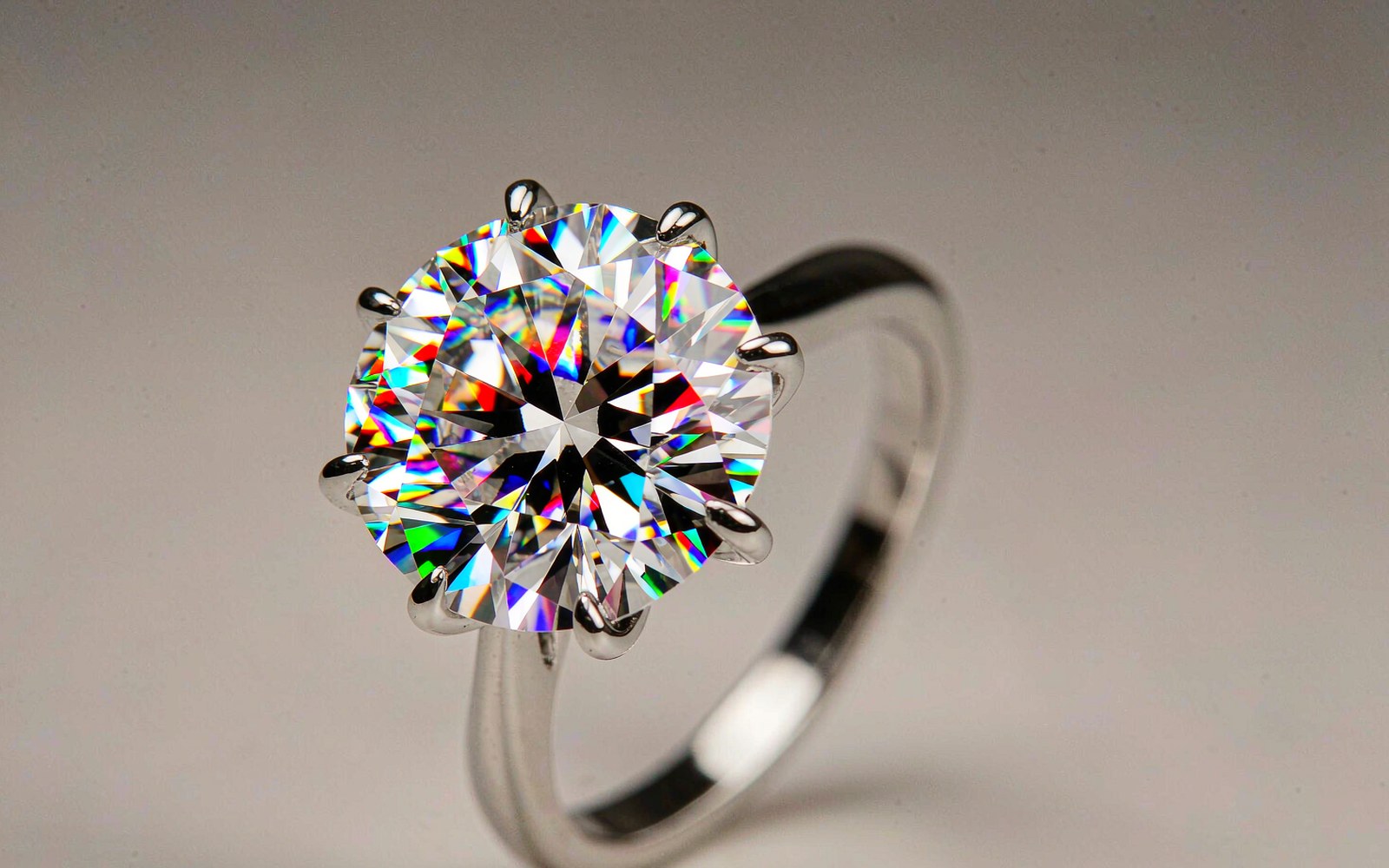
Moissanite ranks 9.25 on the Mohs hardness scale, which measures resistance to surface scratching. In practical terms, ordinary daily contact with sand, skin, fabric, steel, and glass cannot scratch the stone. The only materials hard enough to mark it are diamond and, in rare rubbing cases, another moissanite. That makes it one of the most scratch resistant gems used in fine jewelry, far above cubic zirconia. What people often read as a scratch on a moissanite ring is usually a film of soap or oil on the surface, or a mark on the softer metal band, both of which clean or polish away.
Is moissanite durable enough for an engagement ring?
Yes, for most people. Durability has two parts: hardness, which is scratch resistance, and toughness, which is resistance to chipping from a sharp impact. Moissanite scores well on both, and it has no cleavage planes, the internal weaknesses that make some stones split on a hard knock. A well cut stone held in a sound setting is built for years of daily wear. The honest limit is that no gemstone is indestructible, and the metal setting around the stone is almost always the part that shows age first, not the moissanite itself.
Which settings protect a moissanite stone during daily wear?
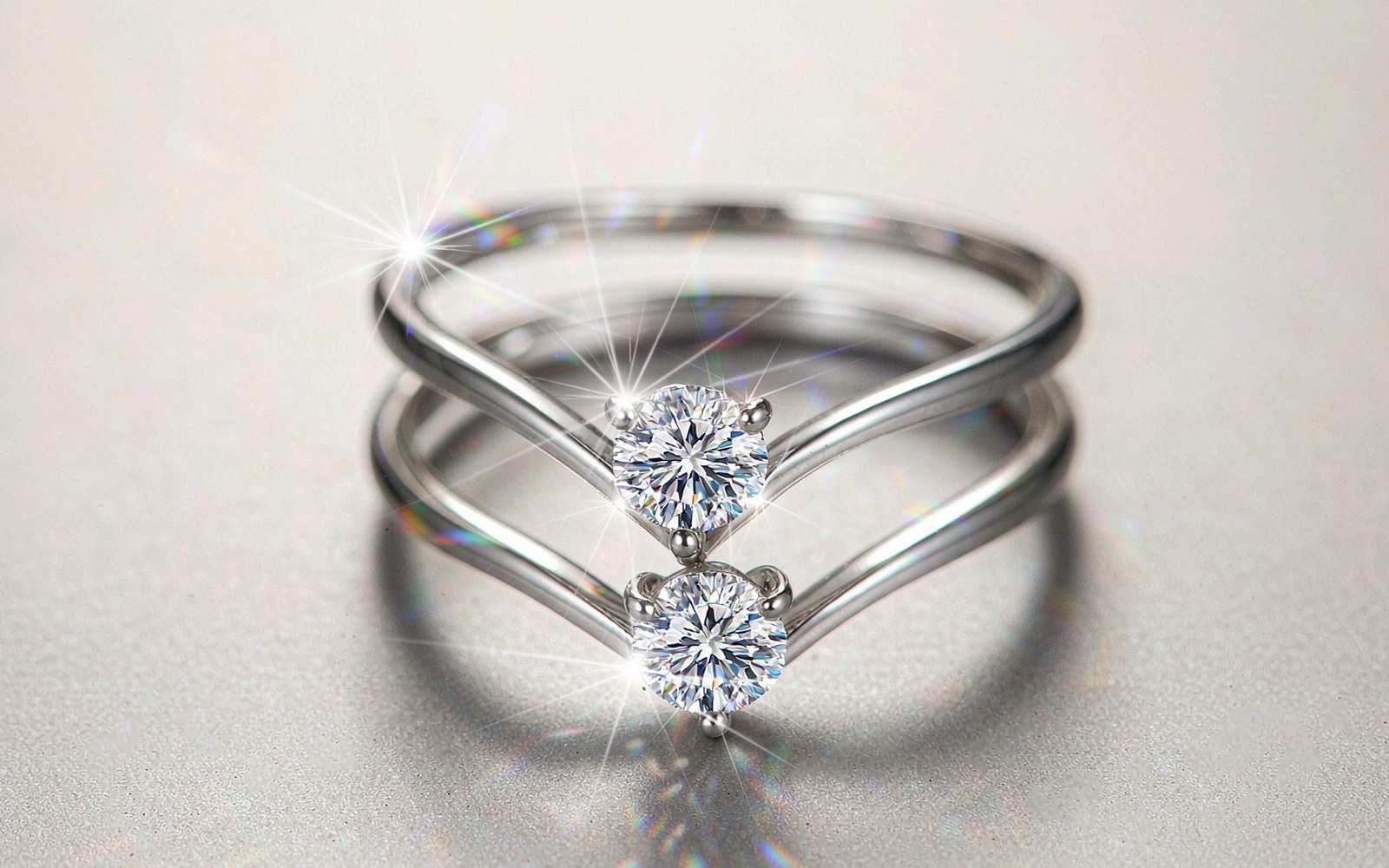
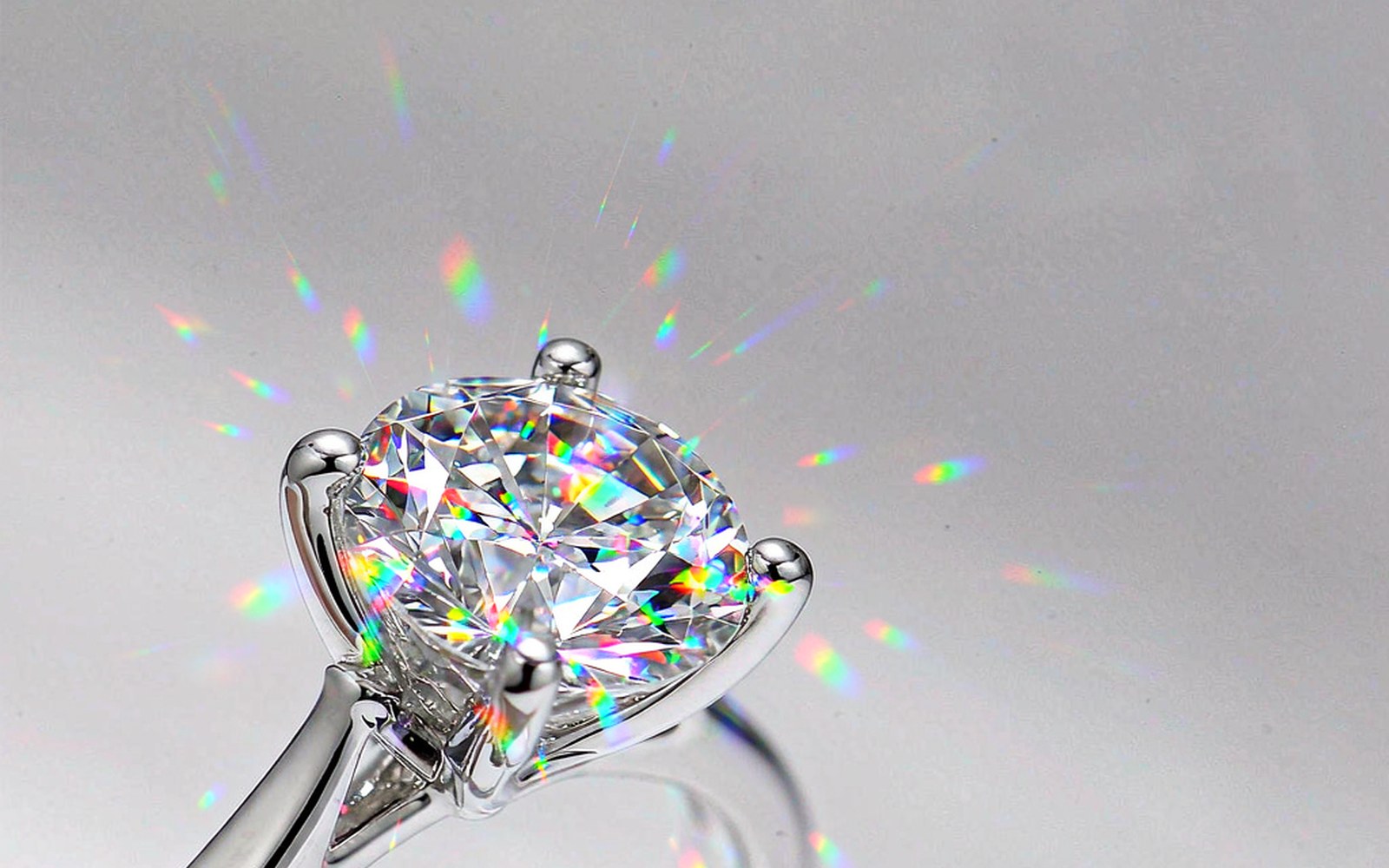
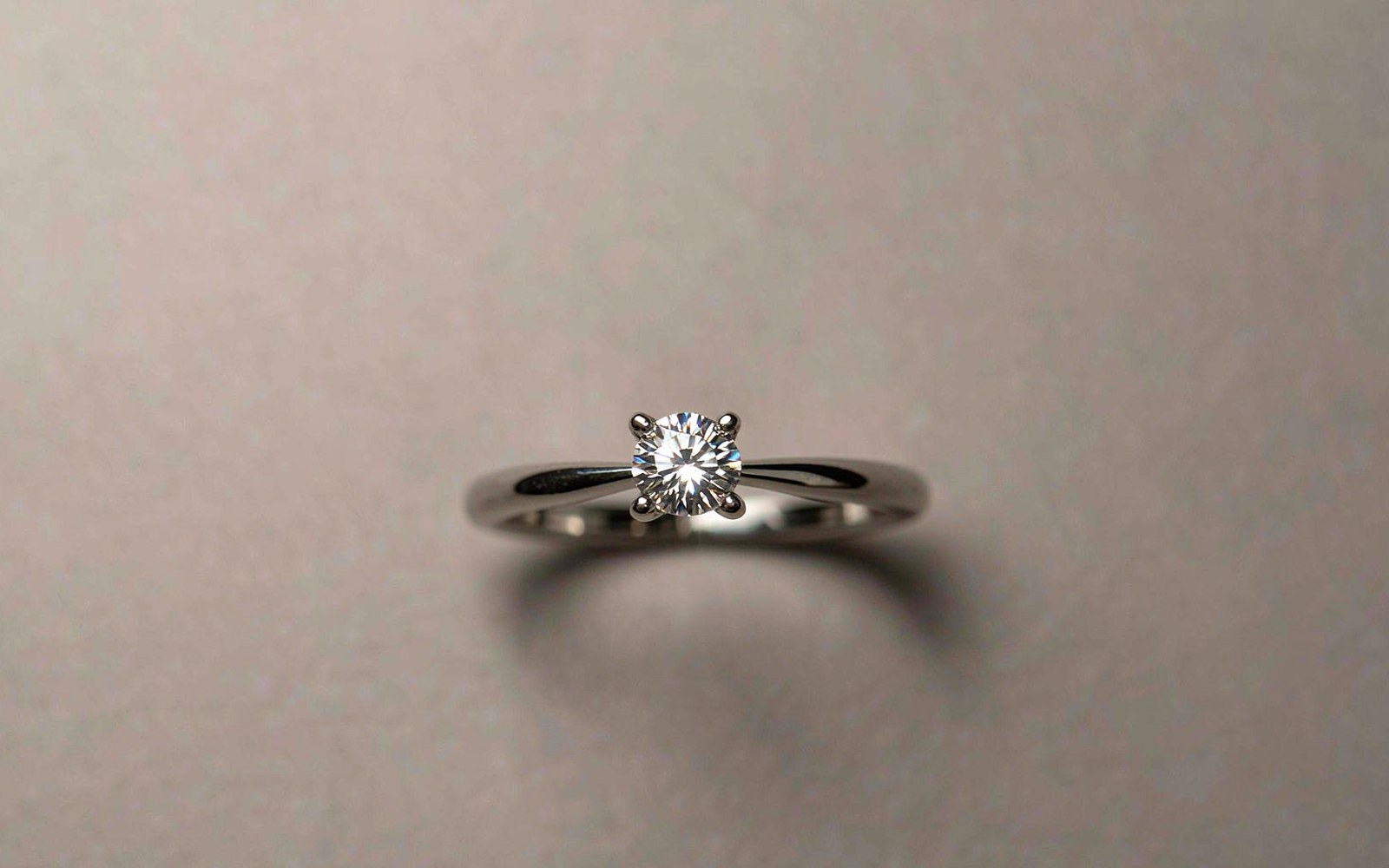
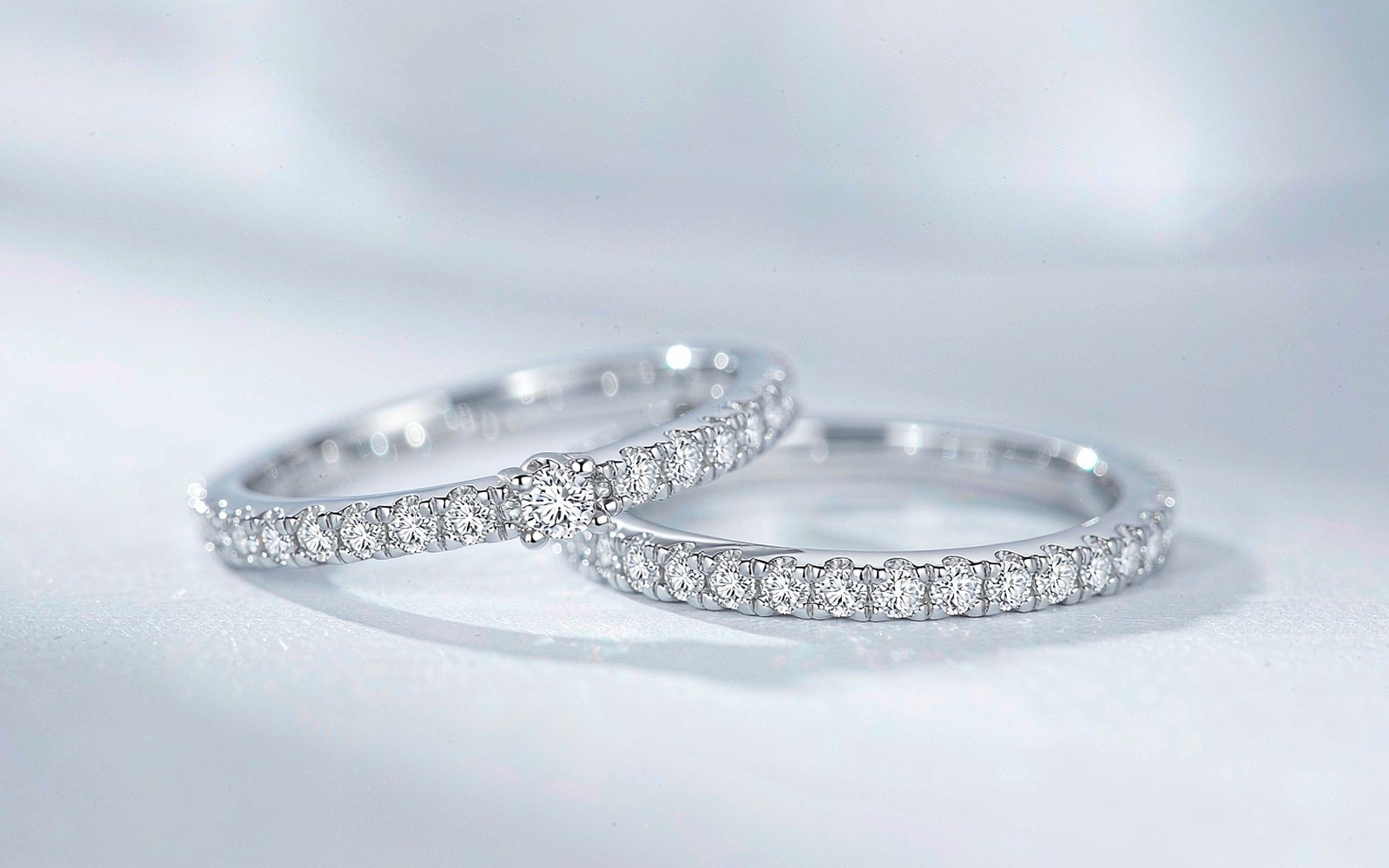
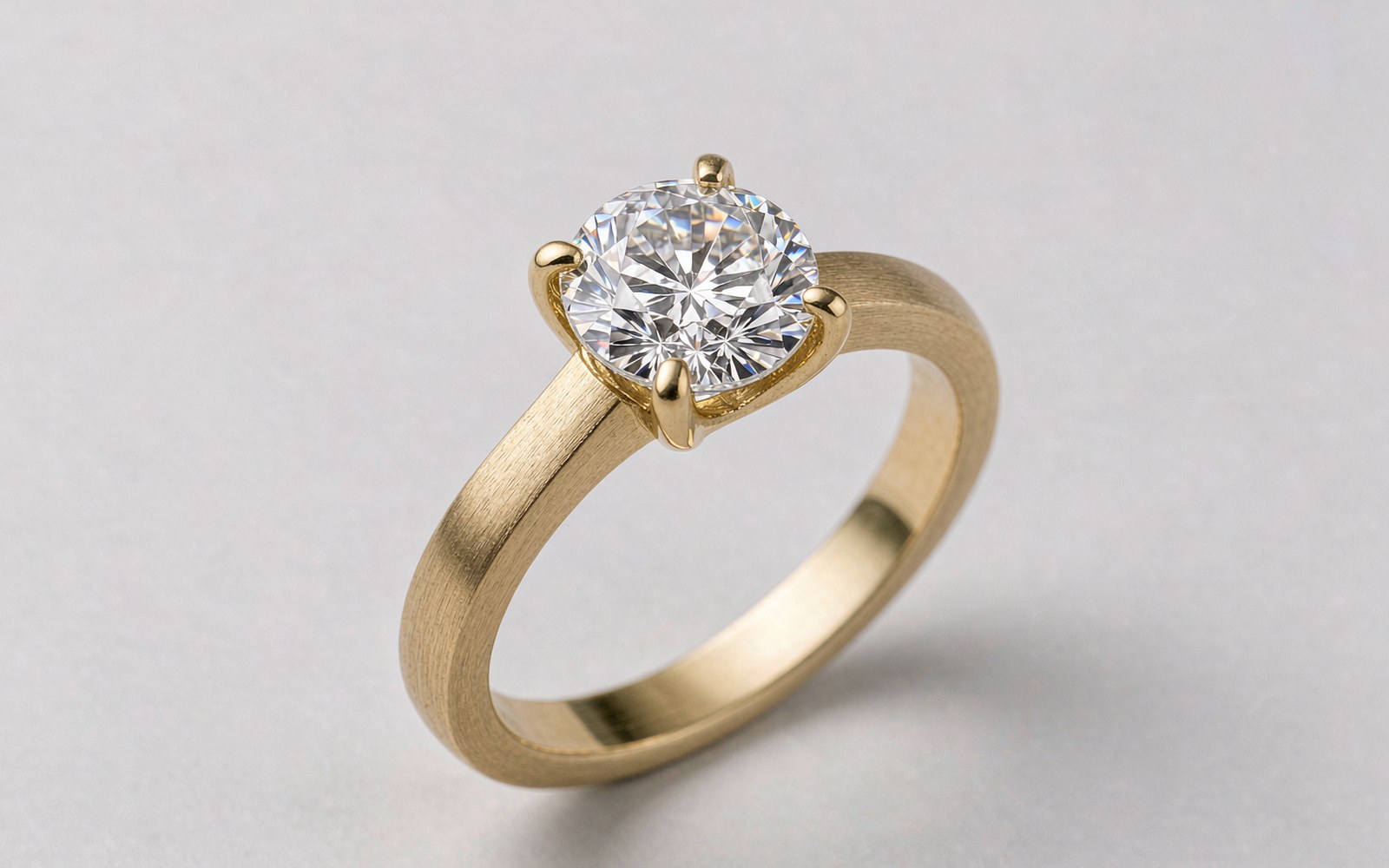
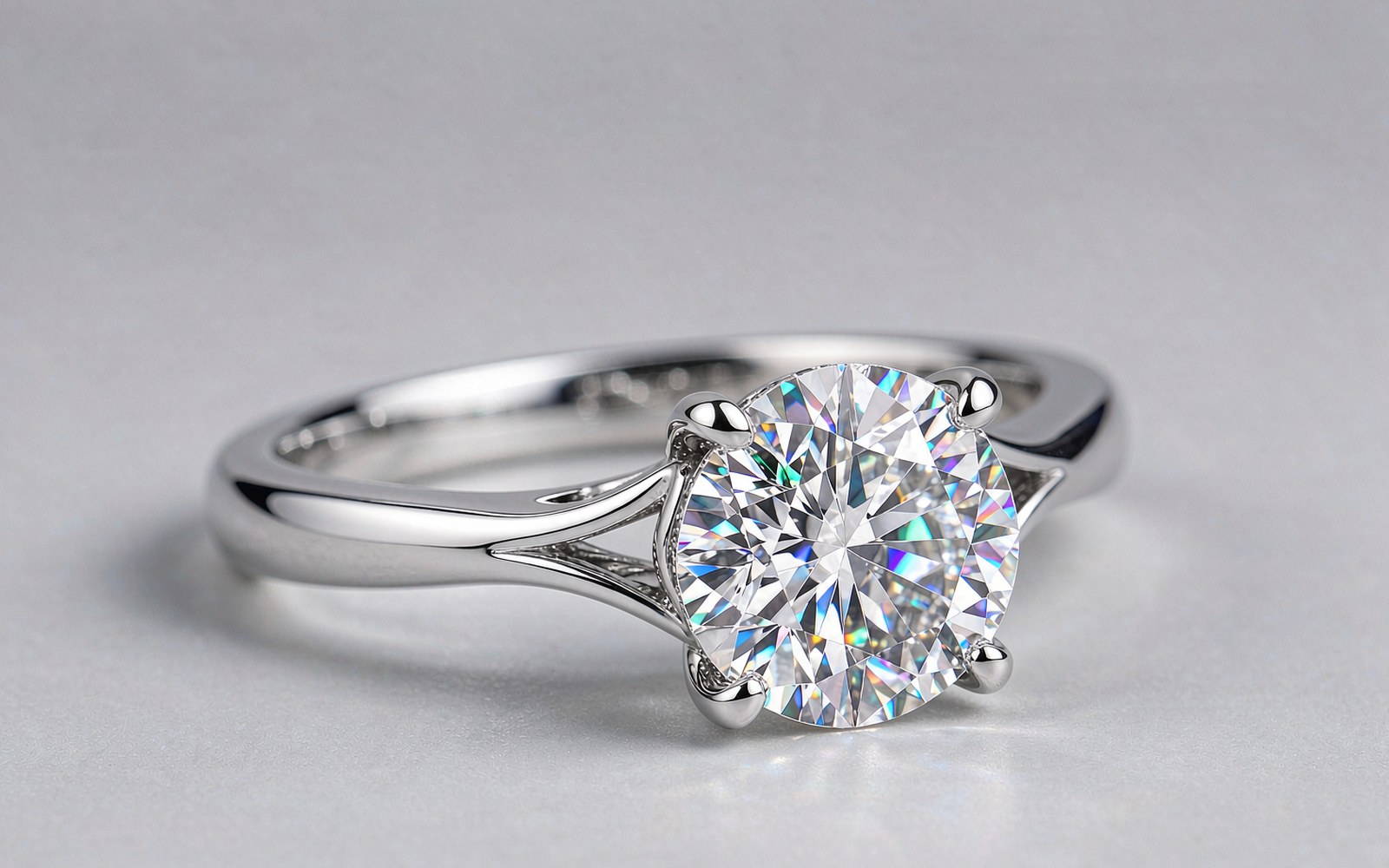
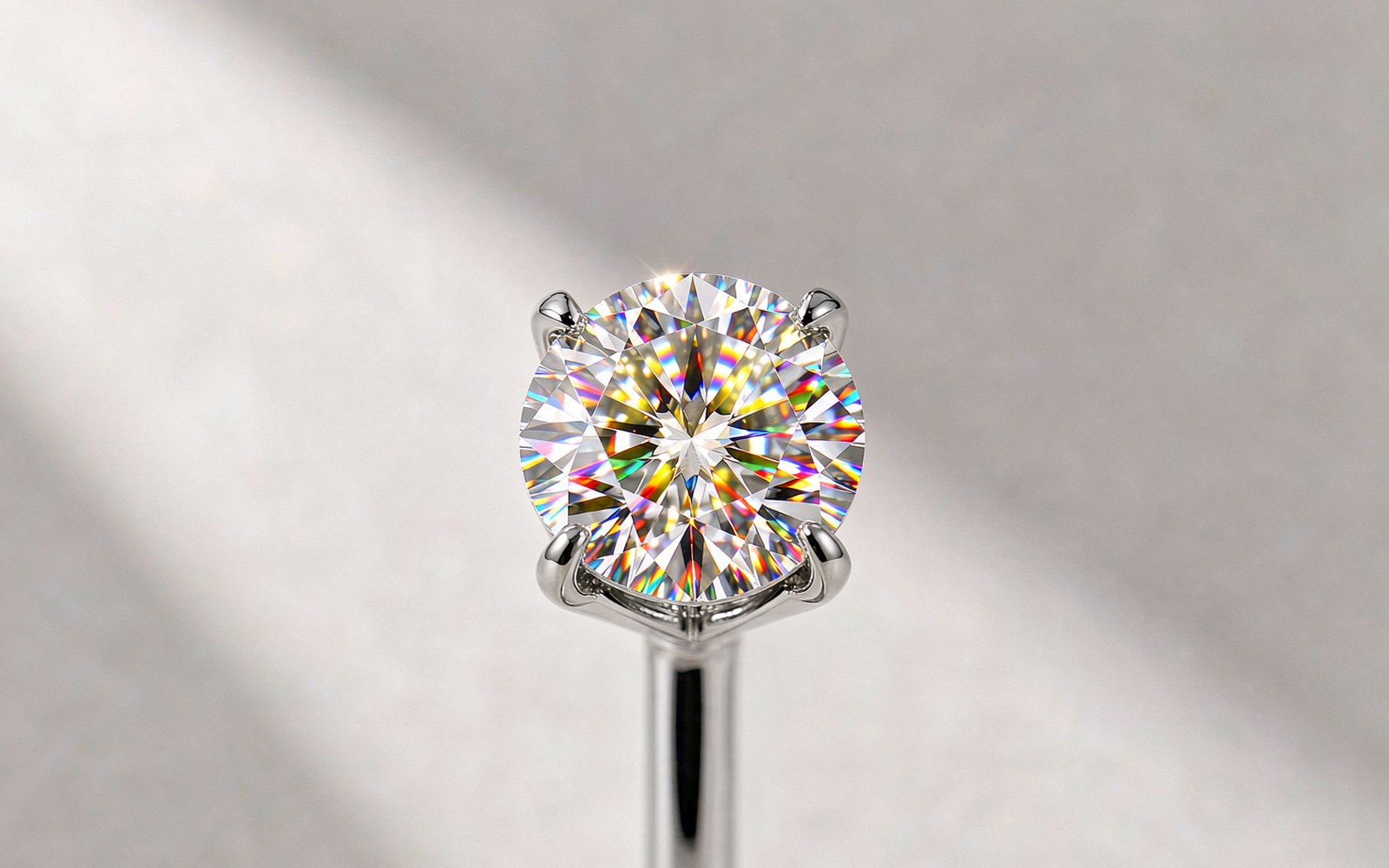
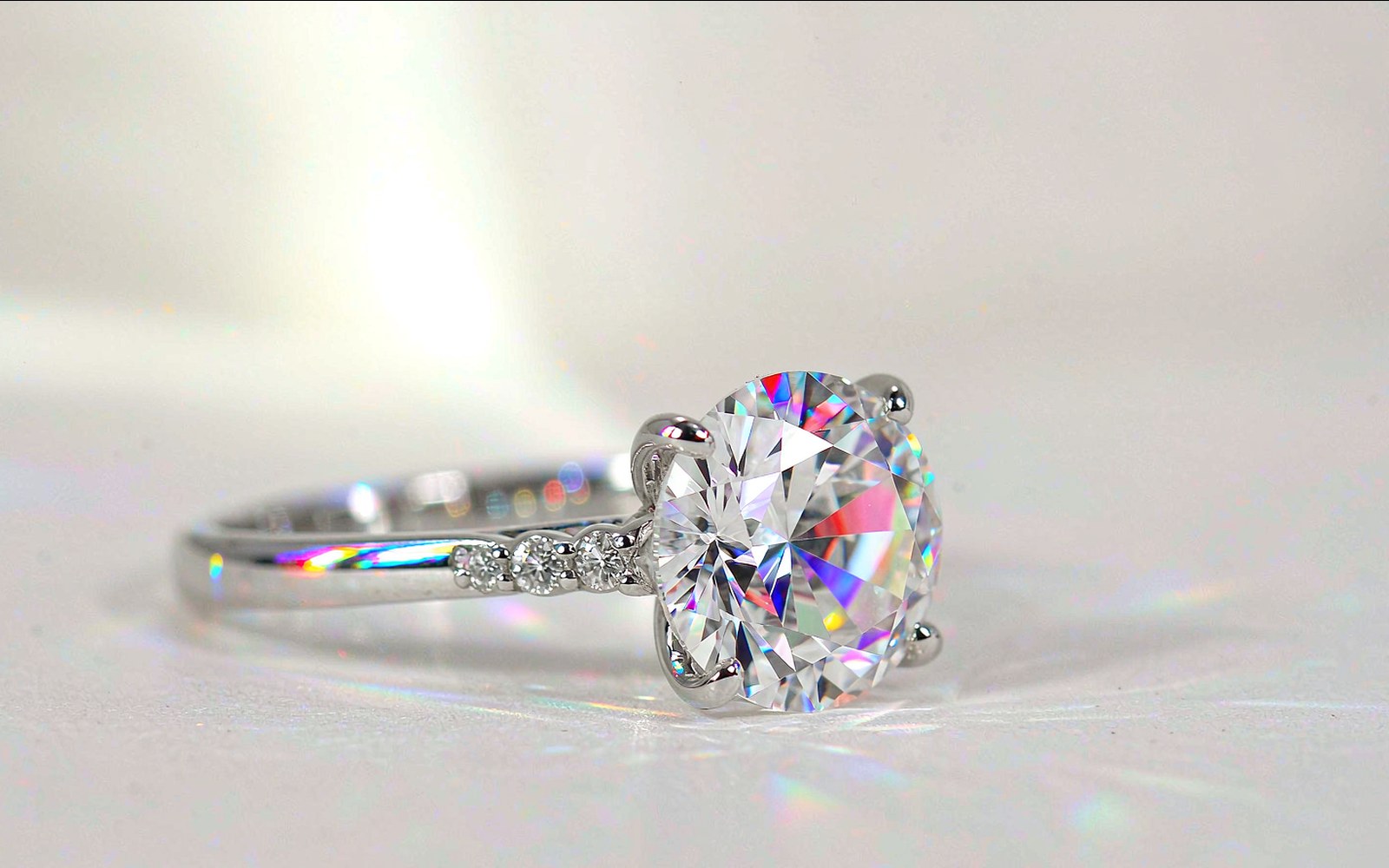
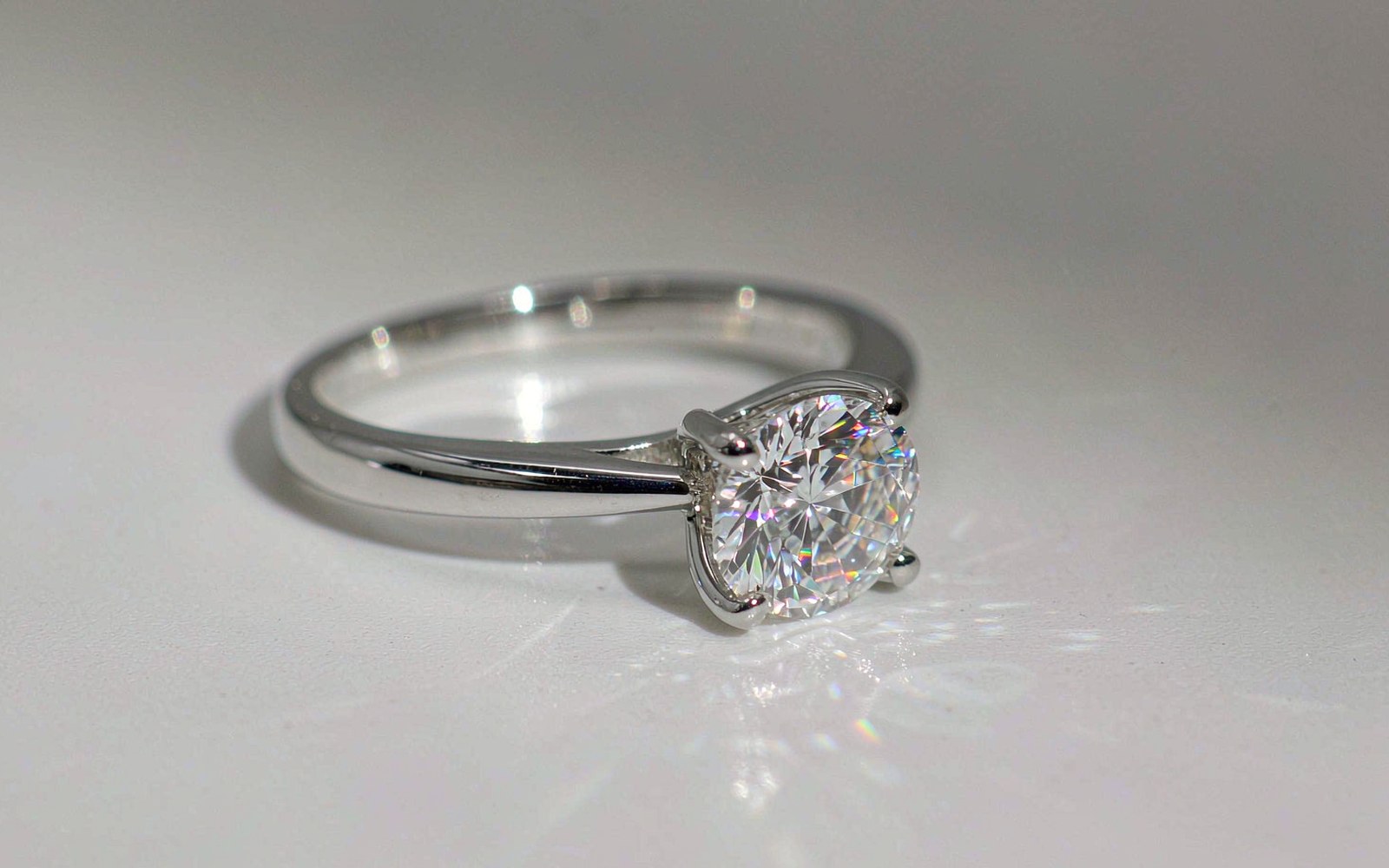
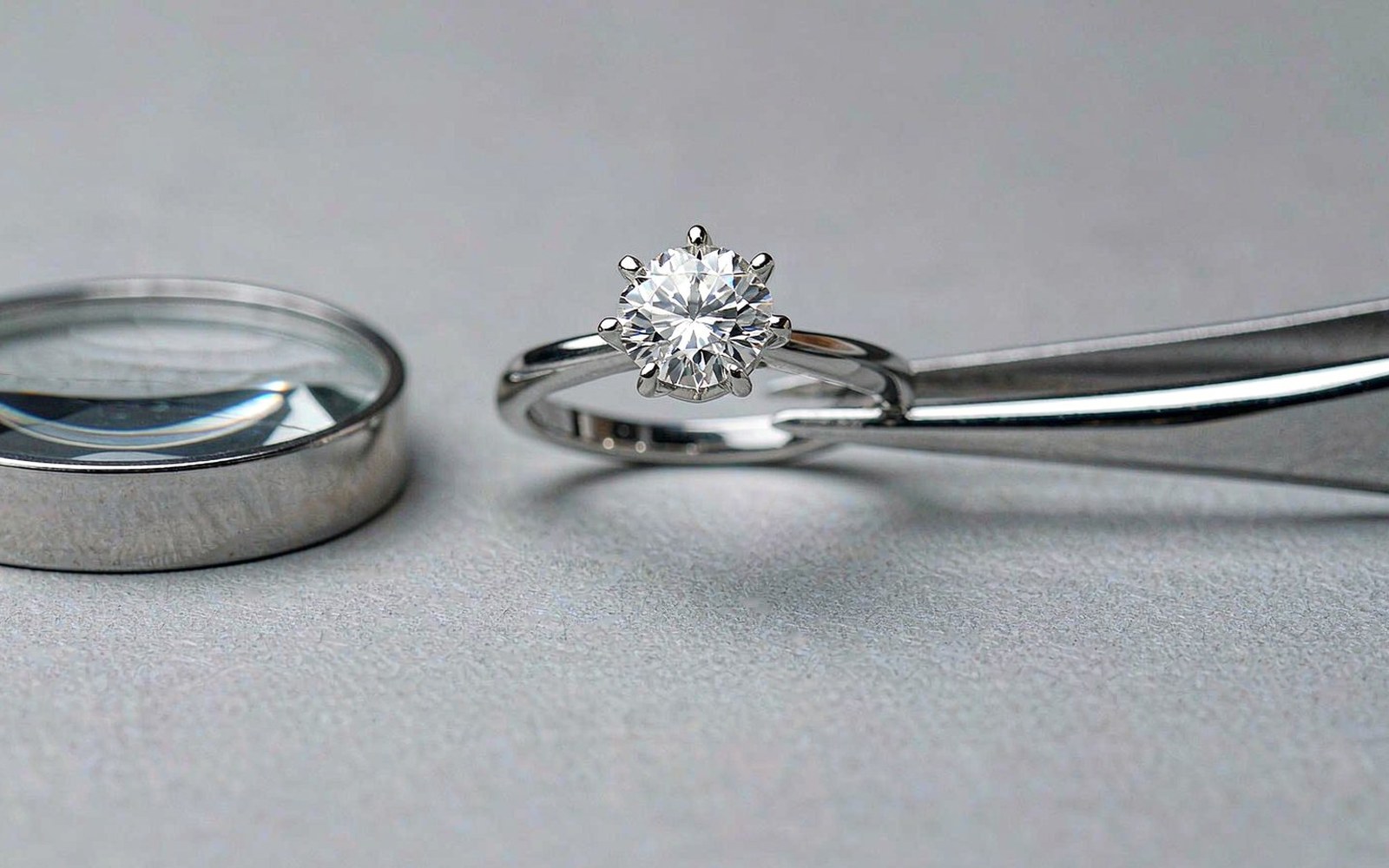
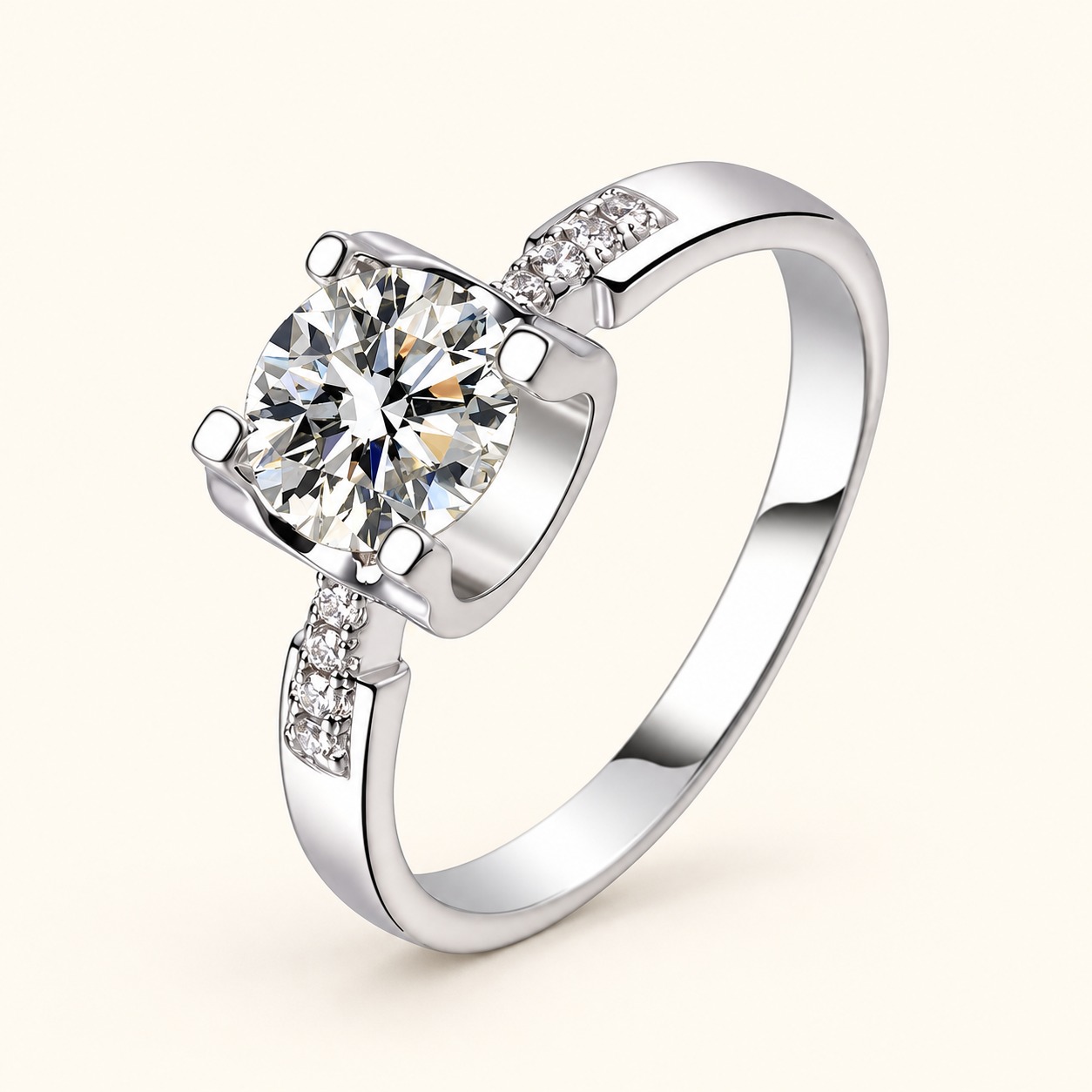
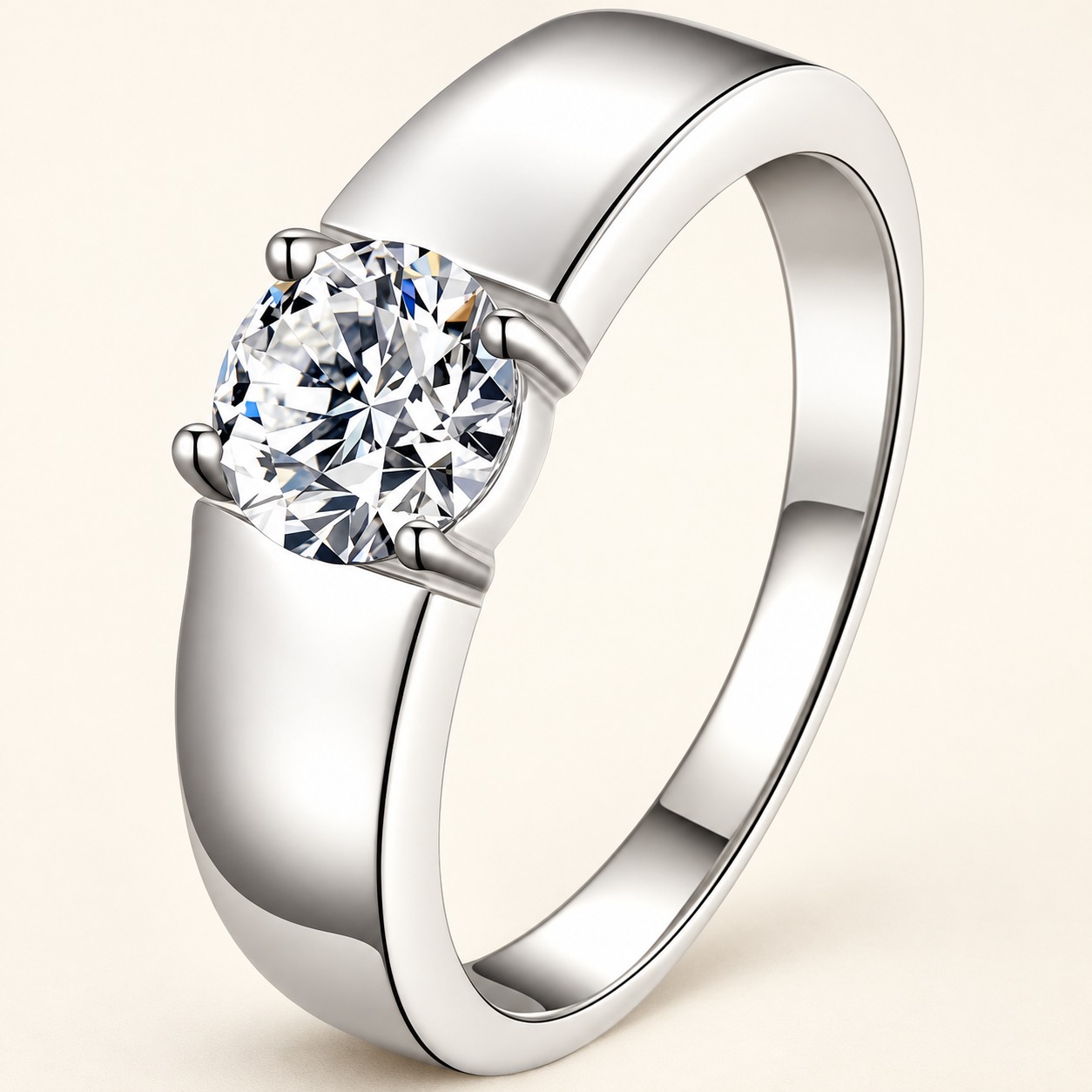
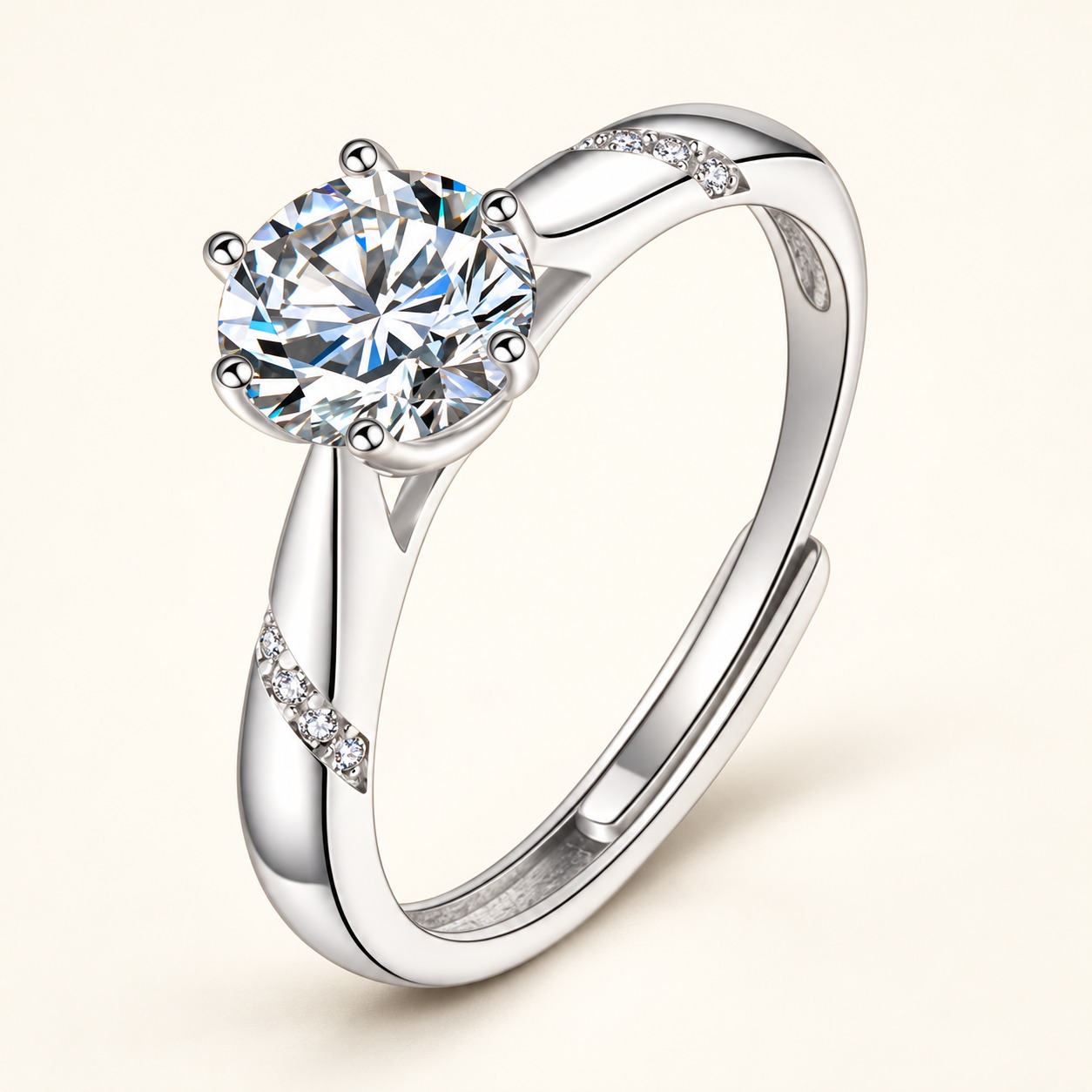
Protective settings wrap more of the stone and reduce the chance of a corner catching on something. A bezel setting, where metal fully surrounds the stone, shields the edges better than open prongs. A low profile setting sits closer to the finger and hits fewer doorframes. Half bezel and cathedral styles with integrated shoulders add security without hiding the sparkle. If you are hard on your hands or wear the ring at a job with tools, ask for a protective setting and confirm the prongs fully cover the stone's edges before you order.
How should you clean a moissanite piece worn every day?
A simple routine keeps the stone looking the same as day one. Mix a little mild dish soap with warm water, soak the piece for a few minutes, and brush gently with a soft toothbrush, especially around the setting where film collects. Rinse and dry with a soft cloth. Do this on a regular schedule rather than waiting for dullness to appear. Avoid harsh chemicals and abrasive powders, and avoid soaking pieces with porous or untreated components. If sparkle does not return after a clean, the mark is likely on the metal, not the stone, and a jeweler can polish it.
What actually wears out first, the stone or the setting?
In almost every daily wear case, the setting ages before the stone. Moissanite at 9.25 hardness shows no meaningful wear across decades of normal use, while the metal band, prongs, and plating move and thin with contact. Silver and plated finishes can develop surface marks at high contact points, and prong tips on gold settings can wear enough to loosen a stone over years. The practical move is to have the setting checked on a regular basis and to keep the stone clean so you can spot a loose prong early. The moissanite will outlast the metal around it.
Should you take moissanite off for certain activities?
Take the piece off for activities where the setting, not the stone, is at risk. Heavy lifting, gardening, masonry, and contact sports can bend a band or loosen a prong even though the stone stays unharmed. Remove it before swimming in chlorinated water or using strong household chemicals, which affect metal finishes more than the gem. You do not need to baby the stone itself, but protecting the band and prongs is what keeps the piece secure over time. A simple habit of removing it for high impact tasks protects the whole ring.
Does certification matter for everyday wear, and what does it tell you?
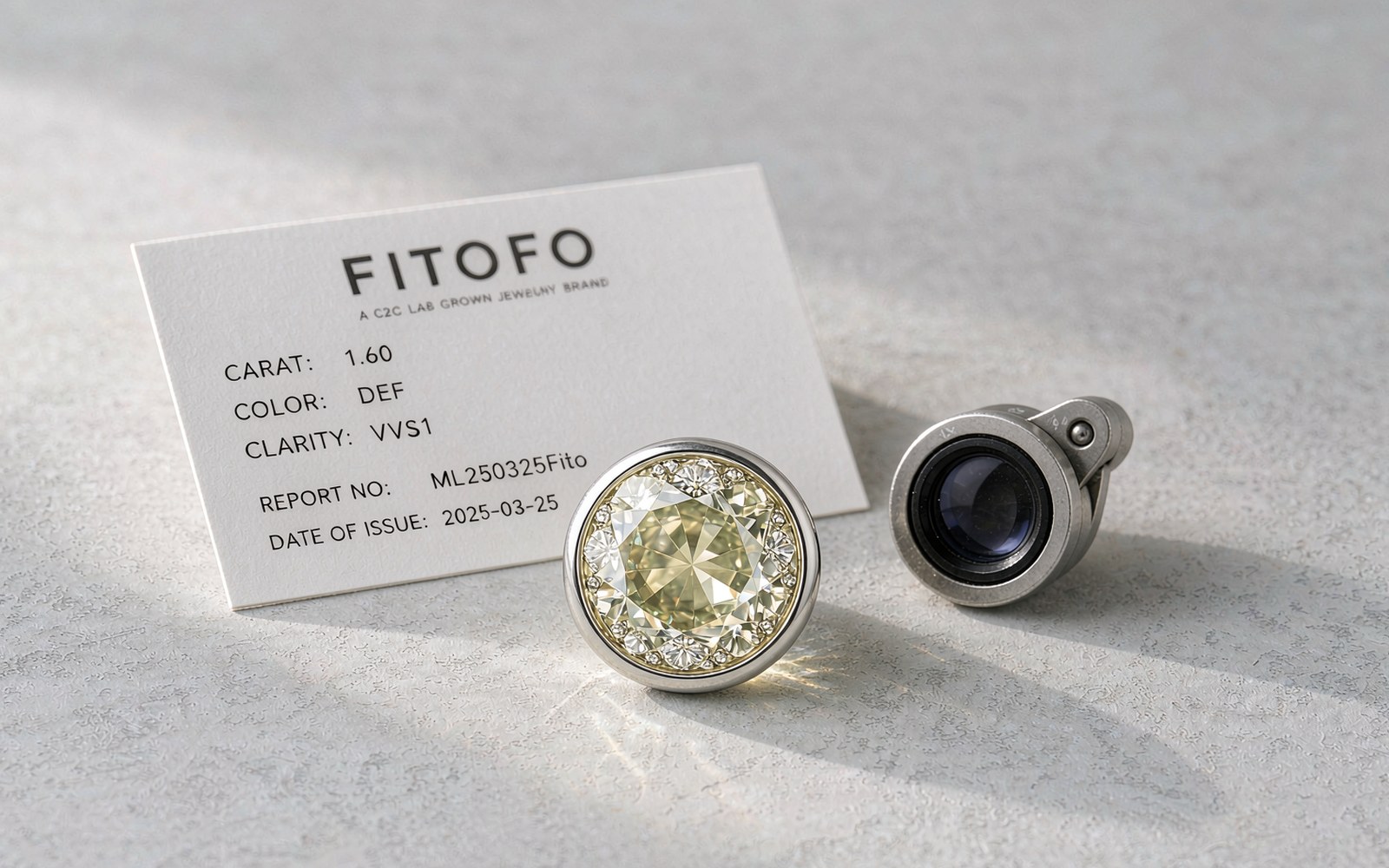
Ask whether a grading report or certificate is available for the stone in your piece. A report confirms the material and optical grade you receive, but it does not certify long-term durability, and it does not promise future resale value. Treat documentation as a way to verify what you are buying, not as proof of how the piece will perform years from now. If paperwork matters to you, request it in writing before ordering and keep it with your purchase record so you can compare the delivered piece against what was described.
What should you confirm with your seller before wearing moissanite daily?
Before you order a piece meant for daily wear, confirm these eight points so the result matches your expectation. First, applicability: confirm the setting style suits your daily routine, for example whether a low profile or bezel is recommended for your kind of work. Second, production timeline: ask your seller for the made to order window in writing and confirm it fits your date. Third, minimum order details: confirm the smallest quantity they will accept and whether a single piece is available. Fourth, samples or lookbook: request a photo of the actual piece on a hand, or a rendered mockup, before committing. Fifth, failure conditions: ask what happens if a prong loosens or the band warps, and get the remedy in writing. Sixth, testing the stone: ask how the stone is verified, whether a grading report is available, and how you can confirm the material on delivery. Seventh, specs to confirm: put the metal, stone size, setting style, and finish in writing so the delivered piece matches the agreed design. Eighth, inspection and after sales: confirm how returns, resizing, and setting repairs are handled, and keep the written policy with your order.
You can explore everyday friendly designs in our ring collection at /en/rings/ , learn how the stone behaves at /en/what-is-moissanite/ , and reach our team through /en/contact/ . Common questions about sizing, care, and returns are answered in our /en/faq/ . The bottom line: moissanite is one of the most scratch resistant gems you can wear daily, the setting and not the stone is what ages first, and the smart move is to choose a protective setting and confirm the timeline, specs, and after sales terms in writing before you order.