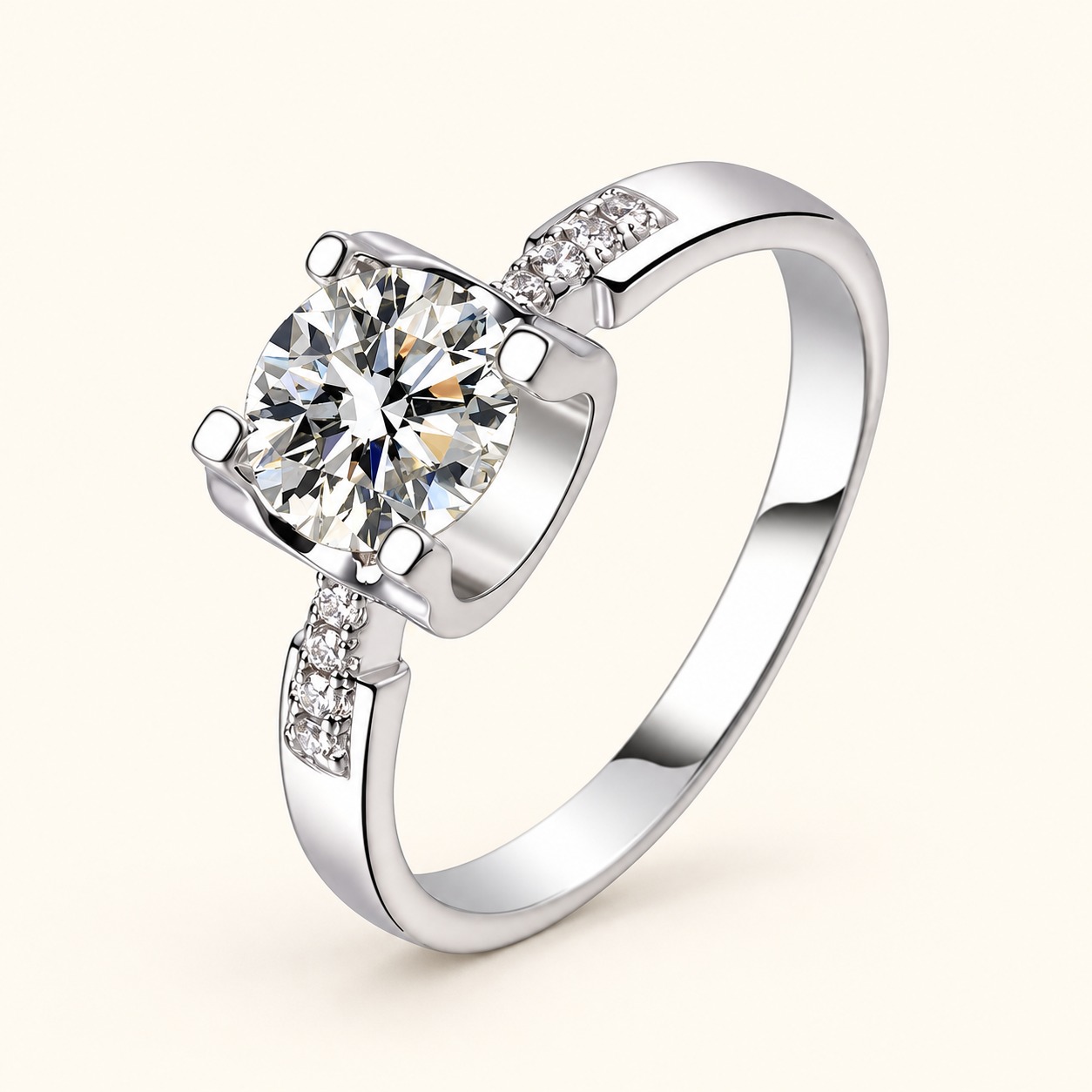
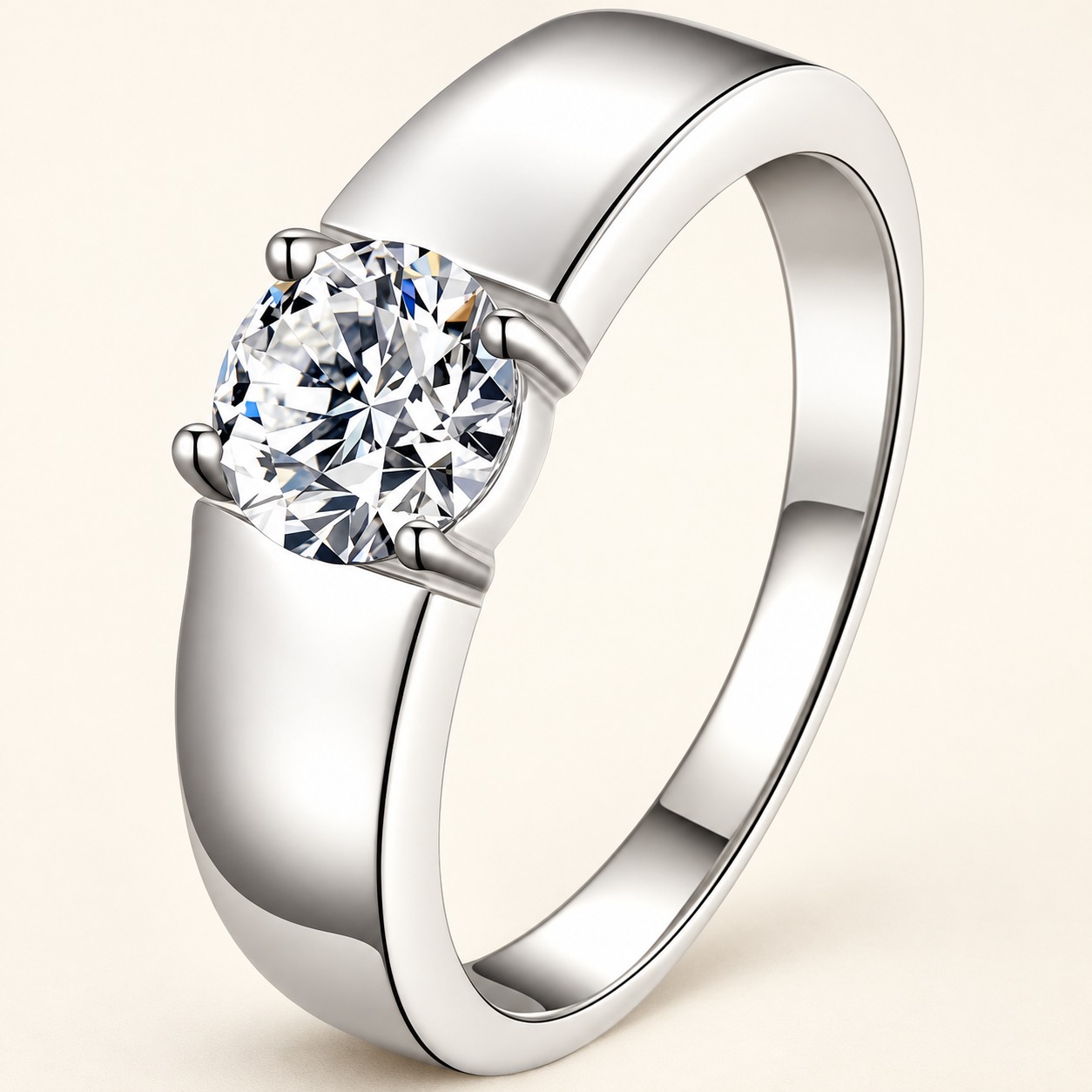
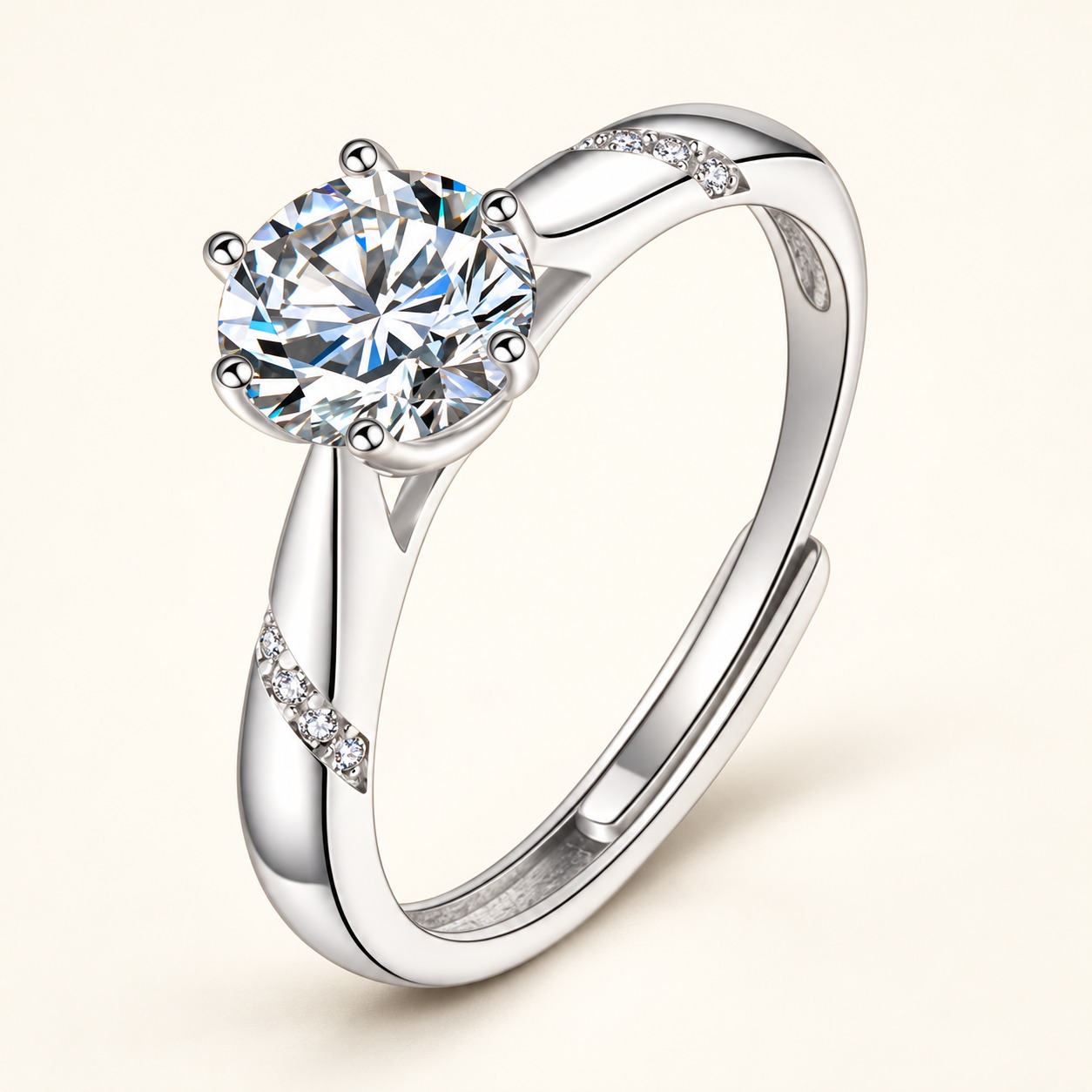
· О муассаните
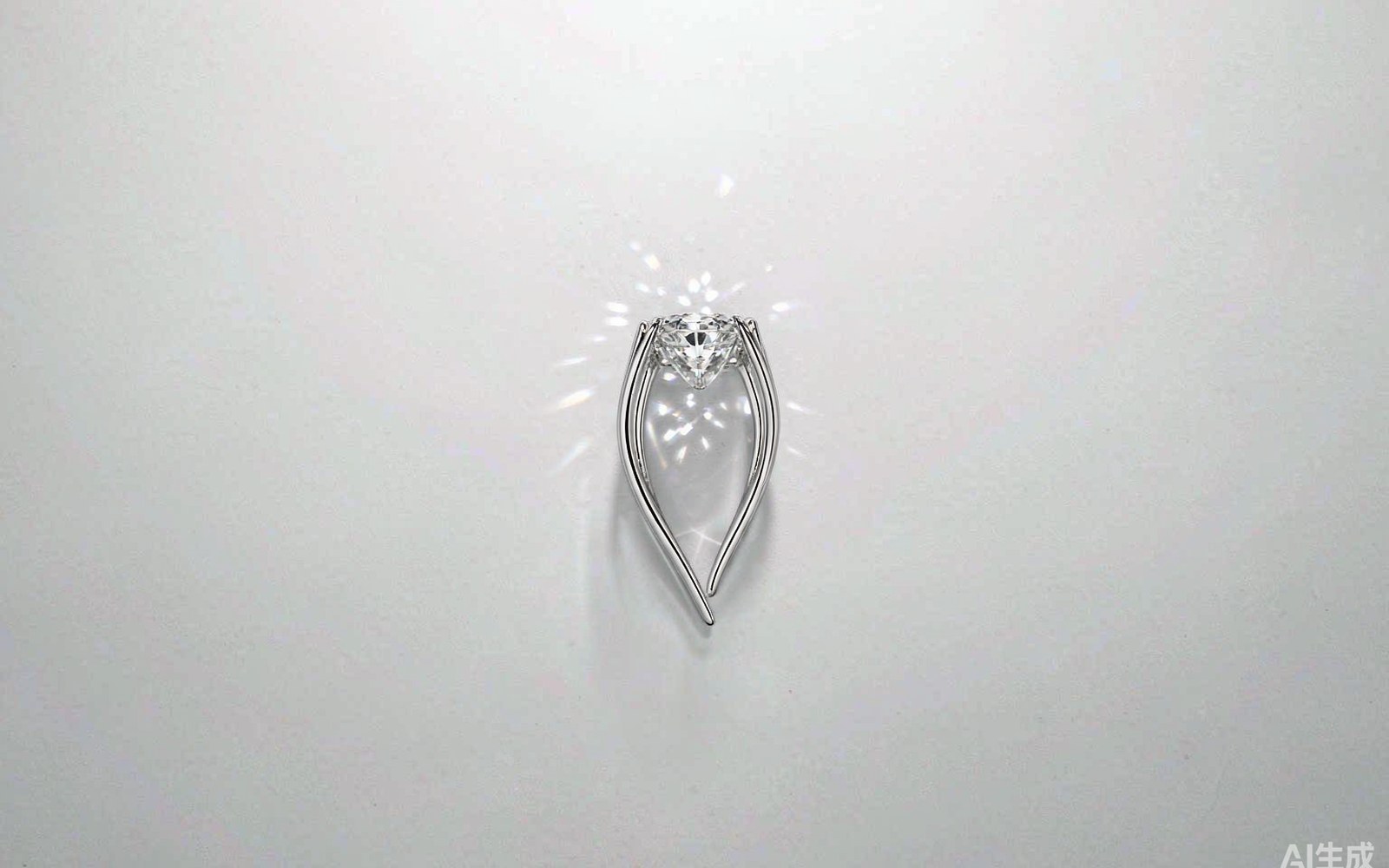
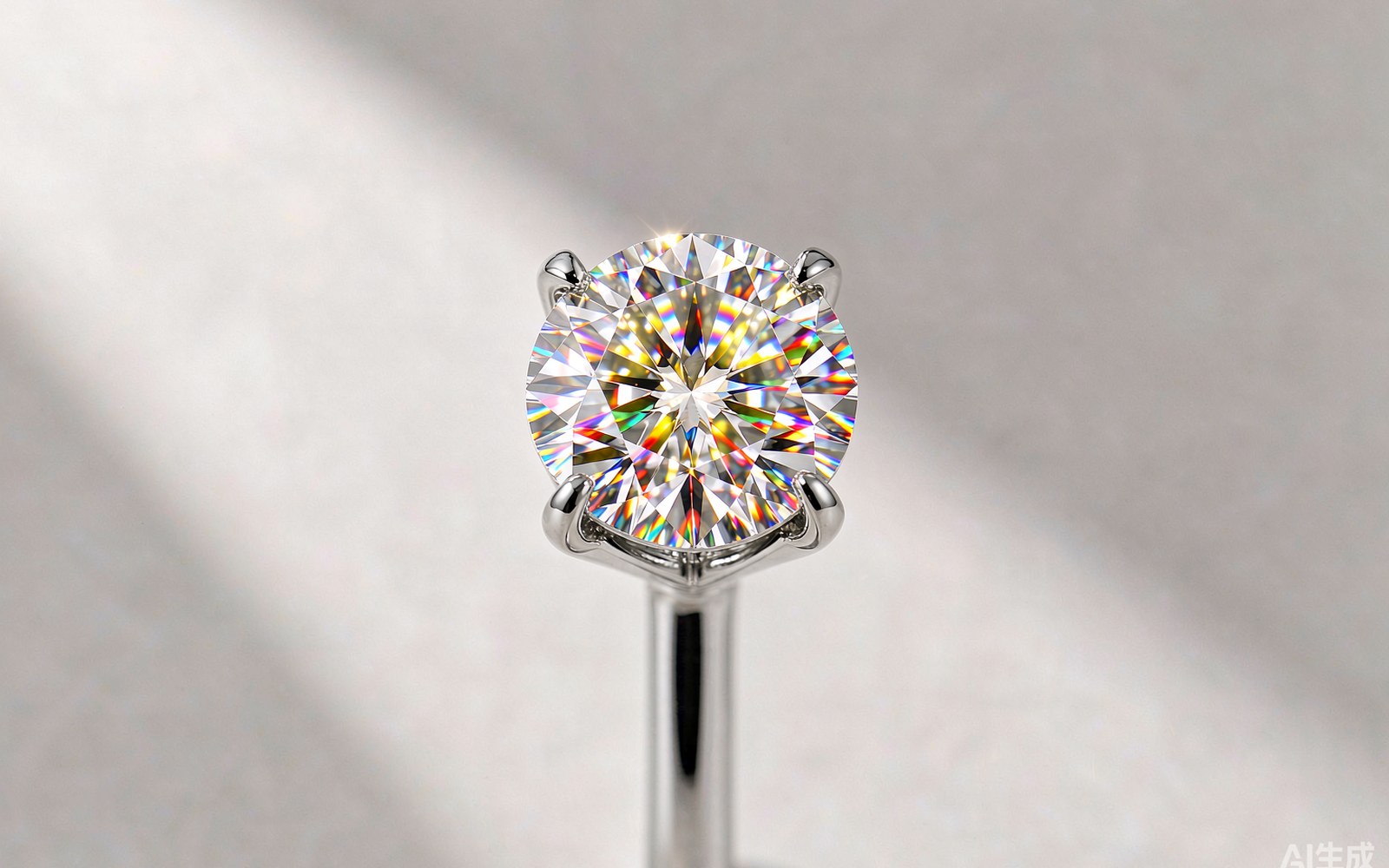
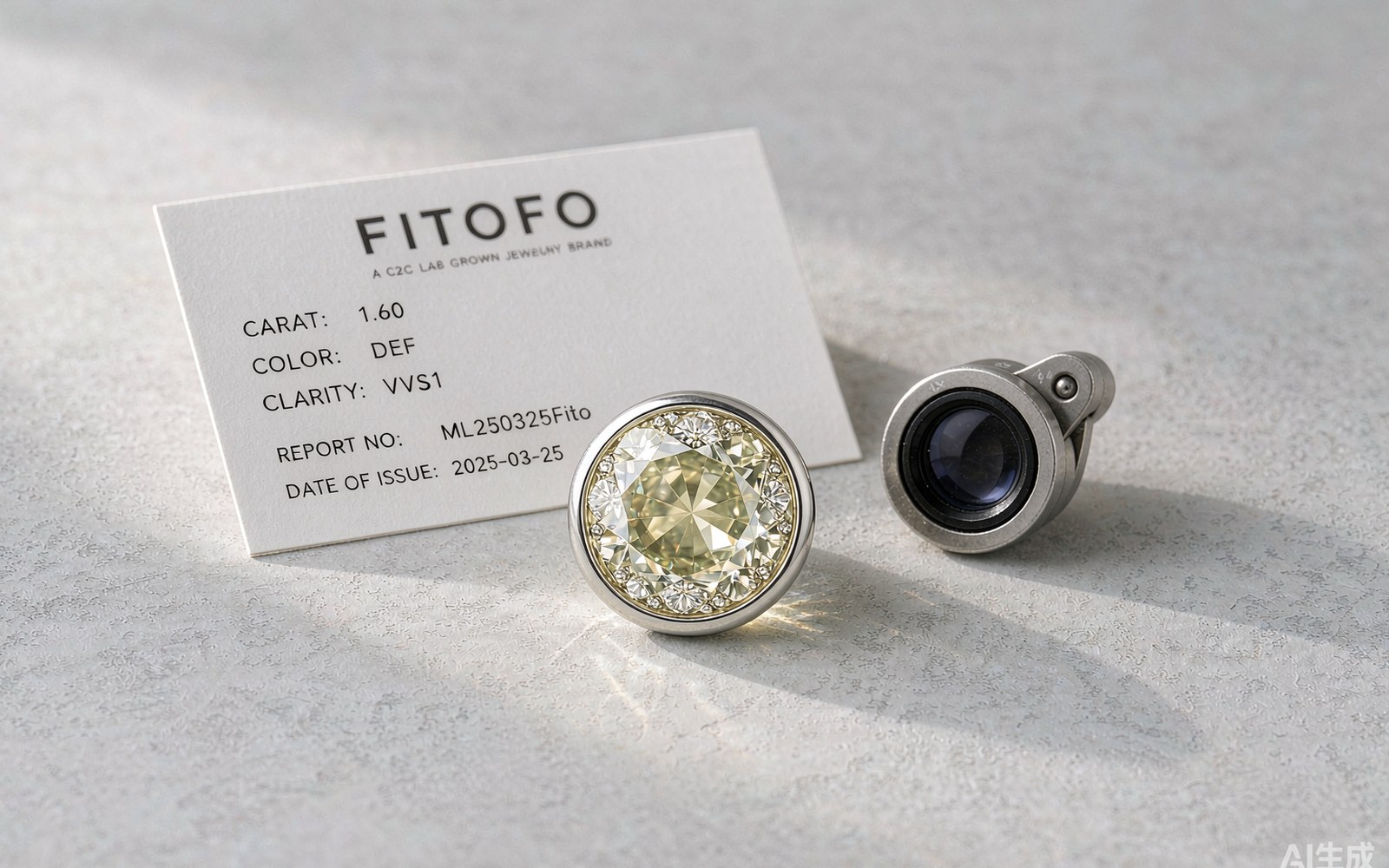
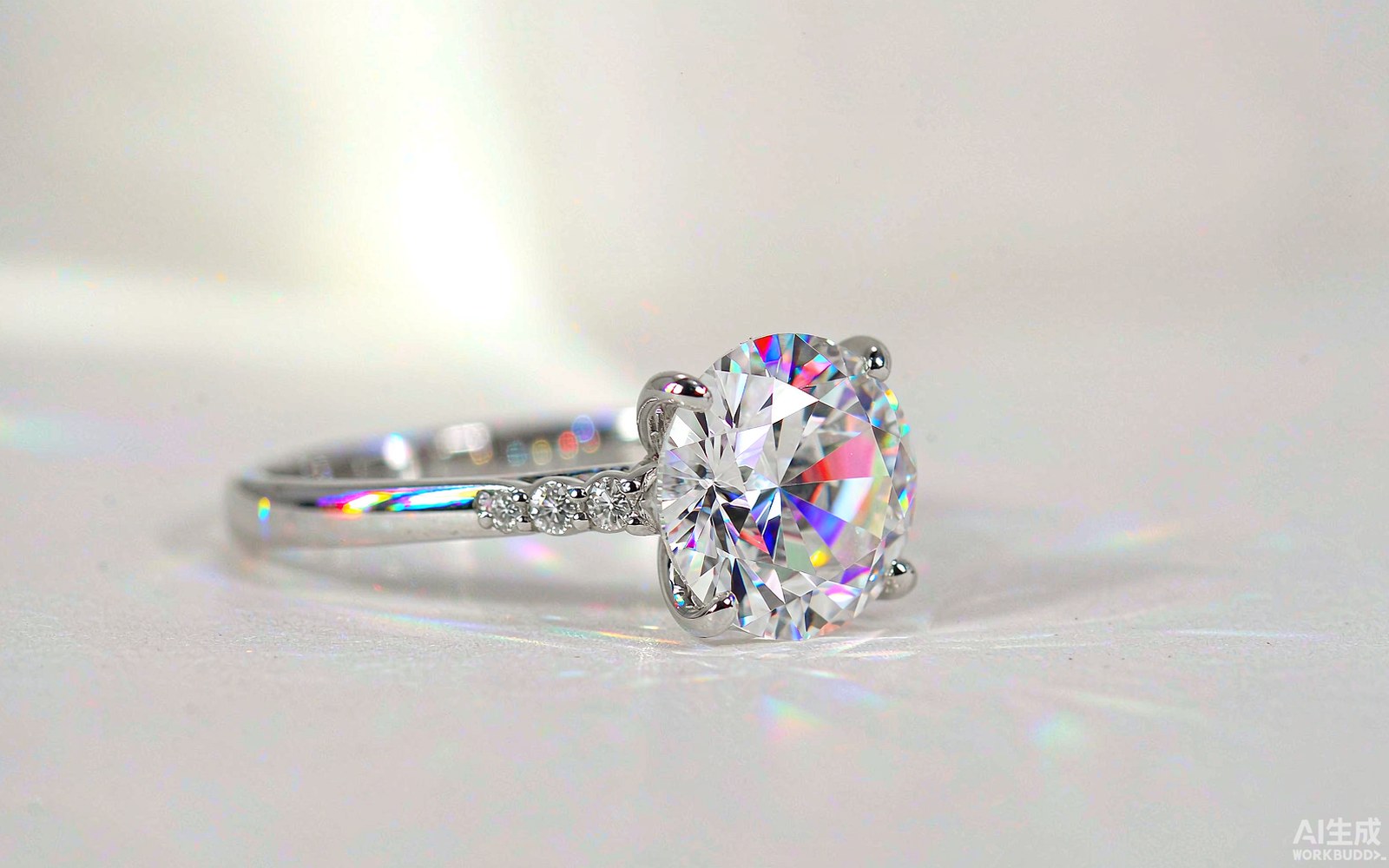
Moissanite is often chosen because it delivers brilliance at a fraction of the cost of a comparable mined stone, but the price of a finished piece still varies. This guide explains the factors that move the number and how to read a quotation with confidence.
What actually drives the price of a moissanite piece?
The main drivers are the stone size, the cut quality, the metal type, the setting complexity, and the order volume. A bigger or more precisely cut stone, a heavier gold weight, and a detailed setting each add cost. Ask your supplier to break the quotation into stone, metal, and labor so you can see what you pay for.
Does a larger moissanite always cost much more?
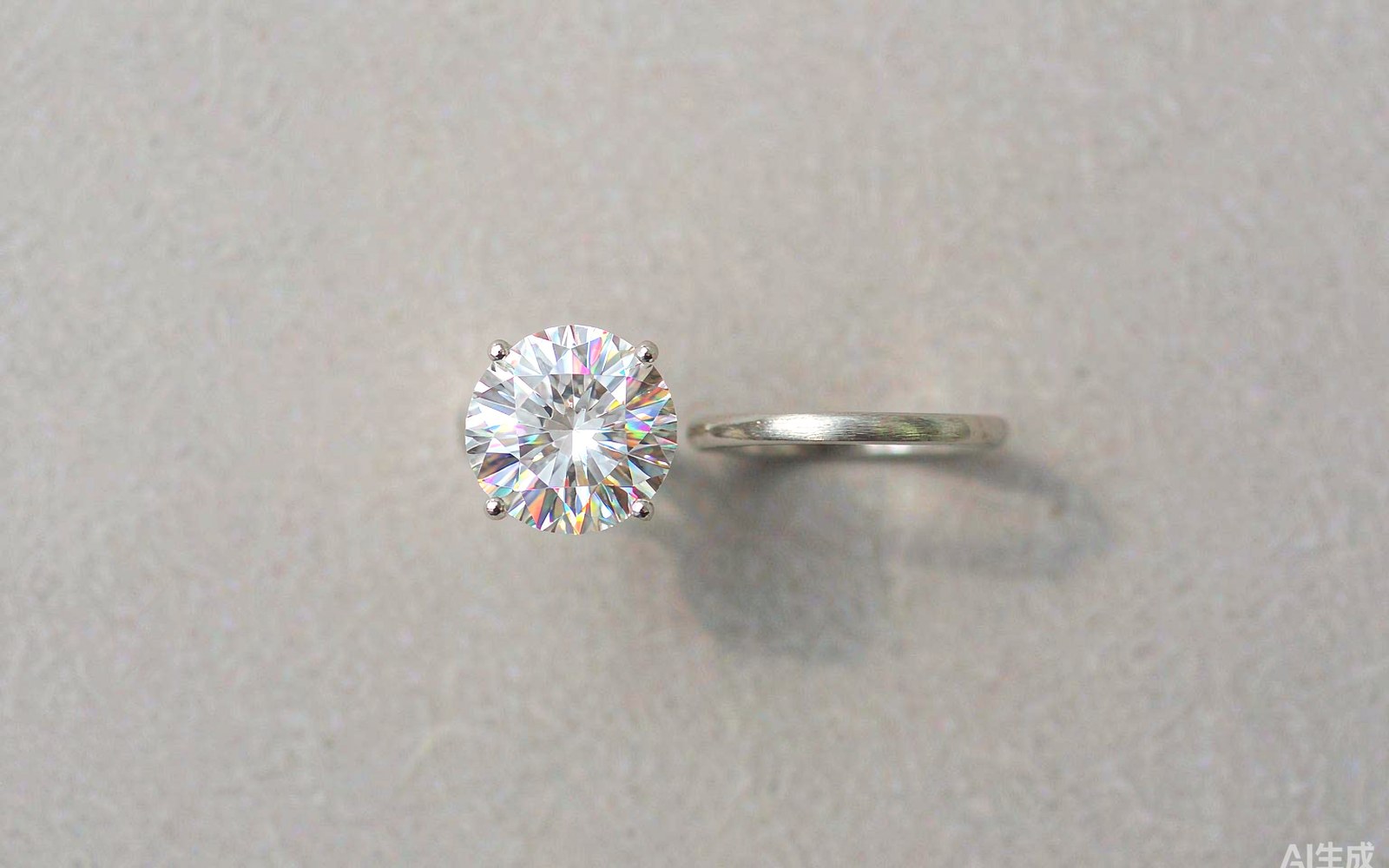
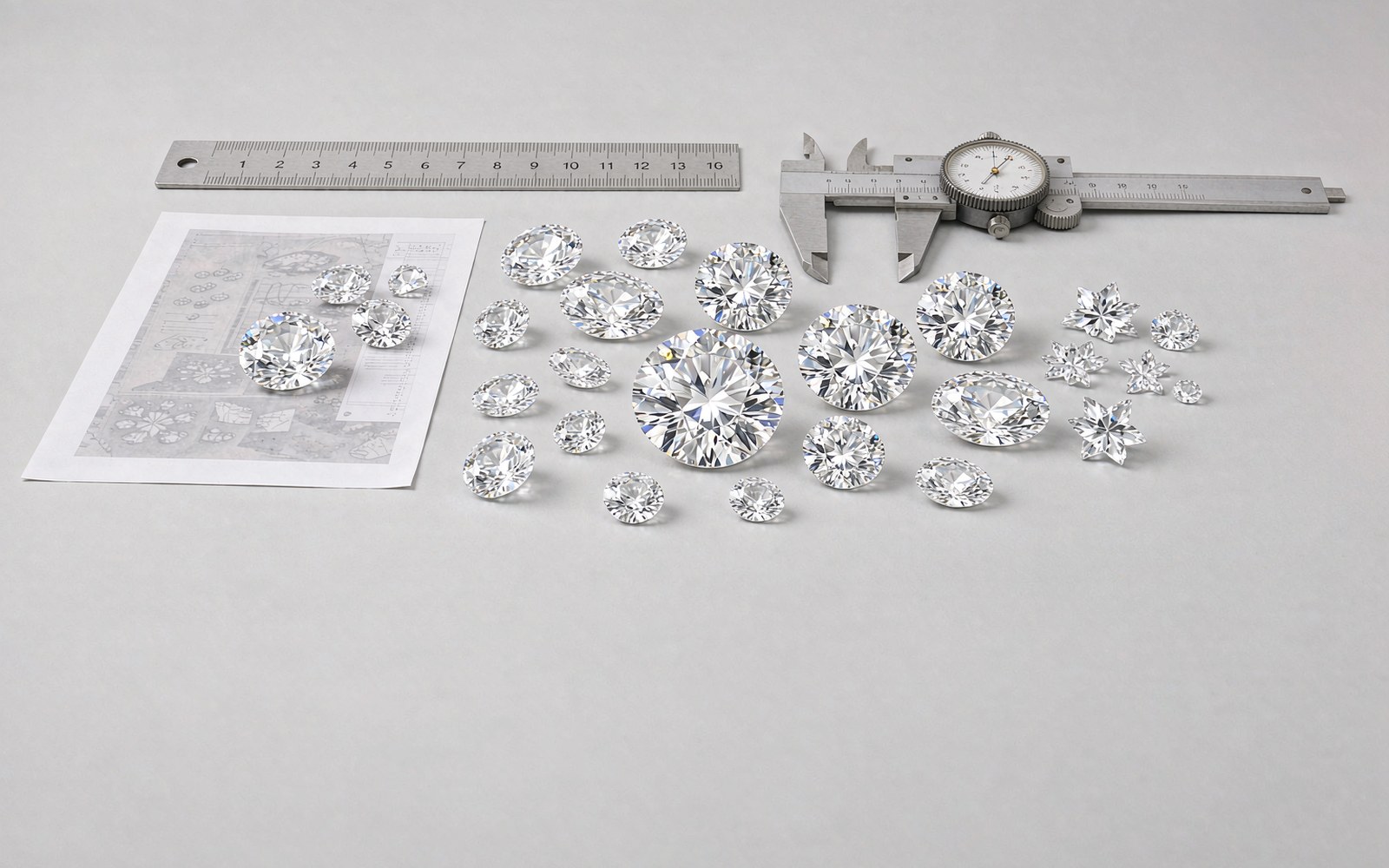
Size is not a straight line: a modest step up in carat weight can change the price more than expected because cutting larger stones takes more material. Rather than guess, request the price for the exact size you want and compare it to the next size up in writing.
How does the metal and setting affect the price?
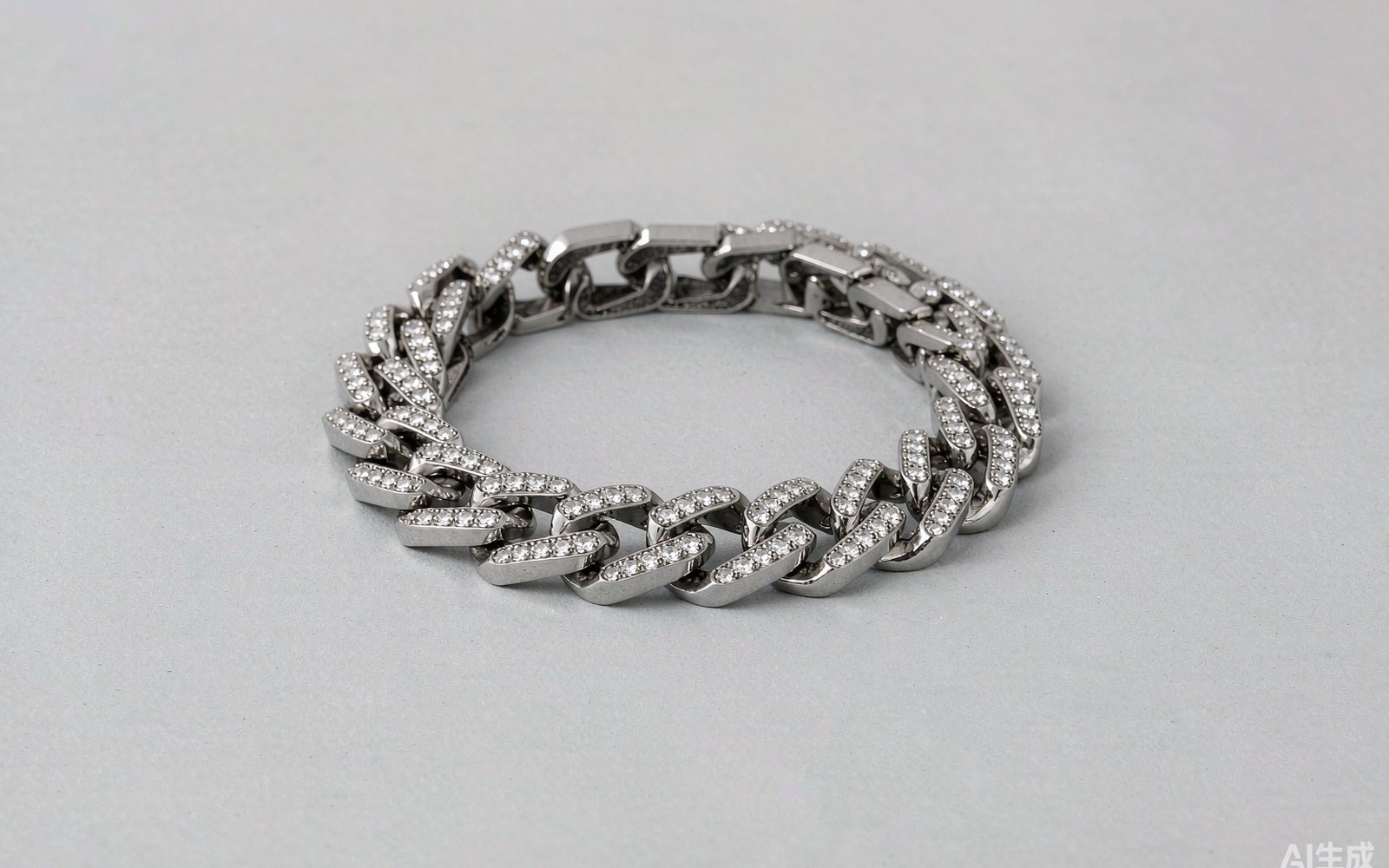
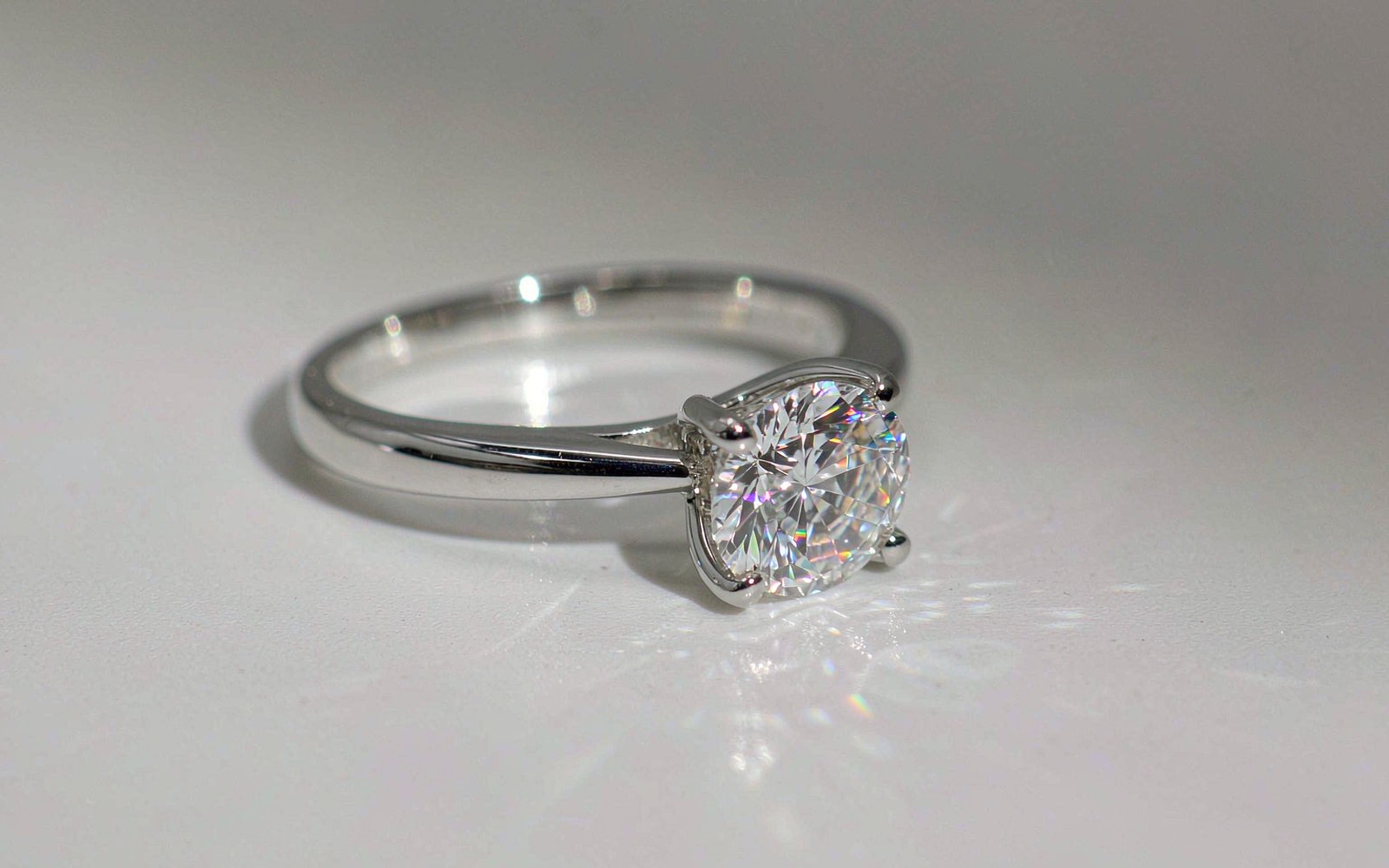
Sterling silver is the lightest on the budget, while gold and platinum add material cost that scales with weight. An intricate setting with many stones costs more in labor than a simple solitaire. Confirm the metal alloy and setting style on the specification so the quote matches the piece you pictured.
Why do two similar moissanite quotes look different?
Quotes differ because they may include different metal weights, stone grades described in different words, or different finishing steps. The fix is to compare specifications line by line, not headlines. If a quote is vague, ask for the breakdown before you decide.
What should I confirm with my supplier about pricing?
Before you commit, ask for a written quotation that lists stone, metal, setting, and any finishing separately, plus the production window. Treat any verbal price as a starting point, not the final number. You can send your specifications to our team through the contact page at /en/contact/ and we will prepare a written quotation.
What is the eight-point buyer checklist before I order?
Whether you order one piece or a volume batch, confirm these eight points with your supplier in writing:
Applicable scope: confirm the piece type and which options are included in the quoted price.
Lead time: ask for the production and shipping window in writing, because custom pieces are made to order.
Minimum order quantity: confirm the smallest order your supplier will accept and request the figure in writing.
Sample: request a sample or reference photos before a full run so you can verify the look before paying.
Failure conditions: define what counts as a defect against the agreed specification, and agree on the remake or return threshold.
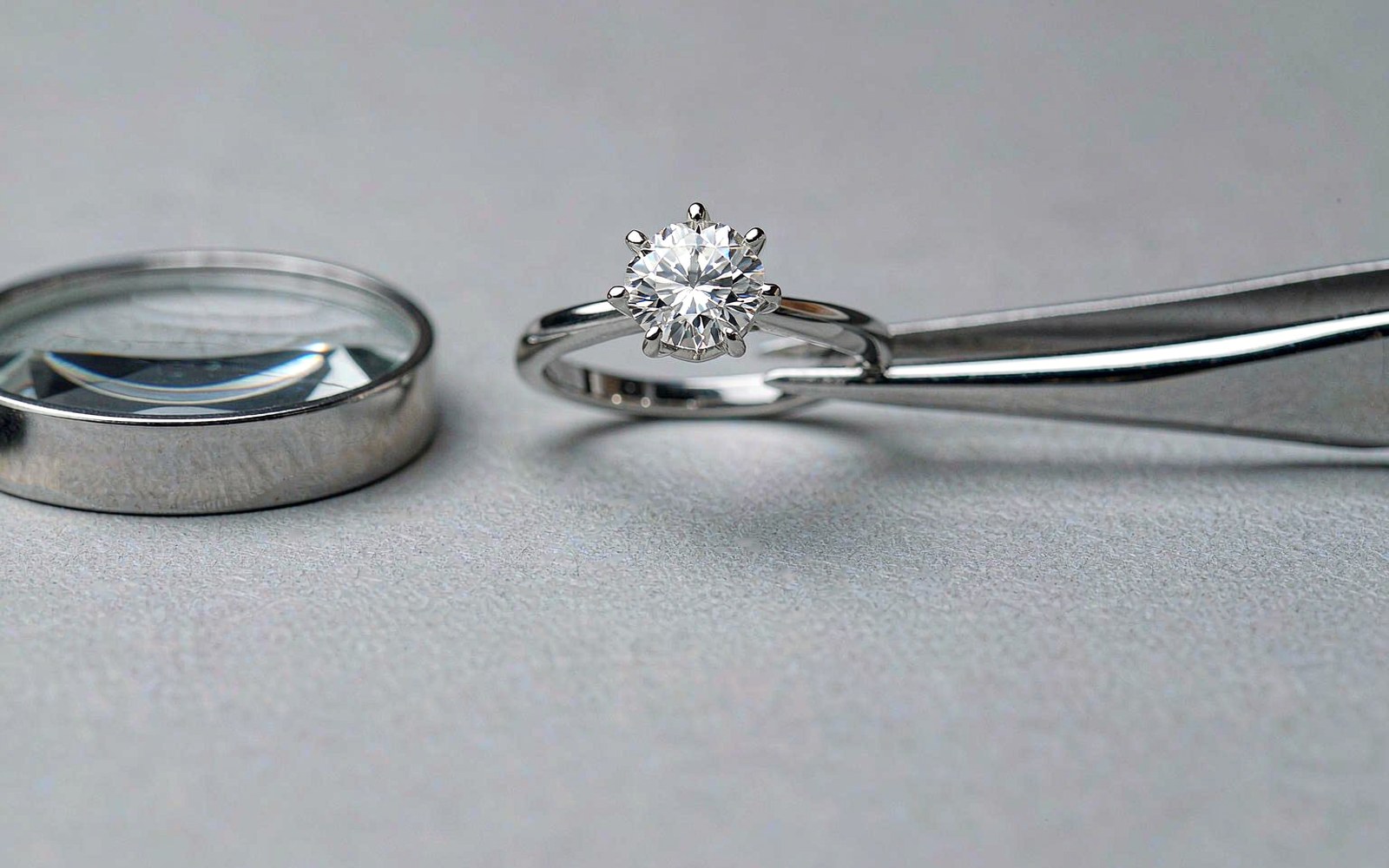
Testing method: agree how the piece is verified on delivery, for example a proportion and visual check, and write the method into your order note.
Parameter explanation: ask your supplier to explain each line of the quotation in plain language, including stone size, metal weight, and setting, so you know what you are paying for.
Inspection and after-sales: confirm who inspects the goods on arrival and what the after-sales coverage includes.
Moissanite price is driven by stone size, cut, metal, setting, and order volume, not by a single label: always ask for a written quotation that breaks the cost into stone, metal, and labor, and confirm the scope, lead time, minimum order quantity, a sample, failure conditions, the test method, each specification line, and inspection or after-sales terms with your supplier in writing. Share your requirements through the contact page at /en/contact/ for a written quotation.