· О муассаните
If you are shopping for moissanite, you have probably seen the same question pop up everywhere: does moissanite pass a diamond tester? It is one of the most searched moissanite questions among buyers in North America, the UK, and across Europe. The short answer is interesting, but the practical answer matters more for your purchase. This guide explains what a diamond tester actually measures, why moissanite behaves the way it does, and how you can confirm you received the stone you paid for. If you are new to the stone, start with our plain-English overview at /en/what-is-moissanite/ before reading on.
How does a diamond tester actually work?
Most handheld diamond testers do not identify a stone by name. They measure a single physical property: how fast heat moves through the stone. Diamond moves heat extremely well, so when the probe touches a diamond, the reading drops fast and the device says "diamond." A small number of testers also check electrical conductivity, and the most capable devices check both at once. The key point is that a tester answers a physics question, not a "what is this stone" question. That distinction is the whole reason moissanite and diamond can read the same on some devices.
Will moissanite pass a basic thermal tester?
In most cases, yes. Moissanite is made of silicon carbide, a material that conducts heat almost as efficiently as diamond. So when a basic thermal pen touches moissanite, the heat dissipates quickly and the device typically returns a "diamond" or "pass" reading. This is not a trick and it is not a defect. It is a genuine physical similarity between two very different stones. Cubic zirconia, by contrast, conducts heat poorly and fails a thermal tester immediately, which is one reason moissanite is considered a far more convincing diamond alternative than a soft simulant.
Why does a multi-tester tell moissanite and diamond apart?
A multi-tester adds a second measurement: electrical conductivity. Diamond is an electrical insulator, while moissanite conducts electricity slightly. When a device checks both heat and electricity, it can separate the two stones reliably. A jeweler who sells both diamonds and moissanite will usually own one of these. So the honest summary is simple: a basic thermal tester will often misread moissanite as diamond, while a proper multi-tester will correctly identify it as moissanite. Neither result says anything about the stone's beauty or durability.
Does the tester result actually matter when you choose moissanite?
For most buyers, not really. The tester question only becomes relevant if you are trying to pass moissanite off as diamond, and that is not why people choose it. Buyers pick moissanite on purpose: more fire and sparkle for the money, strong everyday durability, and a lab-created, ethically sourced origin. If you bought the stone deliberately, the reading on a pawn-shop pen is irrelevant. The one situation where it matters is resale or insurance paperwork, where a clear identification helps. In that case, the stone's accompanying documentation, not a handheld pen, is what you rely on. You can read more common buyer questions in our /en/faq/.
How can you confirm you received real moissanite?
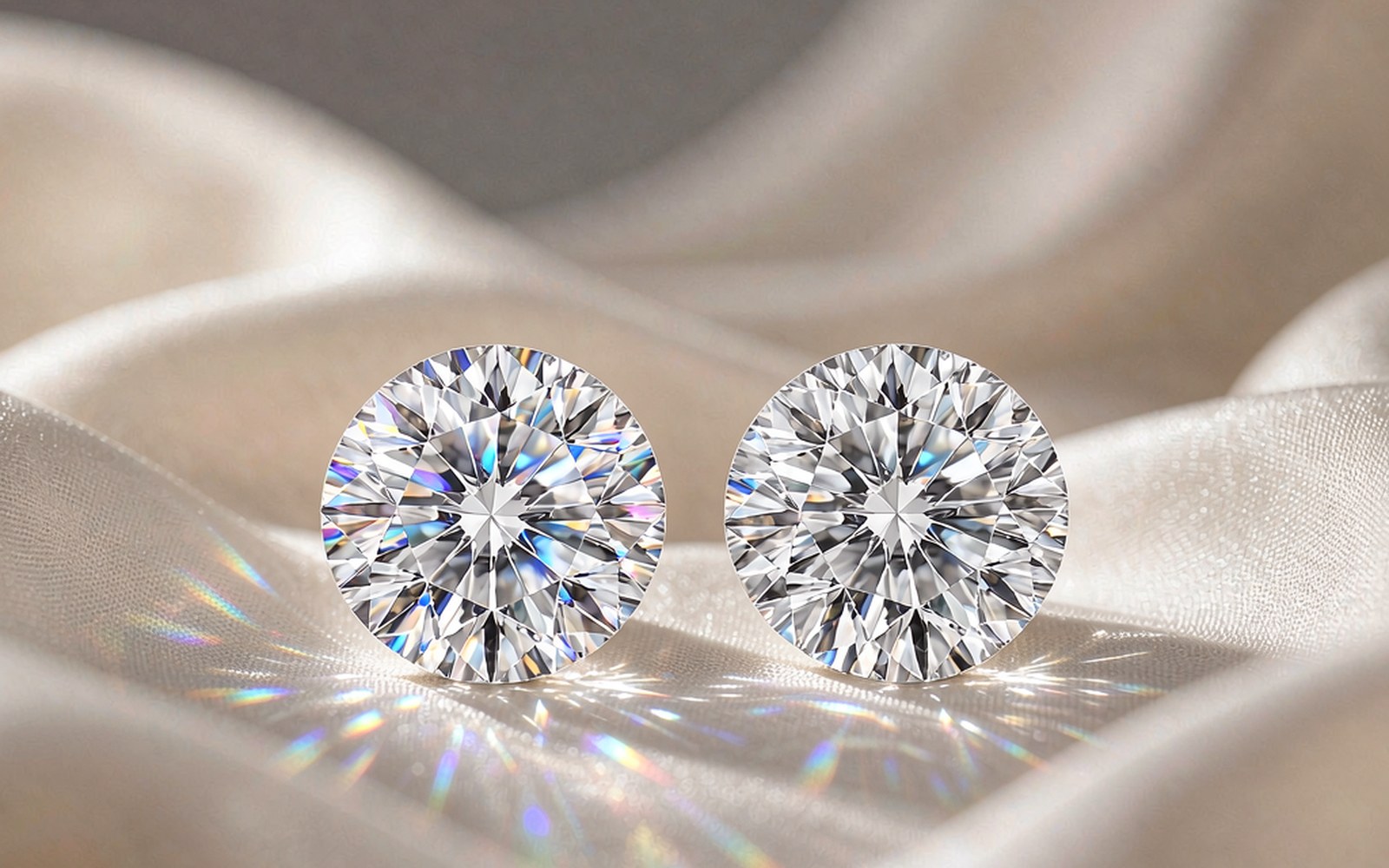
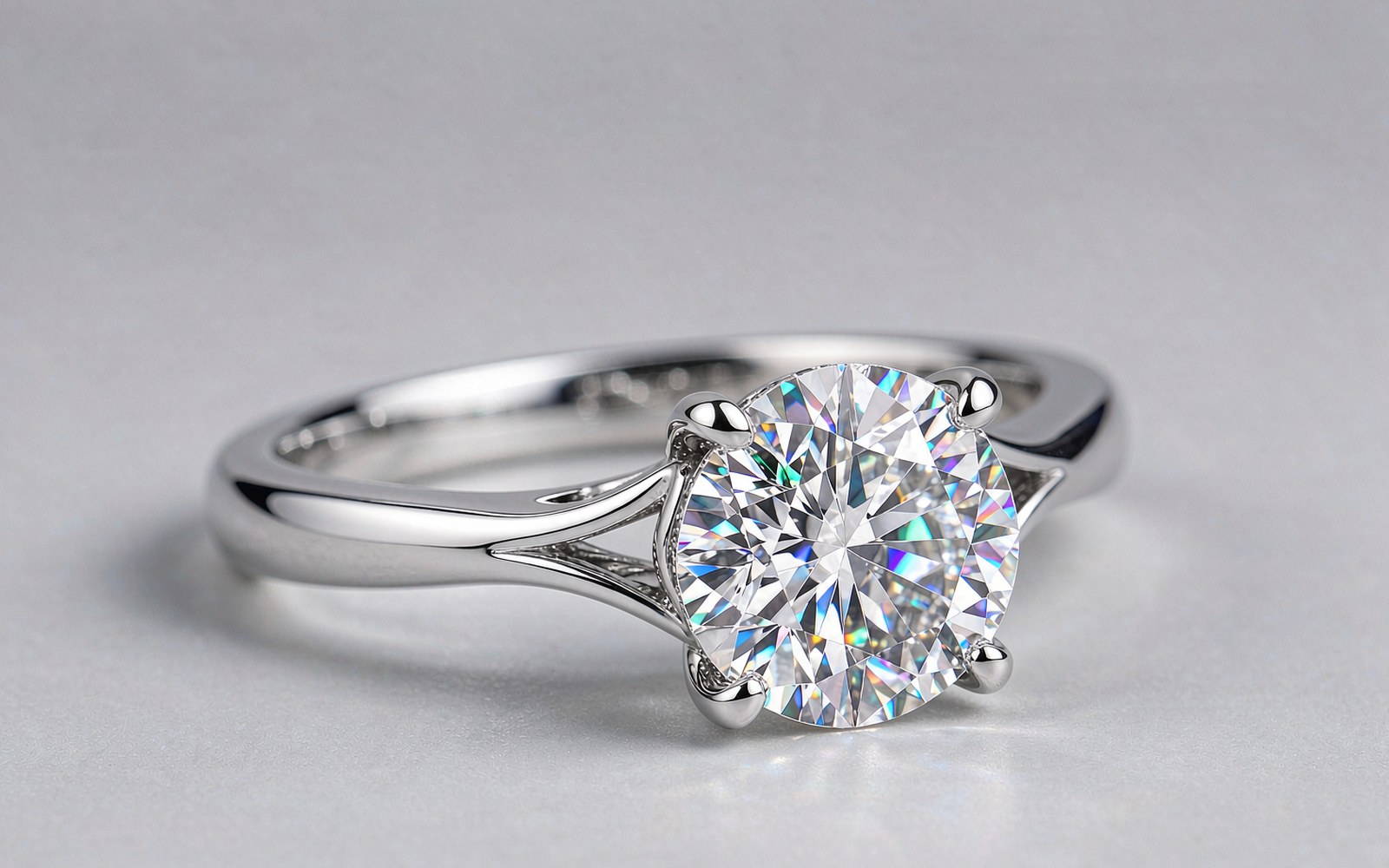
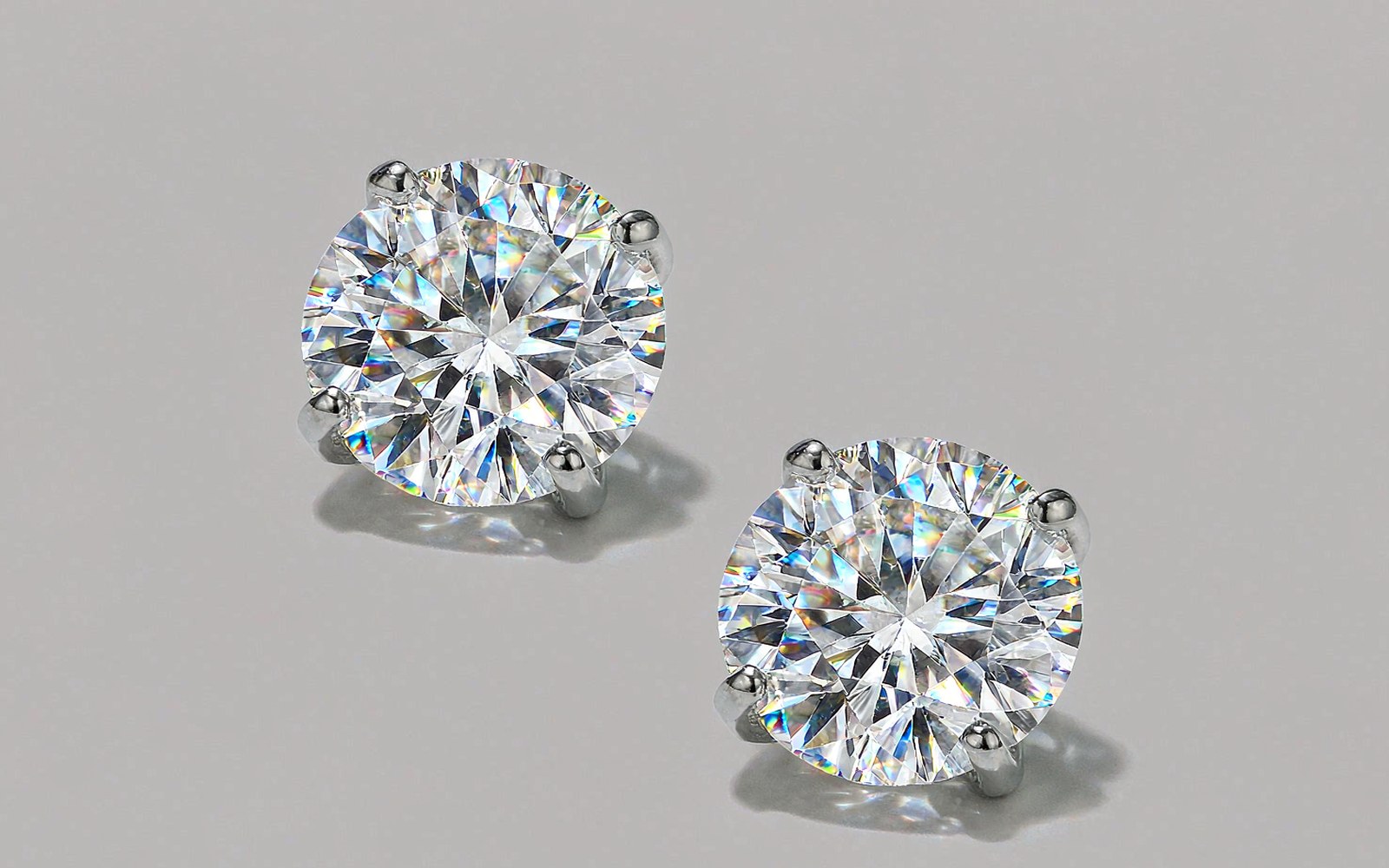
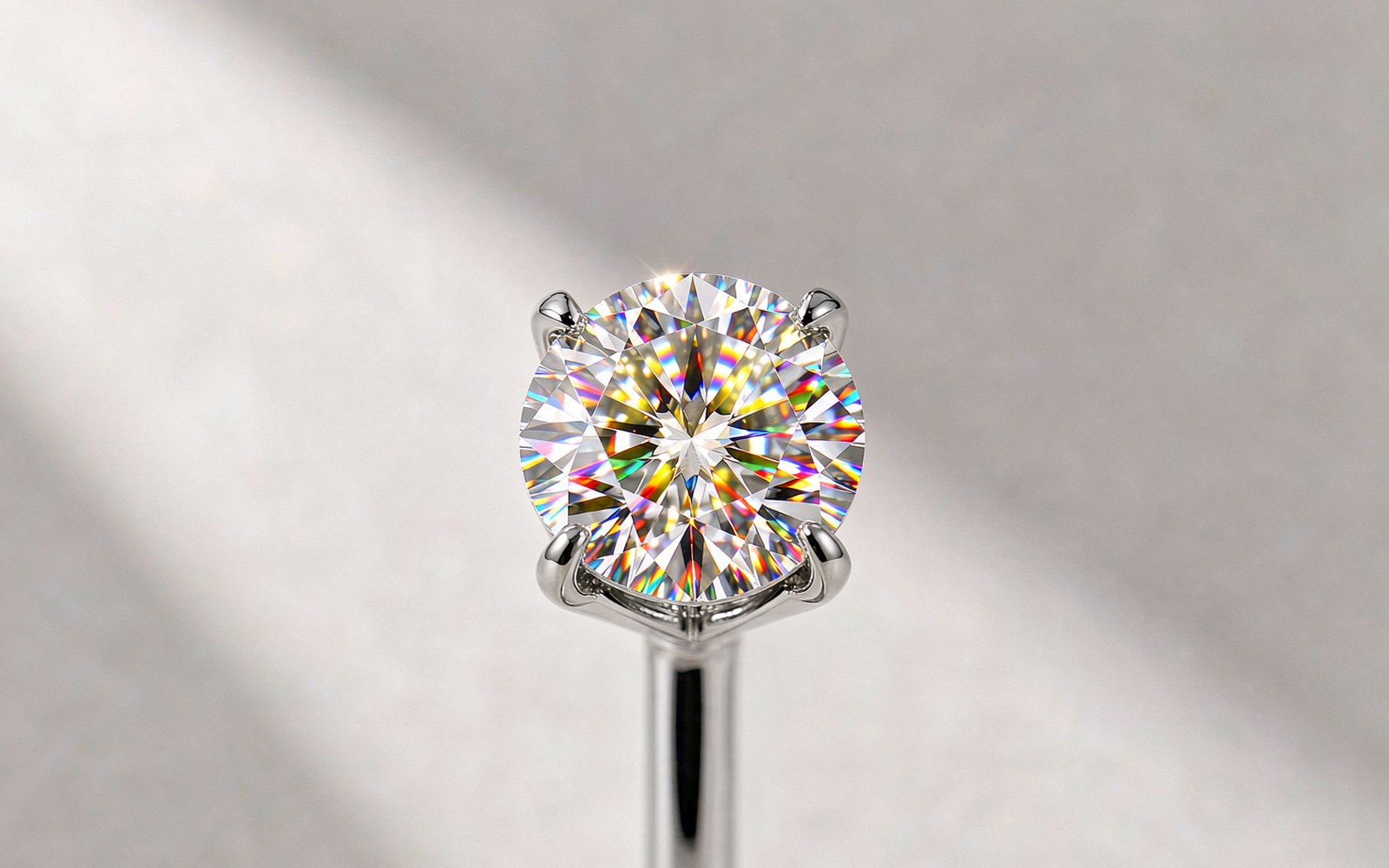
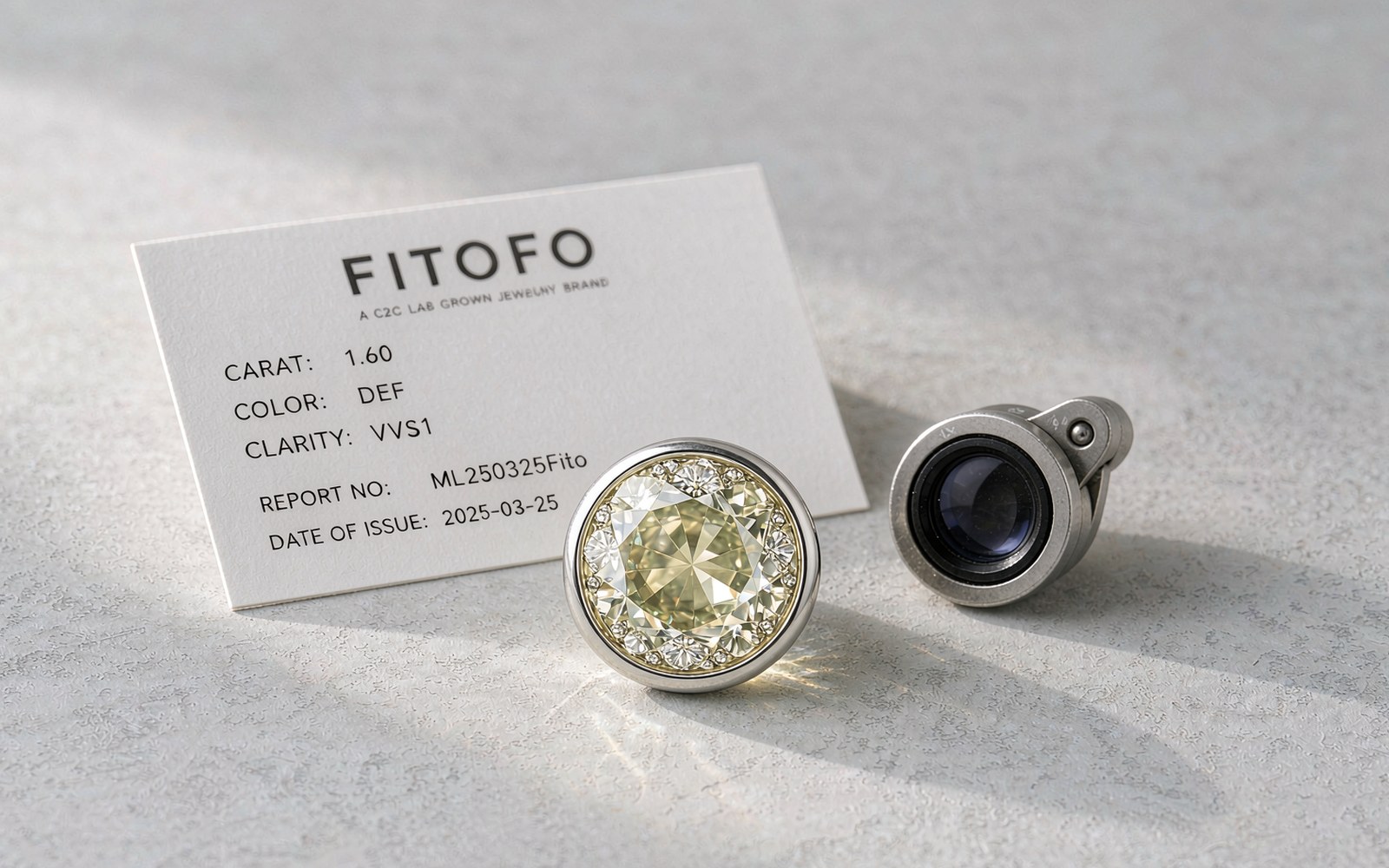
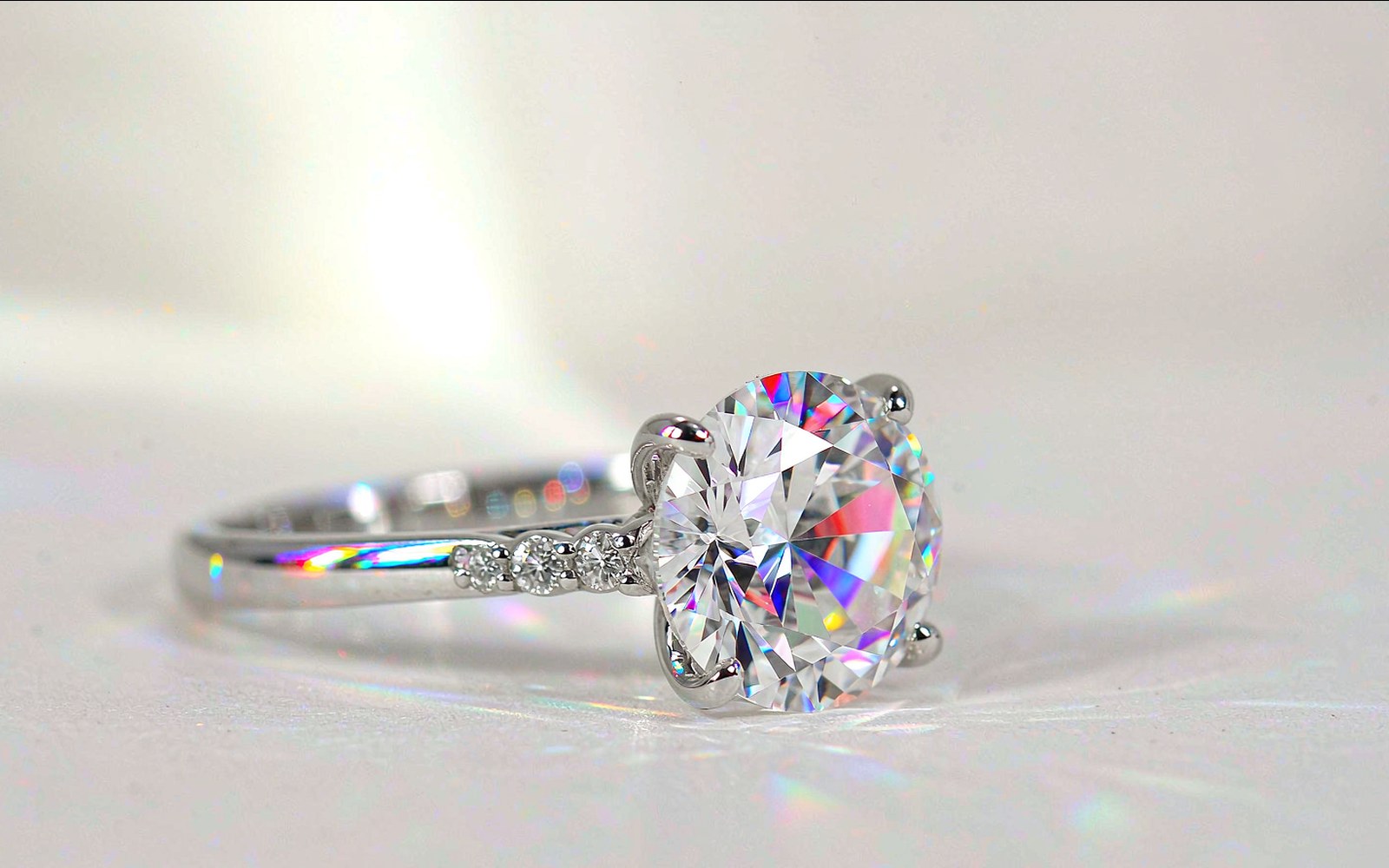
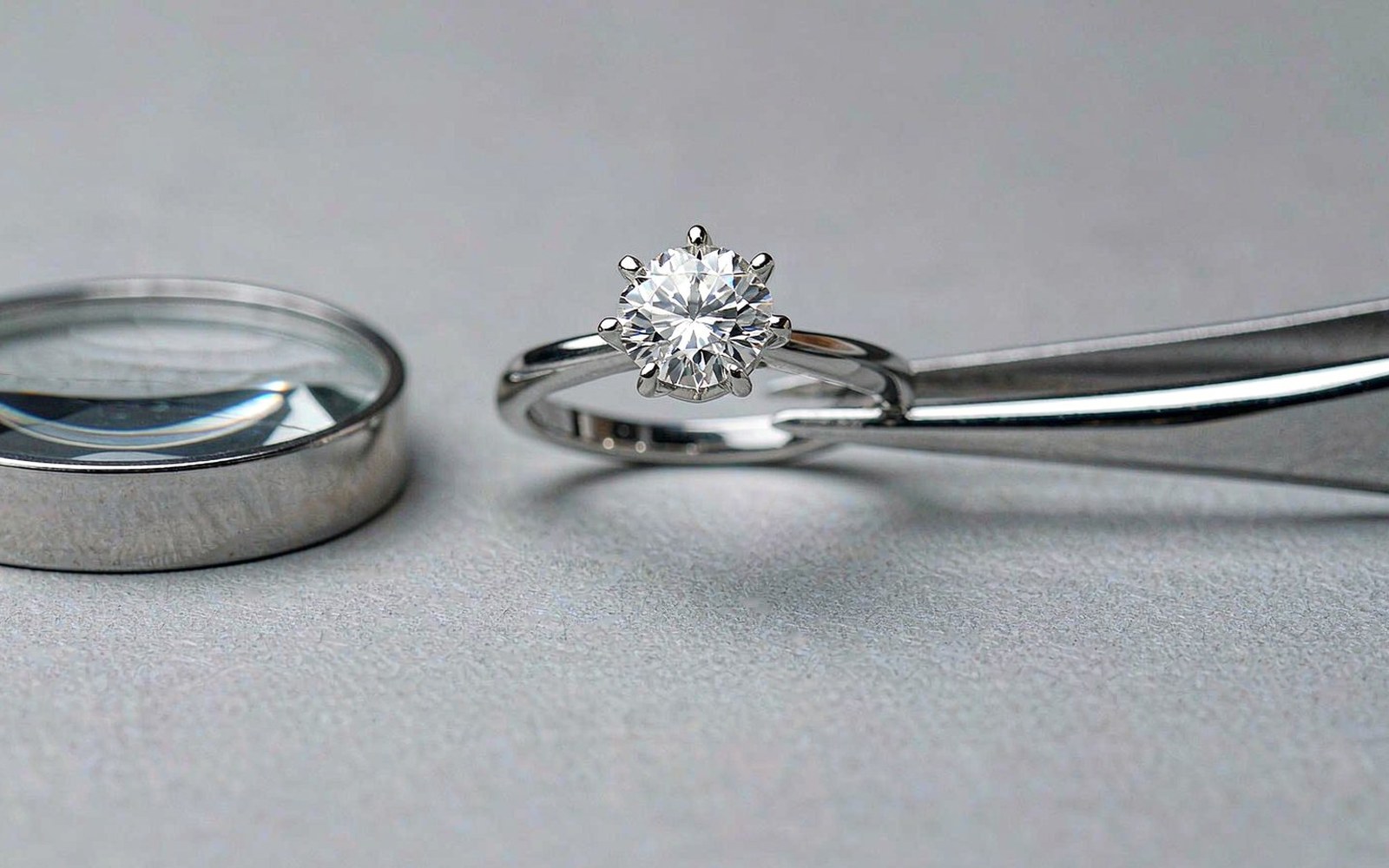
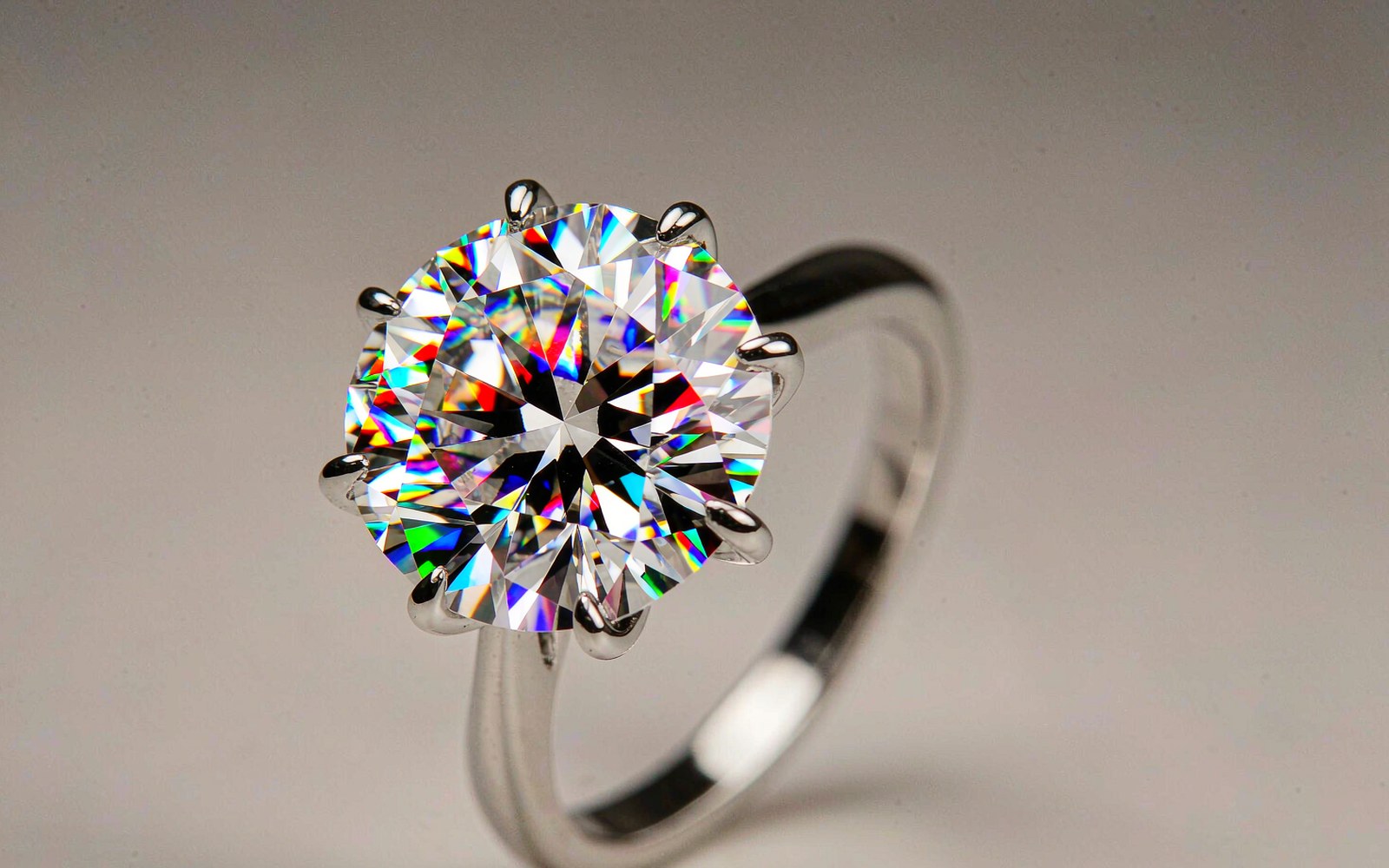
A tester is only one tool. The more reliable way to confirm identity is documentation plus hands-on checks. Reputable sellers provide a grading report that lists the stone's specifications and confirms what the material is. You can also use a 10x loupe: moissanite is doubly refractive, so facet edges can look slightly doubled under magnification, whereas diamond shows crisp single edges. Side-by-side in bright light, moissanite throws bolder rainbow flashes than diamond. None of these replace paperwork, but together they give you confidence before and after delivery.
What should you confirm before and after buying moissanite?
Use this checklist so the tester question never becomes a real problem:
- Applicable scope: a diamond tester matters for identification and resale paperwork, not for enjoying the stone you chose. If you bought moissanite on purpose, the reading is background noise.
- Lead time: for a made-to-order or personalized piece, ask the seller for the production and shipping window in writing before you pay, and confirm it again when you receive the dispatch notice.
- Minimum order: a single piece rarely has a minimum, but if you are buying several for gifting or a group, ask whether an order minimum applies and what it is.
- Sample or proof: request a real-stone video, or a loose stone photo under bright light, before committing to a full setting. Seeing the fire on camera beats trusting a description.
- Failure condition: a thermal tester will misread moissanite as "diamond." That is physics, not a sign the stone is fake or the seller lied. Do not treat a "pass" as proof of diamond.
- Test methods: use a multi-tester or a 10x loupe plus side-by-side sparkle, not a basic thermal pen alone, when you want a confident identification.
- Parameter explained: "thermal conductivity" is just how fast heat moves through the stone; "electrical conductivity" is whether it carries a tiny current. Moissanite scores like diamond on the first and different on the second.
- Inspection and after-sales: on delivery, check the stone matches its paperwork, the setting is clean, and prongs are secure; confirm the seller's after-sales process for returns or stone verification if anything looks off. Reach out through /en/contact/ if you want a second opinion before ordering.
One decision point most guides skip: the tester debate distracts from the question that actually protects you, which is provenance. A stone you can trace to its seller and its documentation is worth more than any handheld pen reading. Buy from a source that labels moissanite as moissanite, shows you the report, and answers your questions directly.
The bottom line
Moissanite usually passes a basic thermal diamond tester because it conducts heat like diamond, but a multi-tester identifies it correctly as moissanite. For a deliberate buyer, that result is mostly trivia. What protects you is clear labeling, a grading report that confirms the stone's specifications, and a seller you can actually reach. A certificate confirms what the stone is and its stated specs; it does not certify long-term resale value or act as a price promise. Choose moissanite for its sparkle, durability, and transparent origin, and let the tester stay in the jeweler's drawer.
Summary: moissanite typically passes a standard thermal diamond tester yet is correctly identified by a multi-tester; the reading is irrelevant when you buy the stone deliberately. Confirm identity with documentation, a loupe, and side-by-side sparkle, and buy from a seller who labels moissanite as moissanite and provides a grading report on request.