· О муассаните
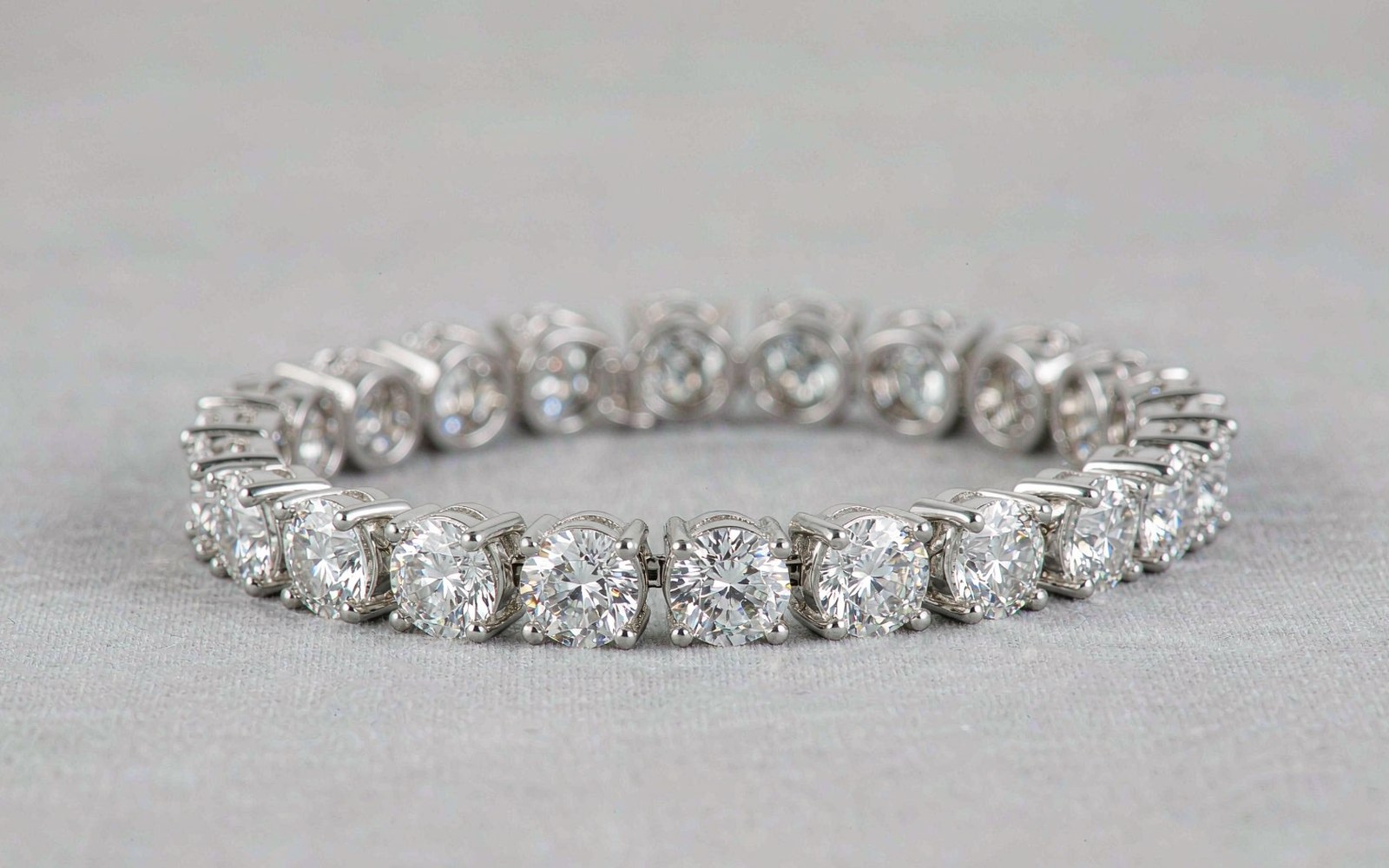
What is a tennis bracelet, and how is moissanite different from a diamond one?
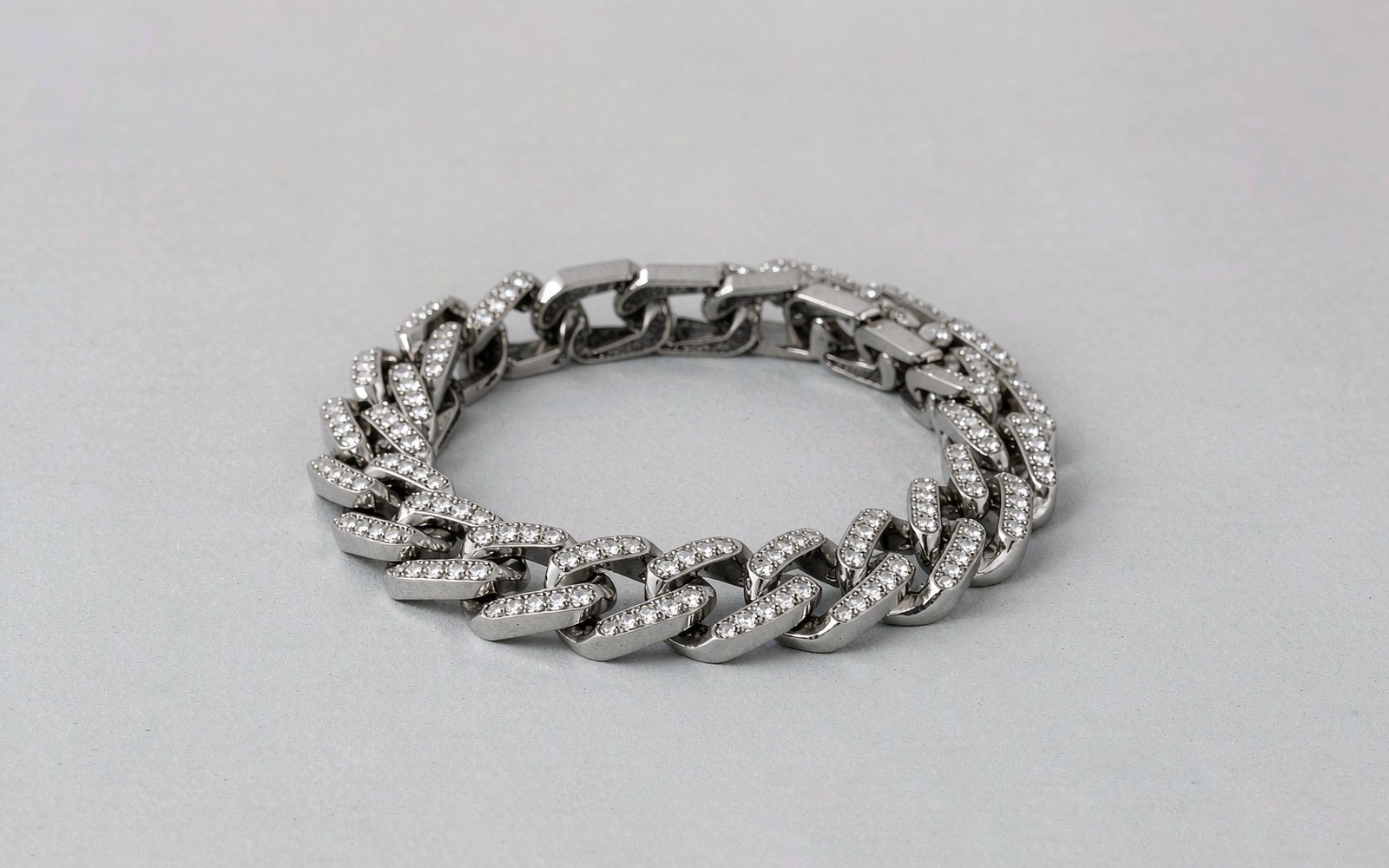
A tennis bracelet is a flexible line of matched stones set in a continuous precious-metal band, designed to sit close to the wrist. When the center stones are lab created moissanite, you get the same line of sparkle at a far lower cost than a mined-diamond version.
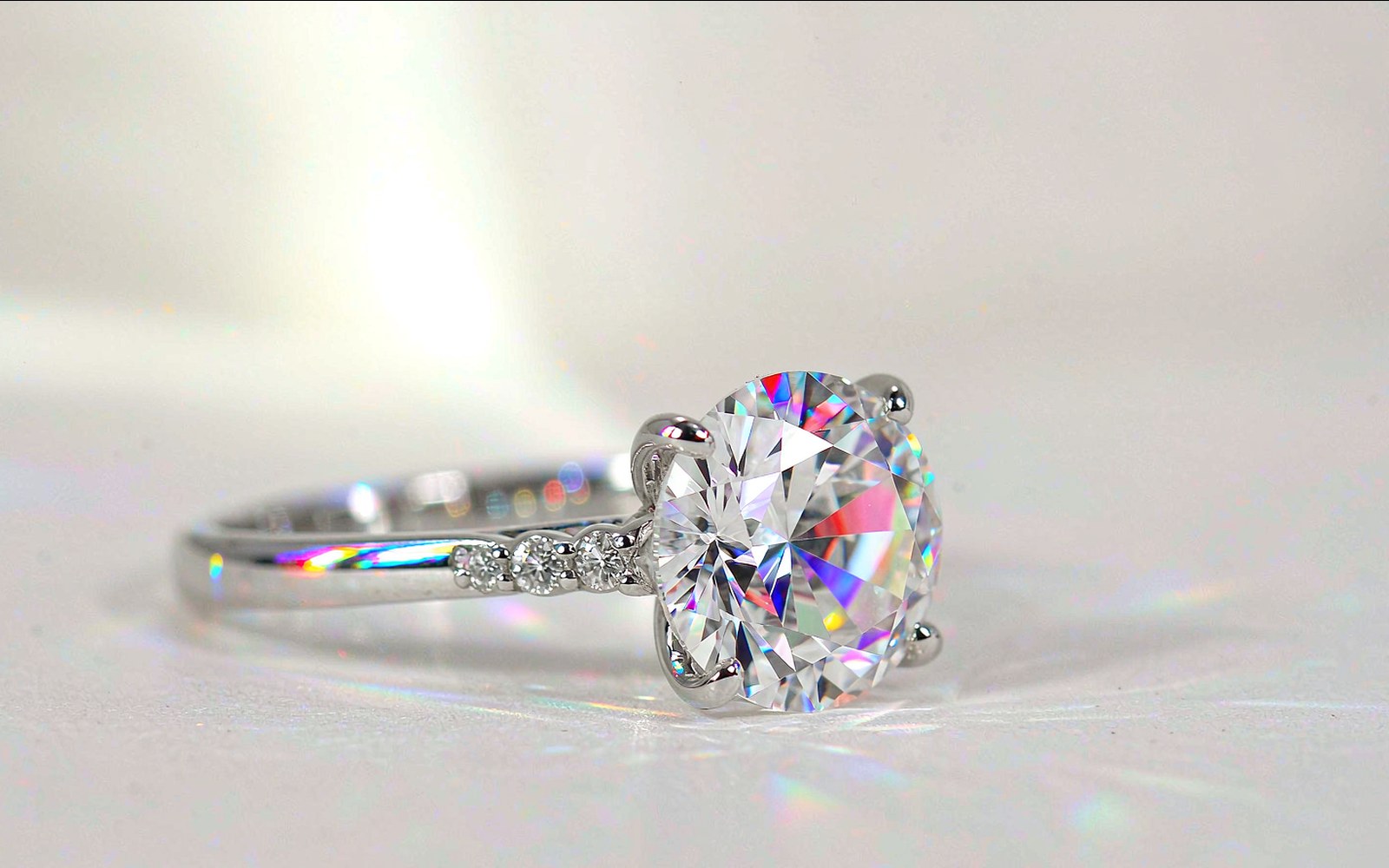
Moissanite is silicon carbide with a refractive index around 2.65, which gives it more colorful fire than a diamond in most lighting. On the Mohs scale it ranks about 9.25, so the stones resist scratching during daily wear. The metal and the clasp, not the stone, are usually the parts that need the most care.
If you are new to the material, our what is moissanite page explains the basics before you compare specifics. You can also browse our bracelets collection for current styles.
How do I choose the right stone size for my wrist?
Measure your wrist with a soft tape at the bone, then add roughly half an inch to one inch for comfort. A slim wrist usually suits stones around 3mm, while a larger wrist can carry 4mm or more without looking heavy.
Width matters more than total carat weight for daily comfort. A bracelet wider than about one third of your wrist looks bulky and is easier to catch on clothing. When in doubt, choose the smaller stone and a secure clasp.
Which metal should I pick for daily wear?
Solid gold (such as 14k or 18k) holds its color through years of hand washing and is the safer choice if you wear the bracelet all day. Sterling silver with rhodium plating is lighter on the budget but needs occasional replating to stay bright.
If you plan to swim, work out, or apply lotion while wearing it, favor a metal you can wipe dry quickly. The stone itself is stable; the setting and plating decide how the piece ages.
What setting and clasp details actually matter?
Look for four or more prongs per stone, or a bezel setting, so a single impact will not drop a stone. The clasp should be a lobster or box clasp with a safety catch, not a simple spring ring, because a tennis bracelet swings with every movement.
Ask the seller for the total metal weight, not just the stone weight. A very light band with large stones can bend or snap over time. A heavier, well-balanced link is the quieter sign of real durability.
Does moissanite color or clarity grade affect how it looks?
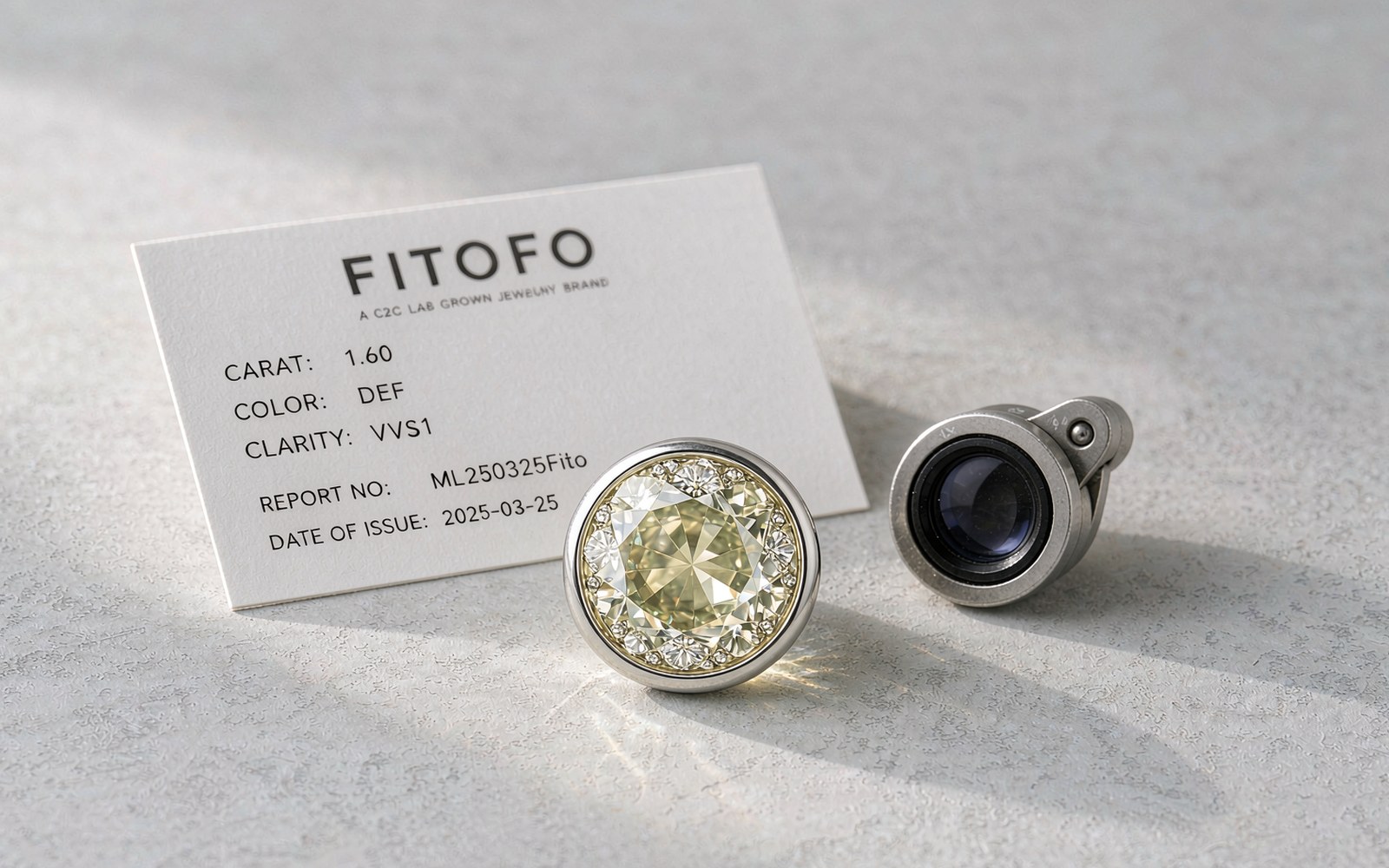
For most buyers the visible difference is between near-colorless and a faint warm tint, and between eye-clean and included. A certificate from a grading lab describes the stone's color and clarity; it does not certify how long the piece will look new or what it is worth later.
Treat any grade as a description, not a promise. The more useful question is whether the stones look consistent across the whole bracelet under daylight, because a mixed batch is the common complaint in low-cost lines.
What should a buyer verification checklist cover before ordering?
Use this eight point list before you commit to a purchase or a bulk order:
1. Applicable boundaries - confirm a tennis bracelet fits the use (daily wear, gifting, stacking) and that you do not actually need a heritage stone for the occasion.
2. Lead time - ask the seller for the current production and shipping window; do not assume a fixed number, because custom sizes change it.
3. Minimum order quantity - request the supplier's MOQ in writing; small and bulk buyers are handled on different thresholds.
4. Samples - order one piece or request unedited daylight photos and a video before a larger quantity.
5. Failure conditions - agree in writing what counts as a defect (loose stone, broken clasp, uneven plating).
6. Testing methods - plan a visual check with a loupe and a daylight video; a jeweler can confirm the stone type if needed.
7. Parameter explanation - understand carat total weight, metal fineness, plating, and clarity terms before you compare quotes.
8. Inspection and after-sales - confirm the return, repair, and replating policy before you pay.
A short buyer FAQ covers more of these points if you order for resale.
How can I check the stone after it arrives?
When the bracelet arrives, lay it on white paper in daylight and look for consistent fire across every stone. A loupe at ten times shows whether prongs are even and whether any stone sits proud of its setting.
If a stone looks cloudy or a prong is loose, that is a return condition you agreed on in step five above. Keep the unedited photos from the seller to compare against the delivered piece.
Why does seller transparency matter more than the lowest price?
The cheapest quote often hides a light band, mixed stone quality, or no after-sales path. Beyond price, ask each workshop for written specs, real photos, and a clear policy - a seller who shares unedited daylight footage and a measured grading report is easier to hold accountable than one competing only on the lowest number.
This is the extra step many buyers skip: compare two or three workshops on their written answers, not their headlines, and the bracelet you receive will match the one you pictured. If you need help scoping an order, contact our team.
Summary: A tennis bracelet set with moissanite delivers everyday sparkle at a fraction of mined-diamond cost, but the right pick depends on wrist size, a metal suited to your wear habit, and a seller who confirms specs in writing. Run the eight point verification checklist before you order, and the piece will match your expectation.