· Sobre la moissanita

Moissanite has become a go-to stone for buyers who want brilliance without the mined-diamond price, but for people with reactive skin the real question is not the stone, it is what holds it. This guide answers the practical questions buyers with sensitive skin ask before they order moissanite, and it gives you a checklist to confirm with any seller before you commit. Moissanite for sensitive skin is mostly a metal question, and the rest of this guide shows you exactly where to focus.
What makes jewelry irritate sensitive skin?
The most common cause of a jewelry rash is a metal, not the gem. The usual trigger is nickel, a metal used to strengthen alloys, which affects a meaningful share of adults and causes redness, itching, or a rash exactly where the metal touches the skin. The reaction is a delayed sensitivity, so it can appear after days of wear rather than immediately. Once a person is sensitive, the reaction tends to return on contact. The practical takeaway is to focus on the metal in the band, post, clasp, and setting, because that is where skin trouble starts.
Is the moissanite stone itself safe for sensitive skin?
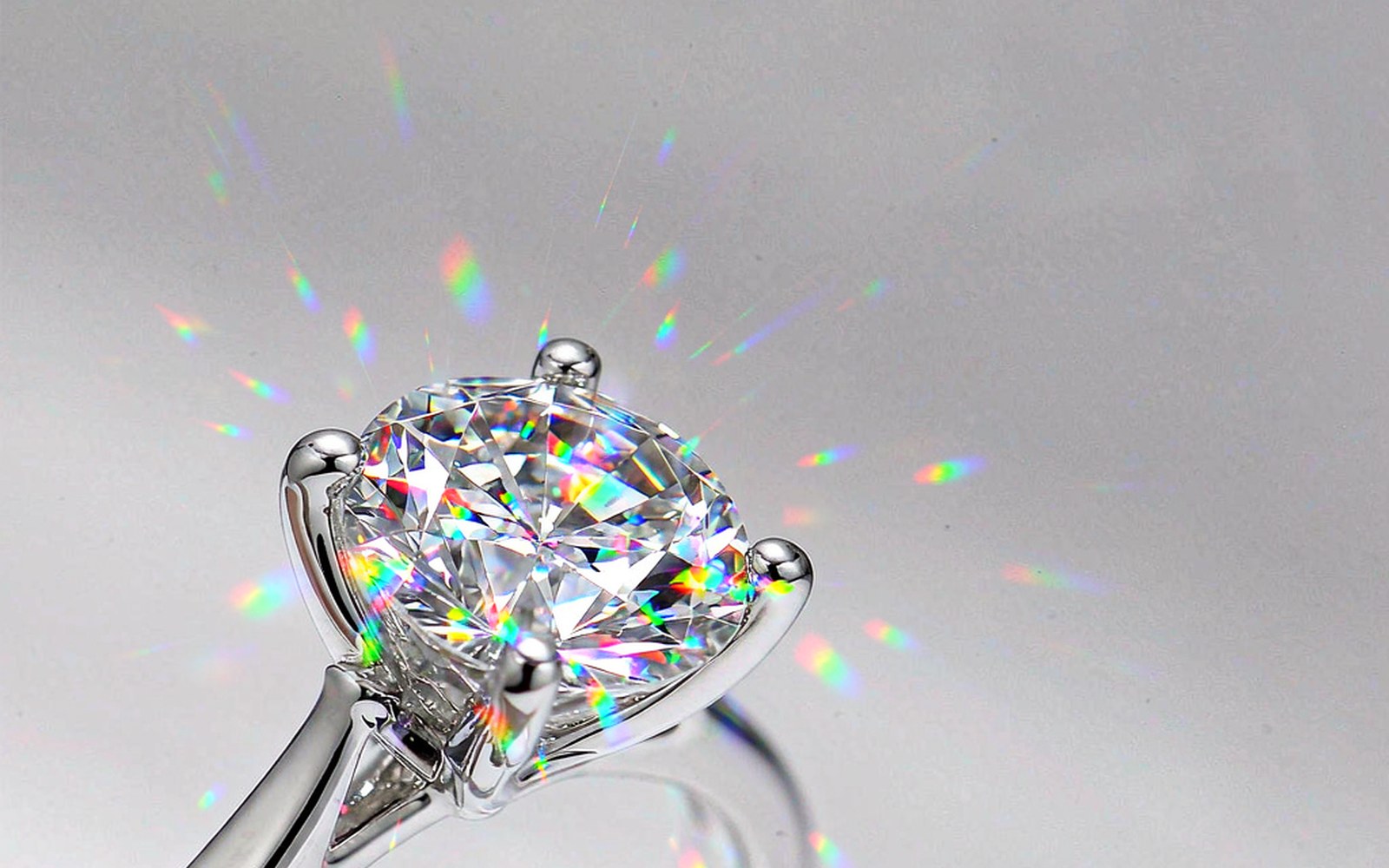
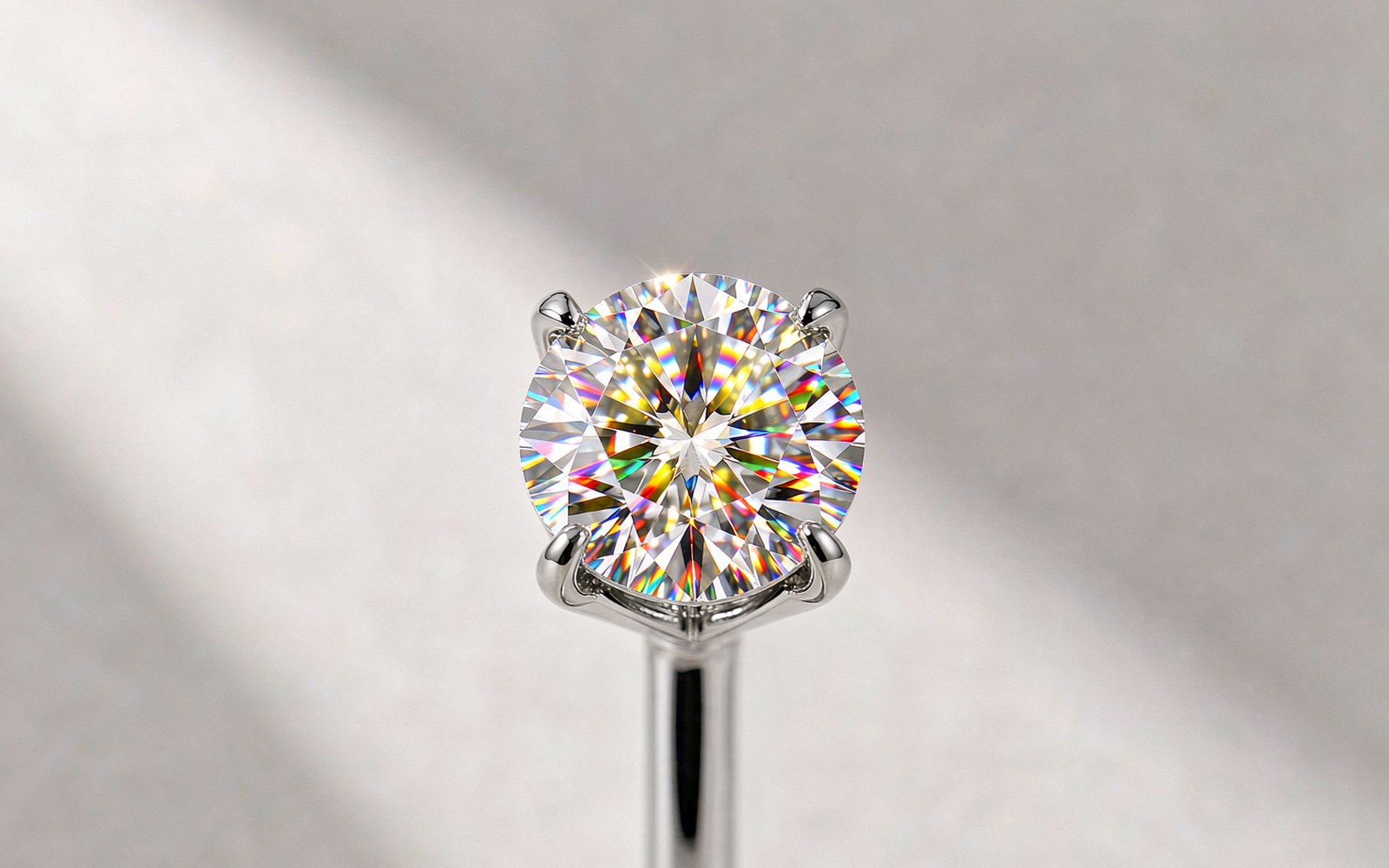
Yes. Moissanite is silicon carbide, a stable crystal with no nickel, cobalt, or chromium in the stone itself, and it does not react with skin, sweat, or the substances it meets in daily life. The stone sits above the skin in prongs or a bezel, so even its minimal contact is indirect. If a moissanite piece causes a reaction, the cause is almost always the metal around it, never the gem. That is why a sensitive-skin buyer should spend energy on the setting metal, not on worrying about the stone.
Which metals should I choose to avoid reactions?
Choose metals that leave nickel out of the alloy. Solid platinum is the safest choice for severe sensitivity because it contains no nickel and does not wear through to reveal another metal. Solid gold at 18 karat or higher is also a strong choice, because the high gold content leaves little room for reactive alloy metals. Sterling silver is generally well tolerated by most people, though very reactive skin can still notice the copper in its mix. The point is to ask for the exact alloy in writing, because the word hypoallergenic on its own does not tell you what is in the metal. Hypoallergenic moissanite jewelry starts with an honest metal answer, not a label.
Does plating wear off and cause problems?
Plating can. A thin layer of rhodium, white gold, or yellow gold over a base metal looks safe while it is intact, but daily friction from hands, bags, and washing wears it down. Once the plating thins, the metal beneath touches skin, and if that base contains nickel the reaction returns. For sensitive skin, solid metal is safer than plating you hope stays perfect. If you choose plating, ask how thick it is and whether the seller offers re-plating, and plan to have it refreshed rather than waiting for a rash. Nickel-safe metal settings beat hopeful plating every time.
How do I check a setting before I buy?
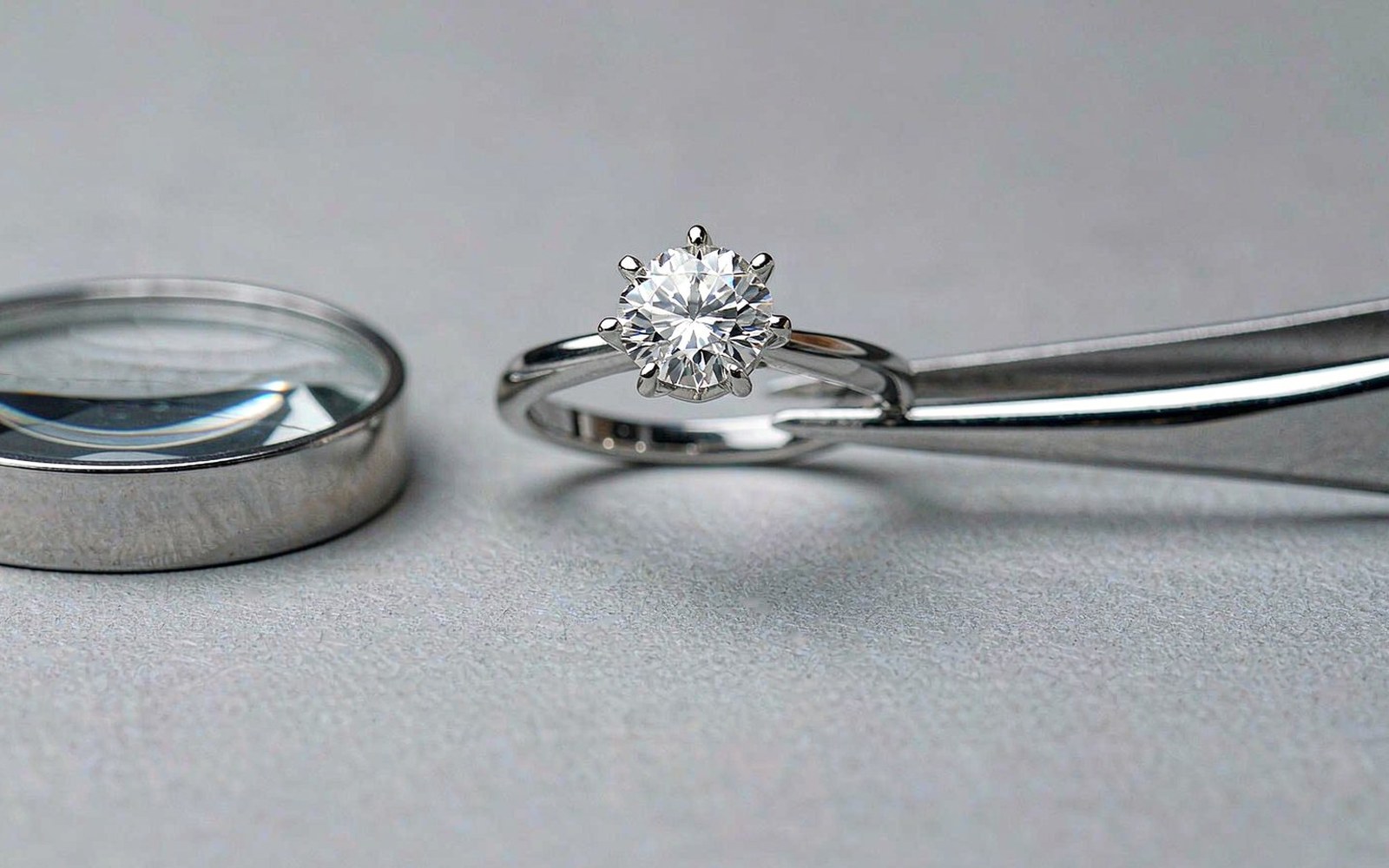
Ask the seller for the exact metal composition and finish in writing before you order, not just a marketing label. Look for a stamped mark that states the metal, such as the fineness number for gold or platinum. For earrings and rings, confirm the post, backing, and inner band are the same safe metal as the visible part, because cheaper pieces sometimes use a different metal where it touches skin. A reputable seller answers these questions directly; hesitation is itself a signal. Write the confirmed details down so you can compare the delivered piece against what was promised.
Which moissanite pieces are safest for daily wear?
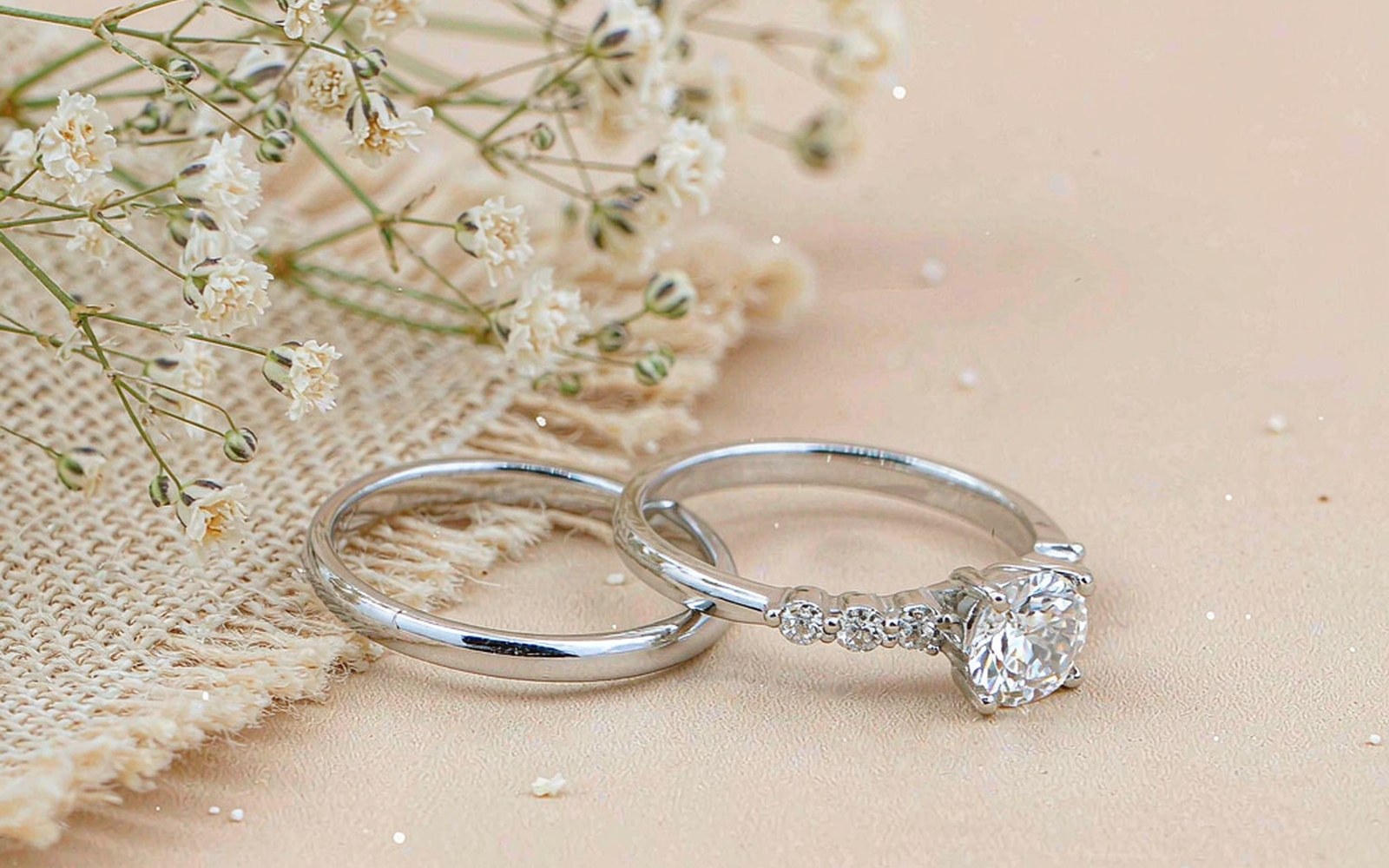
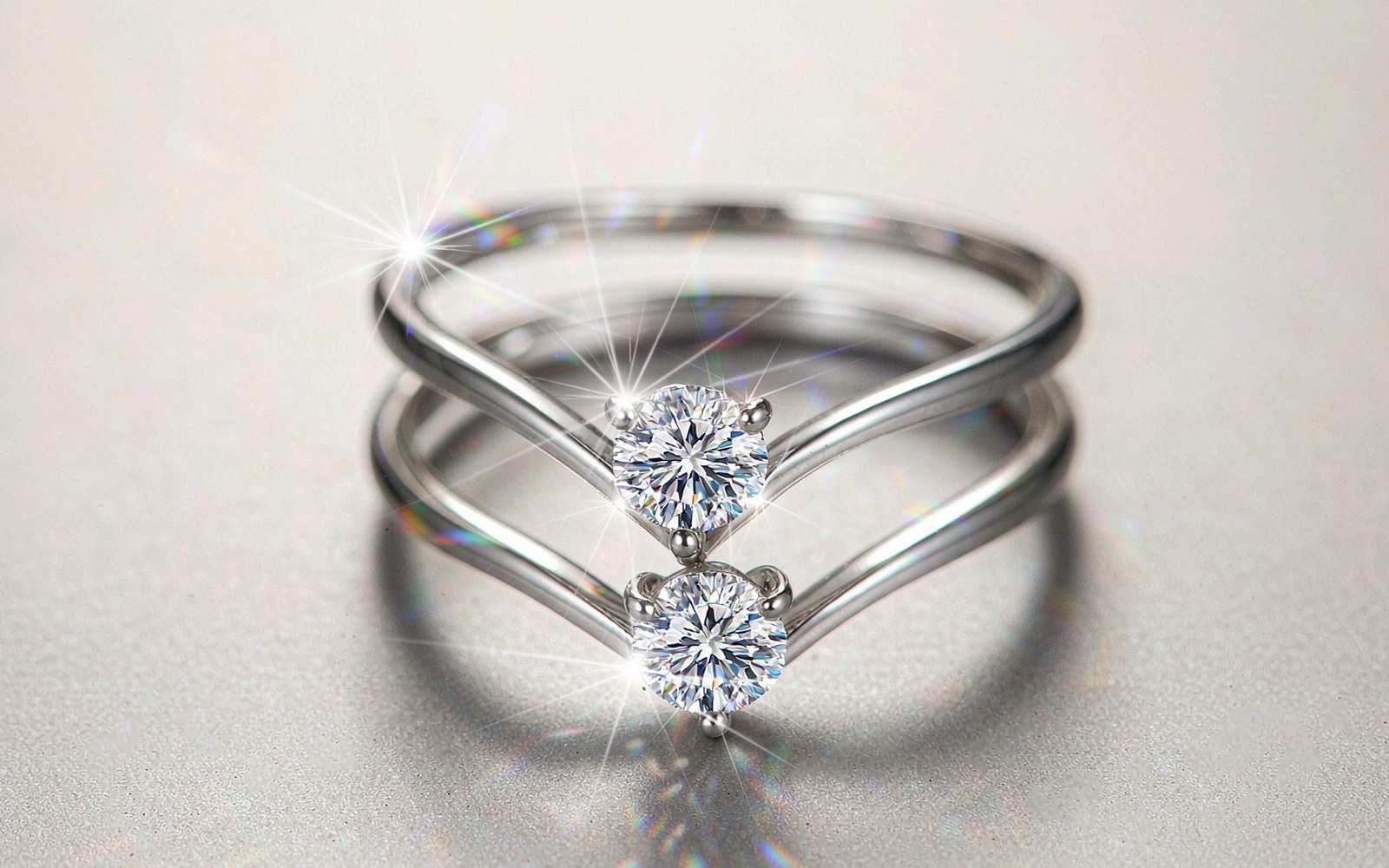
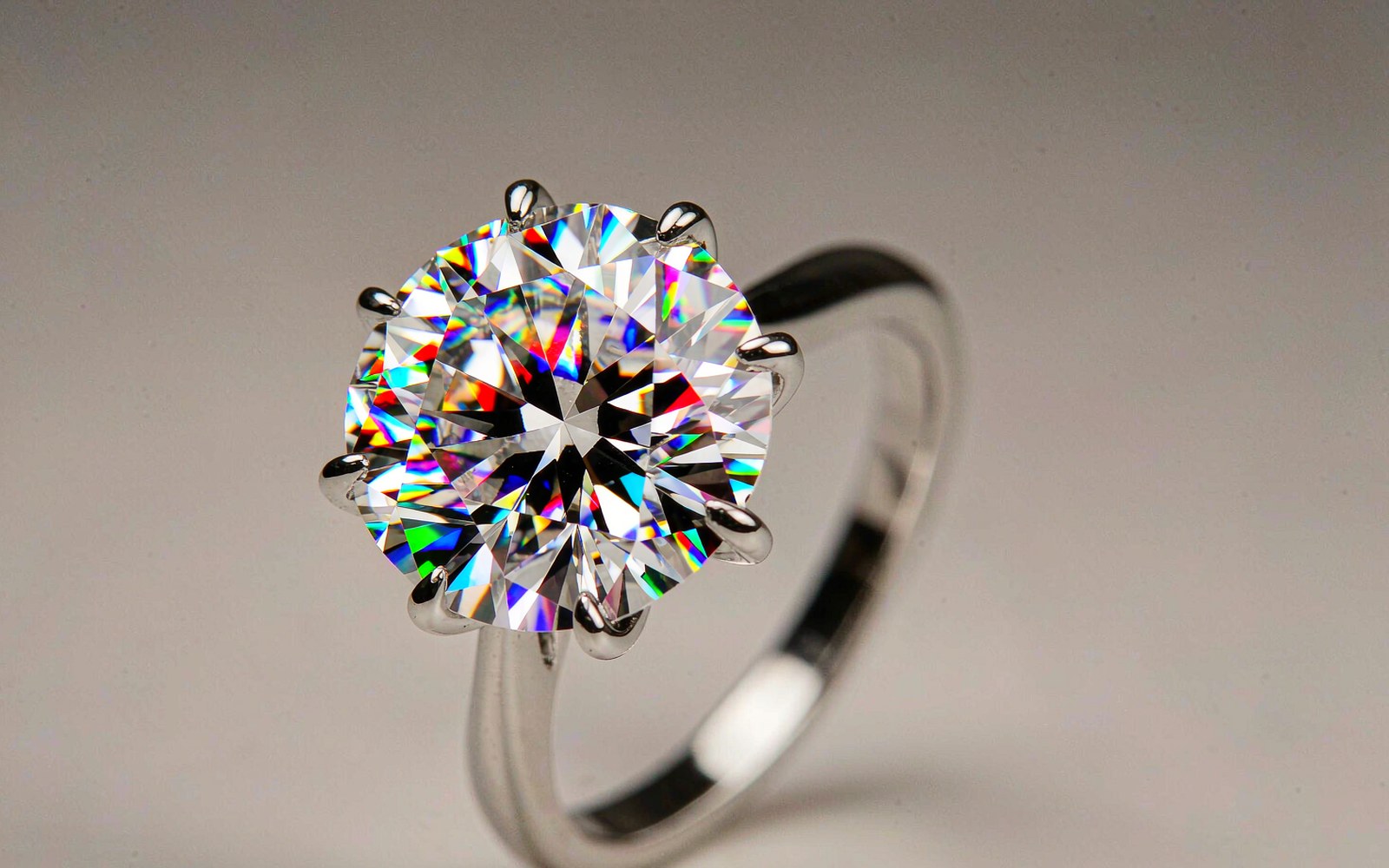
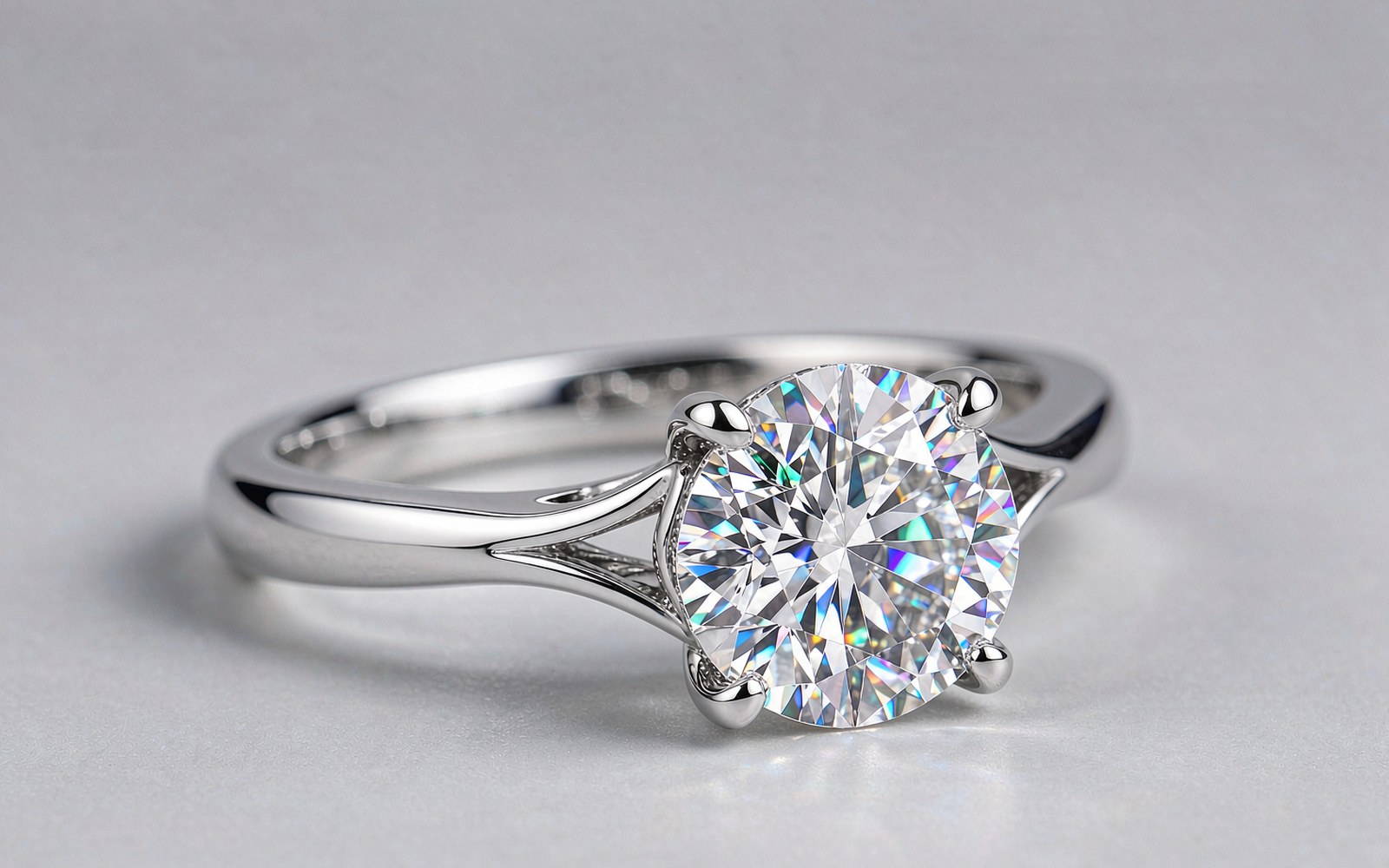
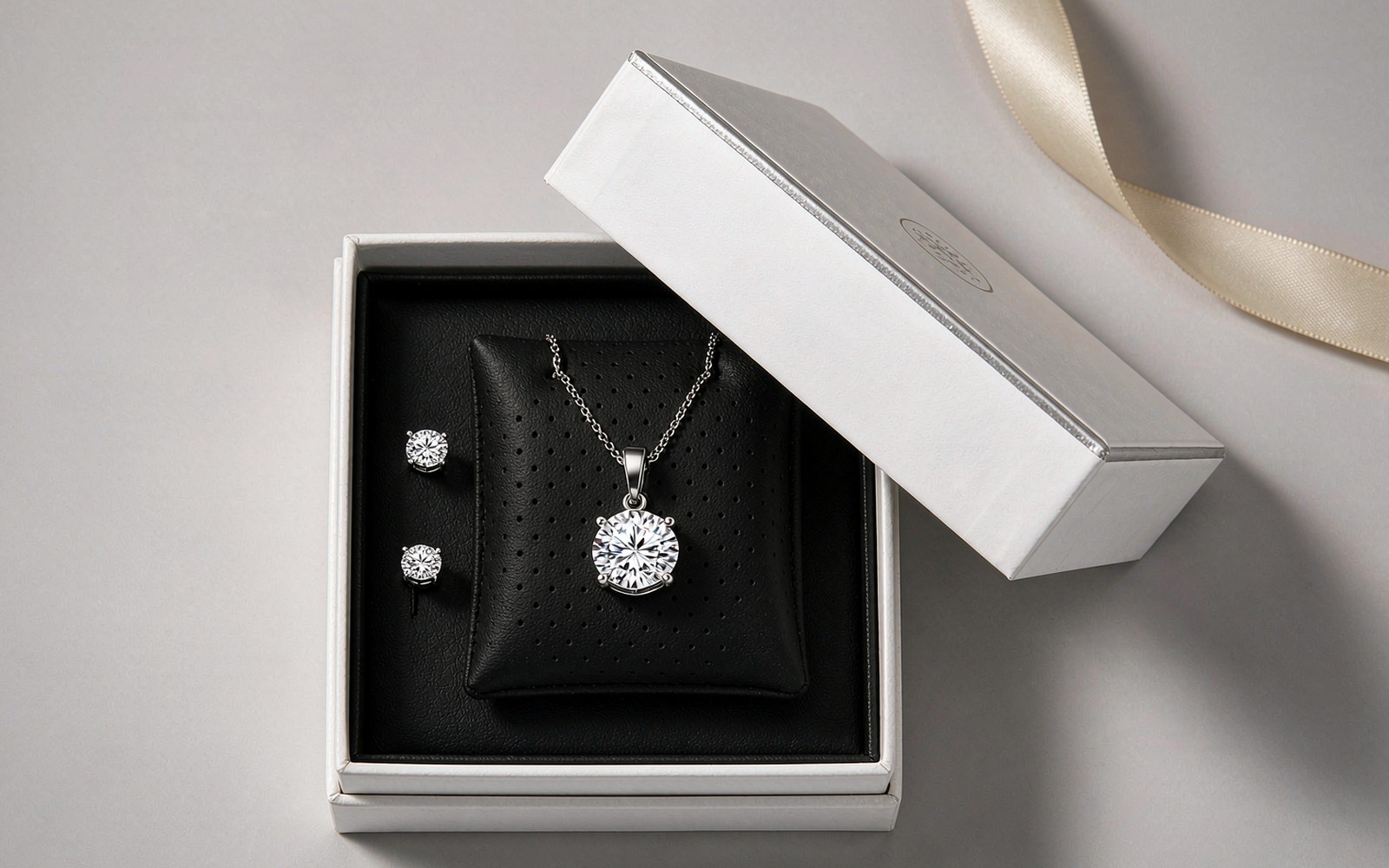
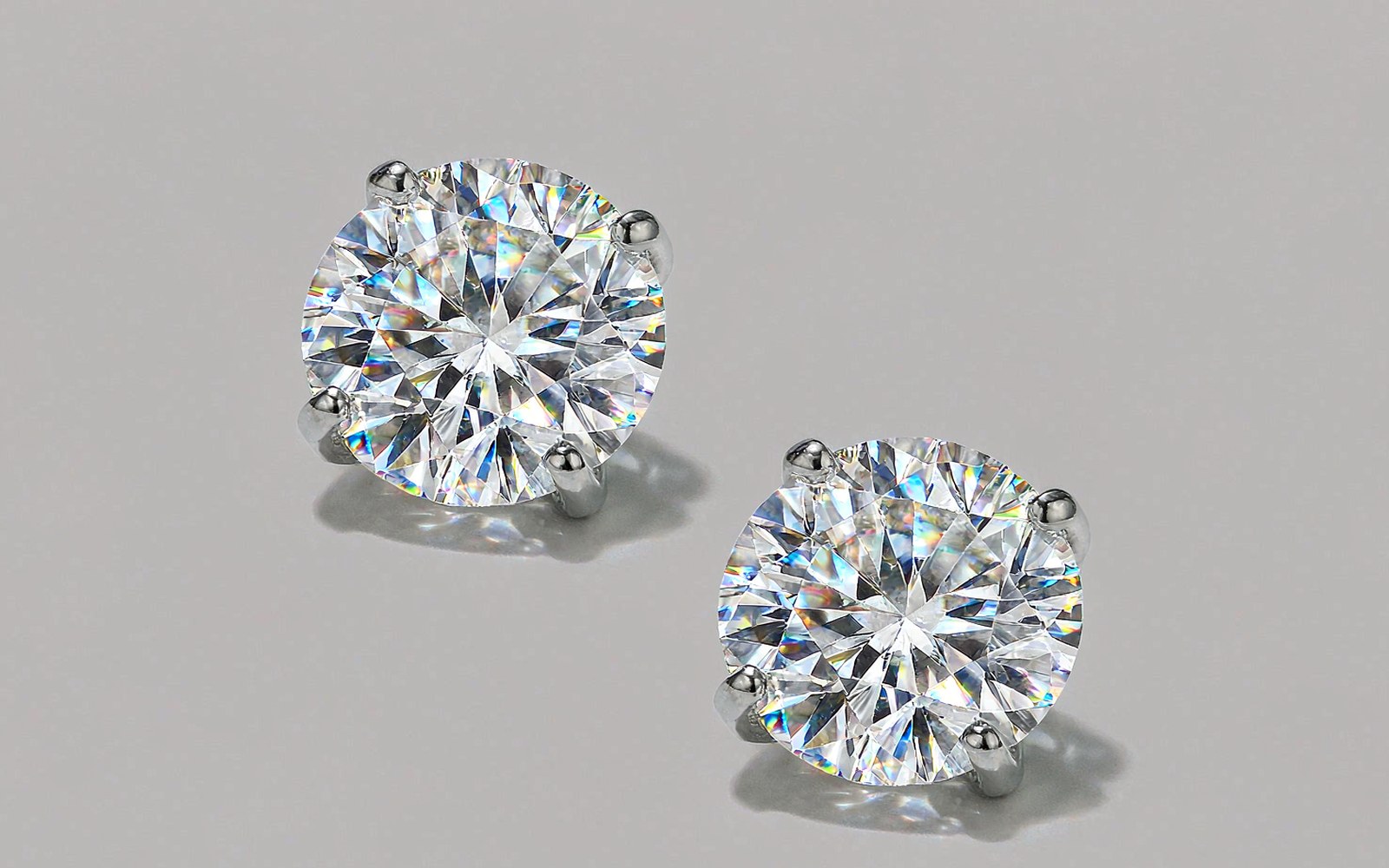
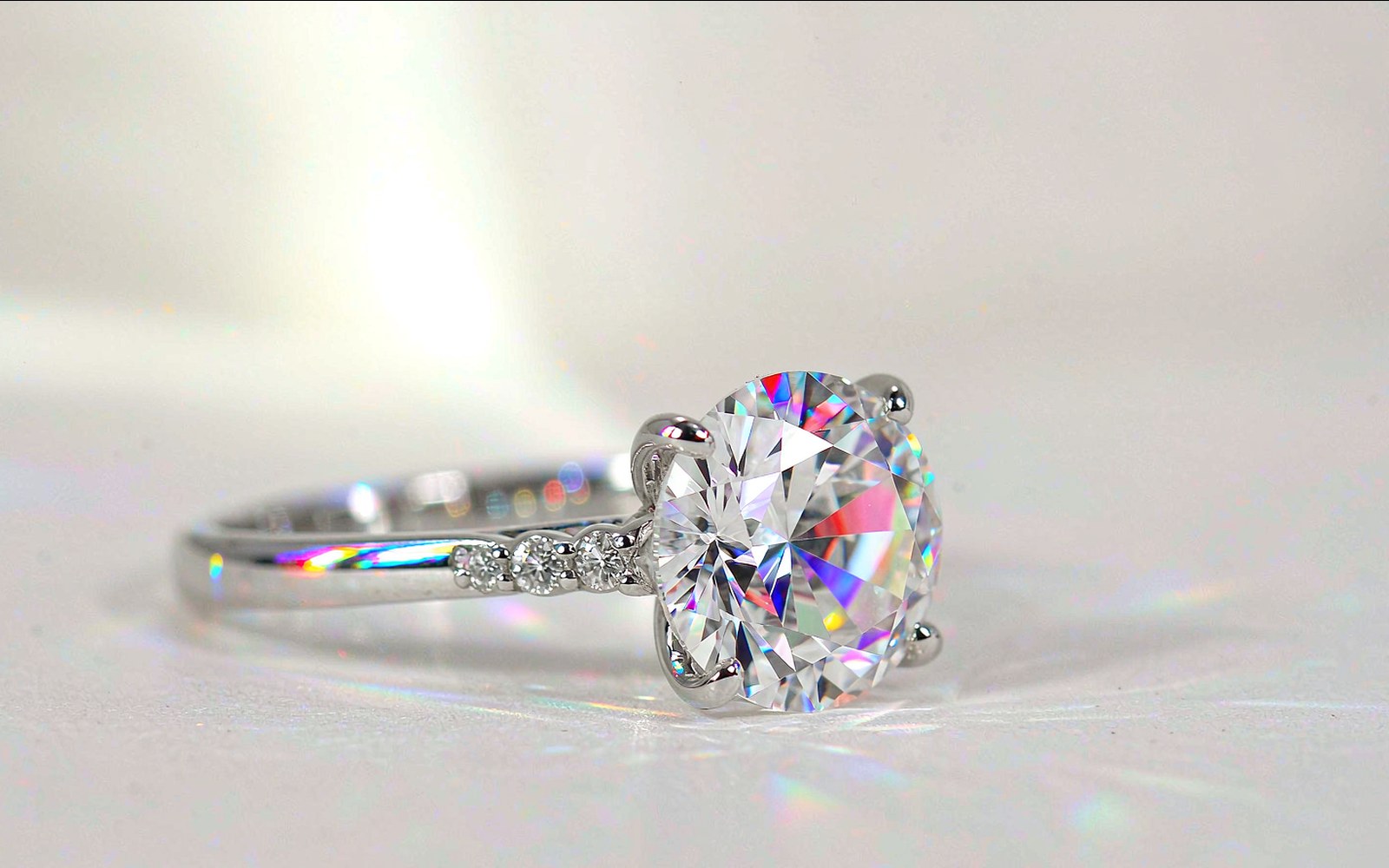
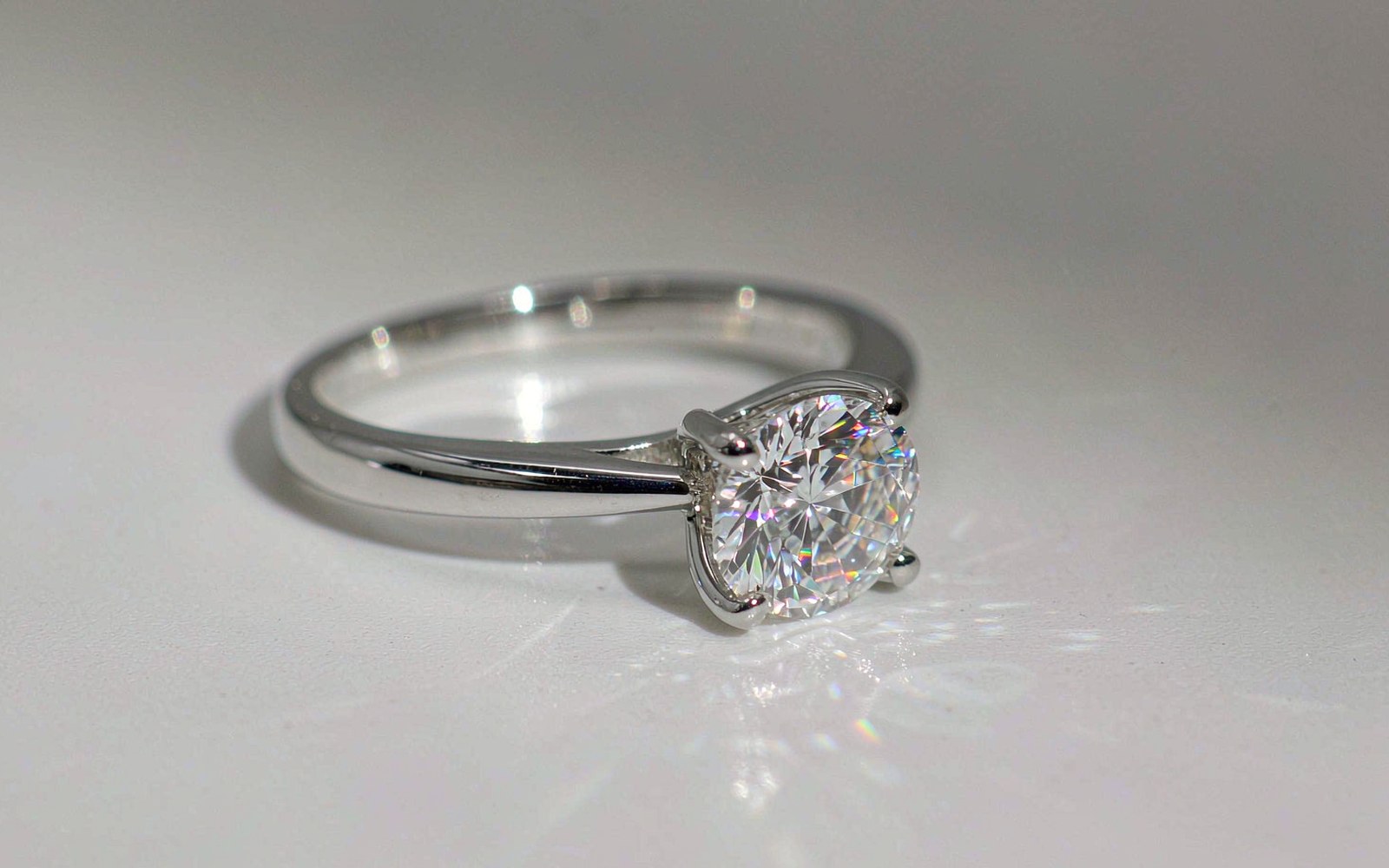
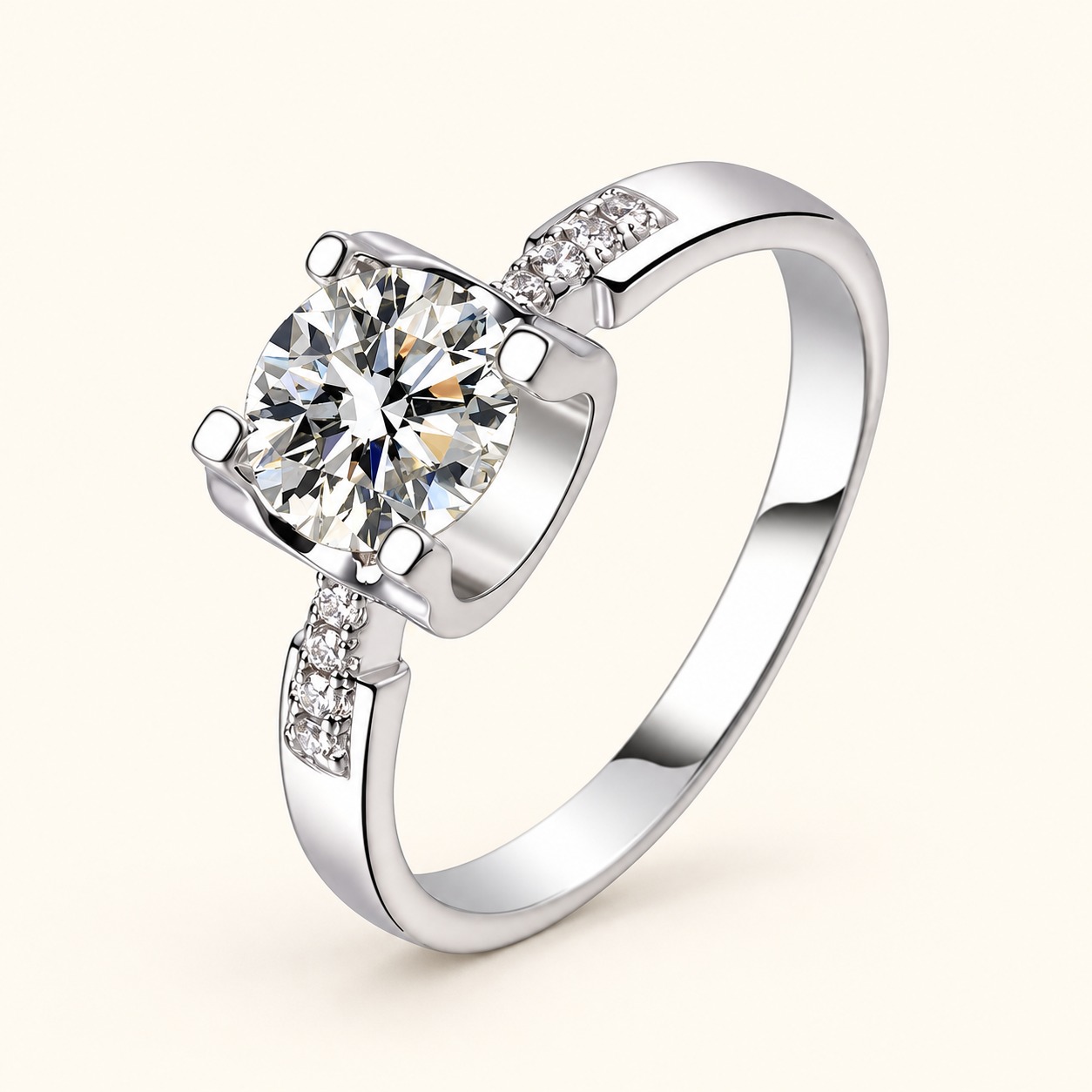
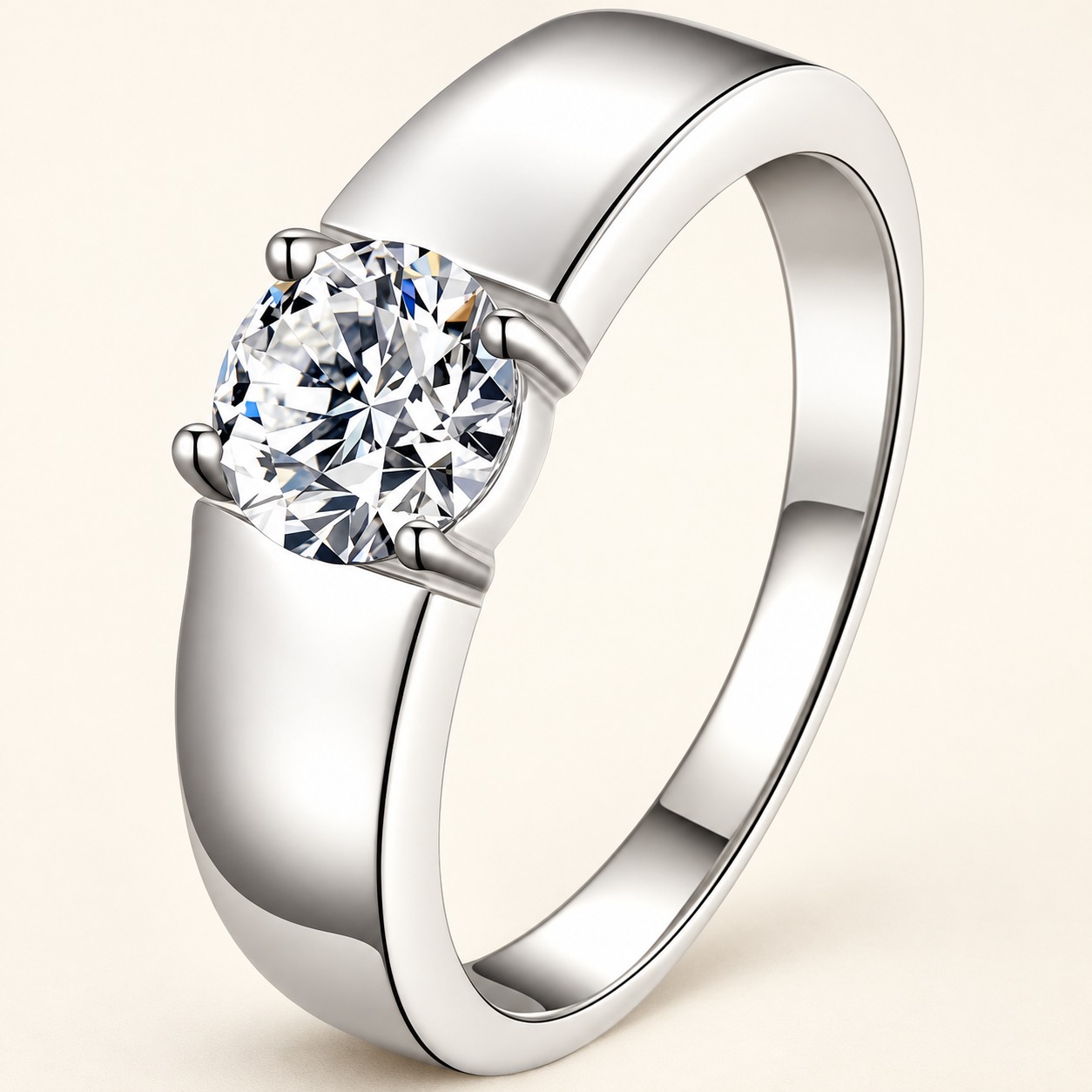
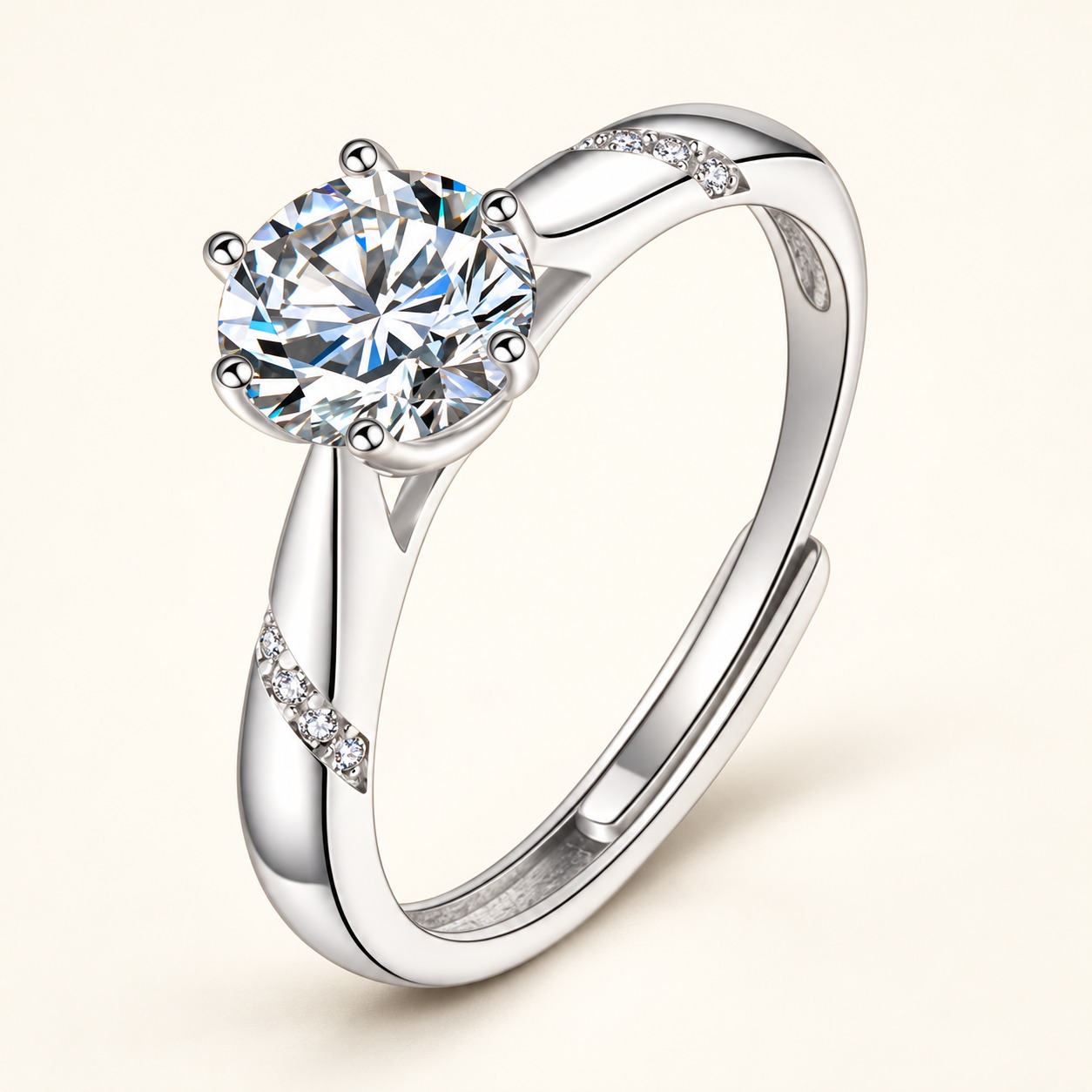
Pieces that sit against skin for hours deserve the most scrutiny: rings, earring posts, and necklace clasps. For earrings, choose posts made from the same safe metal as the rest of the piece, because the post stays in a piercing all day. For rings, a comfort-fit band in solid gold or platinum avoids hidden base metal at the contact points. Browse our ring collection at /en/rings/ and our earring collection at /en/earrings/ to see which styles use the metals you trust. The stone is the easy part; the constant skin contact points are where your choice matters most.
Why does the stone matter less than the setting for sensitive skin?
Because the skin only ever touches the metal, and the stone touches almost nothing. A moissanite can be flawless and still sit in a band that irritates, or a modest stone can sit in platinum and feel perfect for years. Buyers new to sensitive skin often fixate on the gem grade, but grading describes the stone, not the metal against your skin. The decision that protects your comfort is the alloy, the plating, and the seller's willingness to state both in writing. Treat the stone as settled and put your attention on the setting.
Should I buy solid gold, platinum, or silver for sensitive skin?
It depends on your sensitivity level and budget, but the order of safety is clear. Platinum first for severe or confirmed nickel allergy. Solid 18K or 14K gold next, with 18K leaving less room for reactive alloy. Sterling silver for mild sensitivity or as a starting point, with the note that its copper content can still bother a few people. Avoid unknown base metals and thin plating if you have reacted before. Whatever you choose, confirm the exact metal in writing and keep that record with your order so future re-orders match. Sensitive skin jewelry choices come down to the alloy, not the sparkle.
How can I test a piece if my skin reacts?
Use a simple, low-risk process before committing to a full piece. You can buy an at-home nickel test kit from a pharmacy to check a sample or the seller's stated metal. A dermatologist can run a patch test if reactions are frequent and you want certainty. As a practical trial, wear the piece for short periods at first and watch the contact area, stopping at the first sign of redness. If you react, return the piece under the seller's policy and switch to a confirmed solid metal. Testing early is cheaper than wearing something that quietly irritates for weeks. A metal allergy jewelry guide always ends the same way: verify the metal before long wear.
What does a grading report tell you, and what does it not?
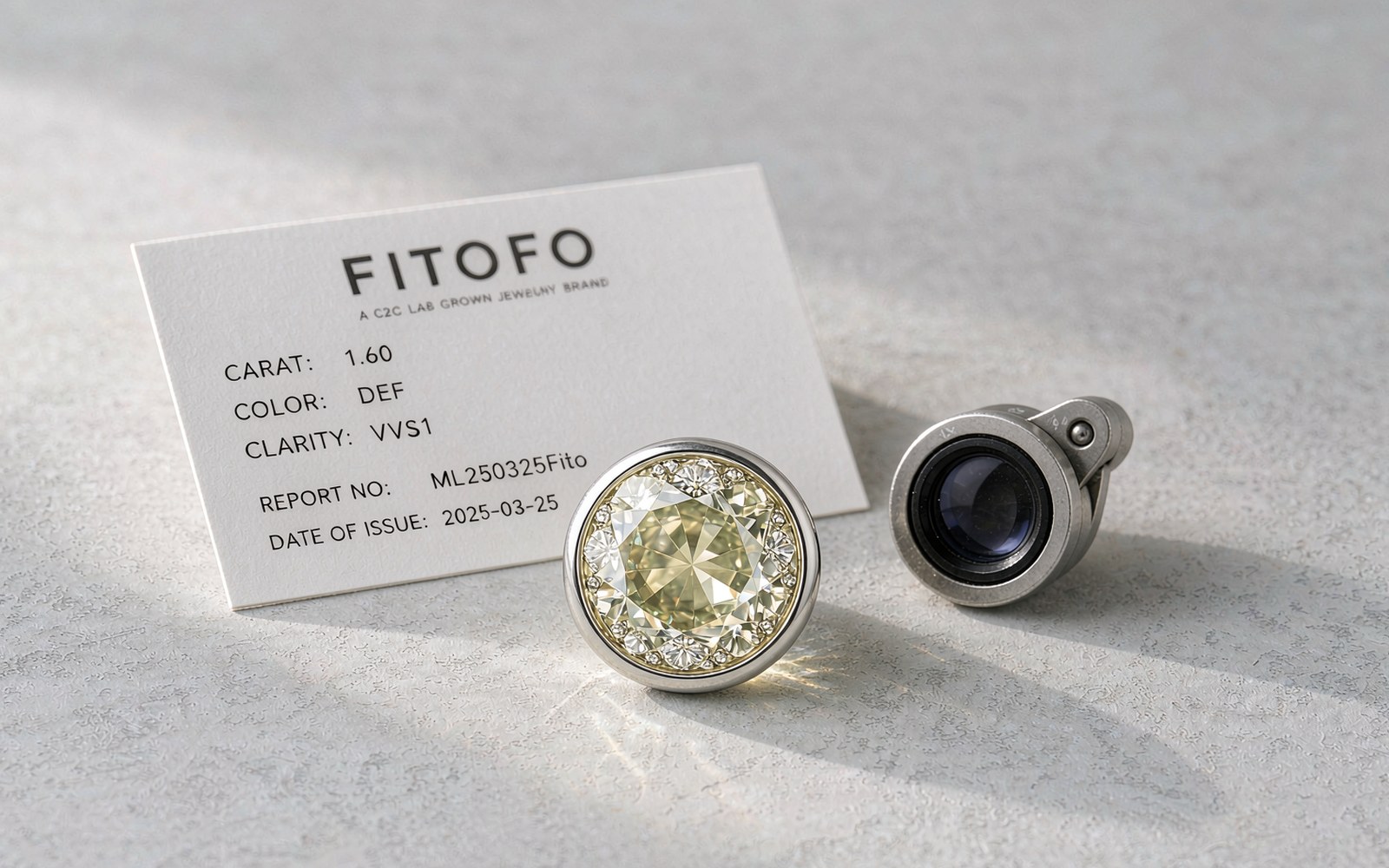
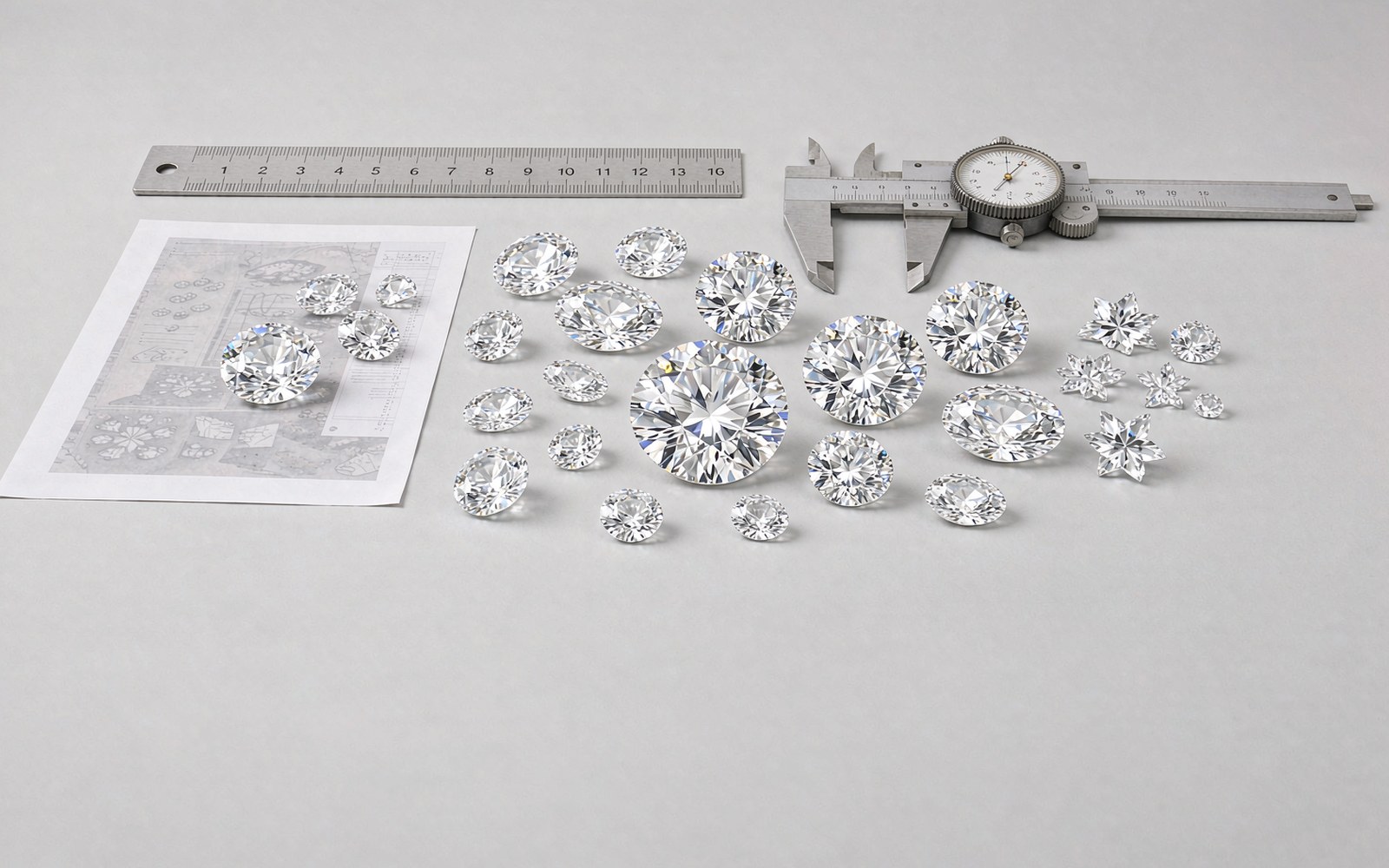
Ask whether a grading report or certificate is available for the stone in your piece. A report confirms the material and optical grade you receive, but it does not certify how the metal will behave on your skin, and it does not promise long-term resale value. Treat documentation as a way to verify the stone, not as proof of comfort or durability. If paperwork matters to you, request it in writing before ordering and keep it with your purchase record so you can compare the delivered piece against what was described. Moissanite earring posts and bands still need their metal confirmed separately from any stone report.
What should I confirm with my seller before ordering?
Before you order a piece for sensitive skin, confirm these eight points so the result matches your needs. First, applicability: confirm the metal choice suits your sensitivity level, for example whether solid platinum or 18K gold is recommended for your history. Second, production timeline: ask your seller for the made-to-order window in writing and confirm it fits your date. Third, minimum order details: confirm the smallest quantity they accept and whether a single piece is available. Fourth, samples or proof: request a photo of the actual metal stamp, or a swatch, before committing. Fifth, failure conditions: ask what happens if the plating wears or the skin reacts, and get the remedy in writing. Sixth, testing the metal: ask how the metal is verified, whether a nickel test is available, and how you can confirm the alloy on delivery. Seventh, specs to confirm: put the exact metal, plating, stone size, and finish in writing so the delivered piece matches the agreed design. Eighth, inspection and after sales: confirm returns, re-plating, and resizing terms, and keep the written policy with your order.
You can review skin-friendly designs in our ring collection at /en/rings/ , our earring collection at /en/earrings/ , and learn how the stone itself behaves at /en/what-is-moissanite/ . If you need help confirming a metal, reach our team through /en/contact/ , and common questions about materials and returns are answered in our /en/faq/ . The bottom line: moissanite itself is inert and safe for sensitive skin, the metal setting is almost always the cause of irritation, and the smart move is to choose a nickel-safe solid metal, confirm the exact alloy in writing, and test before long wear.