· Sobre la moissanita
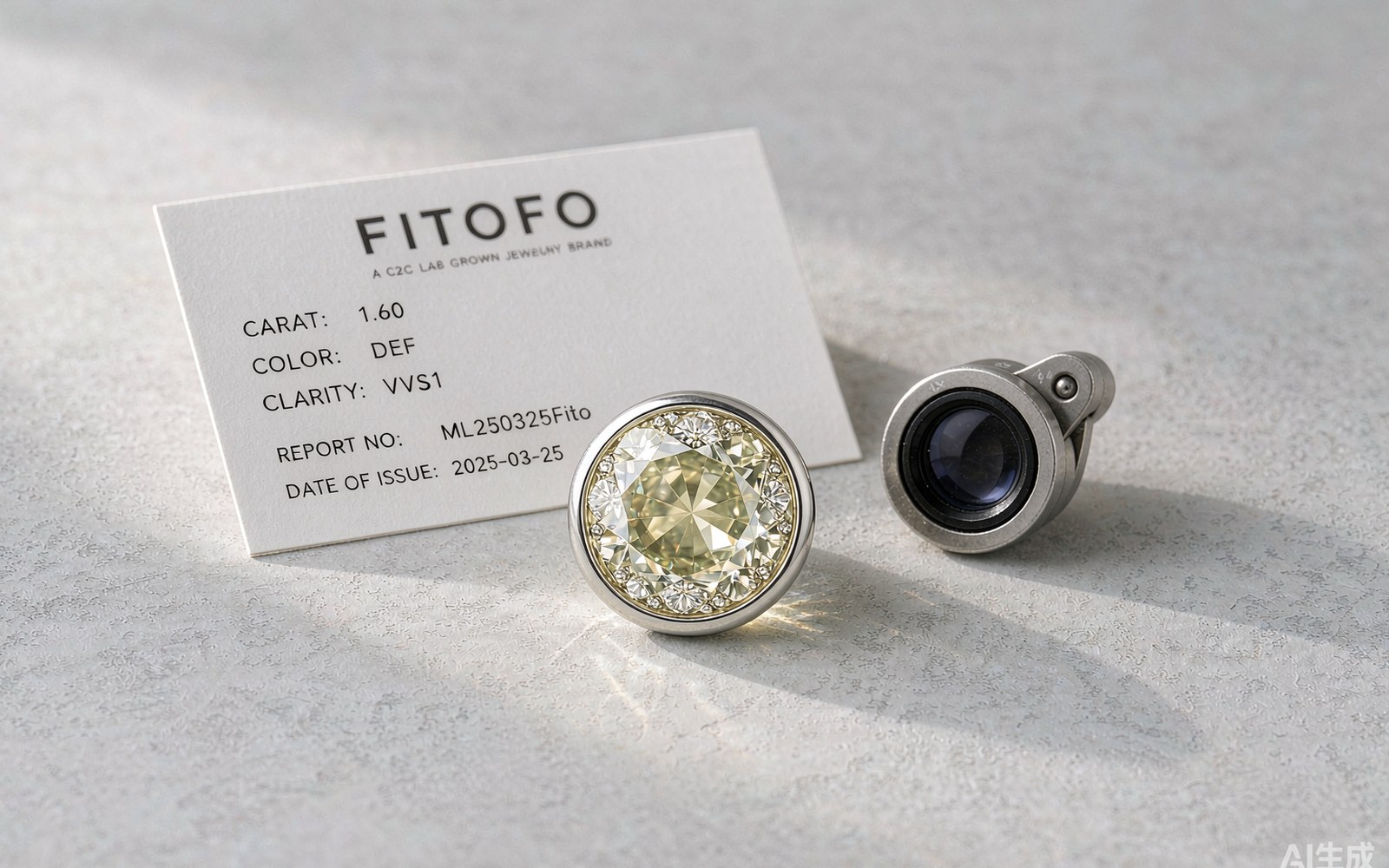
When you shop for moissanite you will see references to grading reports and certification. This guide explains in plain language what a grading report measures, how grading works, what a certificate does and does not confirm, and the points to verify with your supplier before you buy.
What does a moissanite grading report actually measure?
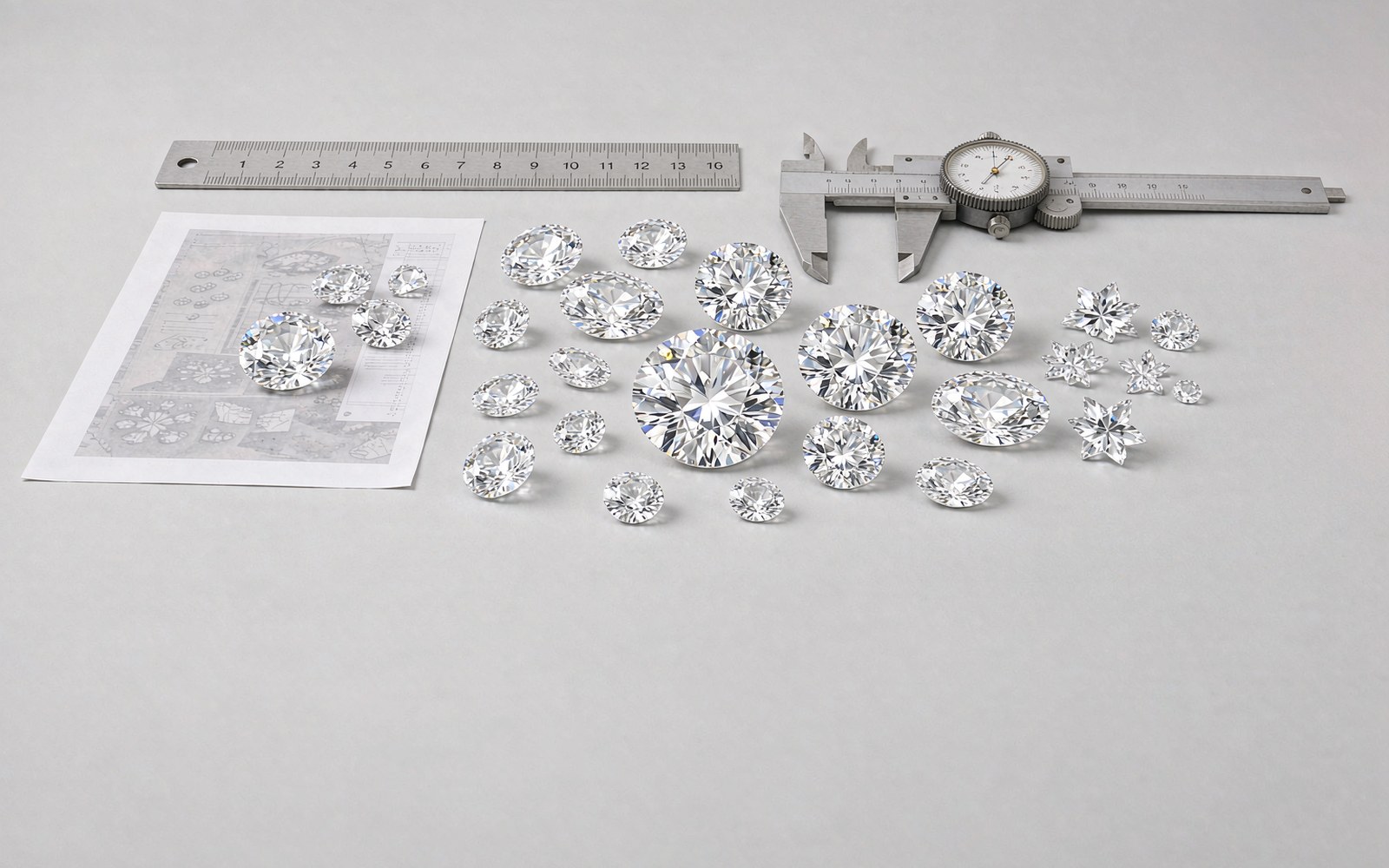
A grading report documents the measured characteristics of a stone, such as dimensions, proportions, and visual notes recorded by the grading party. It is a measurement record, not a promise about how the stone will perform over years of wear. Ask to see the report and read it as a specification, not as a rating of future value.
How does moissanite grading work?
Grading follows a set of measured parameters rather than a single score. The report lists the stone's proportions and any noted characteristics so a buyer can compare stones on paper. Different grading parties may use different formats, so compare like with like and ask your supplier to explain any line you do not recognize.
What does a certificate confirm, and what does it not confirm?
A certificate confirms that a named party measured the listed characteristics on a given stone. It does not certify long-term durability, and it does not promise resale value or future appearance. Treat certification as documentation of what was measured, not as a warranty of worth.
Do I need a grading report for every moissanite purchase?
For a single piece you may be fine with a clear specification sheet from your supplier. For higher-value or volume orders, a grading report helps you verify that what arrives matches what you agreed. Decide based on order value and how much comparison you want on paper, not on a fixed rule.
What should I confirm with my supplier about grading?
Before you order, ask which characteristics will be documented, in what format, and who performs the grading. Put the answer in writing. If a claim sounds like a promise of value, ask for it in writing and read it as a measurement, not a promise. You can also reach our team with specific questions through the contact page at /en/contact/ .
What is the eight-point buyer checklist before I order?
Whether you order one piece or a volume batch, confirm these eight points with your supplier in writing:
Applicable scope: confirm the piece type and whether a grading report is included or optional for your order.
Lead time: ask for the production and any grading window in writing, because graded orders can take longer.
Minimum order quantity: confirm the smallest order your supplier will accept and request the figure in writing.
Sample: request a sample or reference stone with its specification before a full run.
Failure conditions: define what counts as a defect against the agreed specification, and agree on the remake or return threshold.
Testing method: agree how stones are verified, for example a proportion and visual check against the report, and write it into your order note.
Parameter explanation: ask your supplier to explain each line of the specification or grading report in plain language so you know what you are buying.
Inspection and after-sales: confirm who inspects the goods on arrival and what the after-sales coverage includes.
A moissanite grading report is a measurement record, not a promise: it documents a stone's measured characteristics, it does not certify long-term durability or resale value. Before you order, confirm the scope, lead time, minimum order quantity, a sample, failure conditions, the test method, each specification line, and inspection or after-sales terms with your supplier in writing. For a written quotation, share your requirements through the contact page at /en/contact/ .