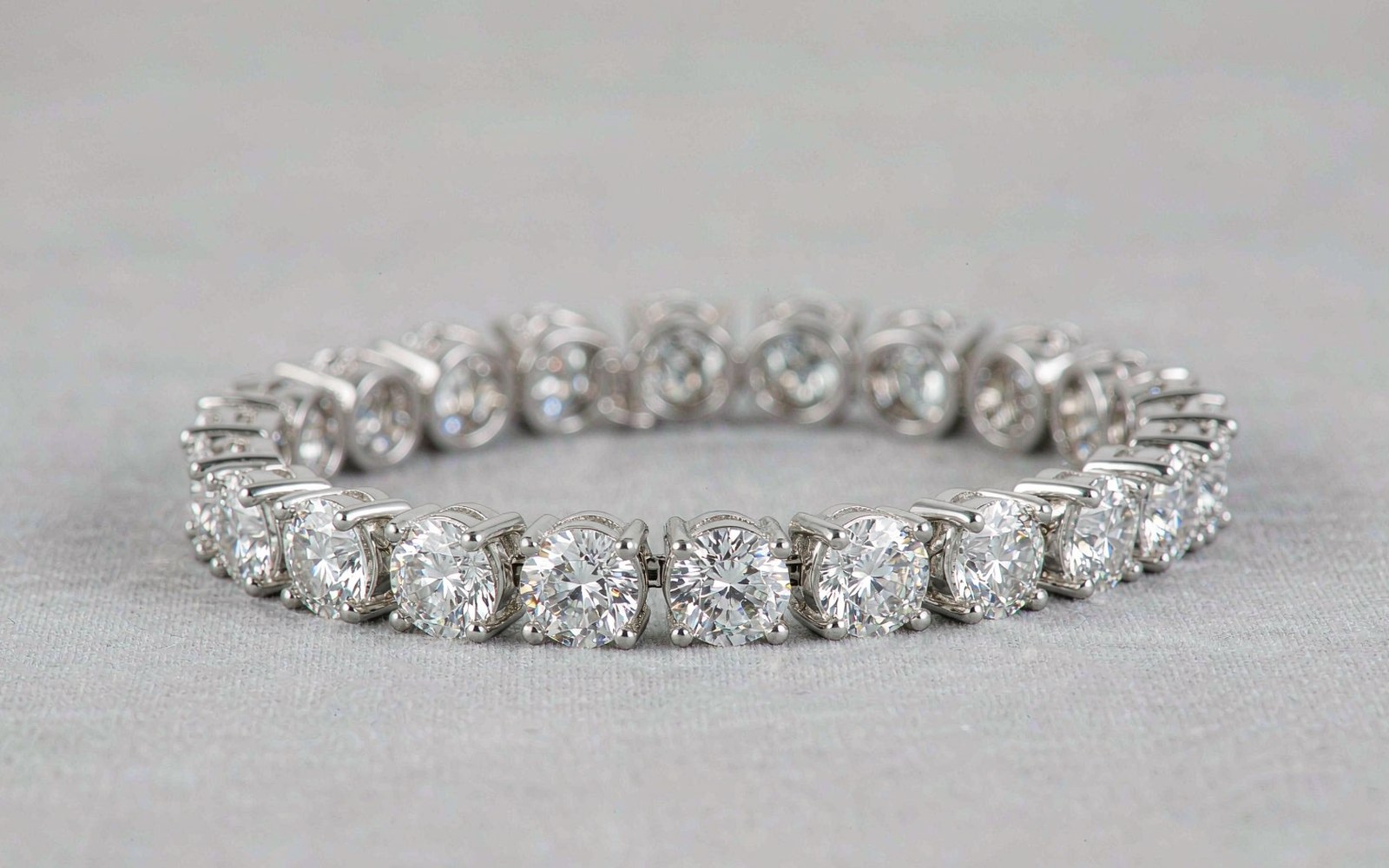
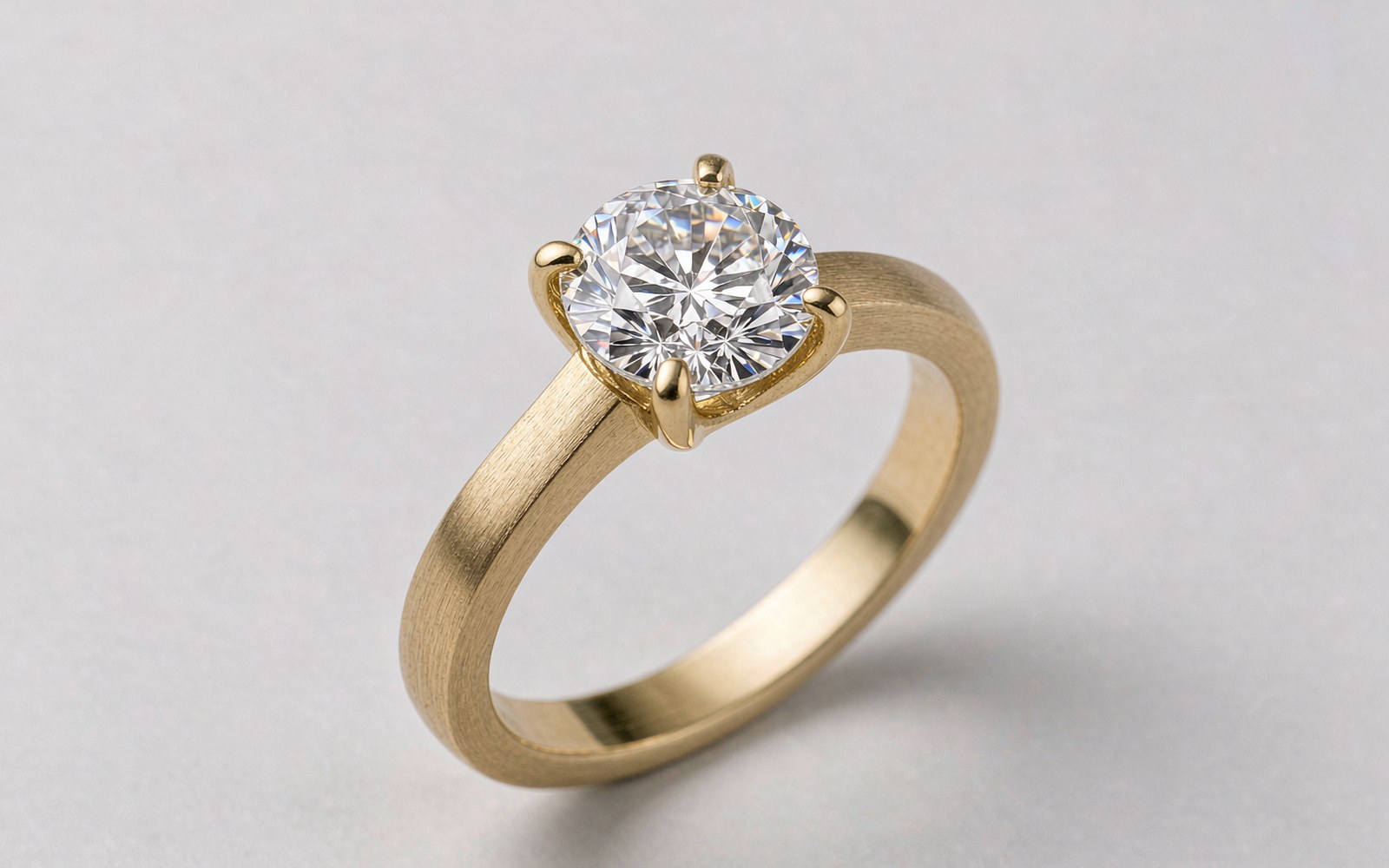
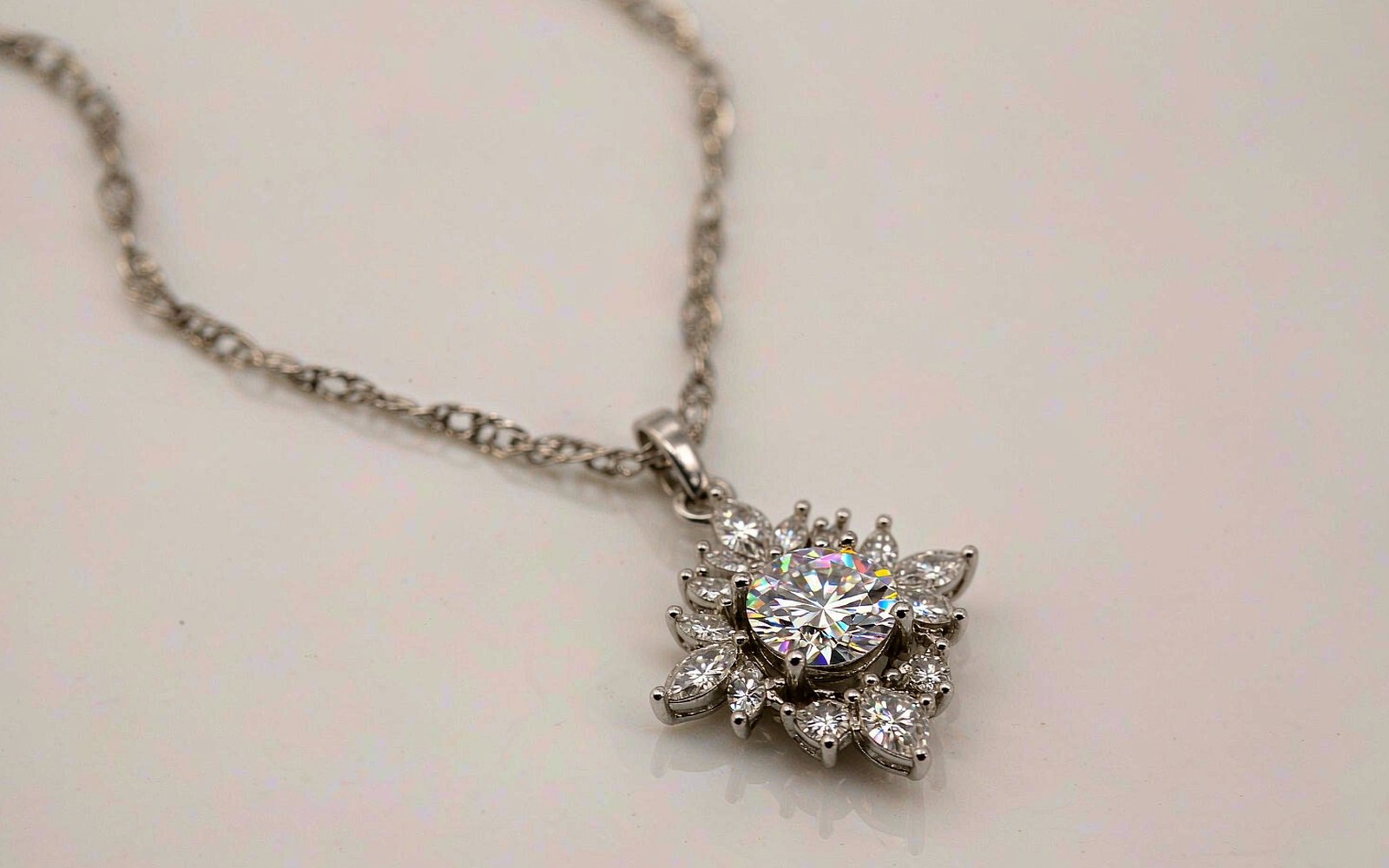
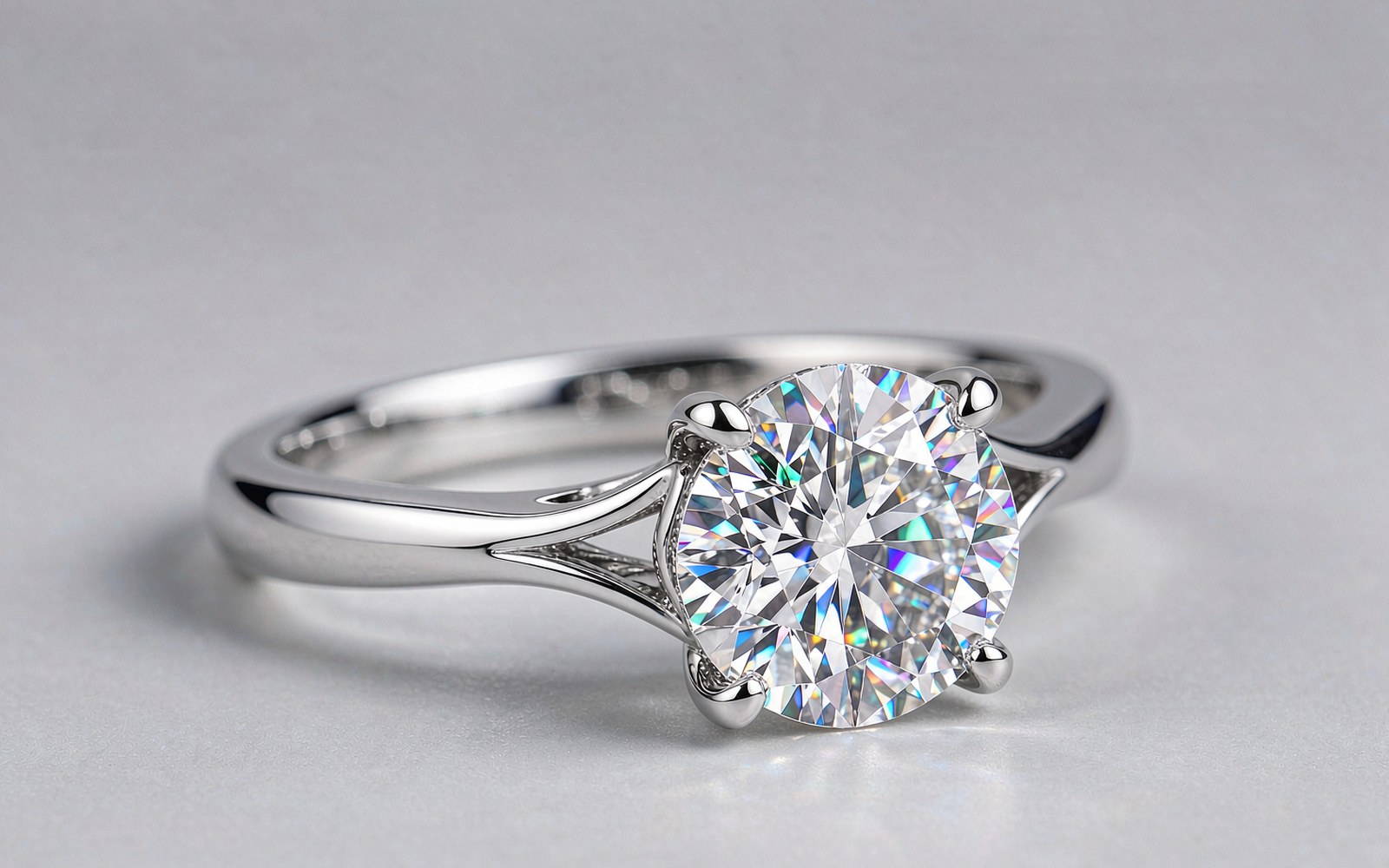
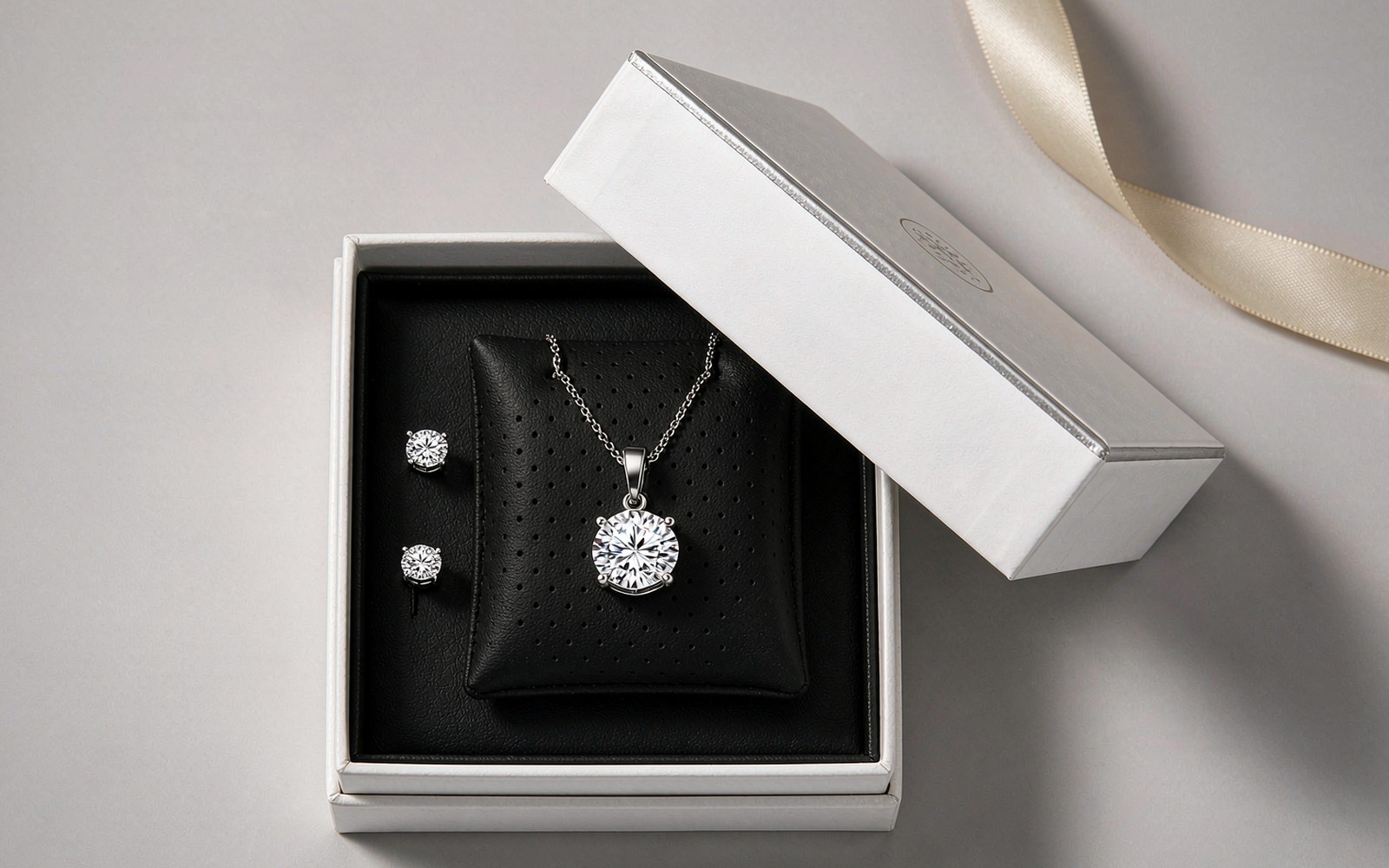
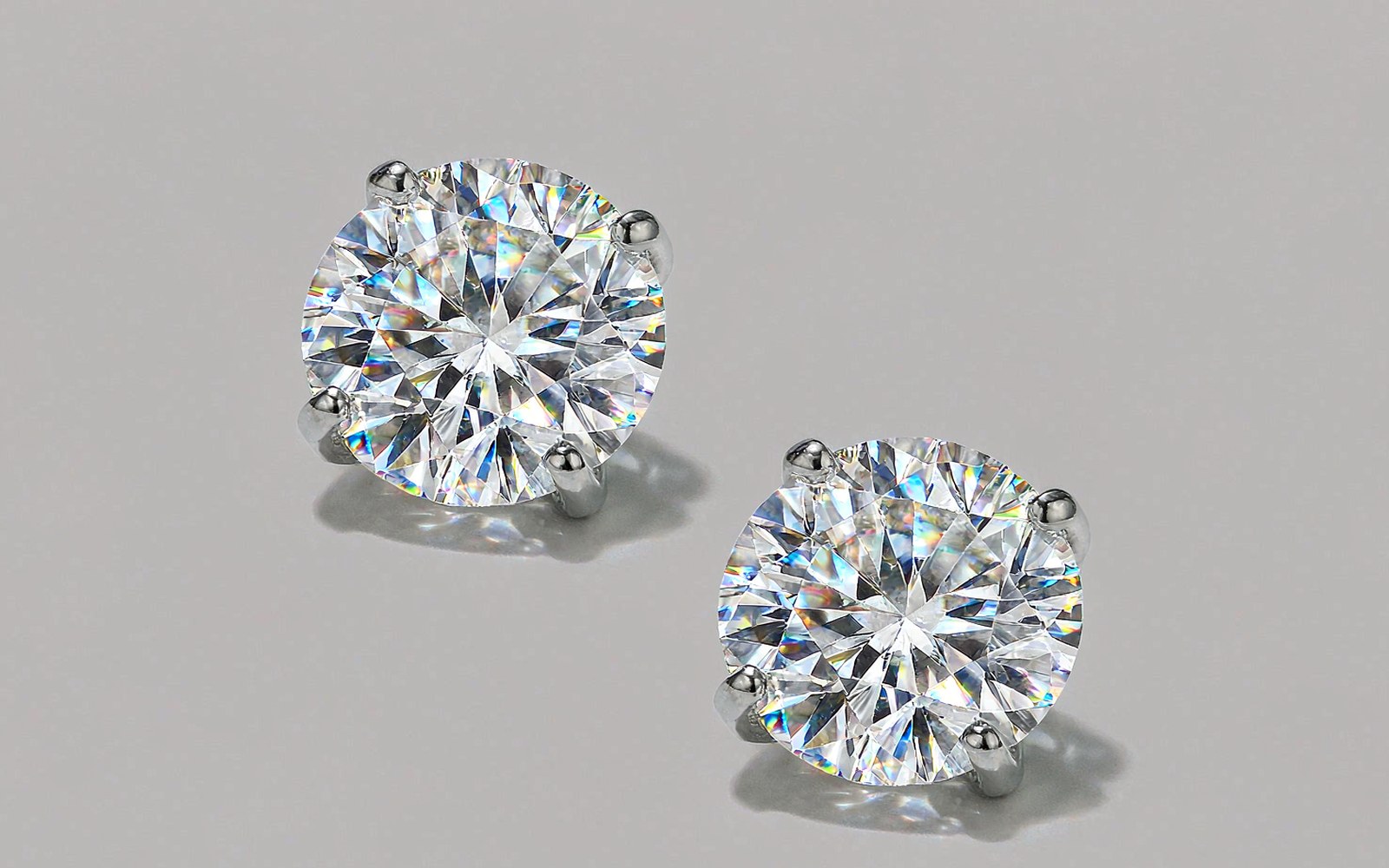
· Sobre la moissanita
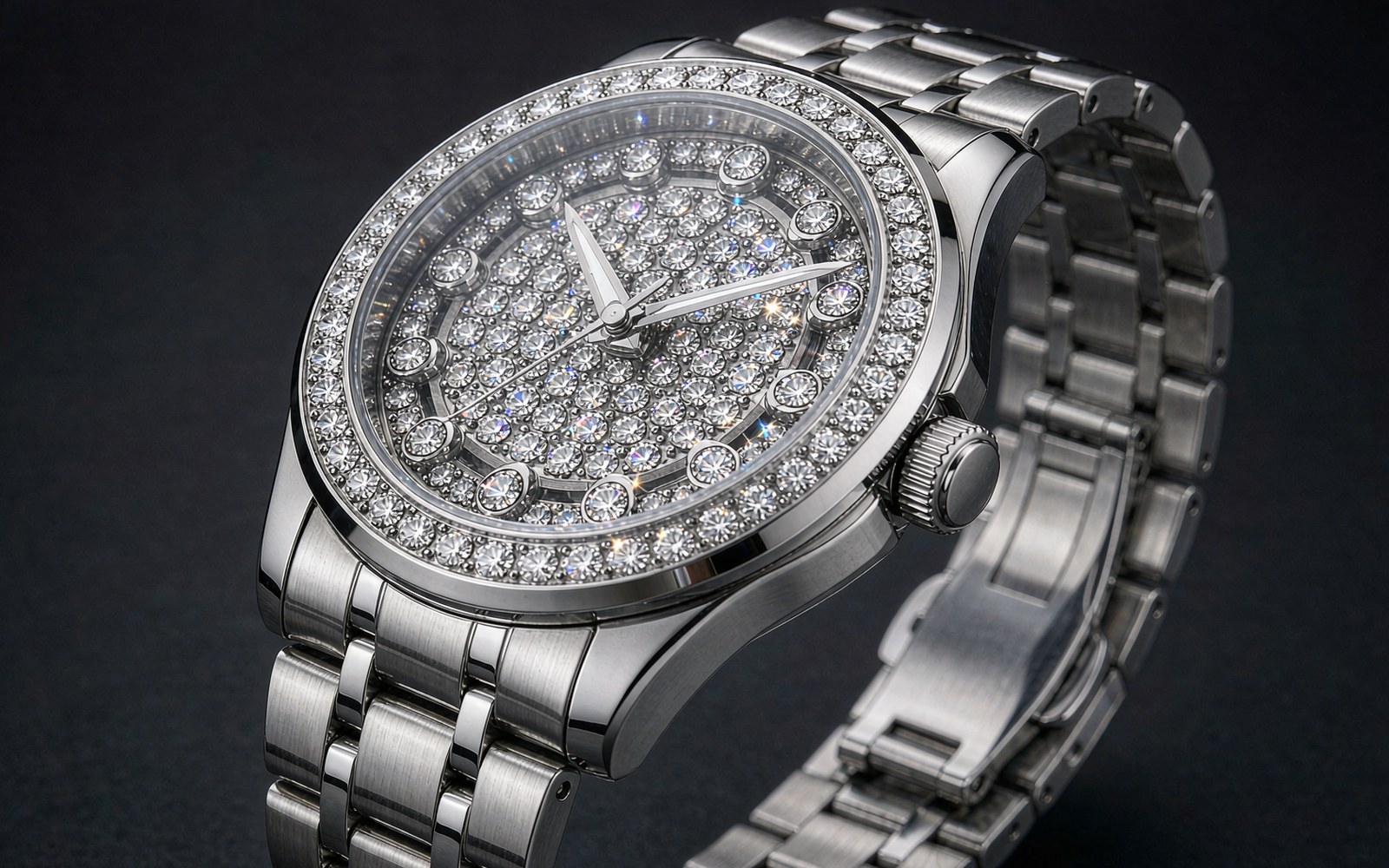
What is an iced-out moissanite timepiece, and how is it different from a diamond one?
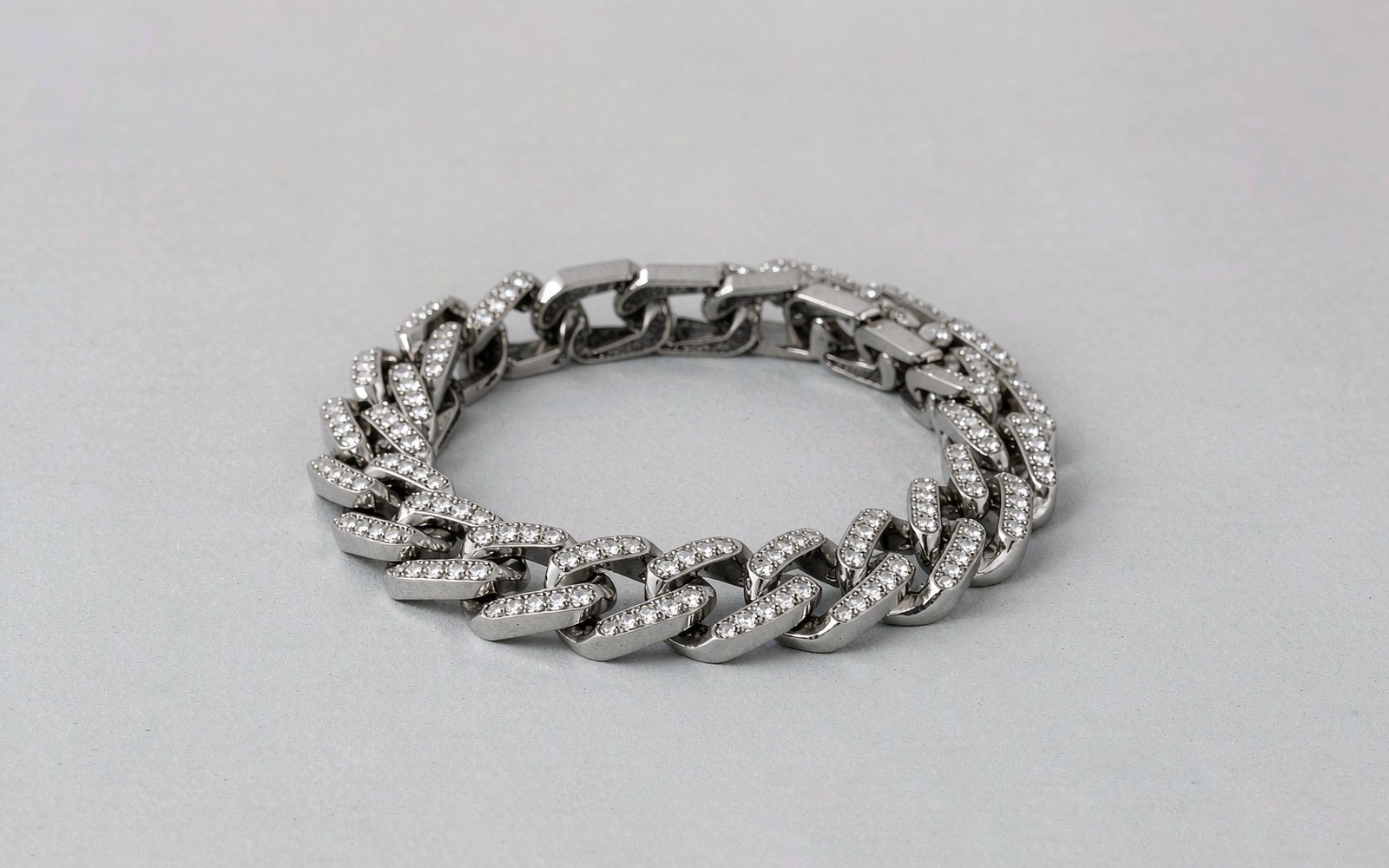
This kind of timepiece uses lab created moissanite set around the case, bezel, or dial, instead of mined diamond. You get the same bright, vivid fire at a much lower cost, while the movement and case do the actual timekeeping.
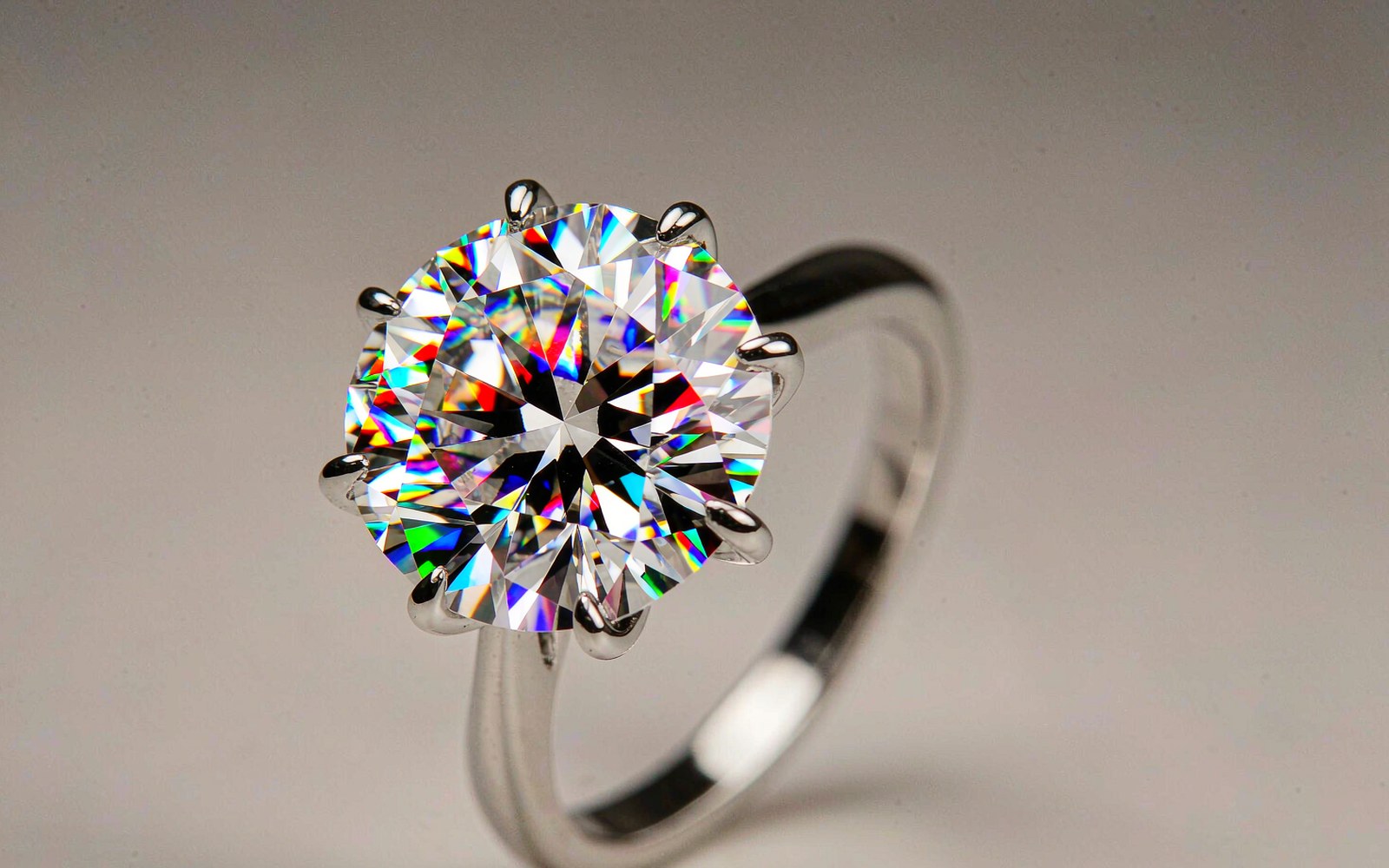
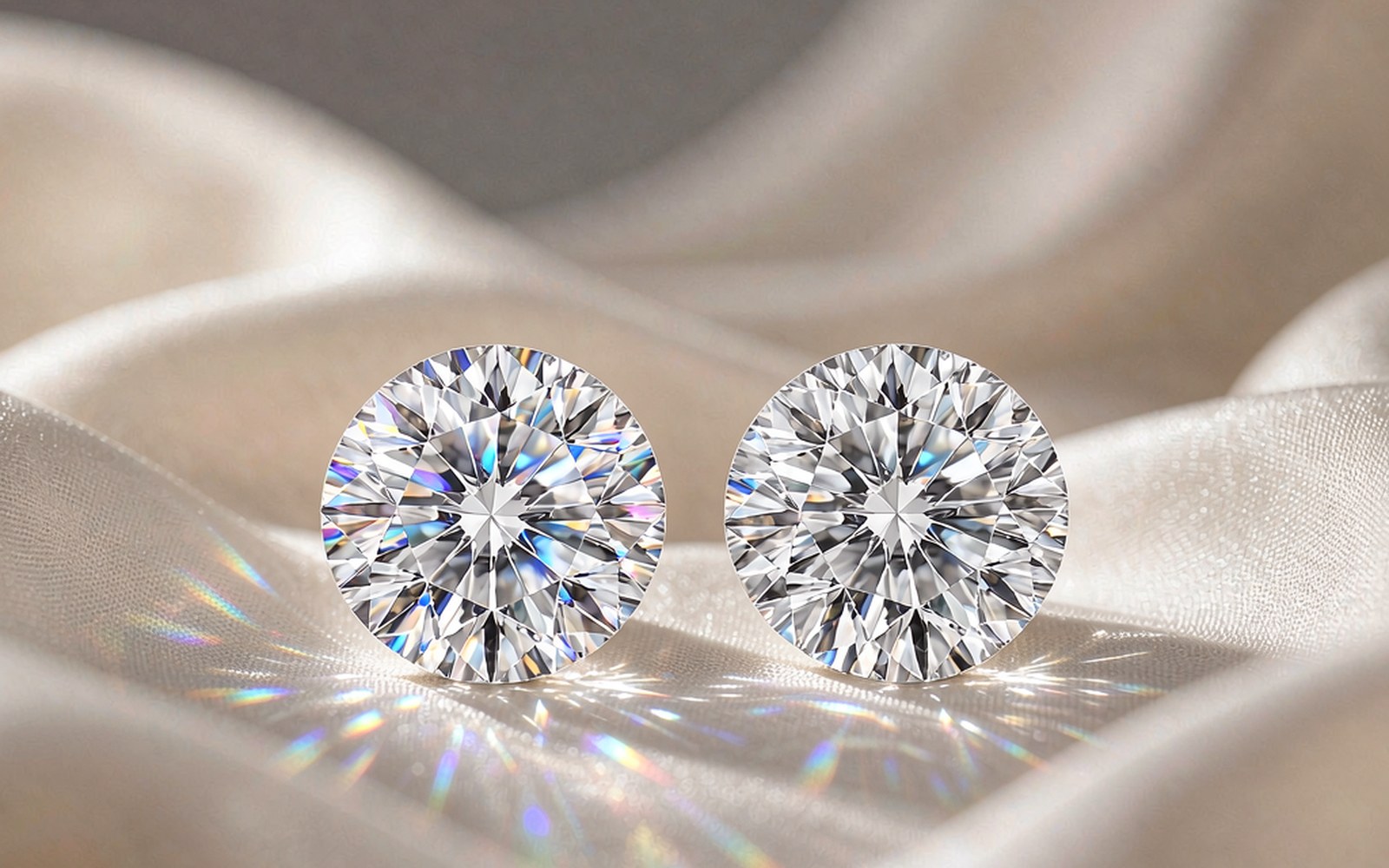
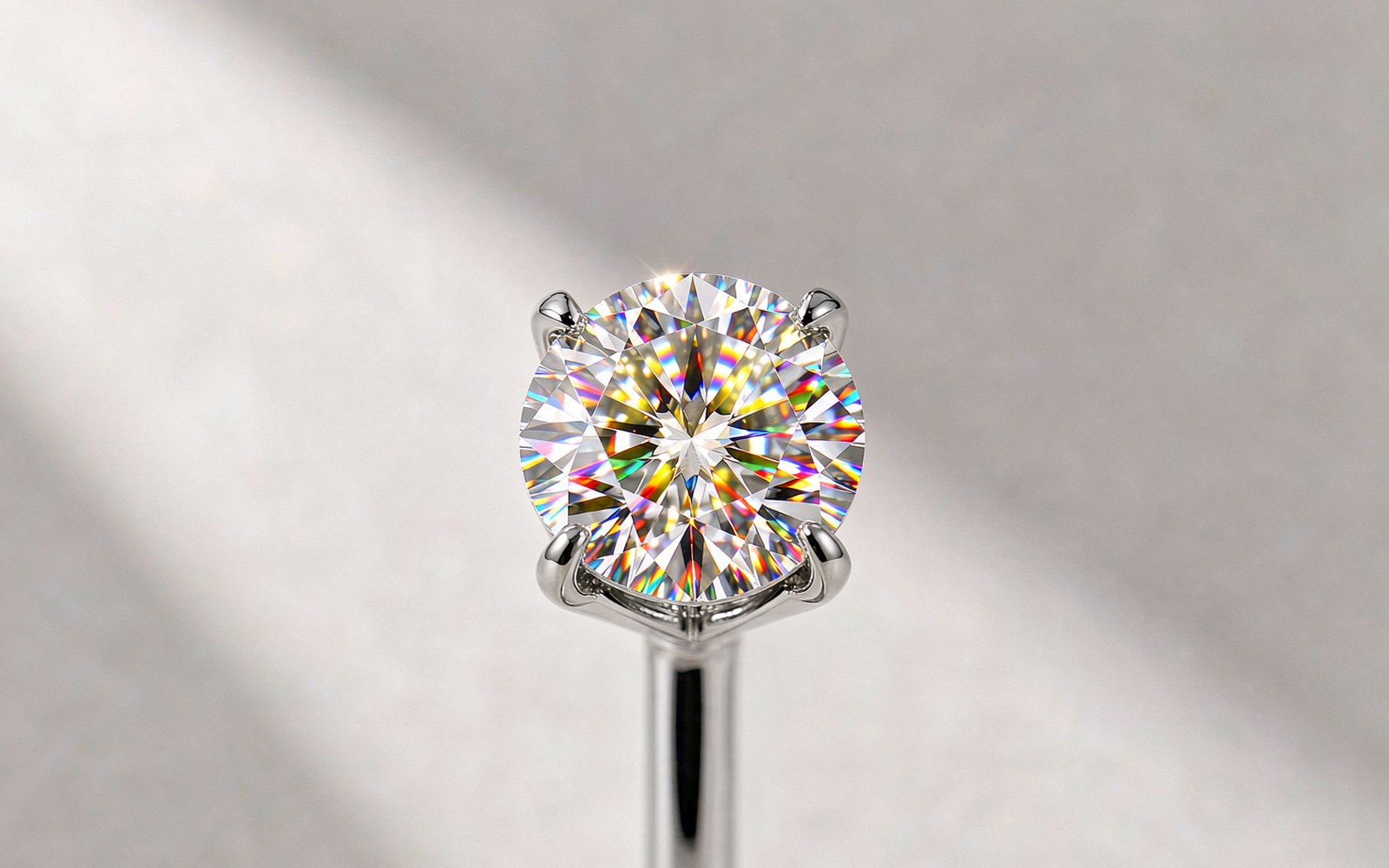
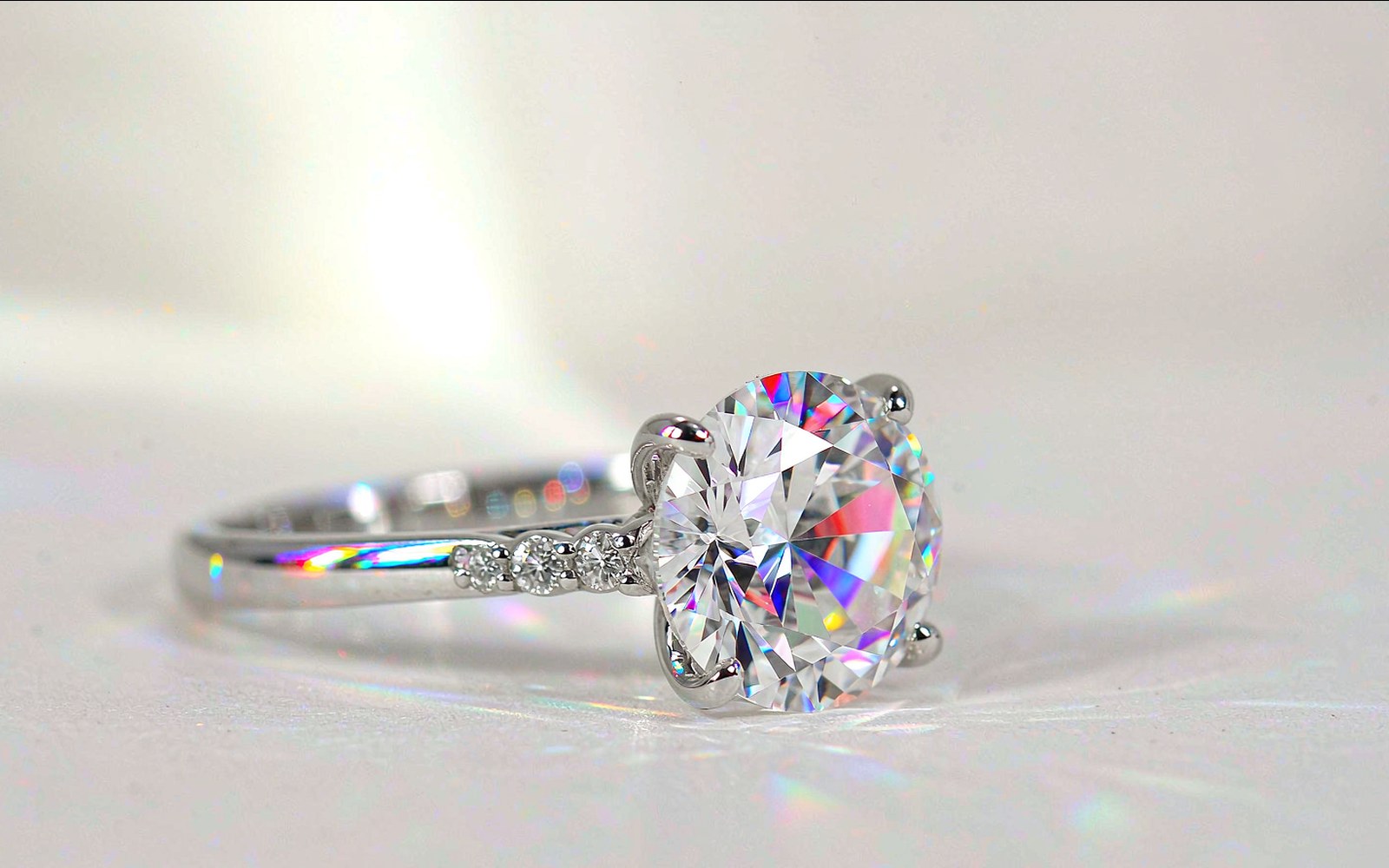
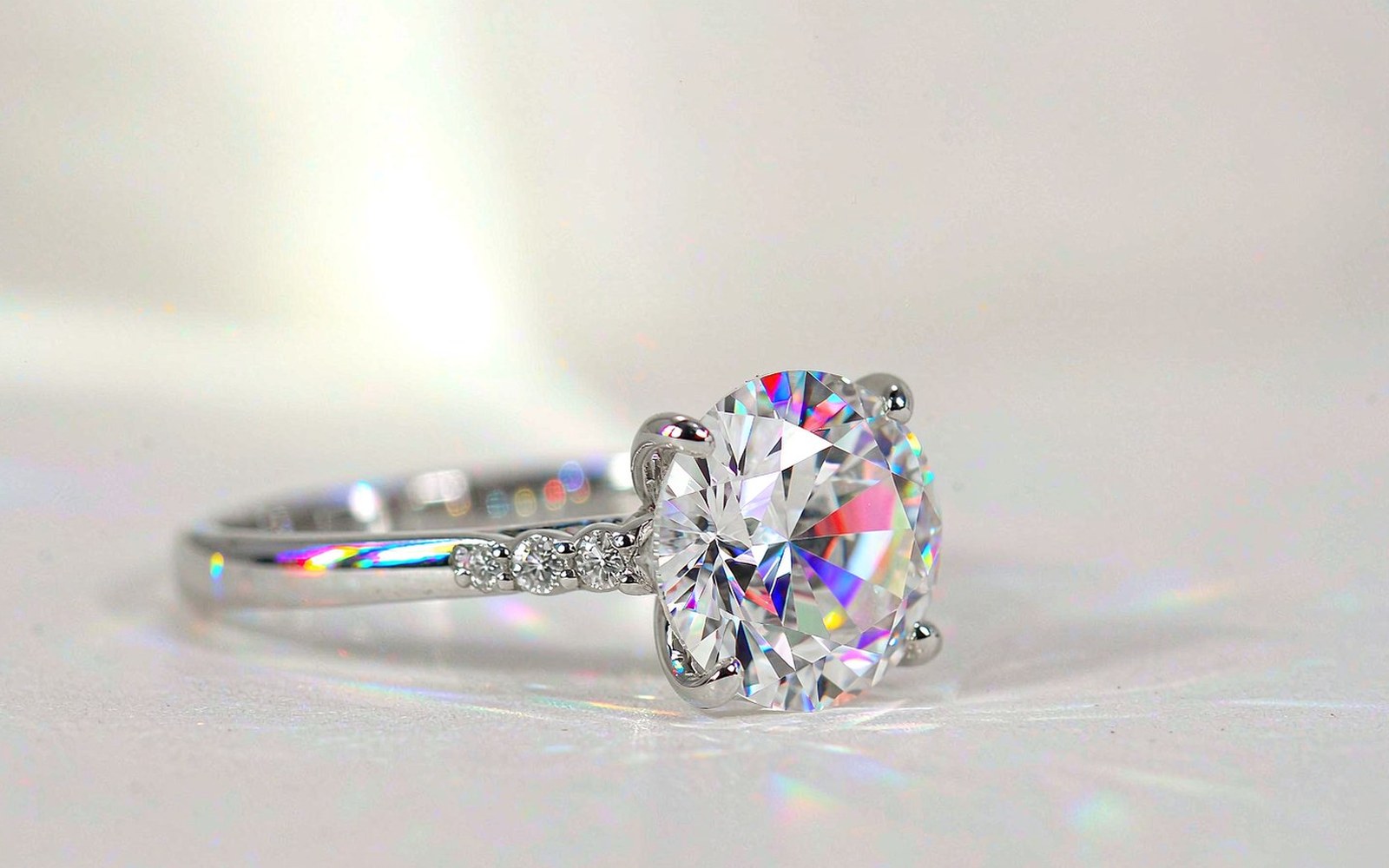
Moissanite is silicon carbide with a refractive index around 2.65, higher than diamond, which is why it flashes more colored sparkle under indoor light. On the Mohs scale it sits near 9.25, so the stones themselves resist scratches through daily wear. The parts that wear out are the case finish, the water seal, and the movement, not the stones.
If you are new to the material, our what is moissanite page explains the basics before you compare specific pieces.
How do I know the stones are real moissanite and not cubic zirconia?
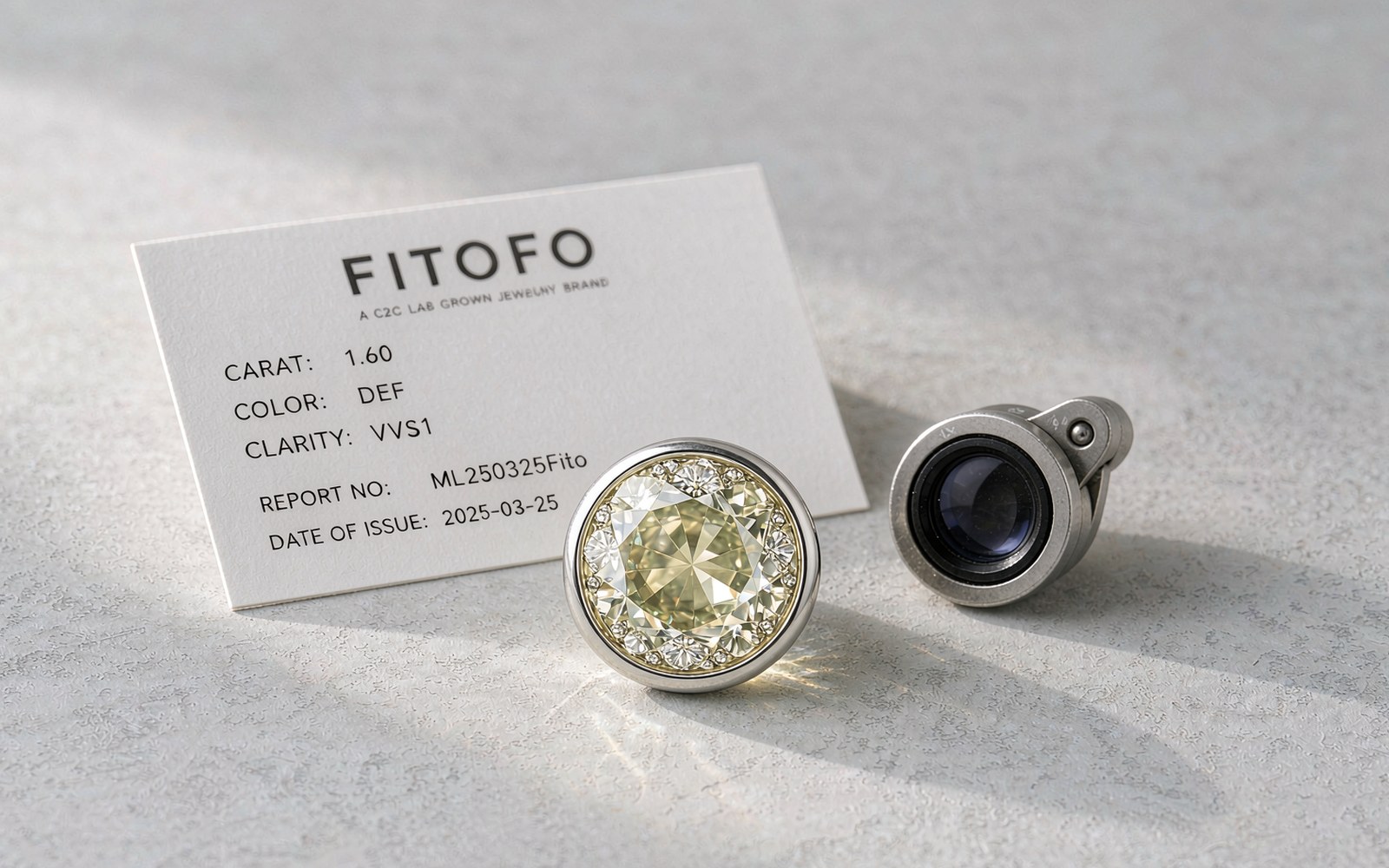
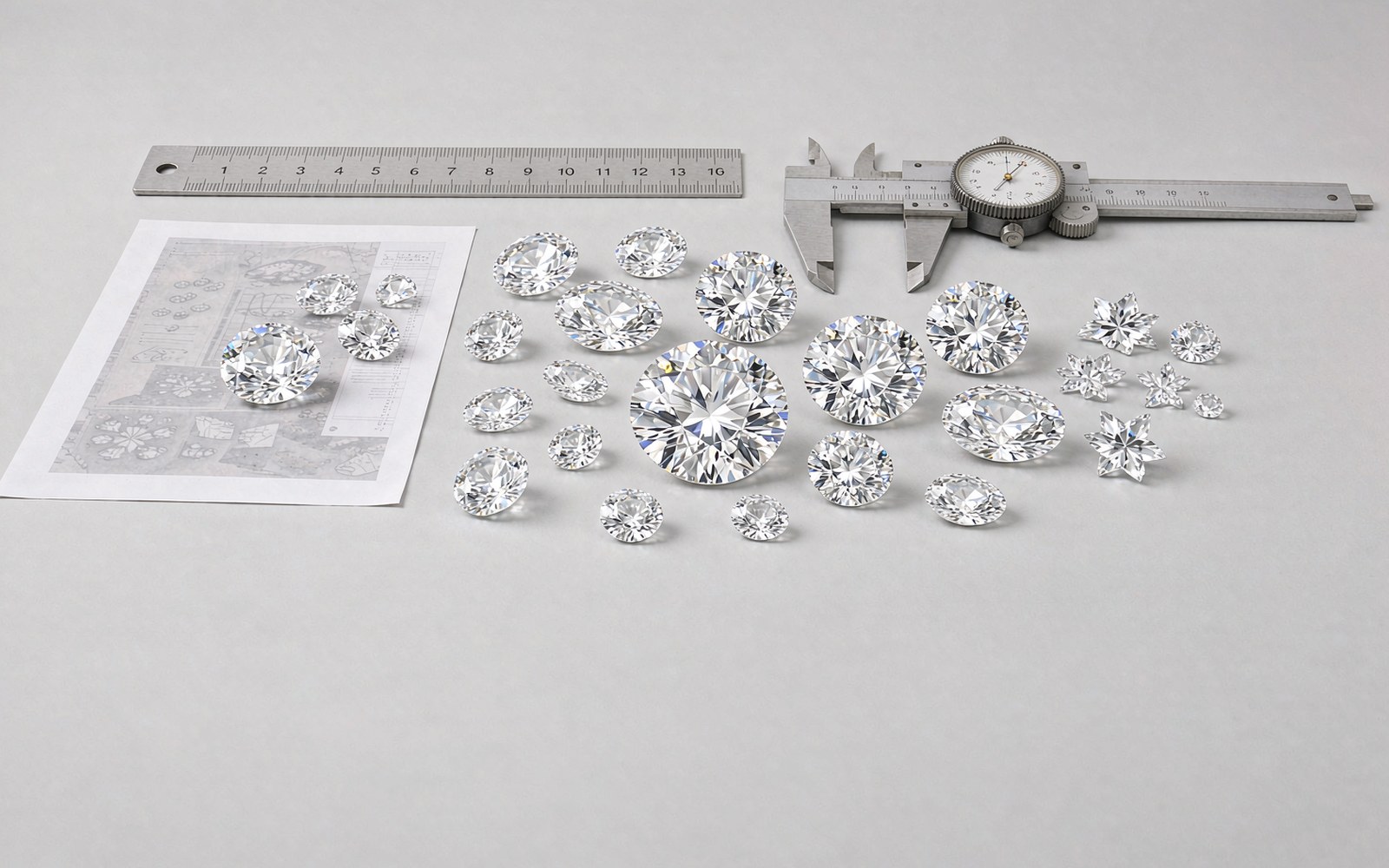
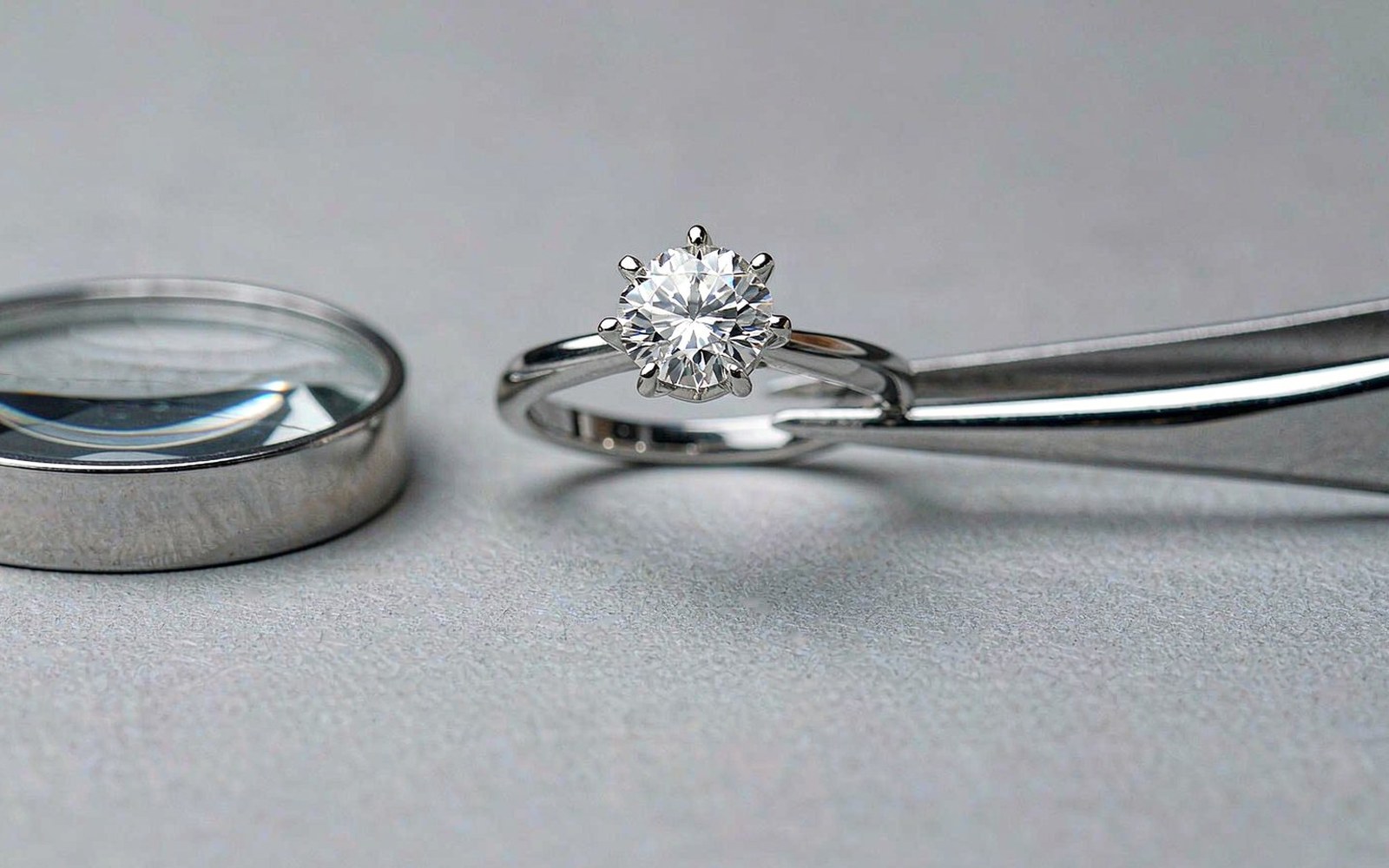
Ask the seller for the stone identity in writing and for unedited daylight video, not just a product photo. A loupe at ten times shows whether the facets are crisp and whether the fire looks sharp and vivid rather than flat and glassy, which is the usual tell of cubic zirconia.
A grading report or certificate from a gem lab describes the stone's optical and physical traits; it confirms the material is moissanite but does not certify how long the watch will last or what it is worth later. Treat any document as a description, not a promise about durability or resale.
If a listing refuses to name the stone or only says diamond-like, that is a reason to pause and compare a different seller.
Which case metal should I choose for daily wear?
Solid stainless steel or solid gold cases hold their finish through hand washing, sweating, and the small knocks of daily life. Plated cases look similar at first but the plating can wear at the edges where the stones meet the metal.
If you want a lighter look on a budget, a rhodium-finished silver-tone case is fine for occasional wear, but expect to re-finish it over time. For a piece you wear every day, favor a metal you can wipe dry quickly and that does not rely on a thin surface layer.
Does water resistance actually matter for this kind of watch?
Yes, because the stones sit on the outside but the movement sits inside, and a weak seal lets moisture reach the gears. Check the rating the seller states and confirm it in writing rather than assuming a fixed depth.
Even a water-resistant case should be dried after swimming or showering, and the crown should be pushed in. The stones will not mind water; the movement and the adhesive behind the setting will. Ask the seller what the rated seal covers and what it does not.
What movement should this timepiece use?
For a daily wearer, a quartz movement is simple, accurate, and easy to service. For a collector feel, an automatic movement winds as you move but needs regular wear or a watch box to keep running.
Avoid judging a piece only by how the stones look. The movement is the part that fails first, so ask for the movement type in writing and for the service path if it stops. A bright case with an unknown movement is a common place buyers lose money.
What should a buyer verification checklist cover before ordering?
Use this eight point list before you commit to a purchase or a bulk order:
1. Applicable boundaries - confirm this timepiece fits the use (daily wear, gifting, statement piece) and that you do not need a mined-diamond item for the occasion.
2. Lead time - ask the seller for the current production and shipping window; do not assume a fixed number, because custom stone layouts change it.
3. Minimum order quantity - request the supplier's minimum order quantity in writing; single and bulk buyers are handled on different thresholds.
4. Samples - order one piece or request unedited daylight photos and a video before a larger quantity.
5. Failure conditions - agree in writing what counts as a defect (loose stone, dead movement, failed water seal).
6. Testing methods - plan a visual check with a loupe and a daylight video; a jeweler can confirm the stone type if needed.
7. Parameter explanation - understand case size, water resistance rating, metal fineness, stone count, and movement type before you compare quotes.
8. Inspection and after-sales - confirm the return, repair, and warranty policy before you pay.
A short buyer FAQ covers more of these points if you order for resale.
How can I check the watch after it arrives?
When the watch arrives, set it on white paper in daylight and look for consistent fire across every stone. A loupe at ten times shows whether prongs or bezels are even and whether any stone sits proud of its seat.
Run the movement for a day to confirm it keeps time, and check the crown and case back for a clean seal. If a stone looks cloudy or a prong is loose, that is a return condition you agreed on in step five above. Keep the unedited photos from the seller to compare against the delivered piece.
Why does seller transparency matter more than the lowest price?
The cheapest quote often hides a light case, mixed stone quality, or no after-sales path. Beyond price, ask each workshop for written specs, real photos, and a clear policy - a seller who shares unedited daylight footage and a measured grading report is easier to hold accountable than one competing only on the lowest number.
This is the extra step many buyers skip: compare two or three workshops on their written answers, not their headlines, and the timepiece you receive will match the one you pictured. If you need help scoping an order, contact our team.
Summary: A moissanite timepiece delivers bright, vivid sparkle at a fraction of mined-diamond cost, but the right pick depends on a case metal suited to your wear habit, a movement you can service, and a seller who confirms specs in writing. Run the eight point verification checklist before you order, and the timepiece will match your expectation.