· 莫桑知识
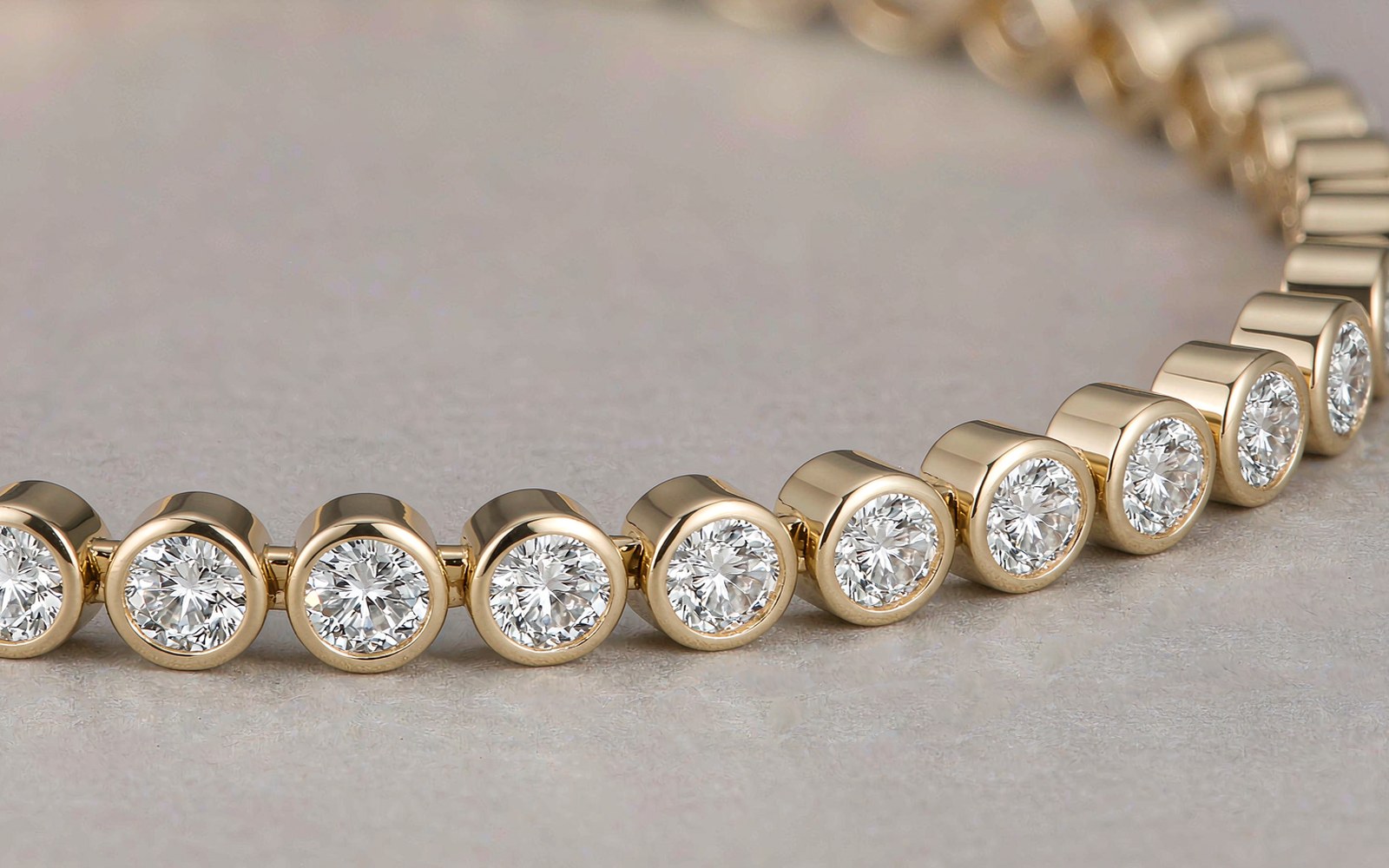
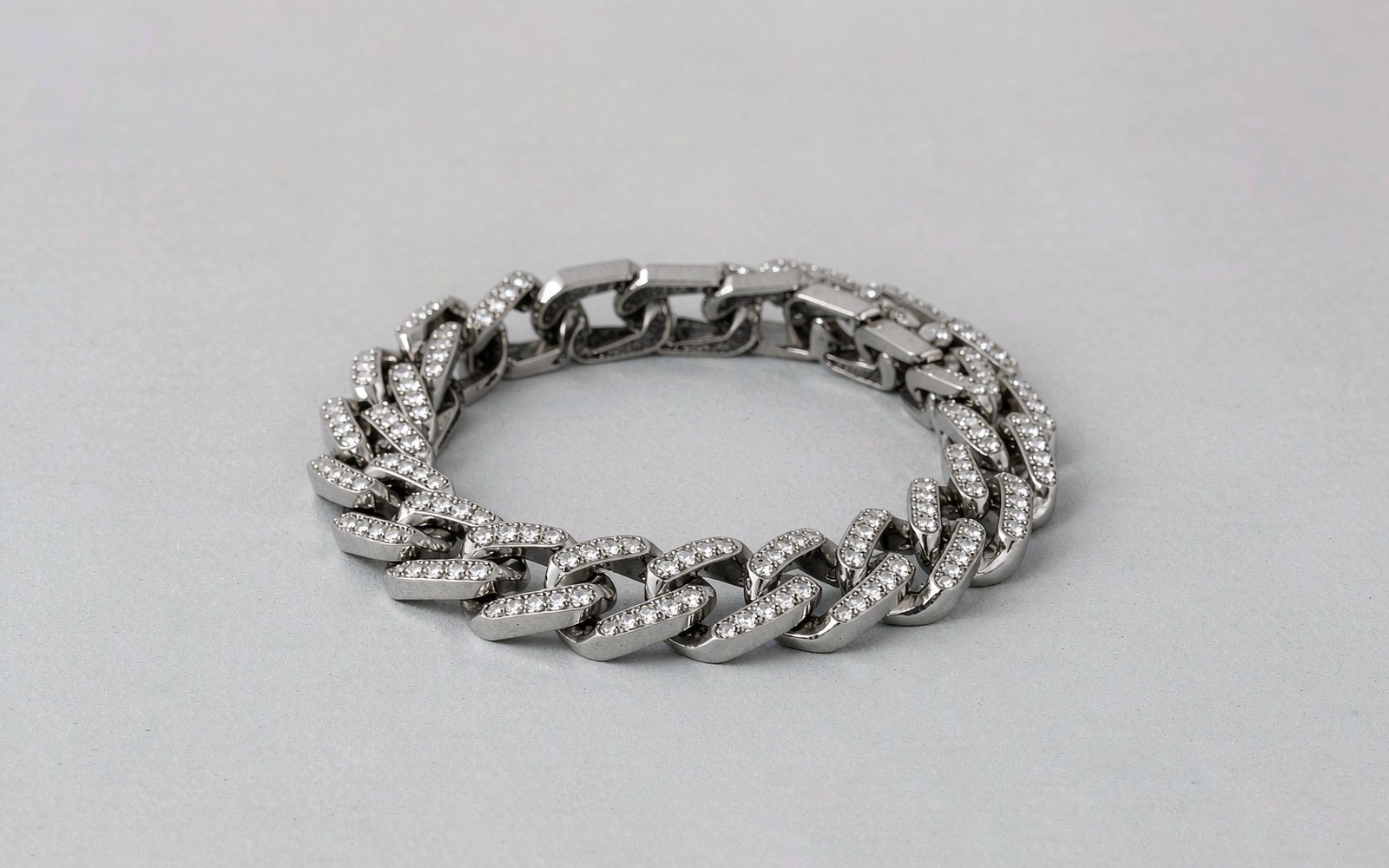
A moissanite bracelet gives you continuous sparkle on the wrist at a fraction of the cost of a mined diamond piece. In 2026 the category is one of the fastest-growing areas of fine jewelry, driven by tennis bracelets, stackable looks and a shift toward value-conscious luxury. This guide walks through the buyer decisions that actually matter, so you can choose a piece you will still be happy to wear years from now.
What is a moissanite bracelet and how is it different from a diamond one?
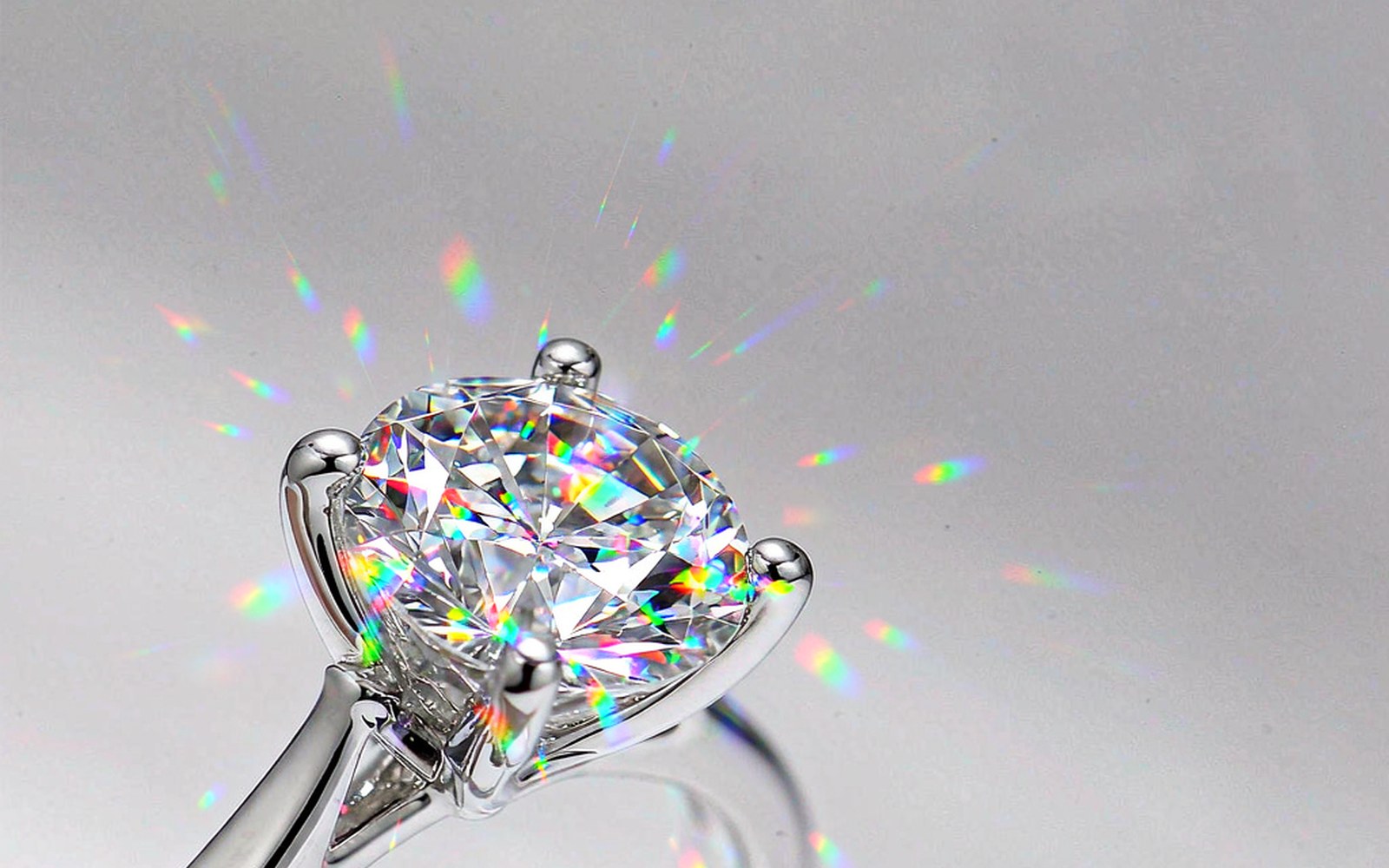
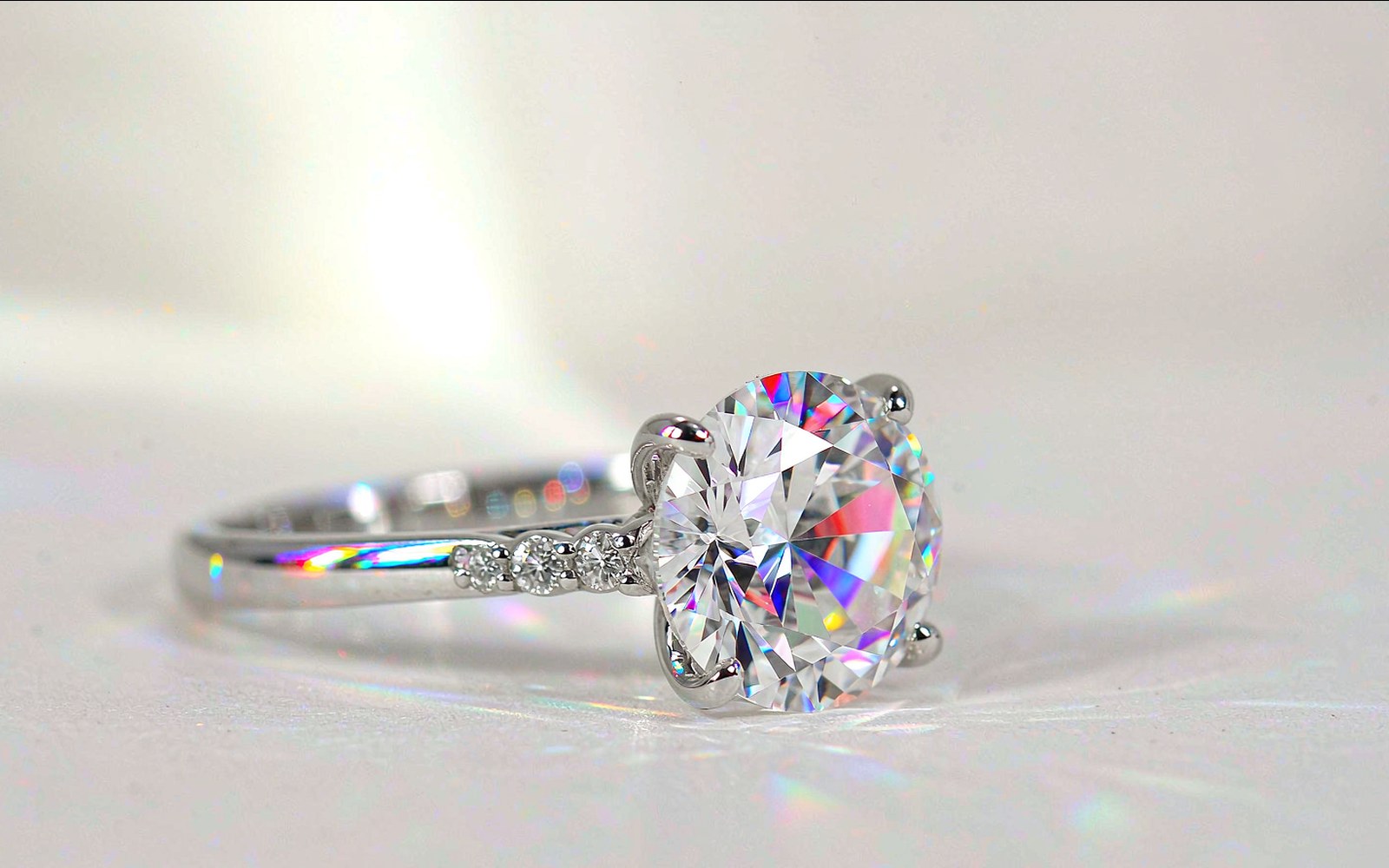
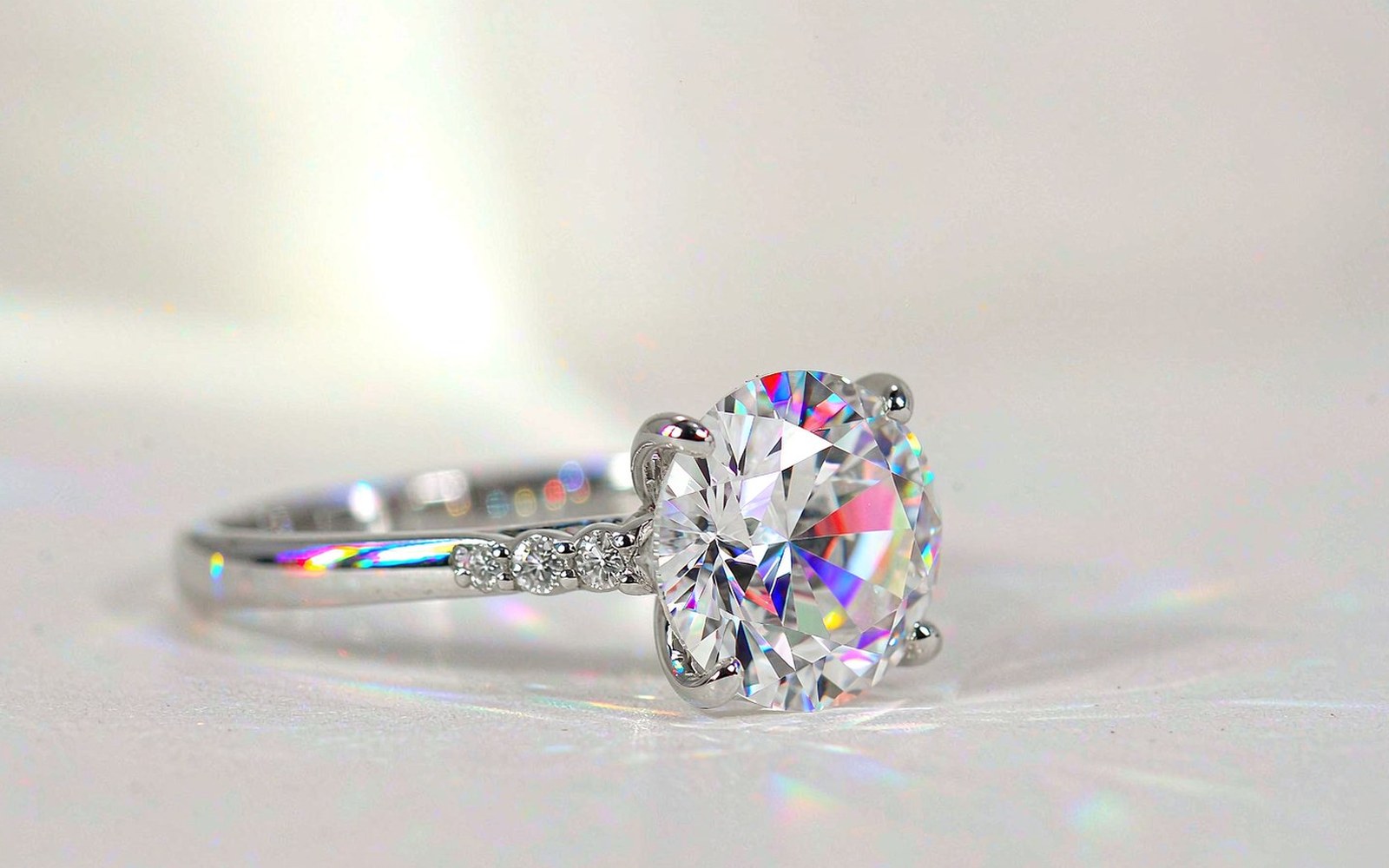
A moissanite bracelet is a wrist piece set with lab-created moissanite stones rather than mined diamonds. Moissanite is a real gemstone with a higher refractive index than diamond, which gives it a distinct brilliance and visible fire. It rates 9.25 on the Mohs scale, so it resists scratching well during daily wear. The main difference versus a diamond bracelet is the origin and the price: moissanite is grown in a lab, which keeps the cost lower while preserving the look of fine jewelry.
If you want a deeper read on the stone itself, our overview at /en/what-is-moissanite/ explains how moissanite is made and how it behaves over time.
Which bracelet style fits my everyday life: tennis, bangle, cuff or adjustable?
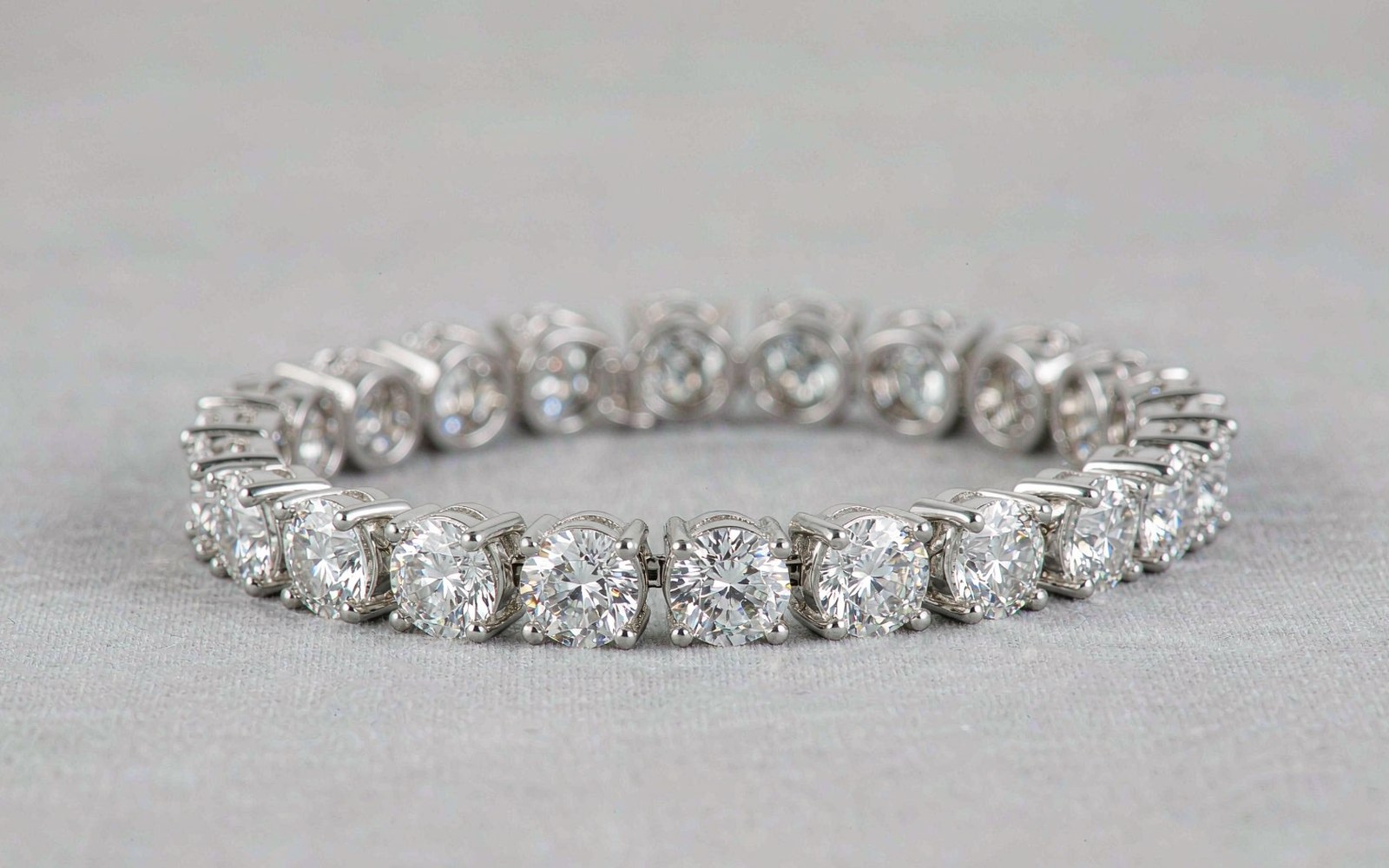
The four common styles each suit a different wearer. A tennis bracelet is a continuous line of matched stones on a flexible strand, the most versatile everyday choice. A bangle is a rigid closed or open ring that slides over the hand, worn solo for a cleaner statement. A cuff is an open architectural band worn at the center of the wrist, best for deliberate, design-forward looks. An adjustable bracelet uses a chain with an extender, which removes the need to know an exact wrist size and makes it the easiest gift.
Match the style to how you live. If you type, train and travel in the piece, a low-profile tennis or adjustable style is safer than a wide cuff that catches on things. If you want one quiet sparkle for the office, a slim tennis bracelet in white metal is hard to beat.
How do I find my correct bracelet size at home?
Measure the narrowest part of your wrist with a flexible tape or a strip of paper, then add room for comfort. A snug fit for a tennis bracelet is about a quarter to half an inch over wrist size. A standard comfortable fit is roughly half to three quarters of an inch over. A looser relaxed fit is three quarters to a full inch over. When uncertain, size up: a bracelet that slides slightly is more comfortable all day than one that sits too tight.
Most women wear around a seven inch bracelet comfortably, while petite wrists under five and a half inches suit six to six and a half inch lengths. For stacking, measure each piece the same way and keep proportions in mind so the set reads as curated rather than crowded.
What clasp and safety features should I look for?
The clasp is the part most likely to fail, so treat it as a primary buying decision. A box clasp with a safety latch is the secure standard for tennis bracelets. A lobster clasp with a one inch extender is common on adjustable styles and is easy to fasten one-handed. Some newer designs use a claspless elastic or slide mechanism, which removes the fiddly step but changes the look and the long-term stretch behavior, so ask how the mechanism is expected to hold up.
For peace of mind, look for a safety chain on finer tennis strands and for stones set in secure mounts rather than loosely glued settings. A reputable seller will describe the clasp type in plain terms instead of leaving it vague.
Which metal should I choose for daily bracelet wear?
Because a bracelet contacts surfaces more than a pendant does, metal quality matters more here. Solid gold in 10K, 14K or 18K holds up better over years than gold-plated options, which can wear through. Platinum is the most durable and hypoallergenic choice for daily wear, though it costs more. Sterling silver is the entry option and pairs well with moissanite, but it needs occasional polishing to manage tarnish.
For sensitive skin, choose nickel-safe alloys and ask the seller which metals are used in the setting. Keeping one consistent metal tone across a stack gives a cohesive look, while mixing warm and cool tones only works when the contrast is clearly intentional.
Can I stack moissanite bracelets, and how do I do it well?
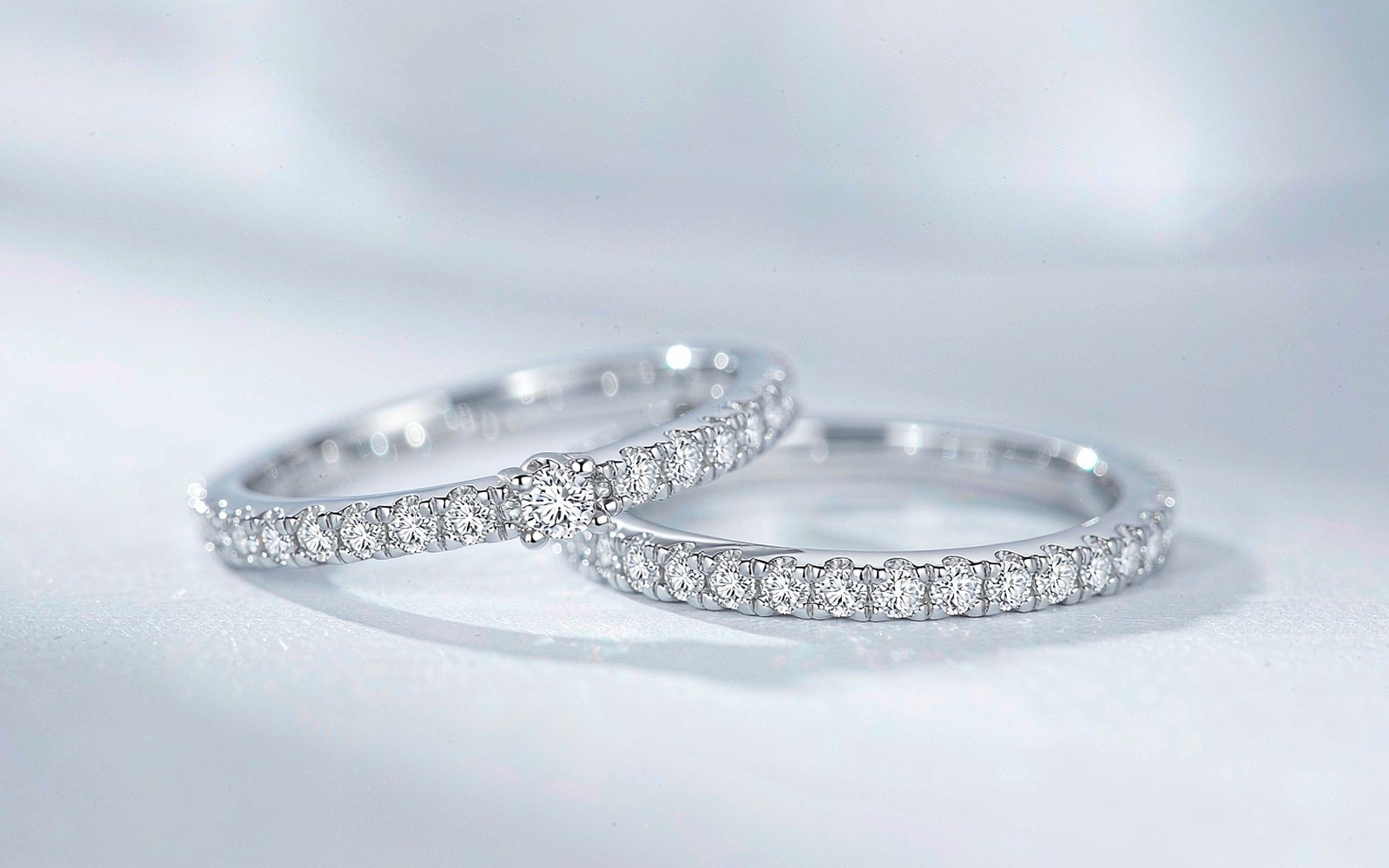
Stacking is one of the reasons the category is growing, and it works best with intent. A common formula is an anchor piece such as a tennis bracelet, a thinner contrast piece with a single stone, and an architectural element such as a cuff or bangle. A plain polished metal bangle in the same tone can add spacing so the stone-set pieces breathe.
Keep the stone type consistent across the stack for a unified sparkle, and limit the number of pieces so the wrist still moves freely. Our guide at /en/rings/ covers the same stacking logic if you want to extend the look up the arm.
Is a moissanite bracelet durable enough for daily wear?
For most wearers, yes. At 9.25 on the Mohs scale, moissanite resists scratching better than nearly any gemstone other than diamond, and it does not fade or cloud under normal wear. The real weak points are the clasp and the settings, not the stones. Treat the bracelet with basic care: remove it for heavy impact sports, keep it away from harsh chemicals, and have the clasp and prongs checked periodically.
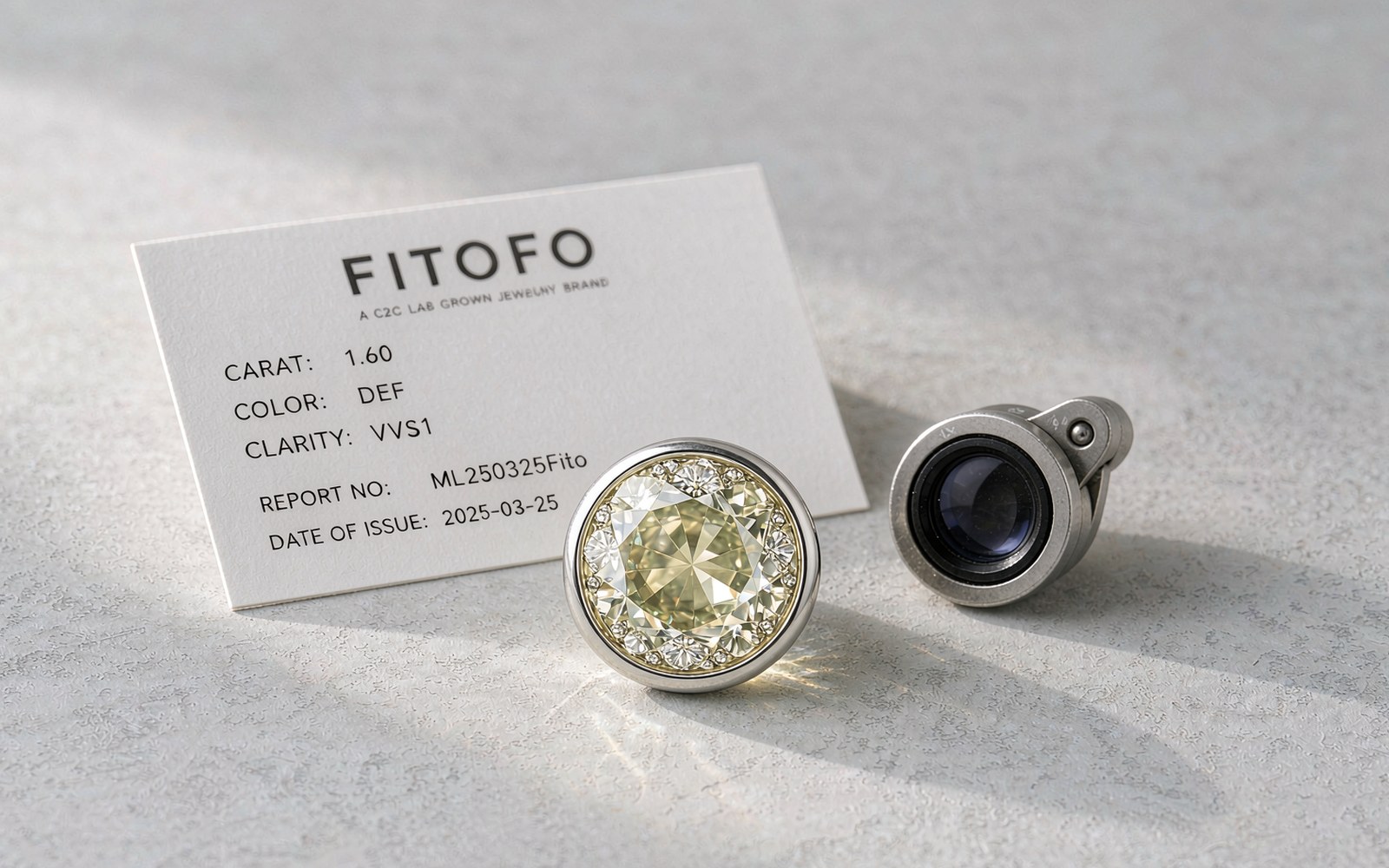
A grading report describes what a stone measures today; it does not certify how the piece will look years from now or promise resale value. Use it as a spec sheet, not as a lifetime promise.
How can I tell the stone is genuine moissanite before I buy?
Ask the seller how the stone is identified. A thermal diamond tester reads moissanite as diamond because of its heat behavior, which is one quick field check. More useful for you as a buyer: request clear specification of carat total weight, cut, stone size in millimeters and metal purity, and compare the brilliance and fire against product photos taken in plain light. A seller who is vague about stone specs is usually a signal to look elsewhere.
For the bigger picture on how moissanite compares with other stones, see /en/faq/ where we address common buyer questions.
Is a moissanite bracelet a good gift, and how do I pick the right one?
It is a strong gift because the recipient does not need to know an exact wrist size if you choose an adjustable style, and the piece reads as fine jewelry without a diamond budget. For a partner, a tennis bracelet is the classic anniversary or milestone gift. For a friend, a slim adjustable bracelet is low-pressure and easy to wear. For yourself, pick the style you would actually reach for on a normal day rather than the one that looks best in a photo.
If you are unsure between two styles, choose the lower-profile option. It will get more wear, and wear is what makes a piece feel like yours.
What should I confirm with the seller before I place an order?
Before you pay, work through this eight point checklist. Each item is a question you can put to the seller in writing, which protects you far more than a marketing claim.
1. Applicable scope: Decide whether the piece is for daily wear, gifting or stacking, and confirm the style matches that use. Moissanite is lab-created, so it is not the right pick if you specifically want a mined diamond's resale story.
2. Lead time: Custom sizing or special metal takes time. Ask for the exact production and shipping window in writing rather than assuming a standard timeline.
3. Minimum order: A single retail bracelet is usually one piece, but custom metal or stone specs can carry minimums. Confirm the true minimum before you commit.
4. Sample proof: Ask for real photos or a short video of your actual piece before it ships. Some sellers offer pre-shipping approval so you can confirm stone placement and finish first.
5. Failure conditions: Define what counts as a defect in your view, such as a loose stone, a bent clasp or uneven plating, and confirm what the seller will and will not cover.
6. Testing method: Confirm how the stone is identified, such as a thermal test or a specification sheet, and keep that record with your order.
7. Parameter explanation: Understand the numbers that matter: carat total weight, cut, stone size in millimeters, and metal purity such as 10K, 14K, 18K, platinum or sterling silver.
8. Inspection and after-sales: On arrival, check clasp function and stone security, keep the documents, and ask about re-tipping, repair and the return window before you need them.
One extra decision that most guides skip: ask whether the bracelet can be resized or repaired locally. A piece you can service near home stays wearable far longer than one that must be shipped back across the world for every fix.
A moissanite bracelet rewards a little upfront checking with years of wear. Choose the style that matches your daily life, size it properly, pick a metal you can maintain, and confirm the eight points above with the seller. Do that, and you will own a piece of fine jewelry that looks intentional on the wrist and holds up in real life.