· 莫桑知识
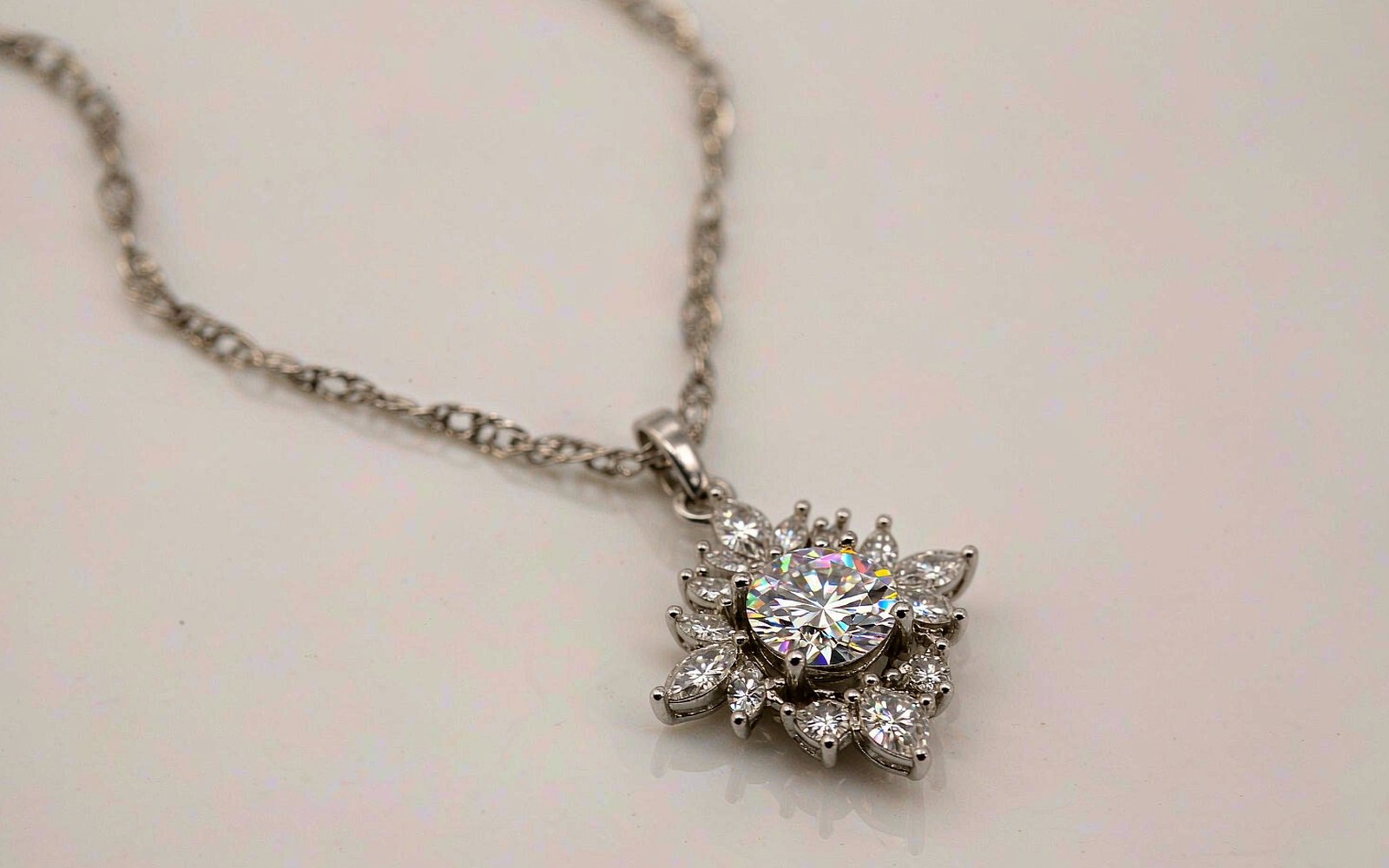
A moissanite necklace pairs everyday sparkle with a far lower price than a mined diamond of similar size. It is one of the easiest fine-jewelry categories to buy well, because it rarely needs precise sizing and works for both self-purchase and gifting. This guide walks through the choices that actually matter, then gives you a short checklist to confirm with any seller before you place an order.
What is a moissanite necklace and how is it different from a diamond one?
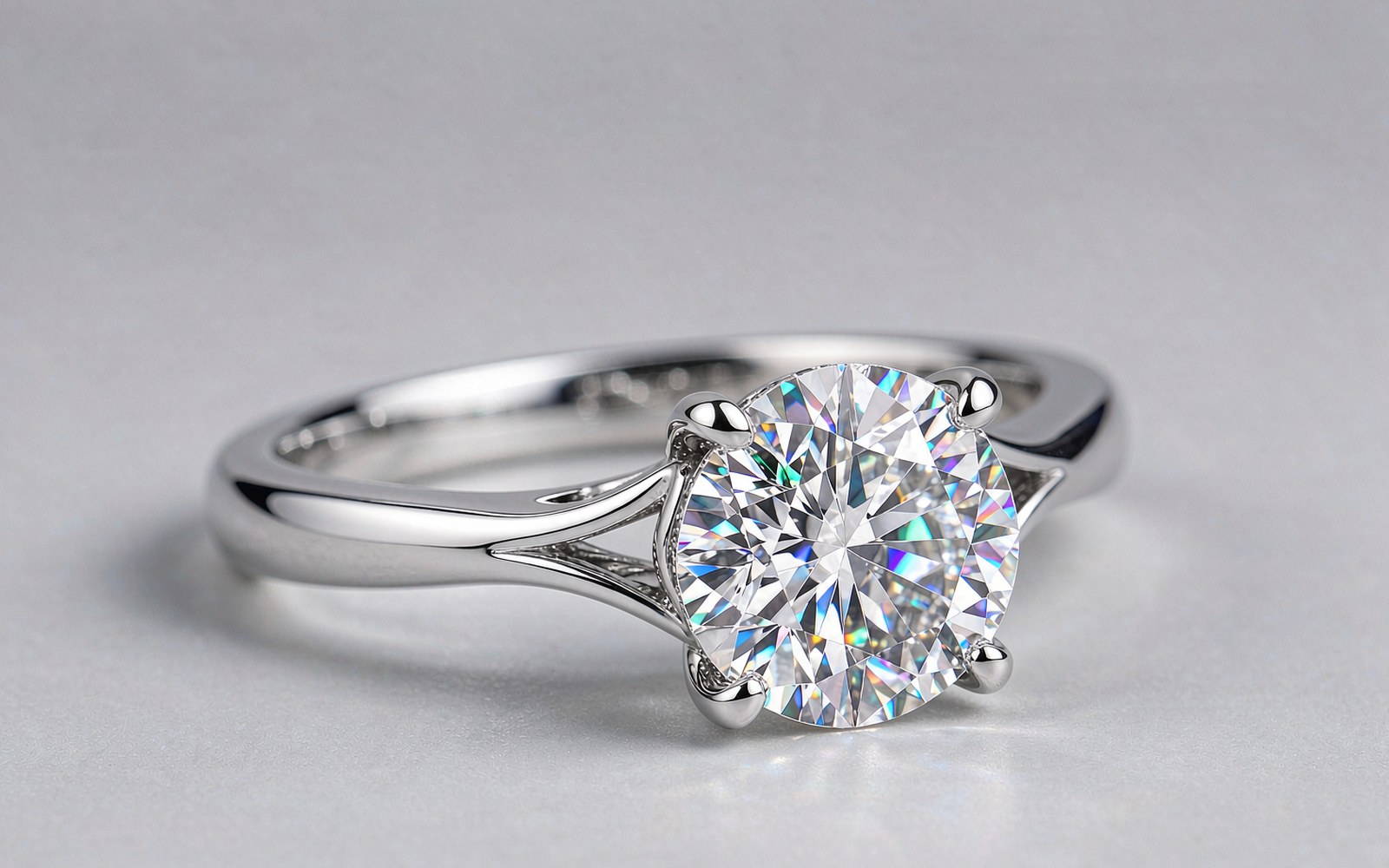
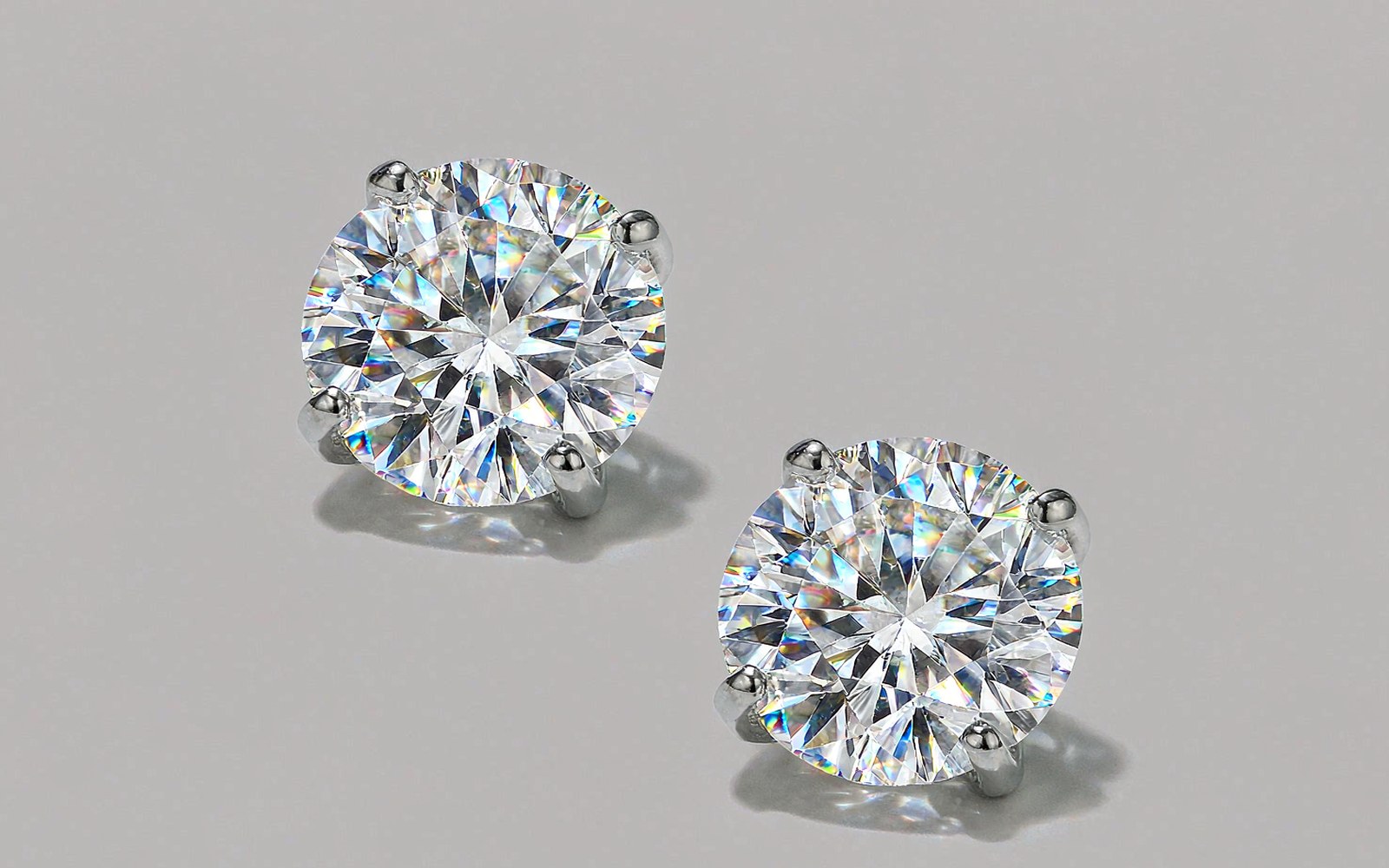
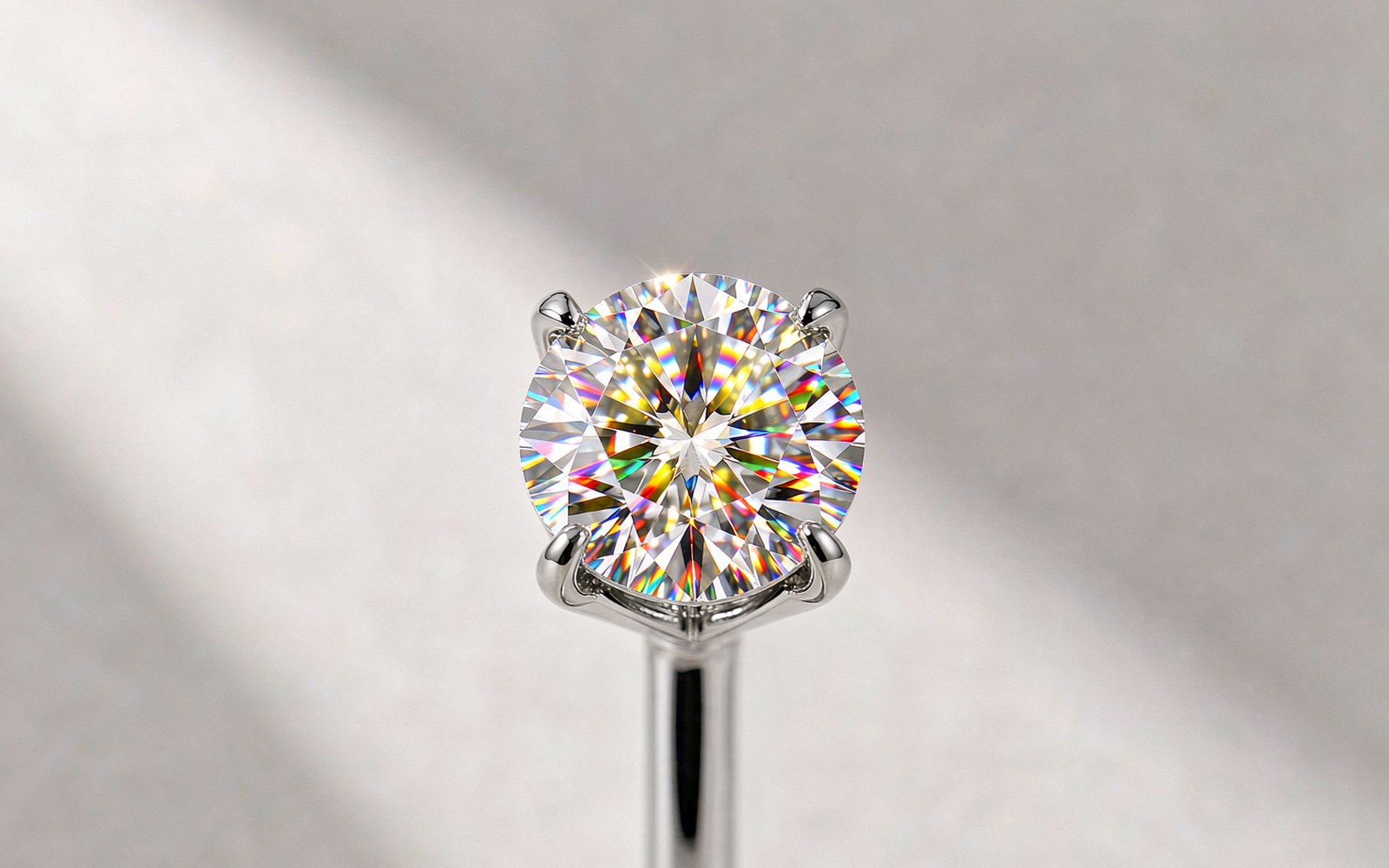
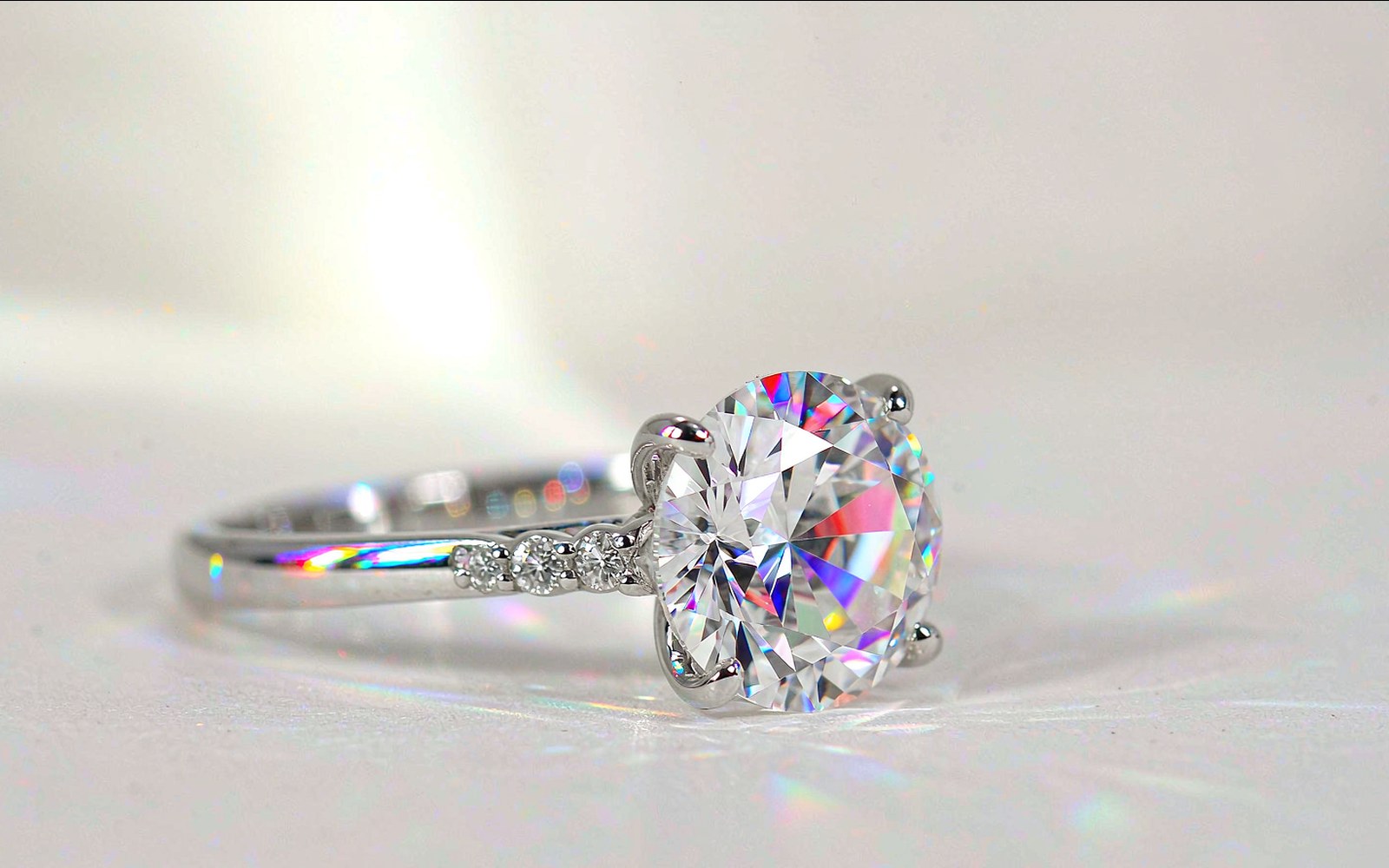
A moissanite necklace uses lab-created silicon carbide as its center stone, set into a metal pendant on a chain. Moissanite is second only to diamond on scratch resistance (about 9.25 on the Mohs scale) and shows more colorful fire under light. Visually it reads as a bright, white brilliant stone to most viewers, though it is a distinct gemstone rather than a diamond substitute. If you want the background on the material itself, our plain-English moissanite overview covers how it is made and why buyers choose it.
How do I choose the right moissanite pendant style for my neckline?
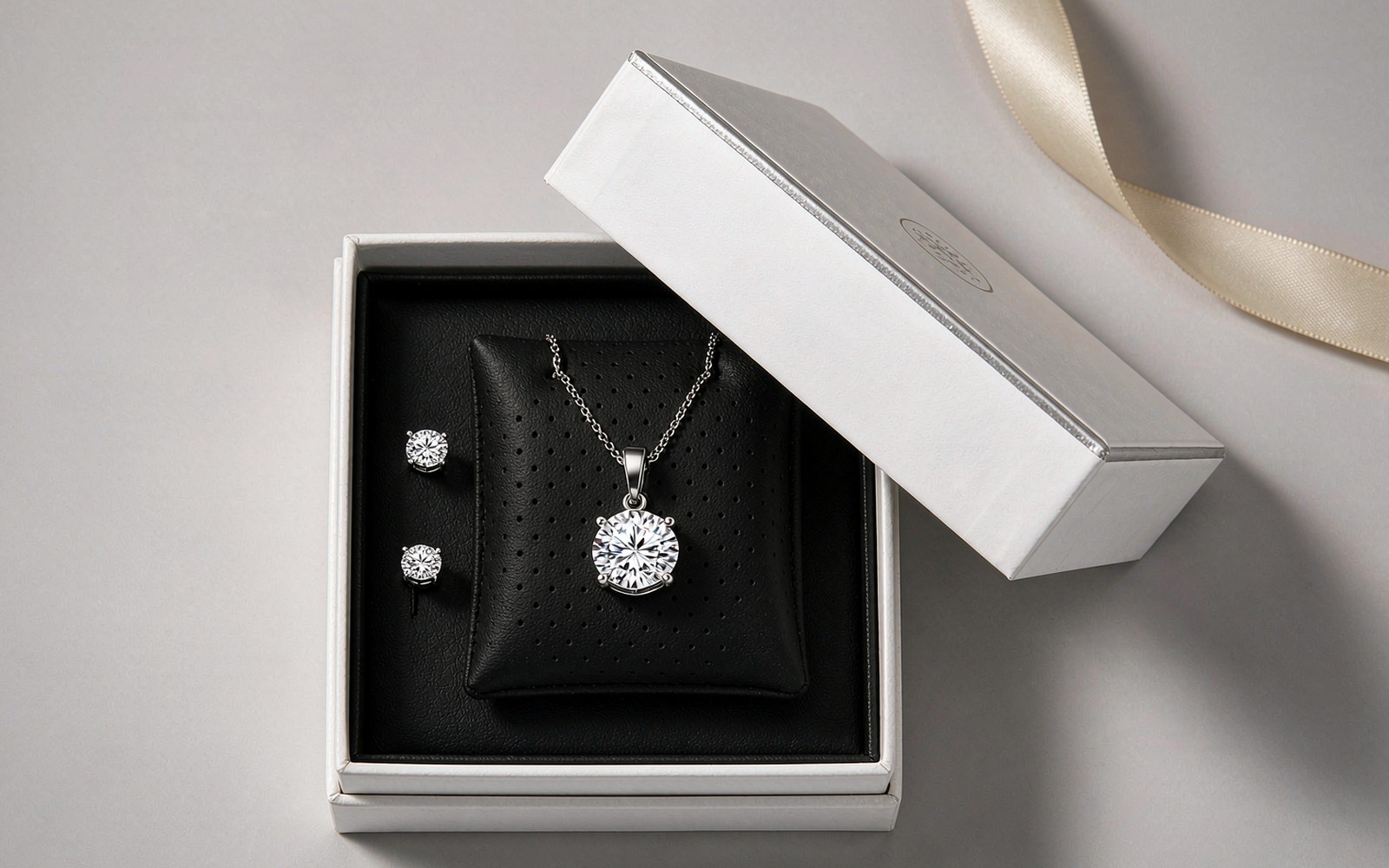
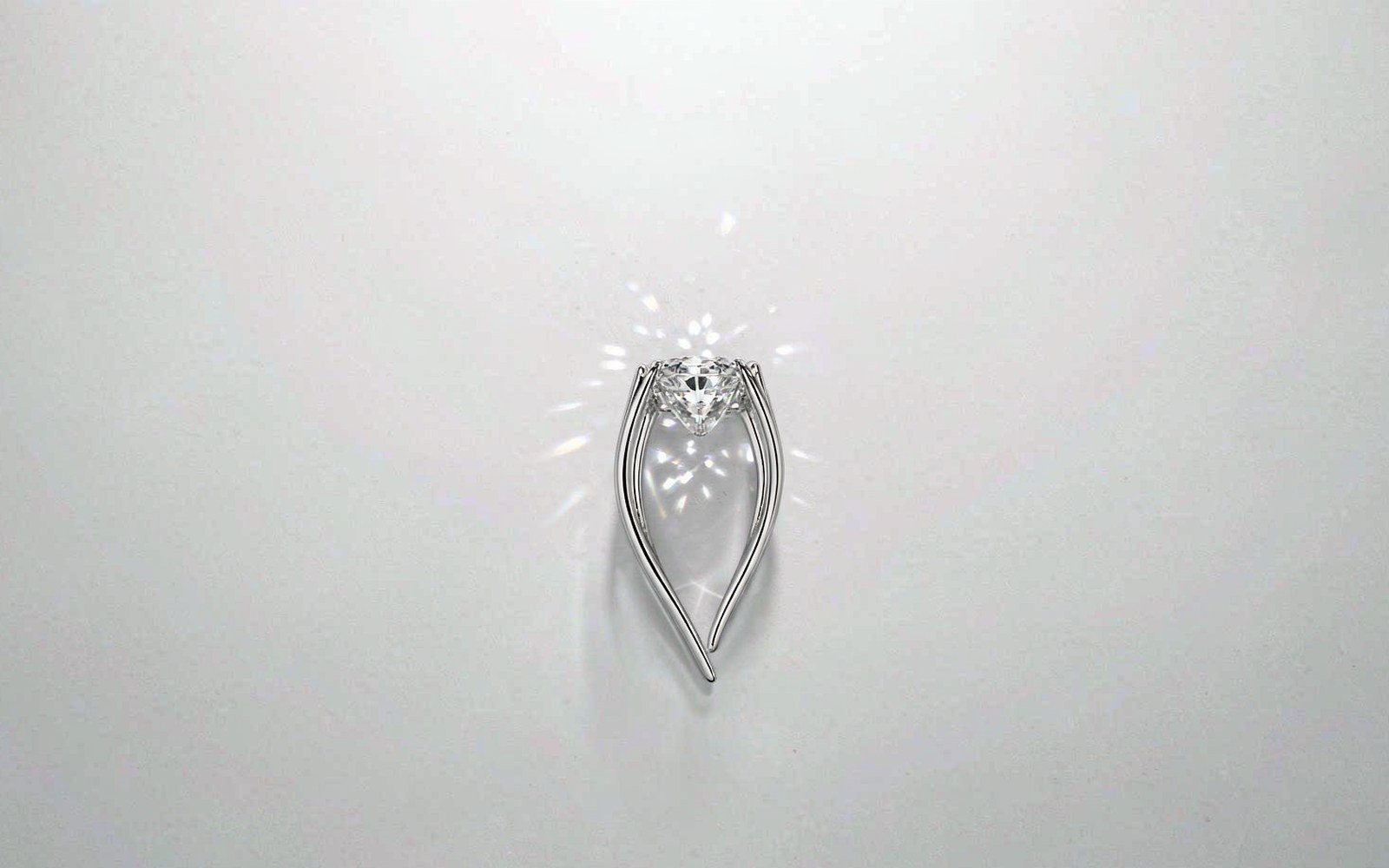
Pendant style changes how the piece sits against your clothing. A solitaire round or oval reads as timeless and works with almost any neckline. A pear or marquise drop elongates the neck and suits V-necks. A heart, infinity, or symbolic motif turns the piece into a personal gift rather than a purely decorative one. Bar and geometric frames feel modern and sit well with collared shirts. A halo setting makes the center stone look larger for evening or occasion wear. Match the motif to the necklines you wear most, not to a trend you will tire of.
What chain length should I pick for a moissanite necklace?
Chain length changes where the pendant rests. As a starting point rather than a rule: 16 to 18 inches sits around the collarbone and suits most solitaire pendants for daily wear; 18 to 20 inches falls just below the collarbone and works for medium pendants; 20 to 24 inches reaches the upper chest and suits longer drops or the final layer of a stack. The same listed length can sit differently depending on neck circumference and pendant weight, so an adjustable extension is worth asking about if you plan to layer.
Should I buy a solitaire, halo, or layered moissanite necklace?
A solitaire is the most versatile and the easiest to wear alone or stack. A halo adds presence for events but reads busier day to day. Layering is the 2026 interpretation many buyers prefer: build the look around one focal pendant, then add a shorter plain chain and a longer textured chain so each piece stays visible. Browse our moissanite necklace collection to compare solitaire, halo, and symbolic designs side by side before deciding.
How do I verify the quality of a moissanite necklace before ordering?
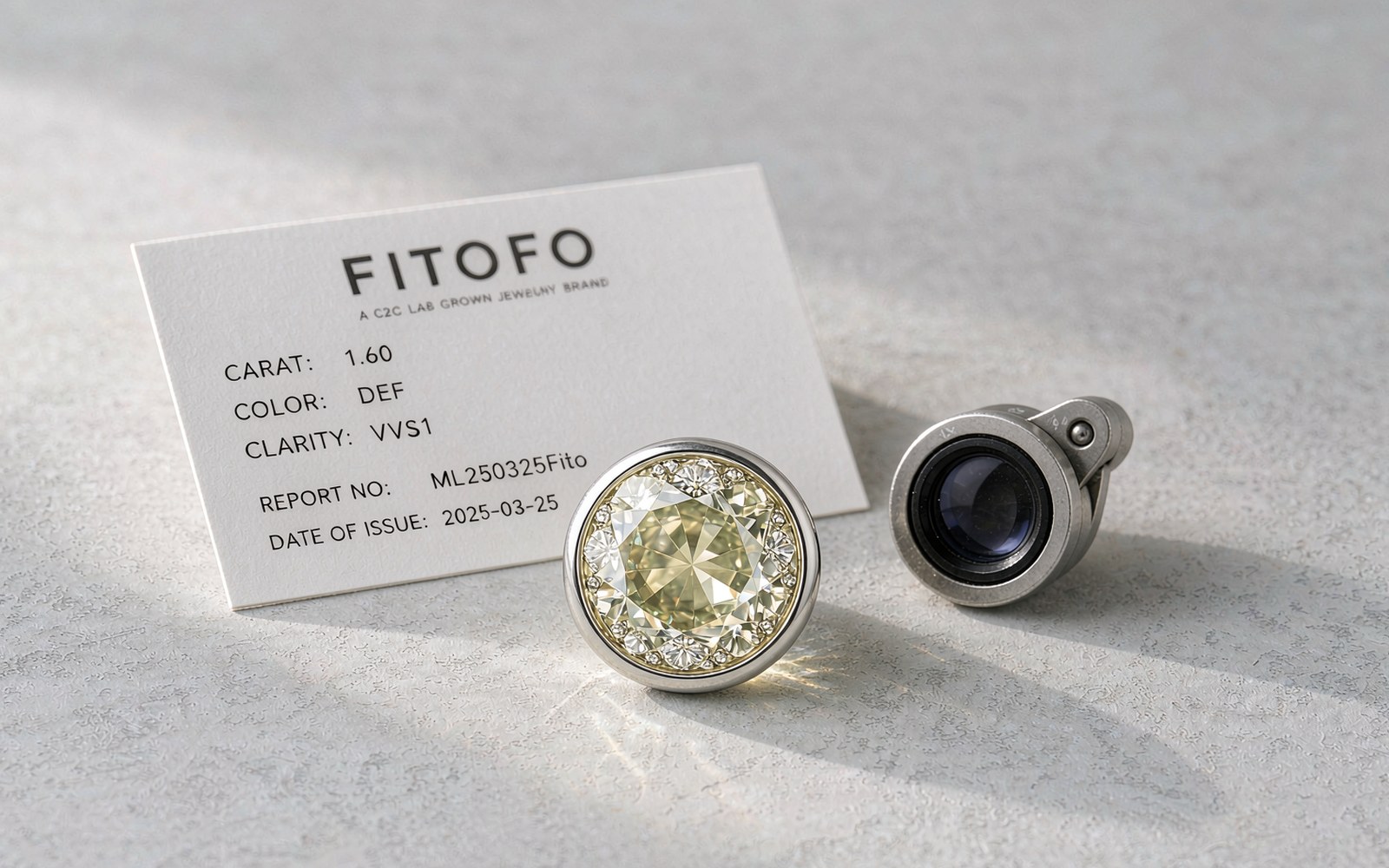
Ask the seller for a written description of the stone (cut shape, dimensions, and metal purity) and, where possible, real photos or a short video of the actual piece you will receive. For metal, confirm whether the piece is solid gold or platinum versus plated, since that affects how it wears over years of daily use. Simple buyer-side checks include inspecting the prongs and bail with a loupe, viewing the stone in both daylight and direct light to see its fire, and asking the seller about hardness and metal content. If a grading report or certificate is provided, treat it as a description of what the stone is - its measured optical and physical properties - but it does not certify durability, longevity, or resale value.
Is a moissanite necklace a good gift, and how do I avoid sizing problems?
It is one of the safer jewelry gifts, because unlike a ring it does not need an exact finger size. An adjustable chain removes most of the neck-size guesswork, and a symbolic pendant (heart, initial, birthstone-style) reads as personal rather than generic. It fits birthdays, anniversaries, graduations, and milestones. If you are unsure which style the recipient would wear, our contact team can help narrow it down from a few preferences.
What should I confirm with the seller before I place a moissanite necklace order?
Use this decision checklist so you are not relying on a single photo or a single number:
1. Applicable boundaries - A moissanite necklace suits daily wear, gifting, and occasion styling. It is less exposed to knocks than a ring but still vulnerable to tangling, pulling, and clasp wear, so match the style to how you will actually wear it. 2. Lead time - Ask the seller to confirm the production and shipping window in writing before you pay, especially for personalized or engraved pendants. 3. MOQ - Confirm the minimum order quantity in writing; a single personal piece and a bulk order may follow different rules and pricing. 4. Samples - Request a sample, or real photos and video of your specific piece, so you can judge stone placement and finish before you commit. 5. Failure conditions - The main ways a piece loses its look are prolonged chemical exposure, hard impacts, and storing it loose against harder items. Knowing these helps you wear and store it correctly. 6. Test methods - Inspect prongs and bail with a loupe, view the stone in daylight and direct light for fire, and ask the seller about hardness and metal purity rather than assuming from a listing photo. 7. Parameter explanation - Understand what carat-equivalent size, cut shape, and metal purity mean for appearance and wear, instead of treating any single number as proof of quality. 8. Inspection and after-sales - On arrival, check clasp security, stone alignment, and finish; confirm the seller's return, repair, or resizing policy in writing before the order is final.
Choosing a moissanite necklace comes down to three moves: pick a pendant shape that flatters your usual neckline, choose a chain length (and adjustability) that fits how you dress, and confirm the stone description, metal purity, lead time, and after-sales policy in writing before you buy. Do those, and you get a brilliant, durable piece that works as daily sparkle or as a gift - without needing to decode grades or guess at sizing.