· 莫桑知识
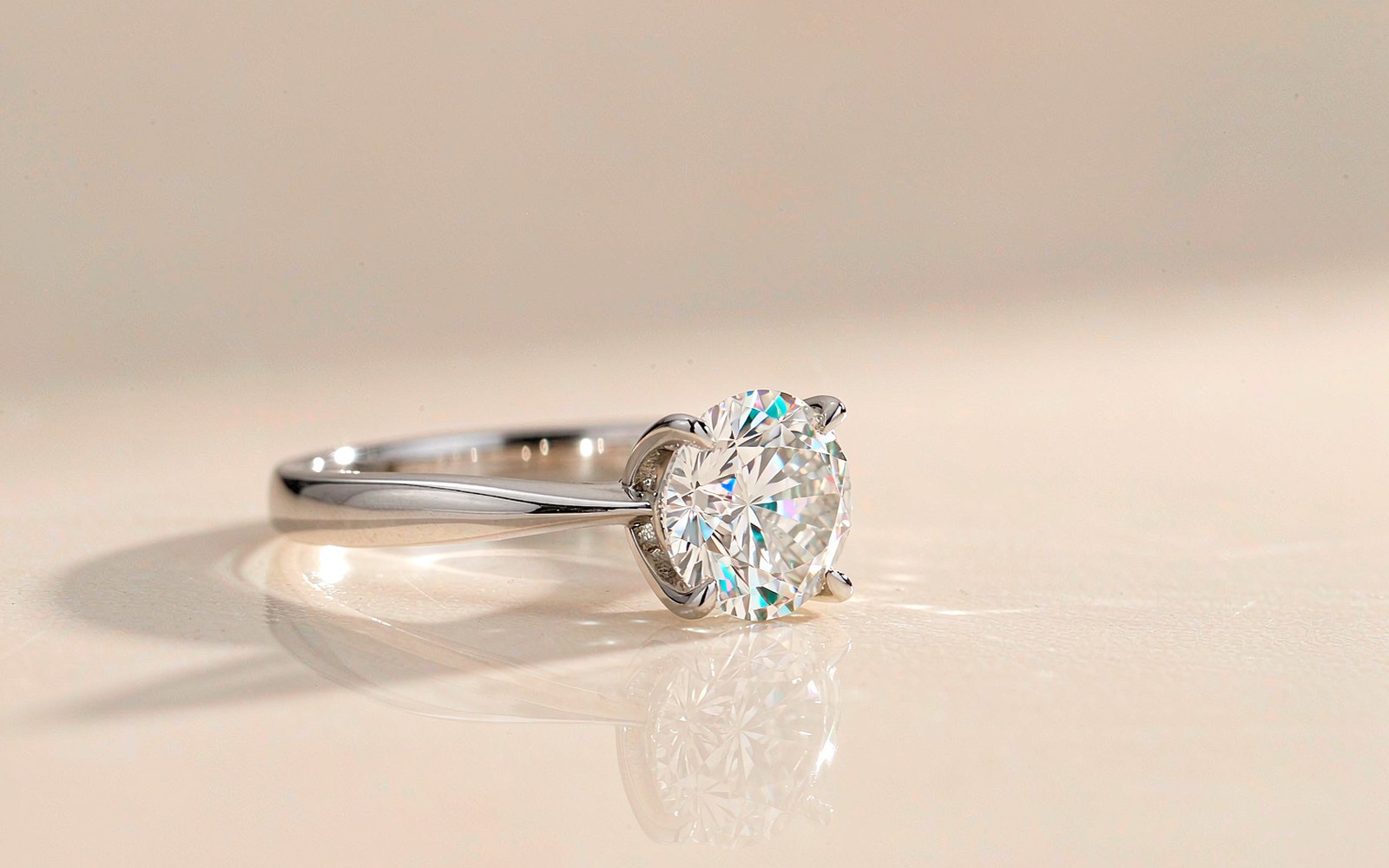
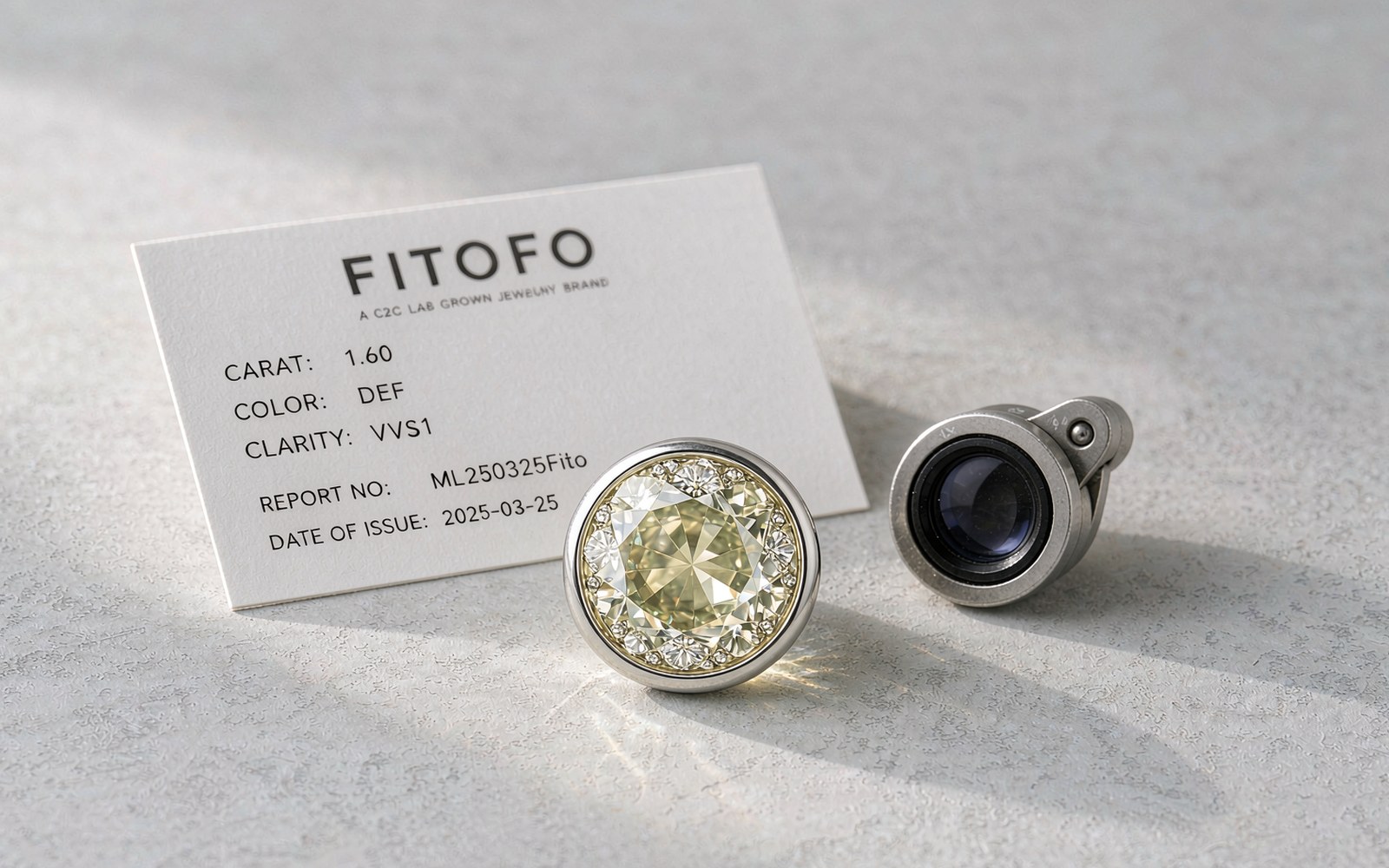
Most shoppers compare moissanite to mined diamonds and then ask whether it keeps its worth. The useful split is between value you wear and value you recover later. Moissanite is mainly bought for the first kind. A certificate or grading report only confirms the stone's measured characteristics on the day it was assessed; it does not set or promise resale value.
What does "value" actually mean for moissanite?
The question usually appears after a price comparison with diamonds. Value you wear arrives the moment you put the piece on: brilliance, durability, and the confidence that you did not overpay. Value you recover is what a future buyer might pay. Moissanite is strong on the first and uncertain on the second, and being clear about that from the start prevents disappointment.
Does moissanite hold its value over time?
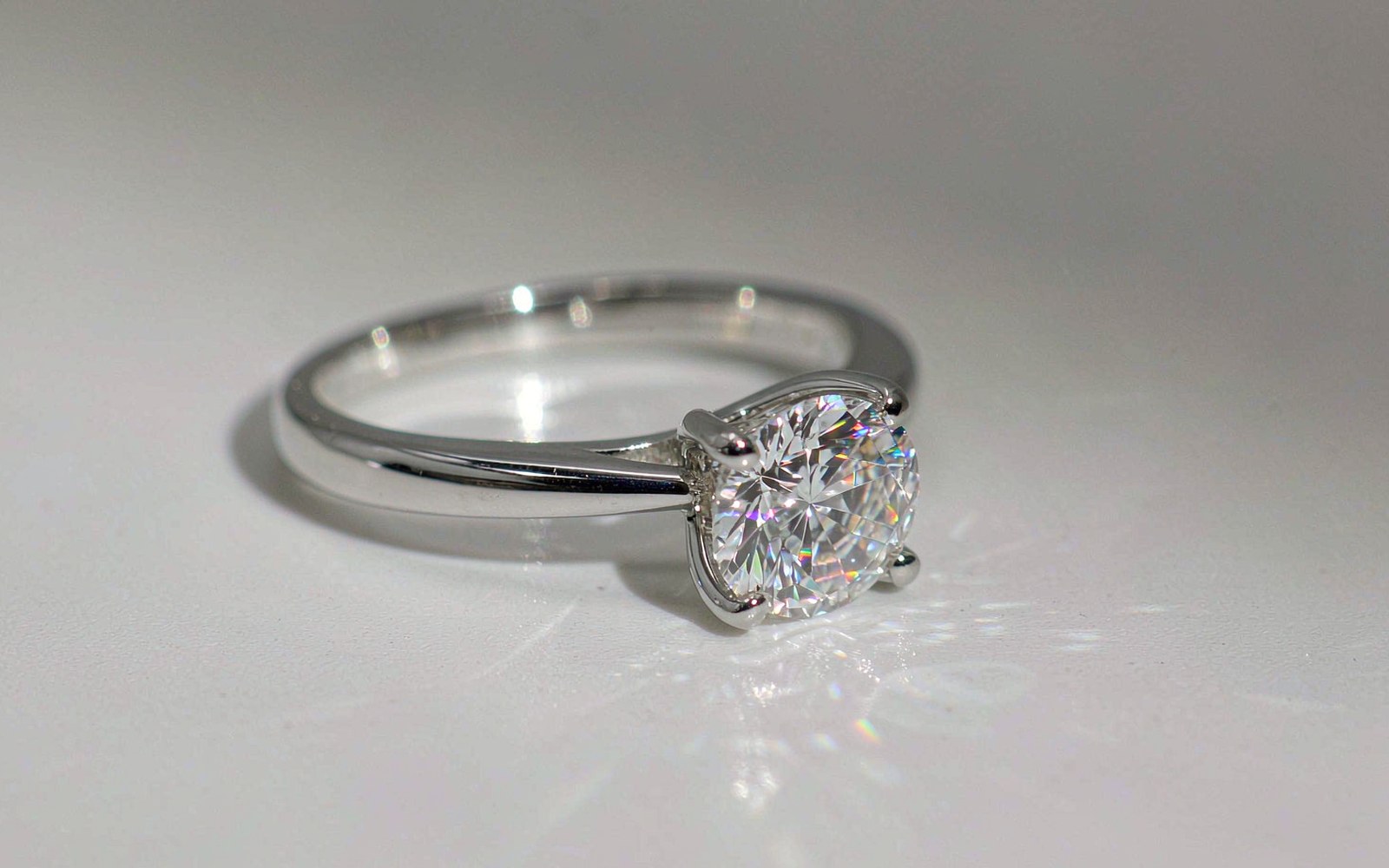
In everyday terms the stone stays visually stable for years. It does not cloud, yellow, or lose its optical character with normal wear, so the piece you buy still looks the same on the day you decide to part with it. What changes is the secondary market demand for the exact style, which varies by design and metal. For a realistic picture, ask the seller how often they see trade-ins of similar pieces and check completed listings on resale platforms rather than active asking prices.
How is moissanite worth different from diamond worth?
The purchase price of moissanite is already closer to its production cost, which means there is less markup built in to recover later. That is the opposite of a problem: you pay less up front and the main value is delivered at the moment of purchase. The decision that matters more than resale math is total wear value per dollar and a clear return policy you can rely on. Many sellers emphasize recovery potential; the more useful comparison is how much brilliance and daily enjoyment you get for the price.
What actually affects resale outcomes?
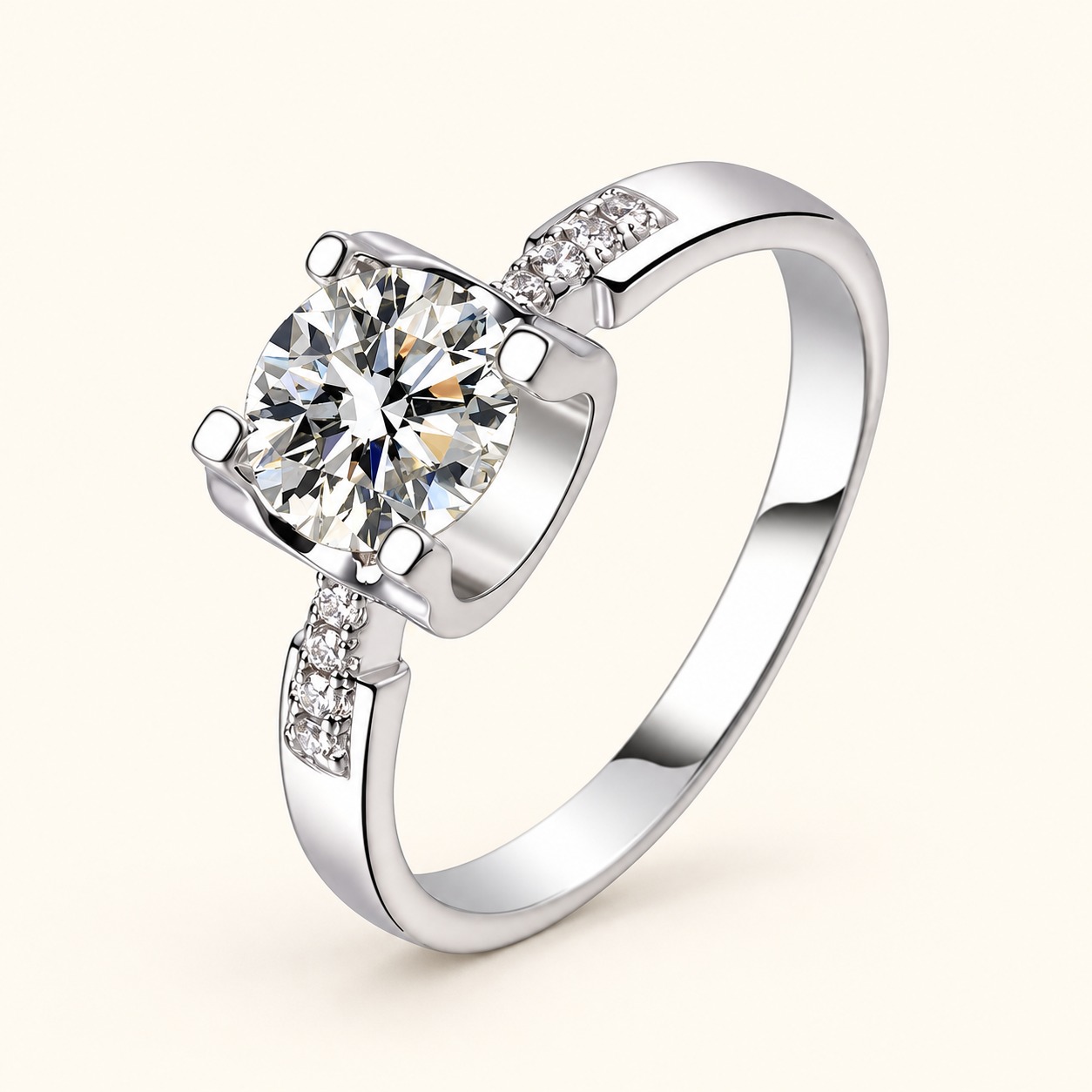
Several factors shape whether a piece finds a second owner quickly. Classic cuts and simple solitaire or stud designs tend to attract broader interest than highly trend-specific shapes. Solid precious metal settings carry intrinsic metal value that plated settings do not. Condition is decisive: loose prongs, scratches, or a bent shank reduce offers fast. Keep the original documentation, because a complete set with a grading report and receipt makes buyers more comfortable.
Which buying decisions protect your worth?
Choose a design you will actually wear for years rather than a style picked for resale. If metal value matters to you, ask whether the setting is solid precious metal or plated, and confirm the karat in writing. Pick a cut with broad appeal, and keep all paperwork from the day of purchase. Also ask about the seller's trade-in policy, because a written policy is more useful than a verbal promise. These steps do not create an investment, but they reduce avoidable loss if you ever sell.
When should you NOT expect to recover your spend?
Set expectations clearly: if your main reason to buy is to resell at or above the purchase price, moissanite is the wrong tool. Buy it because you want to wear it, not because you expect a payday. The honest framing is that the savings happen at purchase, not at resale.
How can you verify the stone before you commit?
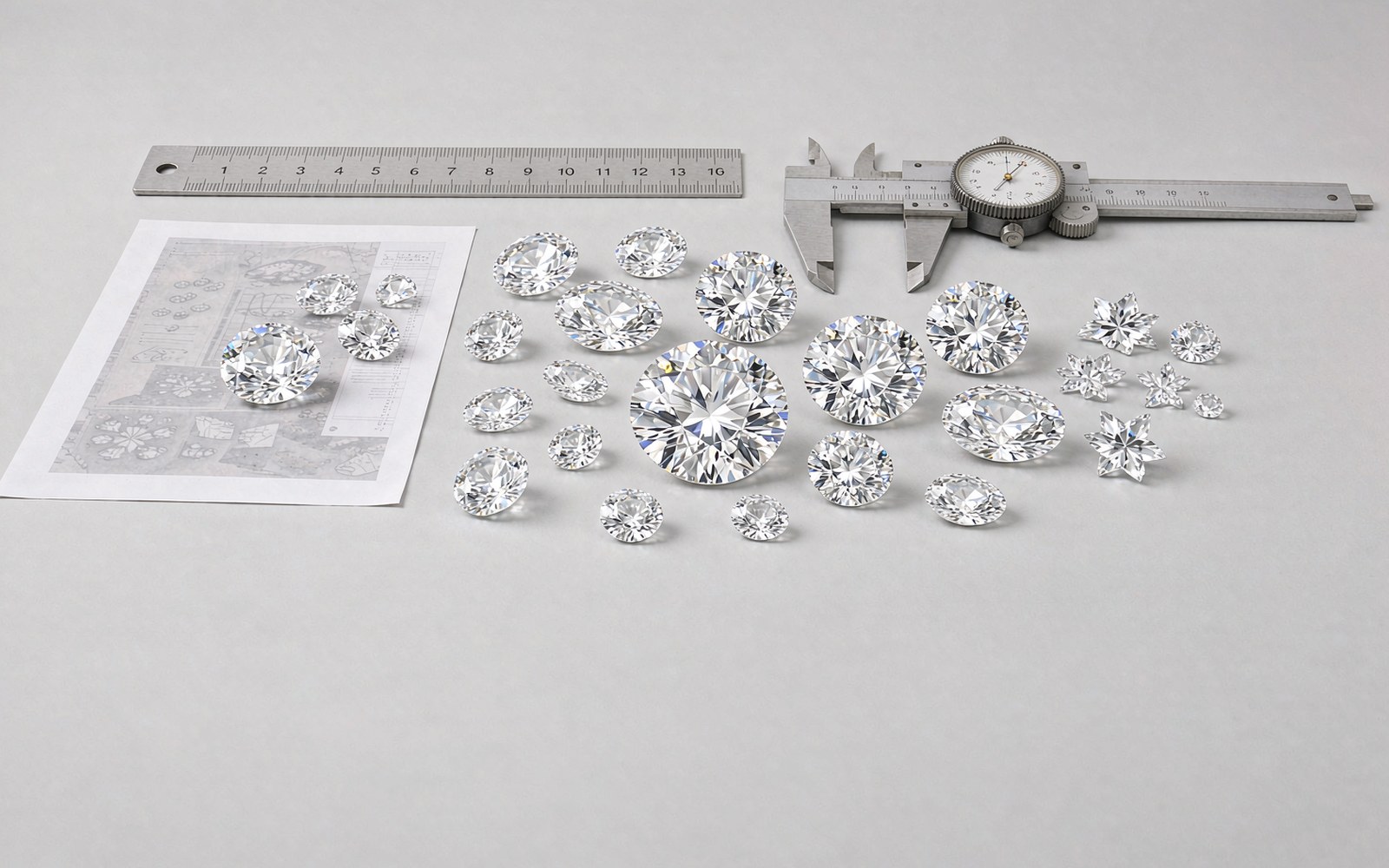
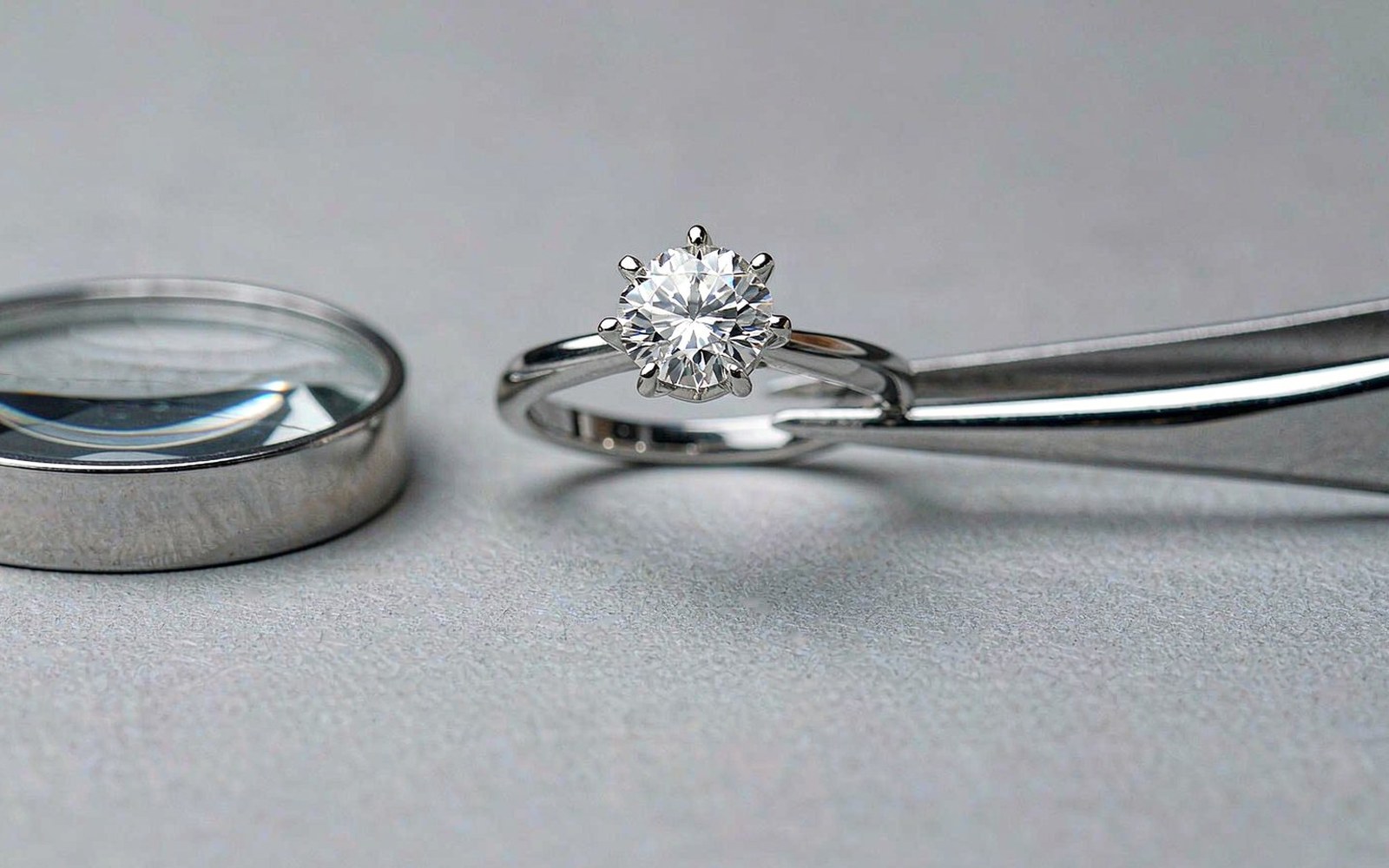
Request a grading report from the seller and read what it measures rather than what it implies. Under simple magnification you can check that facets are crisp and the stone is without visible chips. Ask the seller for their current lead time in working days, the minimum order quantity in writing if you are ordering more than one, and whether a sample is available before a larger order. None of these numbers should be assumed; confirm each in writing.
What should you confirm about inspection and after-sales?
On arrival, inspect the piece under good light: check that stones are secure, the finish is clean, and the sizing matches your order. Confirm the seller's after-sales policy for loose stones, bent prongs, or plating wear before you buy, and keep the documentation that supports any claim. A clear inspection and after-sales step is the part most buyers skip and later regret.
Buyer decision checklist
Use this before you buy, especially for a custom or larger order:
- Applicable scope: this guide is for finished moissanite jewelry and loose stones bought for personal wear or gifting, not for speculative resale.
- Lead time: ask the seller for the current production and shipping window in working days; do not assume a fixed schedule.
- Minimum order quantity: if ordering several pieces, confirm the minimum order quantity and any tier pricing in writing.
- Sample: request a single sample or a digital preview before committing to a larger batch.
- Failure conditions: resale recovery should not be your primary buying reason; expecting to break even on resale sets the purchase up to disappoint.
- Testing method: ask for a grading report and verify the stone under magnification; treat any unverified grade claim as unconfirmed.
- Parameter explanation: understand that carat describes size, cut describes light return, and a color descriptor describes tone, none of which by themselves set resale price.
- Inspection and after-sales: confirm the return, resizing, and repair policy, and inspect on arrival before wearing.
Why does this matter for your next purchase?
Thinking about worth this way changes the question from "will I get my money back" to "am I paying a fair price for something I will wear and enjoy." That shift is where moissanite delivers: lower entry cost, strong daily brilliance, and honest expectations from the start. Read more about the stone itself on our what is moissanite page, browse rings for wearable designs, or see earrings and our faq for common questions.