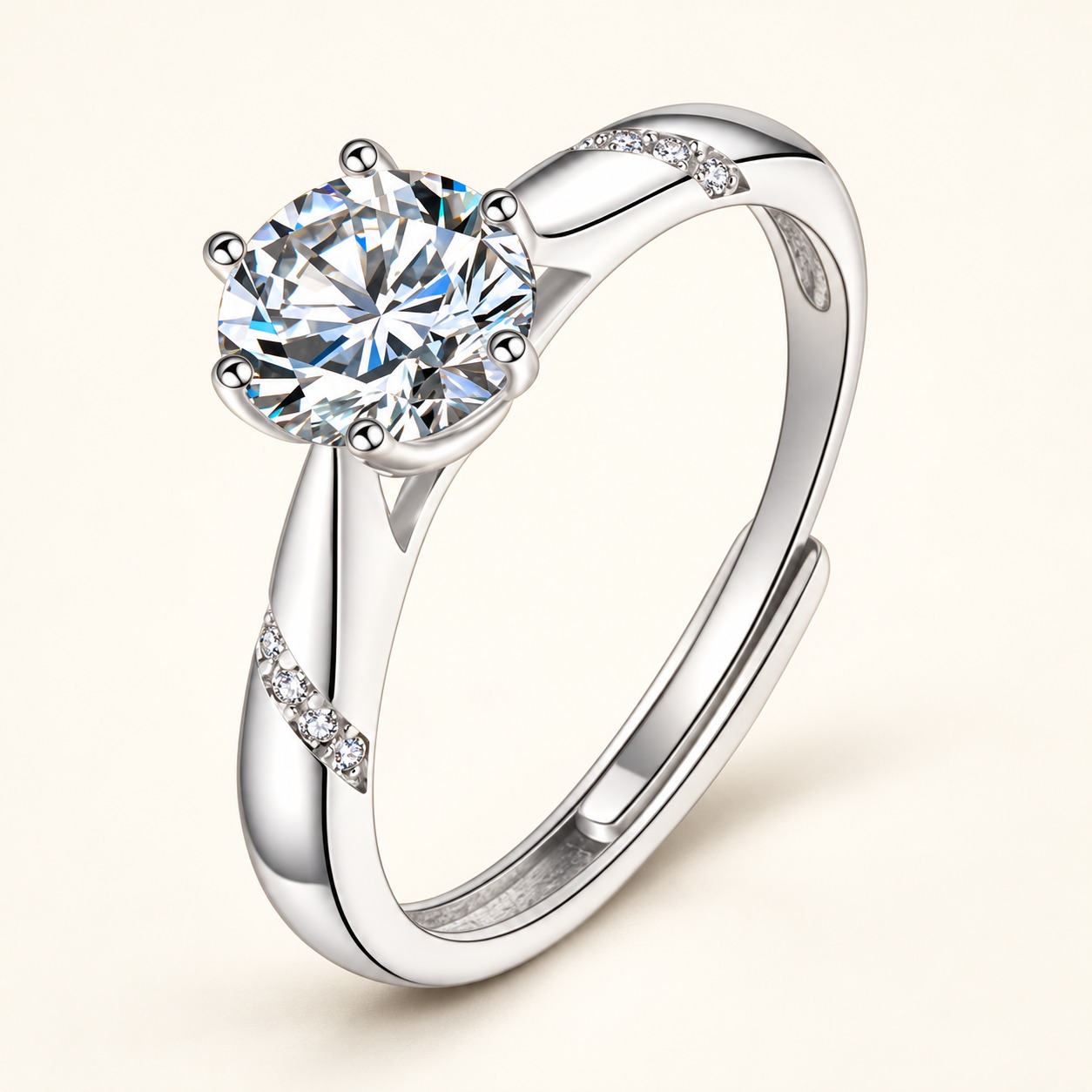
· Sobre a moissanita
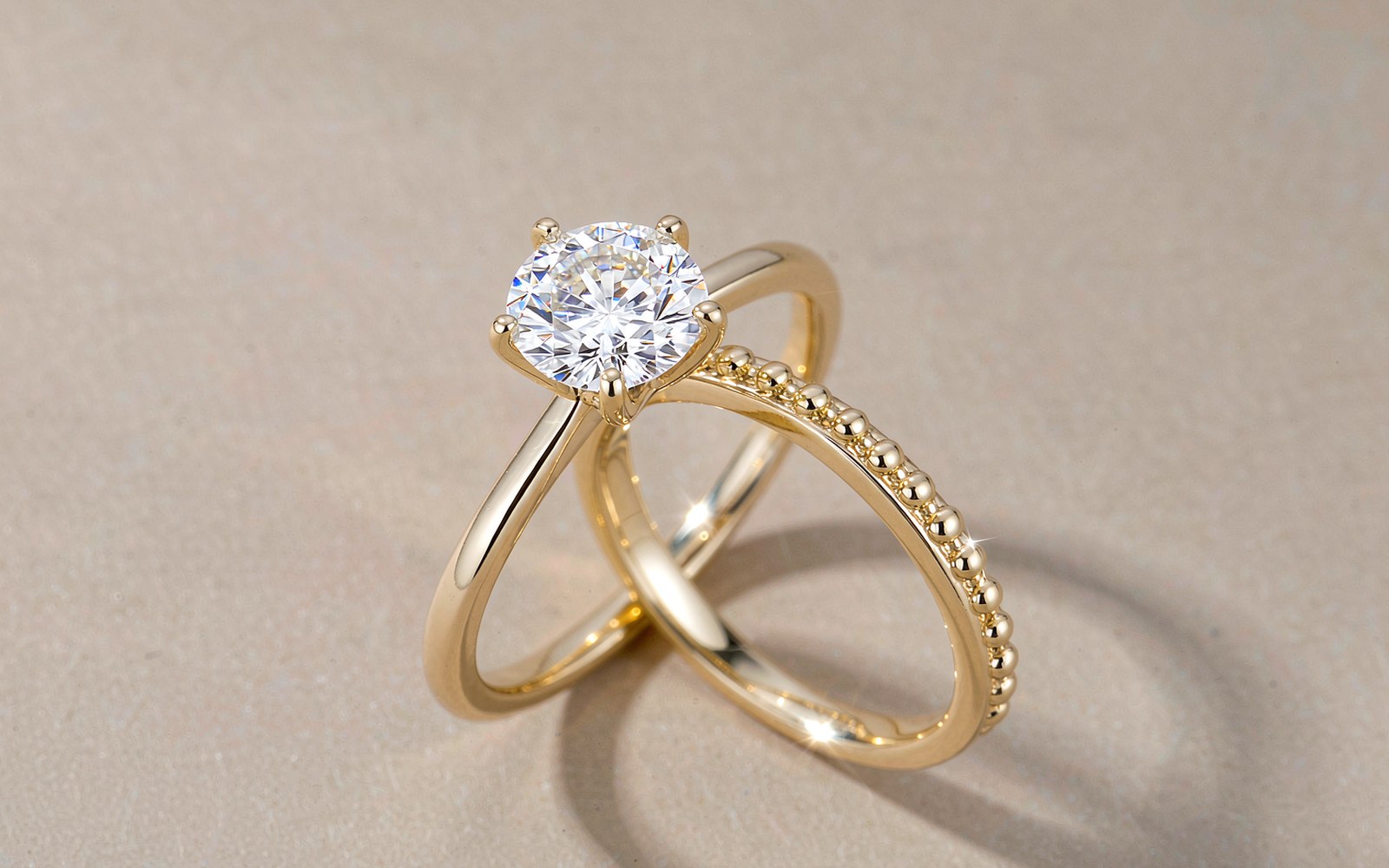
A moissanite bridal set is more than two pretty rings. It is the pairing you will wear every day, side by side, for years. The difference between a set that looks intentional and one that fights itself usually comes down to a few decisions made before you buy. This guide walks through those decisions in plain language, so you can choose a combination that sits flush, ages well, and matches your budget and style.
What is a moissanite bridal set, exactly?
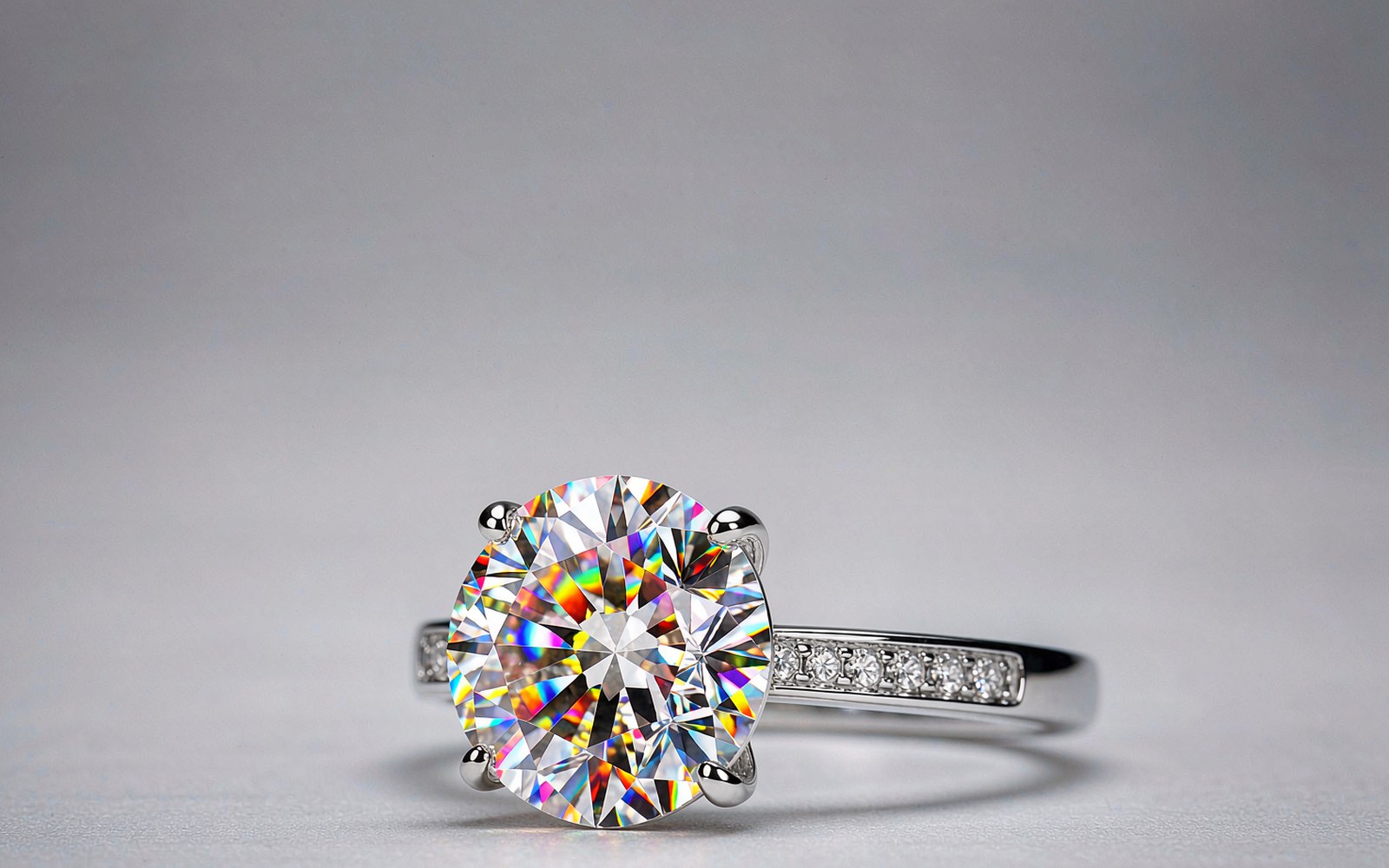
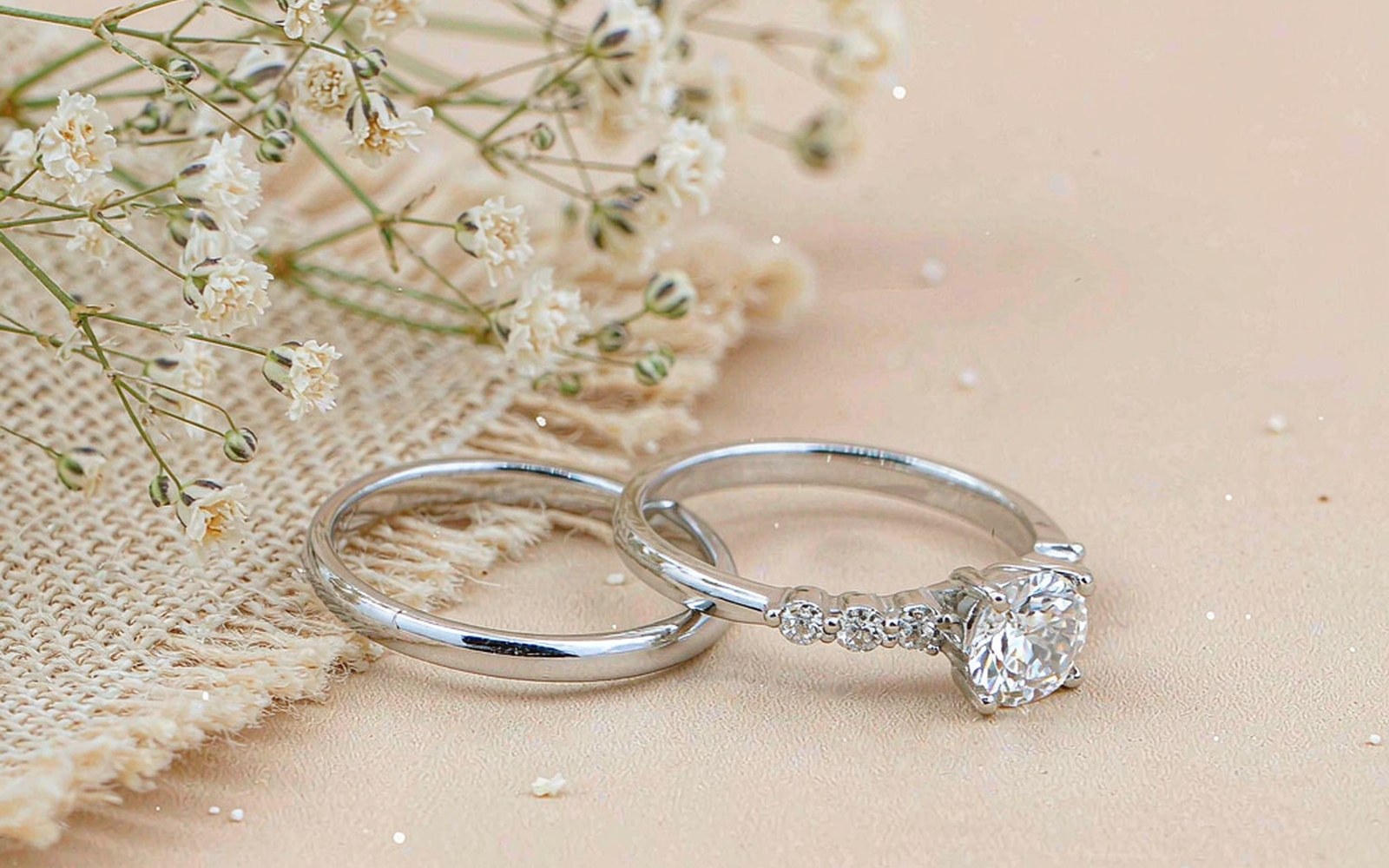
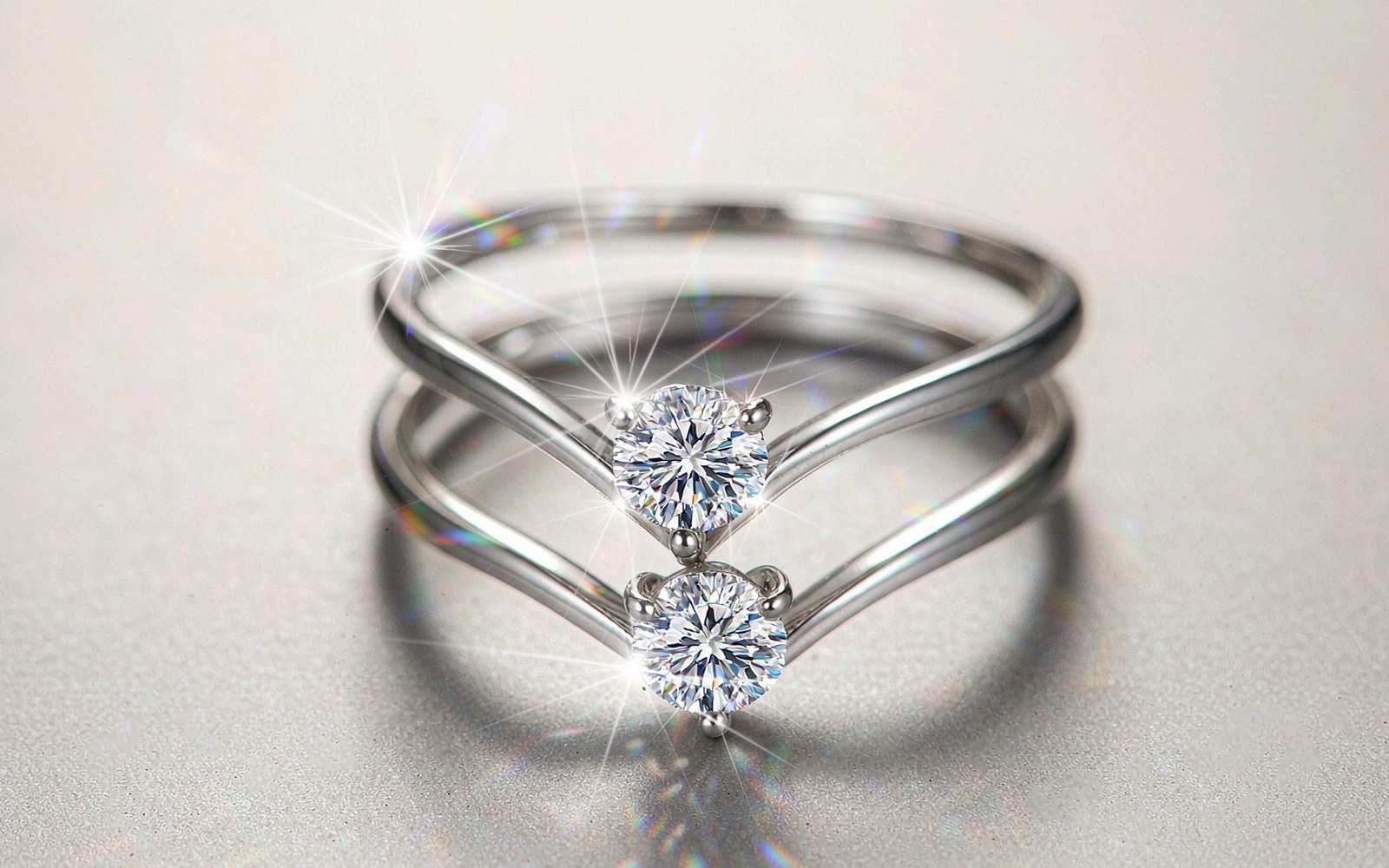
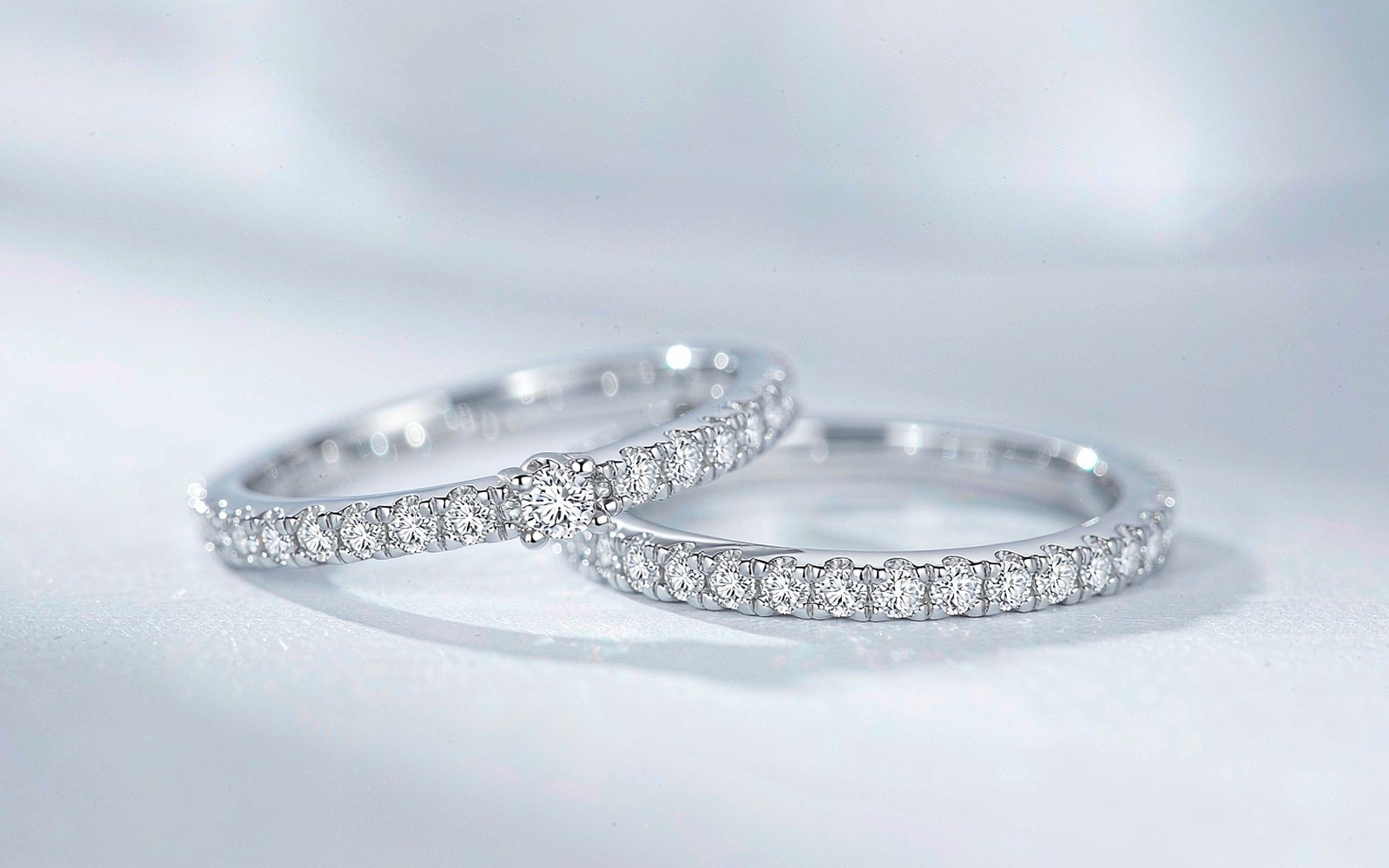
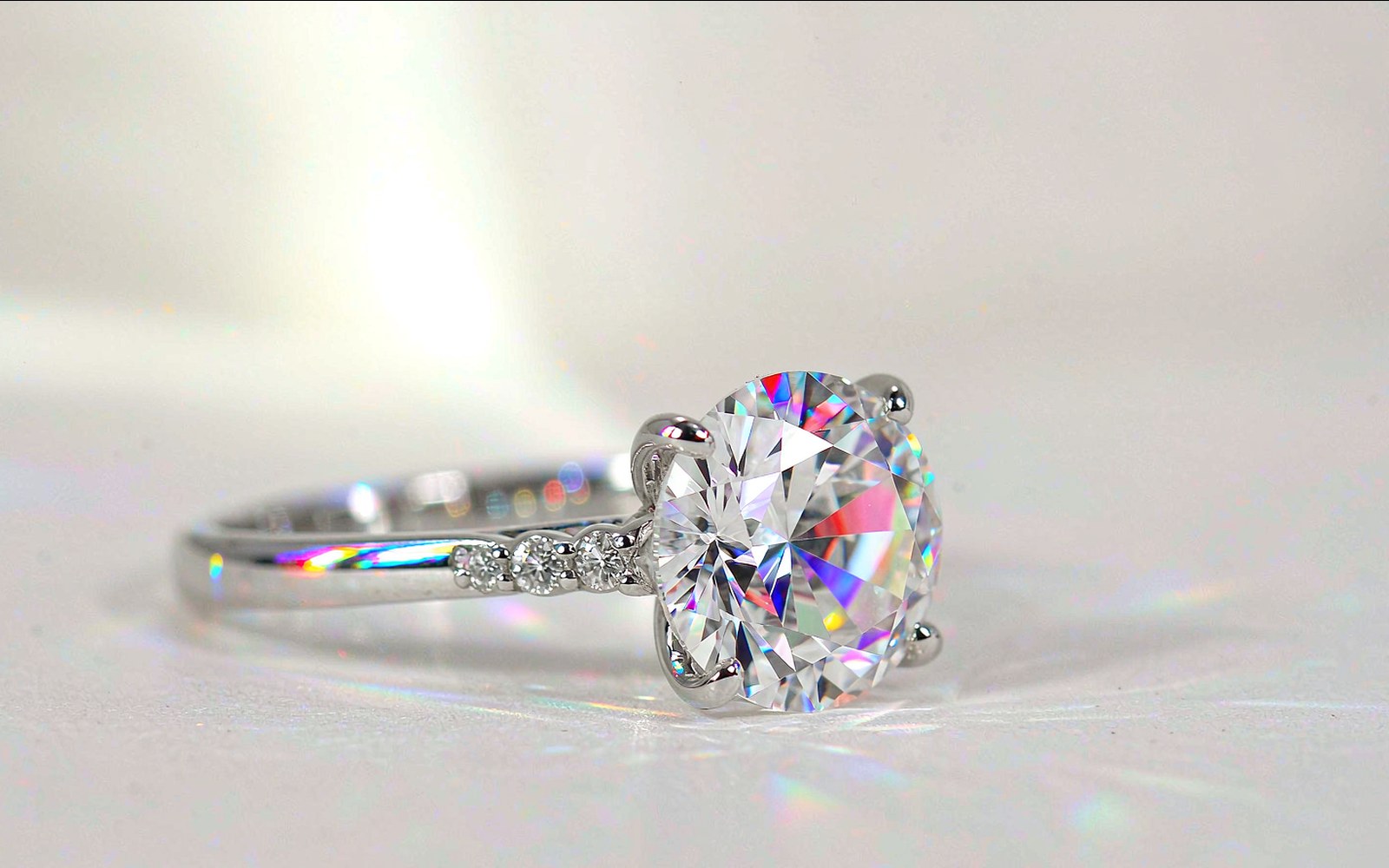
A bridal set is an engagement ring paired with a wedding band that is designed to sit together. The engagement ring usually carries the centre stone. The wedding band is shaped or styled to sit beside it without leaving an awkward gap or rubbing against the setting. Some sets are sold pre-matched by the maker. Others are built by pairing a band you choose with an engagement ring you already own or plan to buy separately. Moissanite works especially well for sets because the stone gives strong brilliance at a price that lets you put more of the budget into the metal and the fit.
How do I make sure the engagement ring and wedding band fit together?
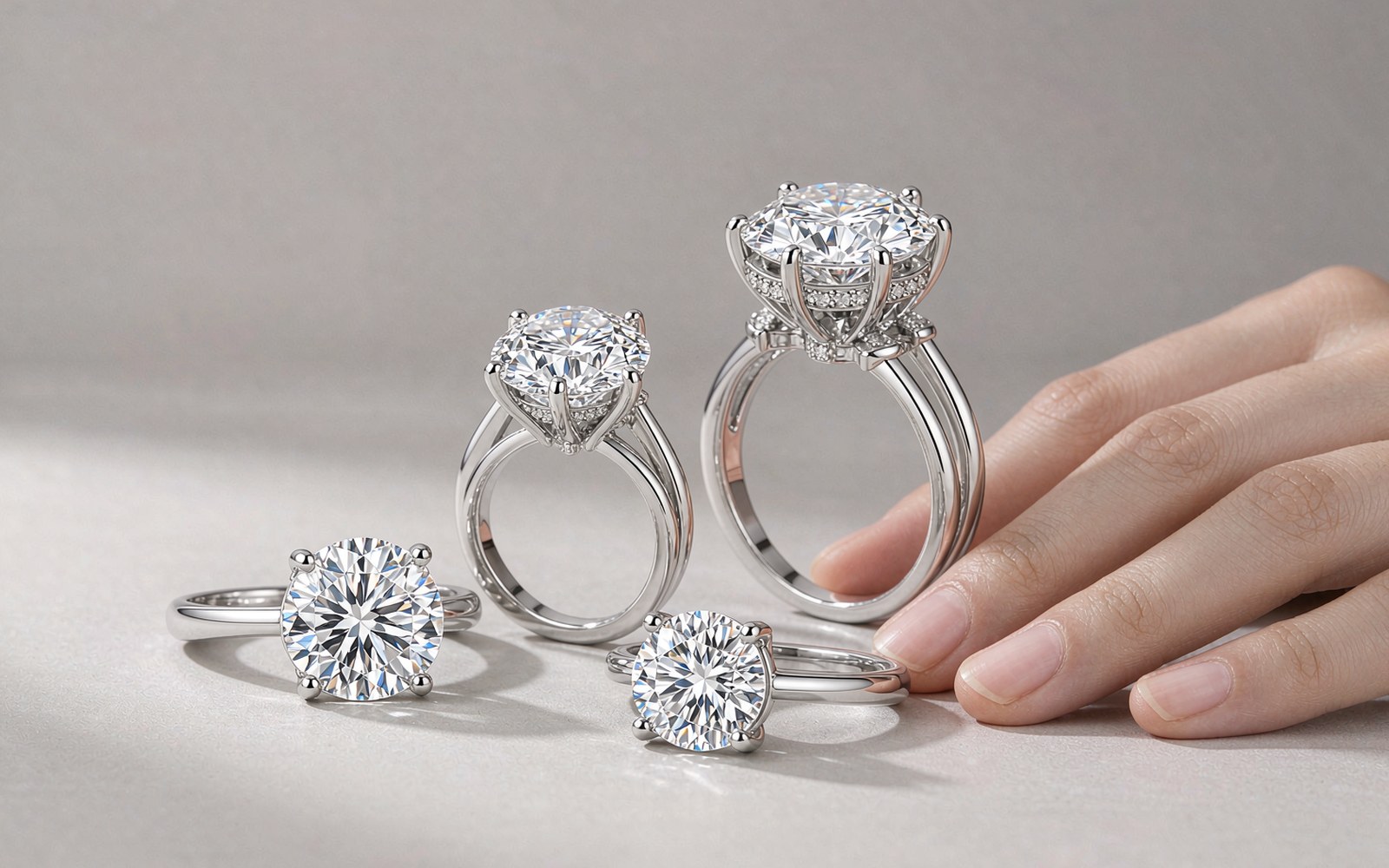
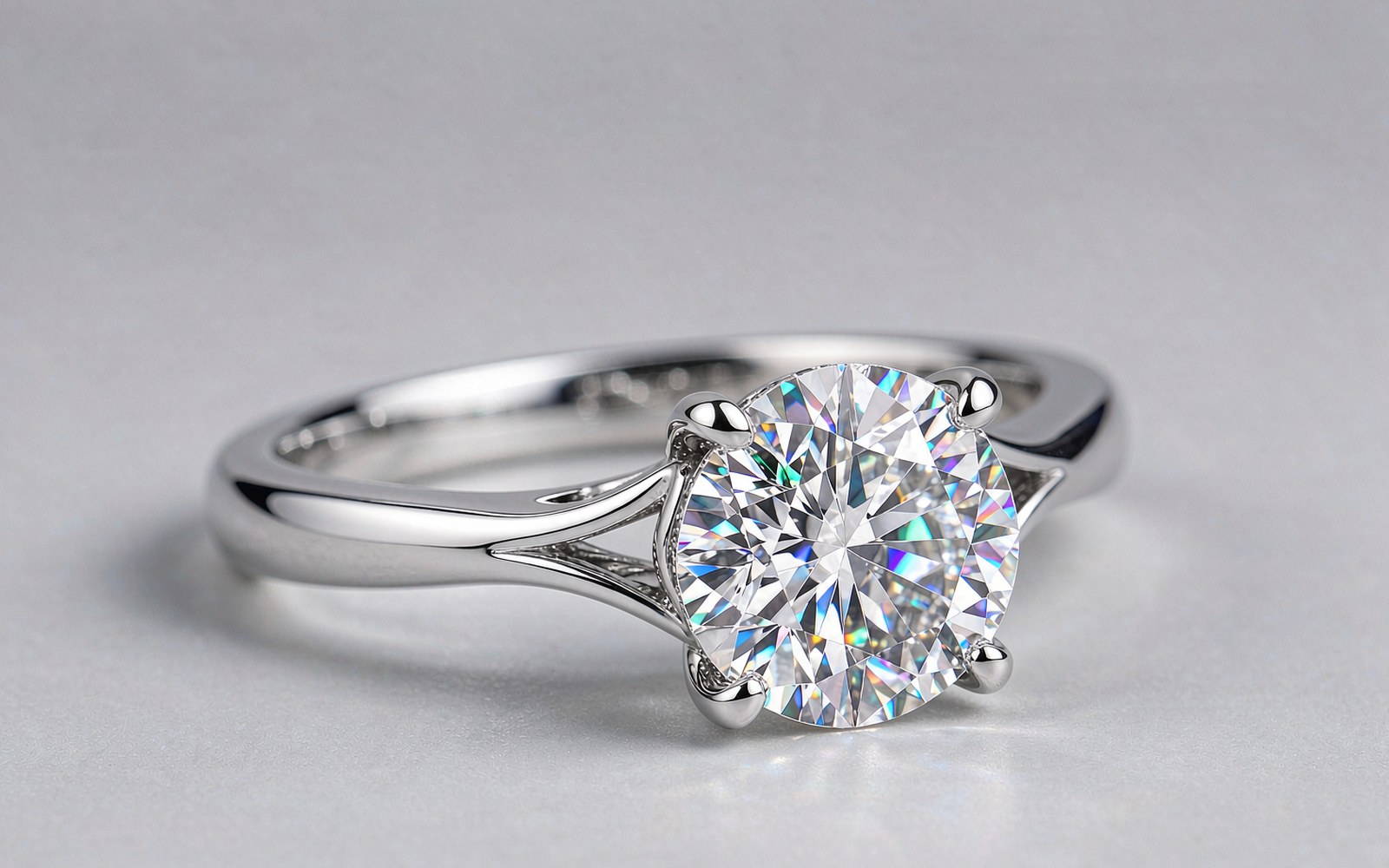
Fit is the single most common regret buyers report after the fact. The main variables are the height of the centre setting, the width of each band, and how the two profiles meet. A raised solitaire often accepts a straight band. A halo, a low-set stone, or an unusually shaped engagement ring usually needs a curved or contoured band that follows the outline of the centre piece. Ask the seller for a side-profile image or a short video of the two rings together before you commit, and confirm in writing that the band is engineered to sit flush with the specific engagement ring profile you chose, not just with a generic curved style.
Which metal should the bridal set use so the two rings match?
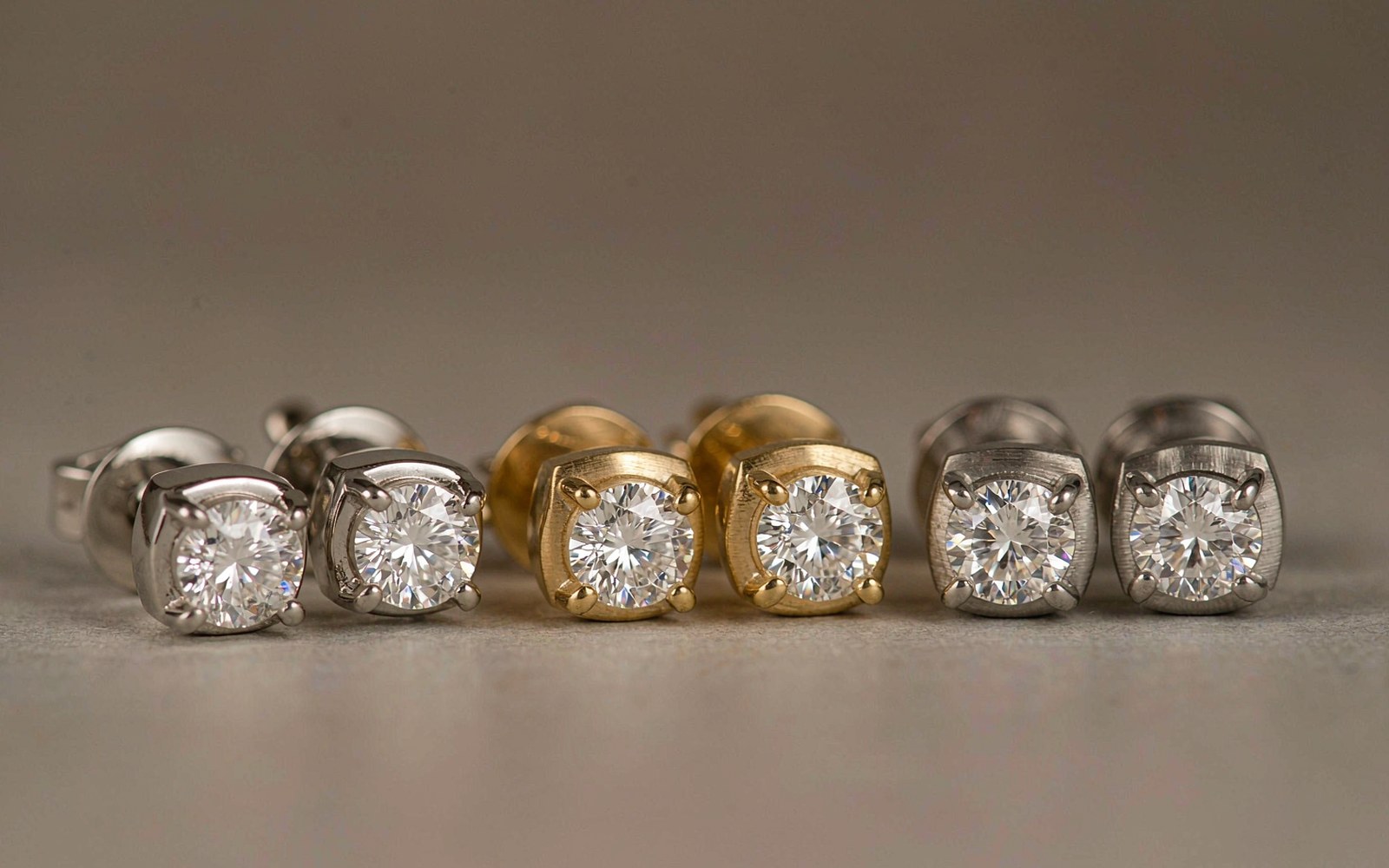
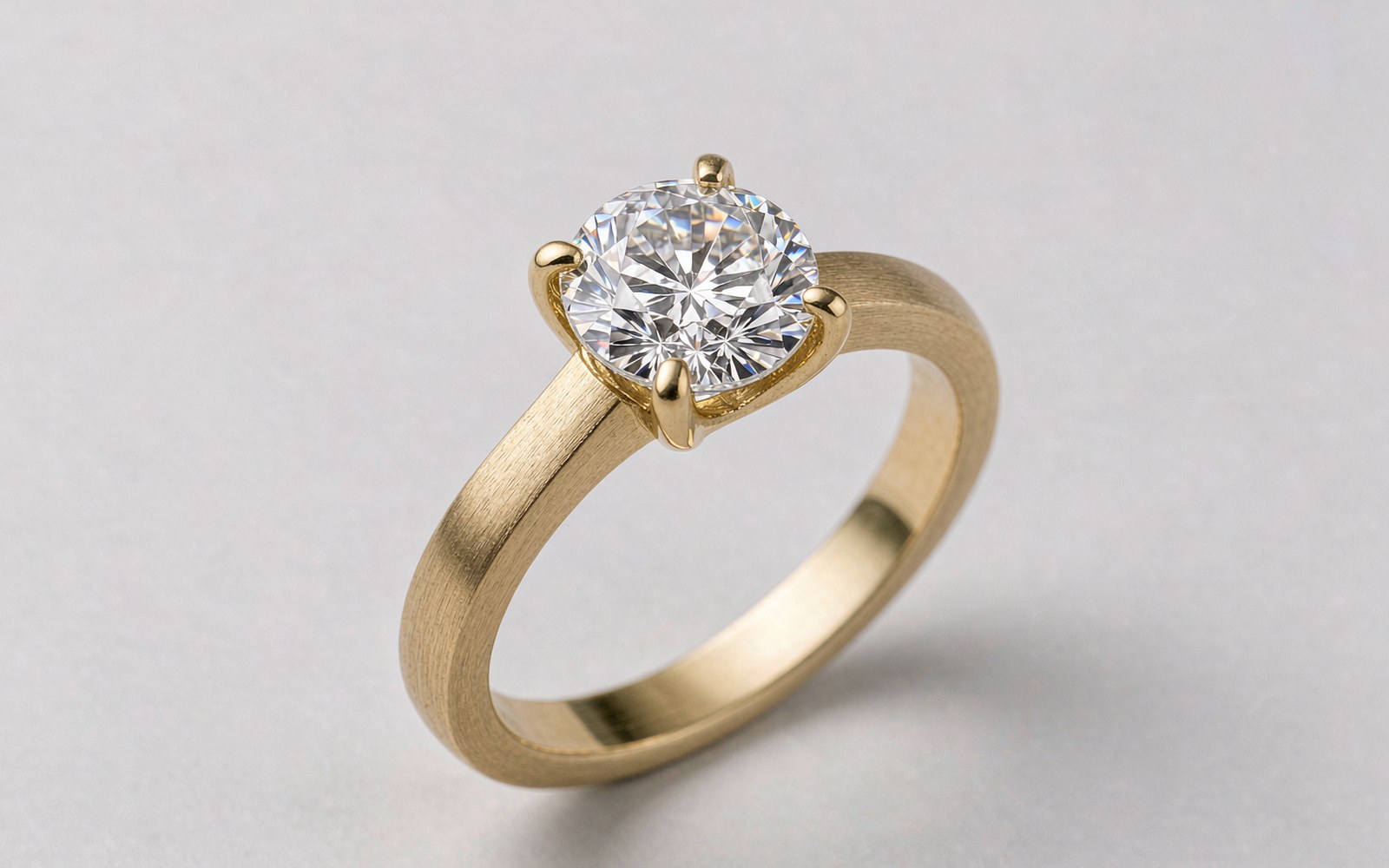
Keep both rings in the same metal family so the colour stays consistent as they wear. Solid options for daily-wear bridal sets are 925 sterling silver, 14K gold, 18K gold, and platinum. Sterling silver is the lightest on the budget but needs more care. Yellow, white, and rose gold each read differently against the skin and against the stone. Platinum is dense and hypoallergenic but costs more. Avoid plated or vermeil finishes for a set you wear 24/7, because the thin outer layer can wear through and expose a different colour underneath. Whatever you choose, confirm the metal purity in writing and ask how the finish is expected to age with hand washing and daily activity.
Should I buy a pre-matched set or build my own pairing?
Pre-matched sets remove the guesswork. The maker has already solved the fit, so the two rings are designed to sit together. Building your own pairing gives more control over style but adds risk: a band that looks compatible in a listing photo may not sit flush in person. If you go the custom route, request a mock-up or a rendered preview of the pairing before production starts. One decision insight many buyers miss: the wedding band should be designed around the exact engagement ring you own, including its setting height and band width, rather than chosen from a separate category and hoped to match.
How do I choose the right stone shape for a bridal set?
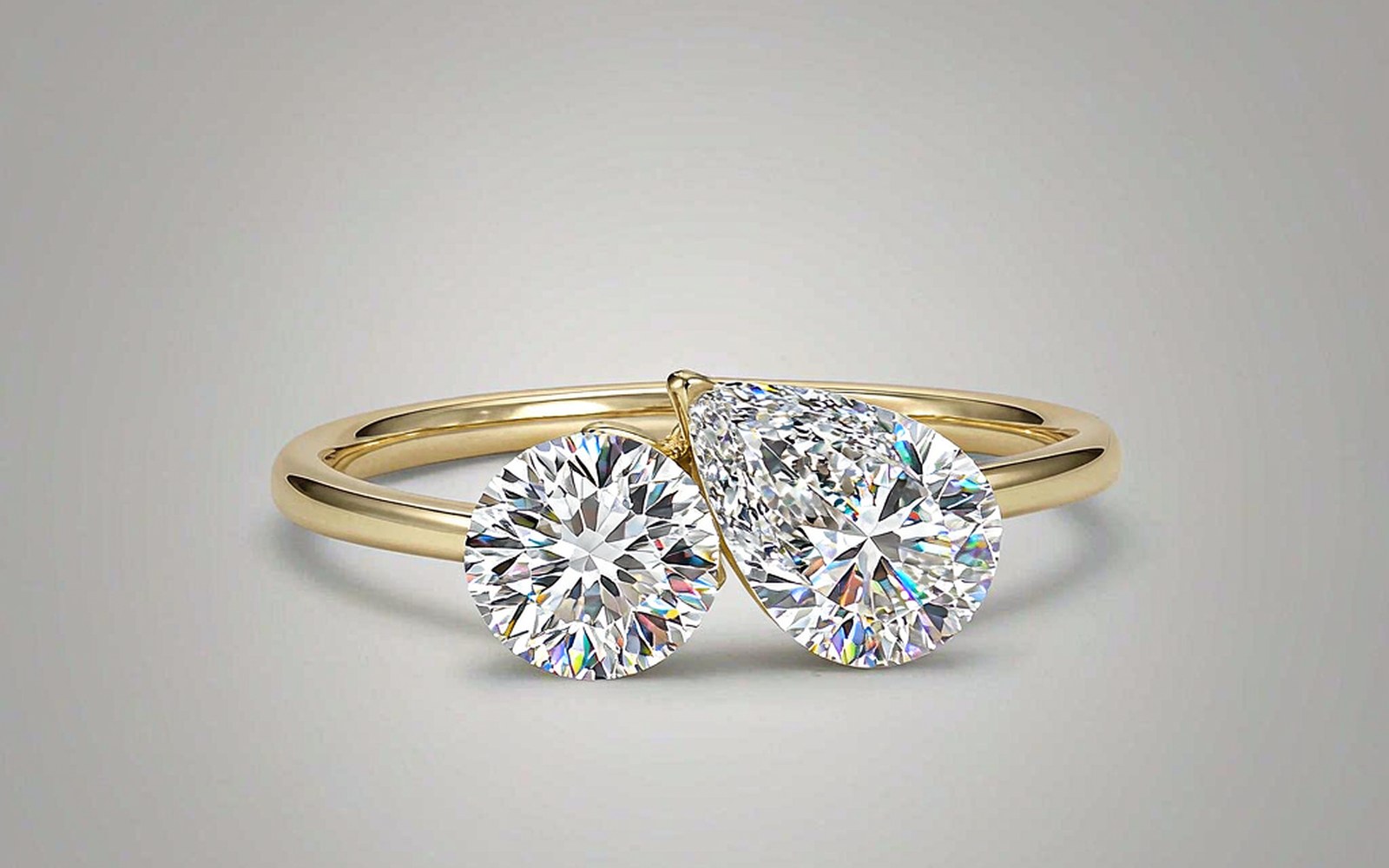
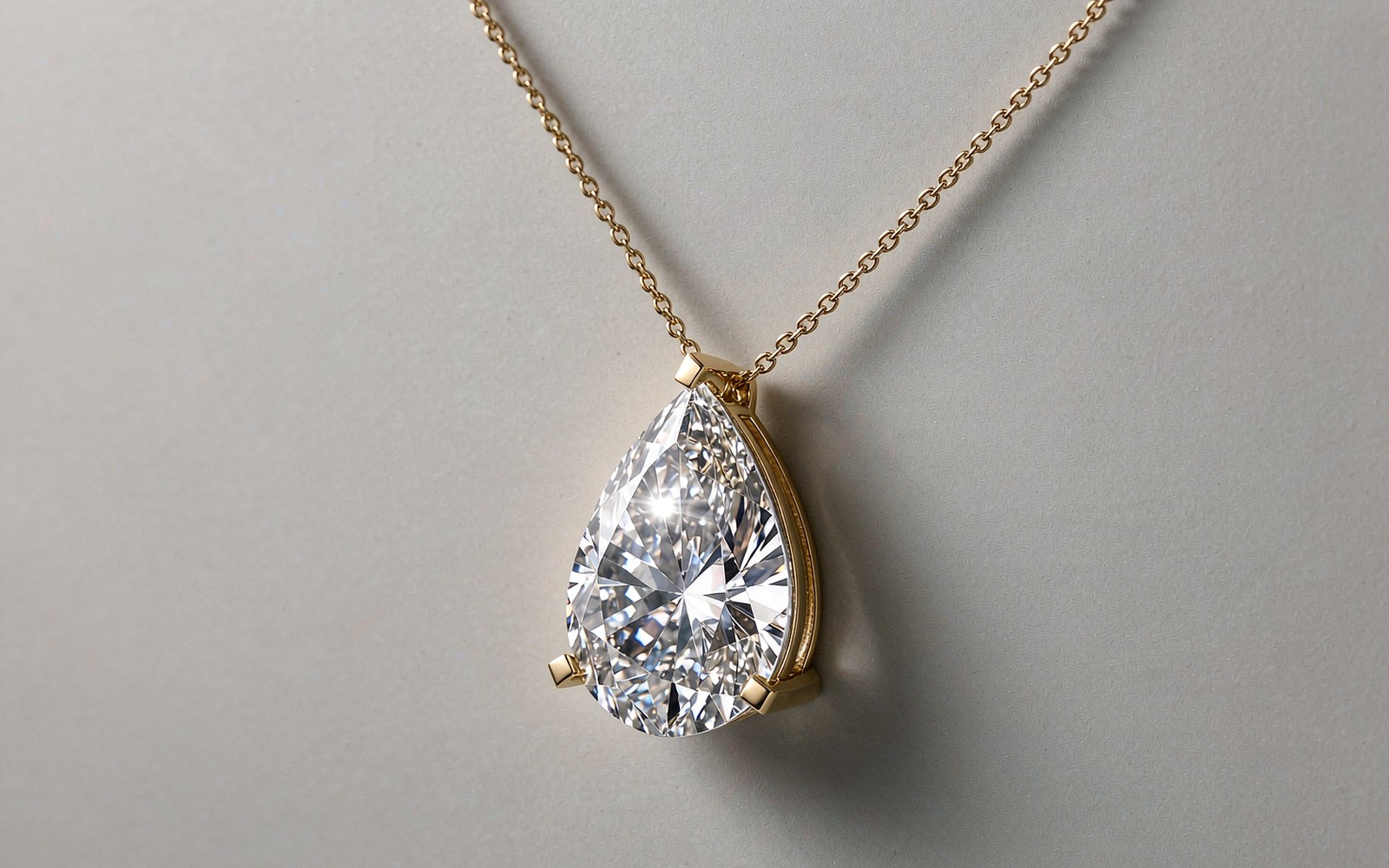
Round remains the most familiar choice, but oval, pear, emerald, cushion, princess, radiant, and marquise cuts all change the look of a set even when the setting is similar. A longer shape such as an oval or pear can make the finger look more slender and pairs well with a curved band. A step-cut emerald gives a calmer, more architectural feel. The shape also affects how the wedding band should be contoured. When you compare shapes, look at how each one meets the band in a side view, not only how the top view photographs.
What setting styles work best for bridal sets?
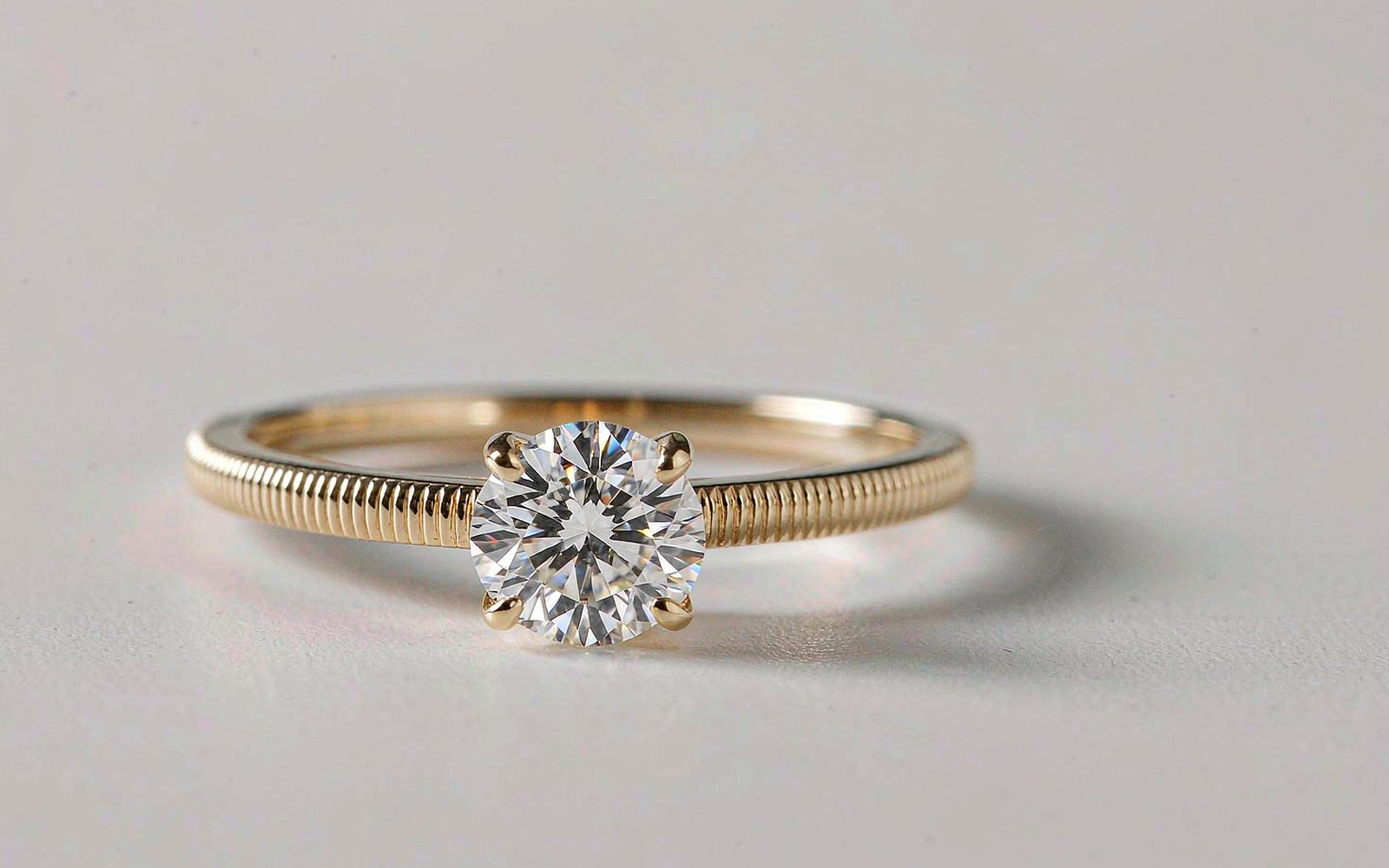
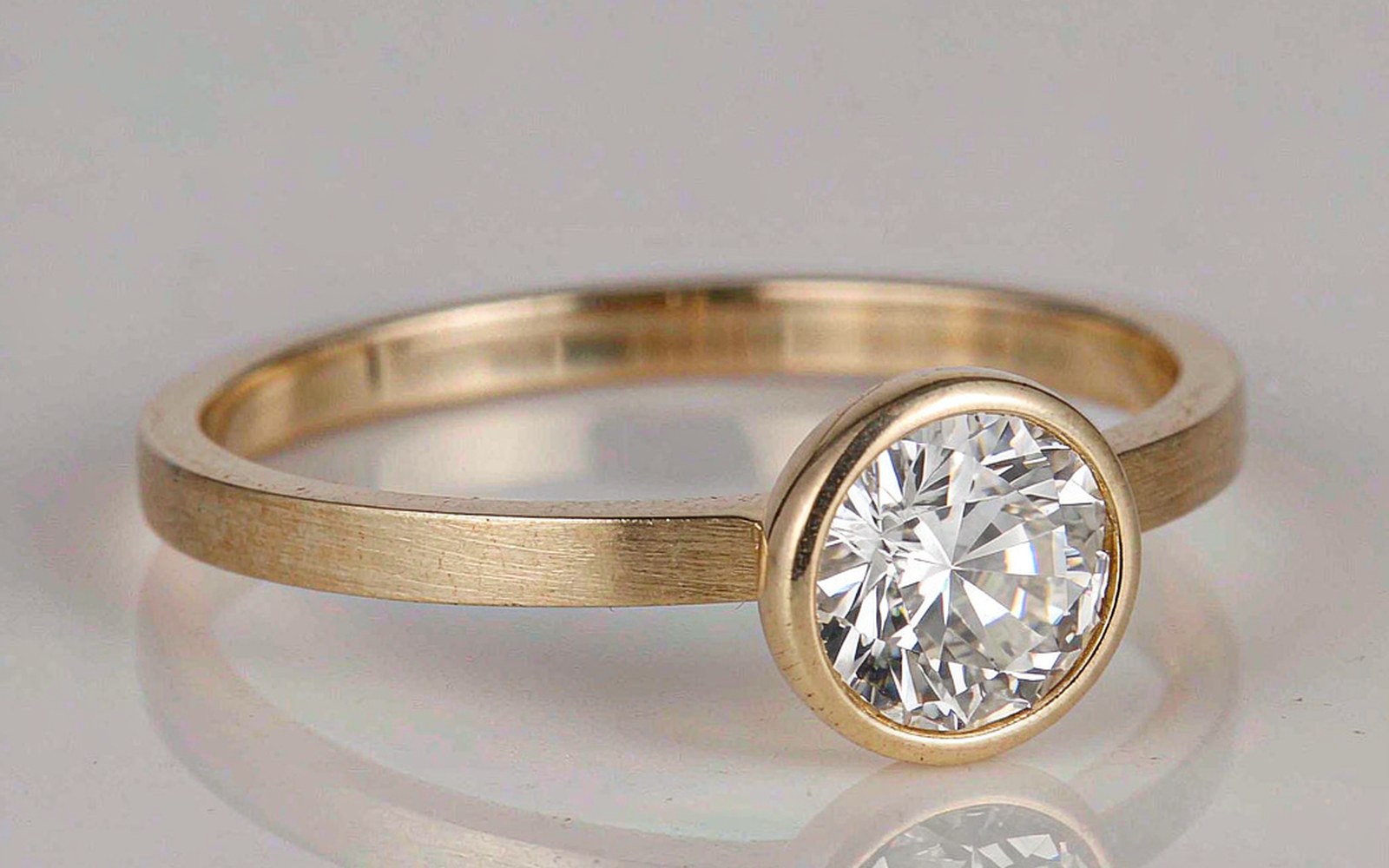
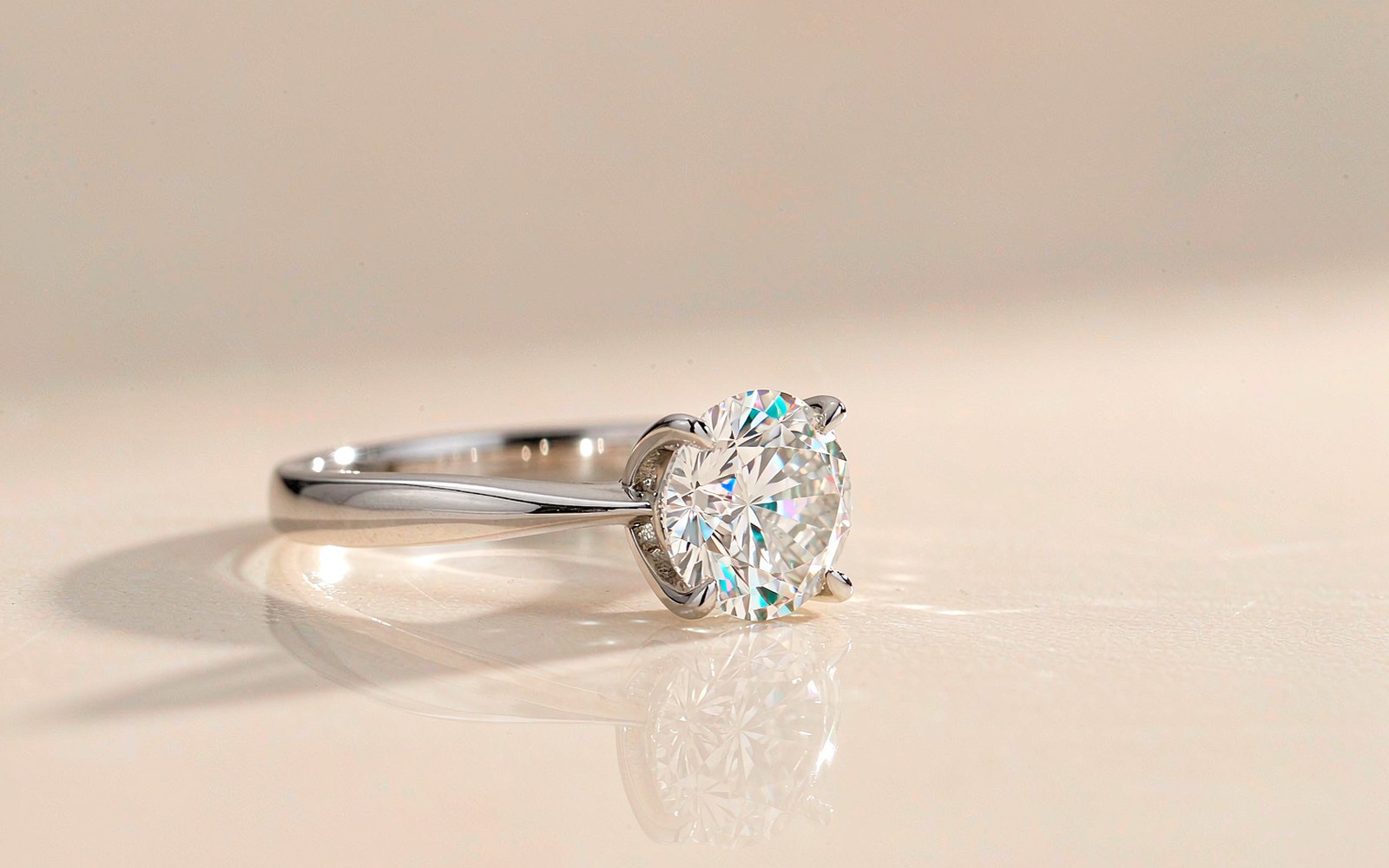
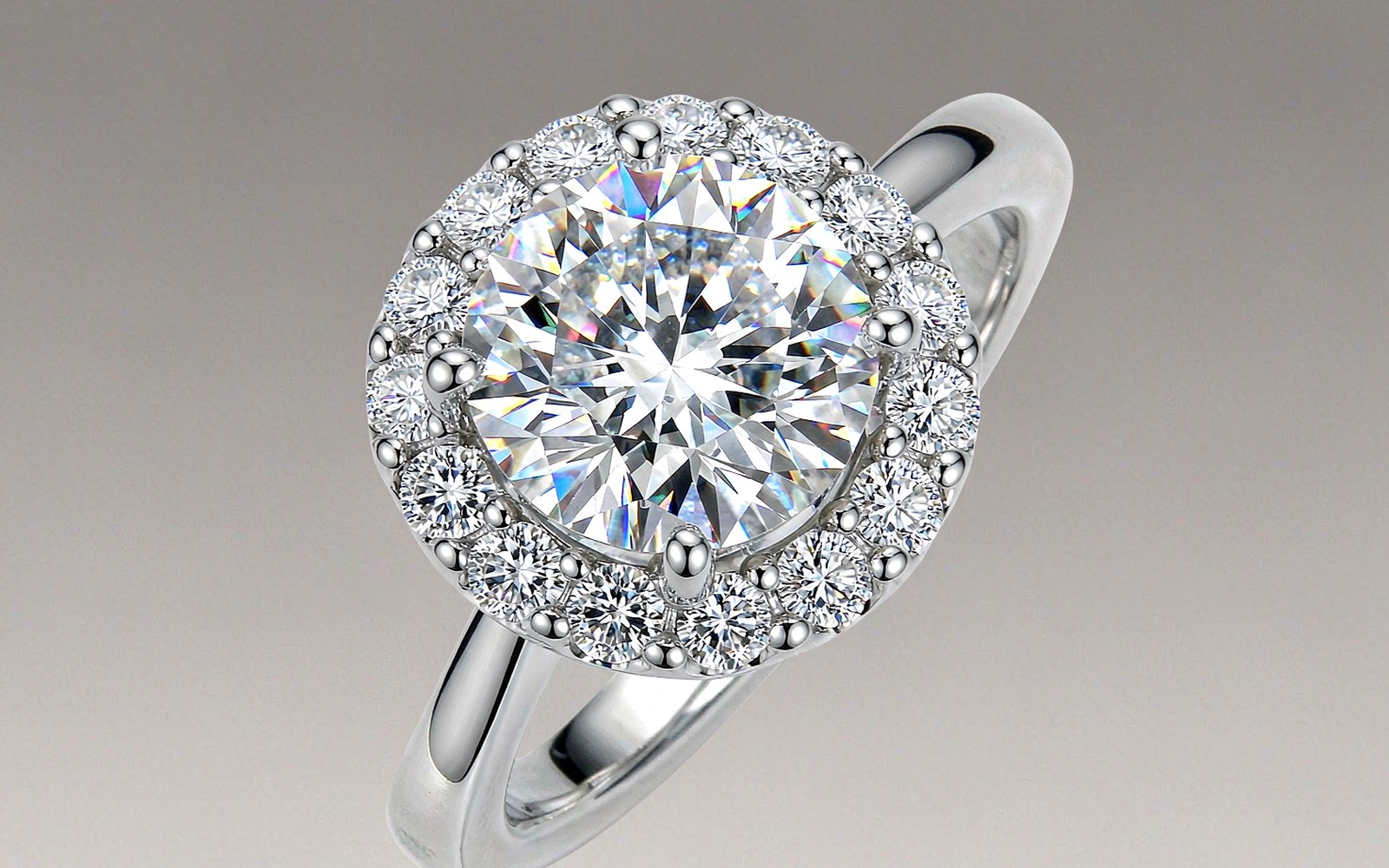
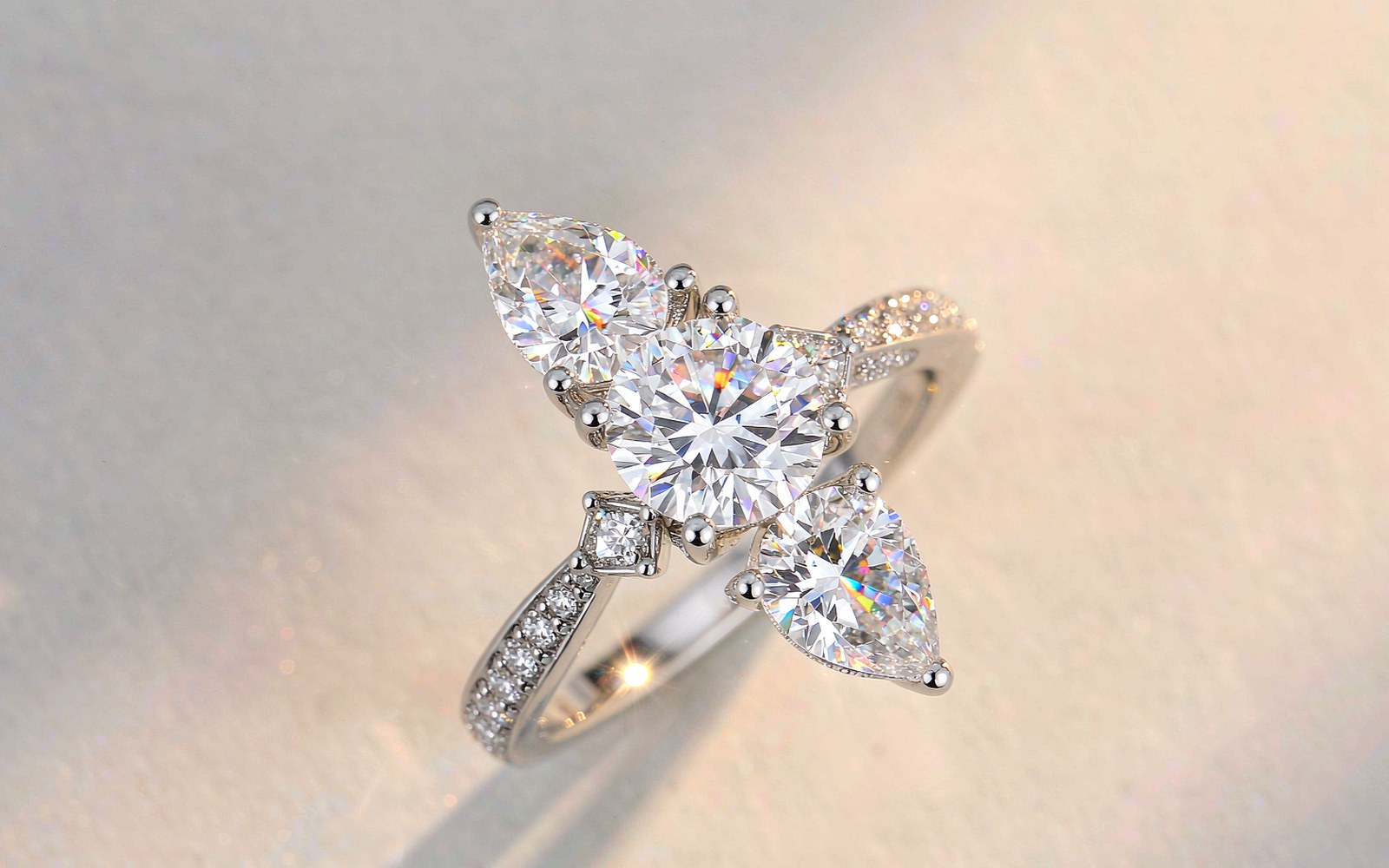
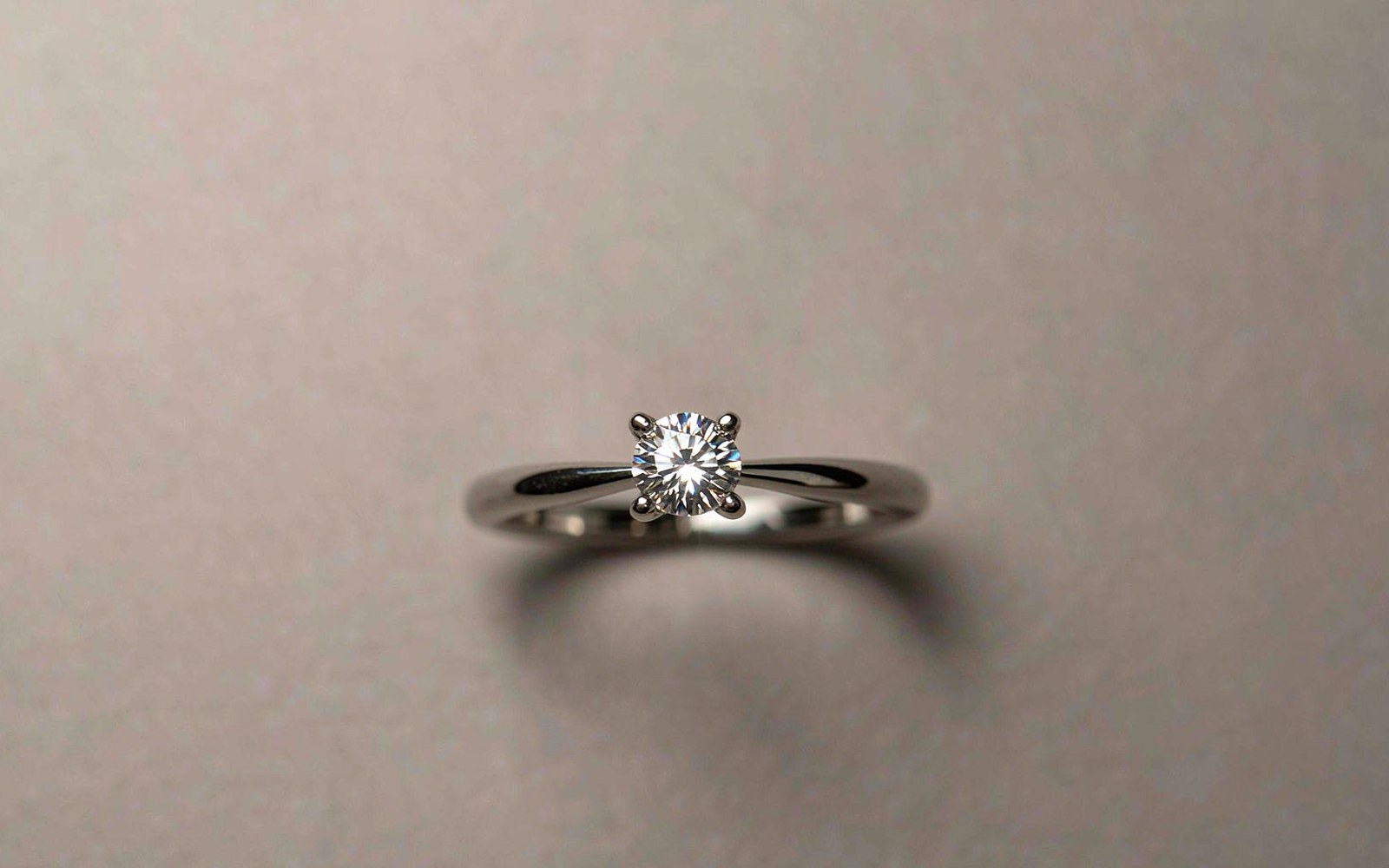
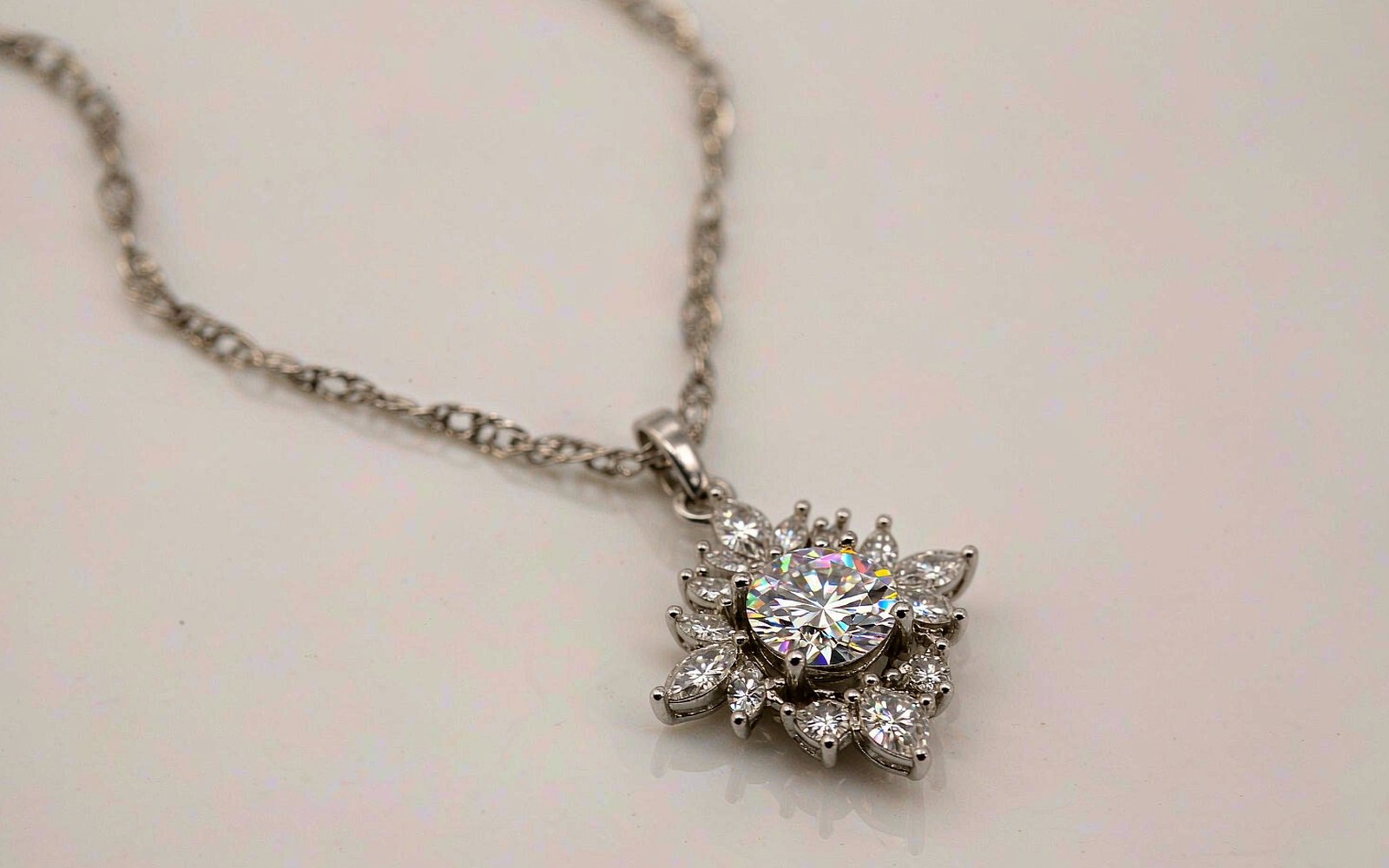
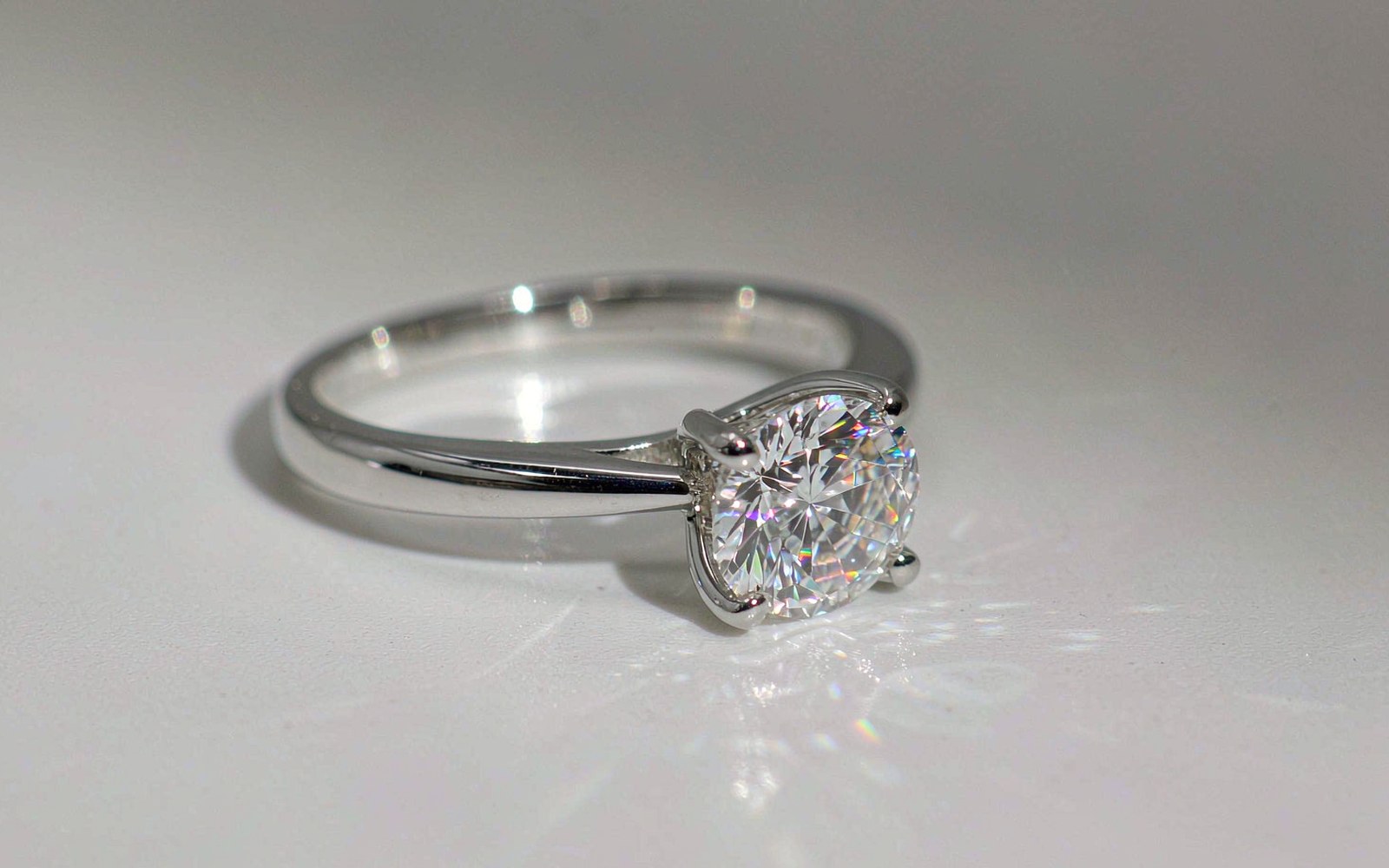
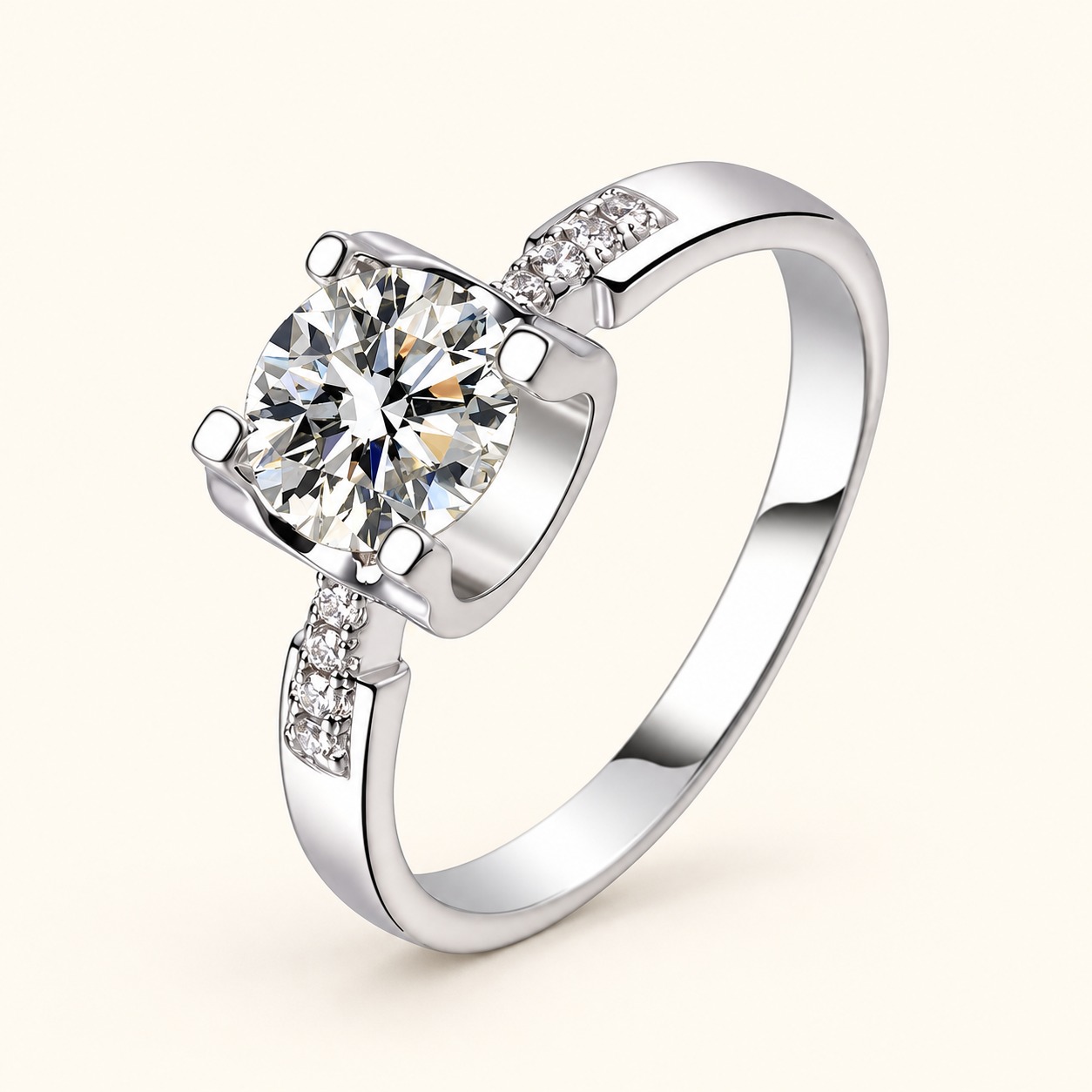
Solitaire settings put the focus on a single stone and pair easily with a simple band. Hidden-halo and halo designs add surrounding sparkle and can make a centre stone appear larger, but they usually need a contoured or curved wedding band. Three-stone and side-stone styles add more moissanite across the ring and work best with a simpler band so the pairing does not look busy. Pave, half-eternity, and full-eternity bands bring sparkle to the wedding ring itself and can stand out beside a plainer engagement ring. Decide the amount of surrounding sparkle you want before you lock the combination, because adding it to both rings at once can overwhelm the centre stone.
How much does a moissanite bridal set cost, and how do I confirm the price?
Price moves with four levers: the size of the centre stone, the metal you choose, the complexity of the settings, and how much accent moissanite the design uses. Because those inputs change by maker and by season, the right move is to request a written quote for the exact combination you want rather than relying on a headline number. Ask the seller to itemise stone, setting, and metal separately, and confirm whether the quoted price includes the wedding band or only the engagement ring. A clear, itemised quote protects you far better than a round estimate.
What should I confirm with the seller before ordering a bridal set?
Before you pay, confirm the production timeline in writing, the minimum order quantity if you are commissioning a custom pairing, and the resize or re-plate policy after delivery. Ask whether a sample, a finished-photo set, or a video of the actual pairing is available so you can judge the fit before production. Confirm what the maker checks before dispatch and what happens if the two rings do not sit together as shown. These points are easy to skip in the excitement of ordering and hard to fix after the rings are made.
Does moissanite come with a certificate, and what does it actually tell me?
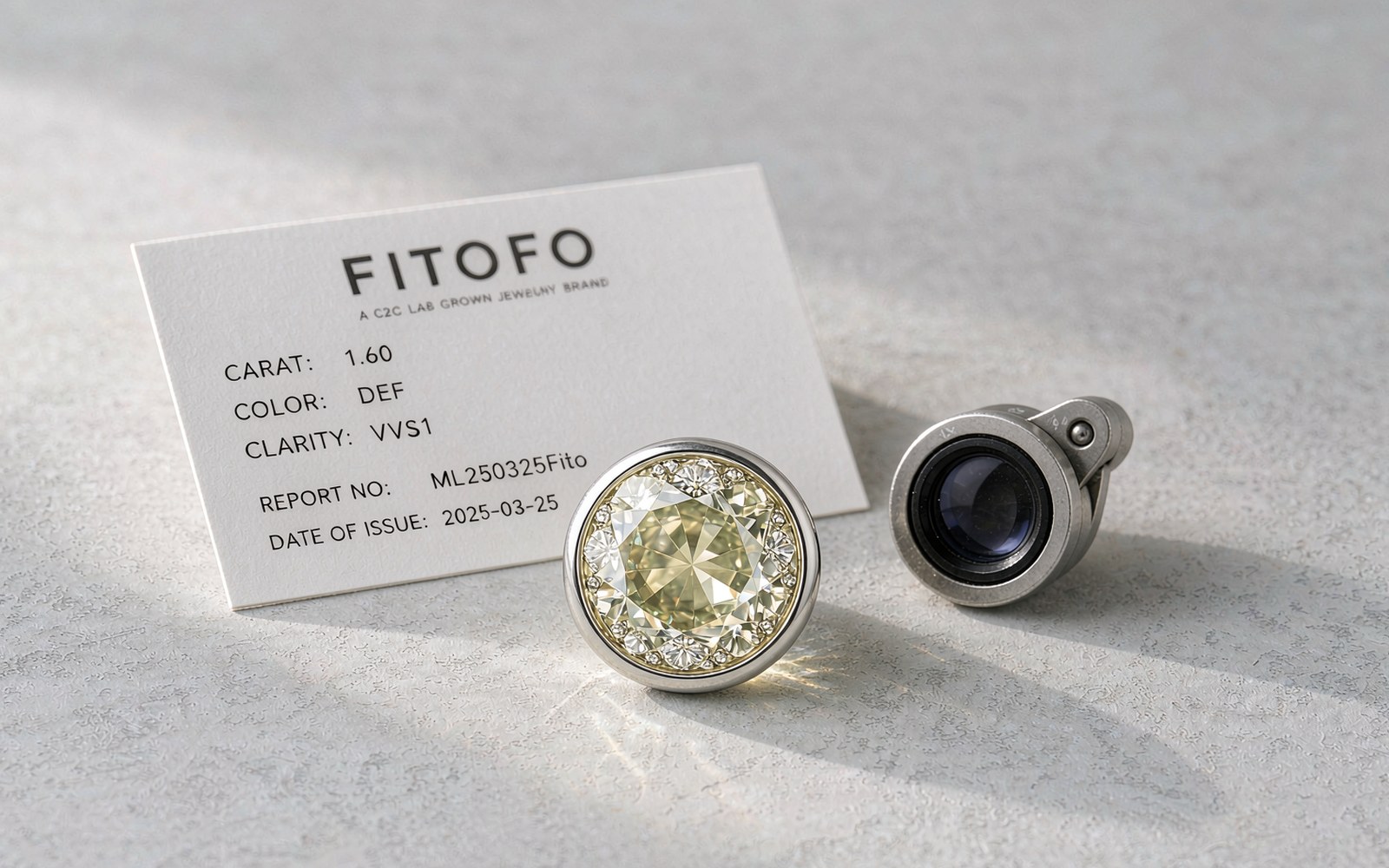
Some moissanite is supplied with a grading report that describes the stone's characteristics, such as colour and clarity, as measured at the time of grading. A grading report confirms what the stone is; it does not certify durability, resale value, or that the stone will stay brilliant for a lifetime. Treat any report as one input among several, and ask the seller what the report covers and what it does not. For a bridal set, the more useful confirmations are the metal purity, the fit of the two rings, and the after-sales terms, not a single grade label.
How do I test and verify a moissanite bridal set when it arrives?
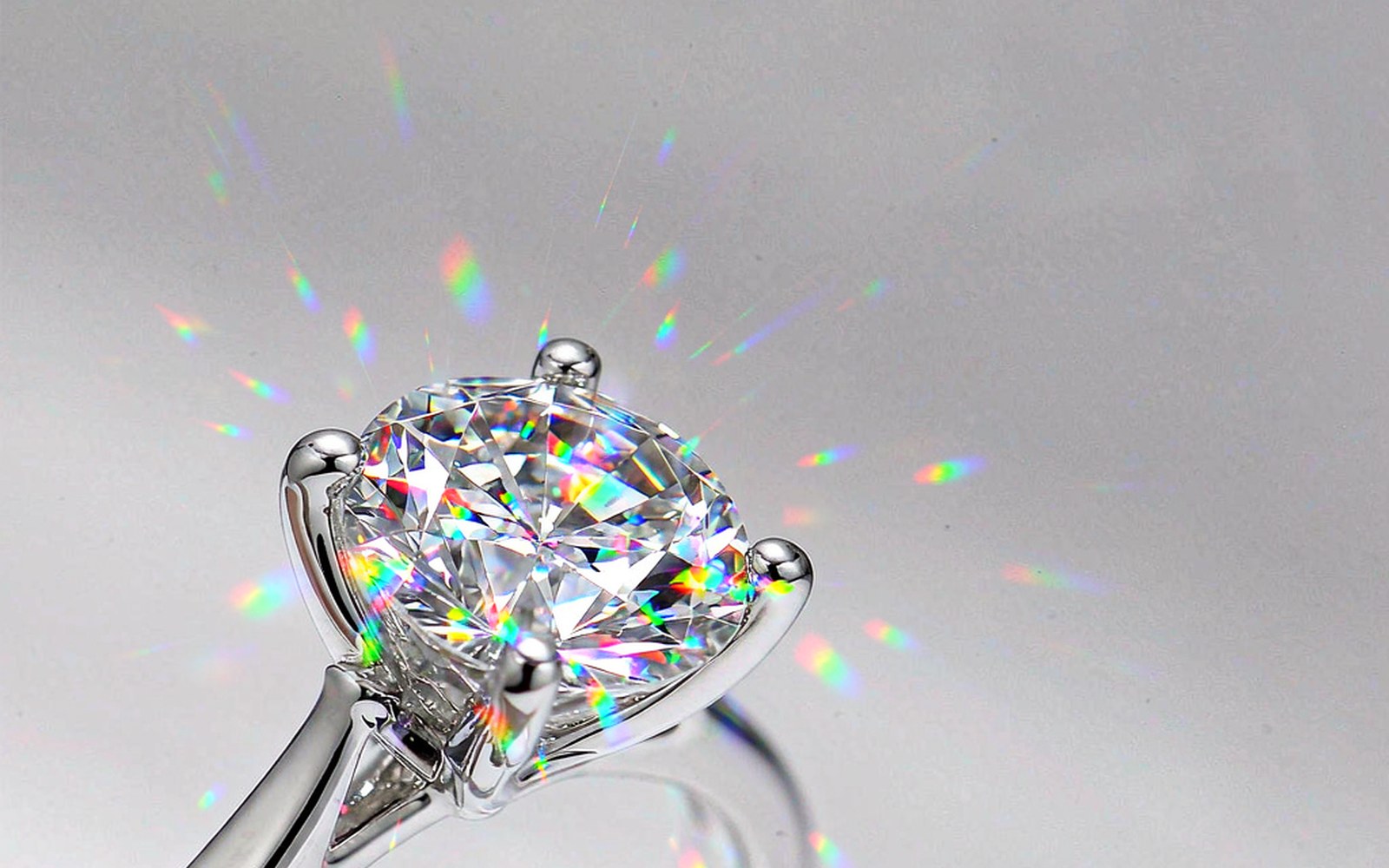
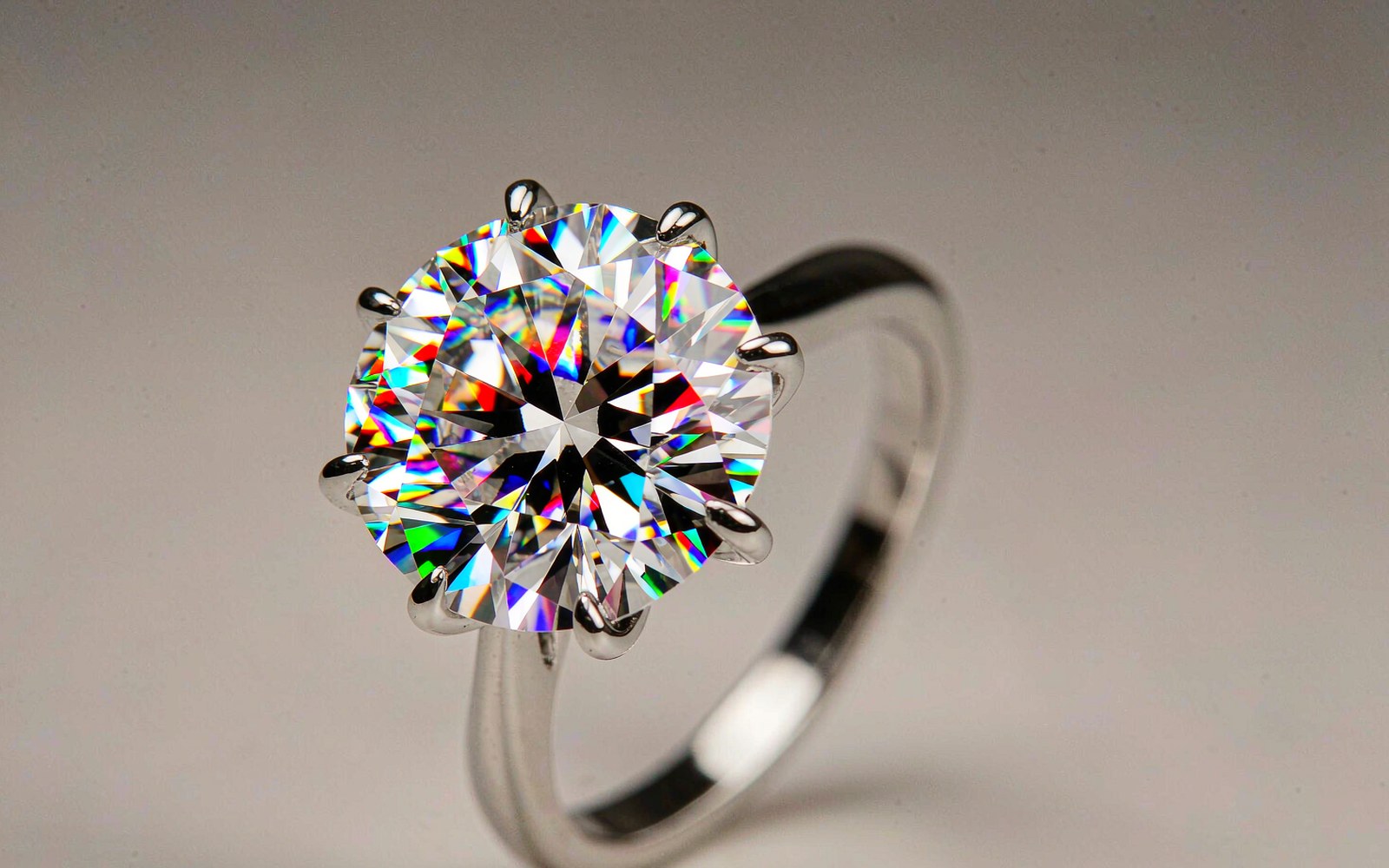
On receipt, check that the two rings sit together the way the preview showed, with no gap you did not expect and no point where the band presses against a prong. A moissanite tester can help confirm the stone type, and the stone's fire is visible as coloured flashes under bright light. Verify the metal stamp matches what you ordered, and confirm the engraving or finish is as agreed. If anything looks off, raise it with the seller before the return or resize window closes rather than after extended wear.
How do I care for and clean a two-ring bridal set?
Wear the two rings as a unit so they wear evenly, and clean them with mild soap and warm water using a soft brush, then dry with a clean soft cloth. Avoid harsh chemicals and abrasive pastes that can dull the metal. For silver, expect some natural patina over time and ask about a re-polish or re-plate option if the finish changes. Store the set together so the bands do not scratch against other jewellery. Regular, gentle care keeps the pairing looking intentional long after the proposal.
What should a bridal set buying checklist include?
Use this checklist as you compare options. It covers the eight points that separate a confident purchase from a risky one.
- Applicable scope: a bridal set is for wearers who want the engagement ring and wedding band to read as one unit every day, not as two separate purchases.
- Lead time: confirm the production and delivery timeline in writing, because a custom pairing can take longer than a ready-made single ring.
- Minimum order: if you commission a custom set, confirm the minimum order quantity directly with the maker, since small workshops and larger makers set different floors.
- Sample or proof: ask for a sample, finished photos, or a video of the actual pairing so you can judge fit before production rather than after.
- Failure conditions: the pairing fails when band heights mismatch, a curved band does not follow the centre stone, or a plated finish wears through and shows a different colour.
- Testing methods: verify the stone with a moissanite tester, judge fire under bright light, and check the metal stamp against what you ordered on arrival.
- Parameter explanation: understand carat equivalent (visual size, not mined-diamond weight), metal purity marks such as 925, 14K, 18K, and platinum, and setting terms like halo, hidden-halo, and eternity.
- Inspection and after-sales: confirm what the maker checks before dispatch, the resize or re-plate policy, and the scope of any warranty, then inspect the fit on arrival within the return window.
A moissanite bridal set rewards a little planning. Choose matching metals, confirm the fit with a real preview, ask for an itemised written quote, and verify the pairing on arrival. Do those things and you get two rings that look like they were always meant to be worn together.