· Sobre a moissanita
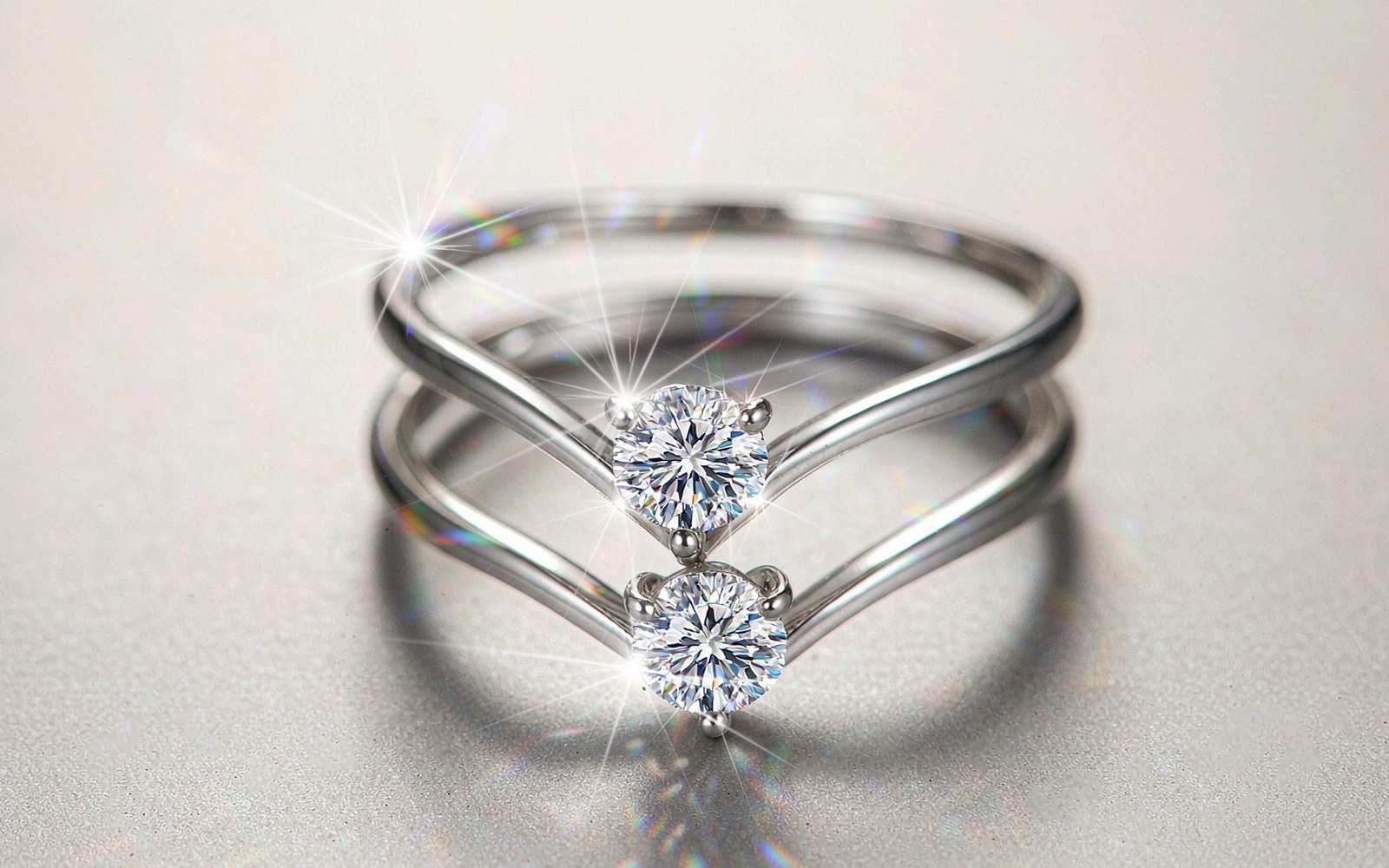
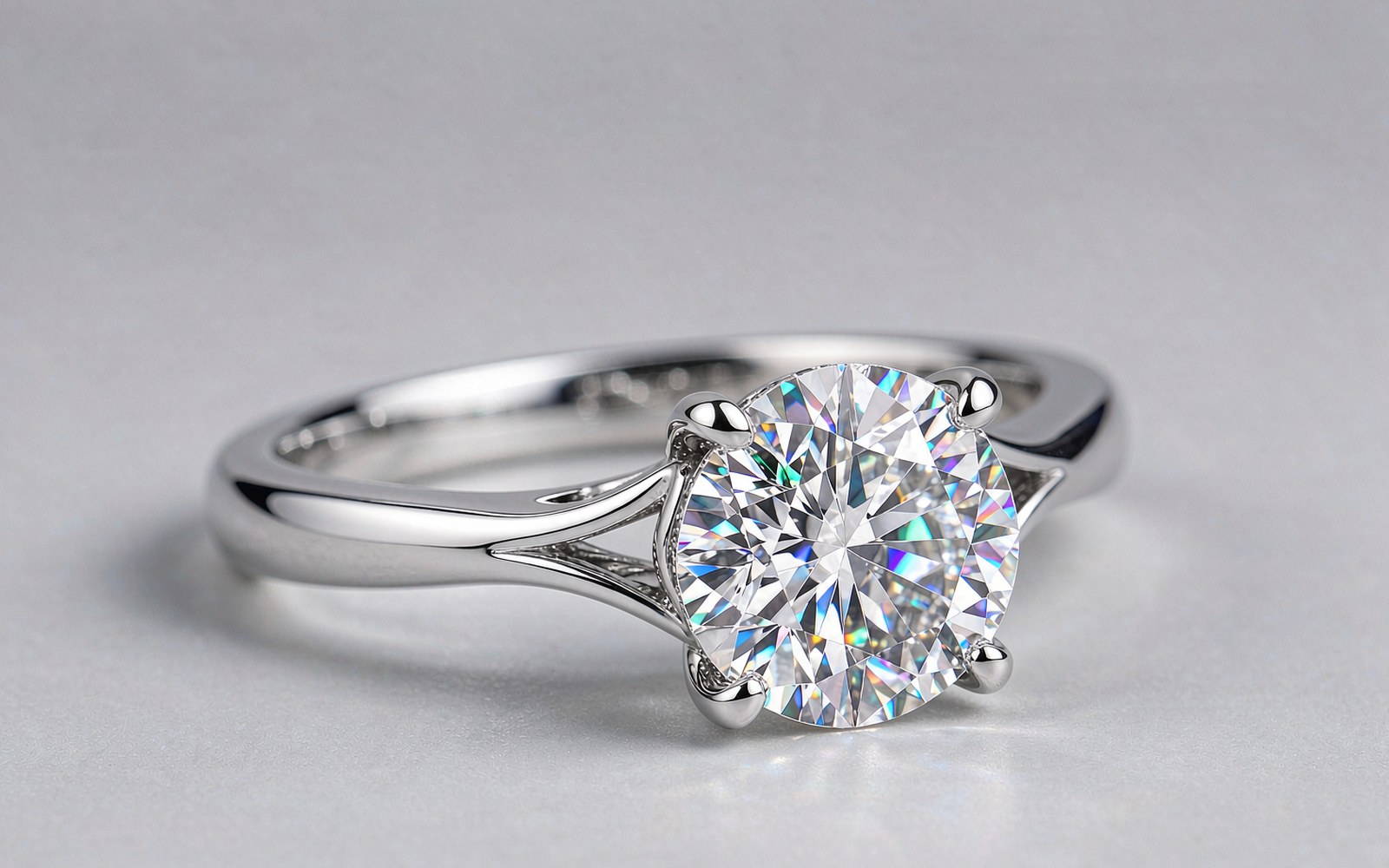
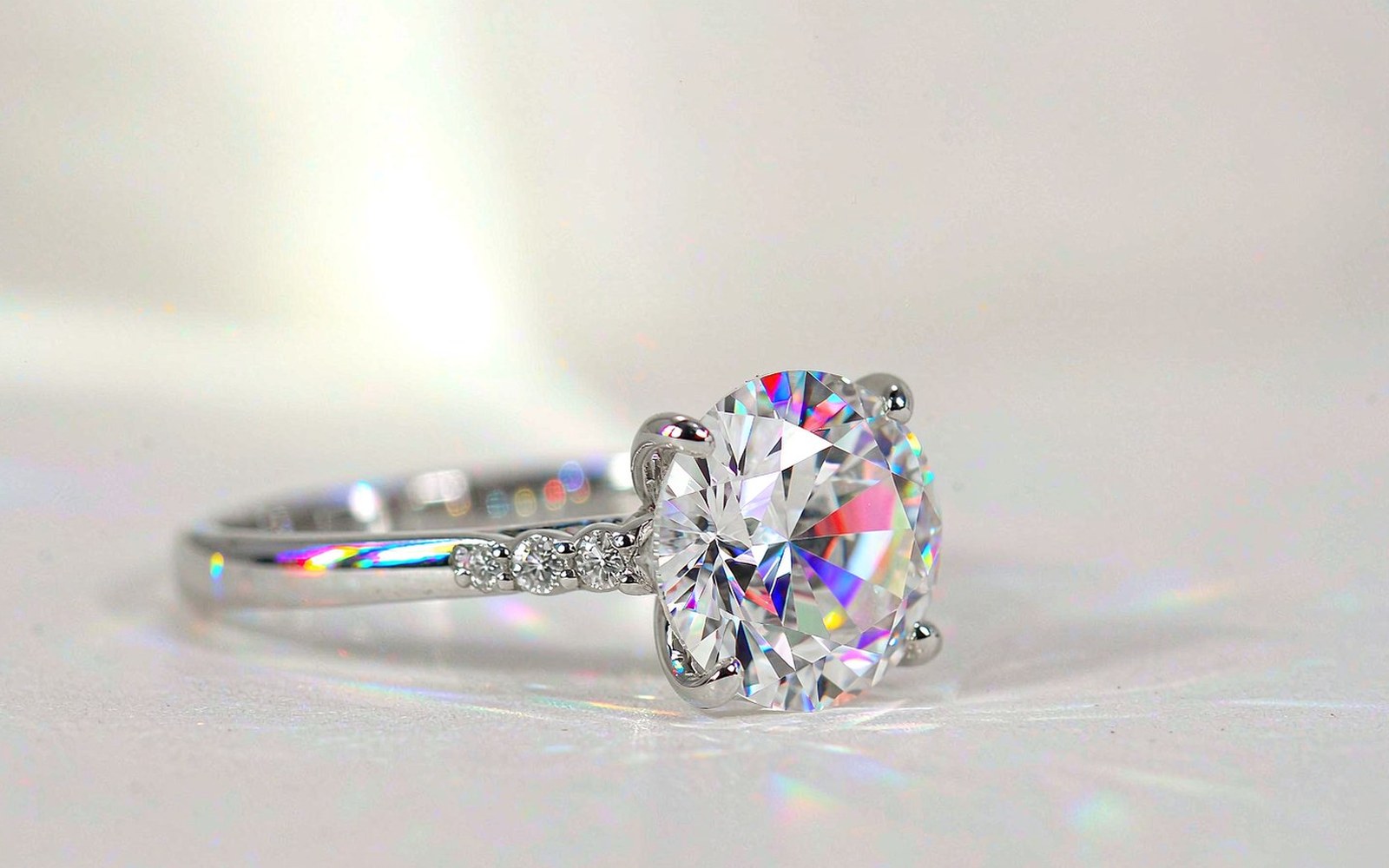
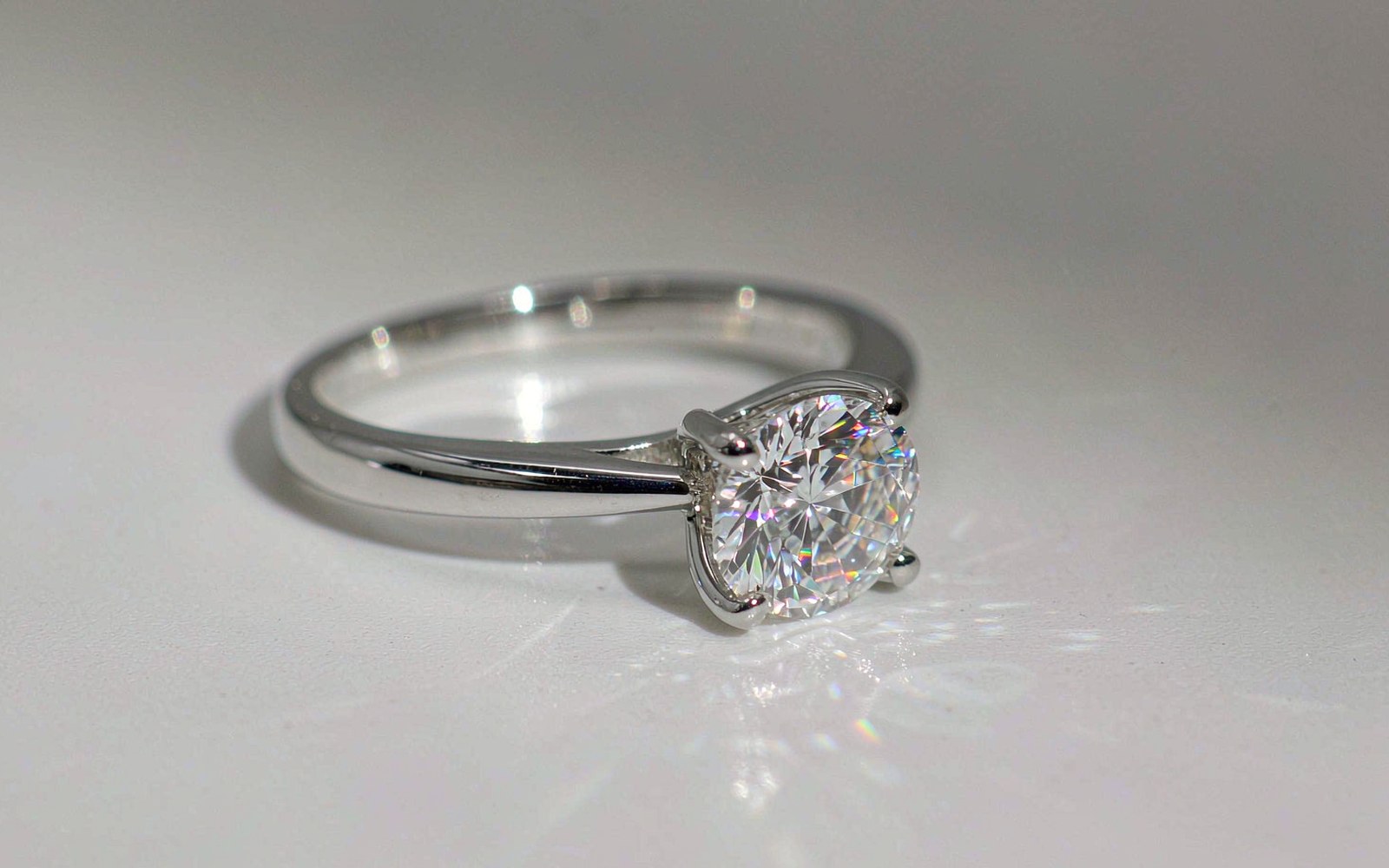
Ring stacking has moved from a niche styling trick to one of the defining ways buyers wear moissanite in 2026. Instead of committing to a single heavy ring, more people are curating two or three slim bands that can be rotated like accessories. A well-built moissanite ring stack reads as intentional rather than random, and it lets you add meaning over time, on anniversaries or milestones, without replacing the piece you already love.
Why are stacked moissanite rings so popular right now?
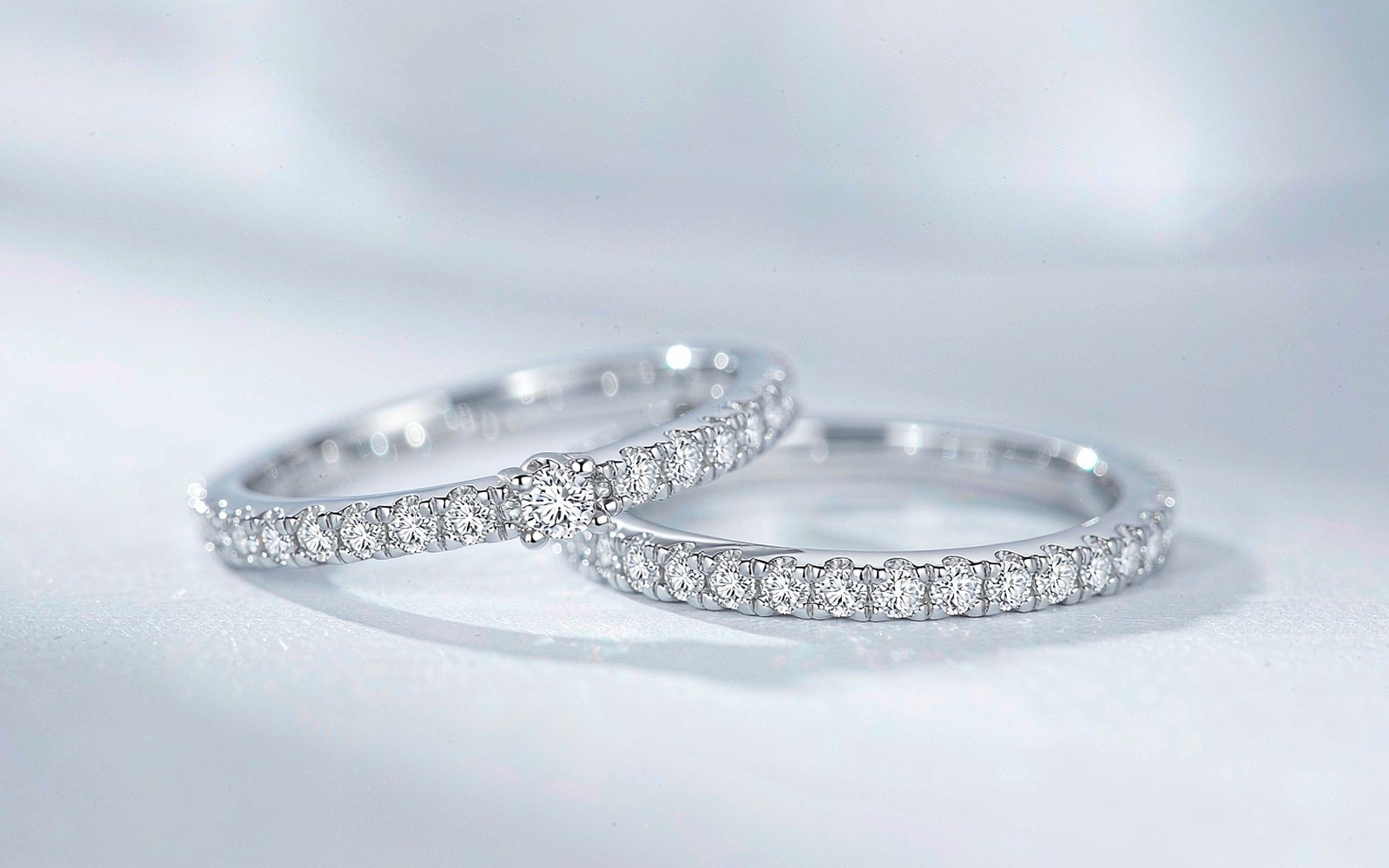
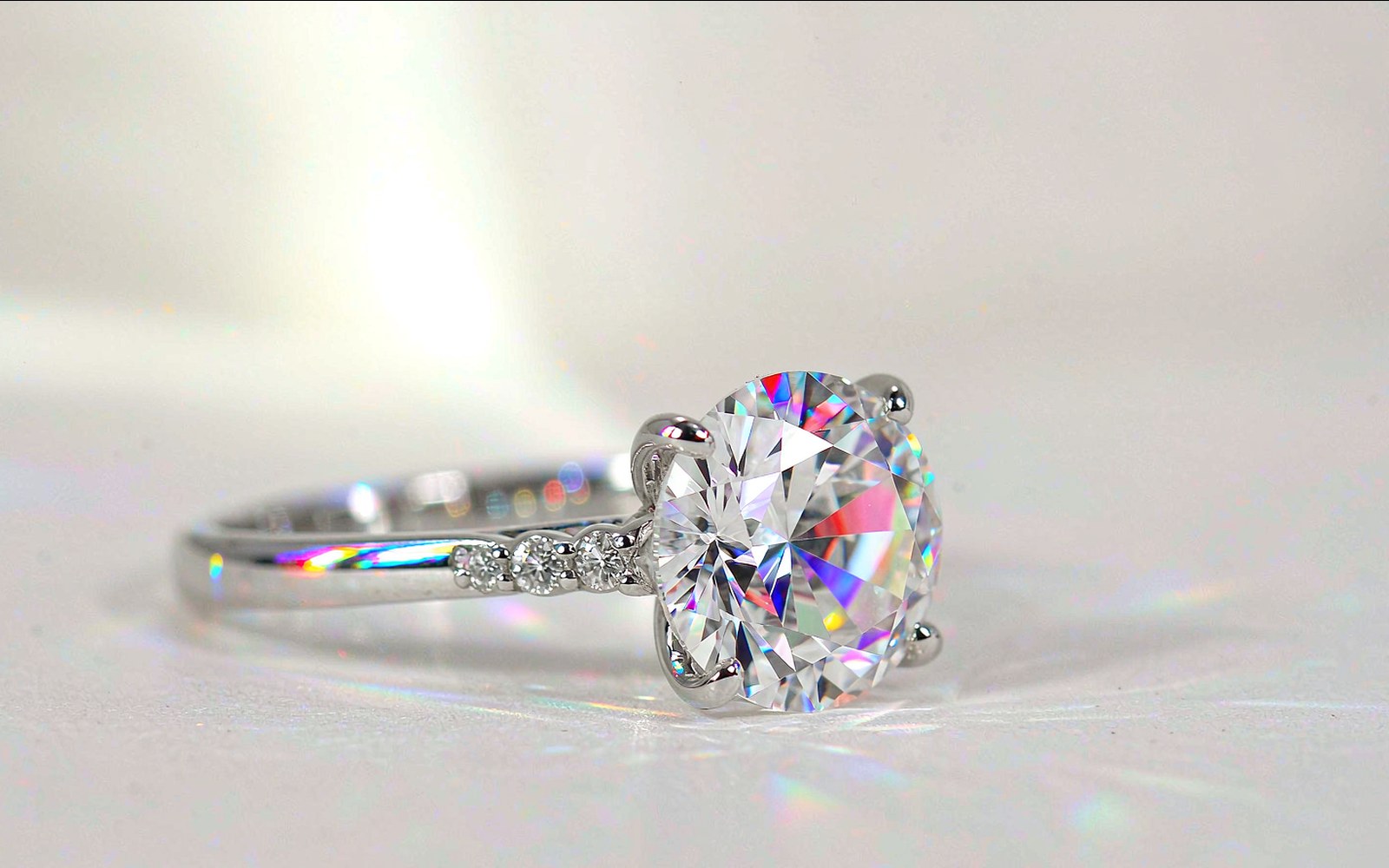
The appeal is flexibility. A single ring has to work with every outfit and every mood. A stack does not. You start with one focal piece, then add a plain band for contrast, a textured band for depth, or a slim sparkle line when you want more drama. Because moissanite costs less per carat than mined stones, designers can use larger or more expressive cuts in the supporting bands without pushing the price into uncomfortable territory. For many buyers, stackable moissanite rings are the easiest way to grow a look gradually.
What makes a stack look intentional instead of messy?
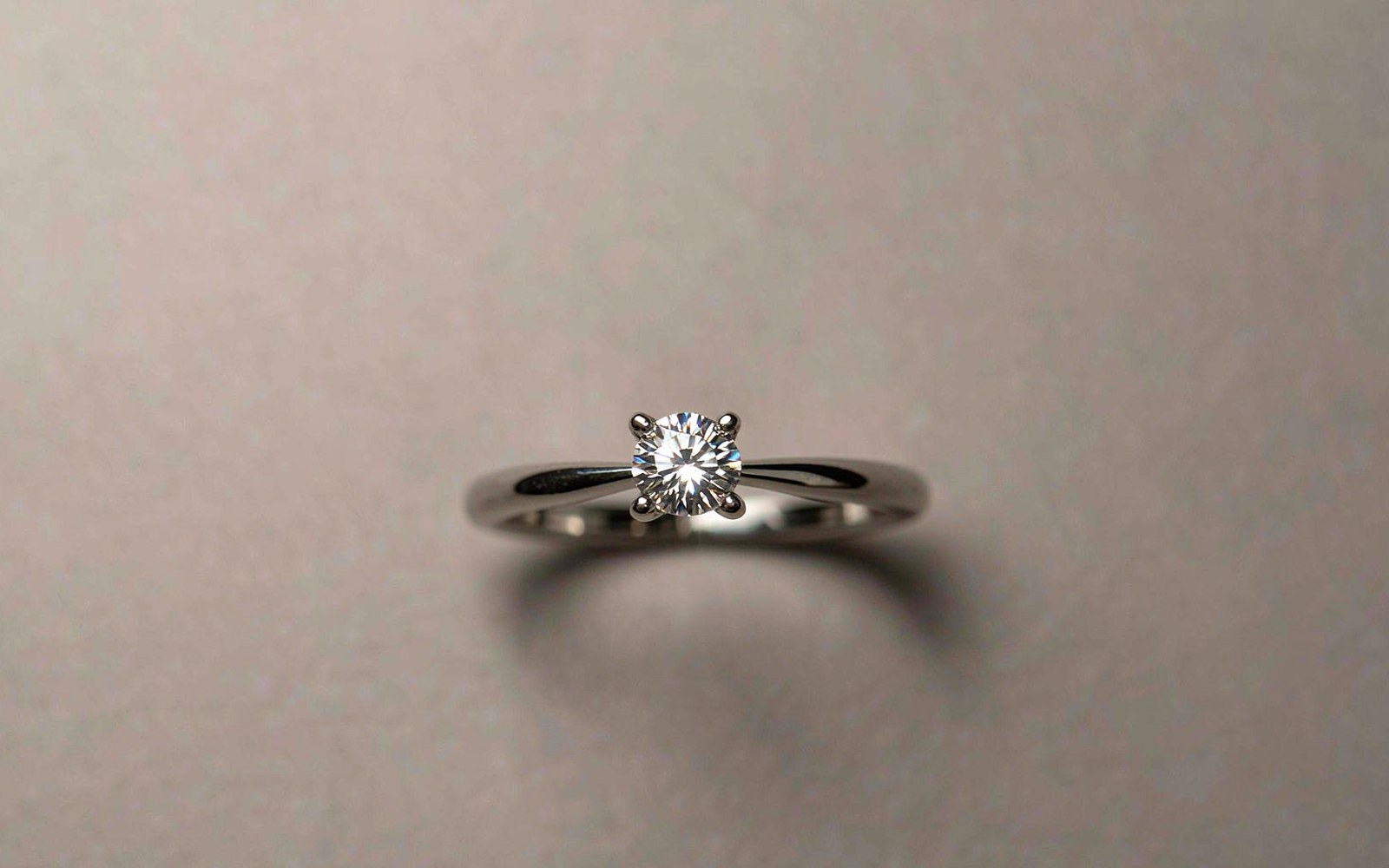
The difference between a curated look and a cluttered hand is contrast plus repetition. Pick one focal ring, then repeat a single metal tone or a single design motif across the supporting bands so the group reads as a set. Mix widths on purpose: a thicker focal band paired with thinner supporting bands looks deliberate. Random bands of the same width tend to blur together. A short ring stacking guide rule of thumb is to lead with one hero piece and let everything else support it.
Which band shapes nest flush with your engagement ring?
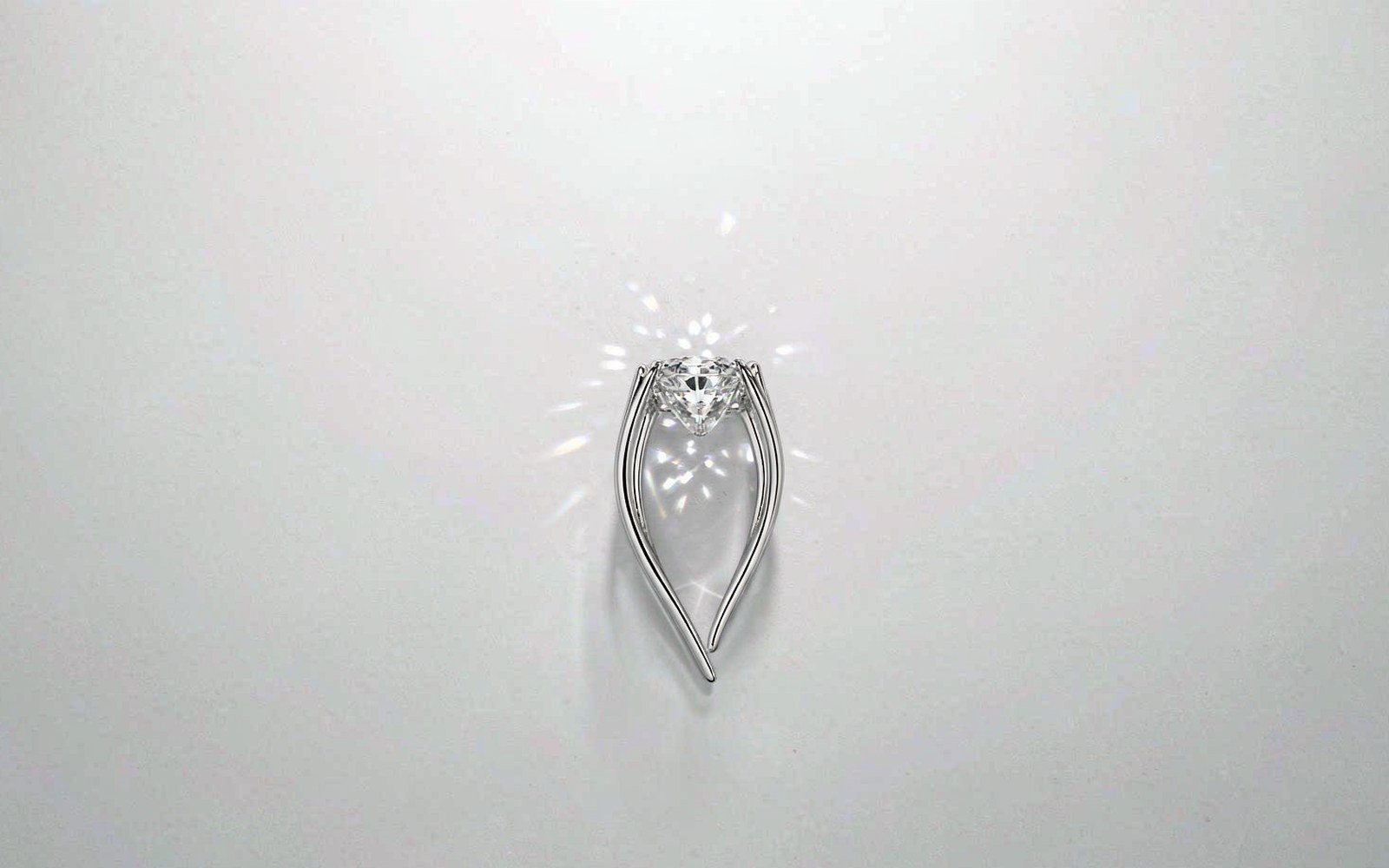
If your engagement ring has a raised center stone or a low setting, a straight band will leave a gap or pinch your skin. A curved band is shaped to dip around the center stone so the two pieces sit flush. Chevron or V-shape bands create a crown effect above or below the center, especially flattering on pear, marquise, or kite cuts. Ring jackets place a band on each side of your engagement ring for a symmetrical, protected look. Ask your seller to contour the wedding band to your specific engagement ring shank so it does not rock or wear unevenly.
Should you mix metals, and how do you do it without clashing?
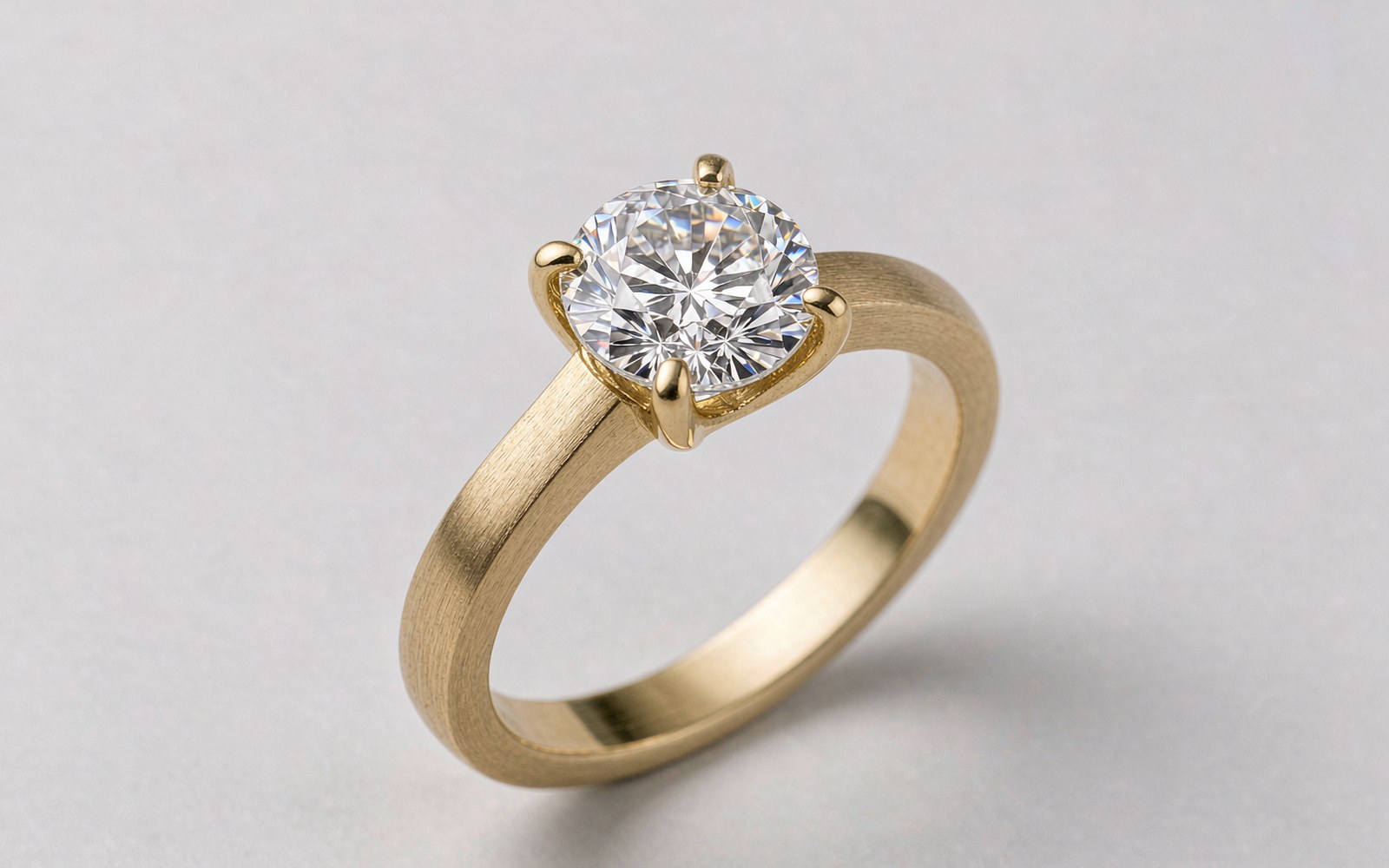
Mixed metal rings are one of the strongest styling moves of the year. The safe formula is to repeat at least one metal elsewhere in the stack and keep one dominant tone with one supporting tone. A yellow gold solitaire beside a white metal sparkle band creates dimension without chaos. Warm and cool tones can coexist if the gemstone color stays compatible. If you are unsure, start with one mixed pair and live with it for a week before adding more.
How do you keep a stack comfortable for daily wear?
Comfort is where stacks succeed or fail. Wide bands need a slightly larger size than slim bands on the same finger, so confirm sizing for the combined width you plan to wear. Bands with heavy stone setting on the inside can rub, so check the interior finish. Remove stacked rings together rather than stretching them apart, and inspect the settings periodically. A bridal ring stack is worn every day, so small discomforts compound faster than they would on a single occasional ring.
What should you confirm with your seller before ordering a stack?
Before you place an order, confirm these eight points so the stack arrives the way you picture it. First, applicability: confirm the curved or contoured band is made for your exact engagement ring model, not a generic shape. Second, production timeline: ask your seller for the made-to-order window in writing and confirm it fits your date. Third, minimum order details: if you are ordering a custom set, confirm the smallest configuration they will produce and whether bands are sold separately. Fourth, samples or lookbook: request a photo of the actual stack on a hand, or a rendered mockup, before committing. Fifth, failure conditions: ask what happens if the bands do not nest flush or the sizes differ, and get the remedy in writing. Sixth, testing the fit: use a printed sizer or a local jeweler measurement, and confirm the size for the combined band width you intend to wear. Seventh, specs to confirm: put the metal, stone shape, band width, and finish in writing so the delivered pieces match the agreed design. Eighth, inspection and after-sales: confirm how returns, resizing, and setting repairs are handled, and keep the written policy with your order.
Can a moissanite stack be resized later if my size changes?
Most plain and lightly set moissanite bands can be resized by a competent jeweler much like any other ring, because the stone tolerates the heat of resizing without damage. The exception is a full eternity band or a heavily stone-set band, where resizing is limited or impossible because stones sit all the way around. That is why getting the size right before ordering matters more for a stack than for a single ring. Ask whether each band in your planned stack can be resized before you buy.
Does certification matter for a stack, and what does it actually tell you?
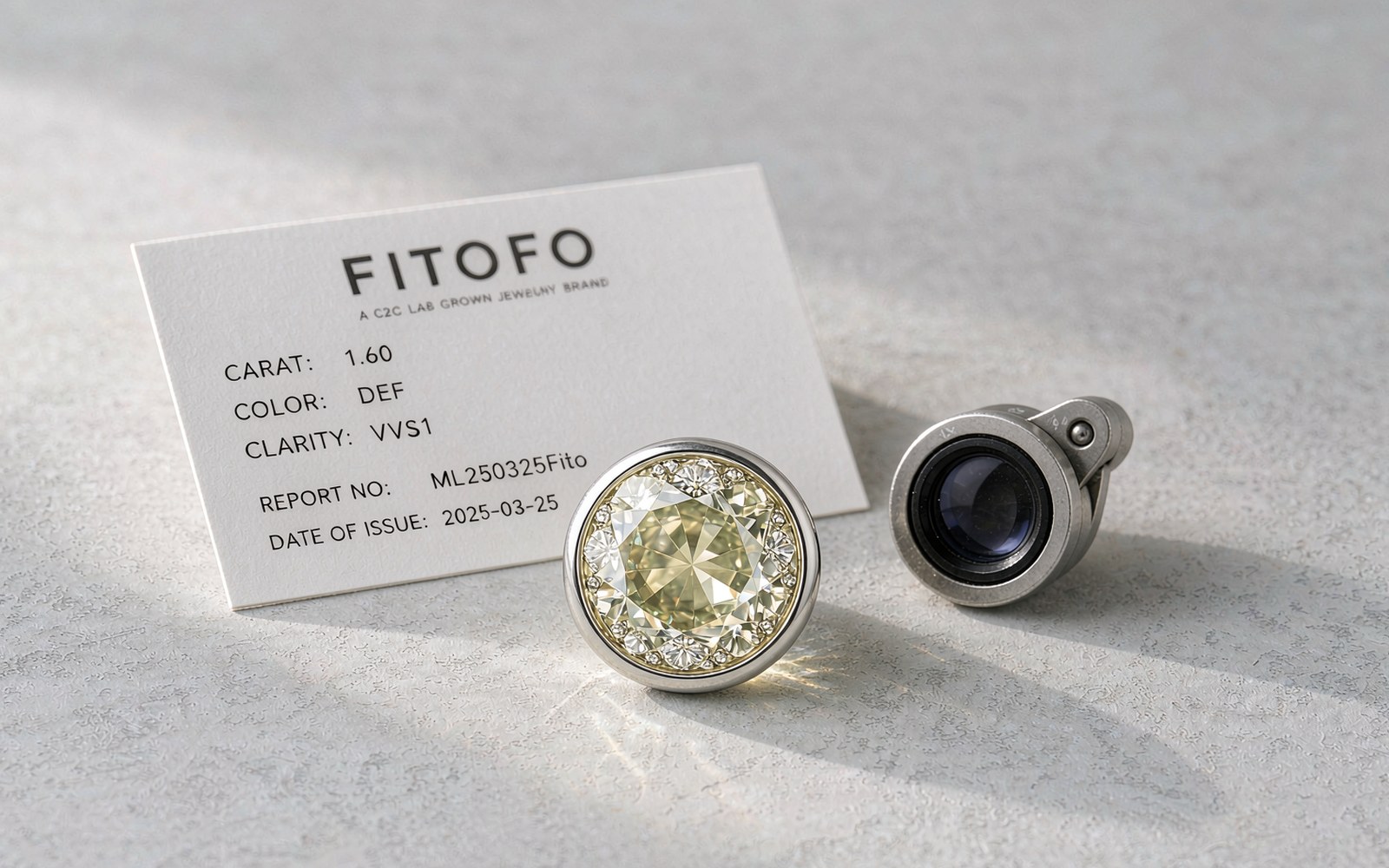
Ask whether certification or a grading report is available for the individual stones in your stack. A certificate confirms the material and optical grade you receive, but it does not certify long-term durability, and it does not promise future resale value. Treat documentation as a way to verify what you are buying, not as proof of how the piece will perform years from now. If paperwork matters to you, request it in writing before ordering and keep it with your purchase record.
Where should you start if you are building your first stack?
Start with one focal ring you already love, add a single slim band, and wear that combination for a while. You can explore more on our ring collection at /en/rings/ or read what moissanite is and how it behaves at /en/what-is-moissanite/ . When you are ready to plan a custom set, our team can help you match metals and contours, and you can reach us through /en/contact/ . Common questions about sizing, returns, and care are answered in our /en/faq/ .
The bottom line: a great moissanite stack is built on one focal piece, a repeated metal or motif, and bands contoured to nest, with the size, metal, and after-sales terms confirmed in writing before you order. Start small, wear it daily, then grow the stack as your story does.