· Sobre a moissanita
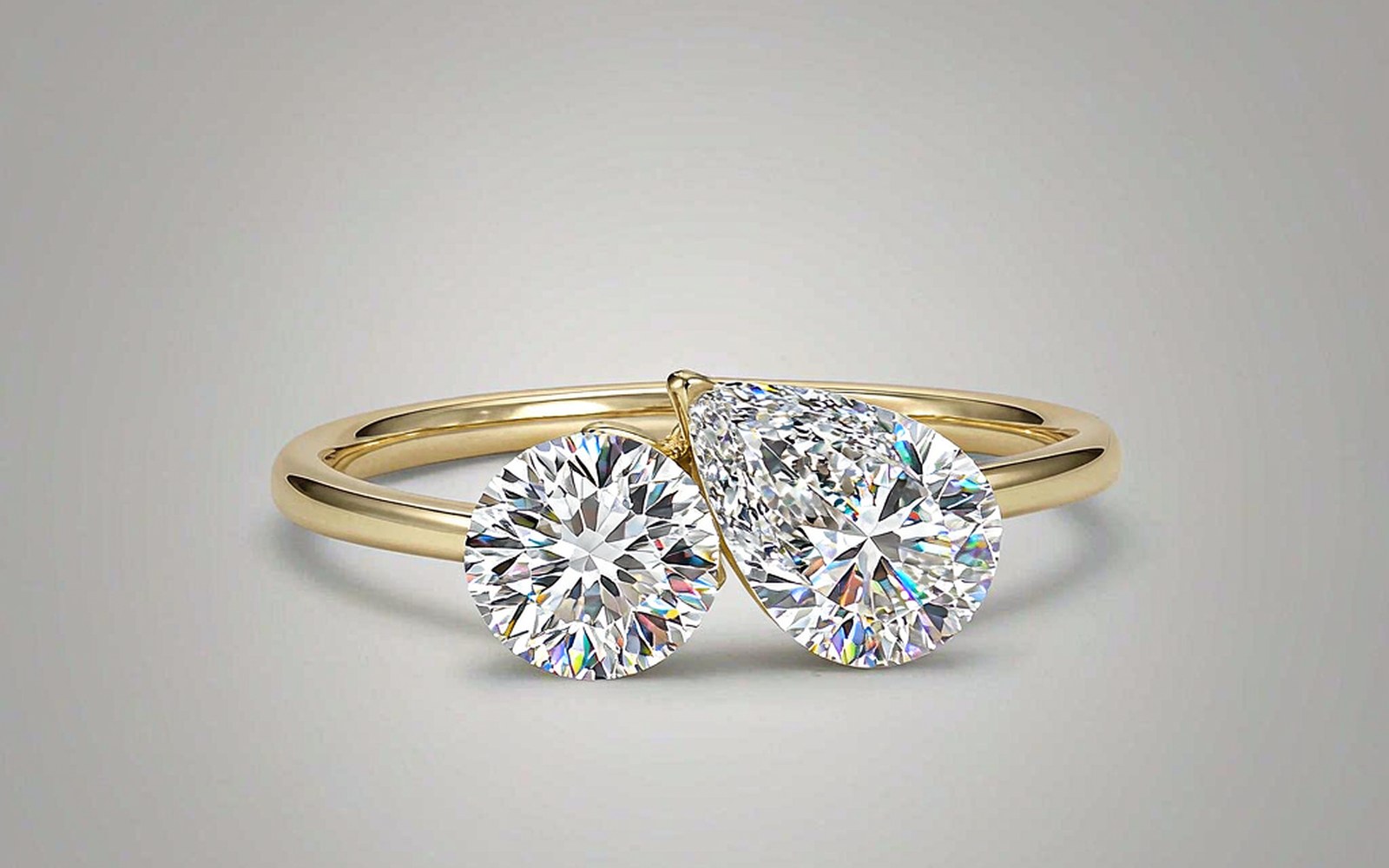
A toi et moi moissanite ring has become one of the standout engagement and statement styles of 2026. The name is French for 'you and me,' and the design places two stones side by side to represent two lives meeting. This guide explains what the style means, how to pair two stones so they flatter each other, which settings keep both secure for everyday wear, and what to confirm in writing before you place an order. New to the stone? See our what is moissanite overview first.
What is a toi et moi moissanite ring?
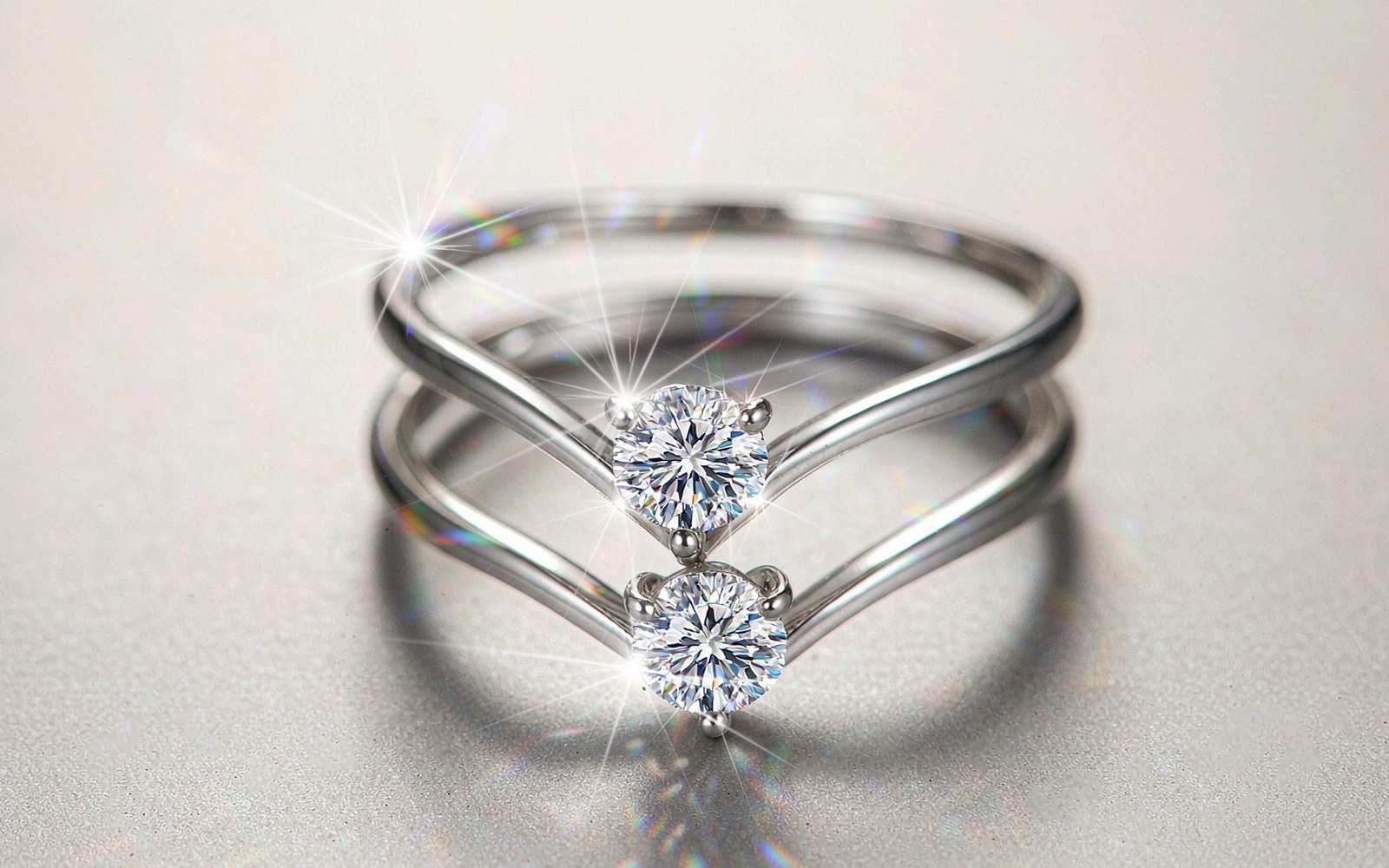
A toi et moi ring sets two stones next to each other, usually on a shared band, rather than stacking one above the others. The two stones are meant to read as a pair, a visual 'you and me.' The meaning is symbolic, not a statement about how the stones perform or hold value. You can choose two identical stones or two different ones; either way it is the pairing that makes the design feel personal.
Why is the two-stone style trending in 2026?
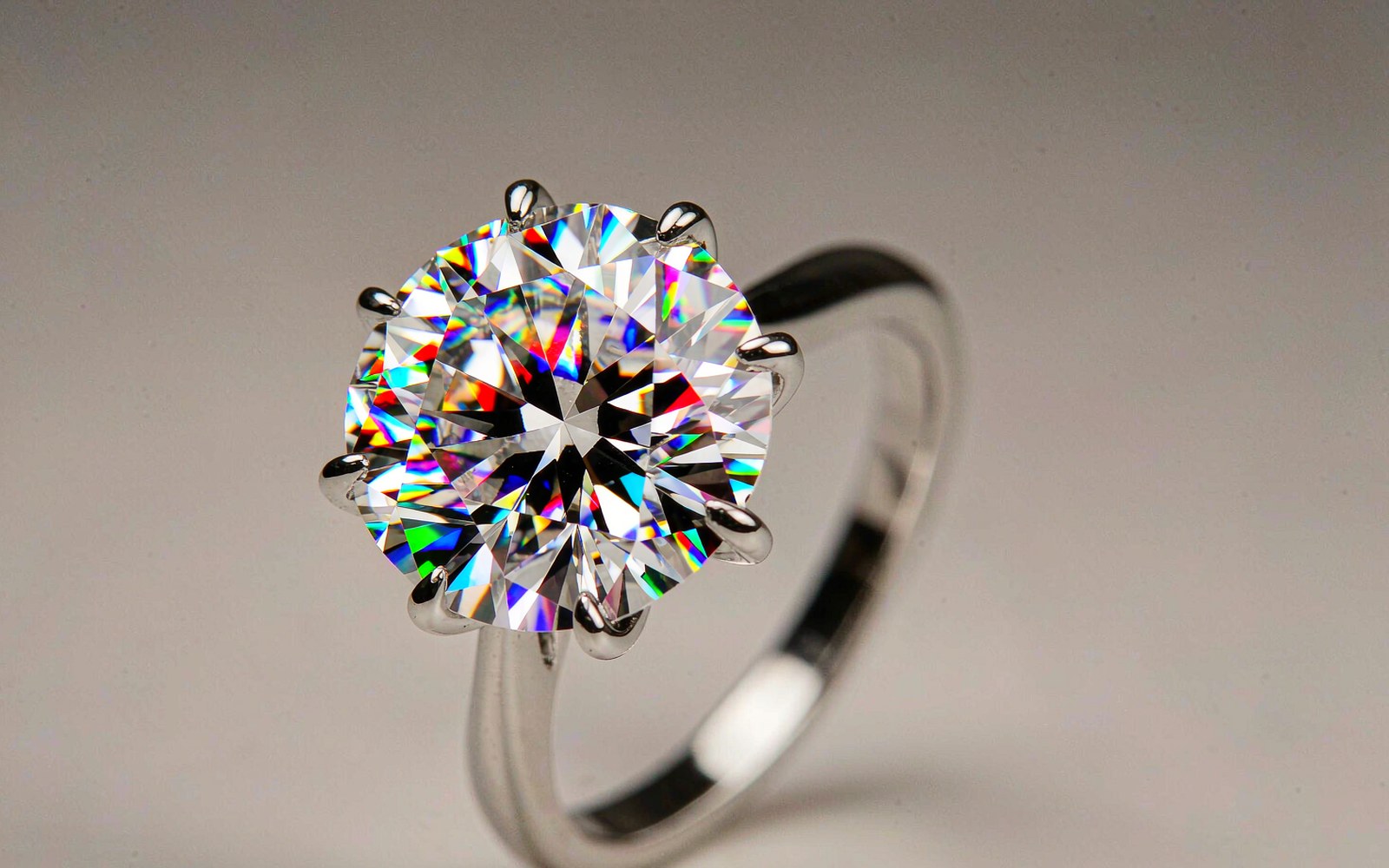
The two-stone look is having a strong cultural moment across style markets from London to Toronto, driven by couples who want a ring that tells a story rather than following a single traditional shape. Social feeds are full of two-stone designs because the asymmetry photographs well and feels less expected than a classic solitaire. For moissanite buyers, the style also shows off the stone's fire on two fronts, which is part of why it is showing up more in search and in real proposals this year.
Should I choose two matching or two contrasting stones?
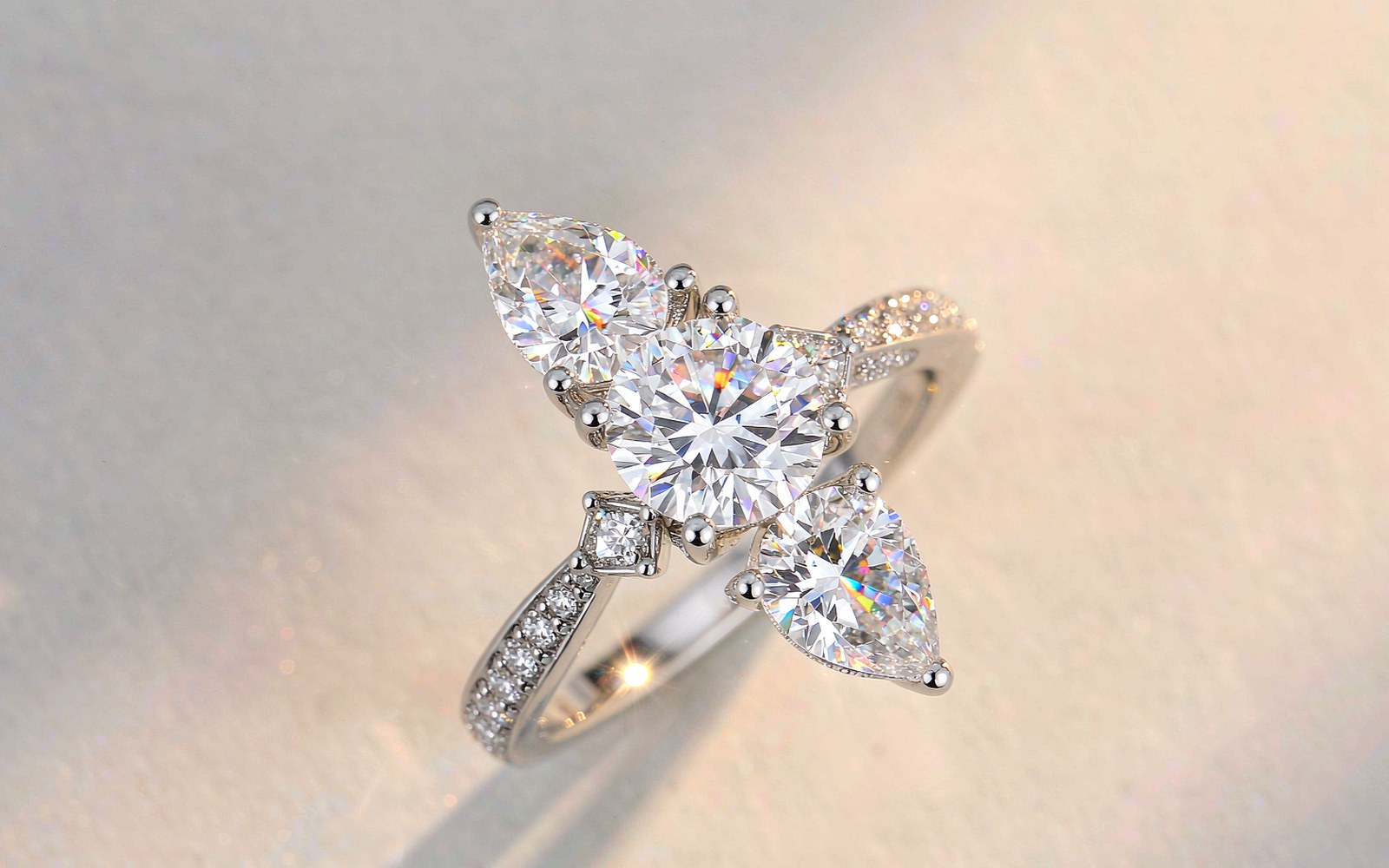
This is the first real decision, and both choices are valid. Two matching stones, such as two rounds or two ovals, give a calm, balanced, timeless look. Two contrasting stones, such as a round next to a pear or a clear stone next to a warm-tone one, make the 'two people, two stories' idea literal and more expressive. If the wearer likes quiet jewelry, match the stones. If they like a piece with a point of view, contrast them. Either way, keep both stones in a similar size range so the ring reads as a pair, not a main stone with an afterthought.
How do I pick the two cuts that work together?
Some cut pairings feel natural because their outlines complement rather than fight. An oval beside a round is a safe, elegant start. A round beside a pear creates a soft point that elongates the finger. A cushion beside a marquise adds vintage character. Avoid pairing two cuts that are both wide and busy, which can make the ring look crowded. For color, most buyers choose a bright, near-colorless appearance that stays clear in daily light for at least one stone, then let the second stone echo or intentionally contrast that tone.
Which setting keeps a two-stone ring secure for daily wear?
Security matters more here than with a solitaire because you have two stones to hold, not one. A secure setting for daily wear protects both stones while still letting light reach them. Sturdy prongs are the most common and let the most light in, but ask for prongs that are not overly thin. A bezel or half-bezel wraps the girdle with a metal rim, which shields the edges and suits active wearers. A low-profile build sits closer to the finger and snags less. For a two-stone ring worn every day, match the setting to the wearer's routine and confirm the prongs are sized for the specific stones you chose.
Does metal color change how the two stones read?
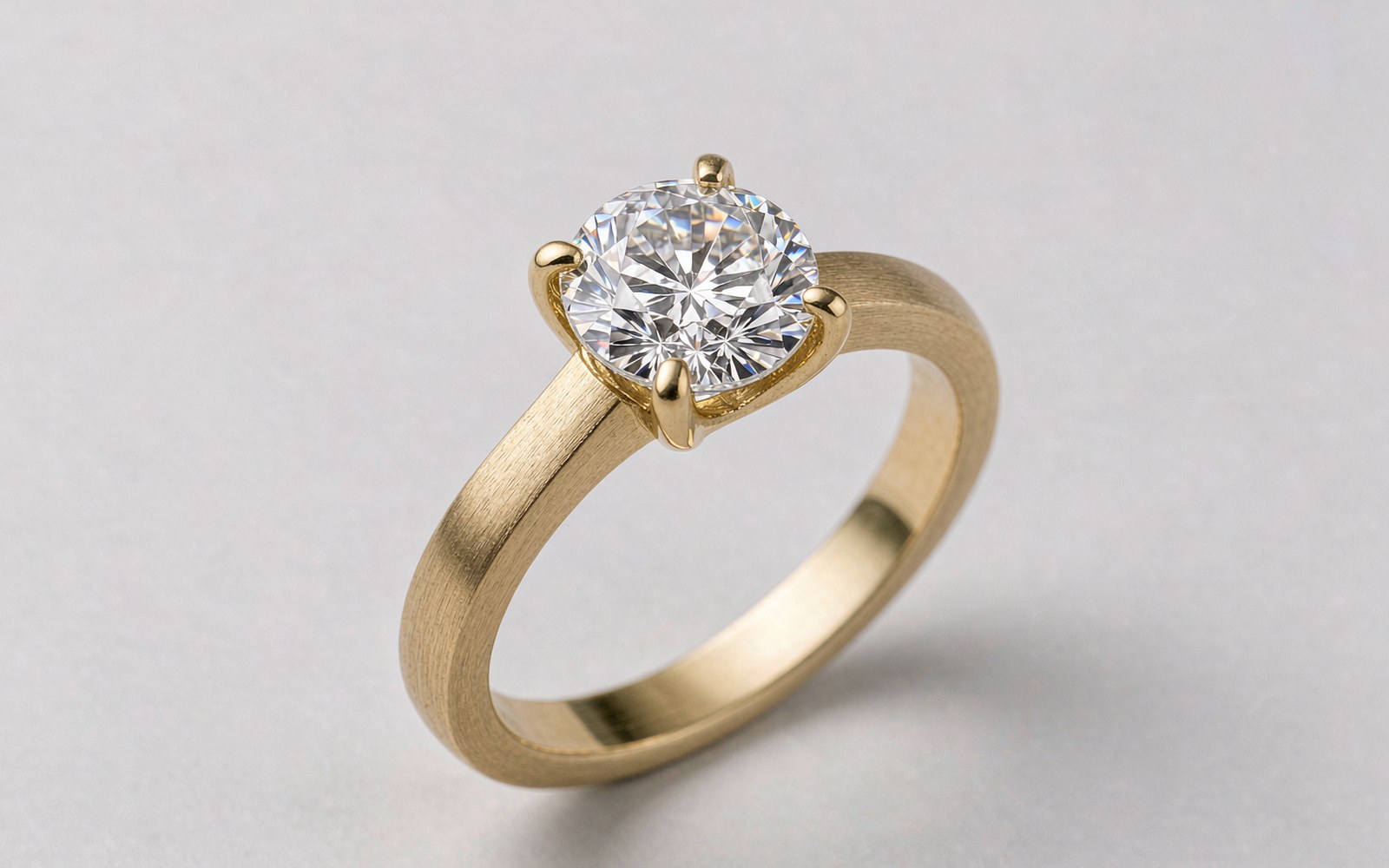
Yes, and it is a chance to reinforce the pairing. Yellow gold warms the whole ring and amplifies the stone's fire, a leading 2026 choice. White gold or platinum give a cooler, neutral frame that lets the stones read bright and clear. Rose gold adds a romantic tone. If you pick two contrasting stones, a neutral metal such as white gold keeps both stones honest, while a warm metal makes a warm-tone stone glow. Choose the metal that matches the wearer's other jewelry for an easy everyday match.
How do I balance the two stones so neither looks off?
Visual balance beats any single measurement. Keep the two stones close in size so the eye reads them as equals, unless you deliberately want one to dominate as the 'you' and the other as the 'me.' Elongated shapes such as oval or pear can make a pair feel larger than the total weight suggests. Because appearance depends on finger size and cut, request a written spec and, where possible, a rendered preview before you commit. A balanced pair looks intentional; a mismatched pair looks accidental, so preview it first.
What are the common mistakes that make a toi et moi ring look unbalanced?
A few choices throw the design off. Two stones that differ too much in size read as a main stone plus a side accent, which defeats the concept. Pairing two busy cuts can look crowded rather than curated. Prongs that are too thin risk loosening one of the two stones over time. A high setting chosen for a design that needs to sit low can make the ring catch on clothing. The fix is to decide the pairing first, size the stones to support each other, and match the setting to how the ring will actually be worn.
How can I verify quality before I commit to an order?
Before paying in full, request a written specification that lists each stone's cut, size in millimeters, and its color appearance, plus the metal and setting type. Ask for a CAD or rendered preview so you can check symmetry and proportion side by side. Where a sample or preview appointment is available, use it. Confirm that any grading report describes appearance only and does not certify durability or resale value. These steps turn a pretty picture into a confirmed order.
What should a buyer confirmation checklist include before ordering?
1. Applicable scope: confirm the ring is for engagement, a milestone gift, or everyday statement wear, and that a two-stone style fits the wearer's taste versus a simpler solitaire or three-stone design.
2. Lead time: ask the seller for the production and shipping window in writing; do not assume a fixed calendar because each piece is made to spec.
3. Minimum order: if you are ordering more than one, confirm the minimum quantity and any step pricing in writing before checkout.
4. Sample or preview: request a CAD rendering, a sample, or an in-person look so you can verify proportion, pairing, and finish before full production.
5. Failure conditions: agree in writing what counts as a defect, such as a loose stone, misshapen prong, or mismatch to the approved preview.
6. Testing method: plan to check stone security, symmetry, and light return on arrival, and ask the seller how they inspect pieces before shipping.
7. Parameter explanation: make sure the quote defines cut, millimeter size, color appearance, metal purity, and setting type in plain language you can compare across sellers.
8. Inspection and after-sales: confirm in writing what cleaning, prong checks, and repair or resize support are offered after delivery, and keep the written terms.
Is a toi et moi ring a good engagement choice?
It is a strong engagement choice for couples who want symbolism that a single stone cannot carry. The two stones can represent the two partners, two chapters, or two families, which makes the proposal feel personal. The trade-off is that it is a bolder look than a solitaire and slightly more to maintain because there are two stones to keep secure. If the wearer loves meaning plus visible sparkle, it delivers both. If they prefer quiet and timeless, a solitaire may serve better. You can compare options in our moissanite rings guide.
In short, a toi et moi moissanite ring places two stones side by side to tell a 'you and me' story, and the key buying decisions are choosing whether to match or contrast the stones, pairing cuts that flatter each other, picking a secure setting for daily wear, and confirming cut, size, metal, and after-sales terms in writing before you order.