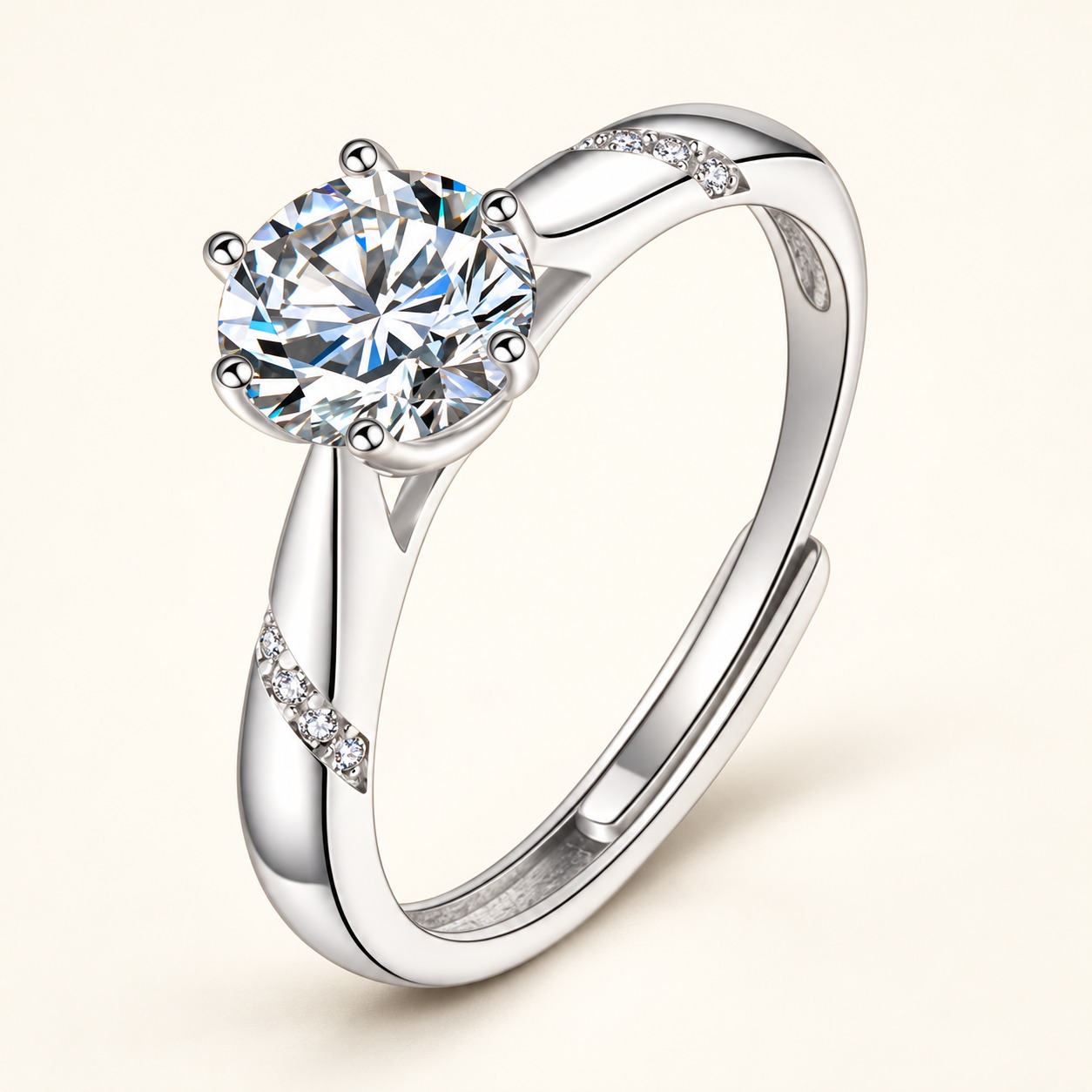
· Sobre a moissanita
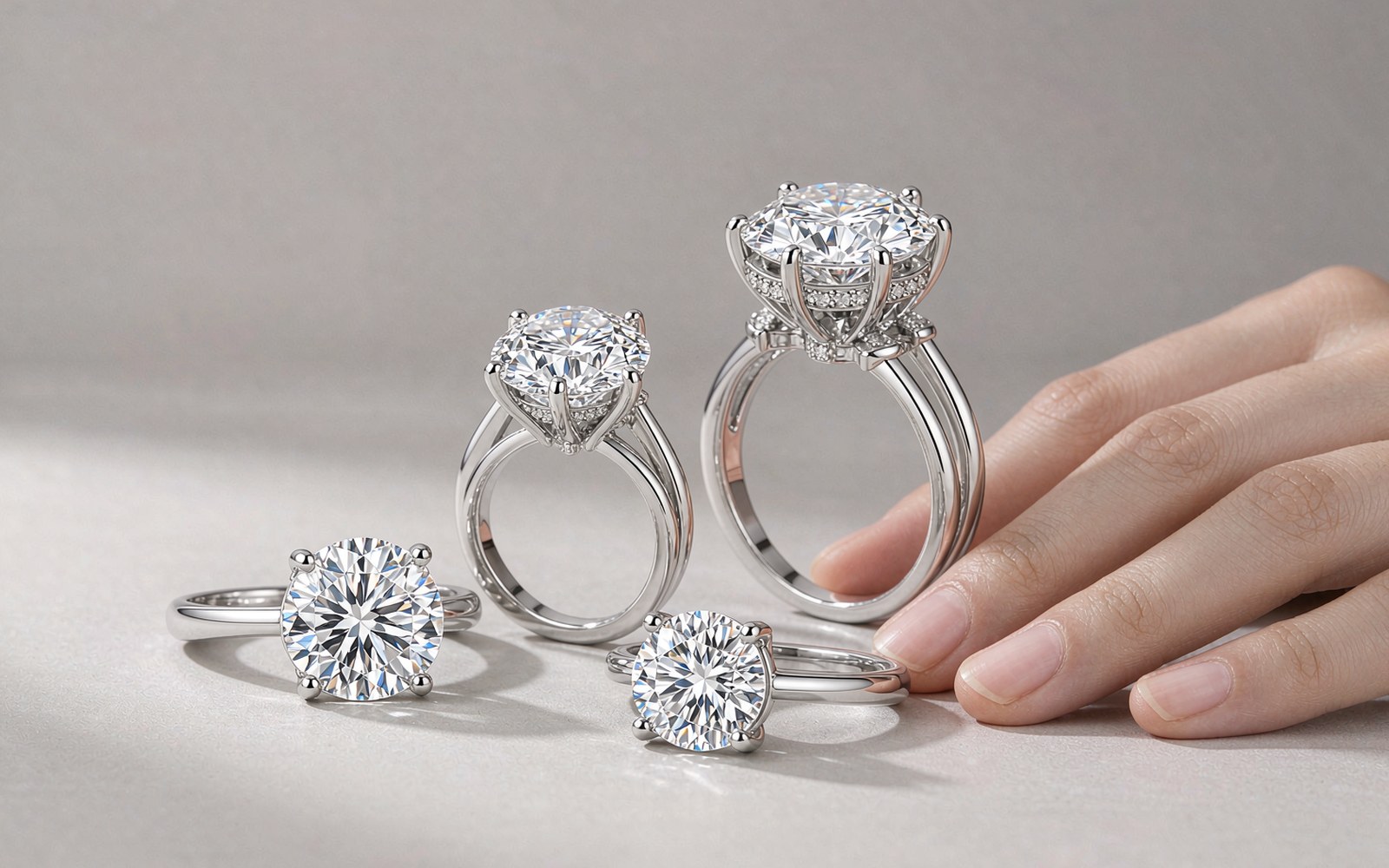
Choosing a moissanite carat size is the decision most first-time buyers overthink. This guide gives you a practical framework to pick a stone that looks right on your hand, fits your lifestyle, and matches your budget, without guessing from a product photo.
What does carat actually measure in moissanite?
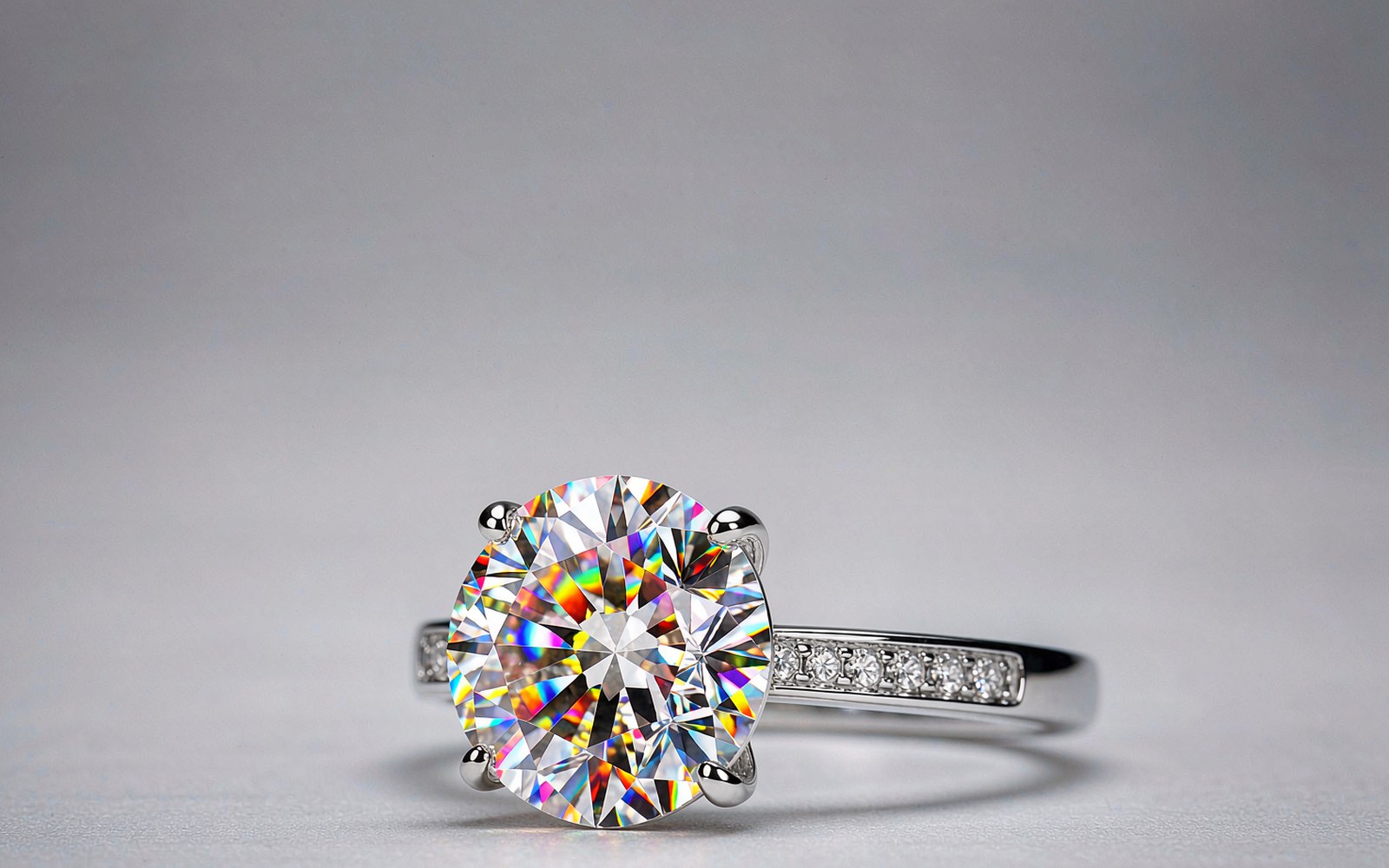
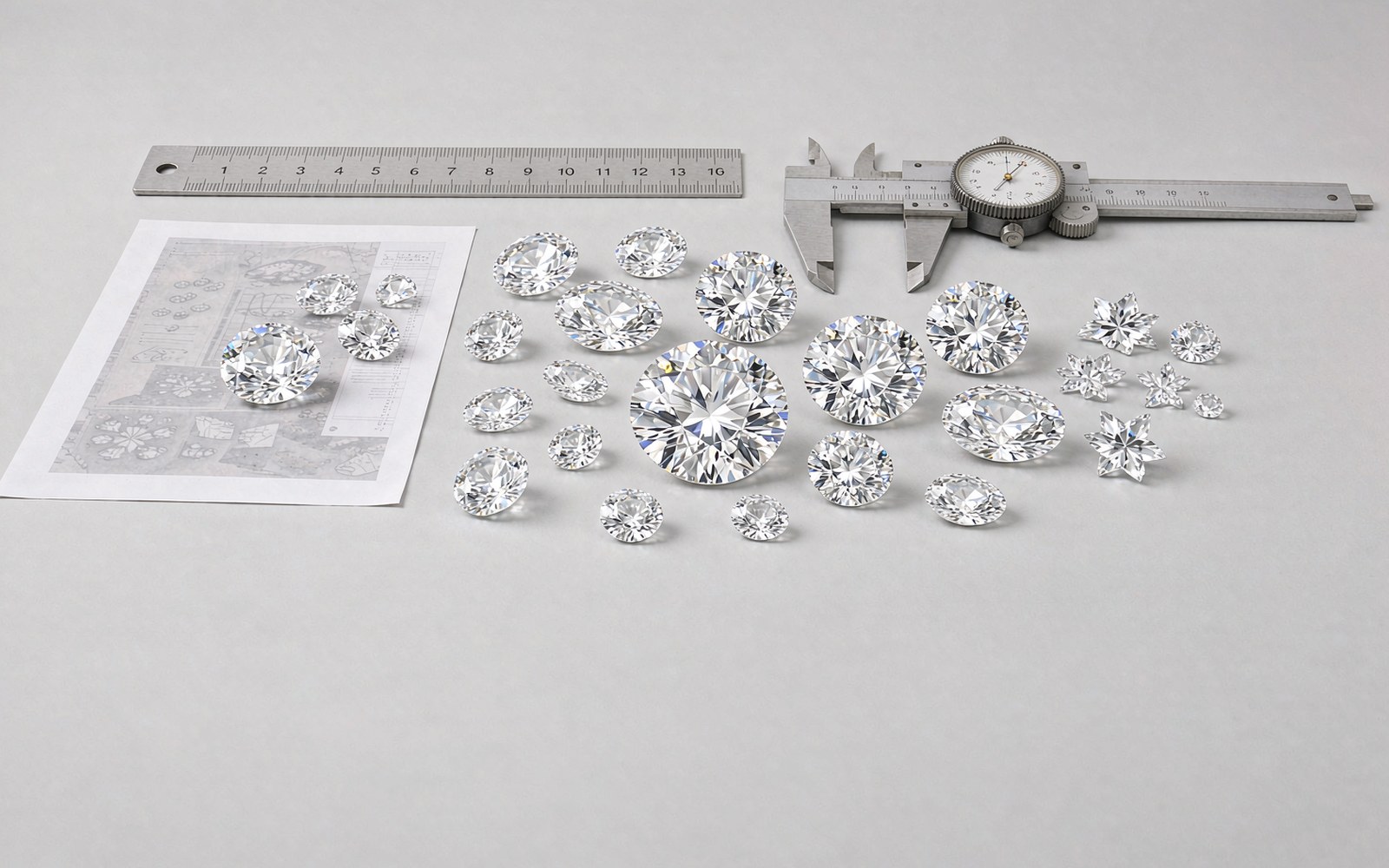
Carat is a unit of weight, not size. One carat equals 0.2 grams. Two stones with the same carat weight can look very different in size because cut and shape move the weight around. An oval and a round brilliant at the same carat will not cover the same area on the finger. What actually drives appearance is the stone's millimeter diameter, the measurement across the top of the stone as you look at it. When you compare stones, ask for the diameter in millimeters, not just the carat number.
How do I choose a moissanite carat size for my hand?
Hand size changes how any stone reads. The reference figures below are typical for round brilliant cuts and should be treated as a starting point. Confirm the exact diameter with the seller before you commit.
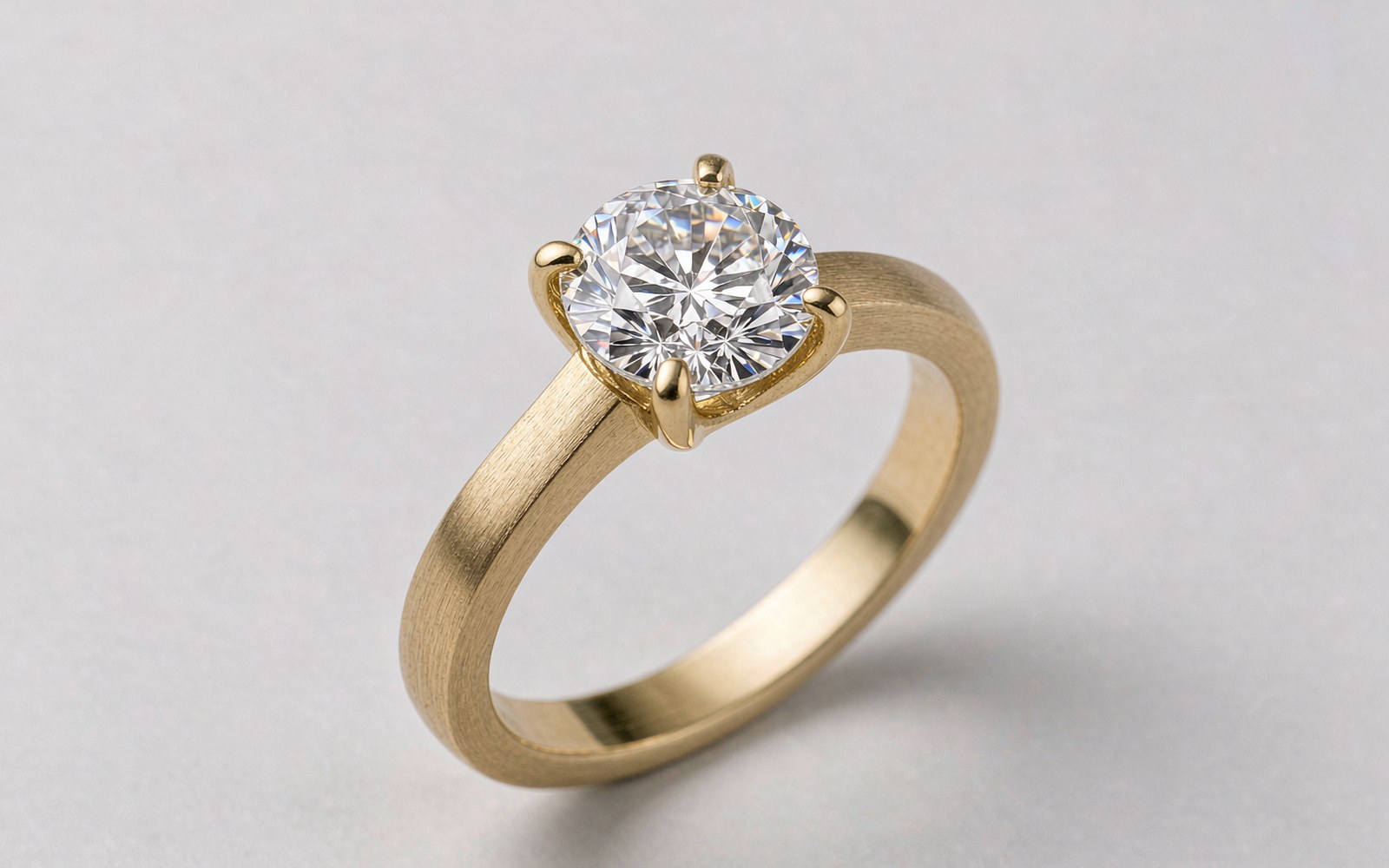
- 0.5 ct: about 5.0 mm. Delicate and minimal. Suits small hands and slim bands. - 0.75 ct: about 5.8 mm. Noticeable but understated. - 1.0 ct: about 6.5 mm. The classic everyday size. - 1.5 ct: about 7.4 mm. Present without being a statement. - 2.0 ct: about 8.1 mm. Substantial and striking. - 2.5 ct: about 8.8 mm. Large. Best on medium to large hands. - 3.0 ct: about 9.4 mm. Maximum impact for longer fingers.
On a smaller hand (US 4 to 5) a 1.5 ct stone reads larger and more dramatic. On a larger hand (US 8 plus) the same stone can look smaller, so a 2.0 to 2.5 ct may be needed for equal presence. If you know the wearer's ring size, use it to calibrate the choice rather than picking a carat blindly.
Does moissanite look larger than a diamond of the same carat?
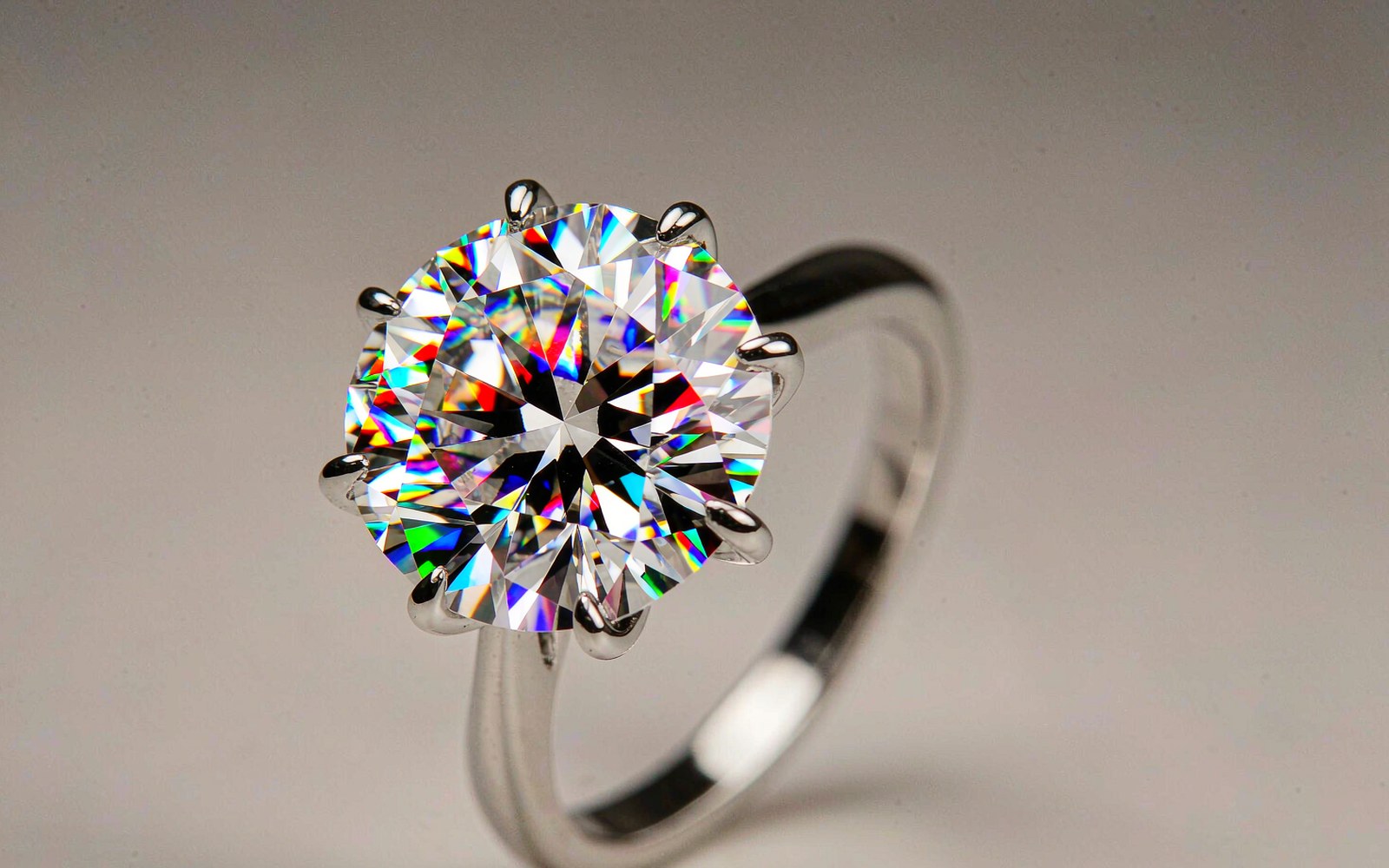
Moissanite is slightly less dense than diamond, so a moissanite and a diamond of the same carat weight are close in size, with moissanite often a touch larger at identical weight. More importantly, moissanite's brilliance draws the eye, which can make a stone feel more present than its carat suggests. The honest comparison is face-up diameter in millimeters, not the carat label. Ask for the measured diameter so you compare like for like.
Which moissanite shape makes the stone look biggest?
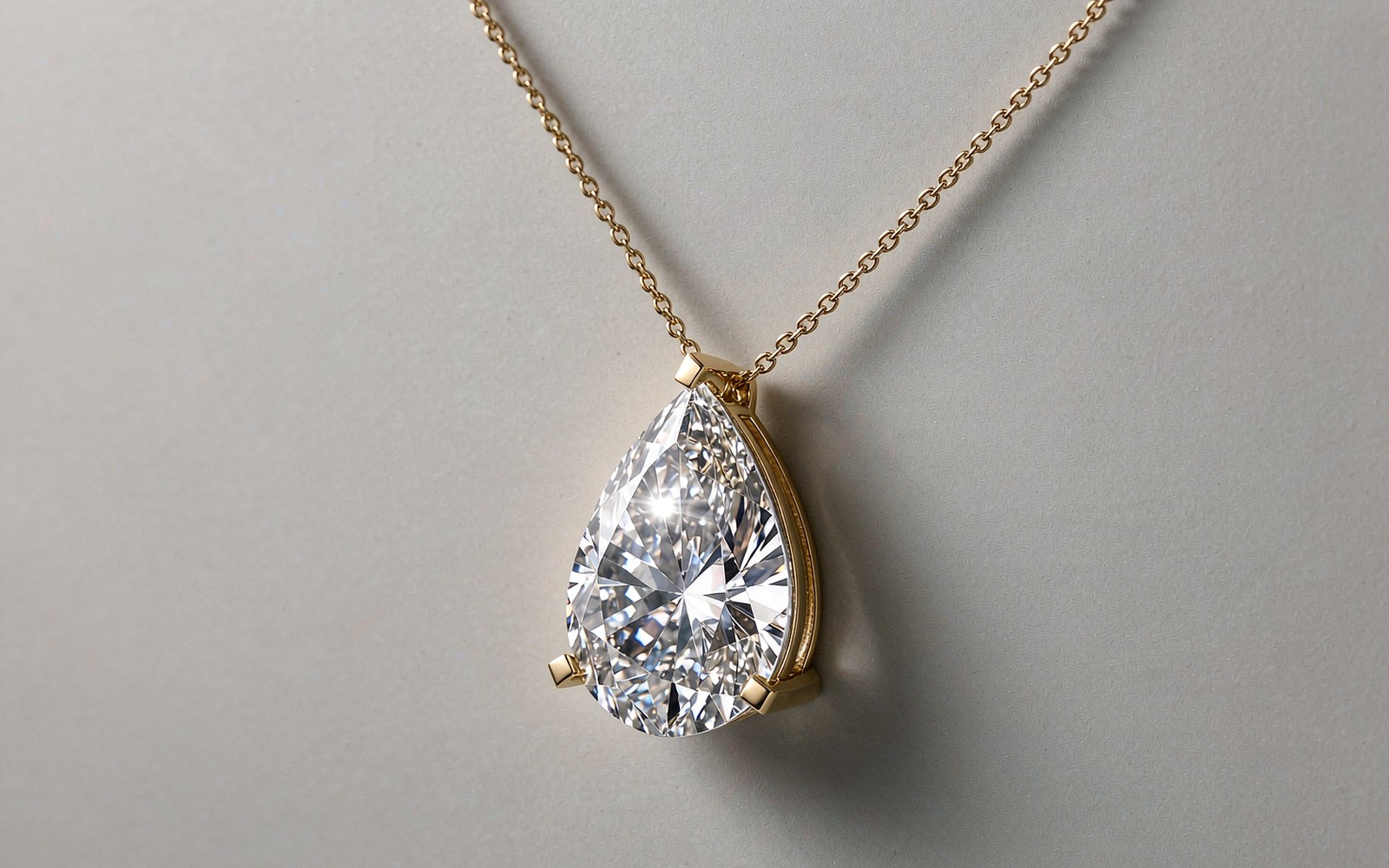
Elongated shapes stretch across the finger and read larger than a round stone of the same weight. An oval, pear, marquise, or emerald cut will visually cover more finger than a round brilliant at equal carat. A 1.5 ct oval can look close to a 2.0 ct round in many settings. If maximizing visual size within a budget is the goal, choose an elongated shape. Round and cushion cuts sit more compact and balanced. Compare worn-on-hand photos rather than close-up product shots, because face-up size is what you actually see day to day.
How does the setting change how large the stone appears?
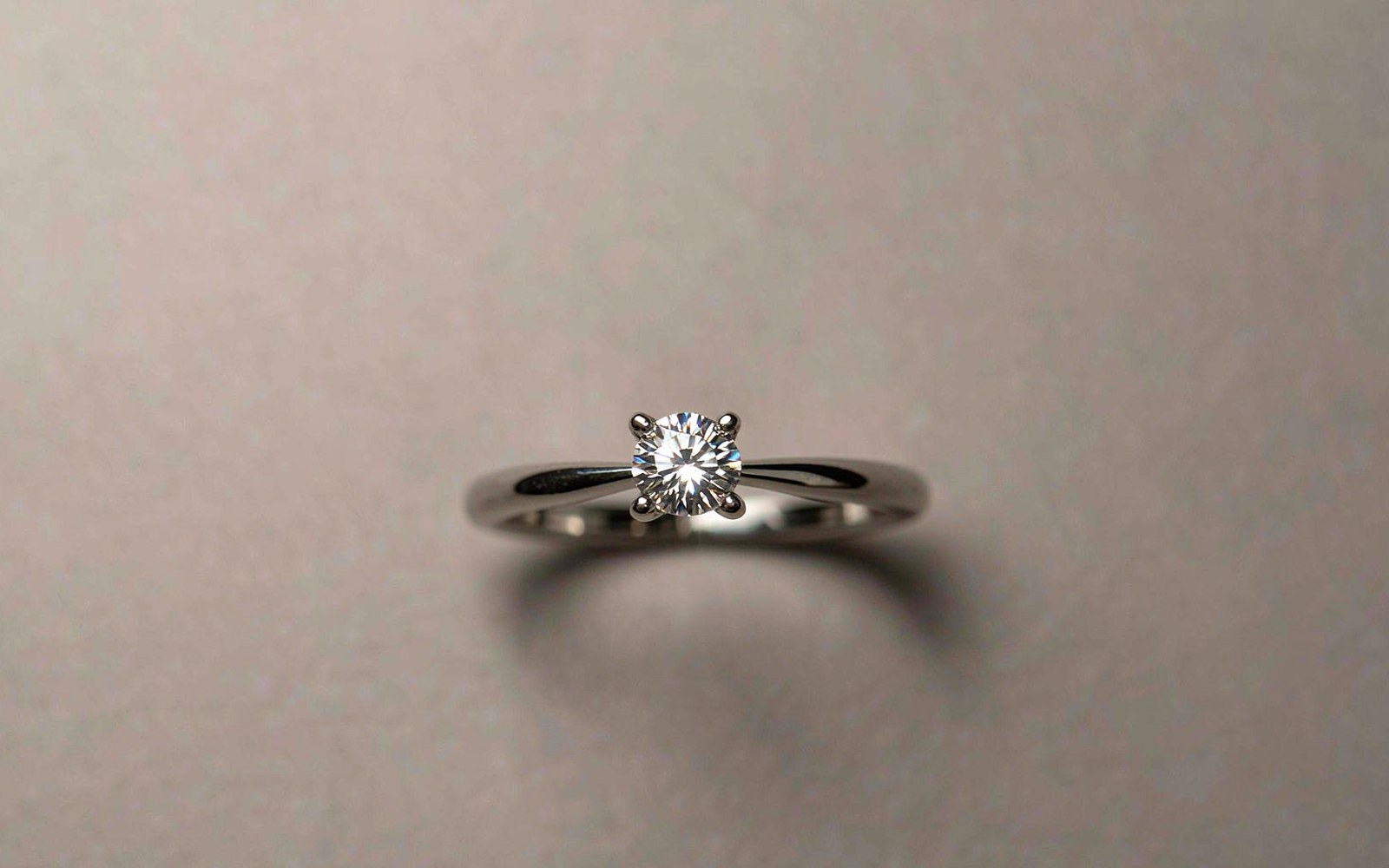
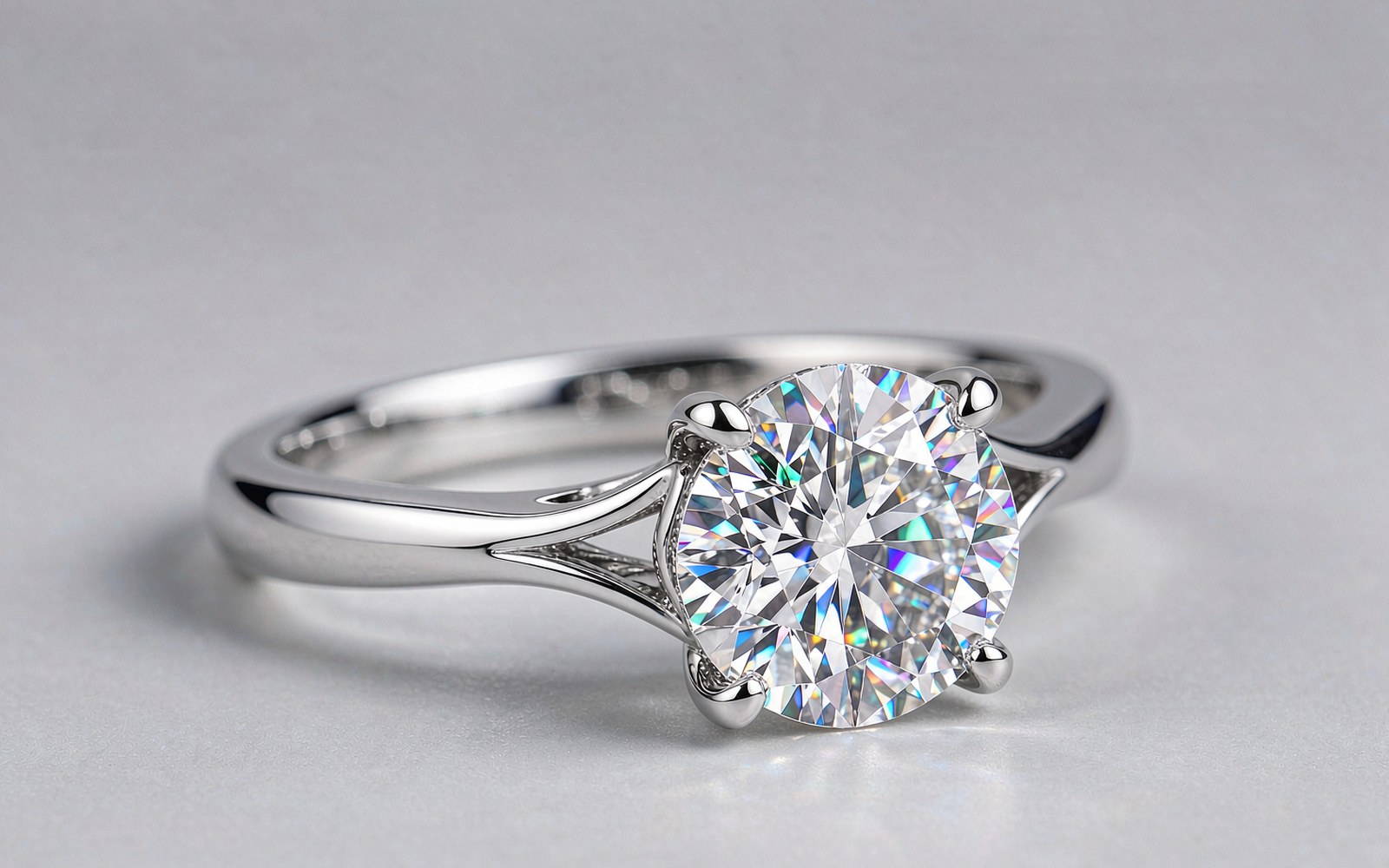
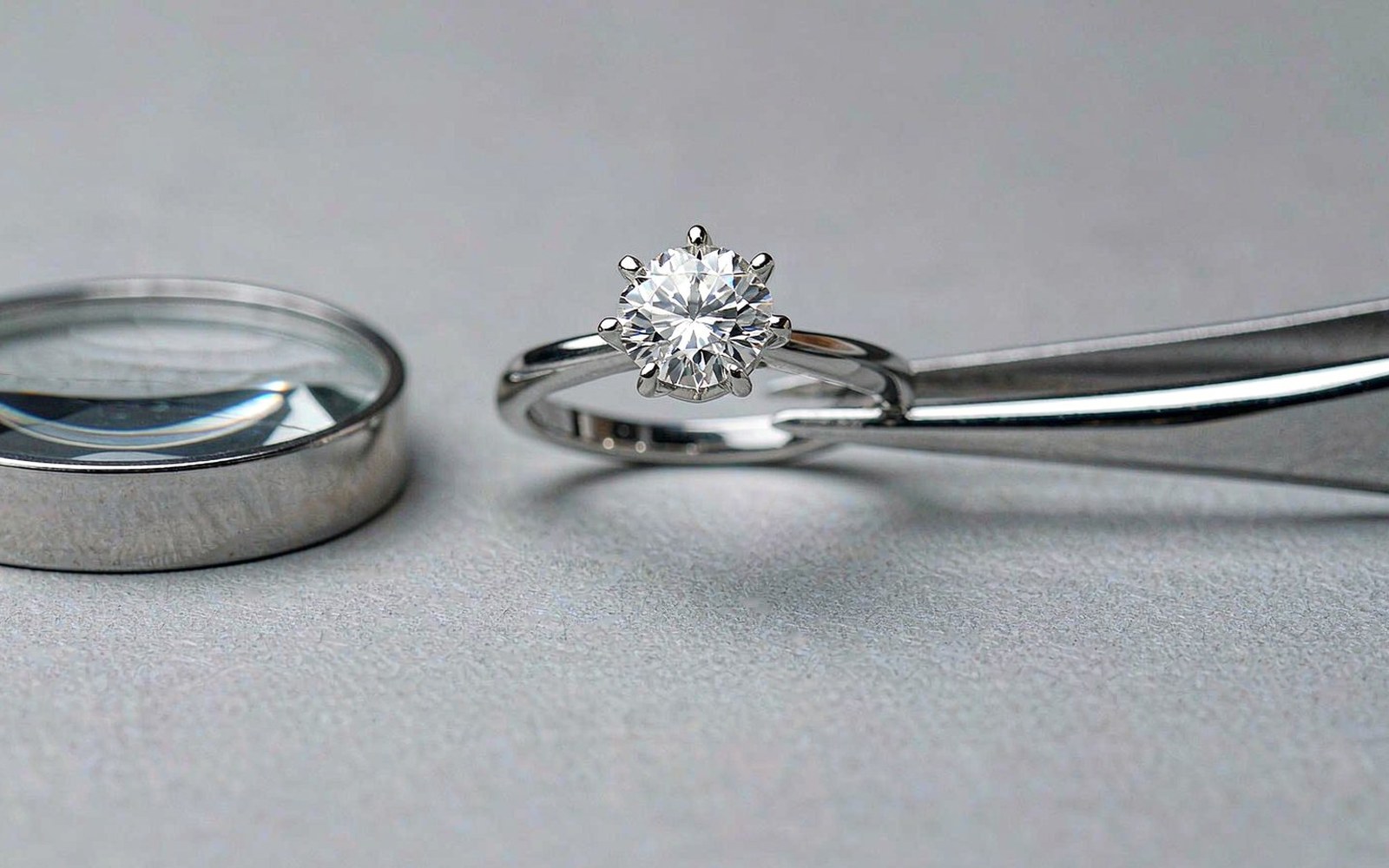
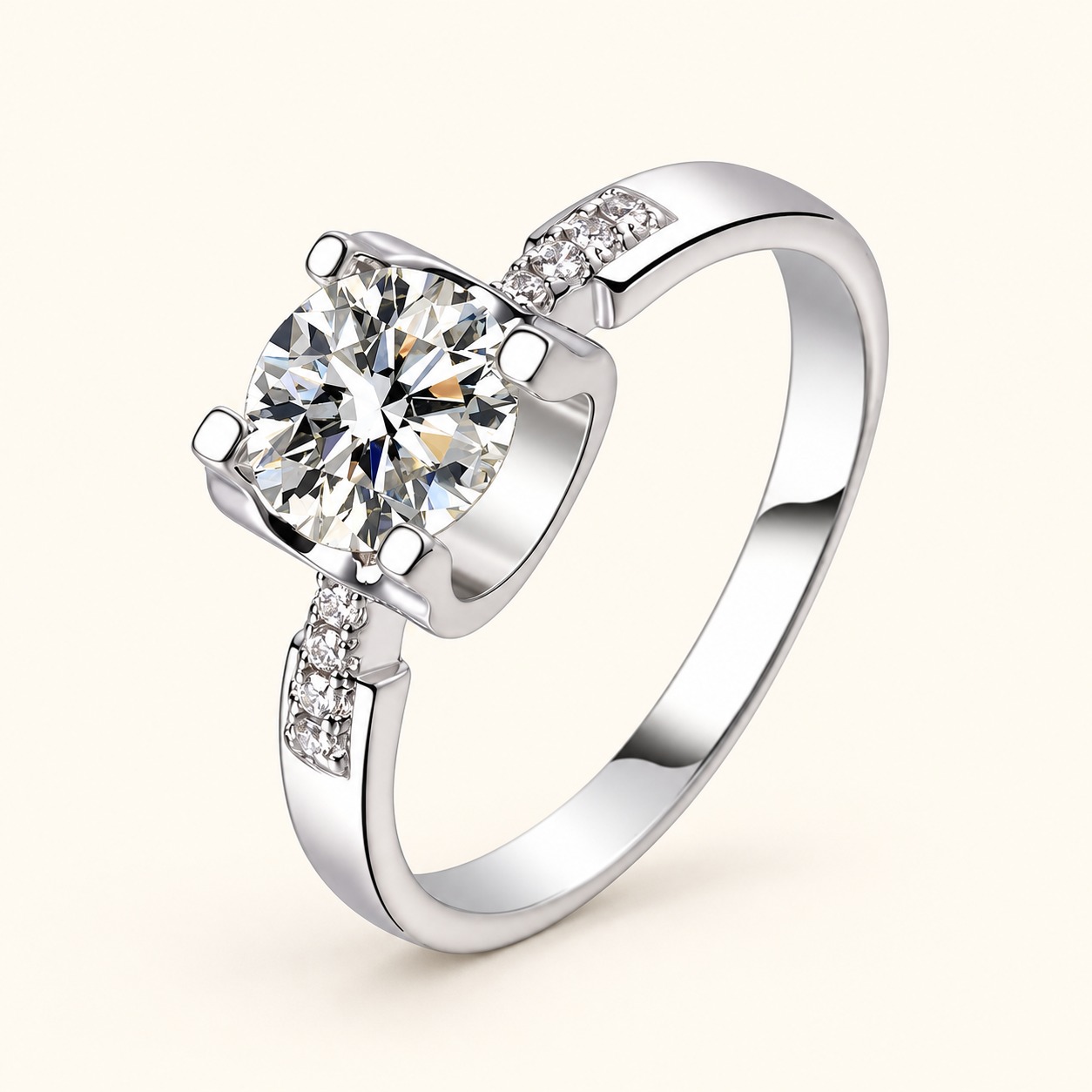
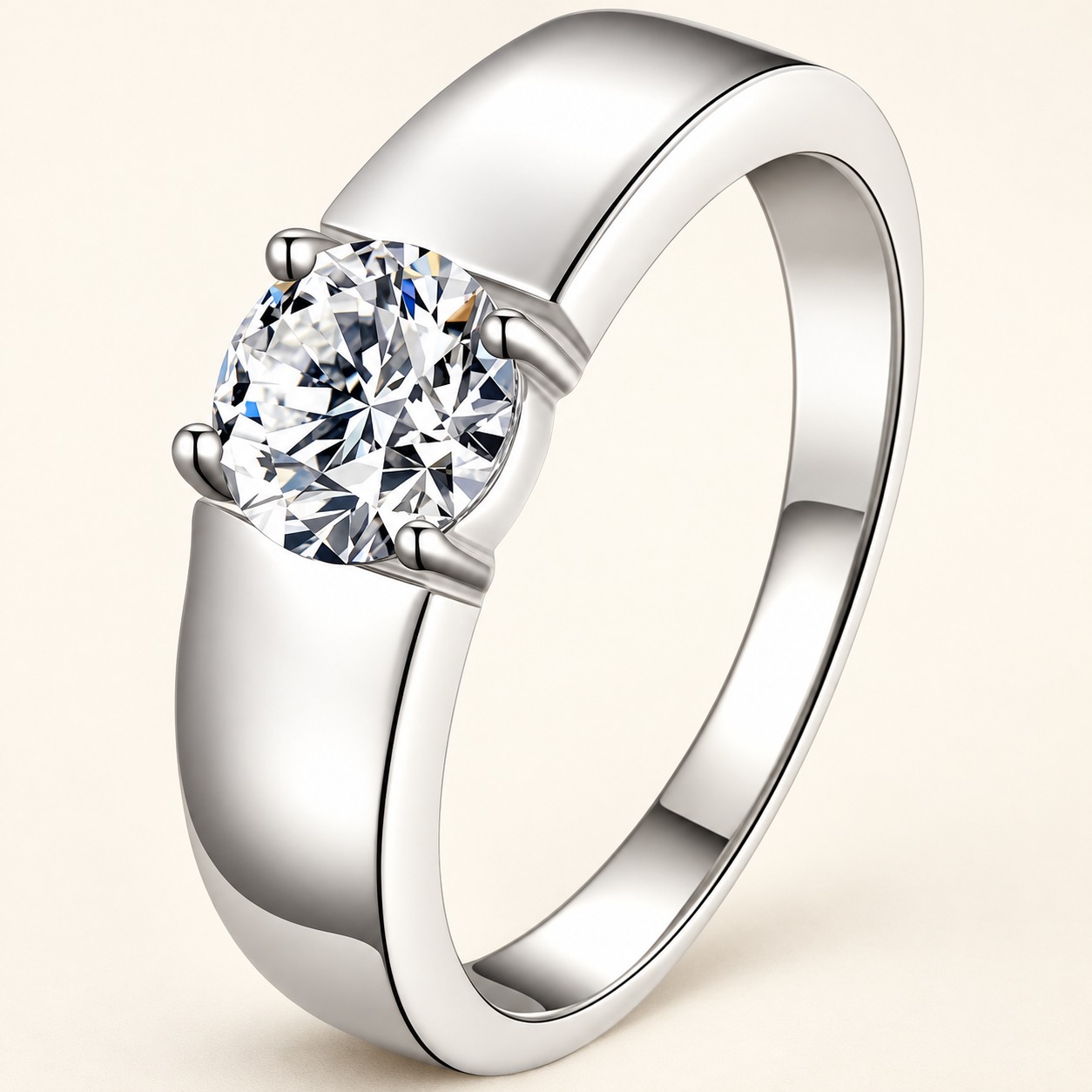
The setting changes perceived size without changing the stone. A halo of small accent stones can make a 1.0 ct center look close to 1.5 ct. A bezel covers the stone's edge and slightly reduces visible size. A high cathedral solitaire lifts the stone and increases its presence. A wider band can make a smaller stone look lost, while a slim band makes the center stone feel larger. Choose the setting to add presence only if it still suits the wearer's daily routine.
Should I size up or stay small for everyday wear?
For daily wear, comfort usually beats maximum size. A stone that is comfortable on the hand is the one that gets worn. Many buyers land between 1.0 and 1.5 ct for an everyday ring because it stays noticeable without getting in the way. If the ring is for occasional events, a 2.0 to 3.0 ct statement size works well. The right size is the one that looks and feels right on the hand, not the largest the budget allows. Try the size on, or compare worn photos, before deciding.
What is the difference between carat, millimeter, and DEW?
These three terms describe the same stone from different angles, and mixing them up is the most common sizing mistake.
- Carat is weight. It tells you how heavy the stone is, not how big it looks. - Millimeter (mm) is the face-up diameter. This is the number that predicts how the stone reads on the hand. - DEW, or diamond equivalent weight, is a comparison label some sellers use to say this moissanite looks like a diamond of this carat. It is a marketing reference, not a measurement.
When you order, ask for the millimeter diameter first. Use carat and DEW only as secondary context, and confirm which number the seller is actually quoting. Our moissanite explainer covers how these terms fit together.
How can I check a stone's real size before I order?
Do not judge size from a zoomed product photo. Three checks work better.
- Measure a ring that already fits the wearer and compare diameters. - Ask the seller for the exact millimeter measurement of the stone you are considering. - Look at worn-on-hand photos of the specific size and shape, ideally on a hand near your own size.
If a listing only gives carat and no diameter, treat the size as unconfirmed and request the measurement before you place an order.
When does a larger carat size become a poor choice?
A bigger stone is not always better. A very large center on a petite hand can look out of proportion and feel heavy for all-day wear. A low or wide setting on a large stone can catch on clothing and sit awkwardly next to a wedding band. Fingers also swell in heat and shrink in cold, so a stone that feels fine in winter may feel tight in summer. The size fails when it stops suiting the hand, the setting, or the daily routine, not when it stops impressing.
Which sizes work best for stackable and bridal sets?
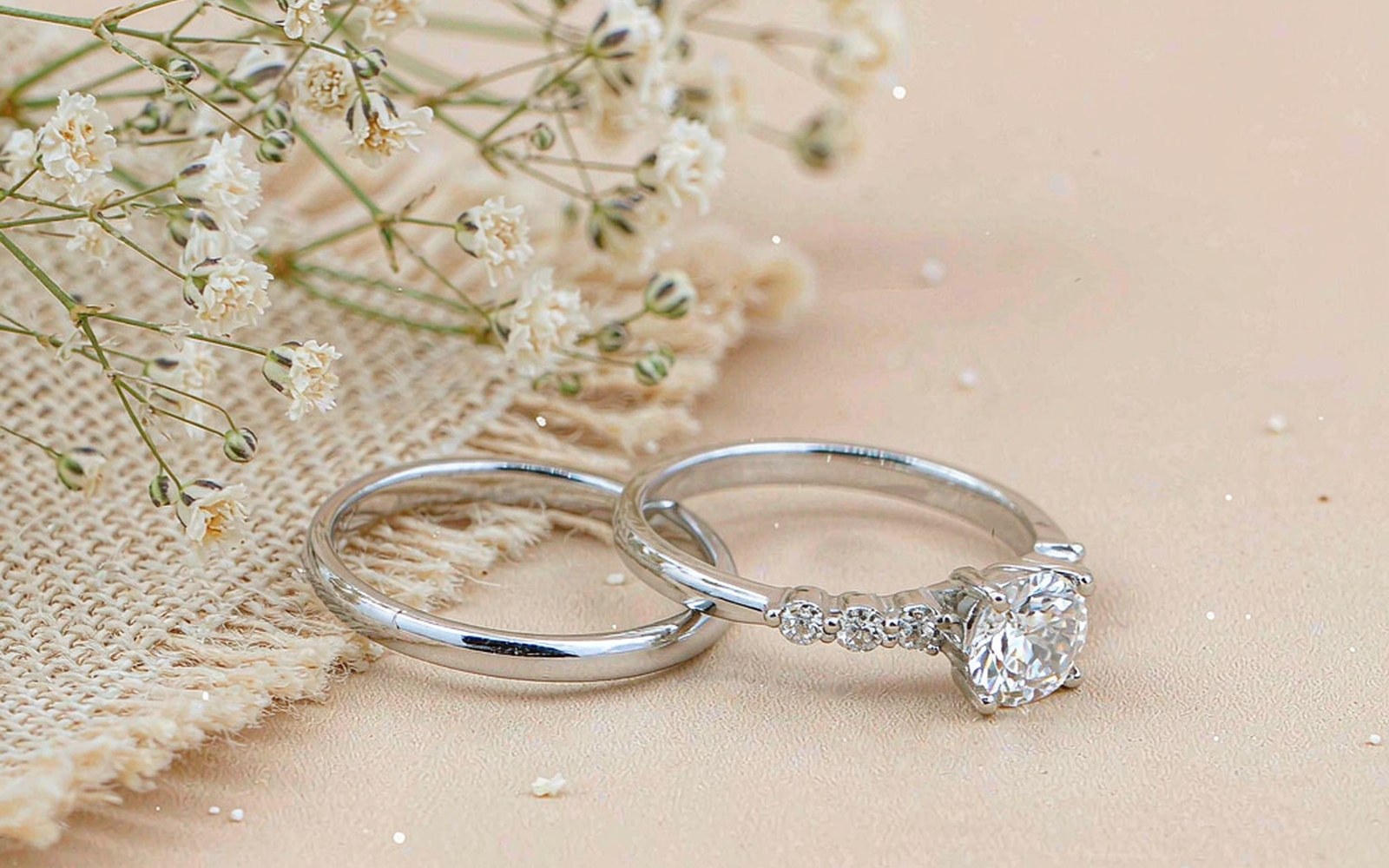
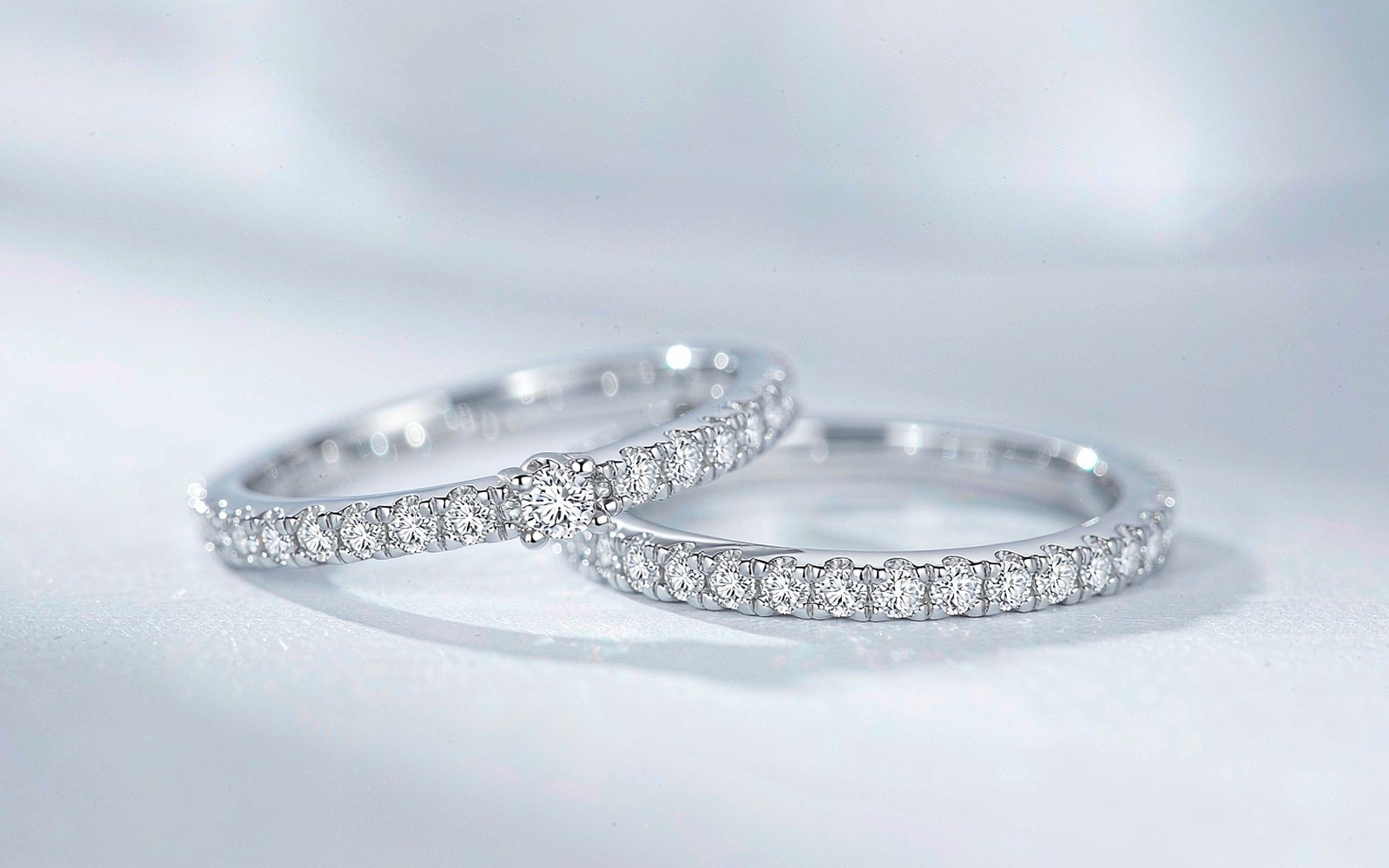
Stacking and bridal sets change the sizing math because two rings share the finger. A 1.0 to 1.5 ct center usually leaves room for a flush wedding band without crowding. For a curved or fitted band, match the band to the engagement ring's shape so there is no gap. If you plan to stack, keep the center stone moderate so the full stack stays comfortable. Coordinated sets are pre-matched to sit together, which removes the guesswork. See our ring guidance for more on how pieces work as a set.
What should I confirm with the seller before ordering?
This decision checklist turns size selection into a confirmed order. Use it with any seller.
- Applicable scope: confirm the guide fits your piece, whether an engagement ring, an everyday band, or a bridal set, since sizing logic differs by jewelry type. - Lead time: ask the current production and shipping window and write it down. Do not assume a fixed schedule. - Minimum order: if you need more than one piece or a custom run, confirm the minimum order quantity (MOQ) and whether it changes the per-piece size options. - Sample: ask whether a sample or a sized try-on option is available before committing to a larger order. - Failure conditions: agree in writing on what counts as a wrong size, for example a stone that does not match the confirmed millimeter diameter. - Test method: decide how size will be verified, such as a millimeter measurement on the invoice or a worn-photo comparison. - Parameter explanation: make sure the quote states carat, millimeter diameter, and DEW separately so you know which number you are paying for. - Inspection and after-sales: confirm what the seller checks on arrival and what the return or resizing path is if the size is off.
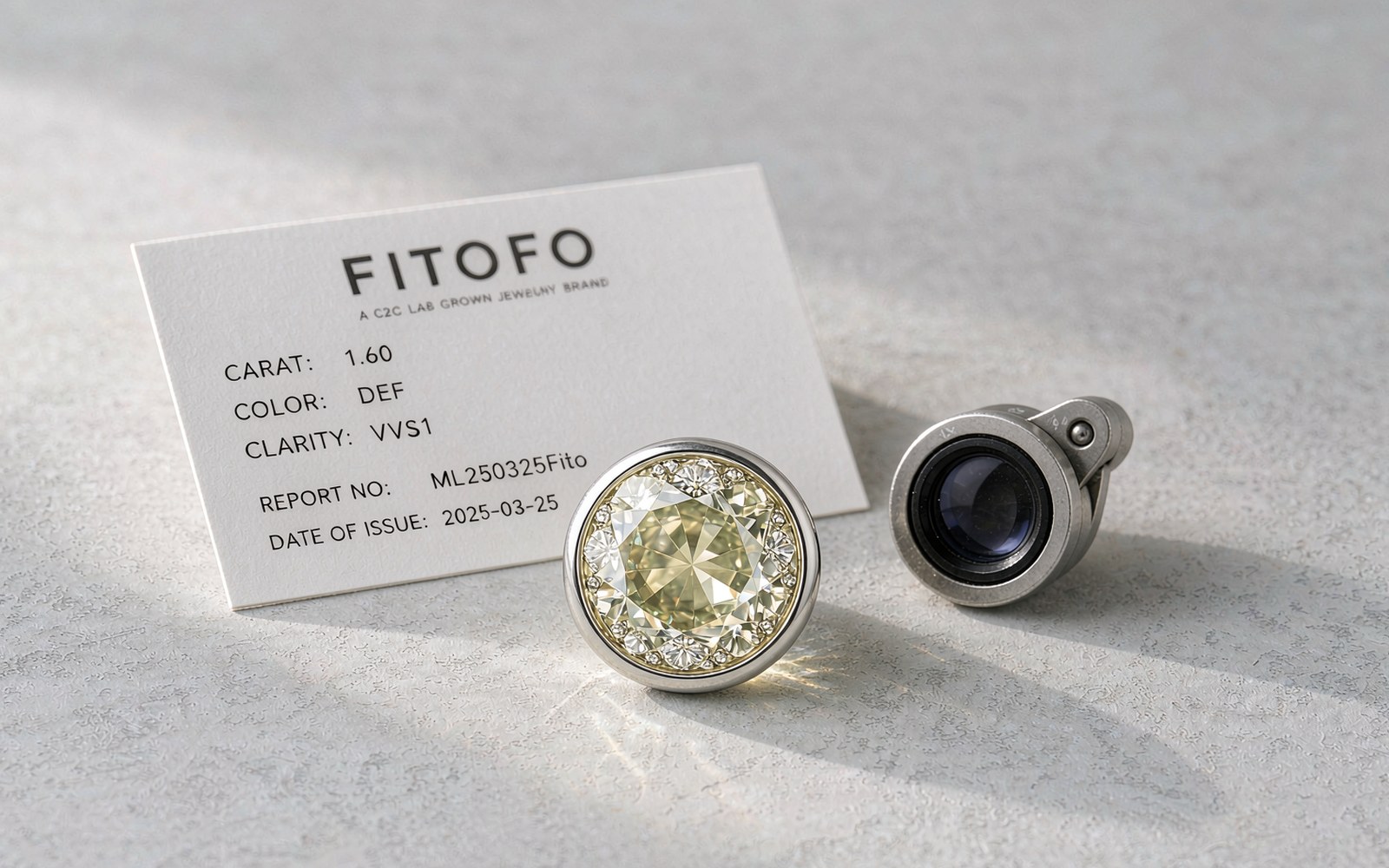
A note on certificates: a grading report describes what a stone is at the time it is graded. It does not certify long-term value or future resale price. Read any certificate as a description, not a promise about the future.
The right moissanite carat size is the one that looks and feels right on the hand, not the largest number on the label. Start from the millimeter diameter, match the shape and setting to the wearer, and confirm the real measurement with the seller before you order. Use the checklist above to turn a guess into a confirmed choice, and keep everyday comfort ahead of maximum size.