· La moissanite
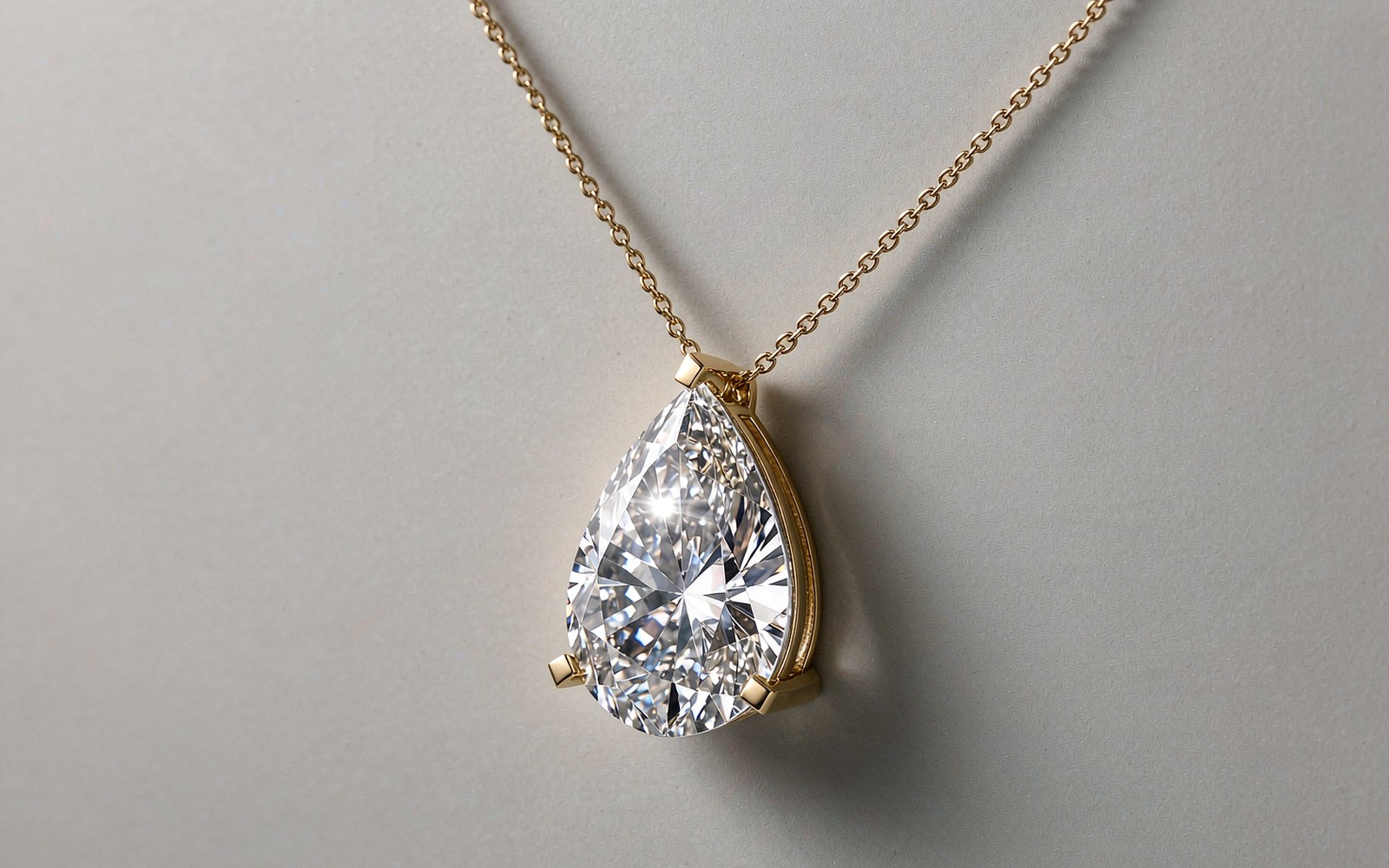
A moissanite pendant is one of the most wearable ways to enjoy the stone. It sits at the center of your silhouette, catches light as you move, and pairs with almost any outfit without committing to a ring on your hand. Yet most buyers focus on the stone and forget the parts that decide whether a pendant actually looks good and stays put: the bail, the chain, the orientation, and the setting security. This guide walks through the questions that matter before you order.
Why choose a moissanite pendant over a ring?
A pendant keeps the stone away from daily knocks. Rings take the brunt of hand use, from opening doors to lifting weights, while a pendant resting on the chest sees far less impact. For buyers who want sparkle for everyday wear but worry about damaging a ring, a moissanite solitaire pendant is the lower-risk choice. It also reads as a more neutral, self-purchased piece, which is why pendants sit comfortably outside the engagement conversation.
What pendant setting keeps the stone most secure?
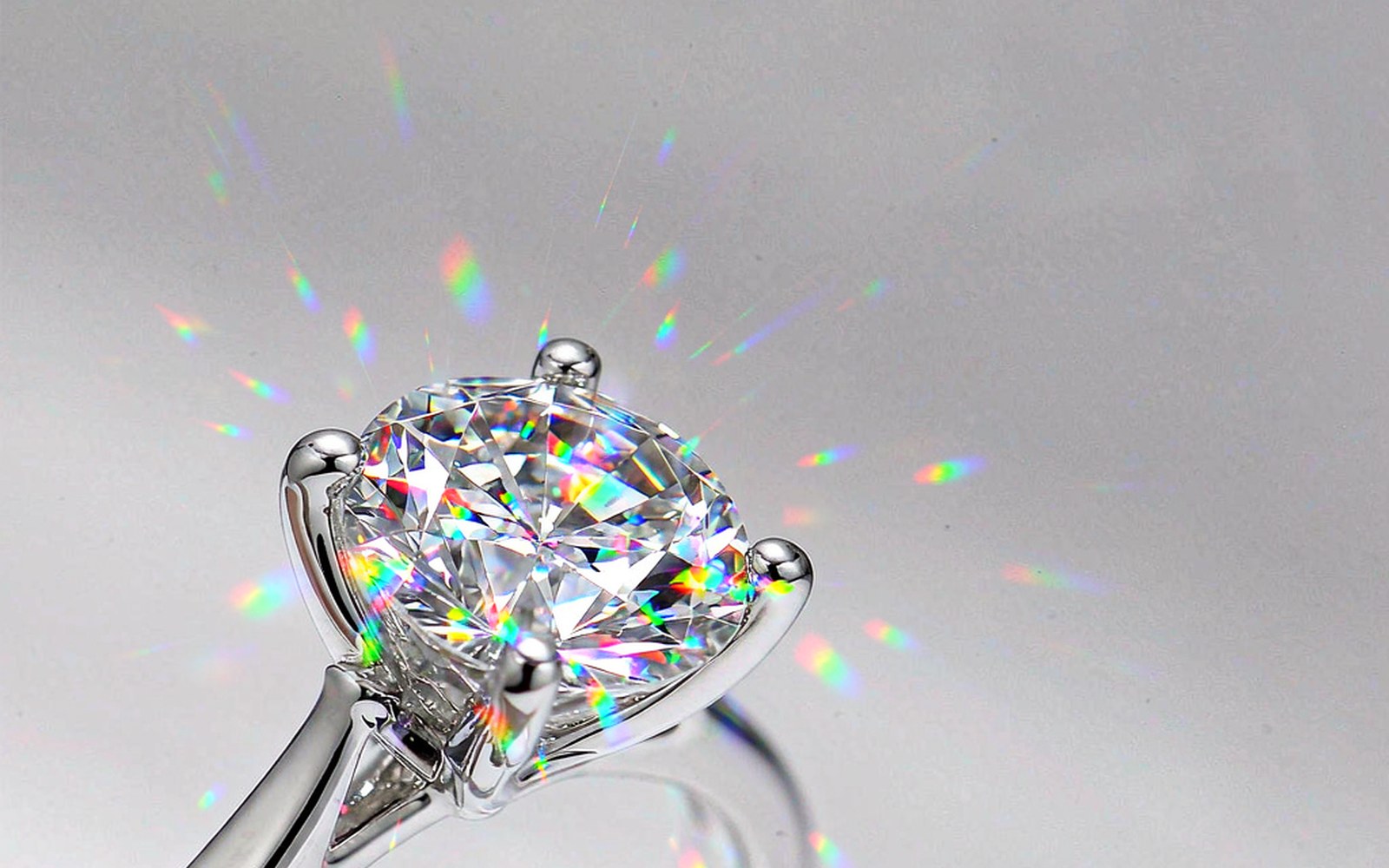
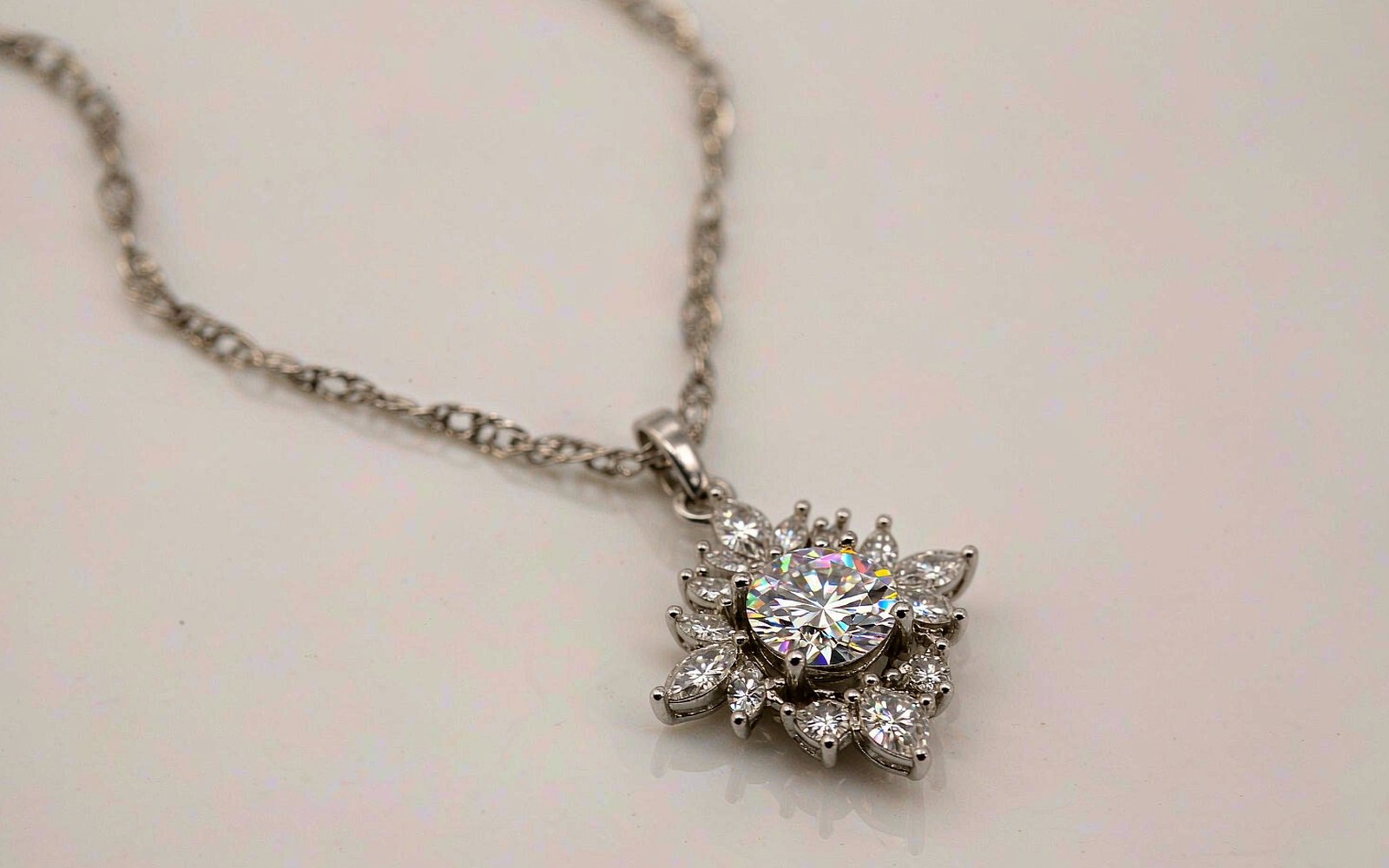
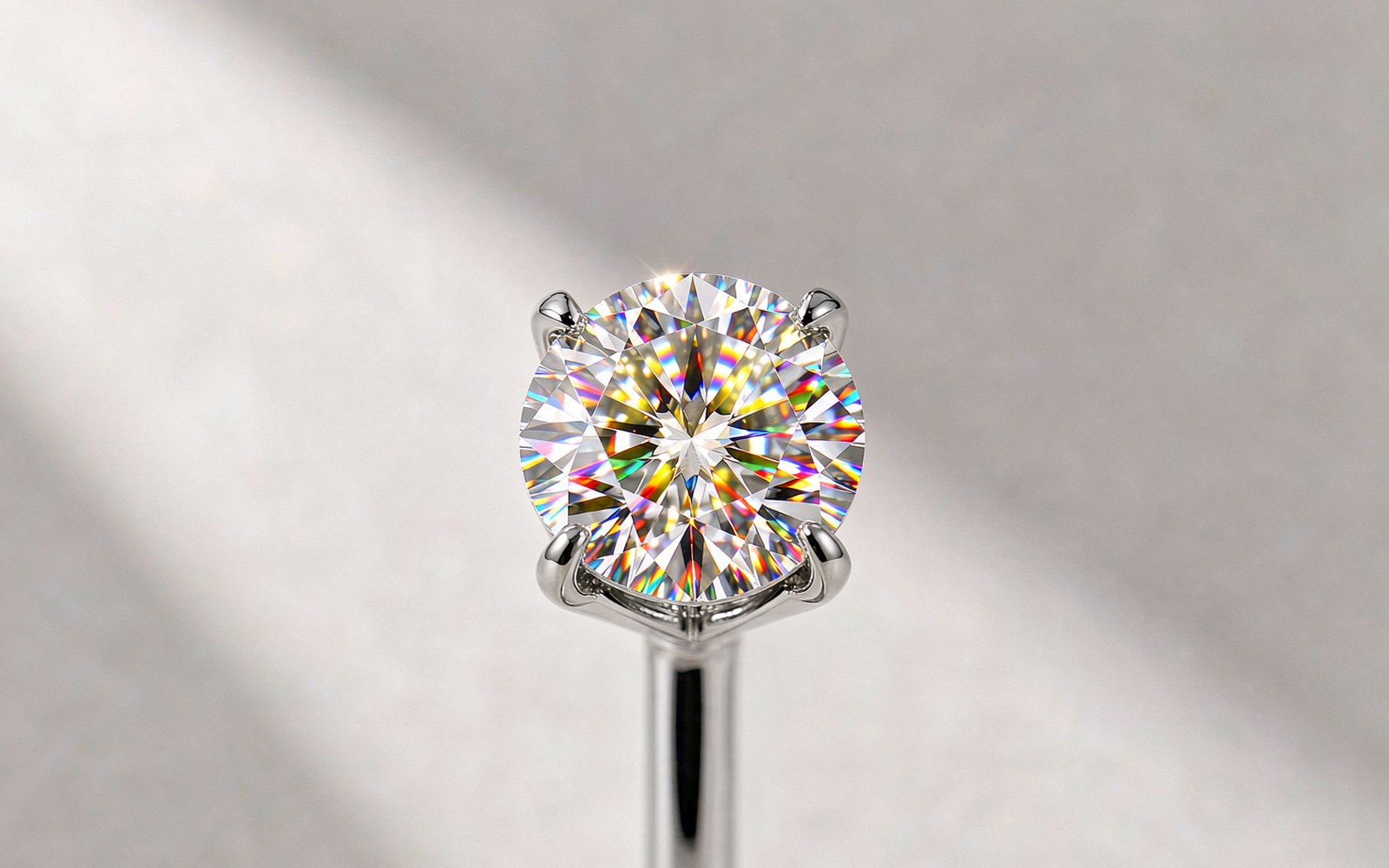
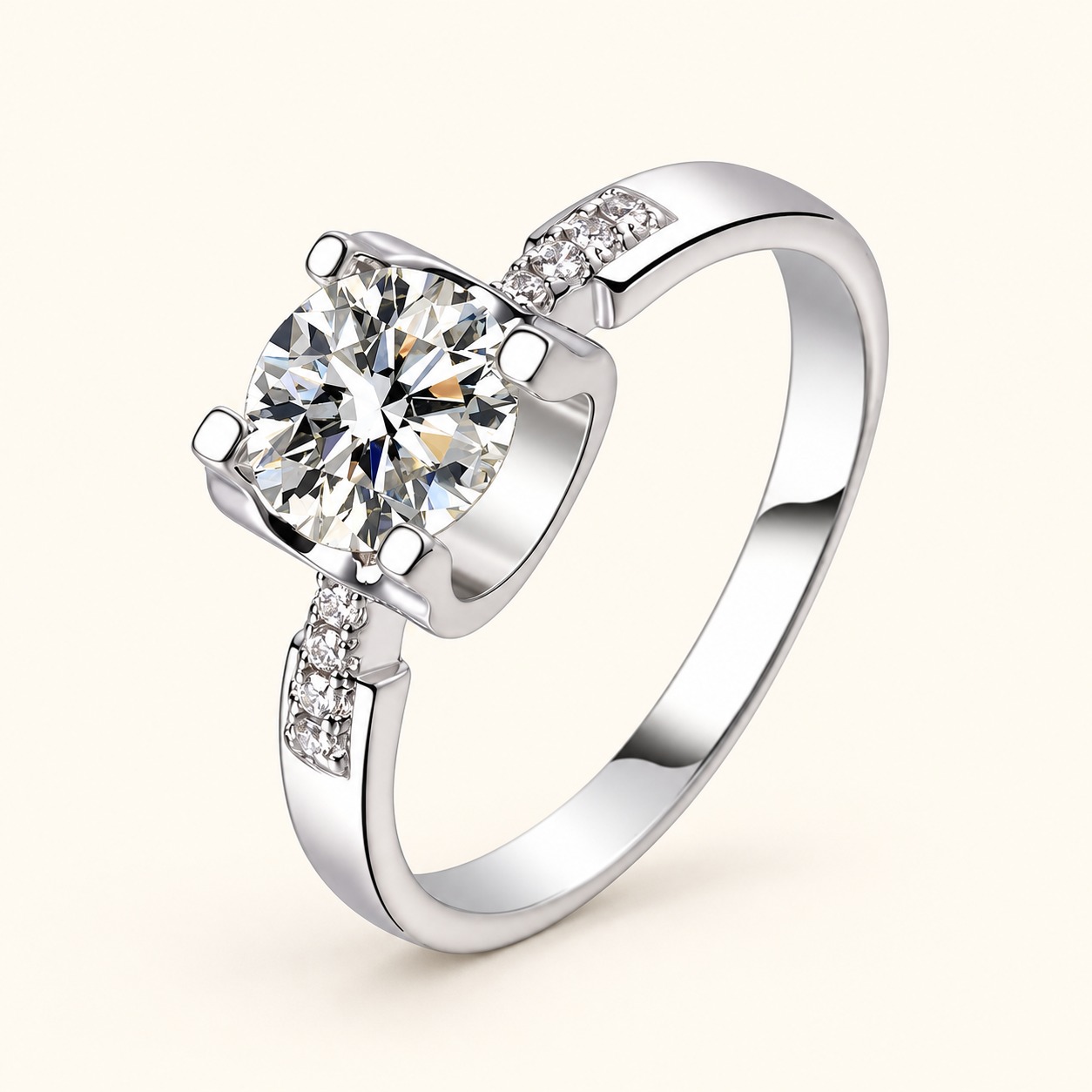
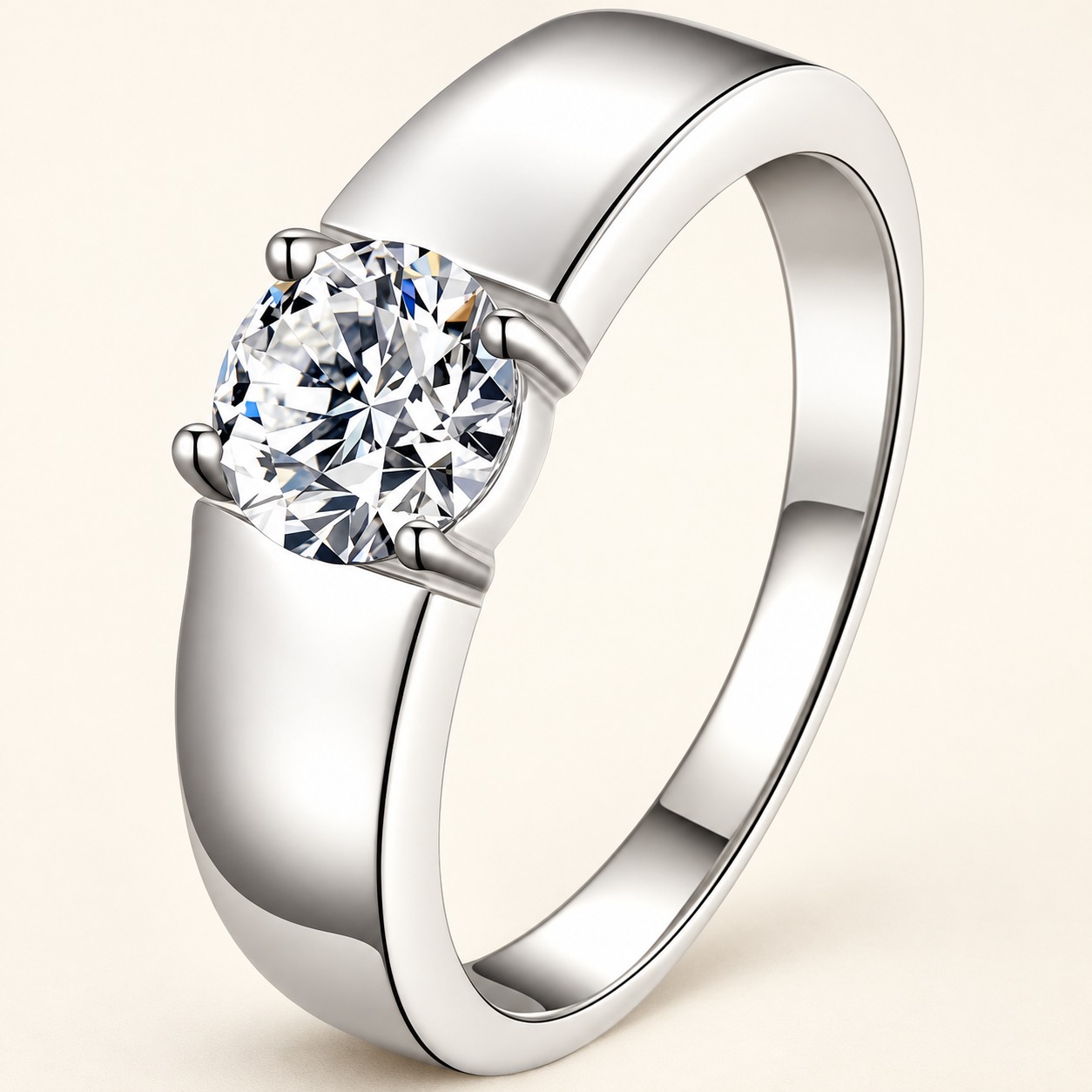
Three settings dominate pendants. A basket or four-prong setting holds the stone open so light enters from every side and the stone reads bright, but prongs can be caught if the pendant snags. A bezel setting wraps a thin metal rim around the stone edge, protecting it completely and giving a modern, clean look, at the cost of a little side light. A halo setting surrounds the center with tiny accent stones, making the piece look larger and more ornate, but it adds more settings to inspect. For a pendant meant for daily wear, a low bezel or a protected basket is the safest balance.
Which bail style lets the pendant move freely on the chain?
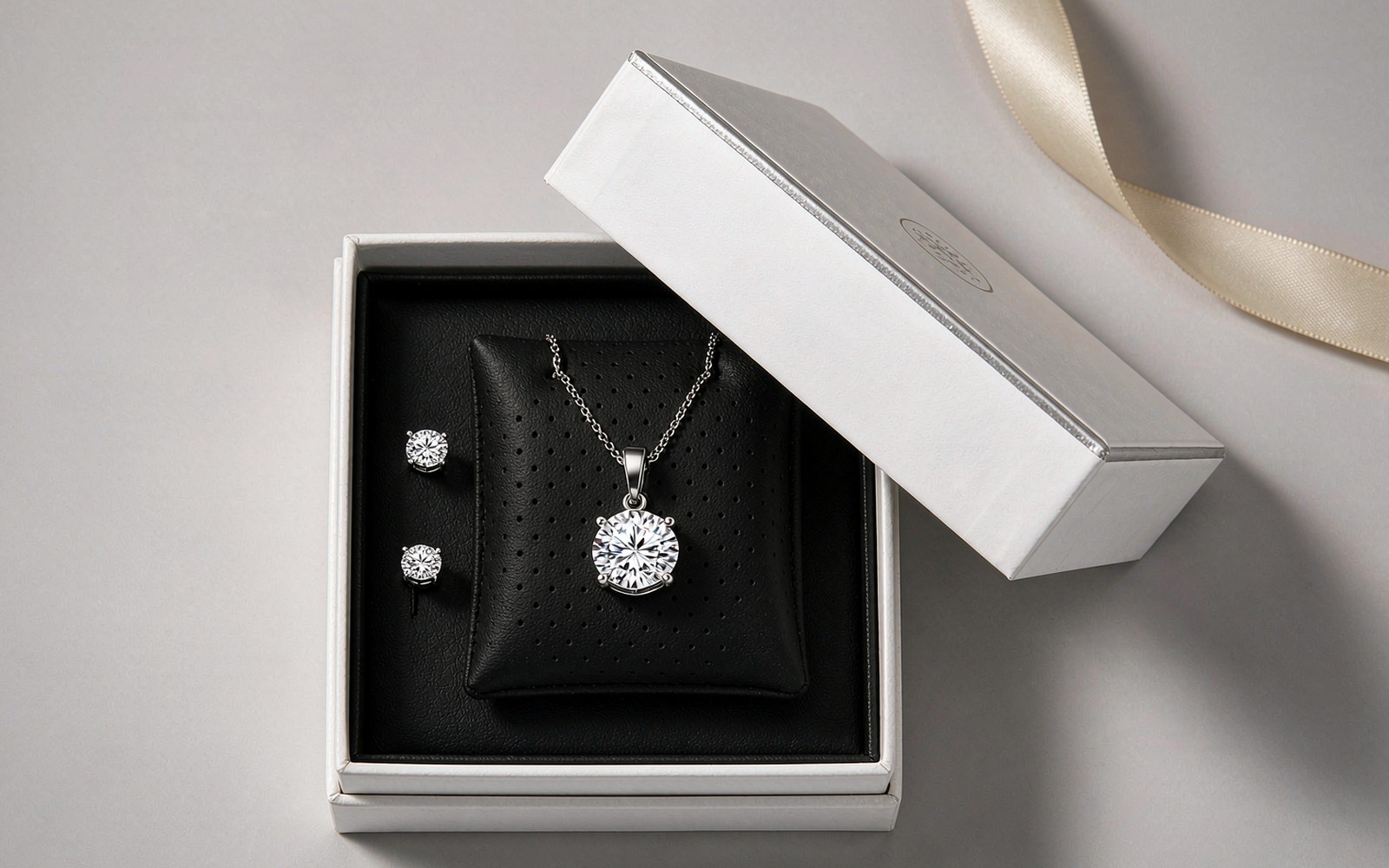
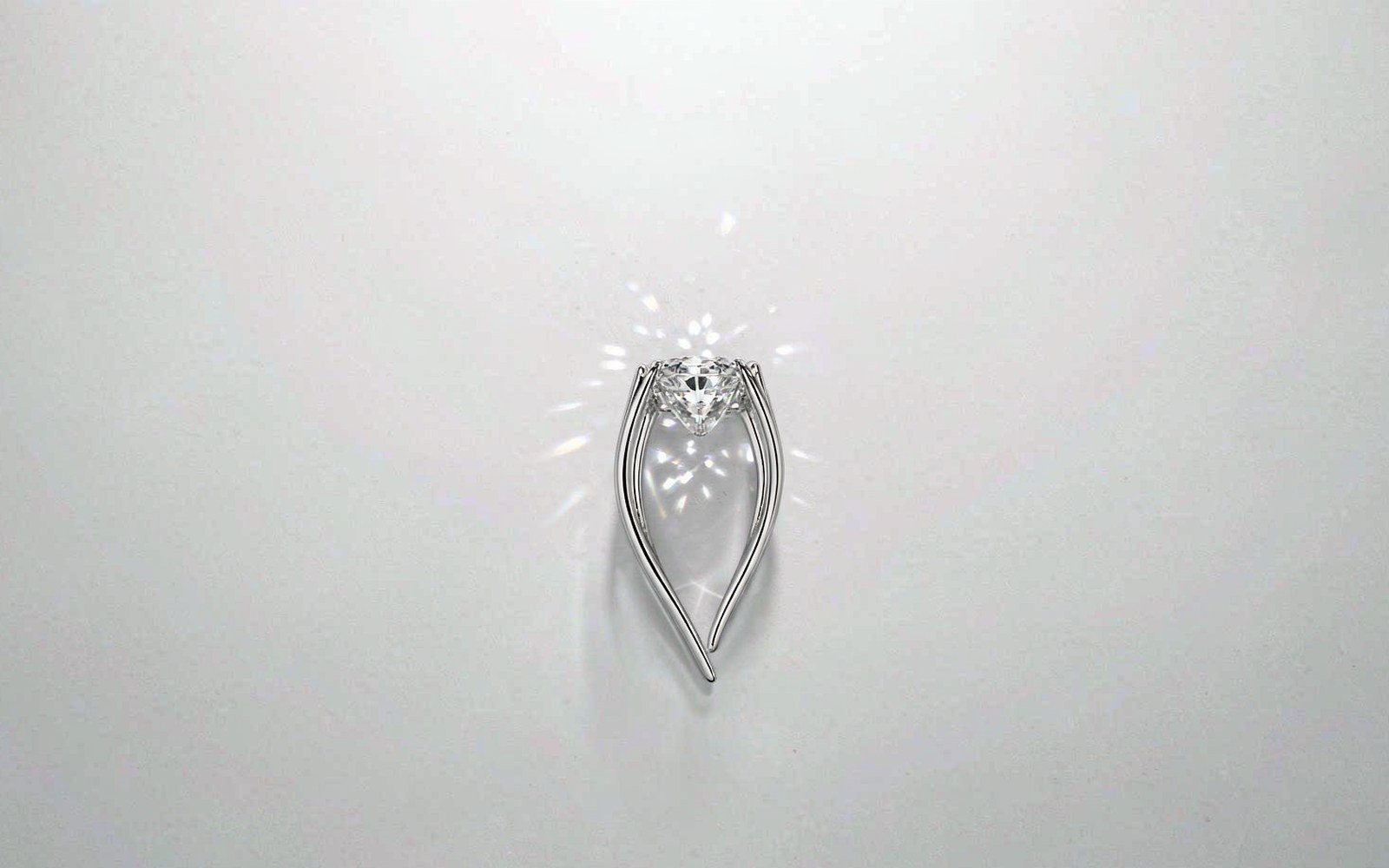
The bail is the small loop that connects the pendant to the chain, and it decides whether the pendant flips, twists, or slides. A fixed bail is soldered shut and keeps the pendant in one orientation, which suits east-west or directional cuts. A hinged or open bail swings freely so the pendant always faces forward, the most forgiving option for round or oval stones. A soldered bail built into the setting is strongest, while a jump-ring bail is easy to swap but can loosen over time. Ask which bail type your pendant uses and whether it is soldered rather than merely hooked.
How do you choose the right chain length for your neckline?
Chain length changes where the pendant sits and how large the stone looks. A 16 inch chain places the pendant at the collarbone, close and intimate, good with V-necks and open collars. An 18 inch chain drops to the upper chest, the most versatile length for everyday wear. A 20 to 24 inch chain sits lower, better for layering or for wearers who want the pendant clear of a high neckline. The same stone reads smaller on a longer chain and larger on a shorter one, so choose length for where you actually wear your necklines, not for a number alone.
Should the pendant stone be orientated north-south or east-west?
Orientation is the angle of the stone on the bail. North-south, with the long axis vertical, is the classic, elongating look that flatters most necklines and reads traditional. East-west, with the long axis horizontal, is the current, fashion-forward choice that reads modern and a little unexpected. Oval, pear, and marquise cuts show the biggest difference between the two, while round stones look similar either way. Pick orientation for the look you want in the mirror, then confirm the bail is built to hold that angle rather than letting the stone rotate.
How big should the pendant stone be for everyday wear?
Size is a trade between presence and practicality. A smaller stone, around the range most buyers choose for daily pieces, stays subtle and less likely to catch. A larger stone makes a stronger statement but adds weight that can pull a thin chain and stress the bail. Because moissanite shows intense sparkle even at modest sizes, many buyers find a mid-size stone reads bigger than its carat weight suggests. Decide size by the chain gauge you will pair it with and by how much movement your day involves, rather than by a single headline number.
What should you confirm with your seller before ordering a pendant?
Before you place an order, confirm these eight points so the pendant arrives the way you picture it. First, applicability: confirm the bail and setting are built for the chain width you plan to wear, not a generic size. Second, production timeline: ask your seller for the made-to-order window in writing and confirm it fits your date. Third, minimum order details: if you are ordering a custom or matched set, confirm the smallest configuration they will produce and whether the pendant is sold with or without a chain. Fourth, samples or lookbook: request a photo of the actual pendant on a chain, or a rendered mockup, before committing. Fifth, failure conditions: ask what happens if the bail loosens, the stone sits off-center, or the chain does not fit, and get the remedy in writing. Sixth, testing the fit: confirm the chain length against your own neck measurement, and ask whether the bail opening matches your preferred chain thickness. Seventh, specs to confirm: put the metal, stone shape, stone size, finish, and bail type in writing so the delivered piece matches the agreed design. Eighth, inspection and after-sales: confirm how returns, repairs, and re-tipping of prongs are handled, and keep the written policy with your order.
Does certification matter for a pendant, and what does it actually tell you?
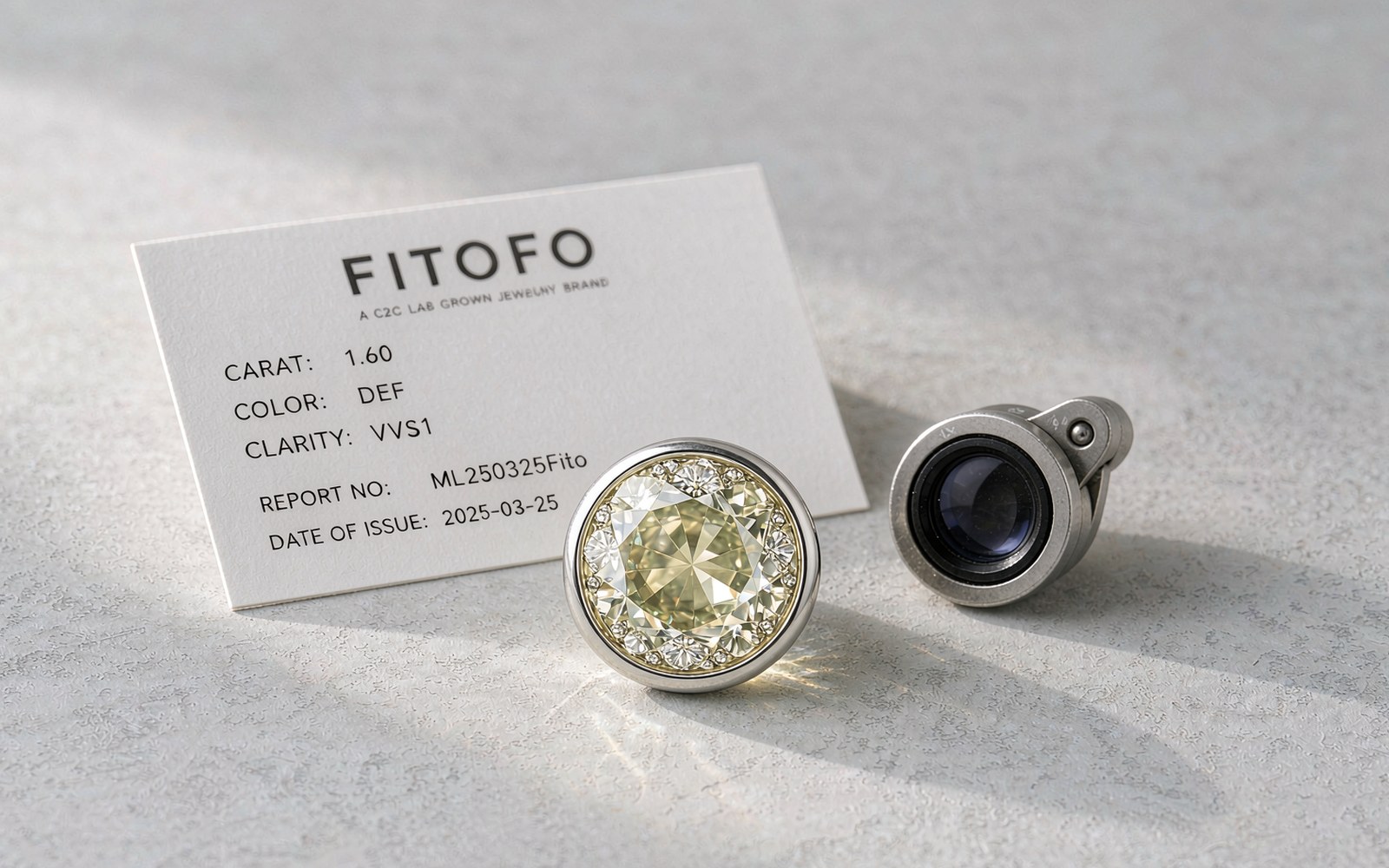
Ask whether certification or a grading report is available for the pendant stone. A certificate confirms the material and optical grade you receive, but it does not certify long-term durability, and it does not promise future resale value. For a single pendant worn close to the skin, the practical check is the setting security and the metal quality, not a paper grade. Treat documentation as a way to verify what you are buying, not as proof of how the piece will perform years from now. If paperwork matters to you, request it in writing before ordering and keep it with your purchase record.
Can a moissanite pendant be layered with other necklaces?
Layering is where pendants shine. Start with one focal pendant on a shorter chain, then add a plain chain or a second smaller pendant at a different length so the pieces do not collide. Keep the metals in the same family, or repeat one metal across the group, so the layered necklaces read as a set rather than a tangle. Because moissanite is light, a layered pendant stack stays comfortable where heavier stones would pull. If you plan to layer, confirm the bail is slim enough to sit flush against the chain alongside others.
The bottom line: a great moissanite pendant starts with a secure setting and a bail built for your chain, then gets sized and oriented for how you actually dress. Confirm the metal, stone, bail type, and after-sales terms in writing before you order, and you get a piece that lays right and lasts. Explore our necklace collection at /en/necklaces/ , learn what the stone is and how it behaves at /en/what-is-moissanite/ , and reach our team through /en/contact/ . Common questions about sizing, returns, and care are answered in our /en/faq/ .