· La moissanite
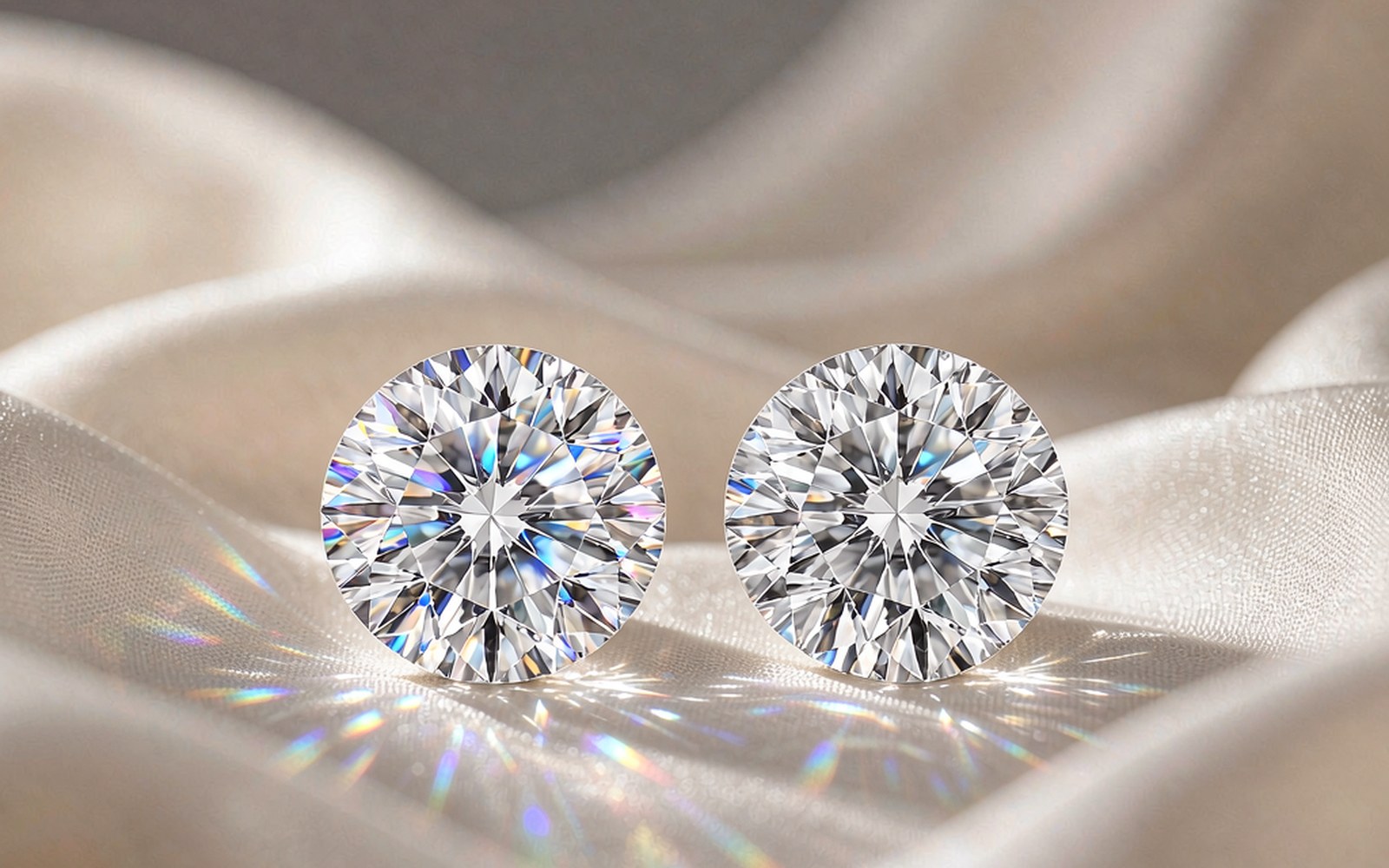
Moissanite and lab-grown diamond are the two most popular diamond alternatives in 2026. Both are made in a controlled facility, both avoid the concerns tied to mined stones, and both look beautiful in person. They are different minerals, though, with different optical behavior, different price points, and different trade-offs. This guide walks through what each stone is and how to pick the one that fits your budget, your style, and what matters most to you. If you are new to the stone, our plain-English introduction at /en/what-is-moissanite/ is a good starting point.
What is the difference between moissanite and a lab-grown diamond?
A lab-grown diamond is chemically identical to a mined diamond: pure carbon crystallized in a laboratory. A moissanite is silicon carbide, a completely different mineral first found in a meteorite crater and now synthesized in labs. They can look similar to the eye, but they are not the same material, and they behave differently under light. Think of it less as fake versus real and more as two different gems that happen to sparkle.
Which stone sparkles more, moissanite or lab diamond?
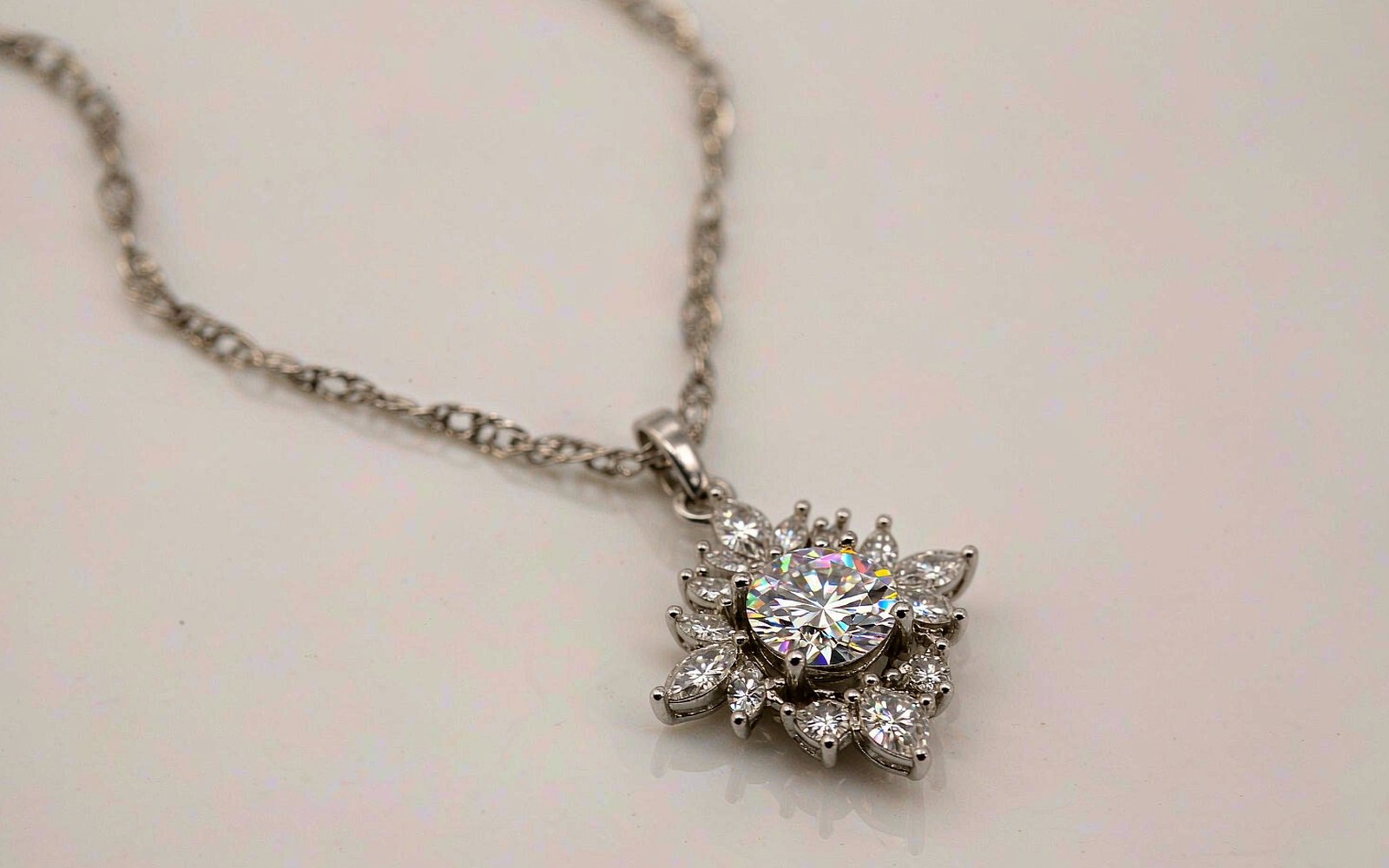
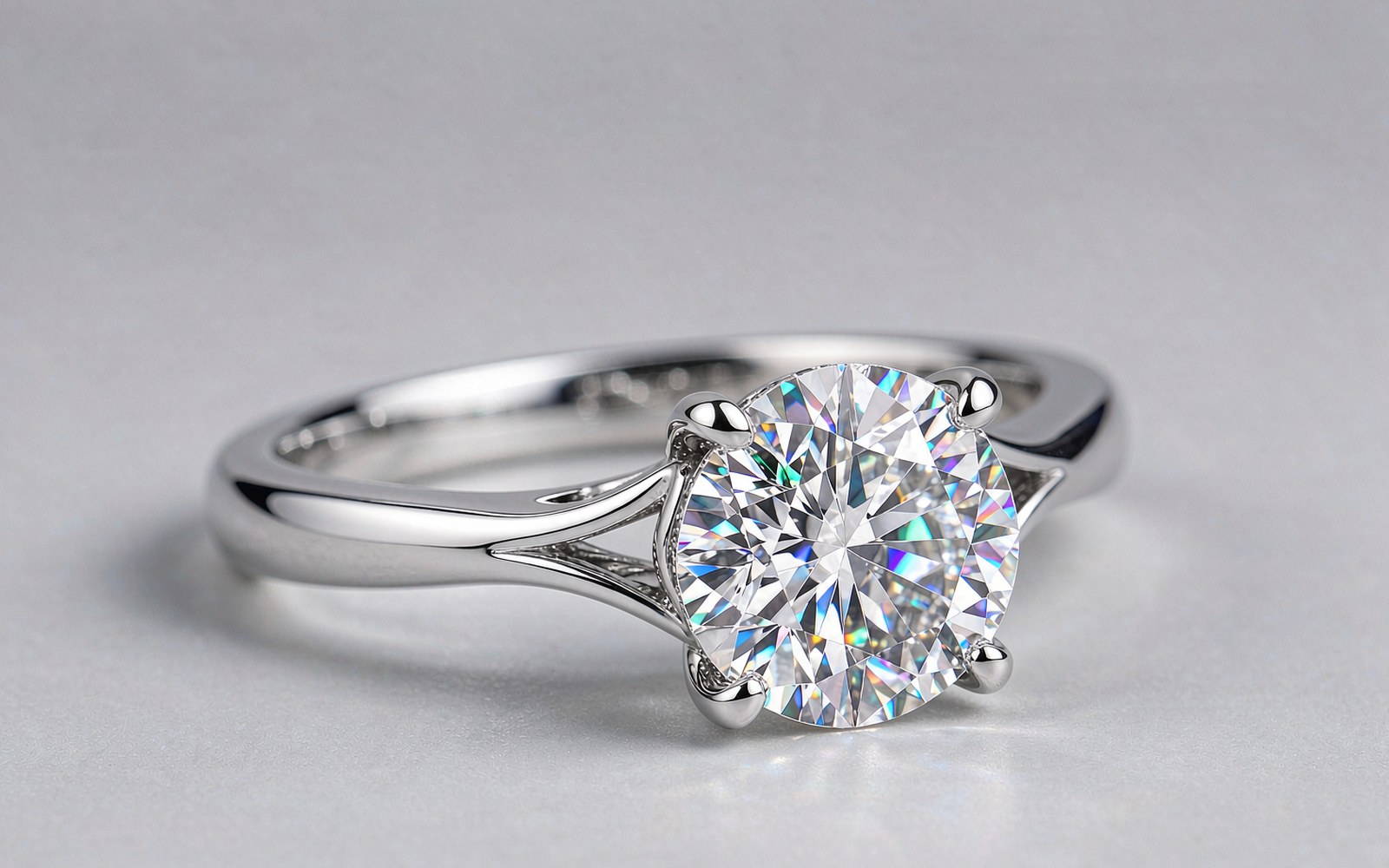
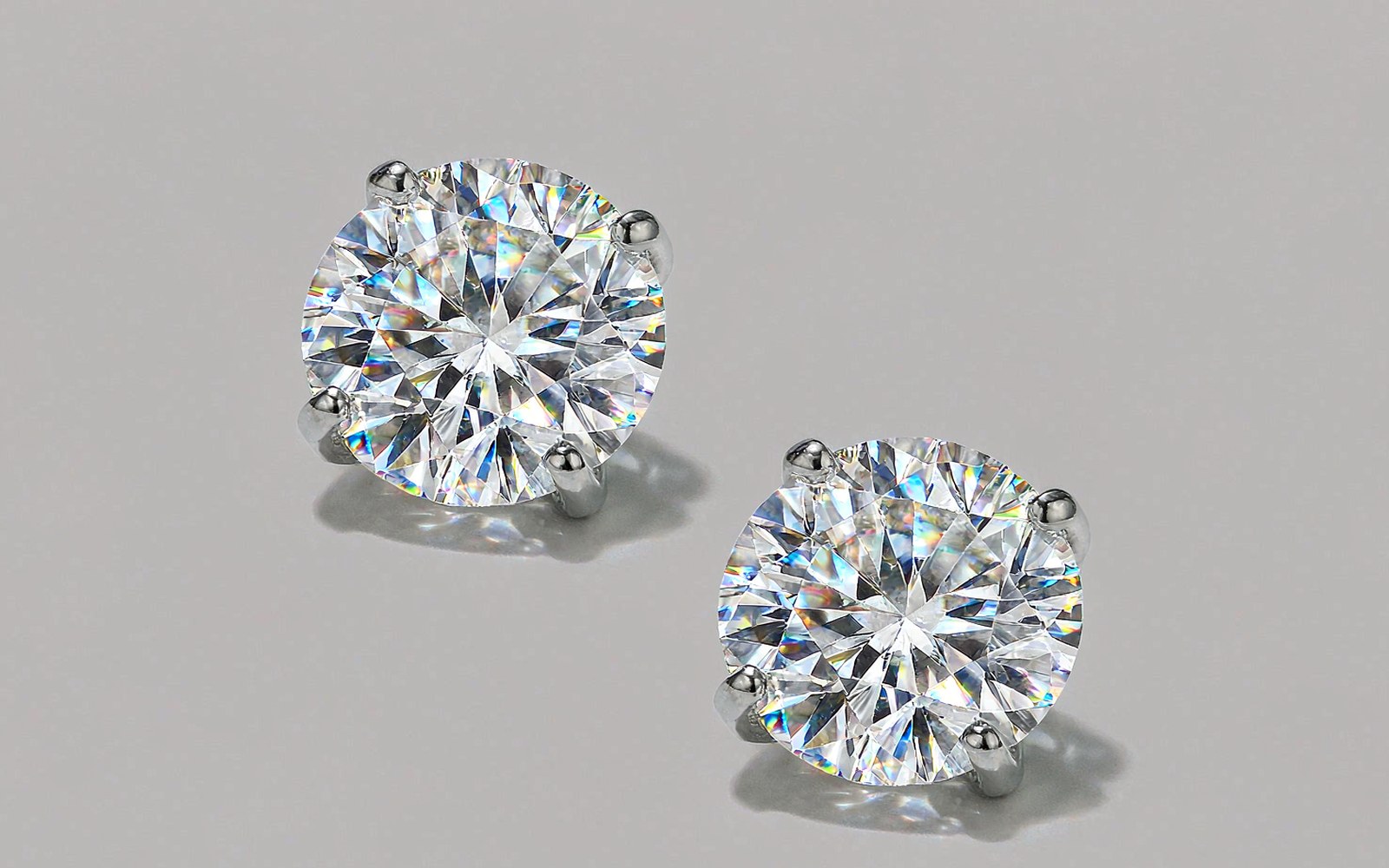
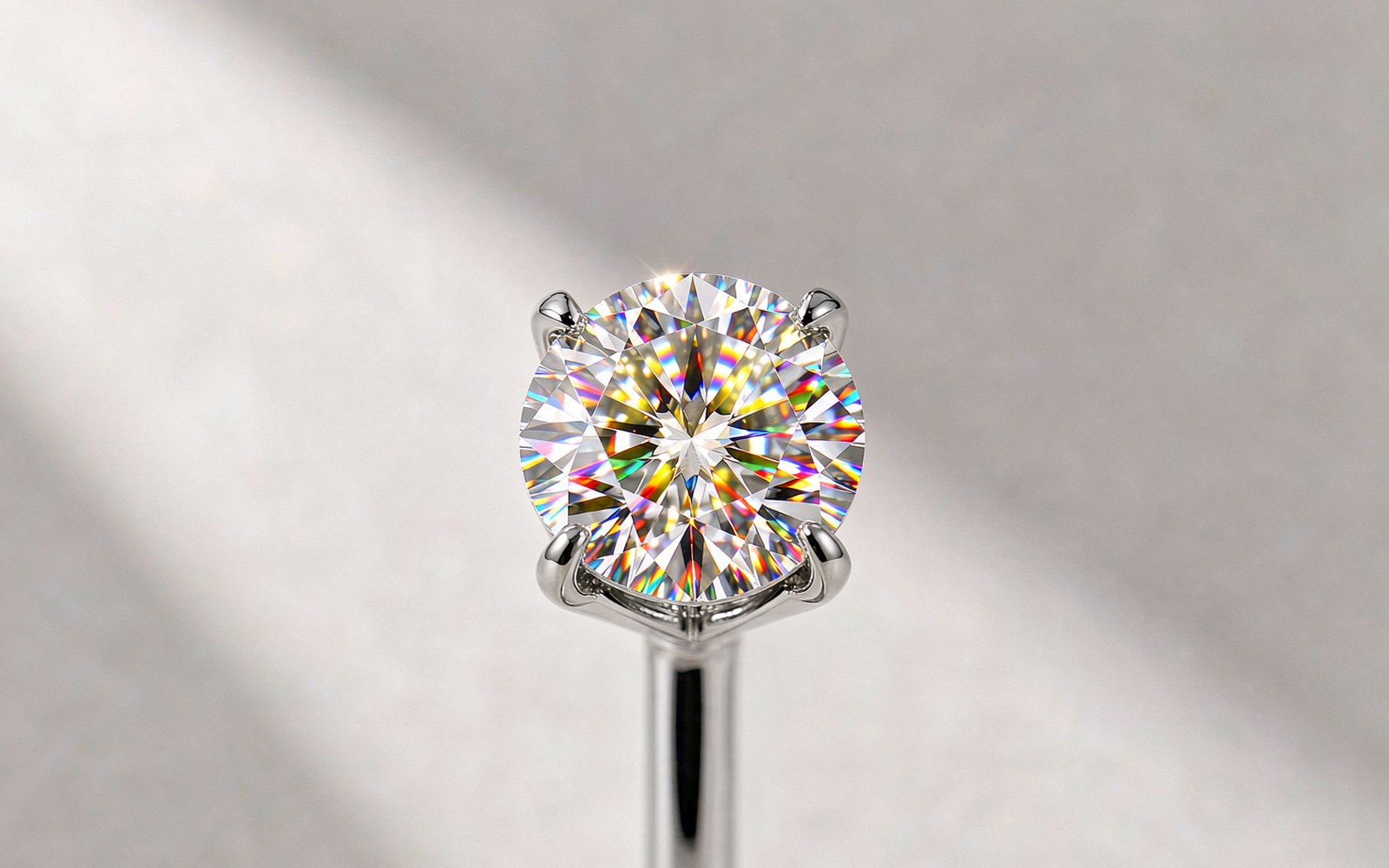
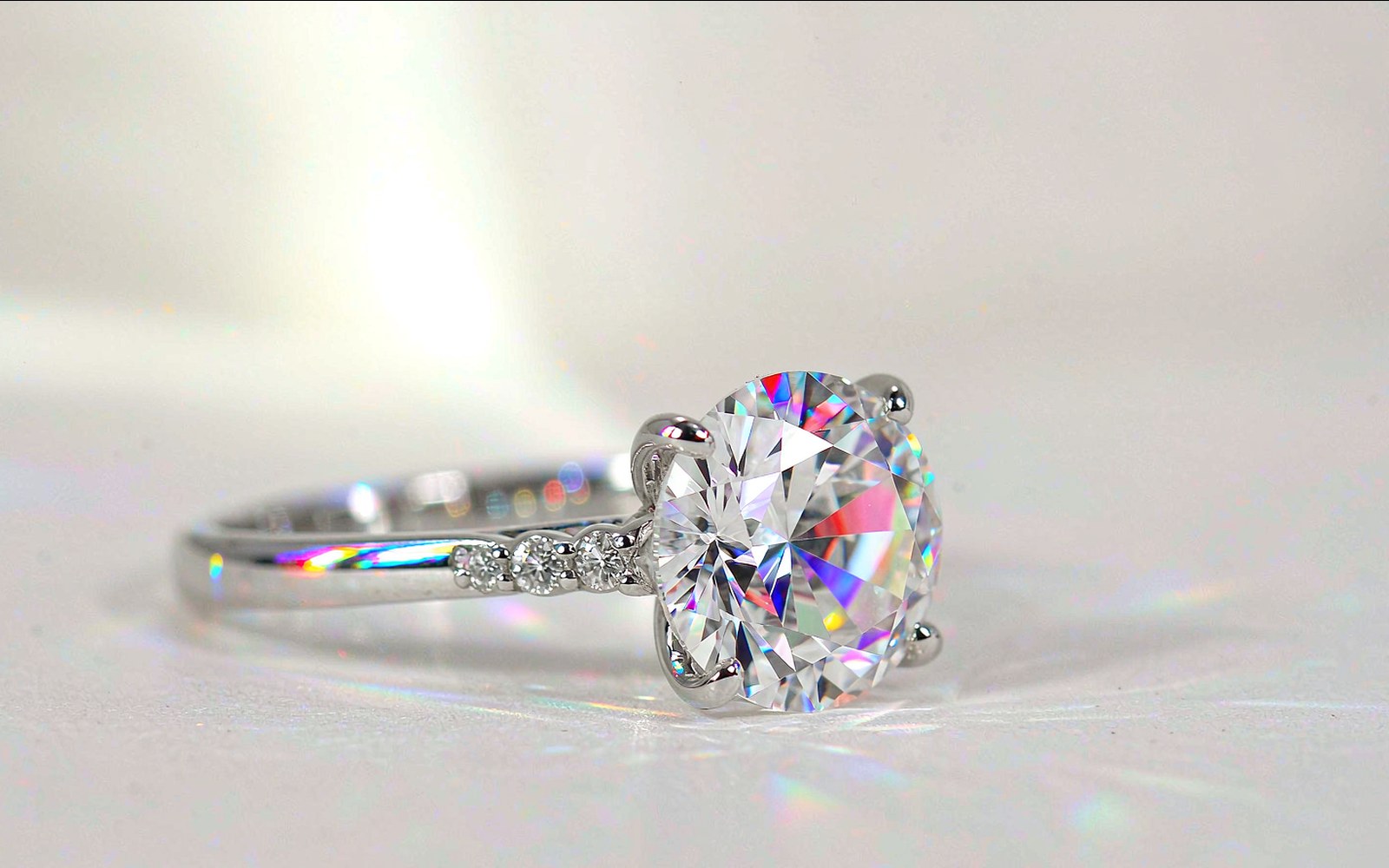
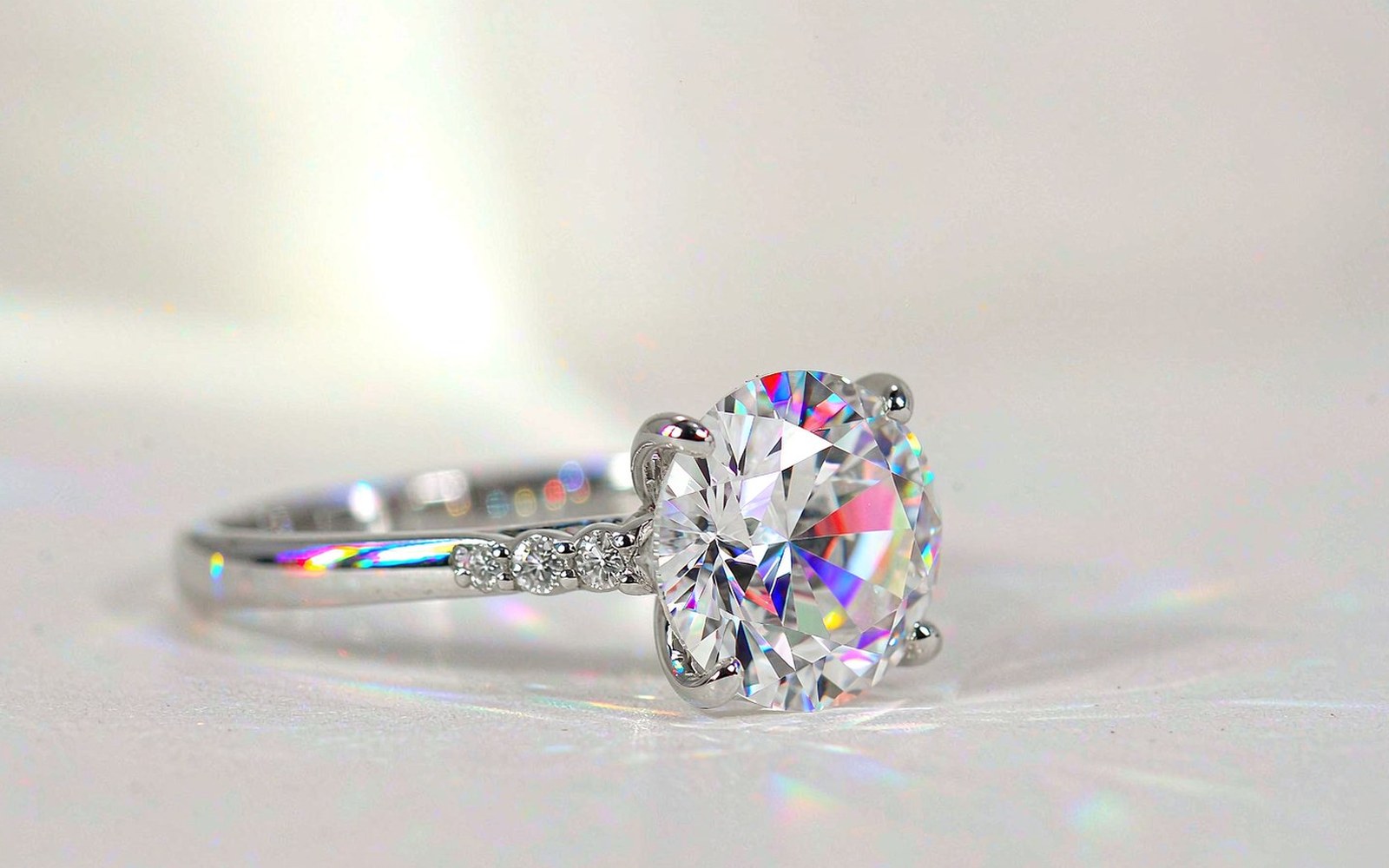
Moissanite has a higher refractive index than diamond, so it bends light more and throws more colorful fire, especially in bright sun. Some buyers love that extra rainbow flash; others prefer the softer, whiter brilliance of a diamond. Lab-grown diamond returns the classic white sparkle people associate with a diamond. Which looks better is personal taste, not a quality ranking. Both are genuinely brilliant stones.
Is moissanite durable enough for daily wear?
Moissanite scores about 9.25 on the Mohs hardness scale; lab-grown diamond scores a perfect 10. In daily life, both are far harder than the things they will touch, and both resist scratching, chipping, and clouding with normal care. For rings, earrings, pendants, and bracelets worn often, either is a lifetime stone. Choose a secure setting and remove the piece during heavy impact or chemical exposure, and it will hold up well.
How do moissanite and lab-grown diamond compare on ethics and sourcing?
Both are created above ground, so both avoid the human-rights and environmental concerns tied to some mining. Buyers under forty increasingly choose lab-created stones for exactly this reason. On a like-for-like basis the two are close on ethics, so this is rarely the deciding factor between them; budget and appearance usually are.
Does either stone hold resale value?
Neither moissanite nor lab-grown diamond is typically bought as an investment. Both deliver their value through beauty, durability, and the meaning of the piece, not through a secondary market. If long-term resale is a real priority for you, that is one of the few areas where a mined diamond still differs, at a much higher upfront cost. Buy the stone you love wearing, not the one you hope to resell.
How can I confirm my stone is genuine moissanite?
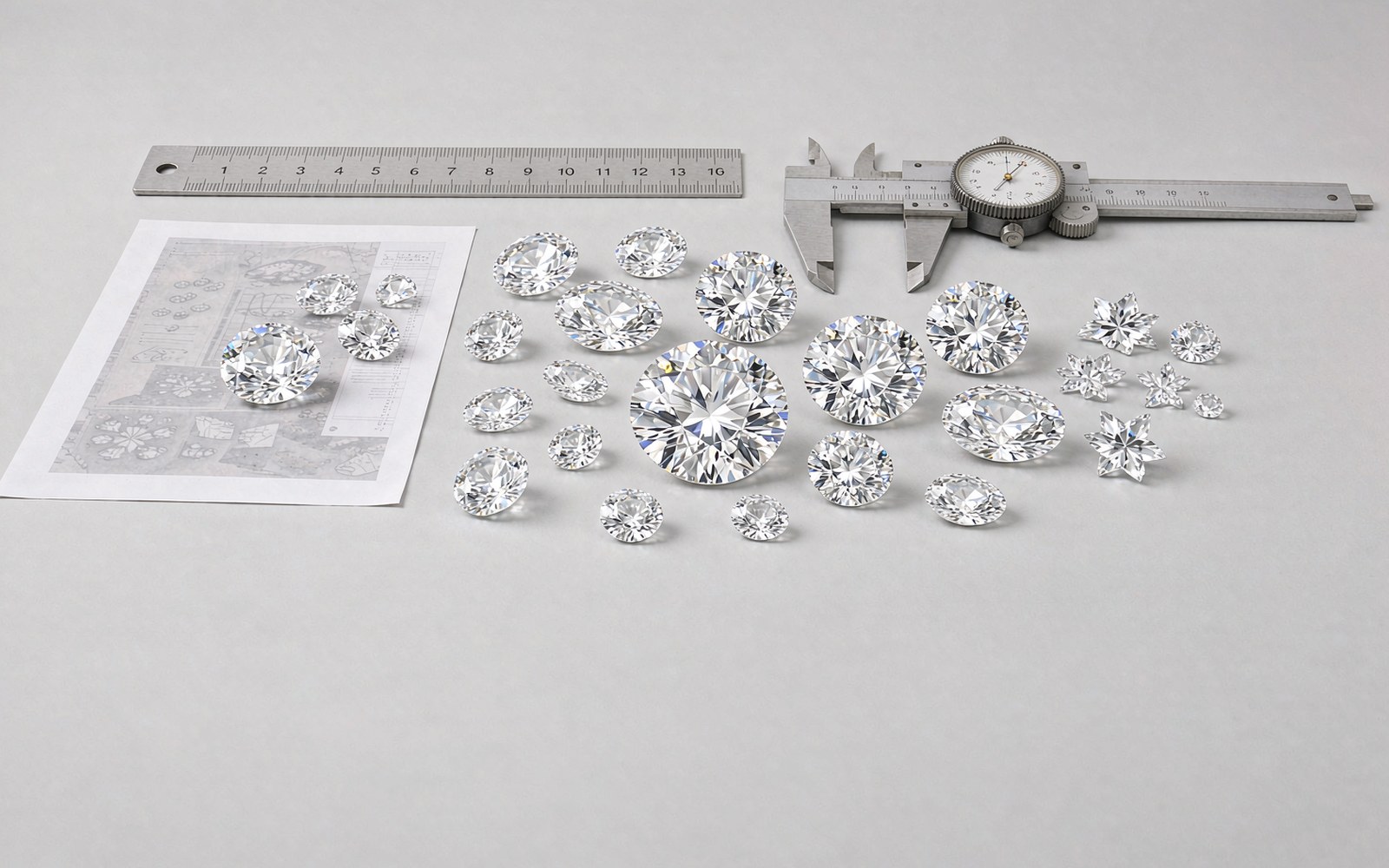
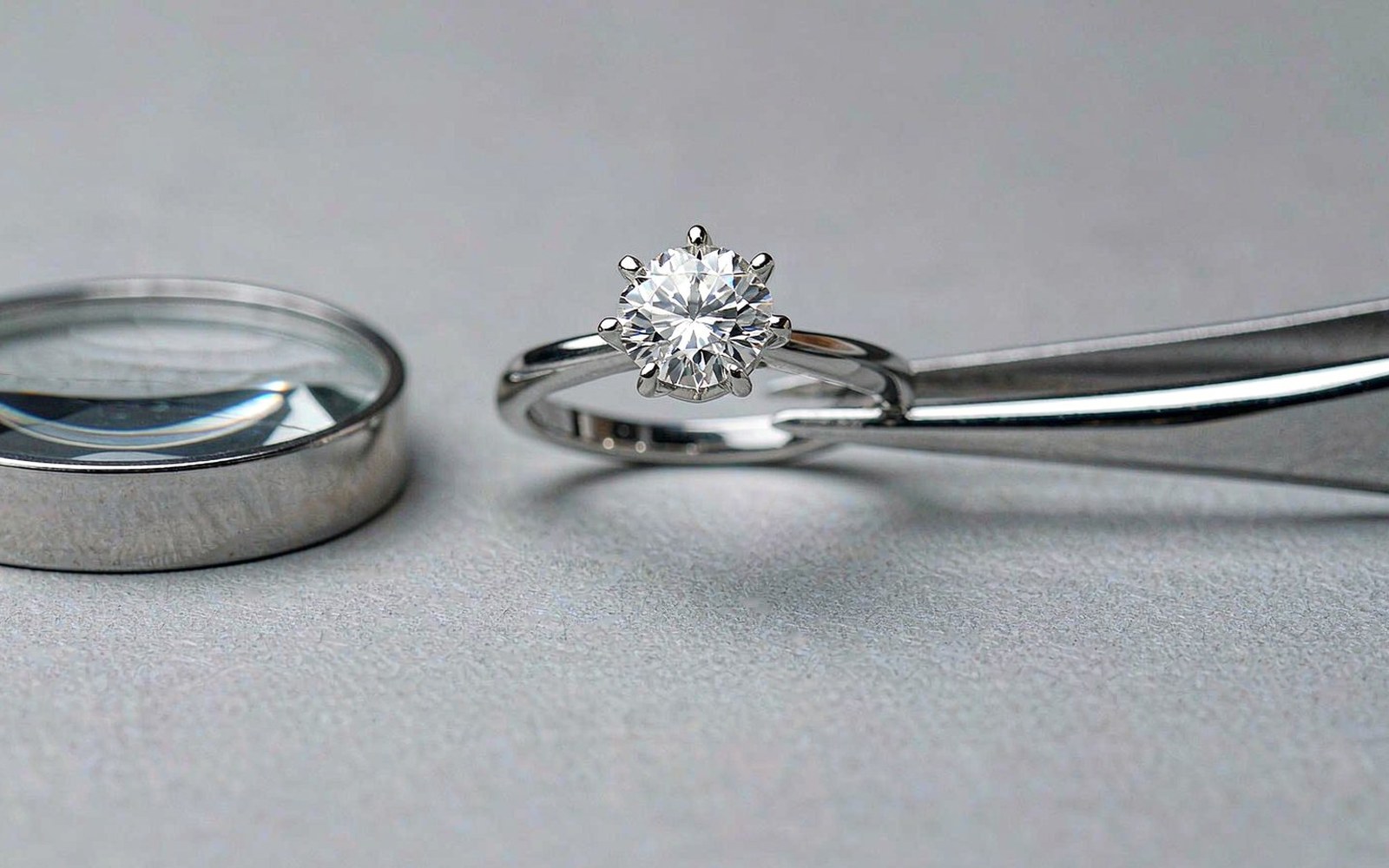
A standard thermal-conductivity tester cannot separate them, because both conduct heat well and will read as diamond. A jeweler's electrical-conductivity tester identifies moissanite in seconds, since moissanite conducts electricity and diamond does not. Ask the seller which verification method they use, and request the actual measurement rather than a generic label. For a matched set or a larger order, a sample or real photos of the finished piece are the most reliable proof.
Which stone should I choose for an engagement ring?
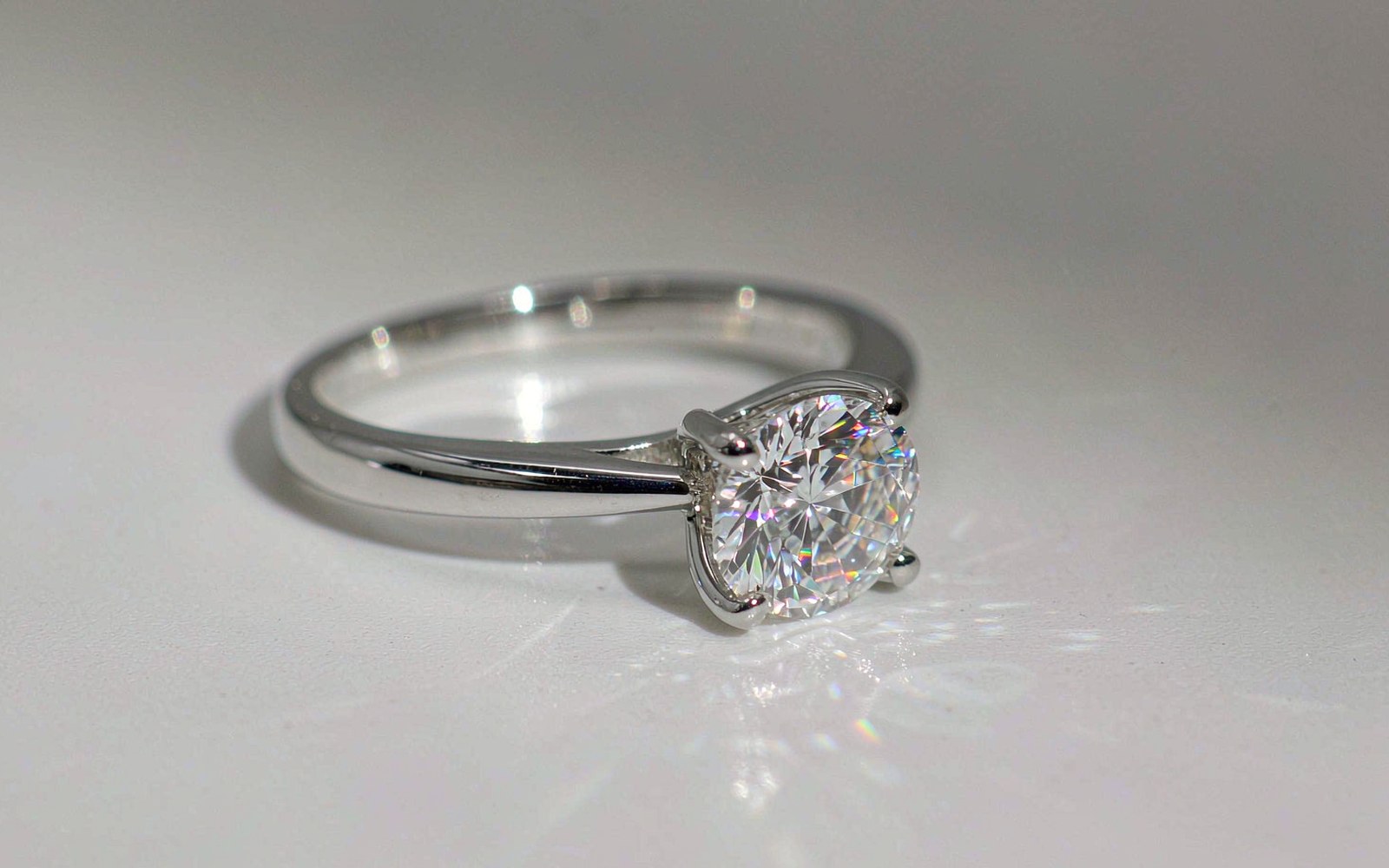
Choose a lab-grown diamond if it matters to you or your partner that the stone is technically a diamond, or if you want the traditional white brilliance and a graded report on each stone. Choose moissanite if you want the largest, most fiery stone for your budget, or if you love the extra rainbow sparkle and want to invest more in the setting and craftsmanship. There is no universally right answer, only the right stone for your values and your wallet. For everyday bands and stackable looks, moissanite is a practical, brilliant choice.
What should I confirm with the seller before I order?
Before you pay, lock down these points so the finished piece matches your expectations:
- Applicability: moissanite is its own gemstone, not a diamond. Pick it when you want maximum sparkle and size per dollar and you are comfortable with a distinct material.
- Lead time: ask the seller to confirm production and shipping timelines in writing before you pay.
- Minimum order: for a custom or matched set, confirm the smallest quantity the workshop will accept.
- Sample: request a sample, real photos, or a short video of the actual piece before a larger order.
- Wrong-fit signal: if you or your partner need the stone to be a diamond for cultural or personal reasons, choose a lab-grown diamond instead.
- Verification method: a thermal tester cannot tell them apart; an electrical-conductivity tester can. Ask which test the seller uses.
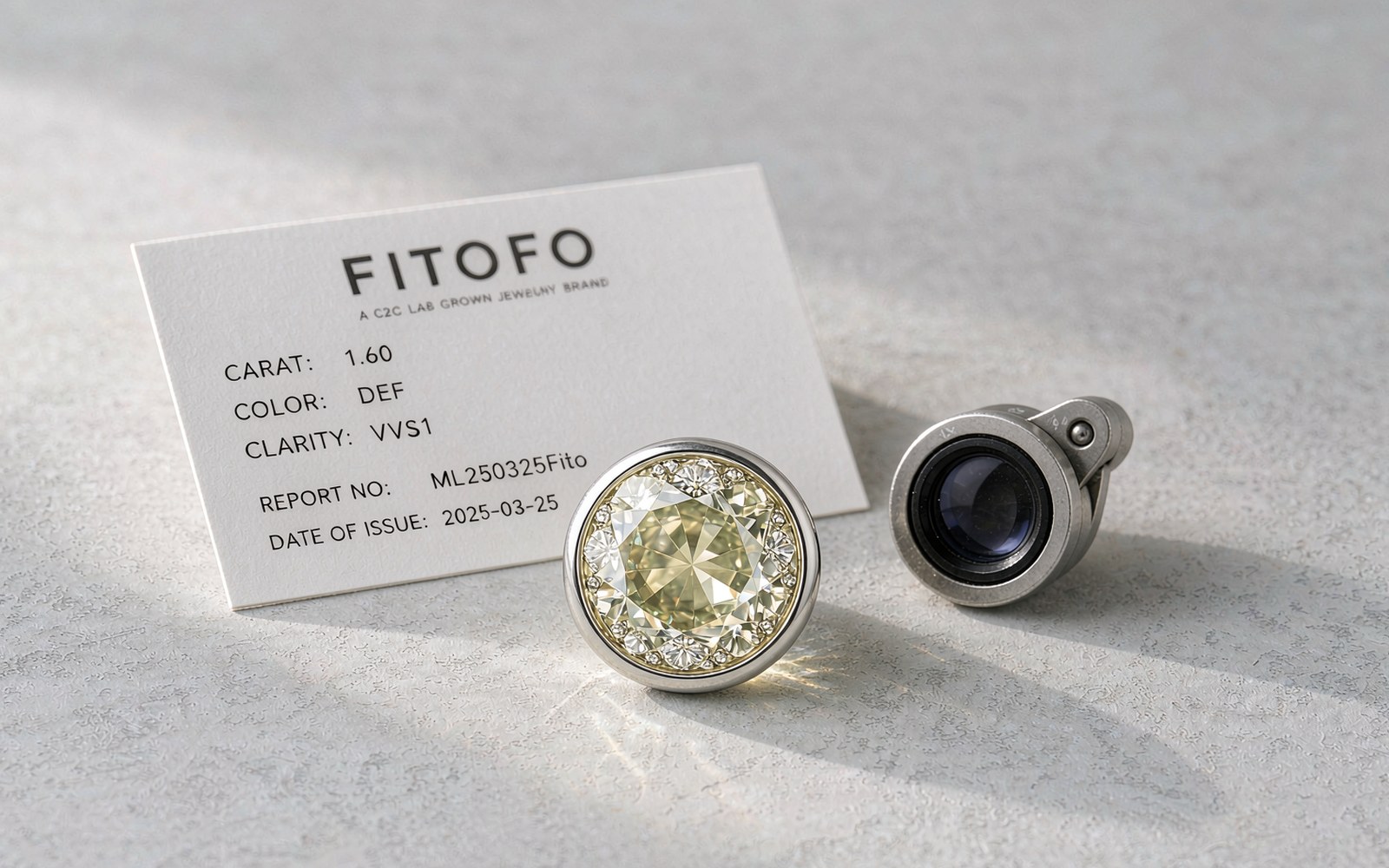
- Parameter meaning: understand cut, color grade, clarity, and carat weight. A grading report describes what was measured; it does not certify durability, resale value, or long-term performance.
- Inspection and after-sales: check prong security, return policy, and resizing options, and confirm how to clean the piece and what any warranty covers.
If you want a second opinion on fit and budget, our FAQ at /en/faq/ covers common buyer questions.
Why does this choice feel harder in 2026?
Lab-grown diamond prices have fallen sharply in recent years, which has narrowed the gap with moissanite for smaller stones. That makes the decision more about taste and meaning than about saving money. The honest takeaway: moissanite still gives you more size and fire for the dollar, while lab-grown diamond gives you a real diamond with classic brilliance. Decide what you value, then buy the stone that represents your moment, not the one the market says you should want.