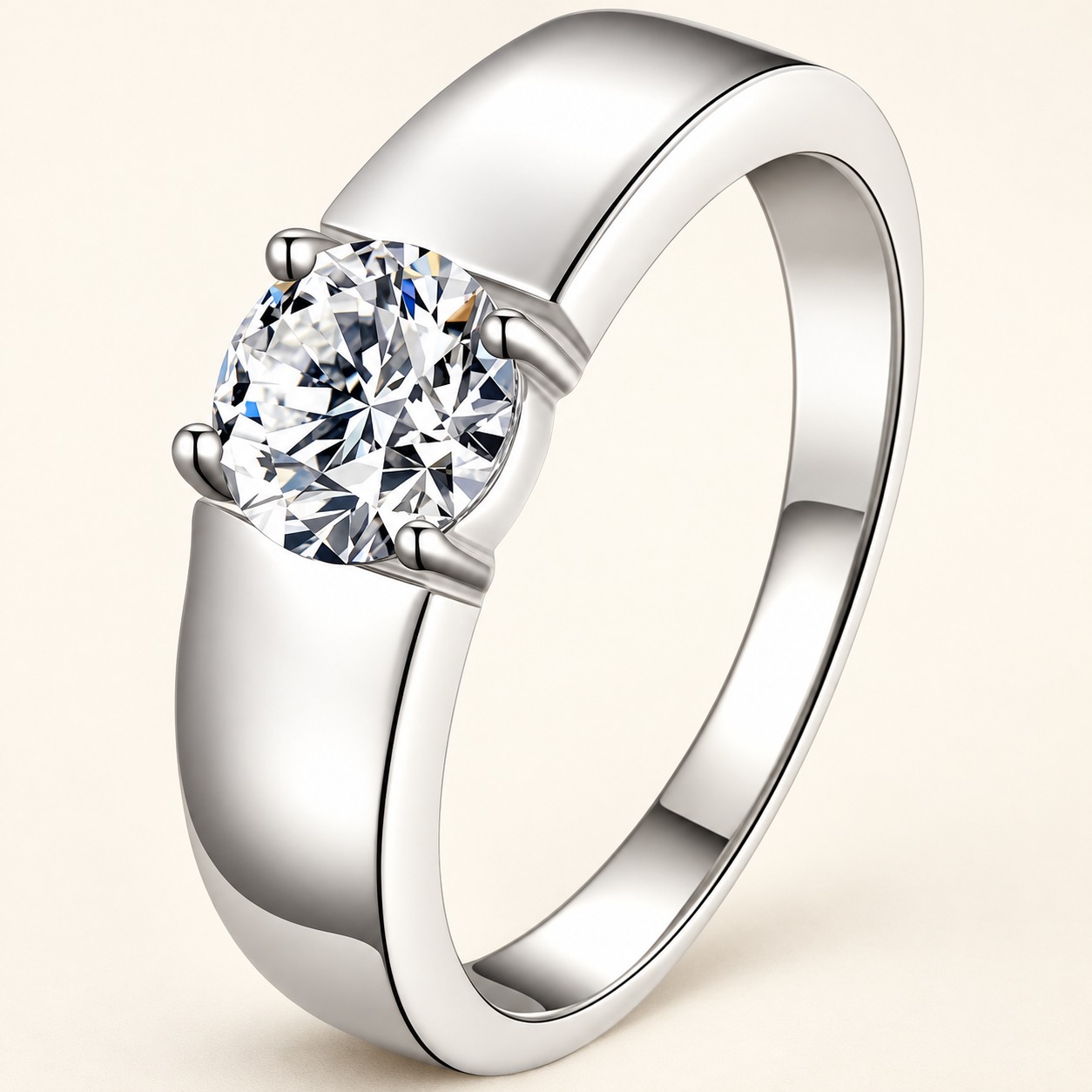
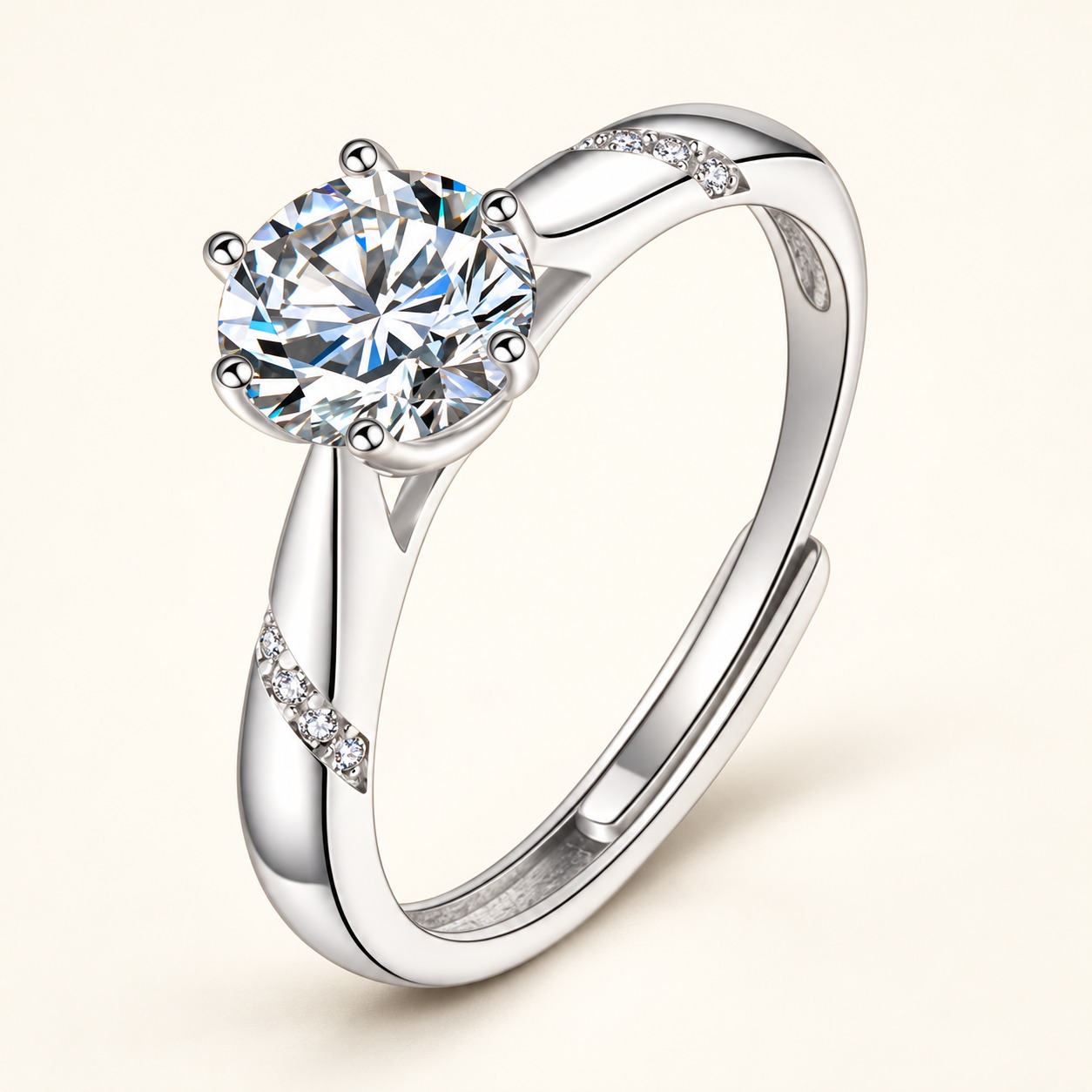
· La moissanite
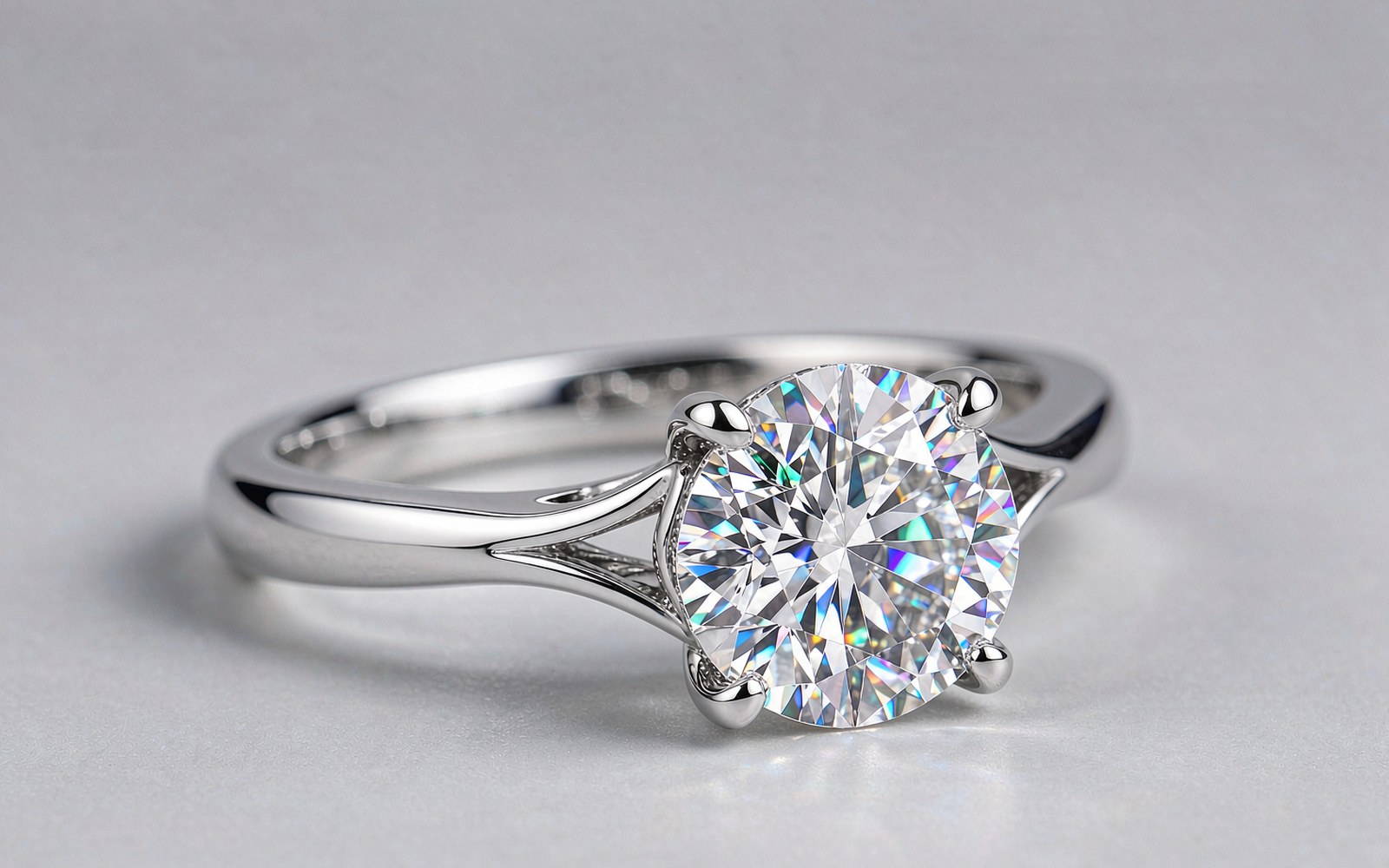
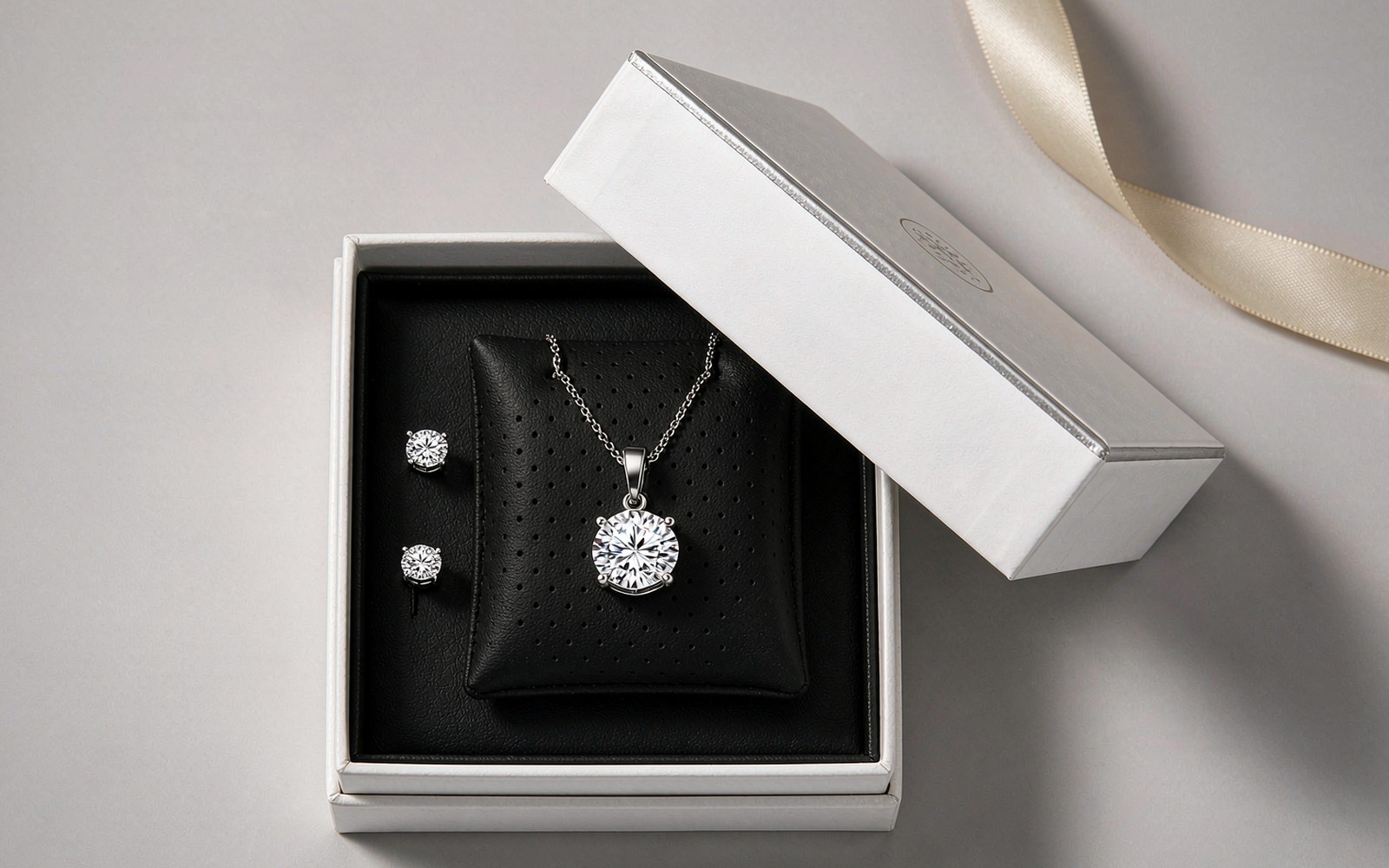
Moissanite has become a mainstream choice for engagement rings among buyers who want lasting brilliance without the price and sourcing concerns of mined diamonds. Browse our current selection at /en/rings/ to see how these styles look in real settings, and read /en/what-is-moissanite/ if you want the optical basics before you choose a shape.
What Makes Moissanite a Strong Choice for an Engagement Ring?
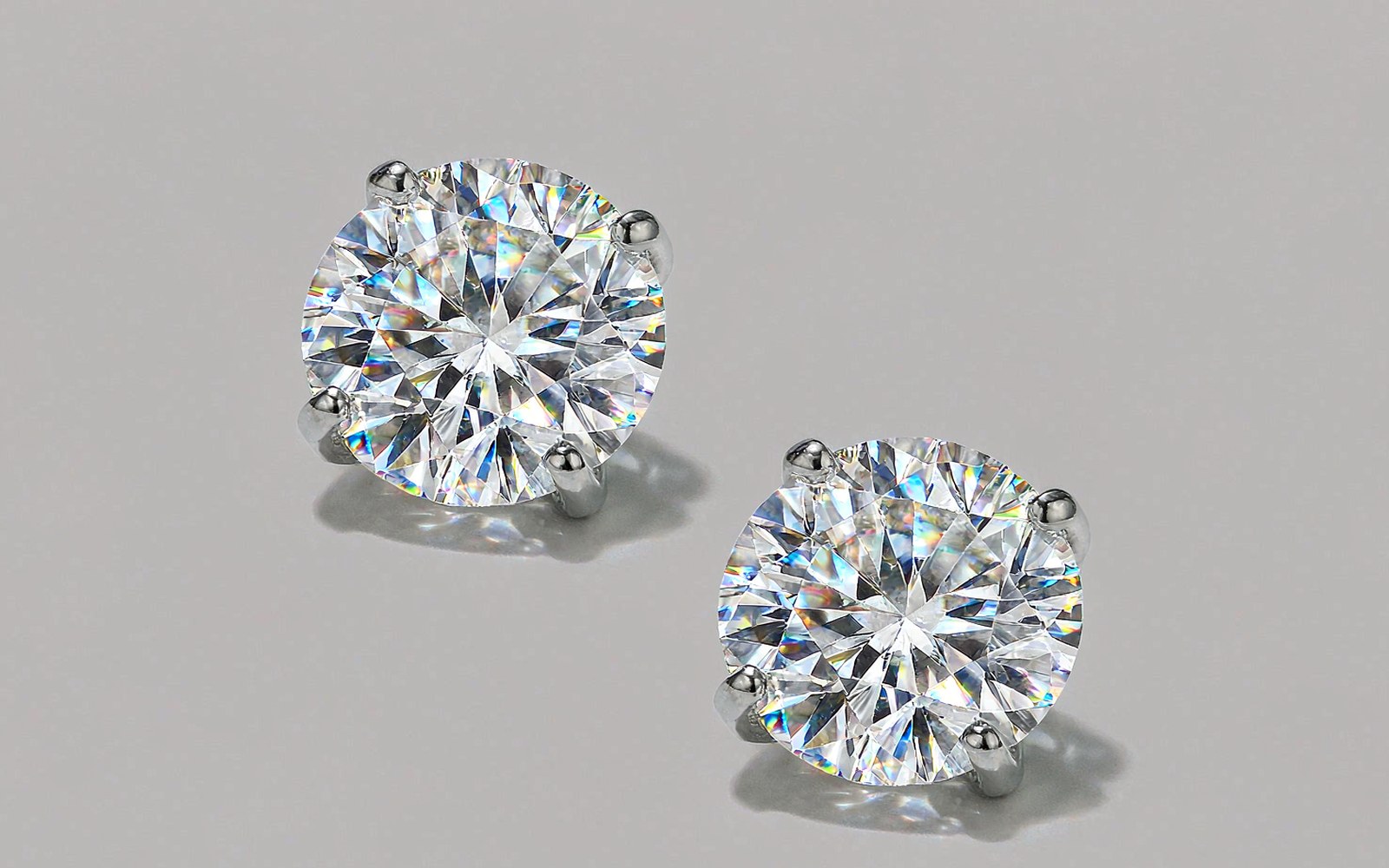
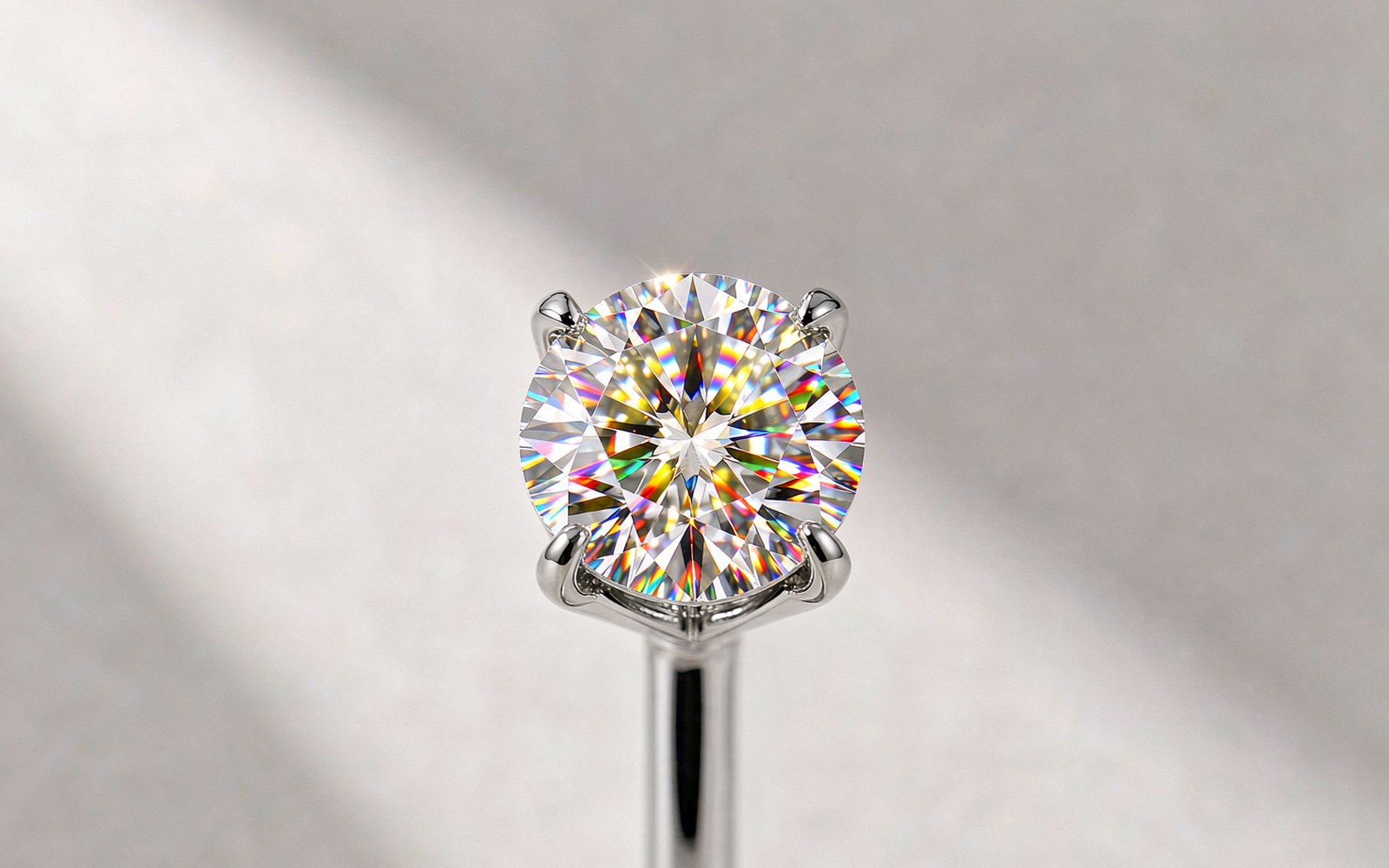
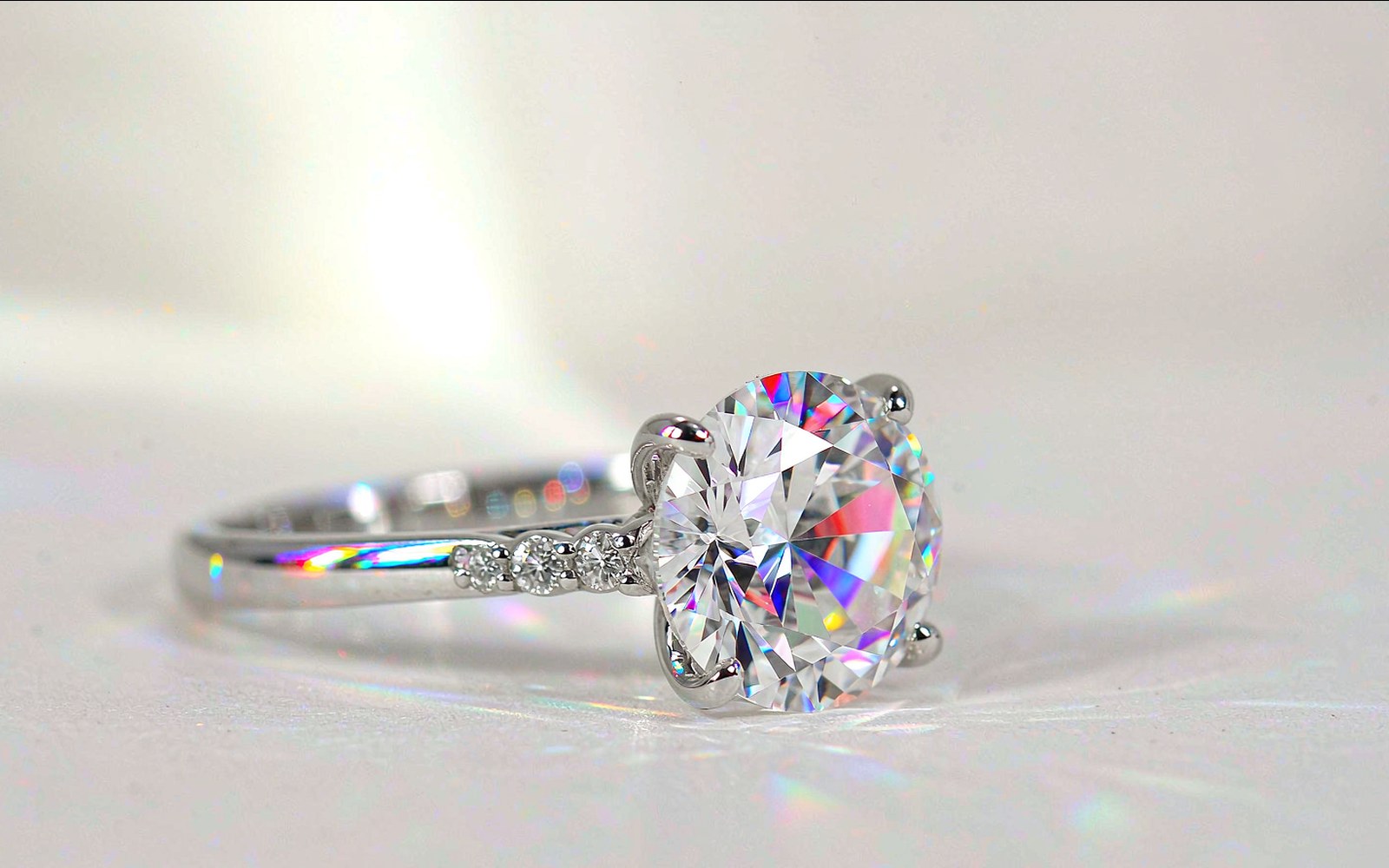
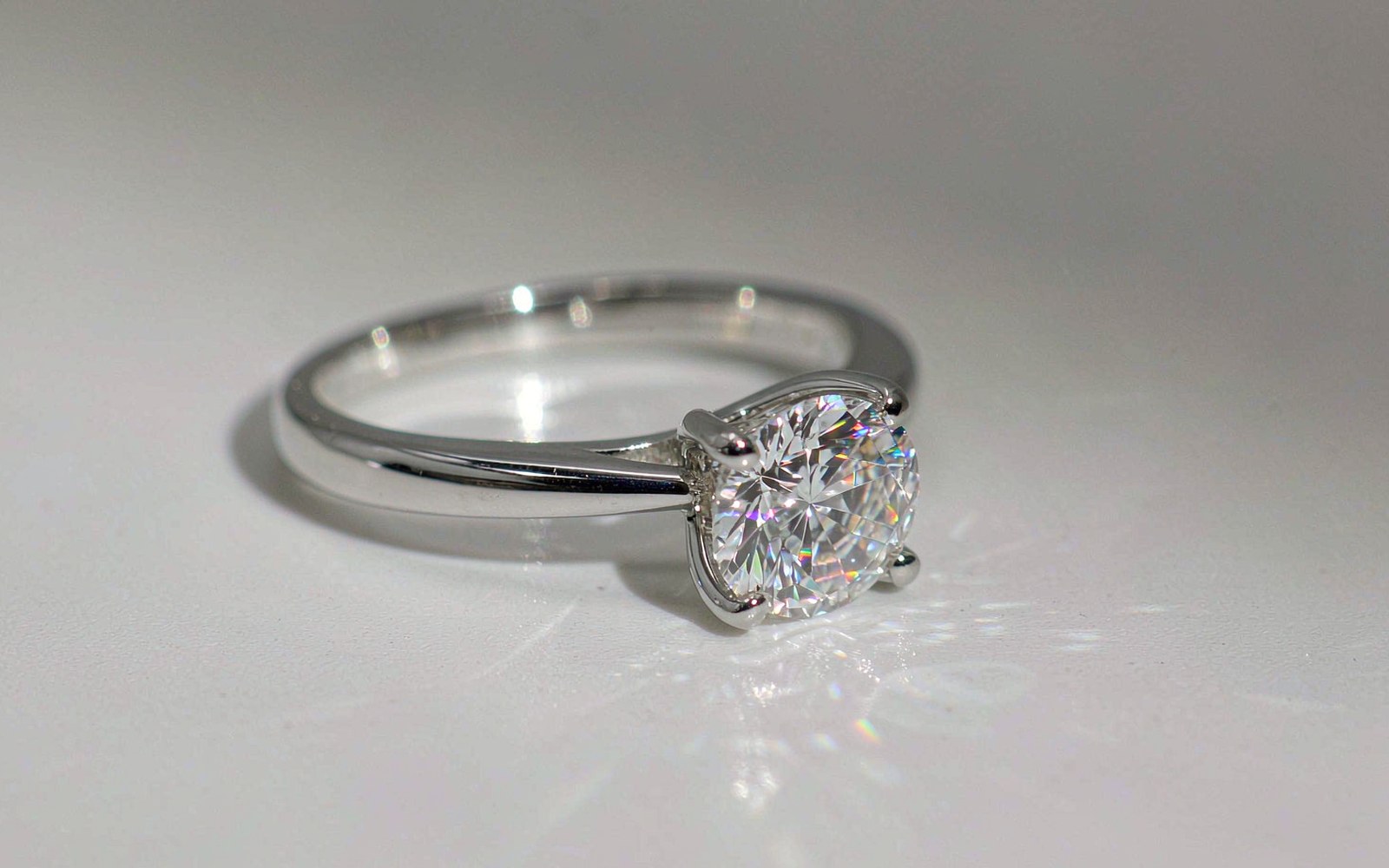
Moissanite is a lab-created gem with a higher refractive index than diamond, which means it returns more light as sparkle and fire. It ranks about 9.25 on the Mohs hardness scale, so it resists scratches well enough for a ring worn every day. Because it is grown rather than mined, the supply chain is transparent and the per-carat cost is far below natural diamond, letting you choose a larger-looking center stone or invest more in the setting. The honest trade-off is that moissanite shows more rainbow fire than diamond under direct light, which some buyers love and others prefer to read in person before deciding.
How Do I Choose the Right Moissanite Shape for an Engagement Ring?
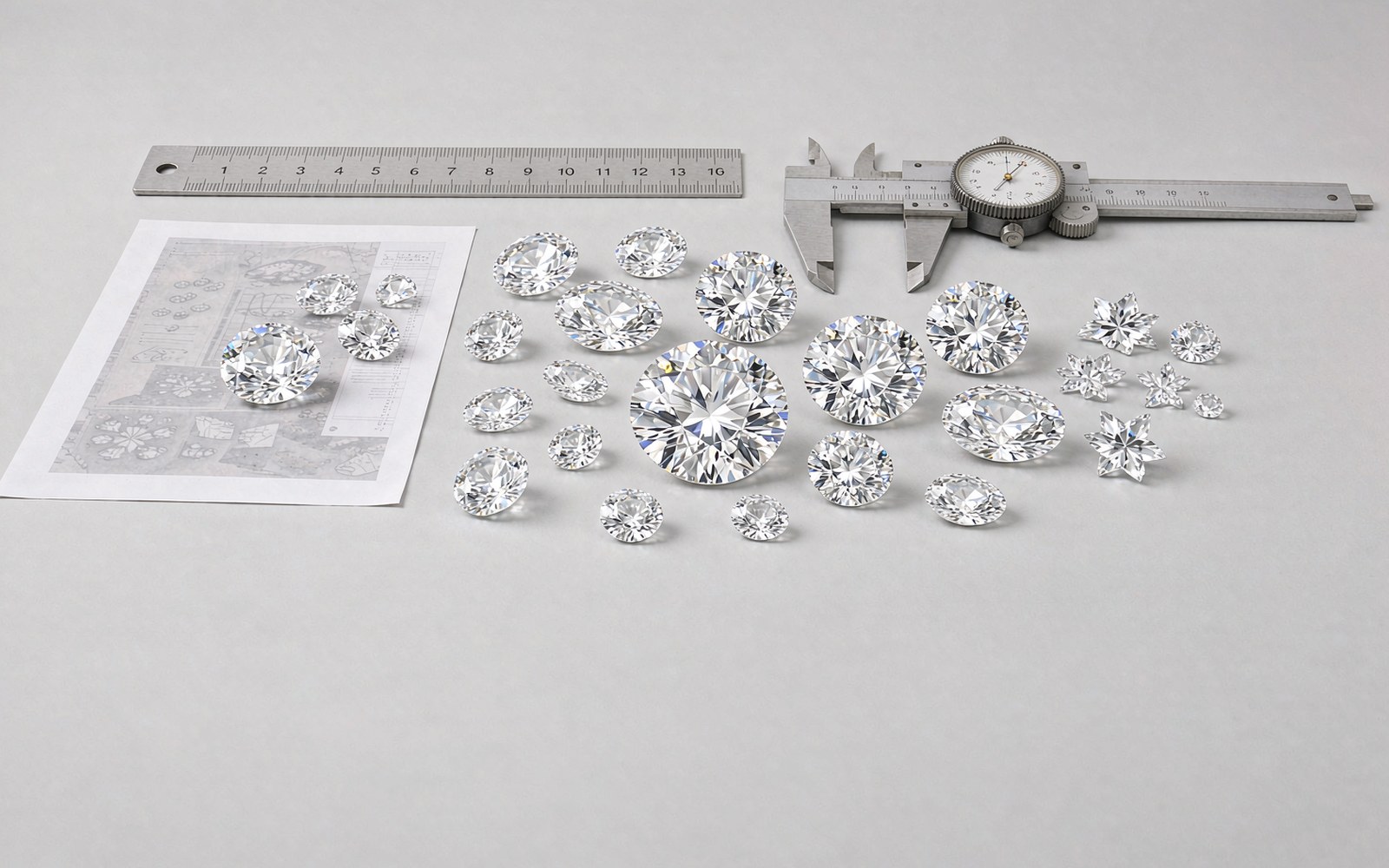
Shape drives both the look and how the finger appears. Round brilliant maximizes sparkle and stays classic. Oval, pear, and emerald cuts are longer on the finger and read as modern, but elongated cuts can show a bow-tie shadow across the center if the cut is not well balanced. Cushion and marquise suit vintage or statement looks. A practical rule is to match the shape to the wearer style: a clean round or oval for everyday minimalism, an emerald or pear for a fashion-forward feel. Ask the seller for a daylight video of the exact stone, because bow-tie and symmetry issues only show when the stone turns, not in a single staged photo.
Which Setting Style Fits How I Will Actually Wear the Ring?
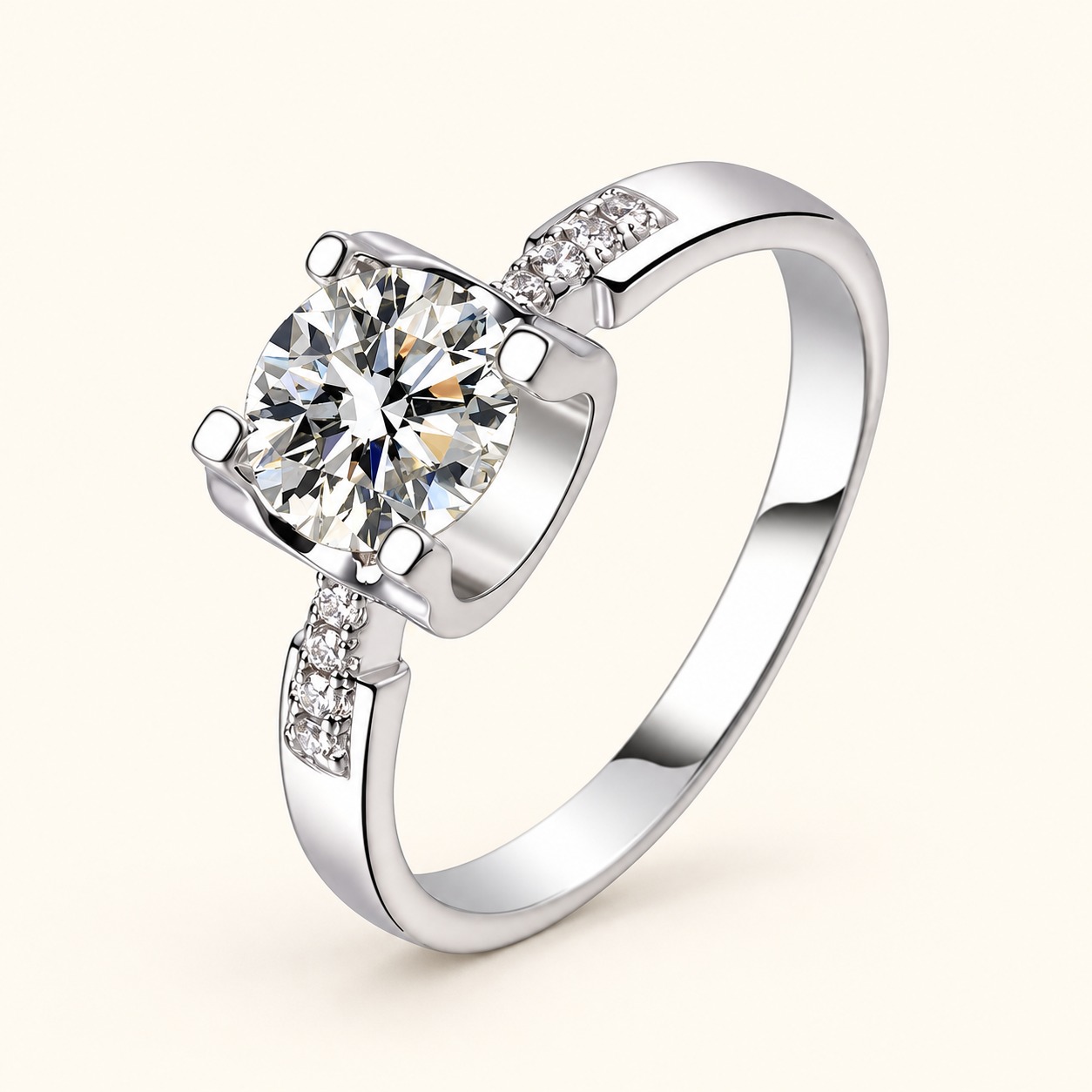
Settings decide security and comfort. Solitaire keeps the stone open and uncluttered. Halo adds a ring of smaller stones for more presence but needs more prong care. Bezel wraps the edge in metal, which protects the stone during active wear and prevents snags. Three-stone and hidden-halo styles add meaning and sparkle but raise the number of settings to inspect. For a ring worn constantly, a low-profile solitaire or bezel is safer than a high basket that catches on clothing. Tell your supplier the wearer routine, such as office work, sports, or hands-on tasks, so the setting matches the risk level rather than just the look.
Does Metal Type Change the Look and the Durability of the Ring?
Yes. Sterling silver keeps the cost accessible and the look bright, but it needs occasional repolishing. Solid gold in yellow, white, or rose shifts the warmth and lasts longer. Platinum is the most durable and hypoallergenic but costs the most. For sensitive skin, confirm a nickel-safe composition in writing. Whatever you choose, ask the seller to state the exact metal and whether it is solid or plated, because plating wears through over time and changes the color. A clear written spec protects you more than a product title does.
How Big Should the Center Stone Look Without Overspending?
Moissanite has lower density than diamond, so a given carat weight looks slightly larger, which helps you get visual size without paying for weight. A useful approach is to fix the budget first, then choose the largest well-cut stone that fits, rather than chasing a specific carat number. Remember that cut quality affects perceived size and sparkle more than the weight alone, so a smaller stone with a precise cut can outshine a heavier poorly cut one. Ask for the actual dimensions in millimeters on the invoice, because millimeter size is what your eye sees, not the carat figure.
What Does a Grading Report Confirm, and What Does It Not?
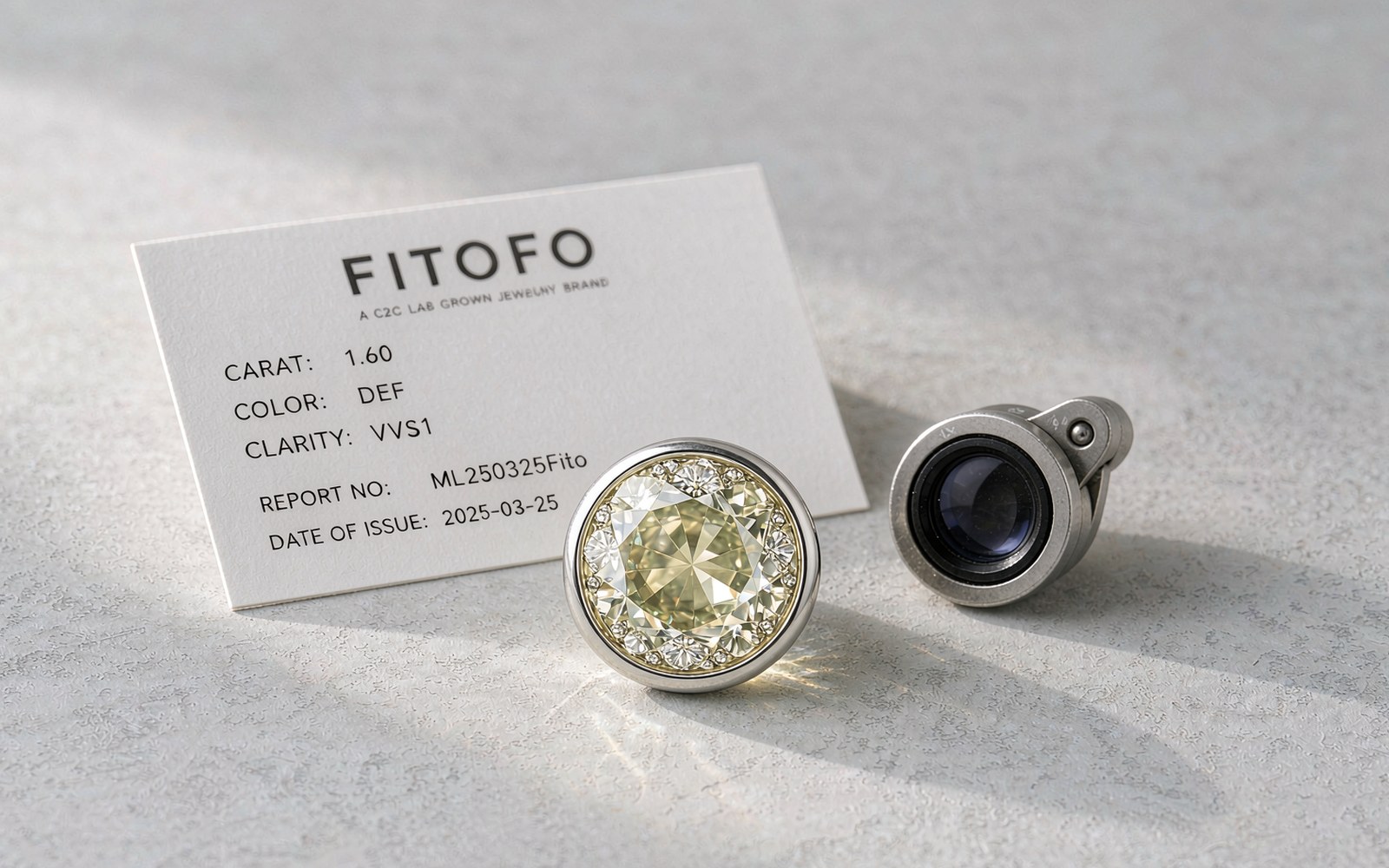
A grading report from a recognised laboratory describes the measured properties of the stone, such as dimensions, optical behaviour, and basic identification. It is a helpful reference when you compare pieces from different sellers. But a report only confirms the stone identity and basic optical properties; it does not certify durability, future appearance, or resale value, and it should not be read as a promise about how a ring will perform over years of wear. Treat the report as one input among several, and always pair it with your own visual inspection and the seller written spec.
How Can I Check the Stone and Setting Before the Ring Ships?
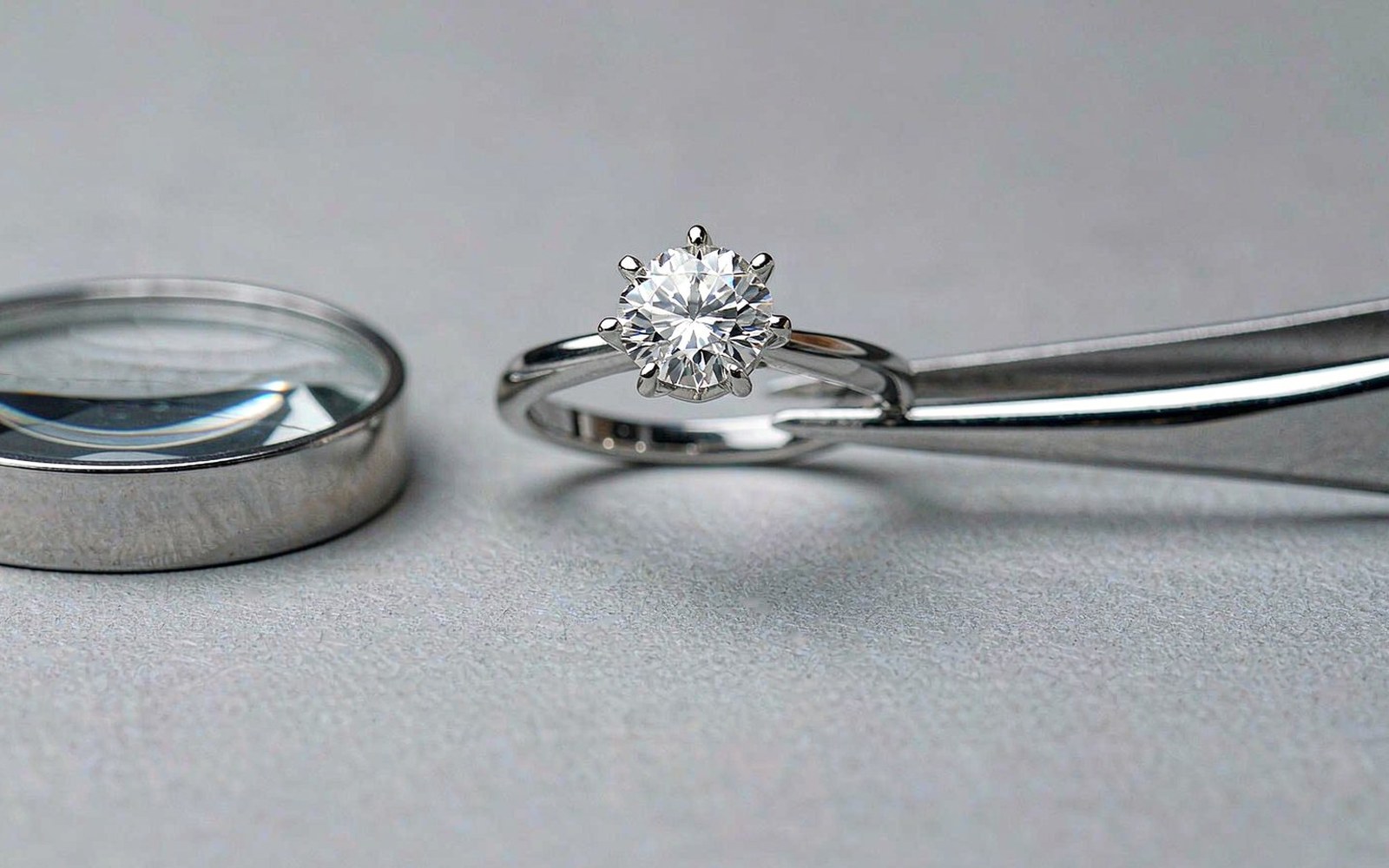
Request unedited daylight photos and a short turning video of the actual ring before you release a large payment. Look for even prongs, a centered stone, clean polish, and no bow-tie shadow in elongated cuts. For a larger order, order one sample ring first and inspect it against the same criteria you will apply to the full run. A simple fog test also helps: moissanite clears fog faster than many simulants because of how it conducts heat, though this is a quick check, not proof of identity. The goal is to catch issues in a photo review, where fixing them costs the seller little, rather than after delivery, where it costs you time.
What Should I Confirm With My Supplier Before Placing an Order?
Before you pay a deposit, lock down these eight points so the delivered ring matches your expectation:
1) Scope of use: confirm the shape and setting fit the wearer daily routine and any dress-code limits at work or the proposal plan.
2) Lead time: ask the seller to state the production and shipping window in writing, and agree what happens if it slips.
3) Minimum order: confirm the minimum order quantity for your chosen design and metal, because it varies by style and finish.
4) Samples: request a physical or well-documented sample of the exact design before a bulk run, so you judge the real piece, not a showcase image.
5) Failure conditions: agree in writing what counts as a defect, such as a loose stone, uneven prongs, or a mismatched center, and what voids the agreement, such as unauthorised resizing or impact damage.
6) Testing methods: decide how you will verify on arrival, using daylight photos, a side-by-side check against the sample, and a fog or loupe check, so the acceptance step is clear before you pay the balance.
7) Parameter explanation: have the seller define each spec you care about, such as dimensions, cut, metal composition, and ring size, in plain language on the invoice, not as abbreviations you must decode later.
8) Inspection and after-sales: agree a clear window to report issues after delivery, what evidence you need, such as photos or video, and what the seller will do, such as resize, repair, replace, or refund, so there is no ambiguity later.
One decision detail many buyers miss: the proposal moment is not the delivery moment. Ask your supplier whether the ring can be resized later and who pays if the size is wrong, because a surprise size error turns a planned proposal into a delay. A seller who answers this clearly in writing is usually the same seller who handles the rest of the order responsibly, and one who dodges it is a signal to look elsewhere before you commit.
Moissanite engagement rings give buyers lasting brilliance with clear ethical and value advantages over mined diamonds, and the right choice comes down to matching the shape, setting, and metal to how the ring will actually be worn. Brief your supplier on the eight confirmation points above, insist on photos or a sample of the real ring, and treat any grading report as a reference rather than a performance promise. Do that, and you will receive a ring that looks right on the proposal day and still looks right years later.