· عن الموزانيت
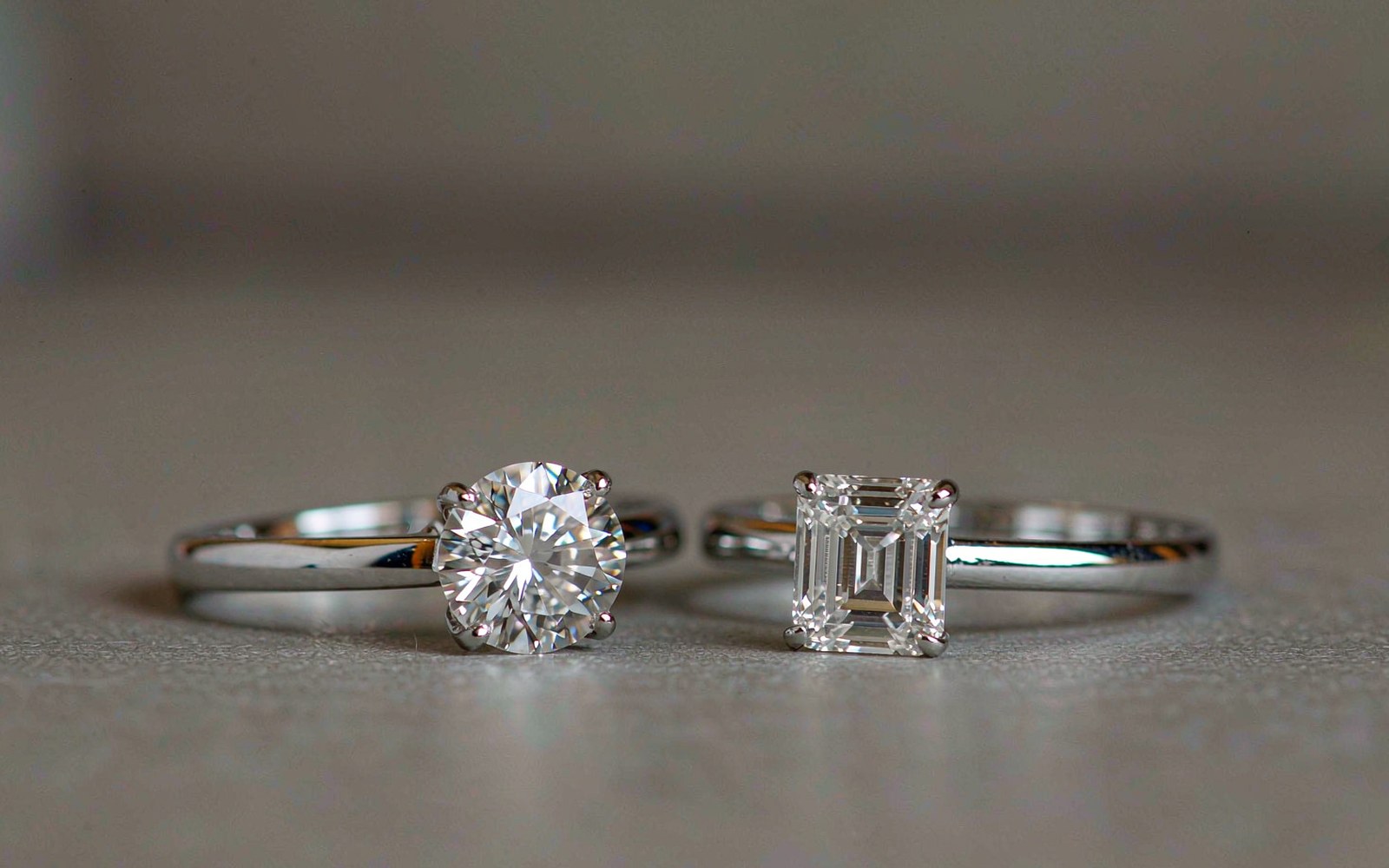
Choosing between moissanite and white sapphire is one of the most common decisions for buyers who want a colorless, diamond-like stone without a natural-diamond budget. Both are genuine, hard, wearable gemstones, but they behave very differently in daily life. This guide answers the questions real buyers ask and shows you what to confirm with a supplier before you commit.
If you are new to the stone itself, our what is moissanite page explains how it is made and why it looks the way it does. The comparison below focuses on the practical buyer questions: sparkle, durability, upkeep, and the fine print that protects you.
What is the actual difference between moissanite and white sapphire?
Moissanite is a lab-created silicon-carbide crystal. White sapphire is natural corundum - the same mineral family as blue sapphire - that has been treated to remove its color so it reads near-colorless. They are different materials with different optical behavior, even though both can look white to the casual eye.
The practical takeaway is that you are not choosing between a 'real' and a 'fake' option. You are choosing between two real stones with different stories: one grown in a lab for consistency, one mined from the earth. That distinction matters to some buyers more than others.
Which one sparkles more - moissanite or white sapphire?
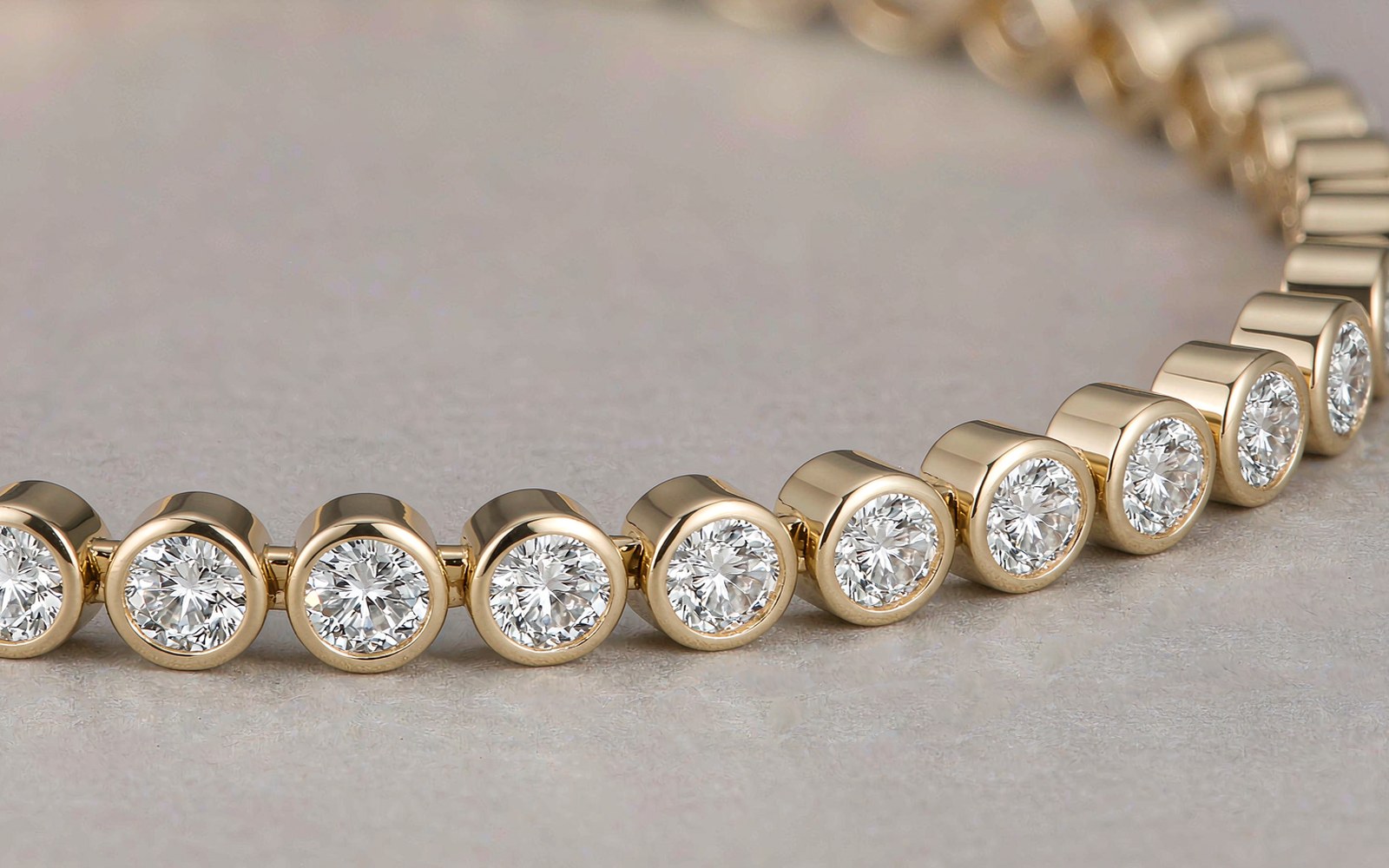
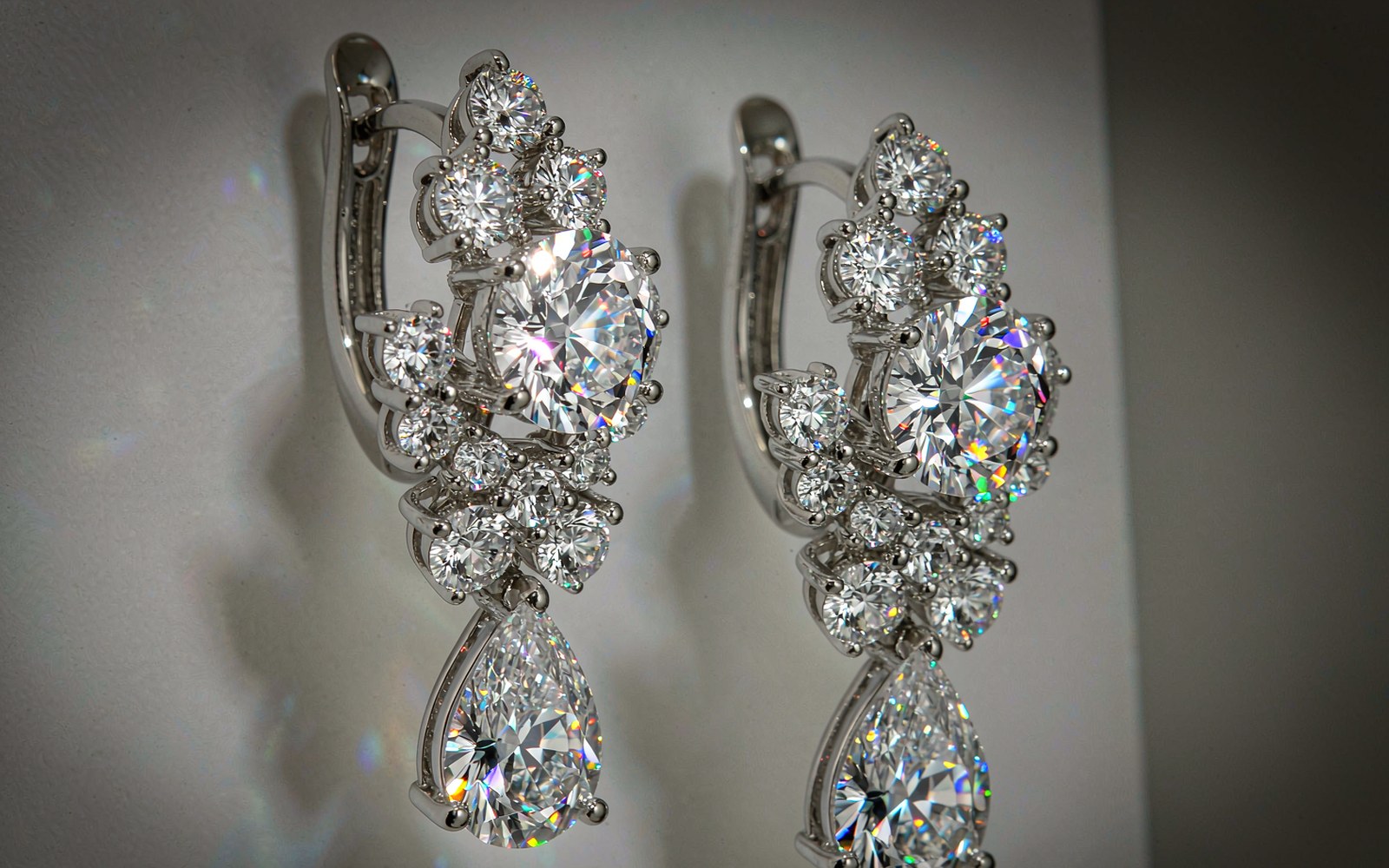
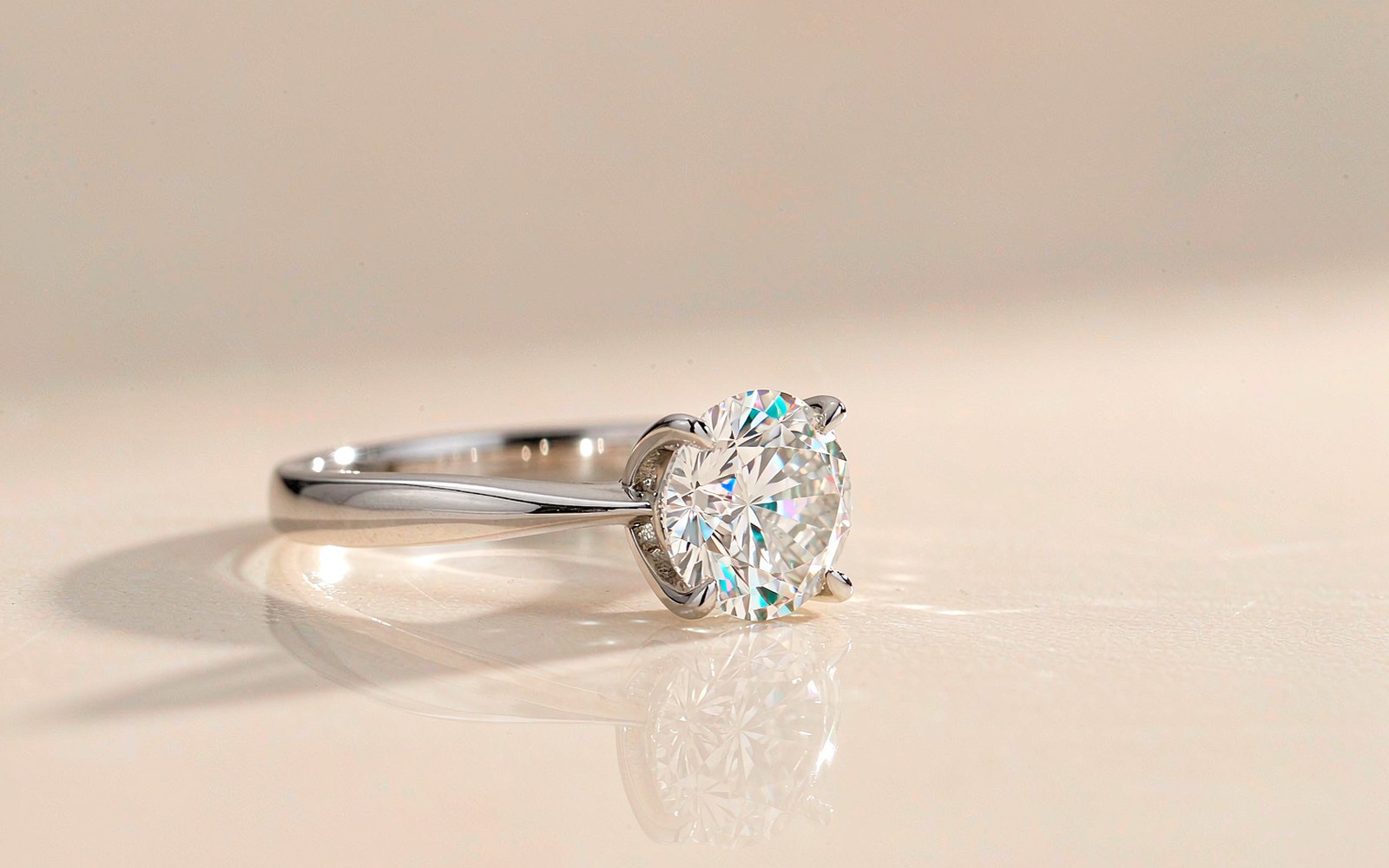
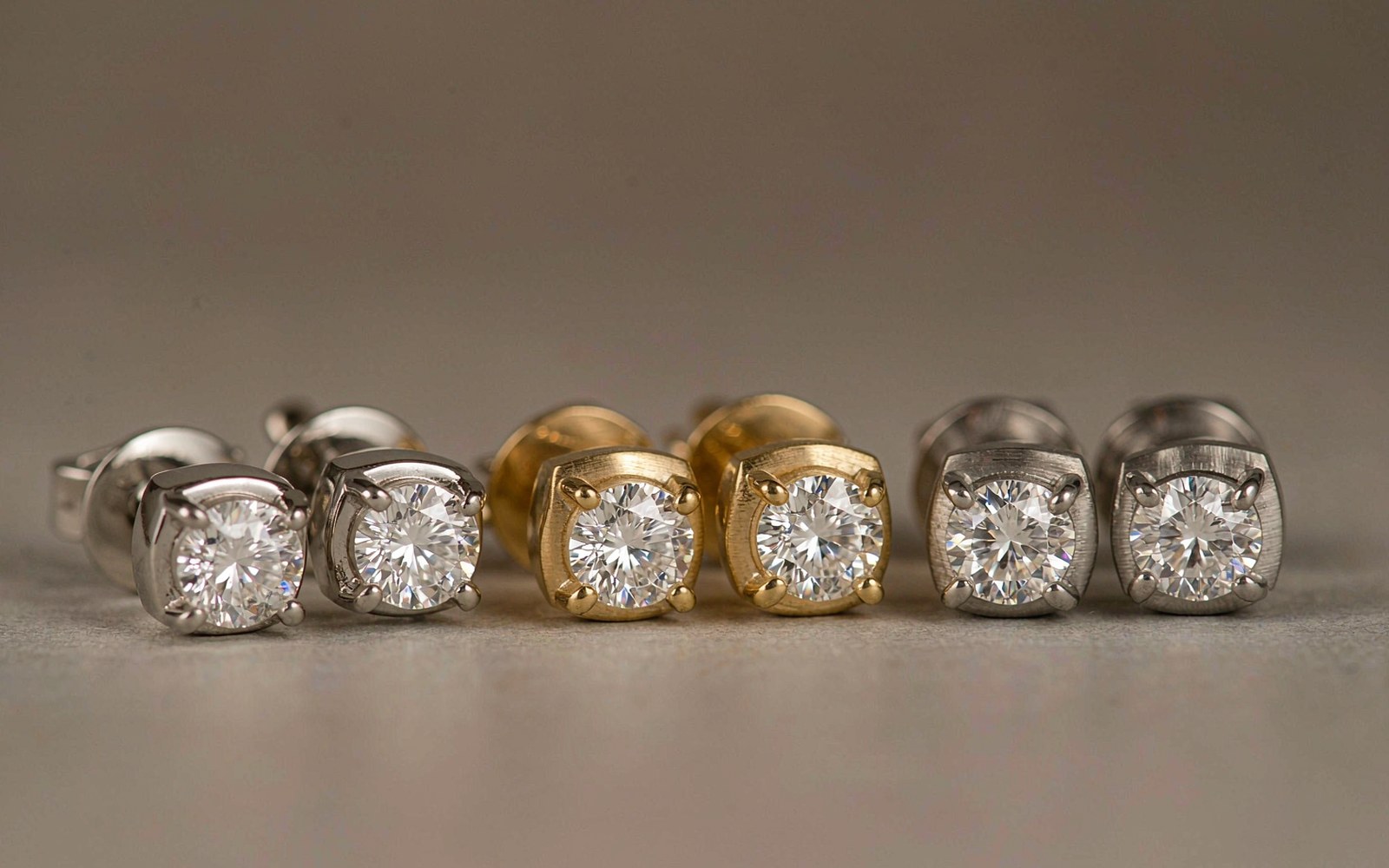
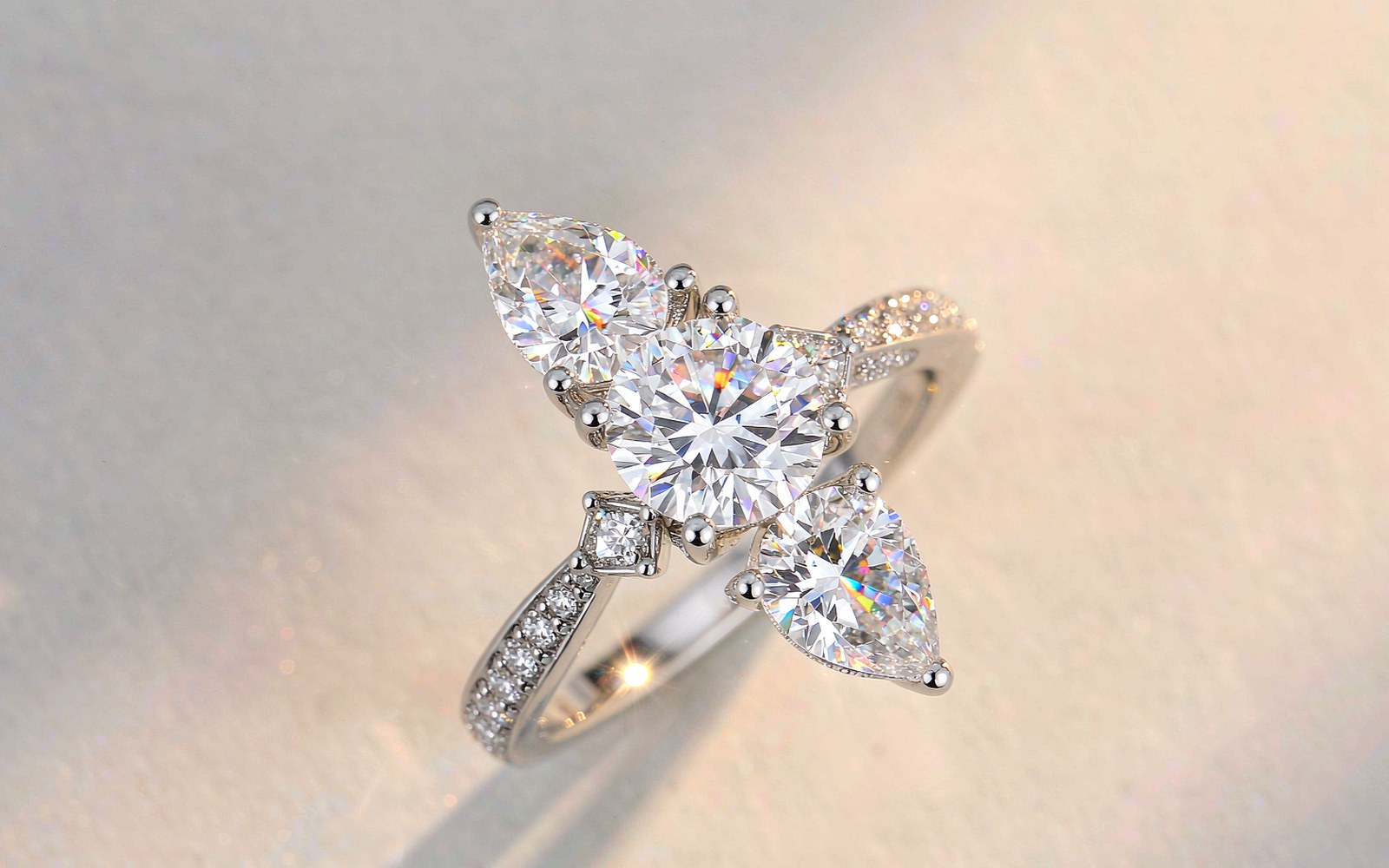
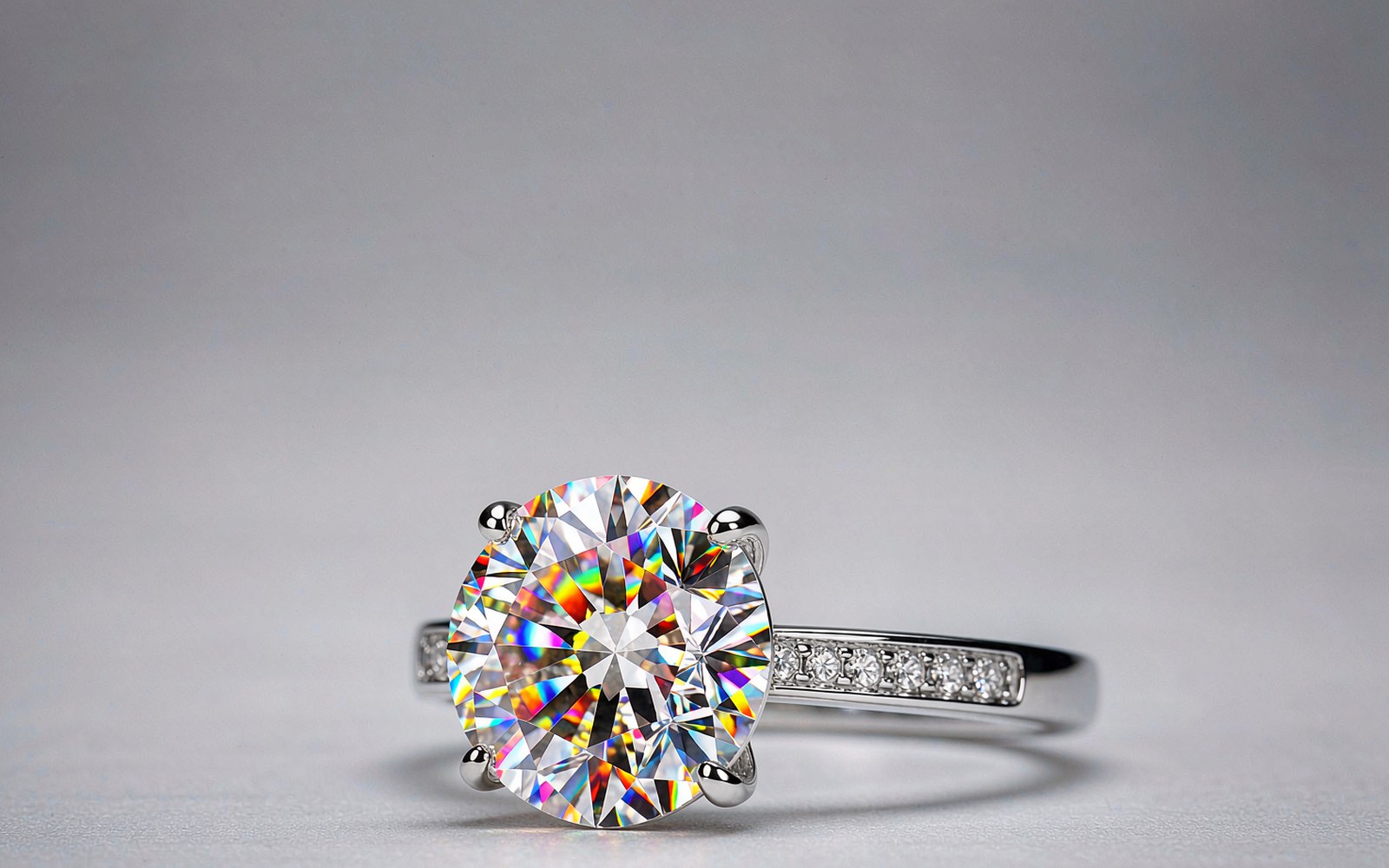
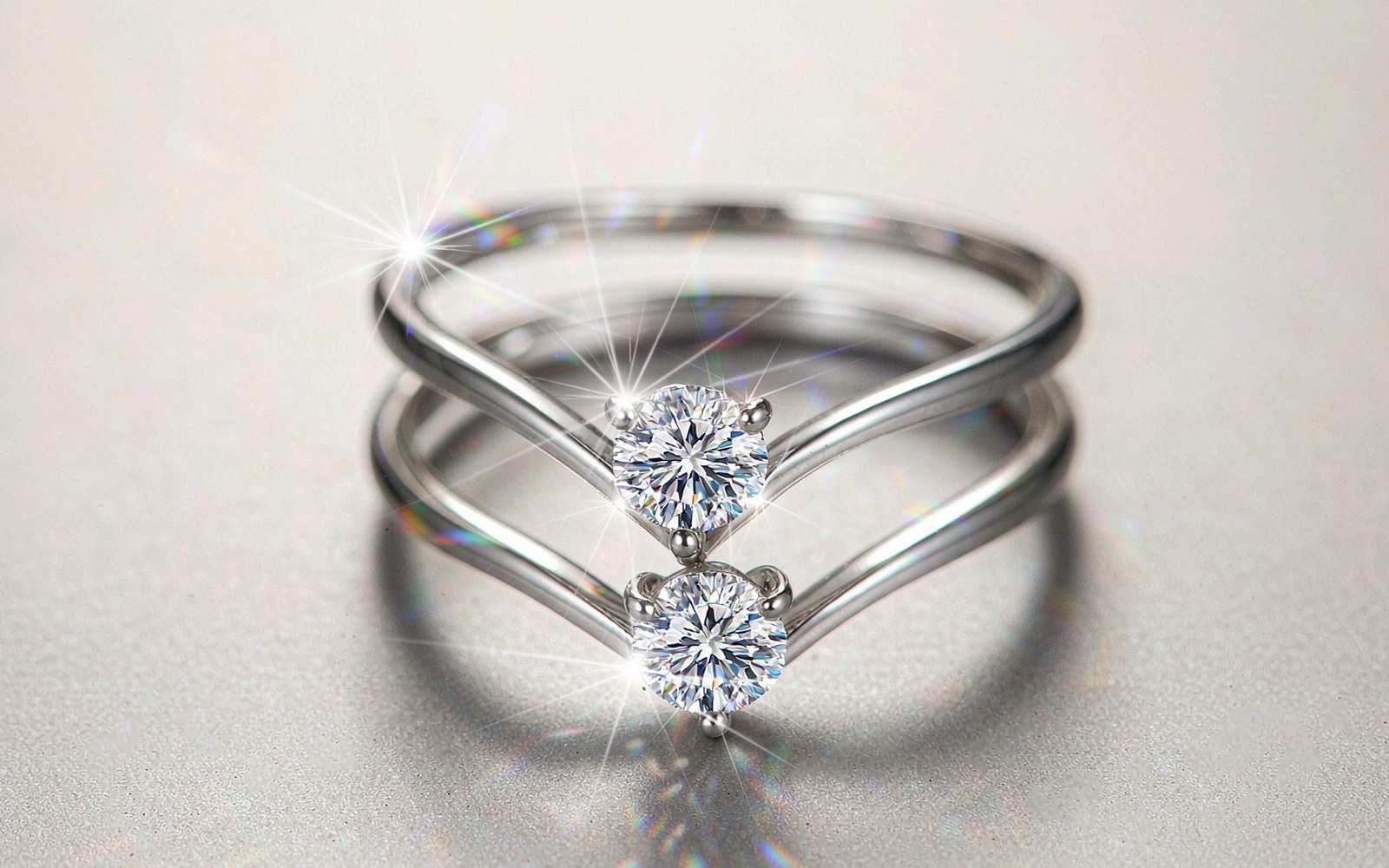
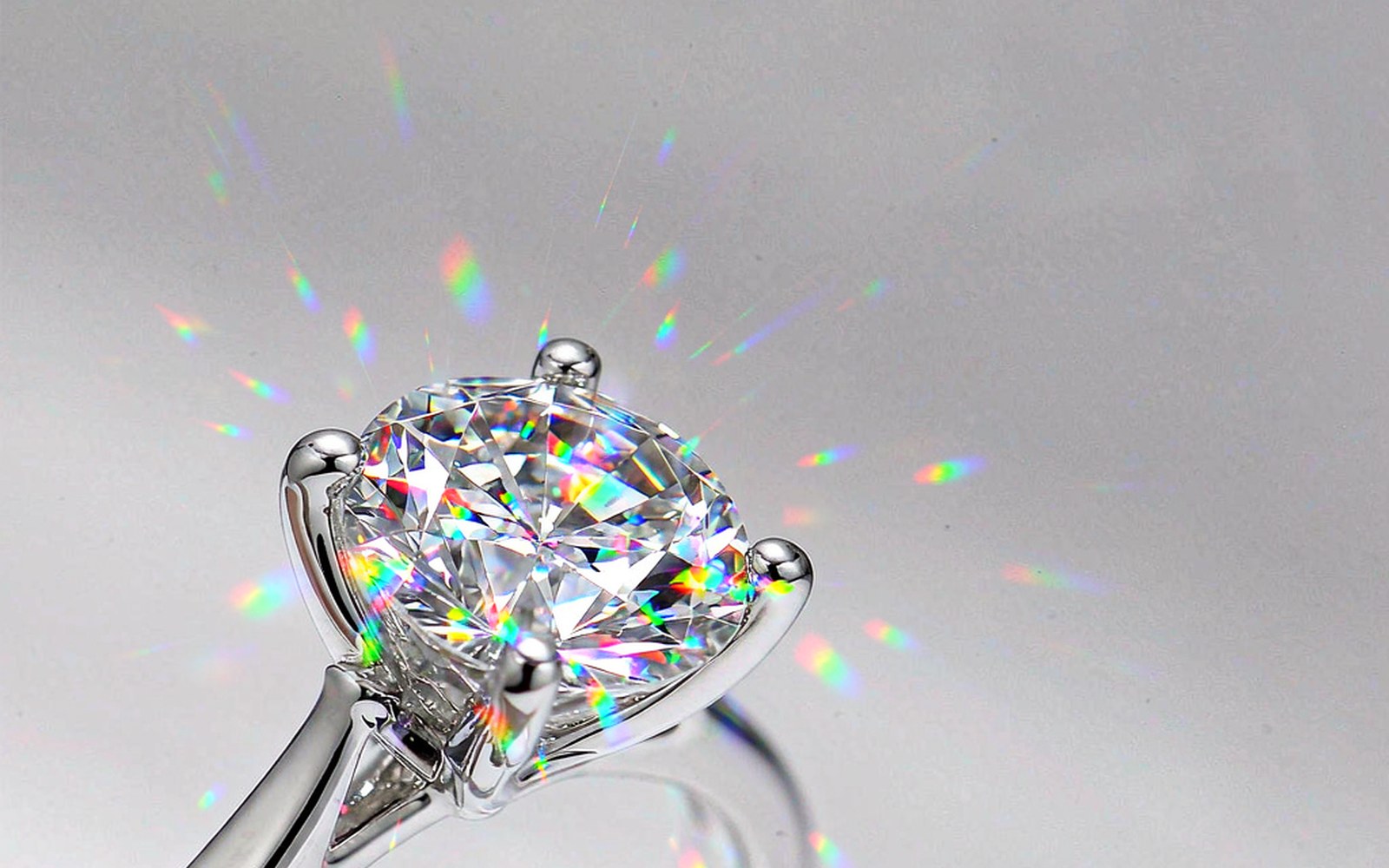
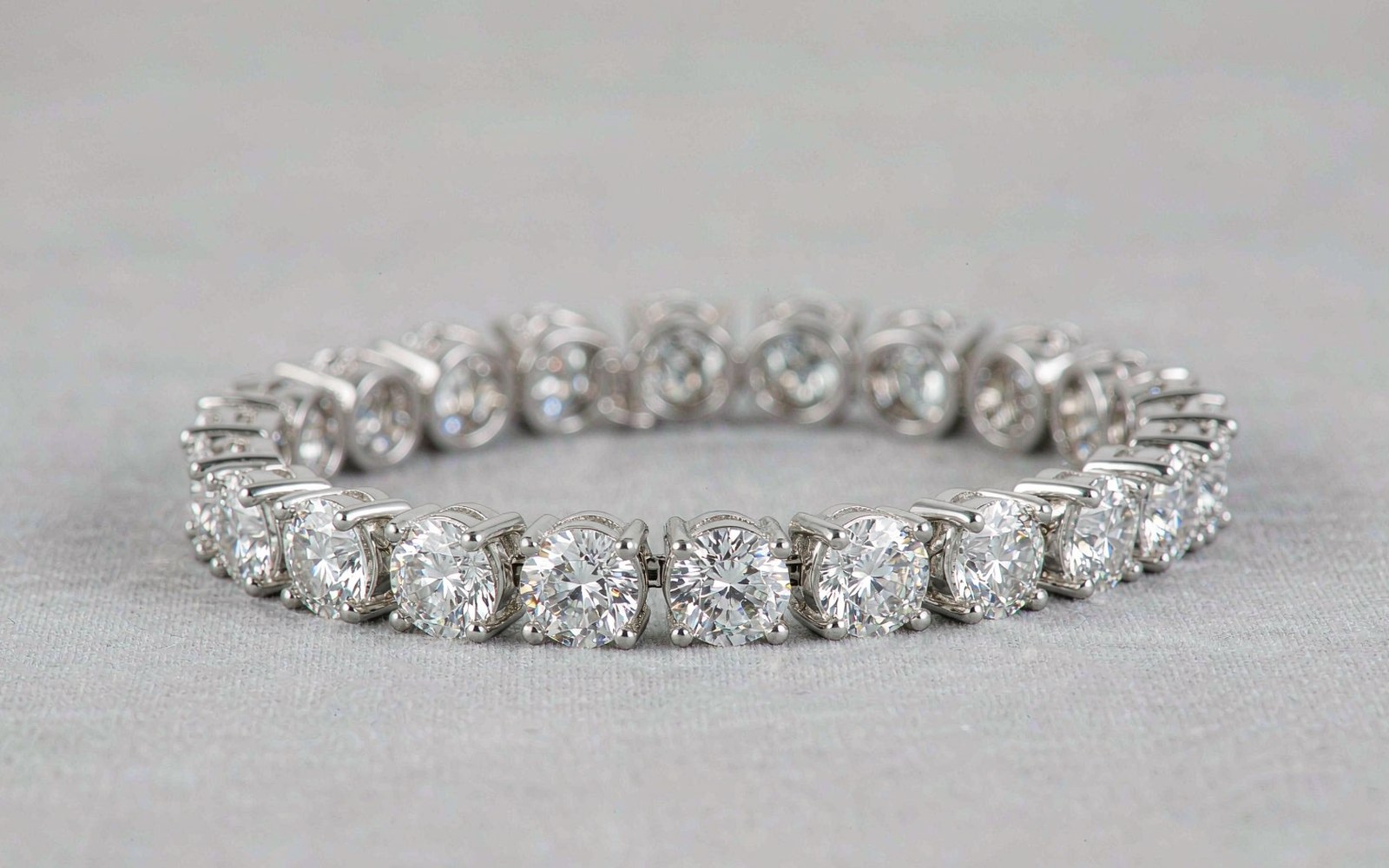
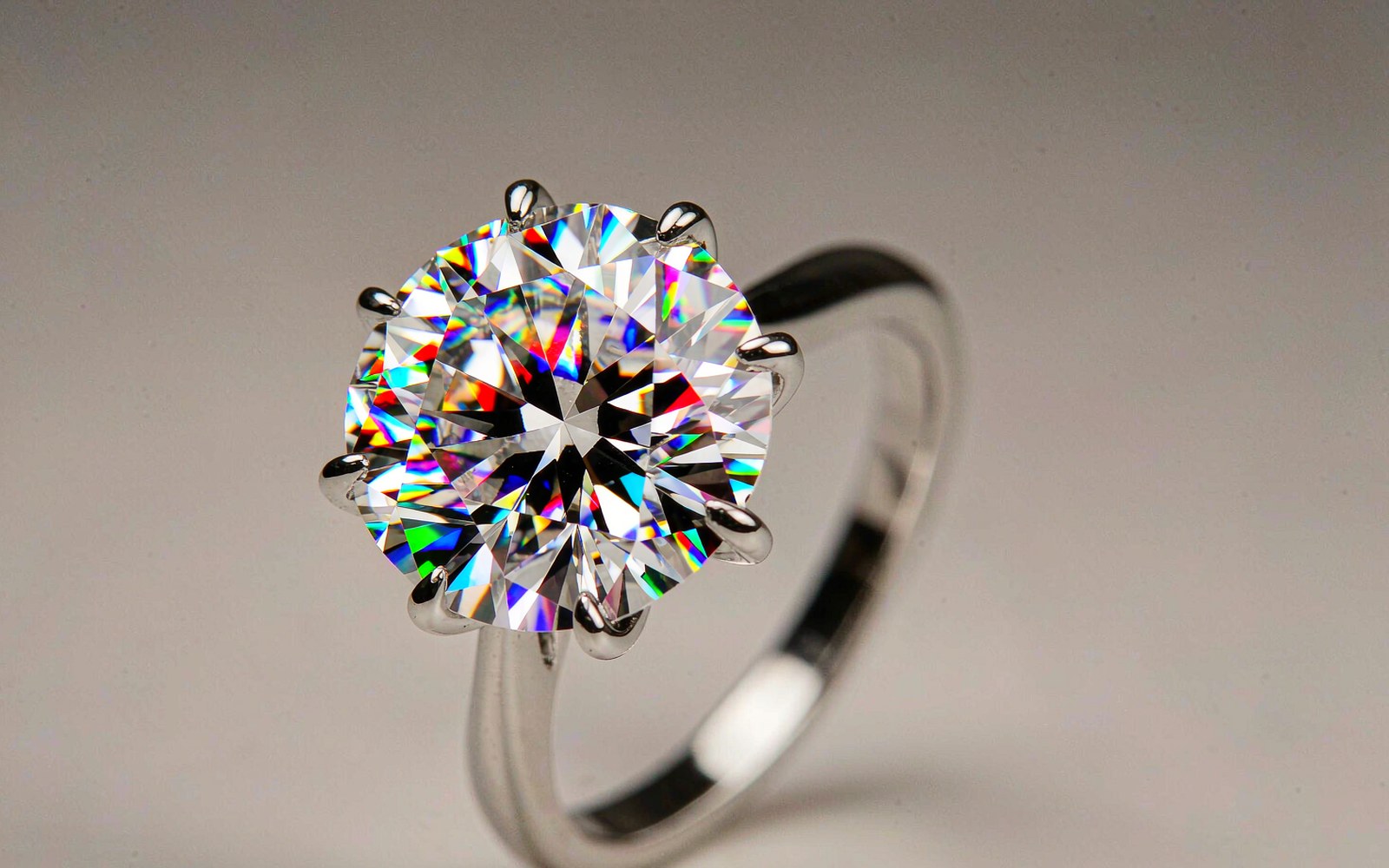
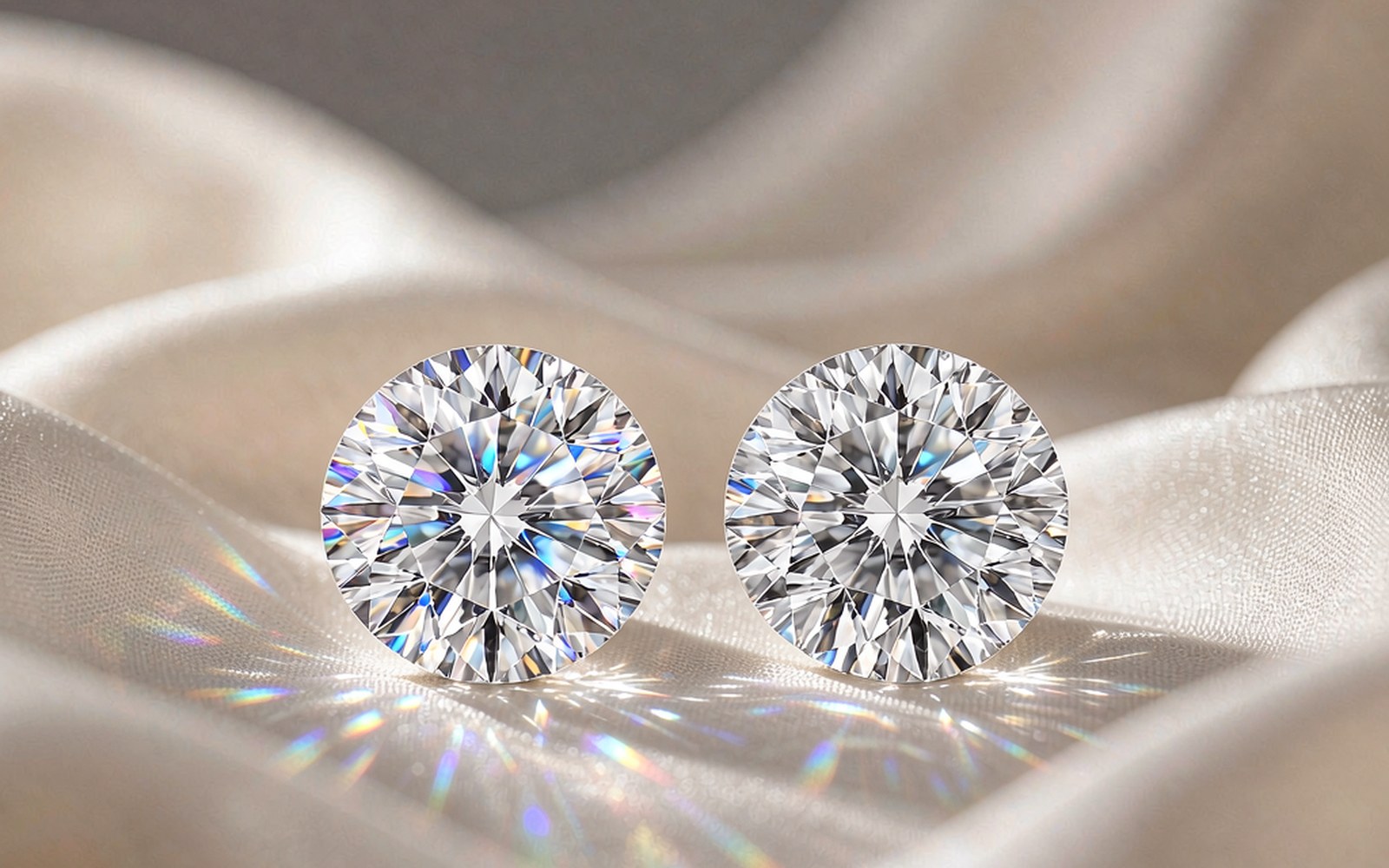
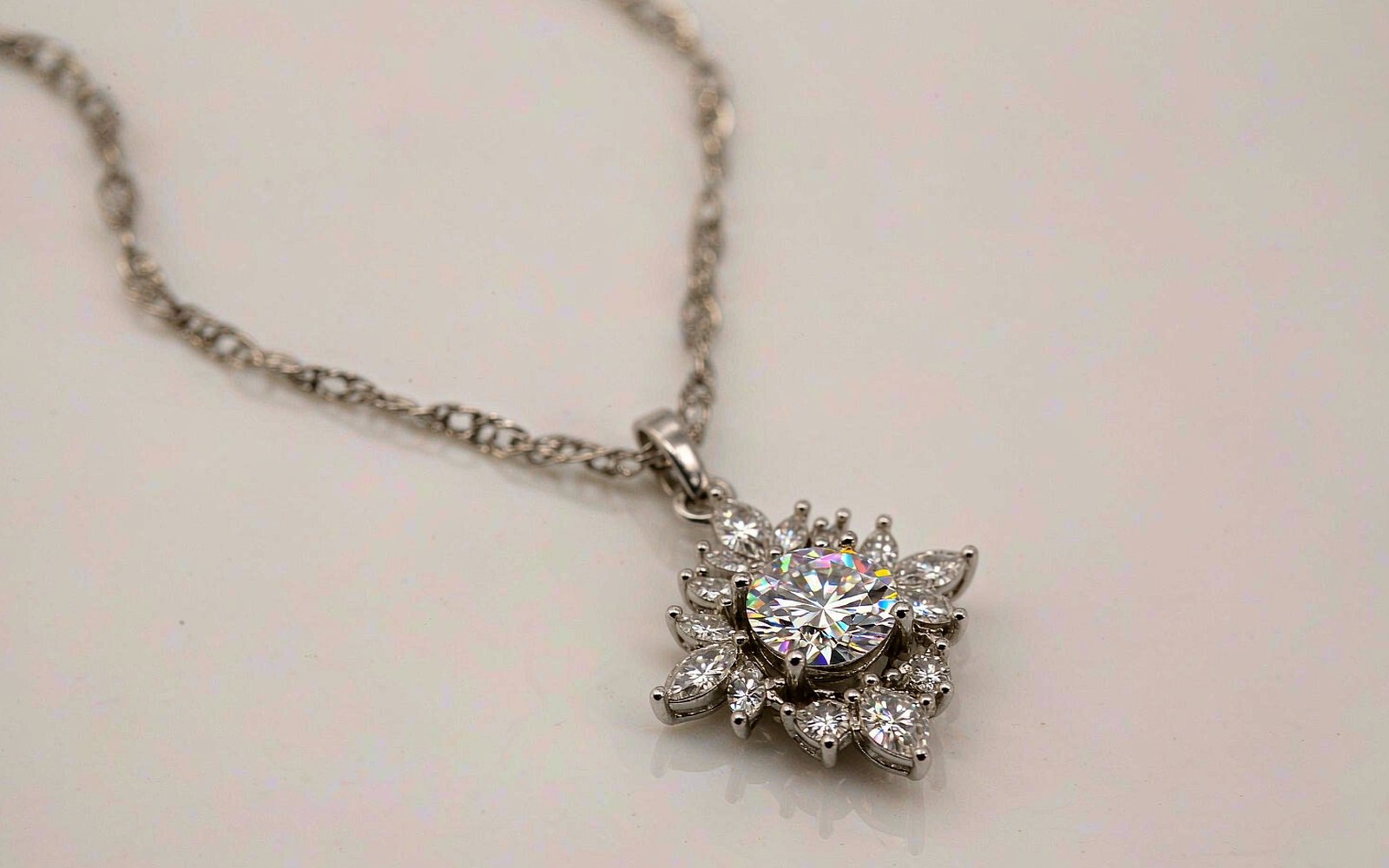
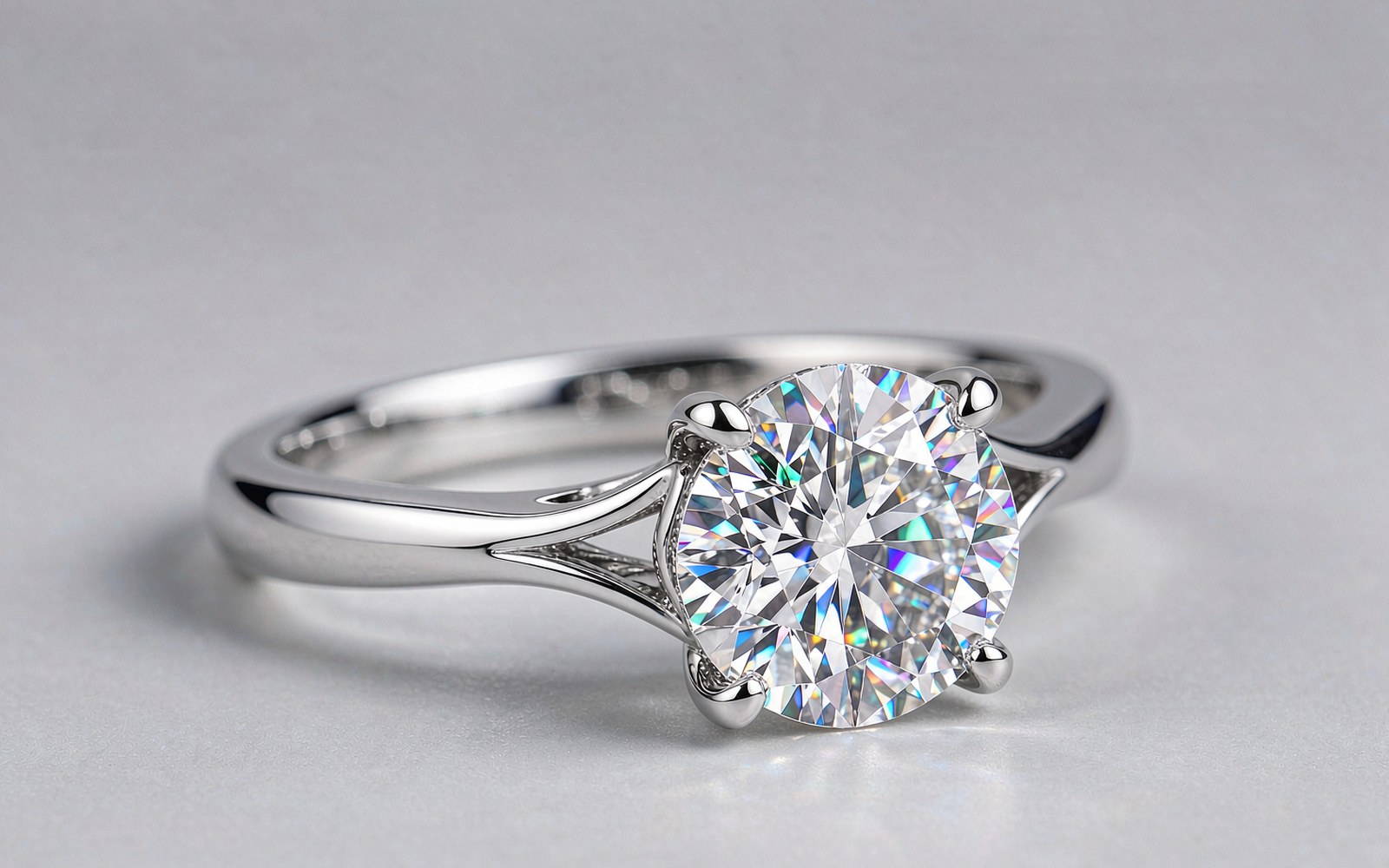
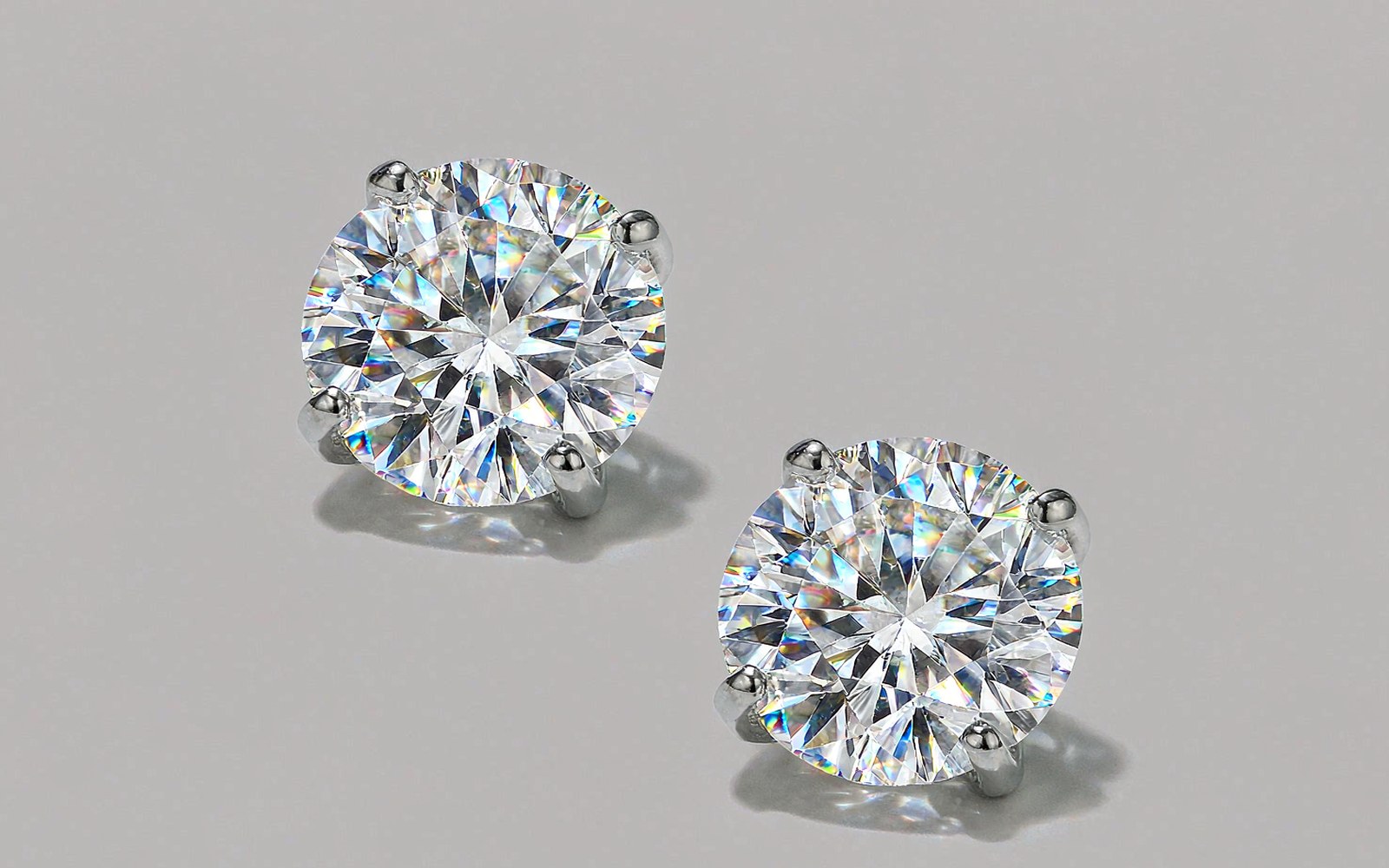
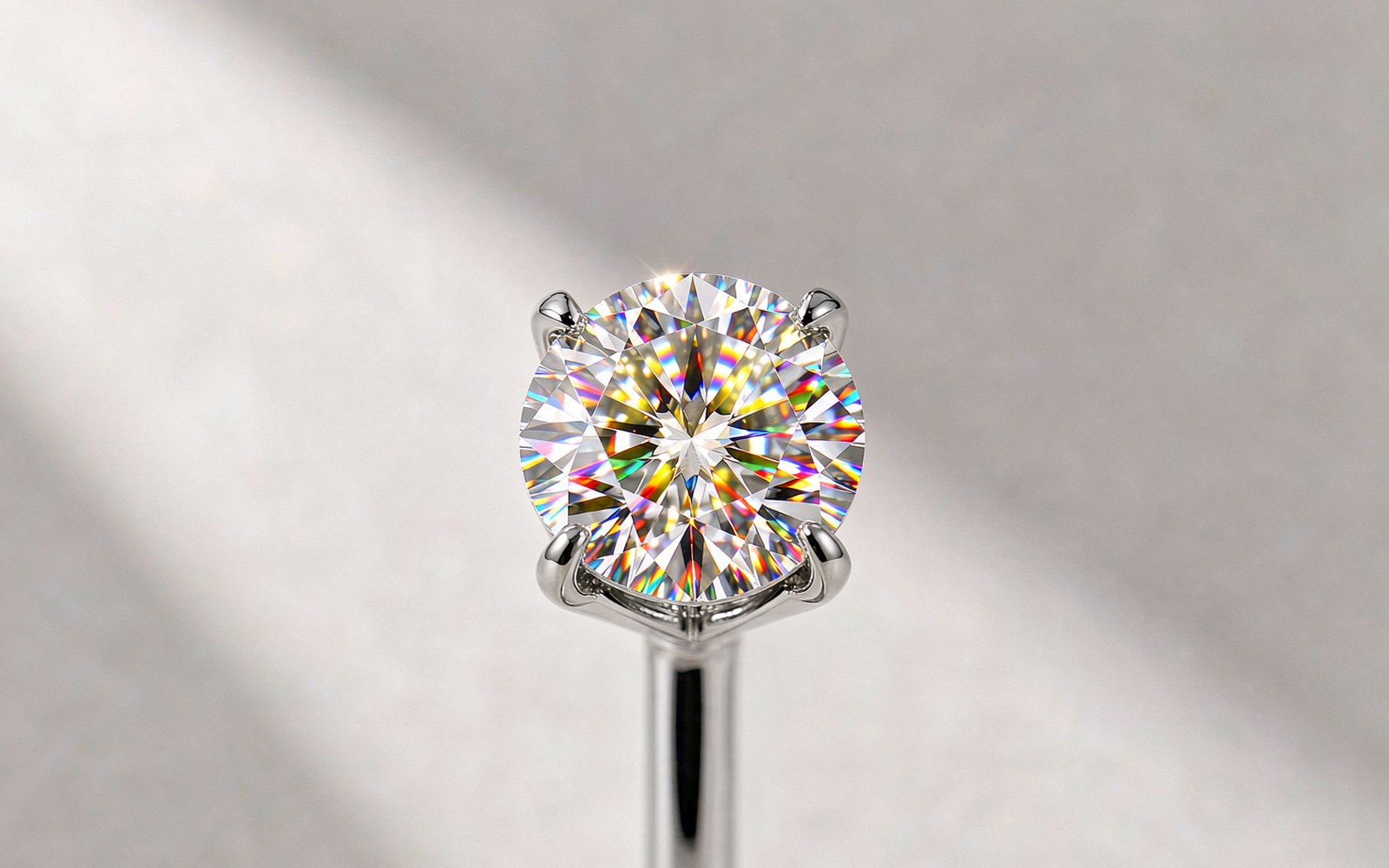
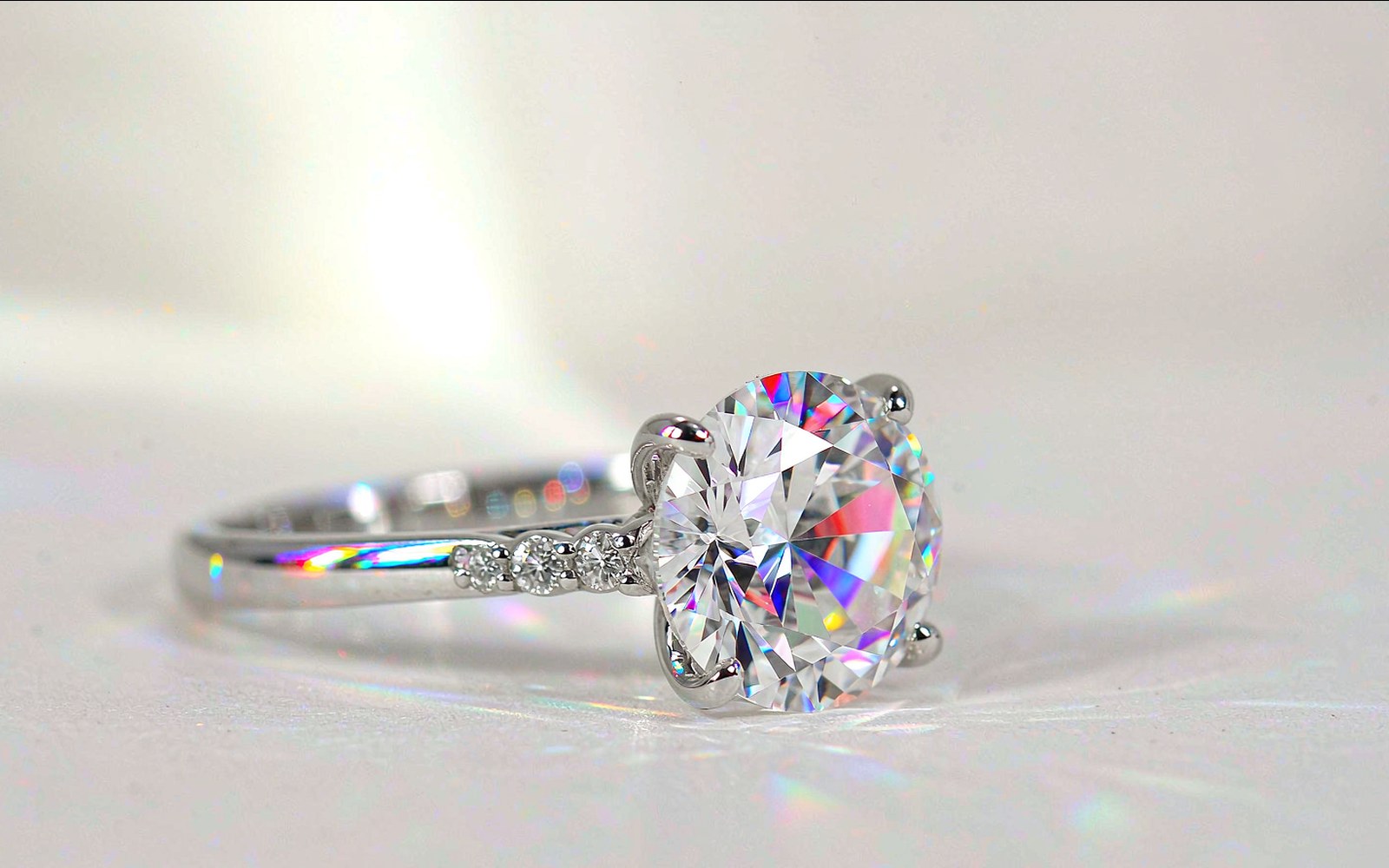
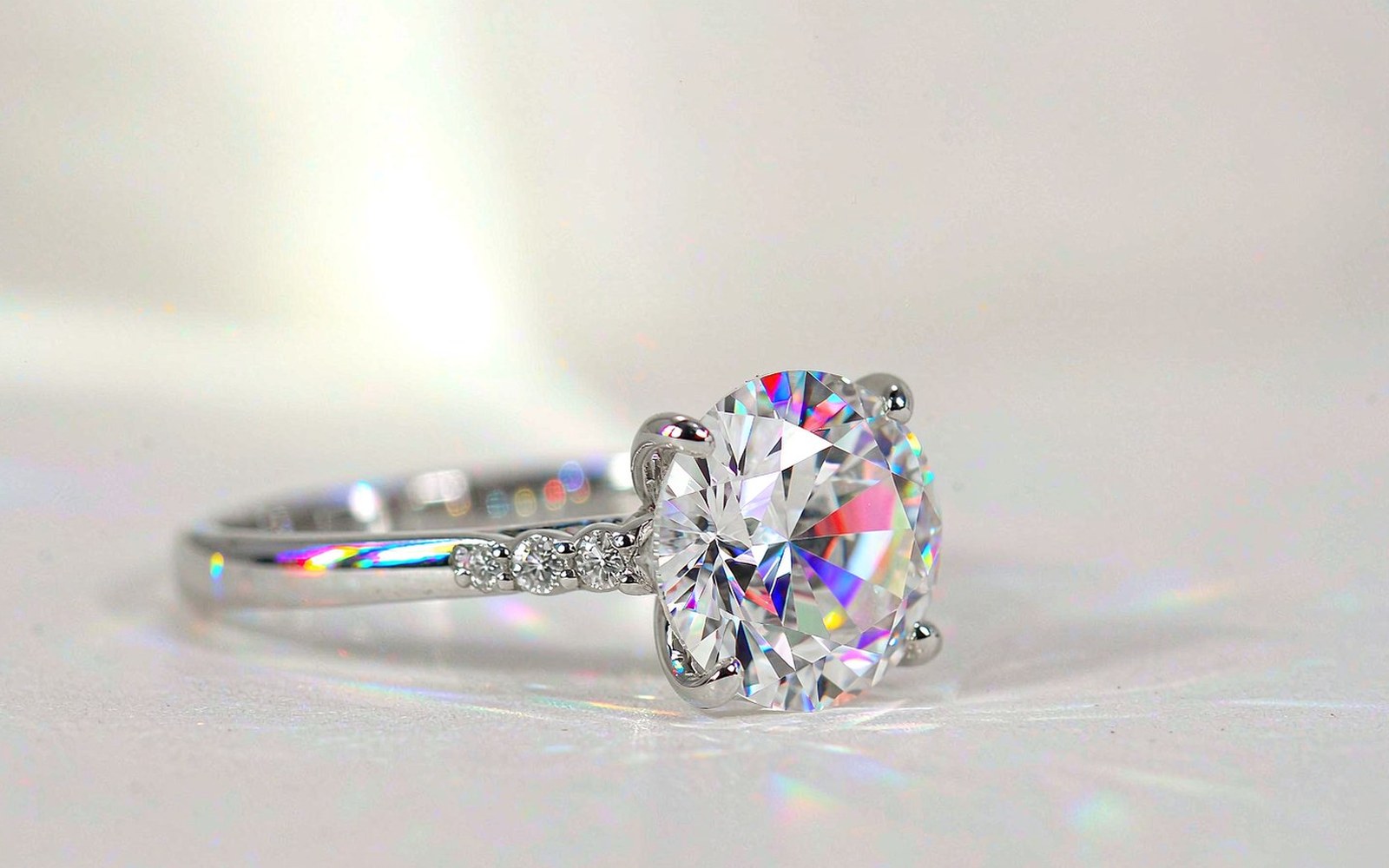
Moissanite returns substantially more light, including rainbow-like fire, especially in round and larger cuts. White sapphire reads more subdued and glassy by comparison. Buyers who want a stone that blazes in every light usually prefer moissanite; buyers who want a quieter, understated shine often prefer white sapphire.
This is the single biggest visible difference and the one most people notice in person. If you can, compare both stones side by side in the kind of light where you will actually wear the ring before you decide.
Is white sapphire durable enough for daily wear compared with moissanite?
Both stones rate high on the Mohs hardness scale - moissanite is commonly cited around 9.25 and white sapphire around 9 - so both handle everyday rings well. These figures are commonly cited reference values; ask your seller to confirm the exact grade on the spec sheet rather than assuming a single number.
The nuance is surface wear. Over years of daily use, white sapphire can develop fine micro-scratches that soften its shine, while moissanite resists that effect better. For a ring worn around the clock, moissanite asks for less long-term care.
Does white sapphire cost more or less than moissanite?
Both are far below the cost of a natural diamond. Exact per-carat figures shift with cut, size, and origin, so the right move is to request a written quote for the exact stone and setting you want rather than quoting a single number.
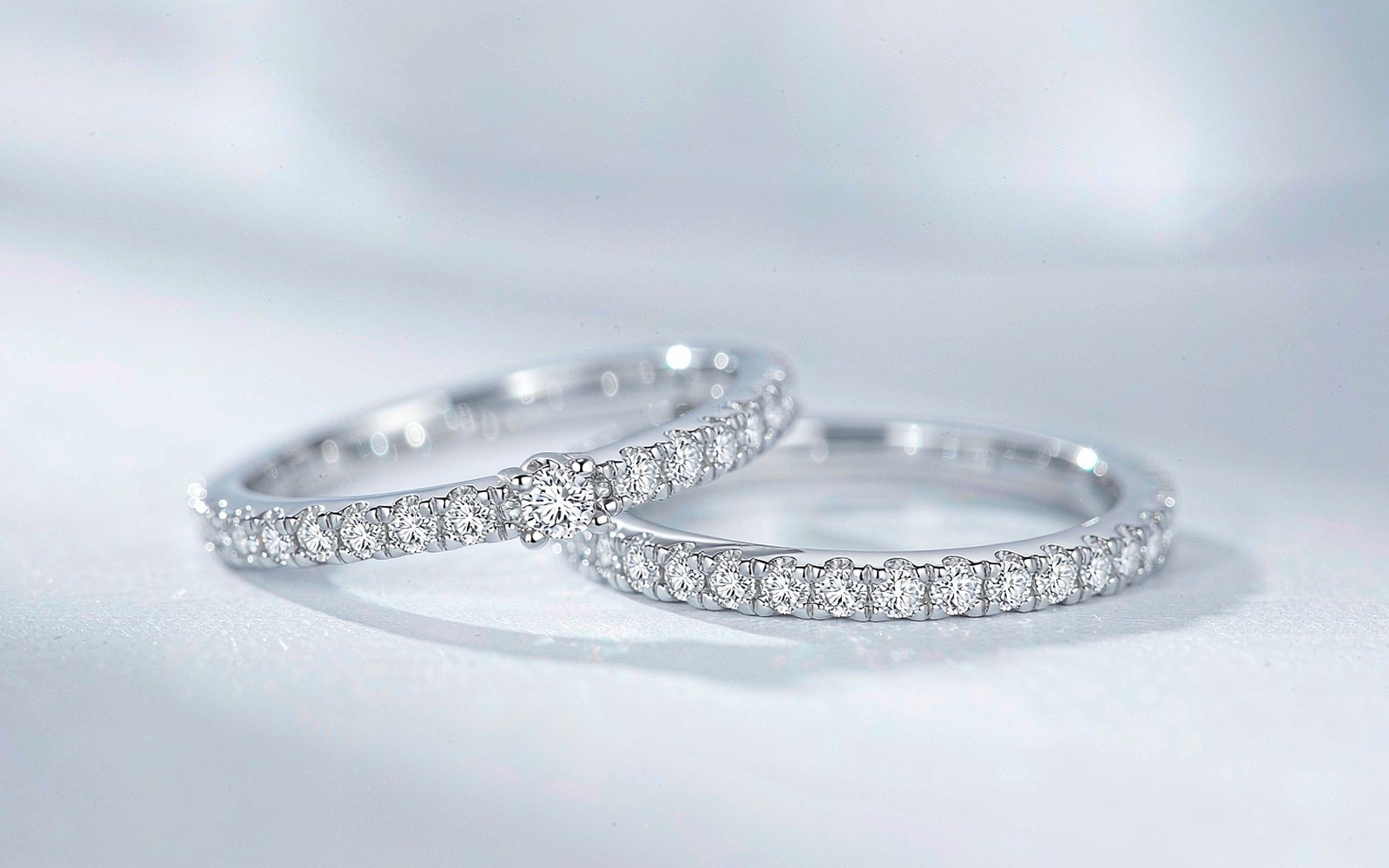
In practice the two sit in overlapping budget bands. The gap is modest at lower carats and changes with quality tier, so compare like for like: same size, same cut quality, same metal. Our rings collection shows typical configurations you can price against.
Which stone stays brighter longer without professional upkeep?
Moissanite tends to hold its look with simple home cleaning and rarely needs professional attention. White sapphire can build up a haze from skin oils and soaps that dulls its shine, and that haze may need occasional professional polishing to fully clear.
If your priority is set it and forget it, moissanite is the easier keeper. If you enjoy a small jewelry-care ritual and remove your ring for washing and lotion, white sapphire can stay bright with that routine.
Is white sapphire a 'real' gemstone while moissanite is not?
Both are real materials. White sapphire is mined and natural; moissanite is lab-grown. Whether one feels more 'real' to you depends on what you value: natural earth origin versus lab consistency and traceability.
Neither is a fake or a simulant in the deceptive sense. They are simply different stones. If natural origin is part of the meaning you want the ring to carry, that points to white sapphire; if predictable brilliance and easy care matter more, that points to moissanite.
Which one is easier to keep clean at home?
Home care is similar for both: warm water, a drop of mild soap, and a soft brush, then a gentle pat dry. White sapphire needs a bit more attention to the underside of the setting, where residue collects and shows through its clearer facets.
Avoid harsh chemicals and ultrasonic cleaners unless your jeweler confirms they are safe for your specific setting and stones. When in doubt, the mild-soap method is the safe default for both.
How do I choose between them for an engagement ring?
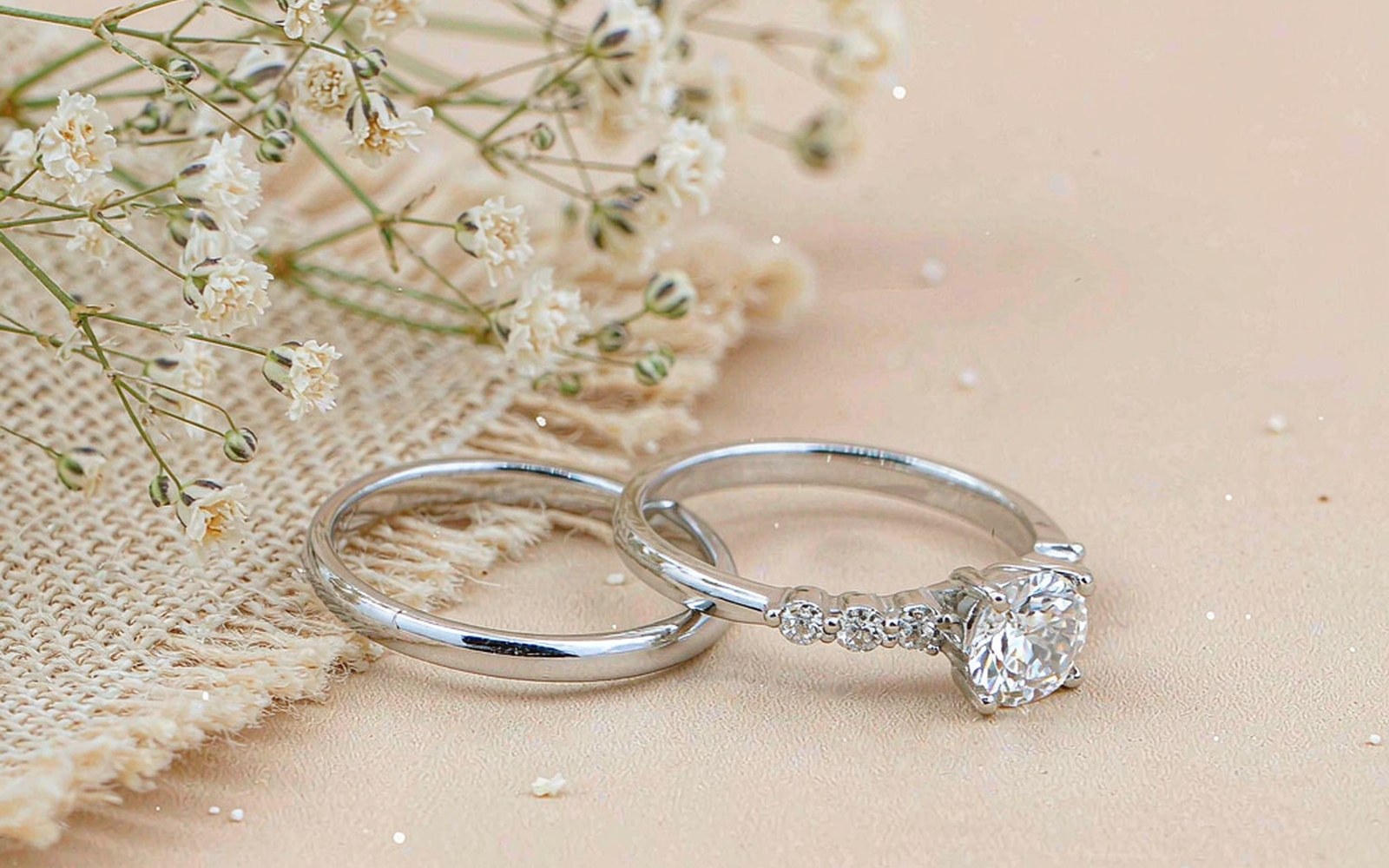
Start with the wearer's personality and routine. Want maximum sparkle and the least upkeep? Moissanite is the strong fit. Want a natural-origin stone with a calm shine and do not mind a little extra care? White sapphire fits that brief.
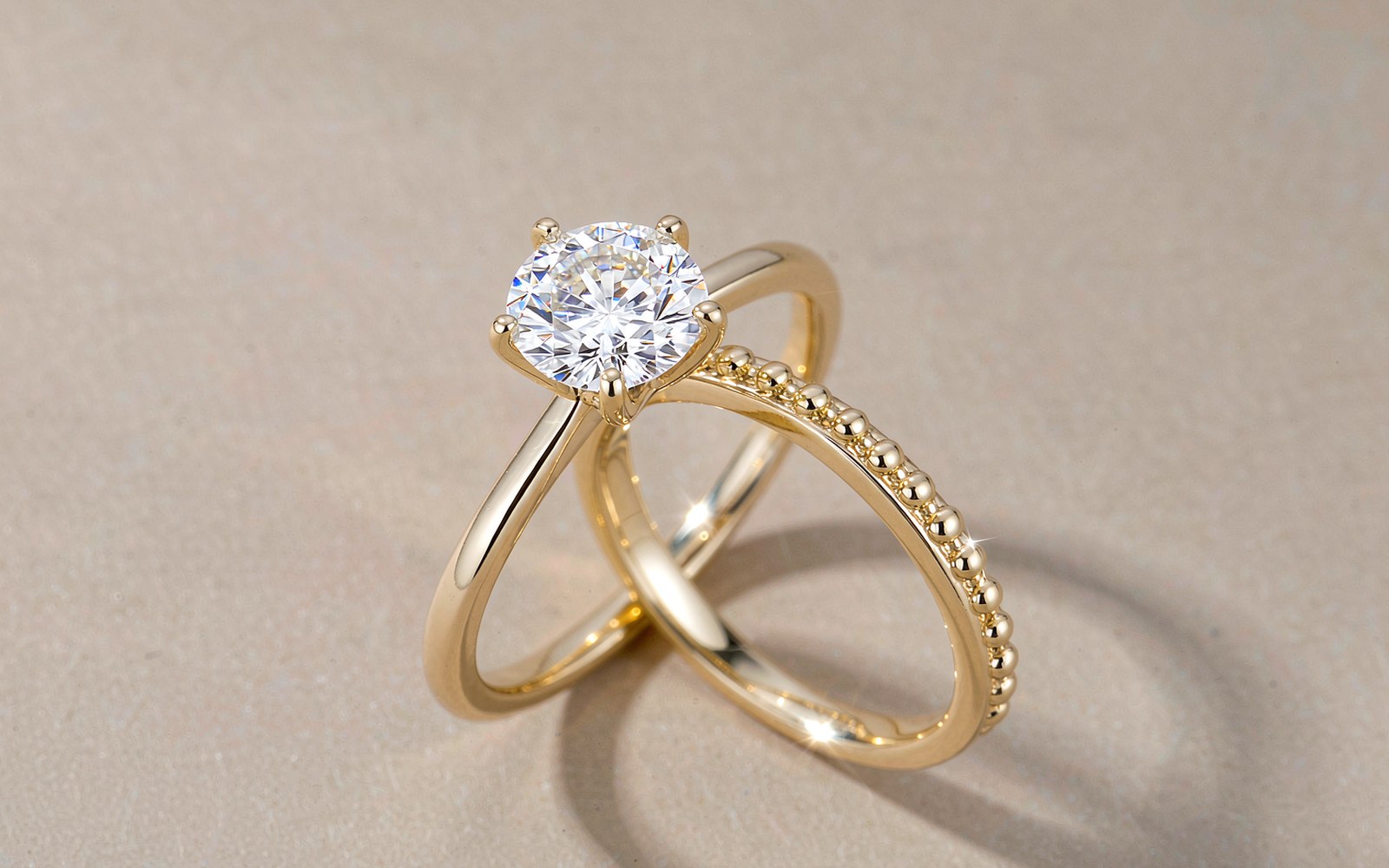
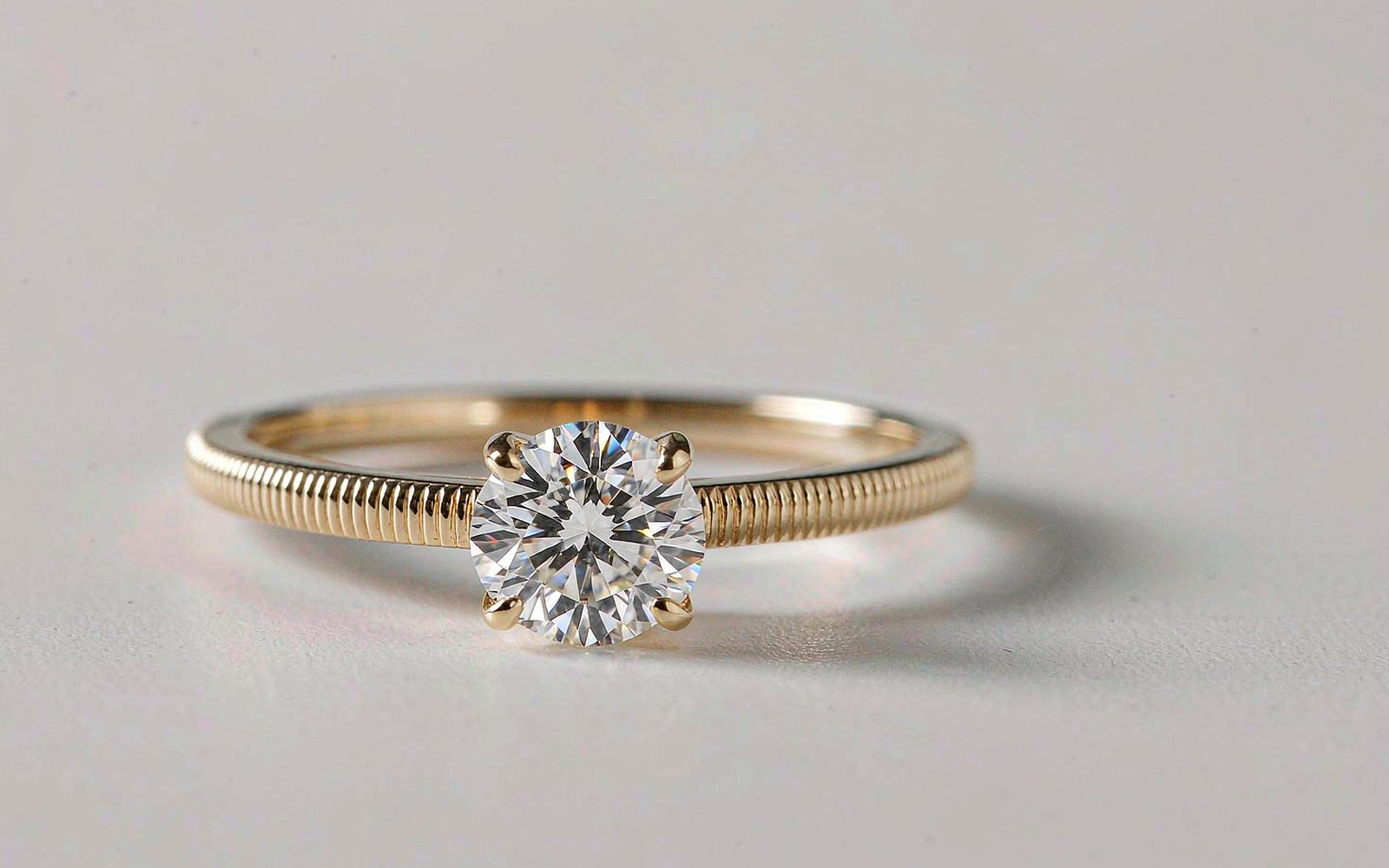
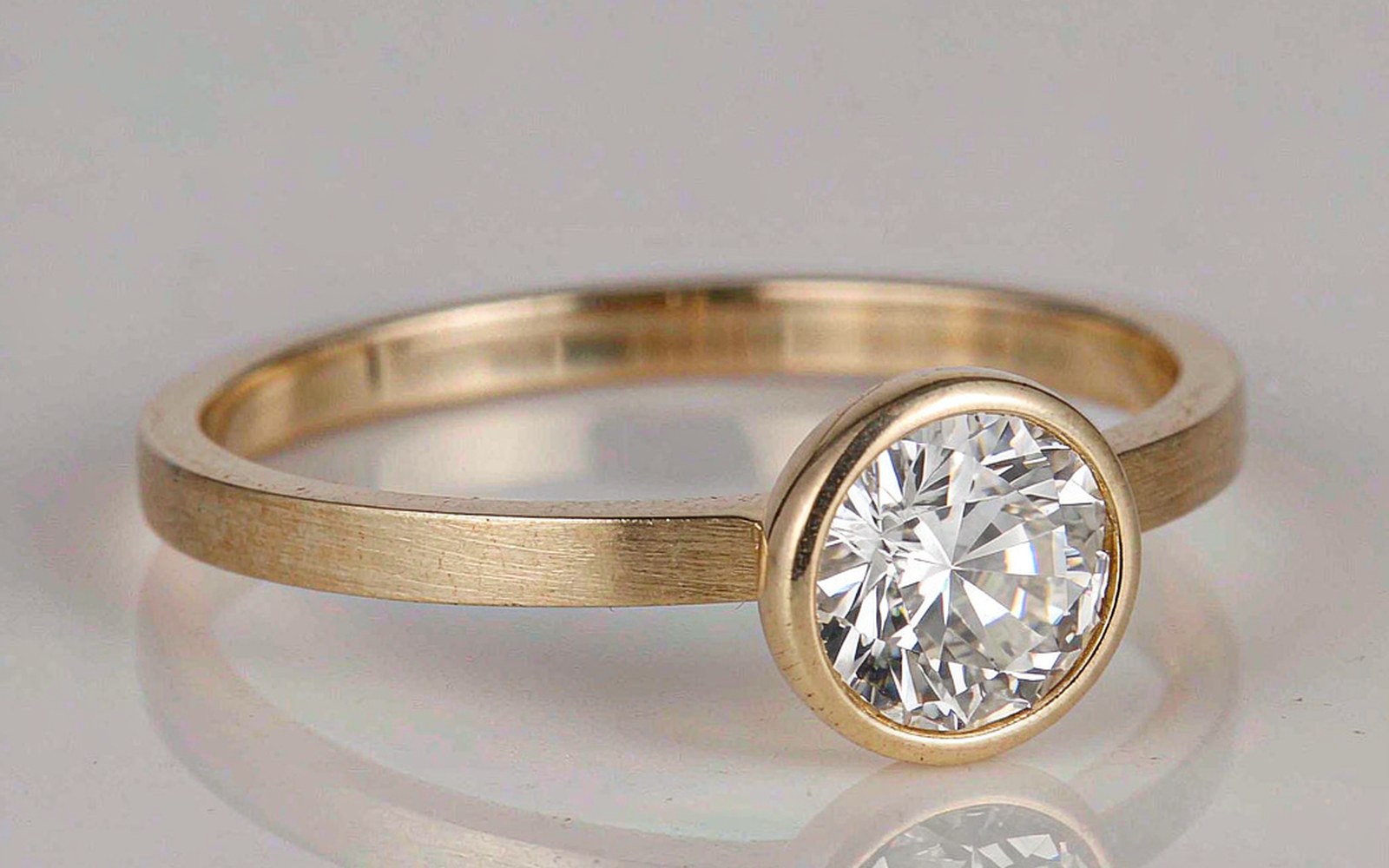
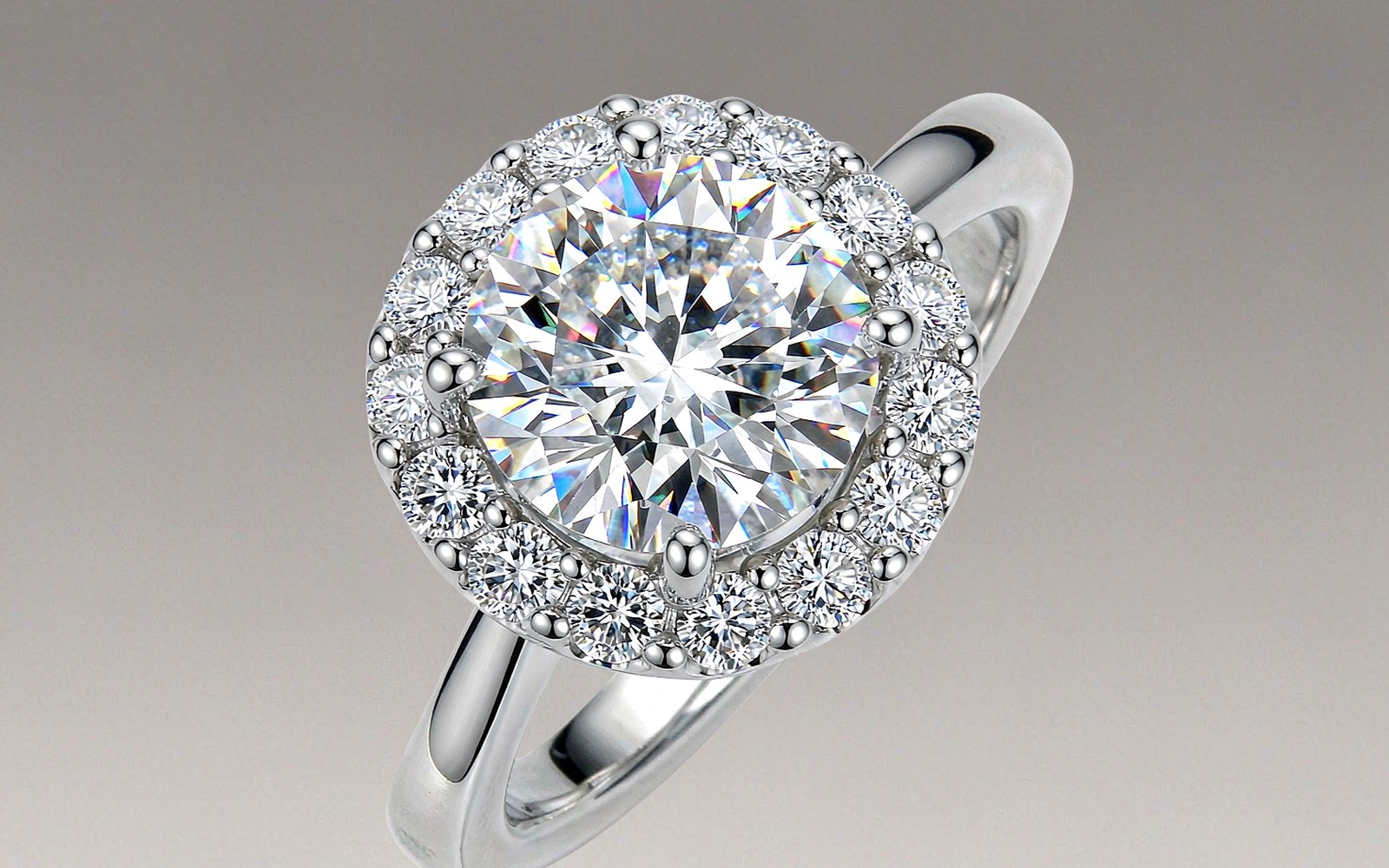
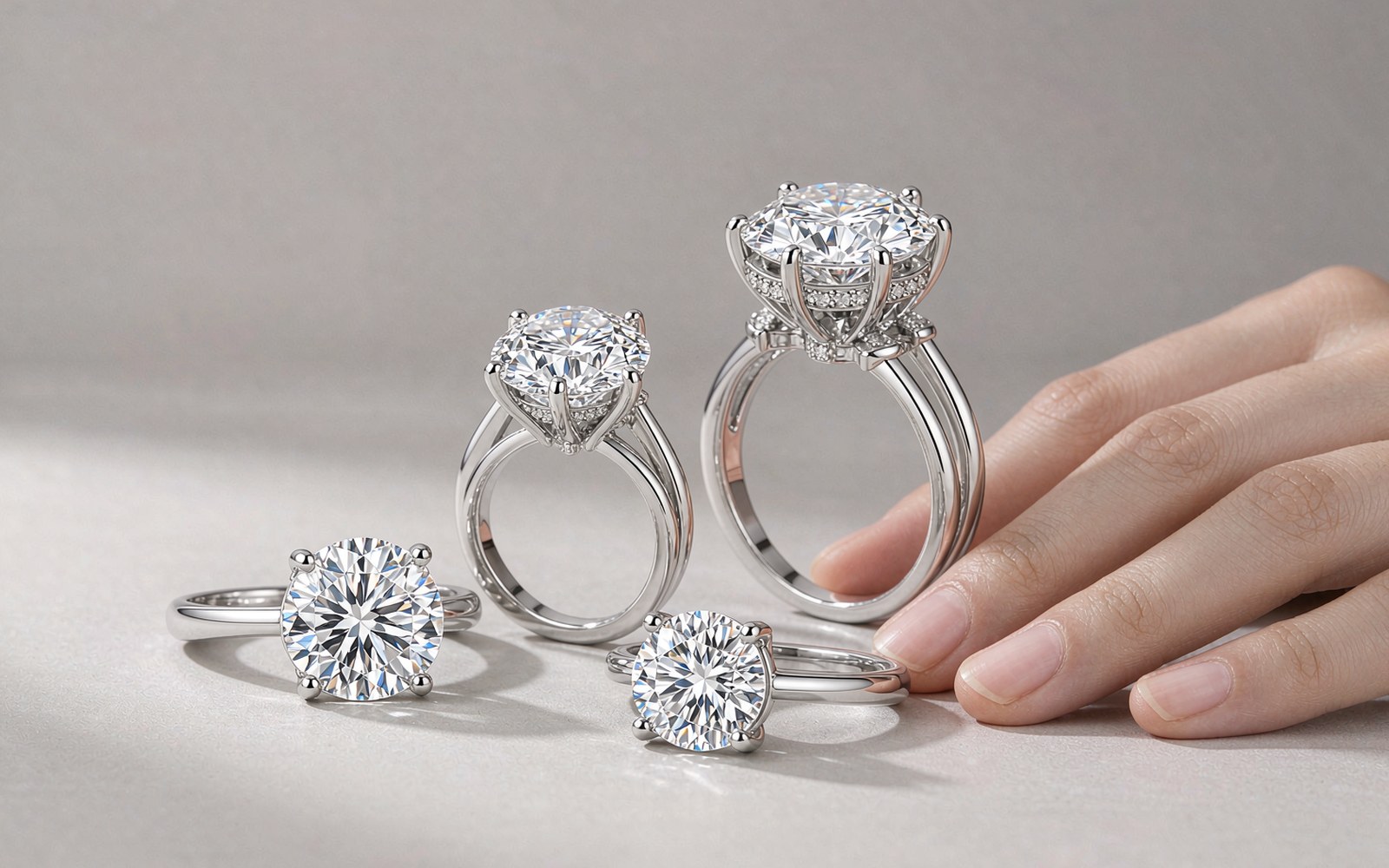
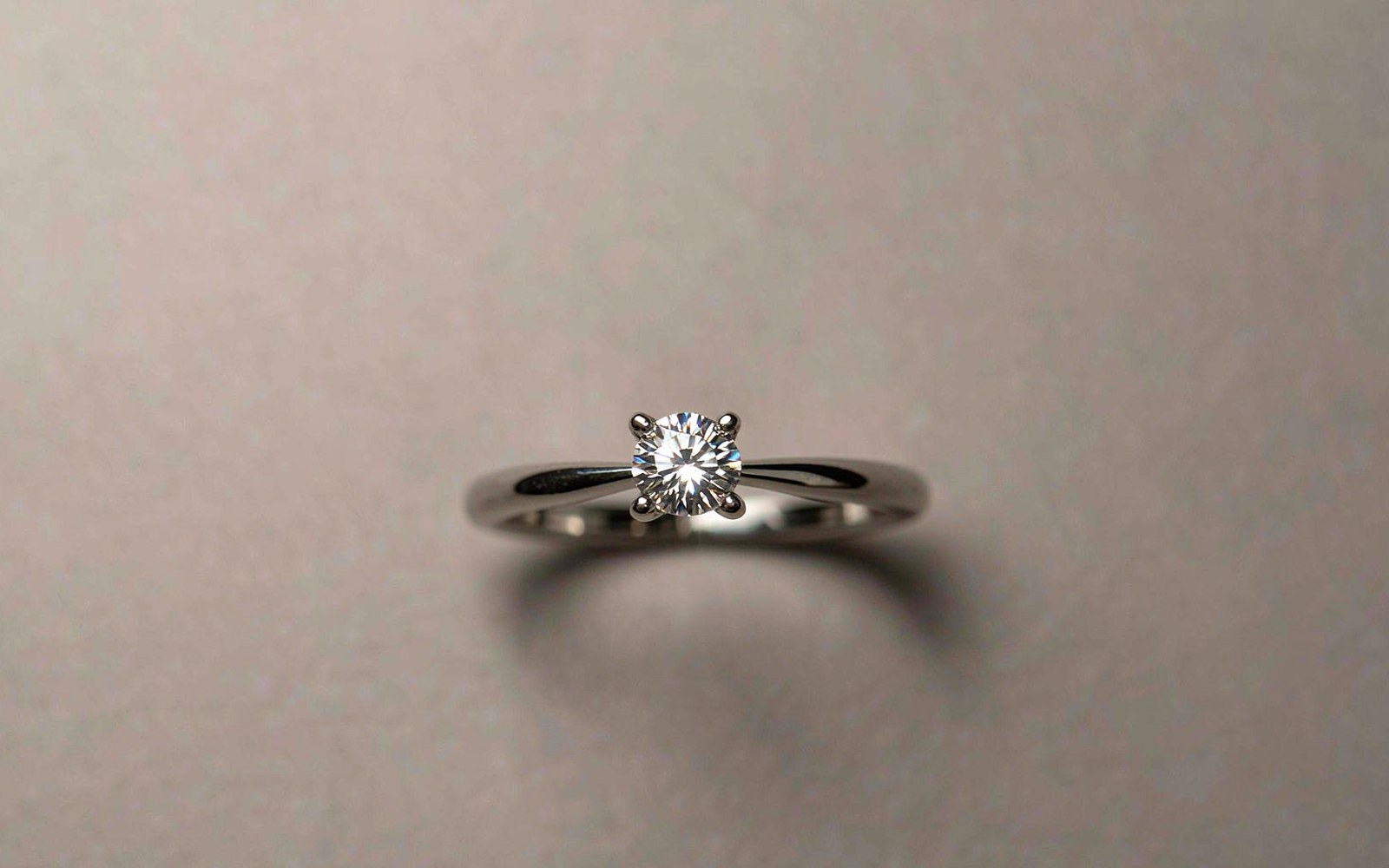
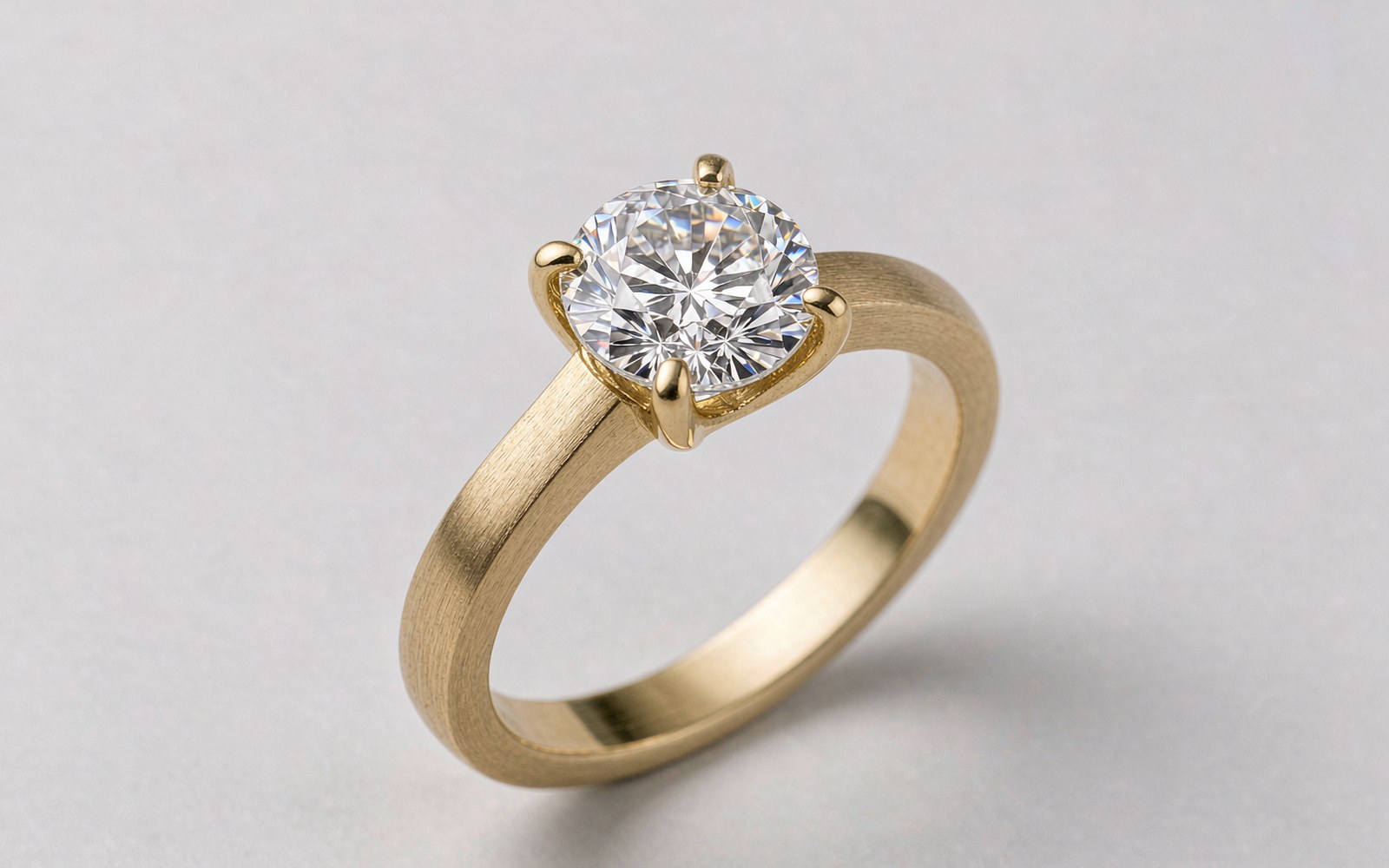
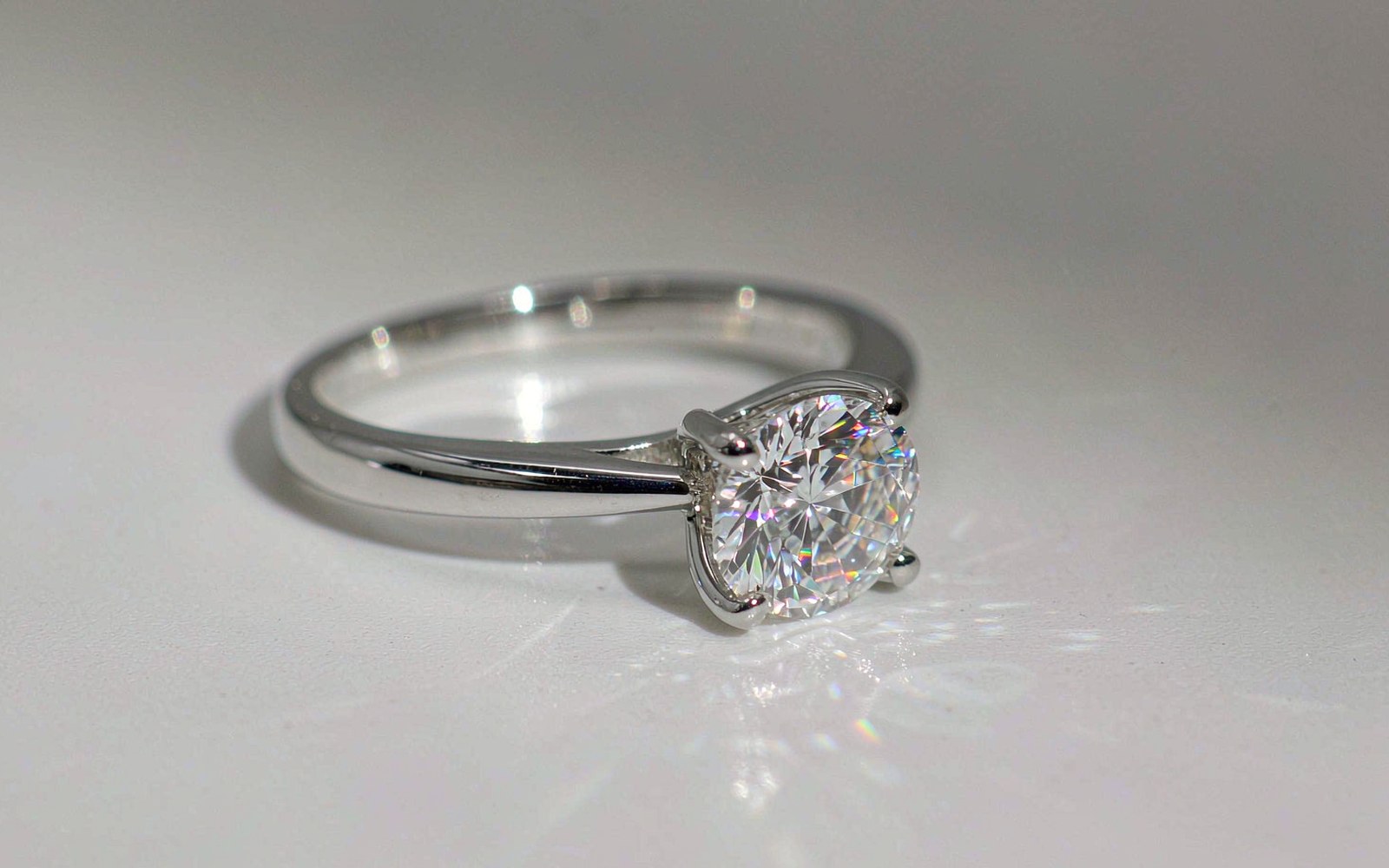
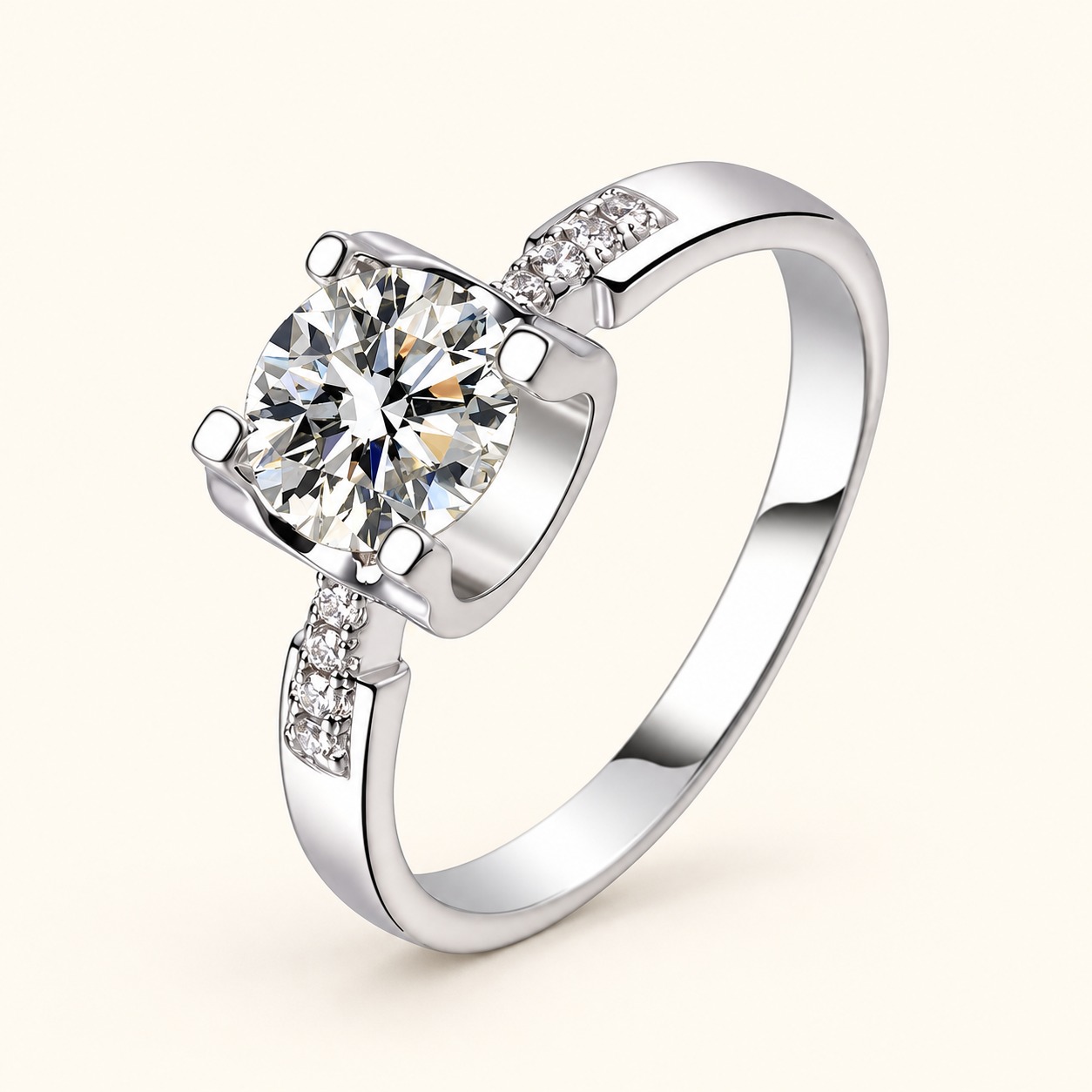
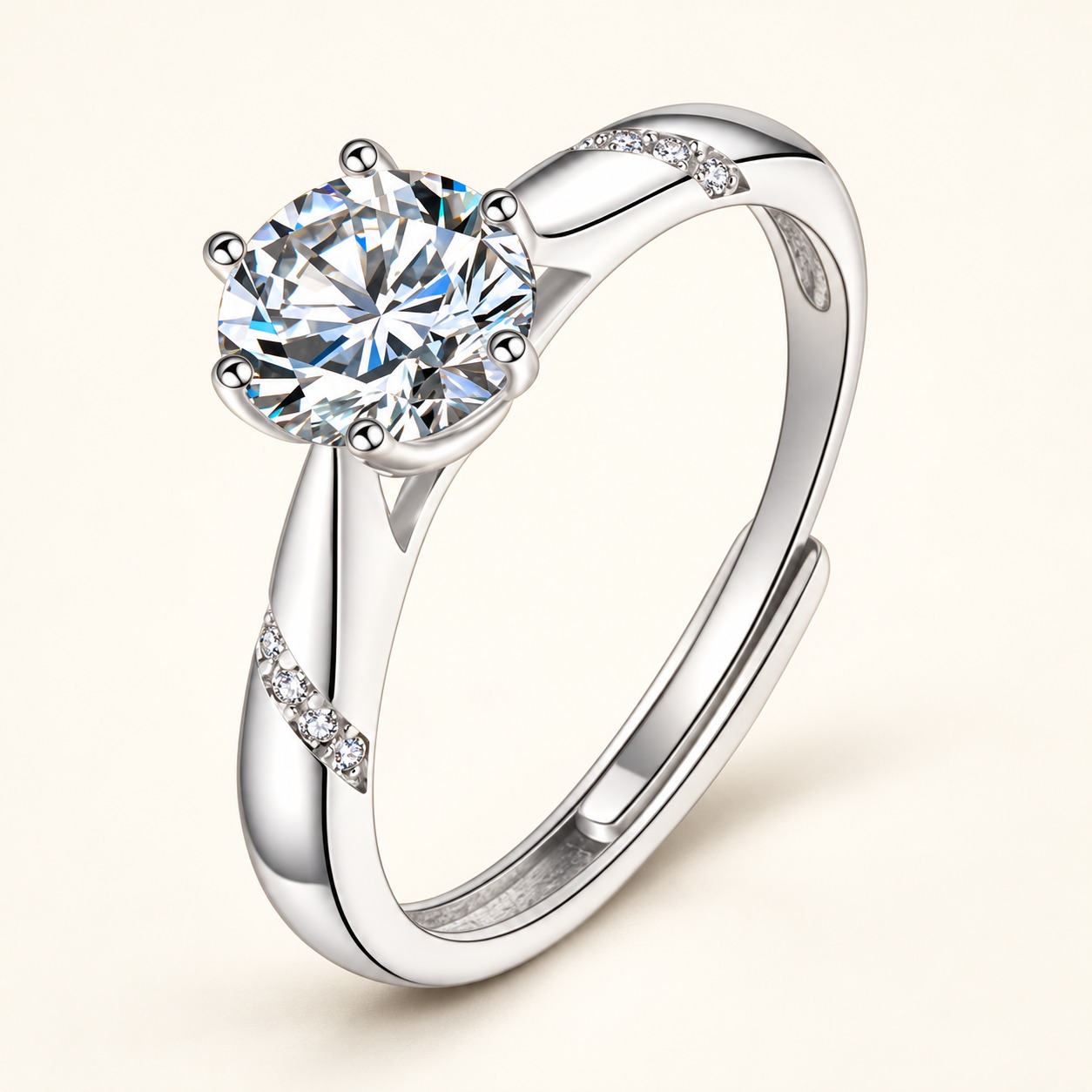
Setting also changes the math. A halo can lift white sapphire's light performance, while a solitaire shows off moissanite's fire with nothing competing. Metal choice is open for both - platinum, white gold, and silver-toned settings all pair cleanly. See our engagement rings for side-by-side styles.
What should I confirm with my supplier before I order?
The stone is only half the decision; the terms around it protect you. Run through these eight points and get the answers in writing before you pay:
- Applicable scenarios: moissanite suits 24-hour wear, active lifestyles, and rings worn without removal; white sapphire suits wearers who remove jewelry for cleaning and prefer a natural stone.
- Lead time: ask for a written production and shipping window. Do not assume a made-to-order ring ships from stock, especially before a proposal date.
- Minimum order: confirm the minimum order quantity for your chosen design, particularly for custom or paired sets.
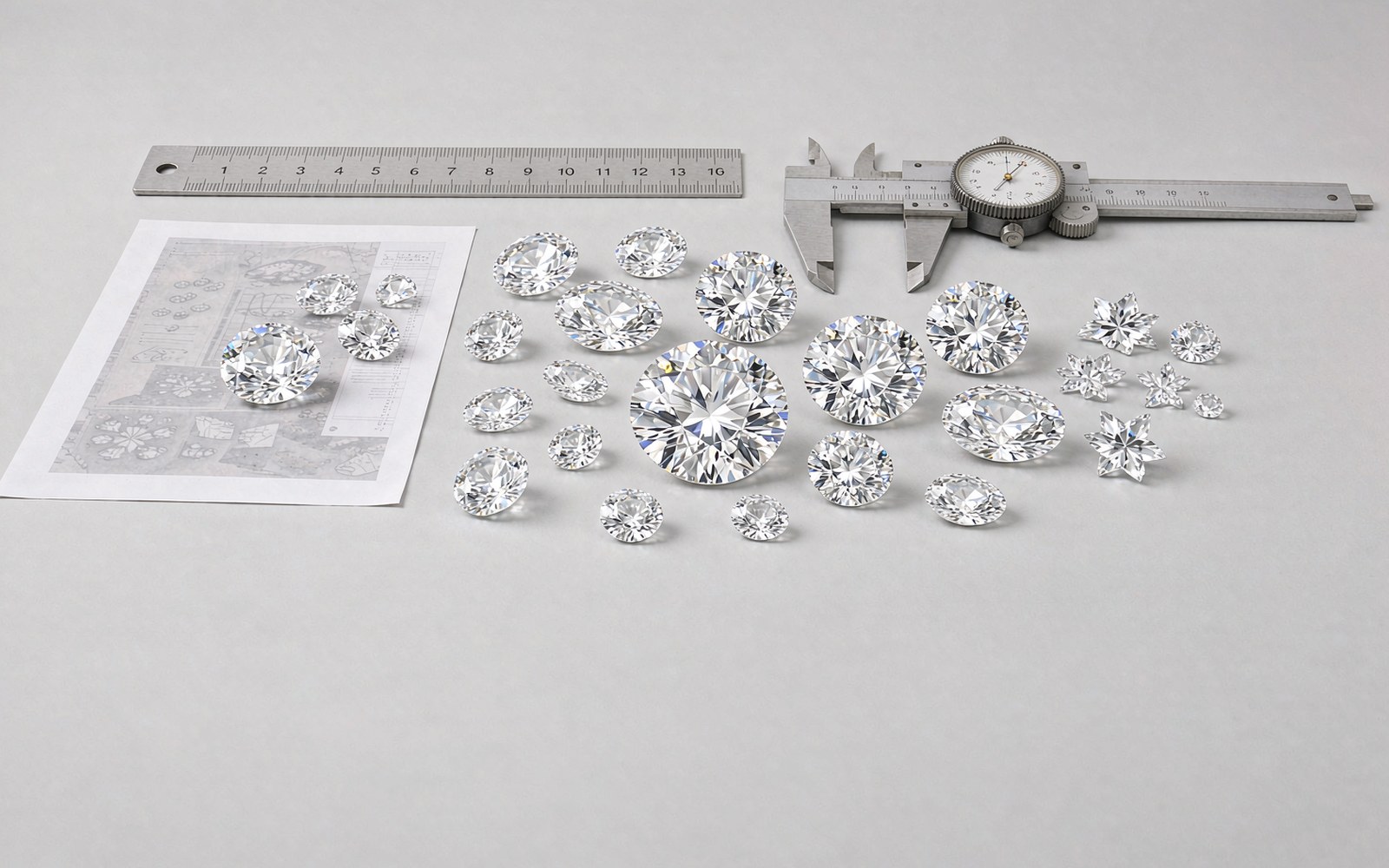
- Samples: request a loose-stone comparison set or a sample before a larger order so you can see the sparkle side by side in person.
- Failure conditions: learn what voids after-sales coverage - usually impact, chemical exposure, or unauthorized repair - and write it down.
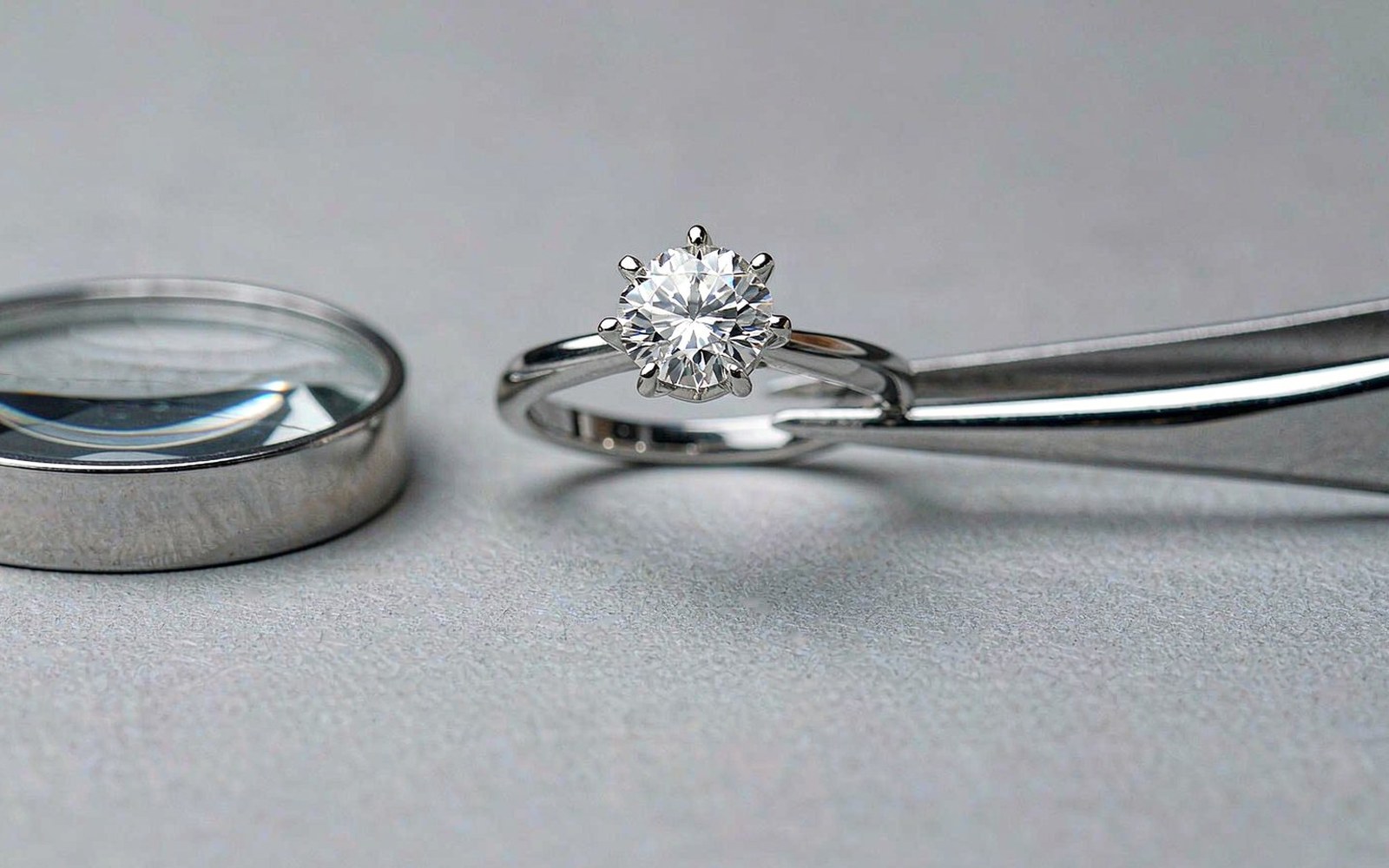
- Testing methods: a standard diamond tester can read moissanite differently from diamond, and white sapphire reads differently again. Compare side by side, use a loupe, or ask for a professional assay rather than trusting one handheld tester.
- Parameter explanation: have the seller explain each line on the quote - carat, cut, color grade, hardness - and treat published hardness as a reference to confirm on the spec sheet.
- Inspection and after-sales: on receipt, inspect under good light and keep documentation. Agree in writing what after-sales covers, such as re-tipping, re-polish, or replacement of a damaged stone.
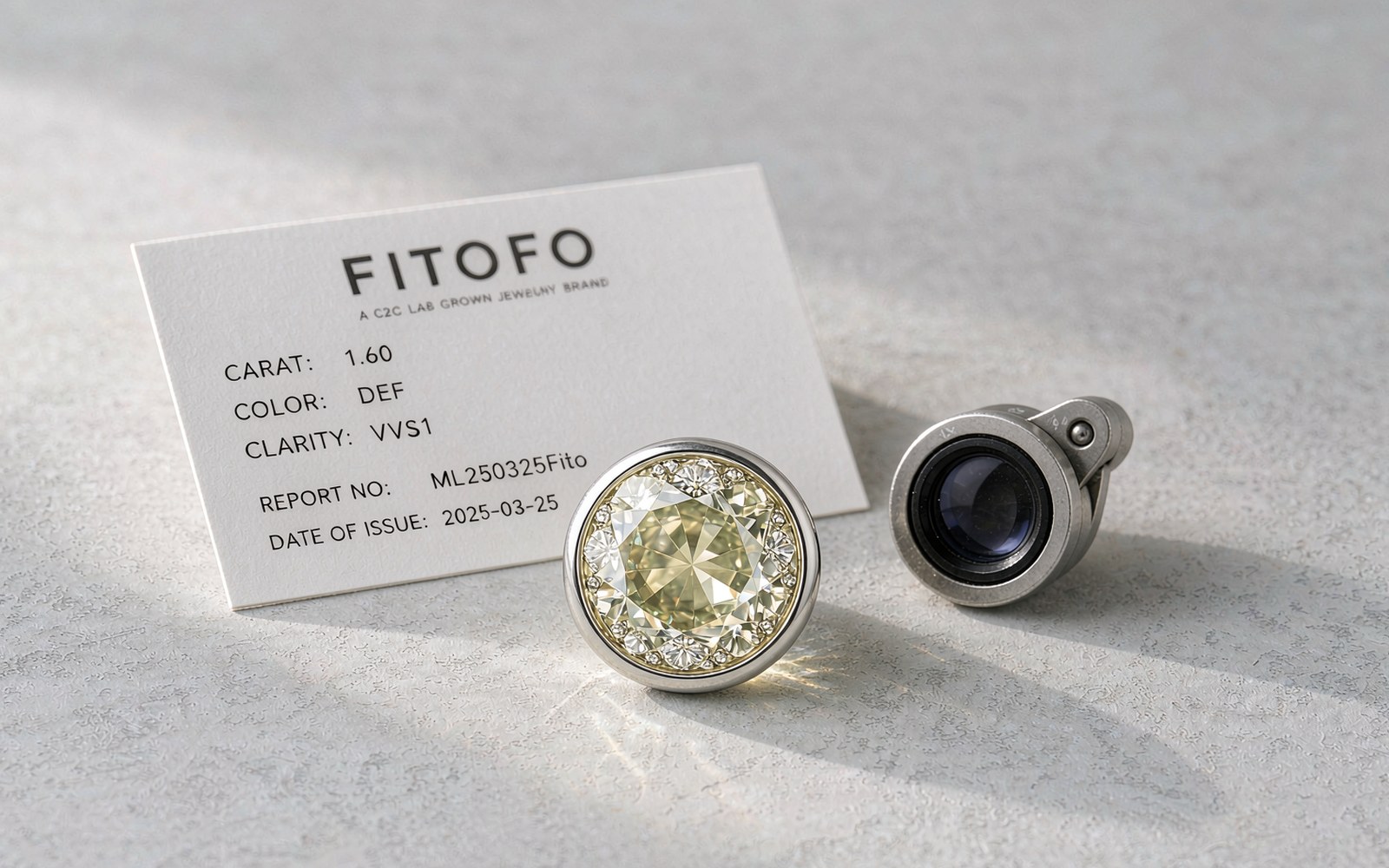
A grading report describes a stone's color and clarity as measured at the time it is assessed. It does not by itself promise resale value or predict long-term performance, so treat it as one input among several when you compare stones.
The bottom line for 2026 buyers
Moissanite and white sapphire are both real, hard, wearable stones, but they serve different buyers. Choose moissanite if you want the strongest sparkle and the easiest upkeep. Choose white sapphire if you want a natural-origin stone with a quieter shine and are happy with a little extra care. Whichever you pick, confirm the grade, lead time, and after-sales in writing before you order. For more background, see our what is moissanite page and the full ring collection.