· عن الموزانيت
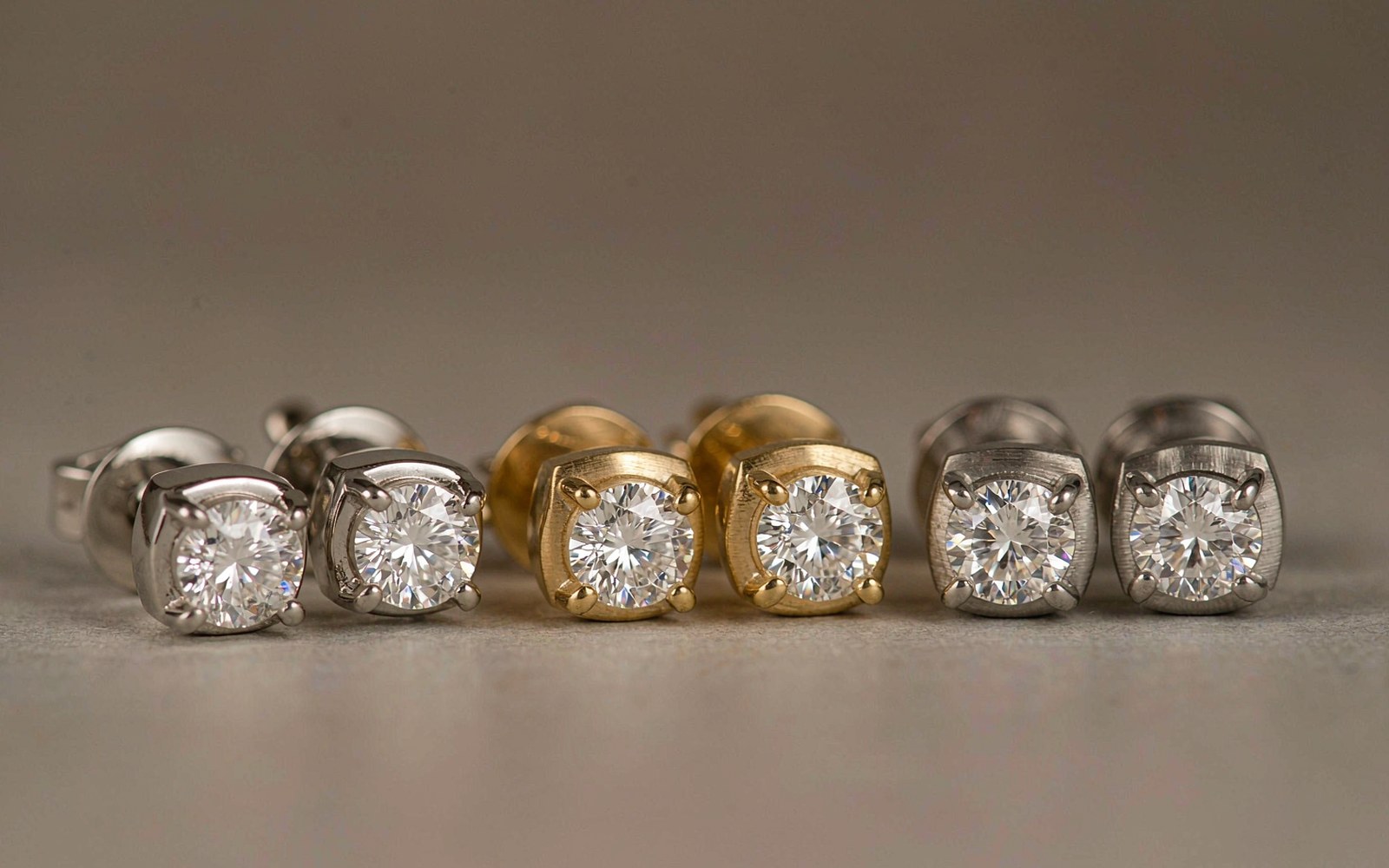
Choosing the metal for your moissanite jewelry is just as important as choosing the stone. The metal decides how the piece feels, how long it keeps its finish, and how it sits against your skin. This guide walks through the three metals you will meet most often - sterling silver, gold, and platinum - and helps you pick the one that fits your wear habits and budget.
What metal should I choose for my moissanite jewelry?
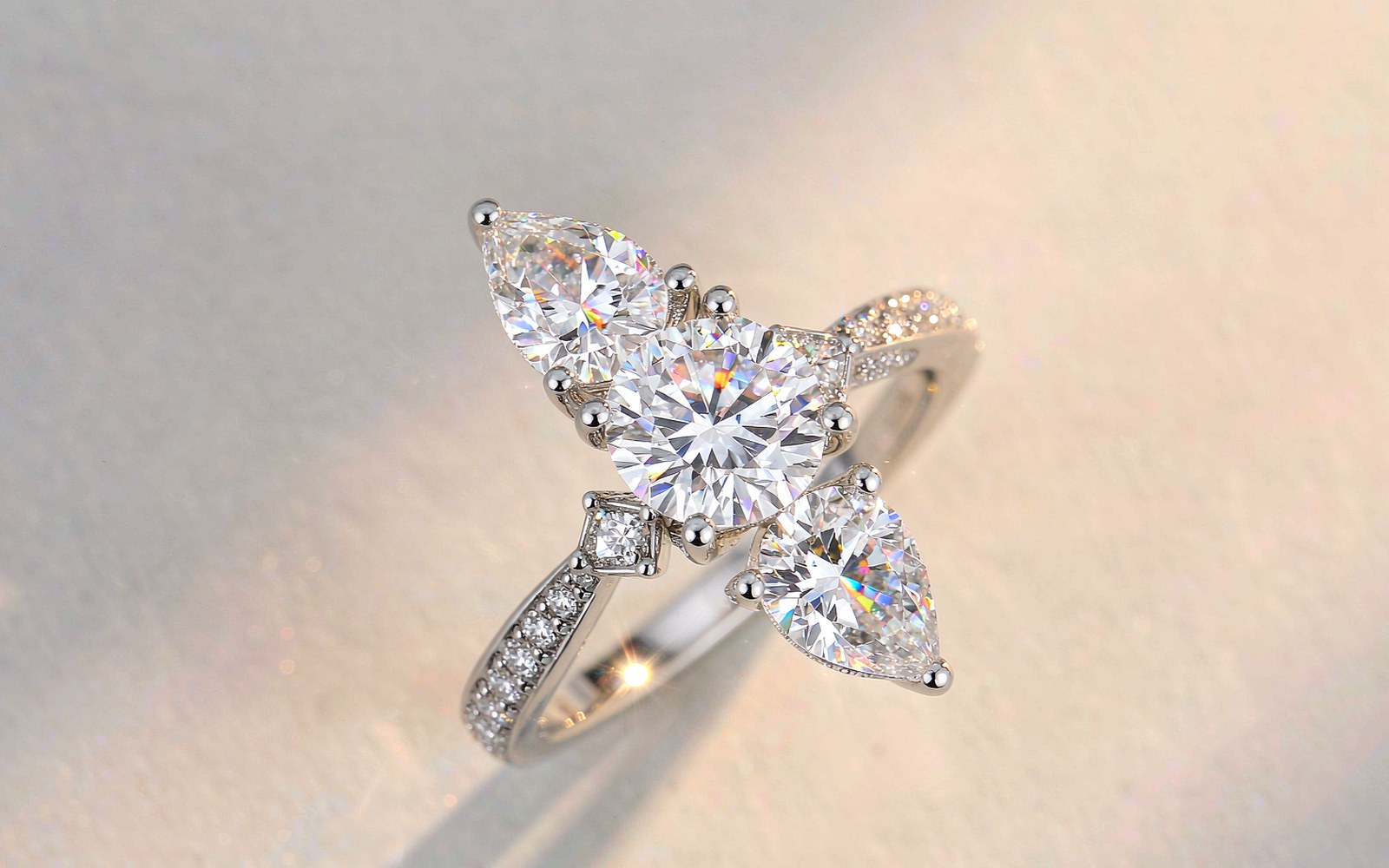
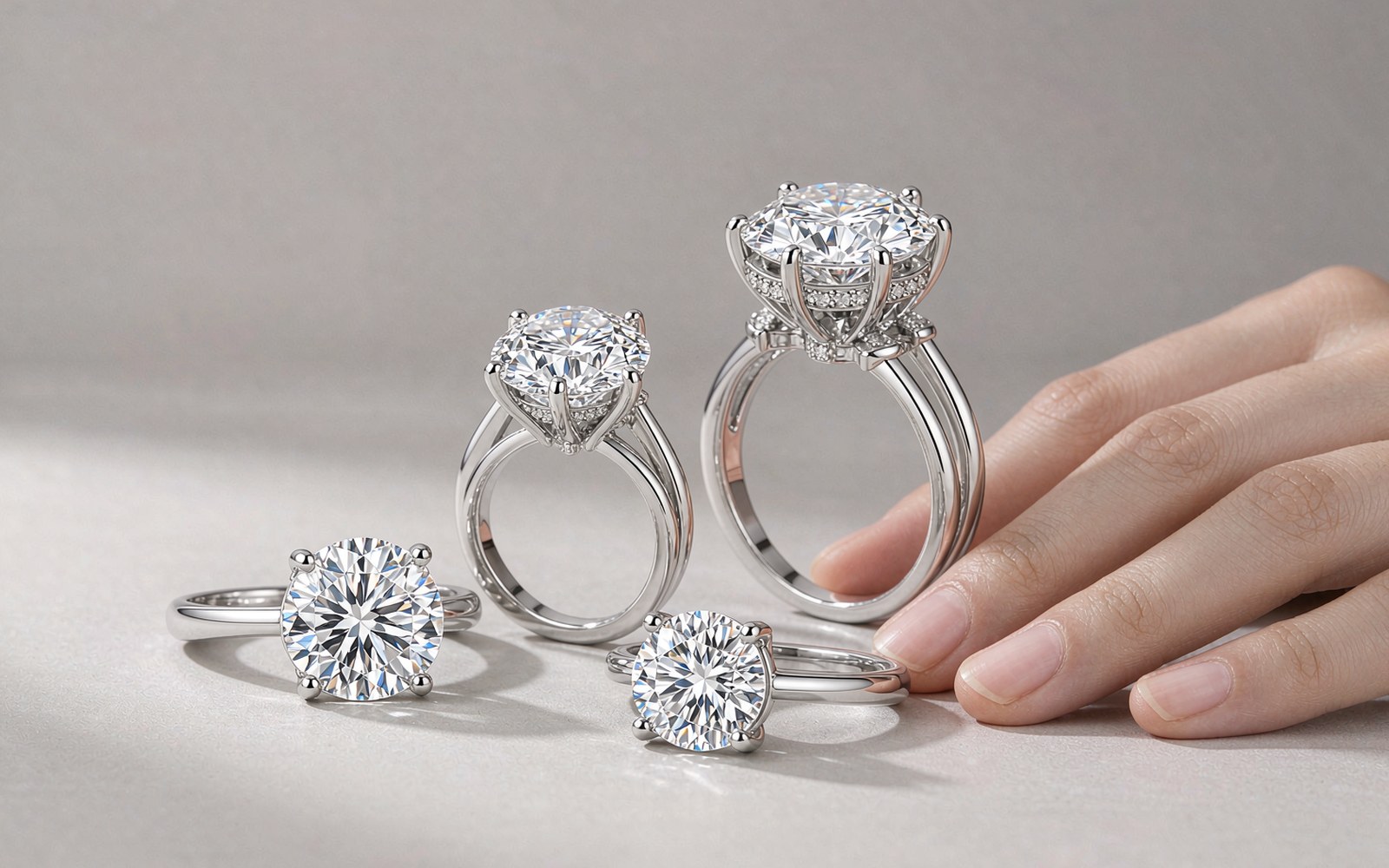
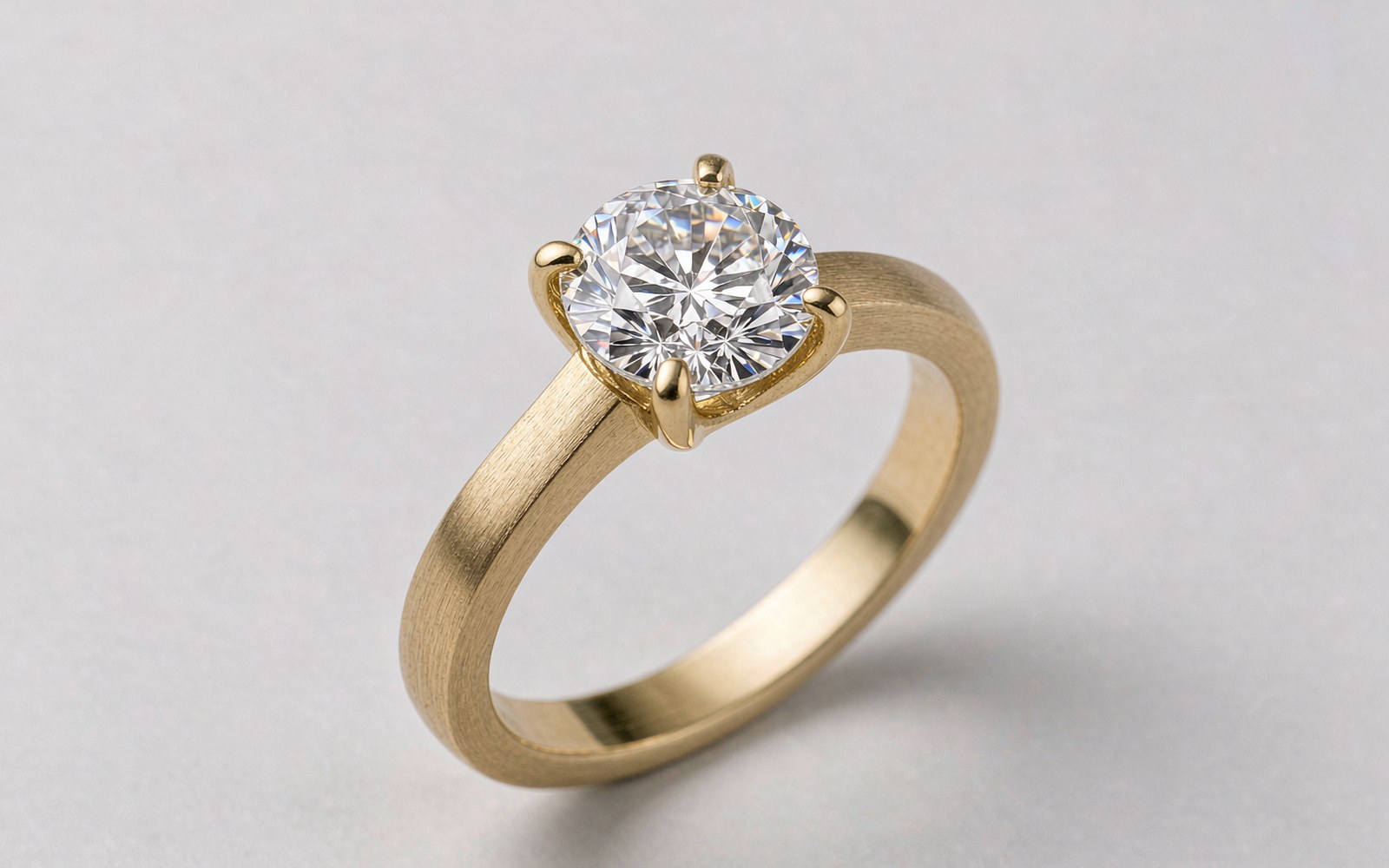
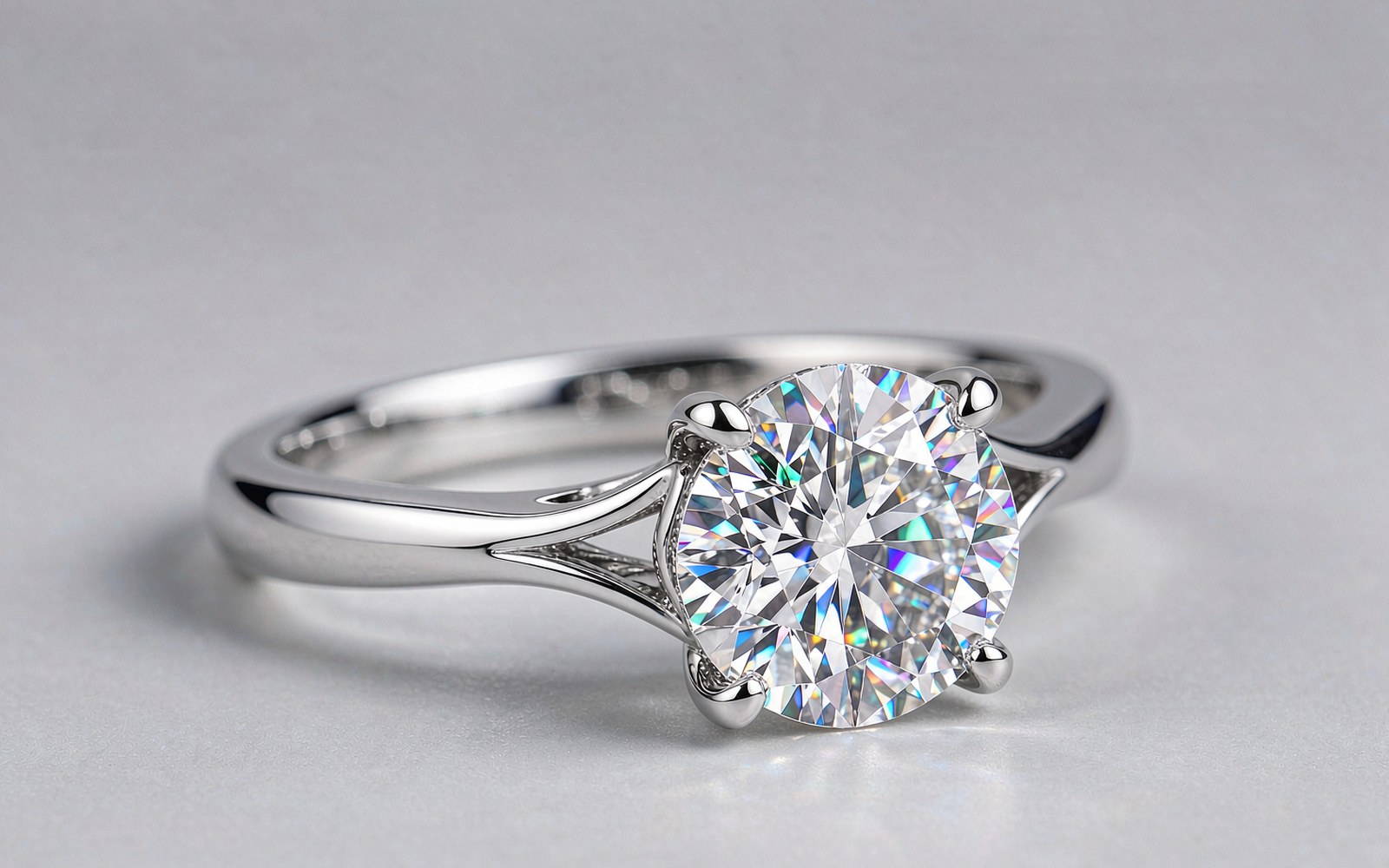
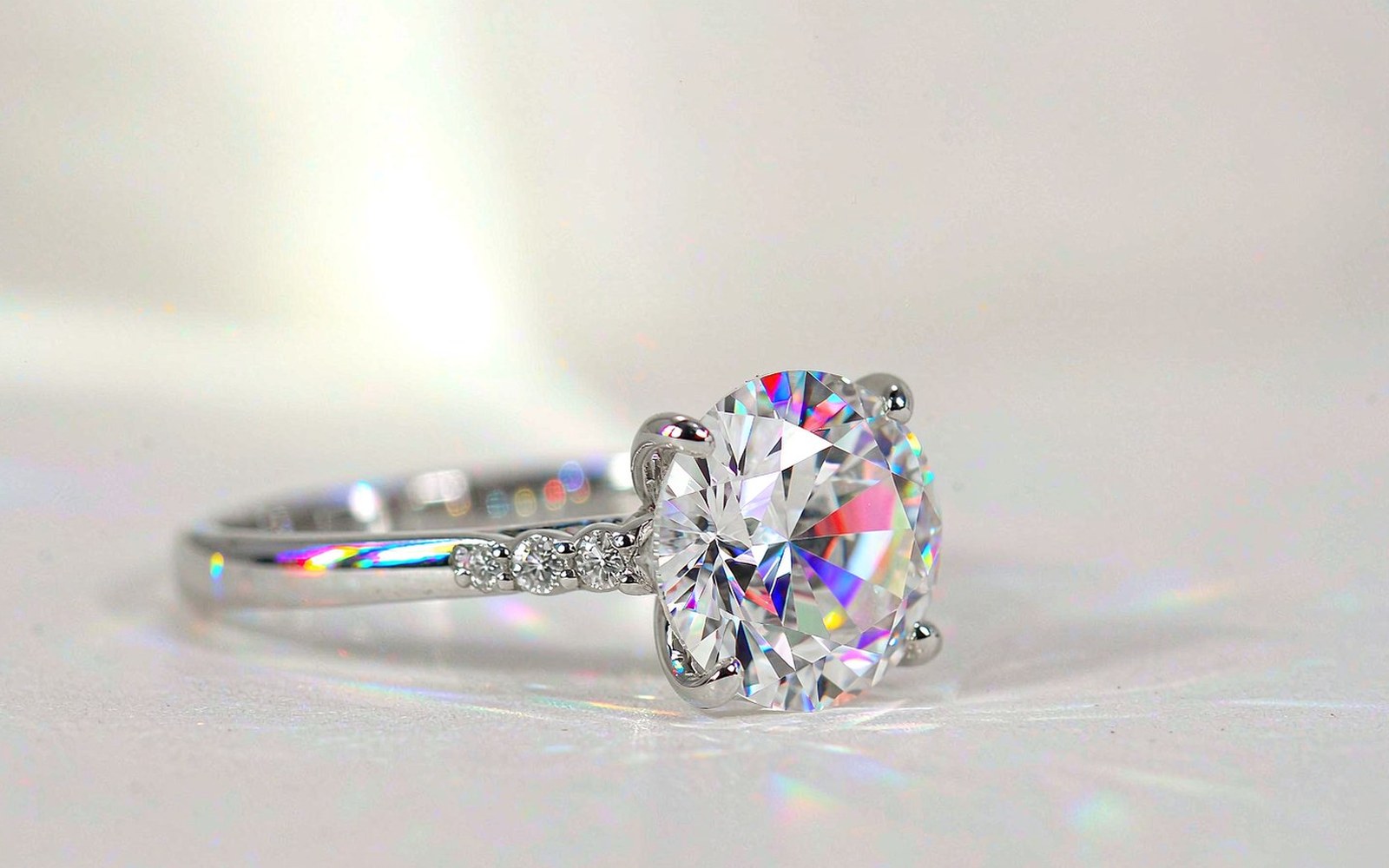
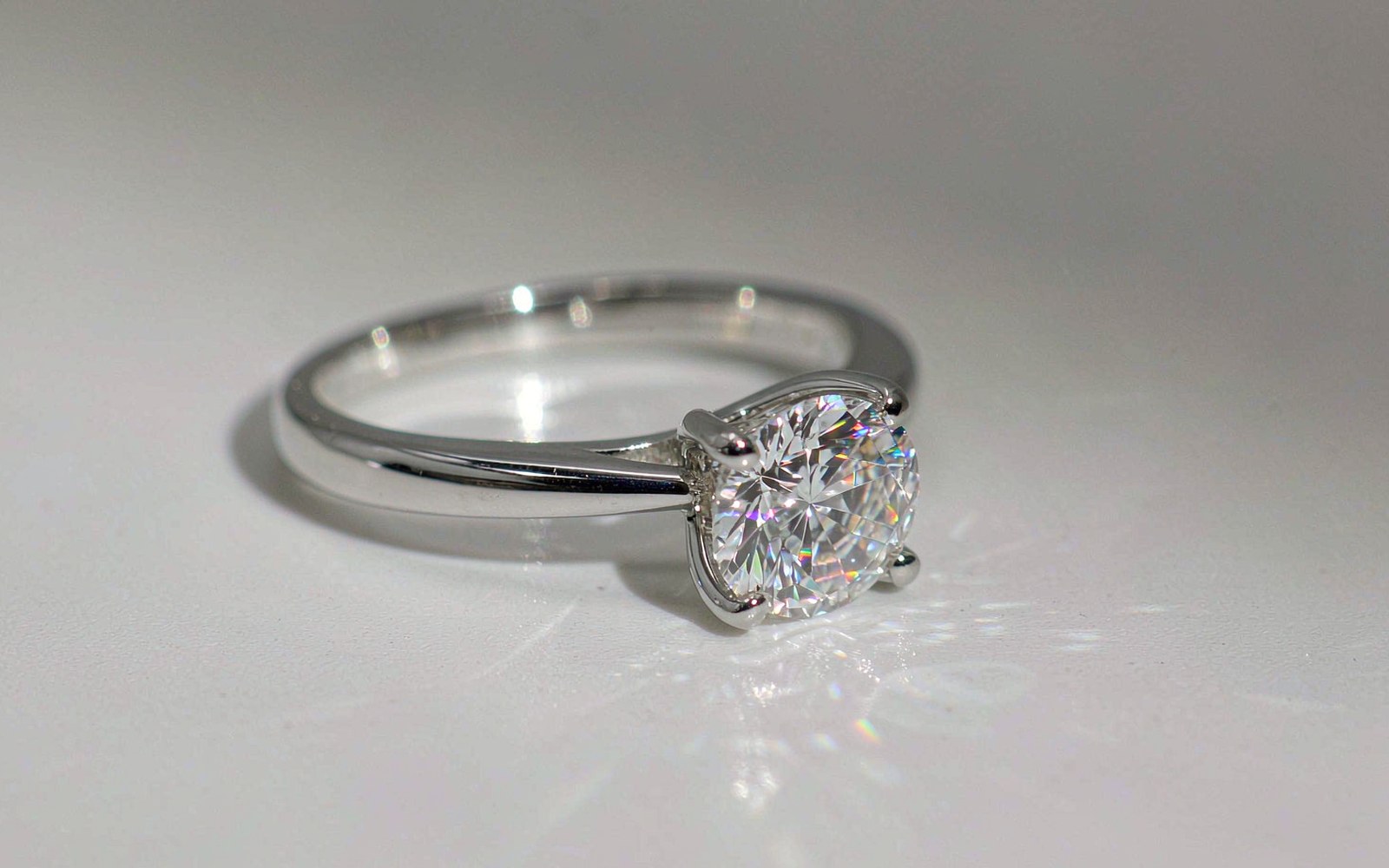
Start with how often you will wear the piece. A ring you wear every day takes more knocks than a pendant you save for evenings. Sterling silver is the lightest on the budget and a smart pick for fashion pieces or first purchases. Gold, usually in 18K form, balances strength and a warm look and is the common choice for pieces meant to last. Platinum is the heaviest and most scratch resistant and suits buyers who want a piece that keeps its white tone without replating.
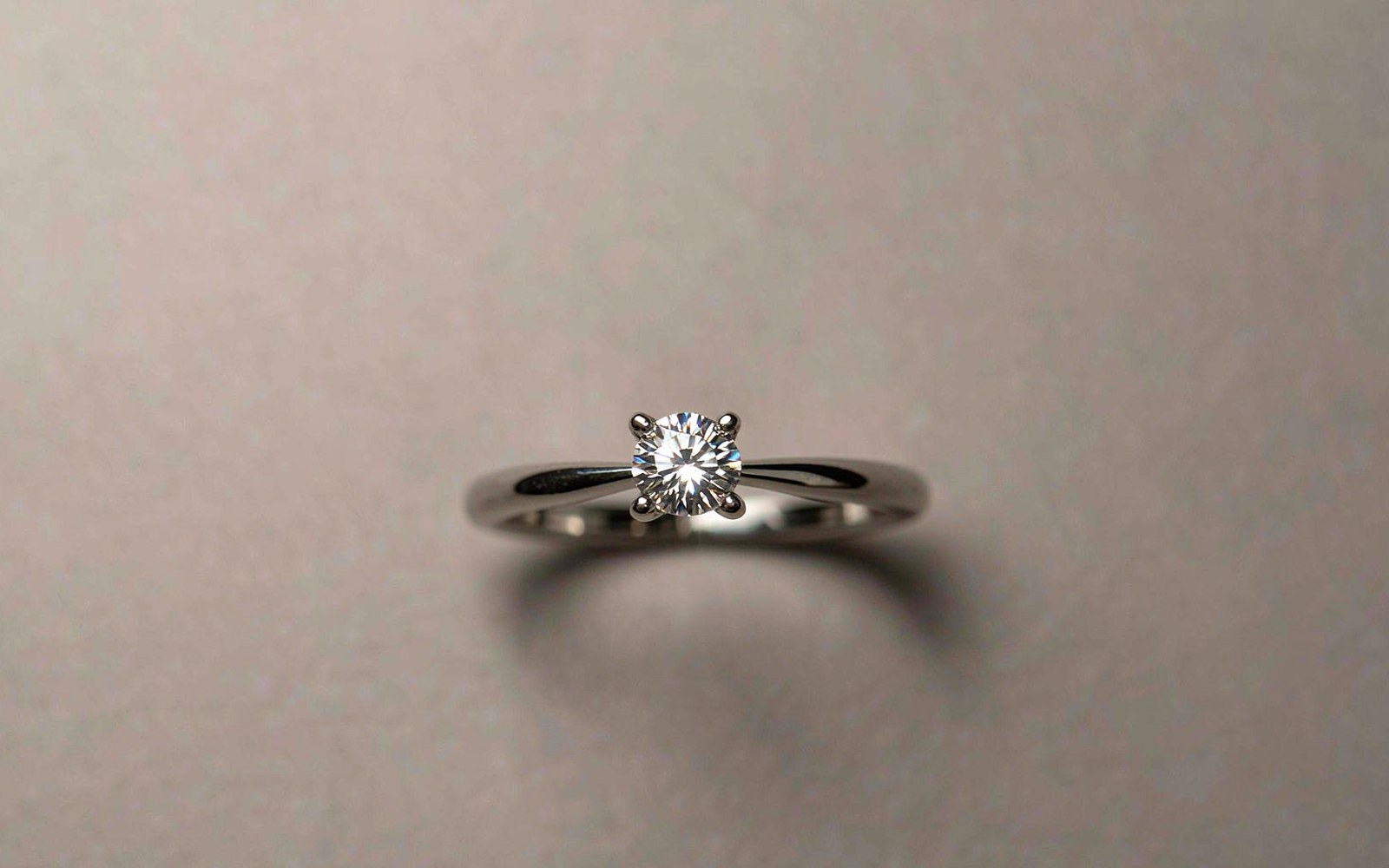
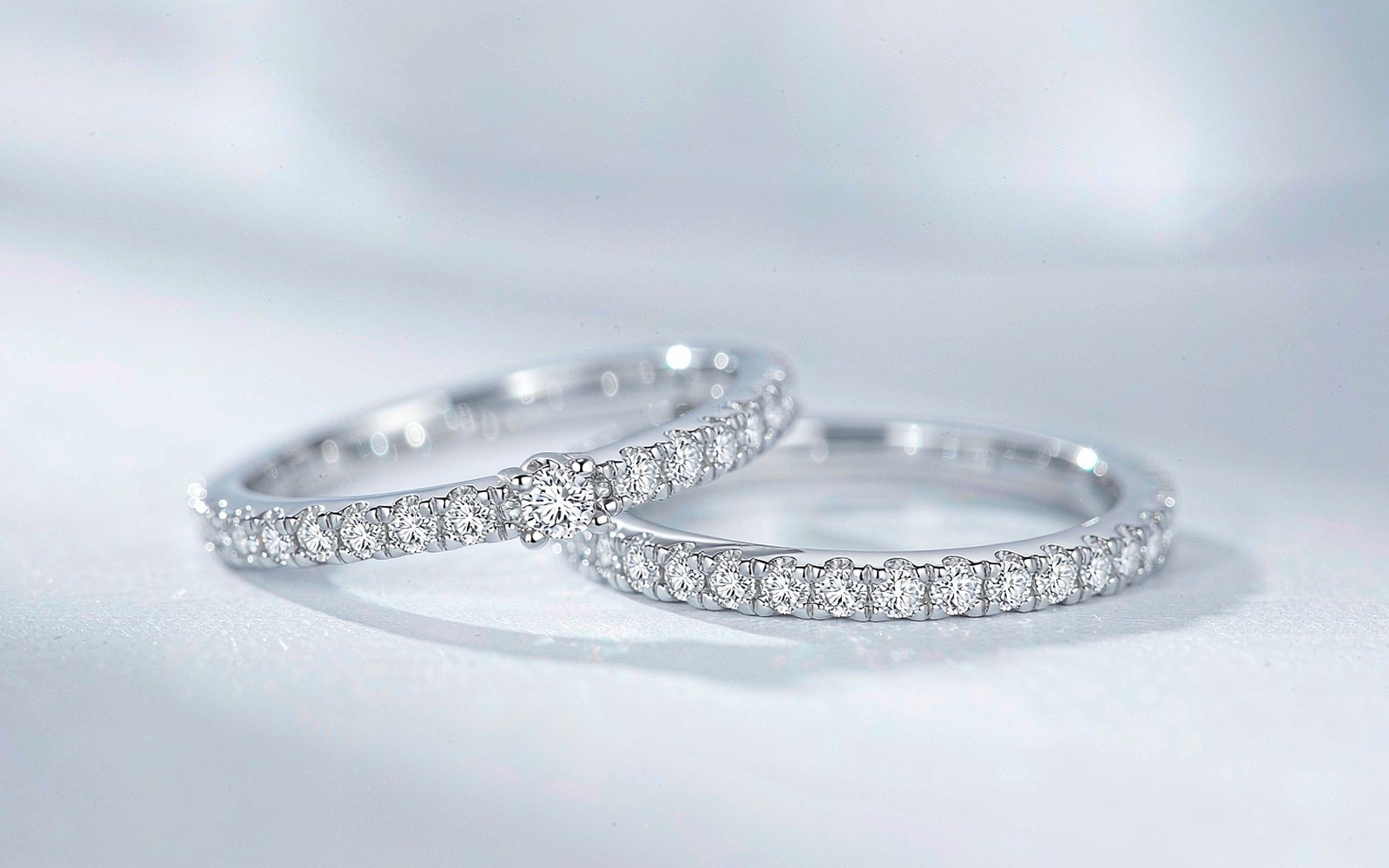
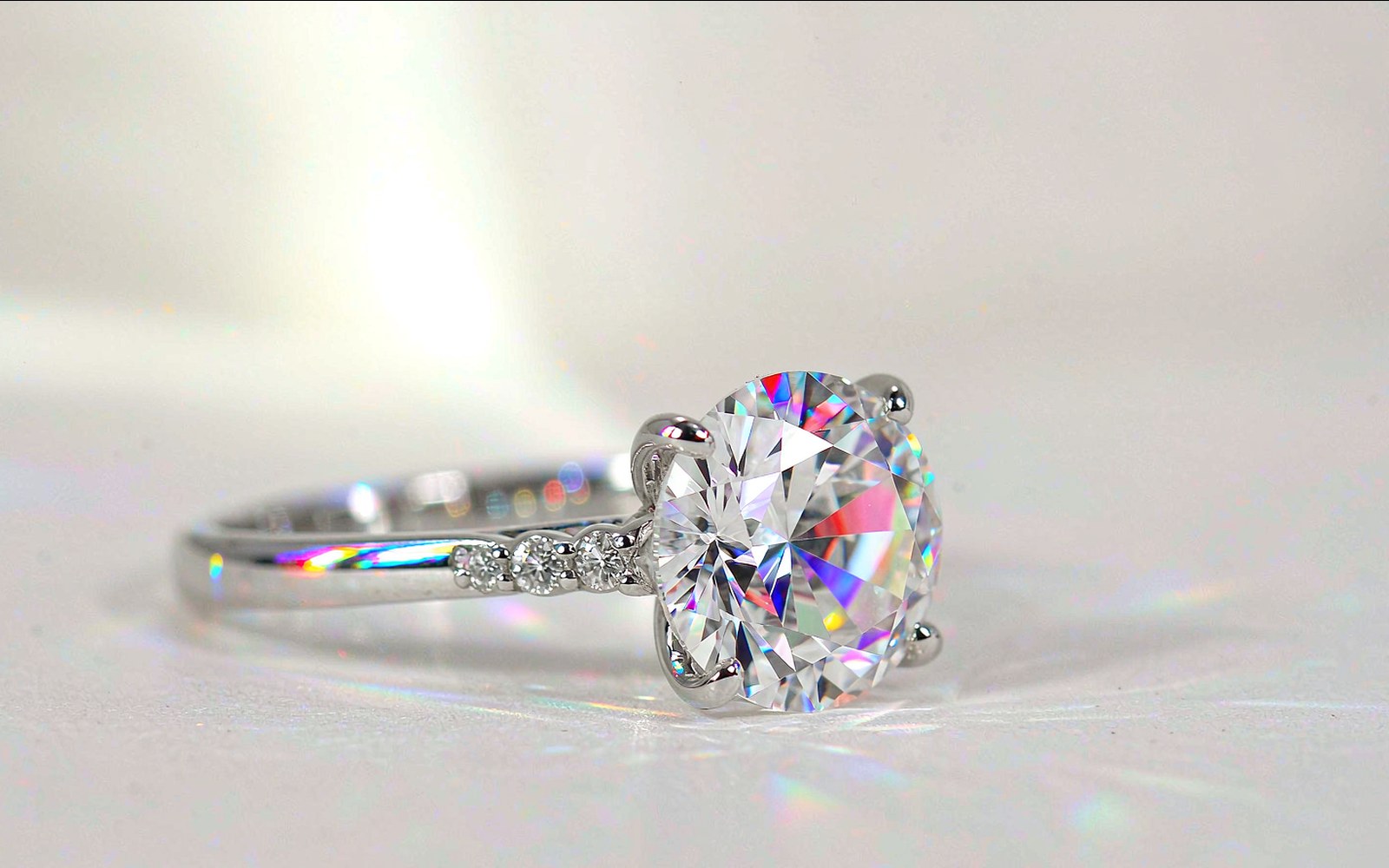
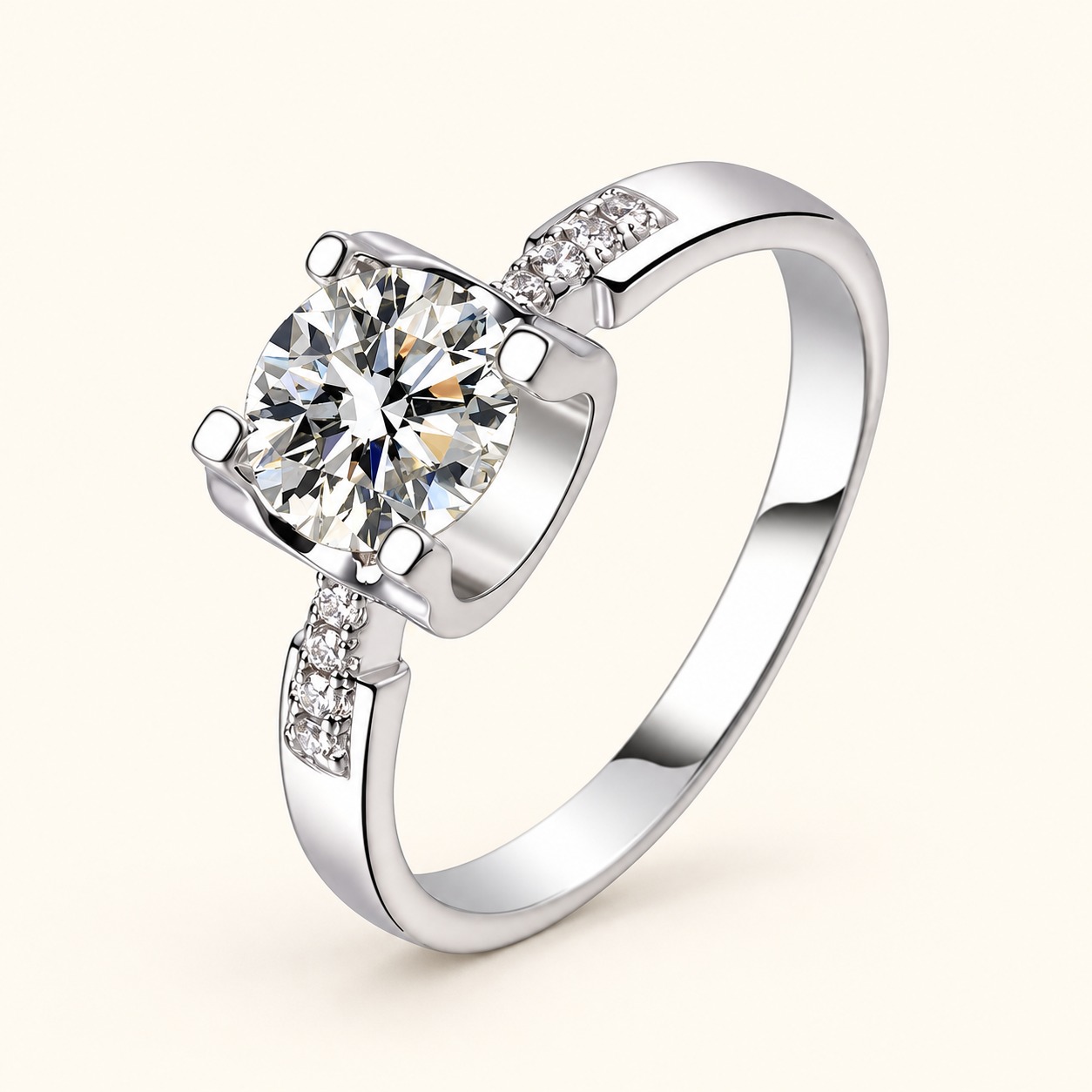
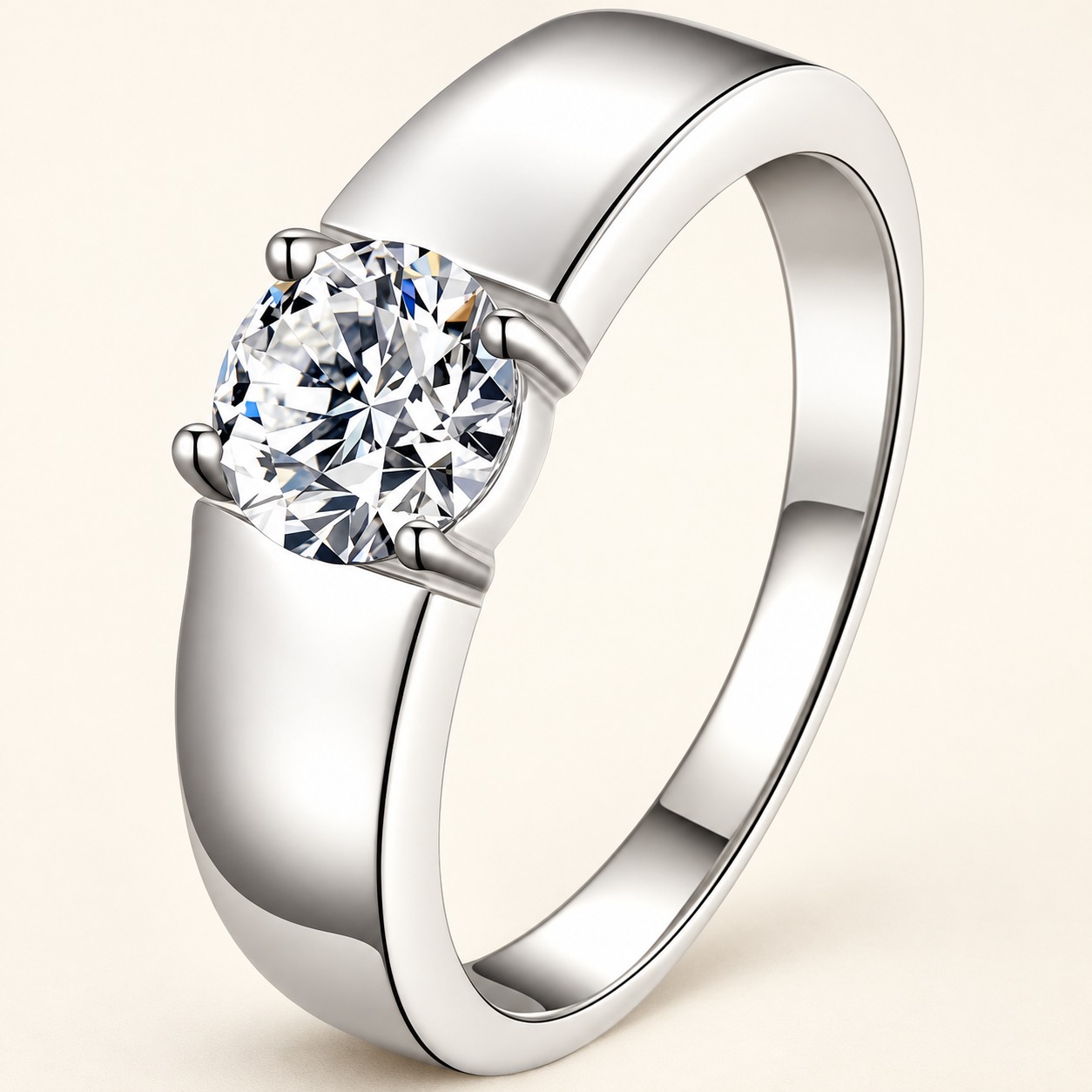
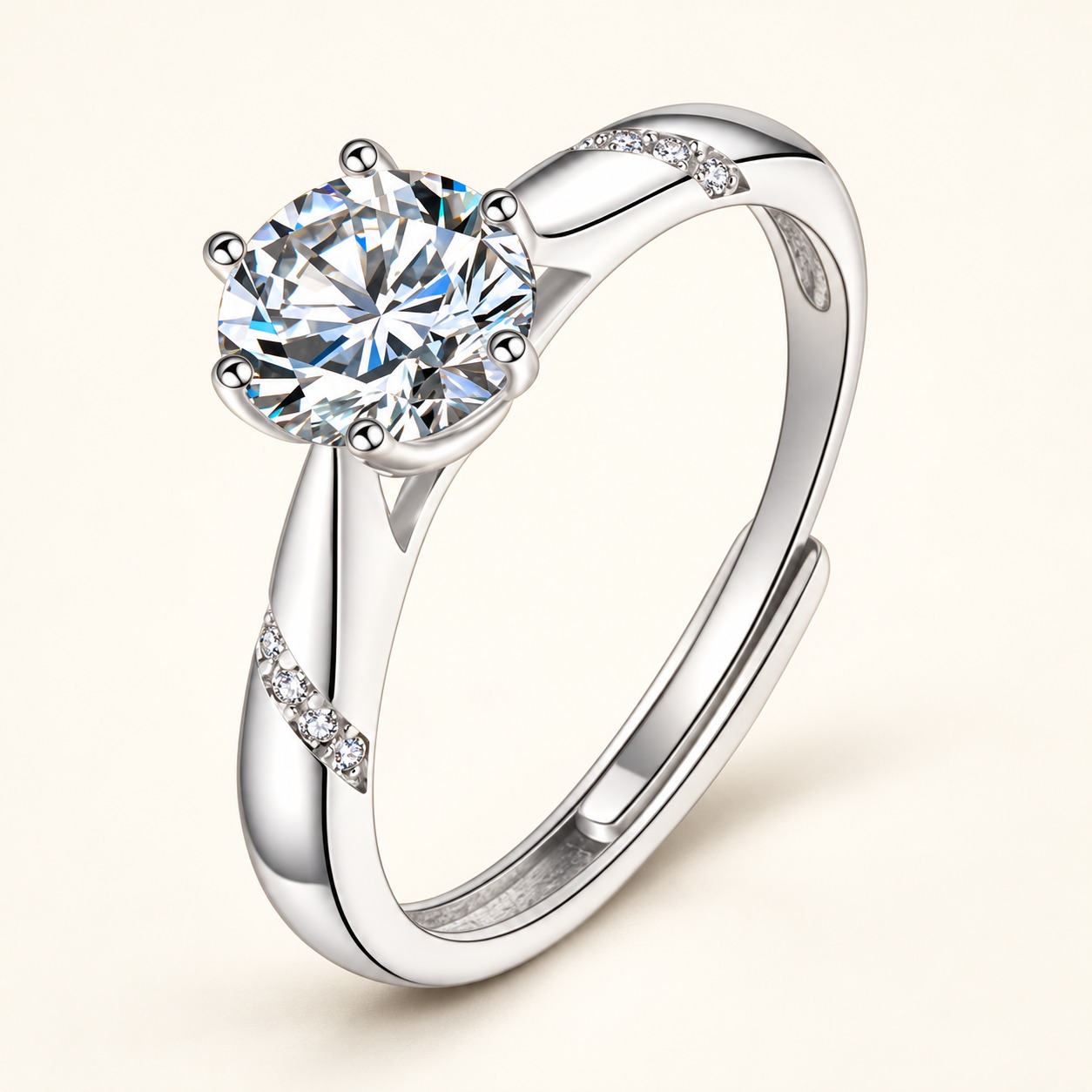
If you are shopping for an engagement or everyday ring, browse our ready moissanite rings at /en/rings/ or compare stone shapes at /en/what-is-moissanite/ before you commit to a metal.
Does sterling silver moissanite jewelry tarnish over time?
Yes, sterling silver can darken as it reacts with air and moisture. This is normal and not a defect. Most silver moissanite pieces are finished with a thin plating that delays tarnish, but that layer wears with daily use. The good news is the finish can be brought back with simple care, and the piece underneath is still solid silver.
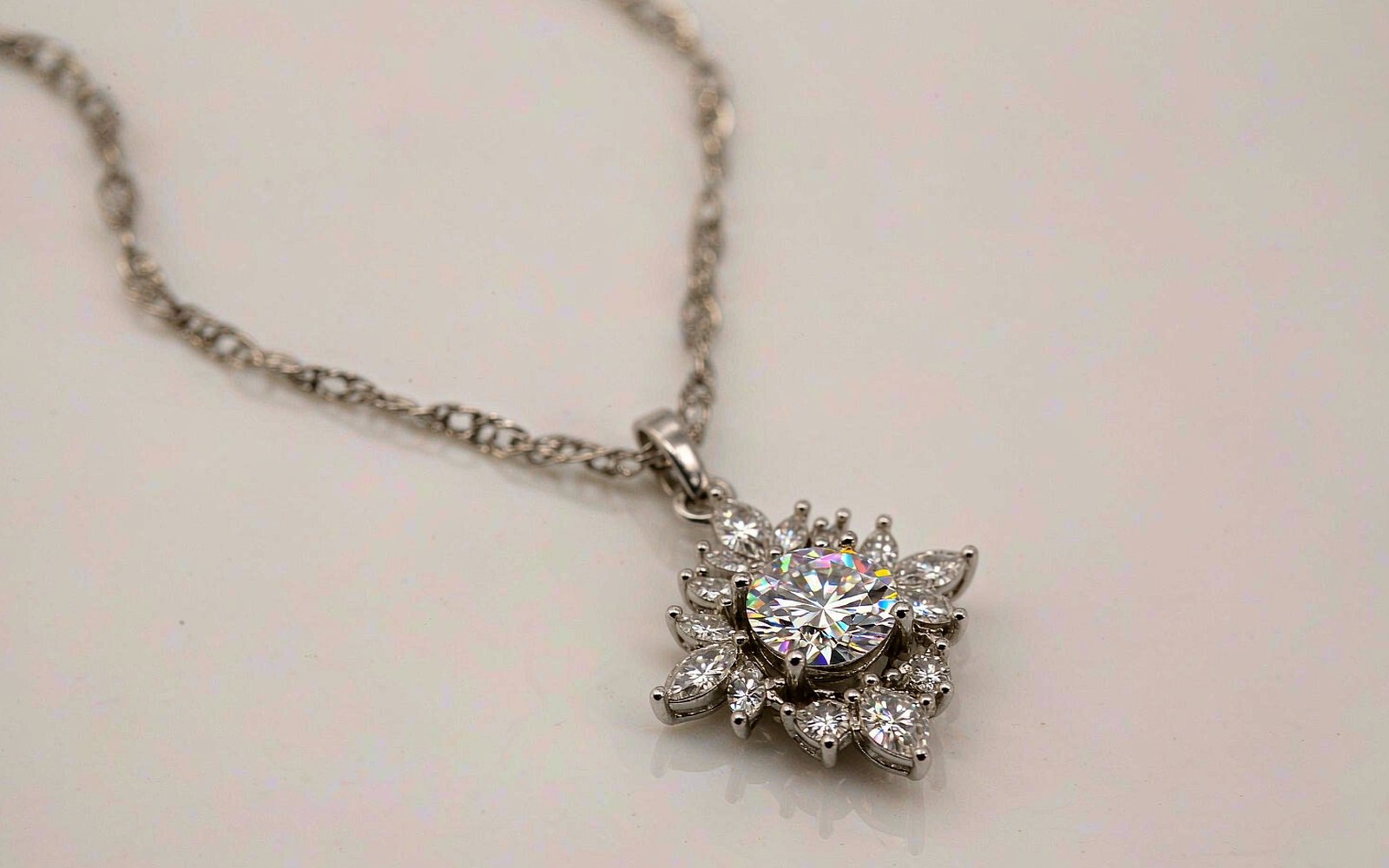
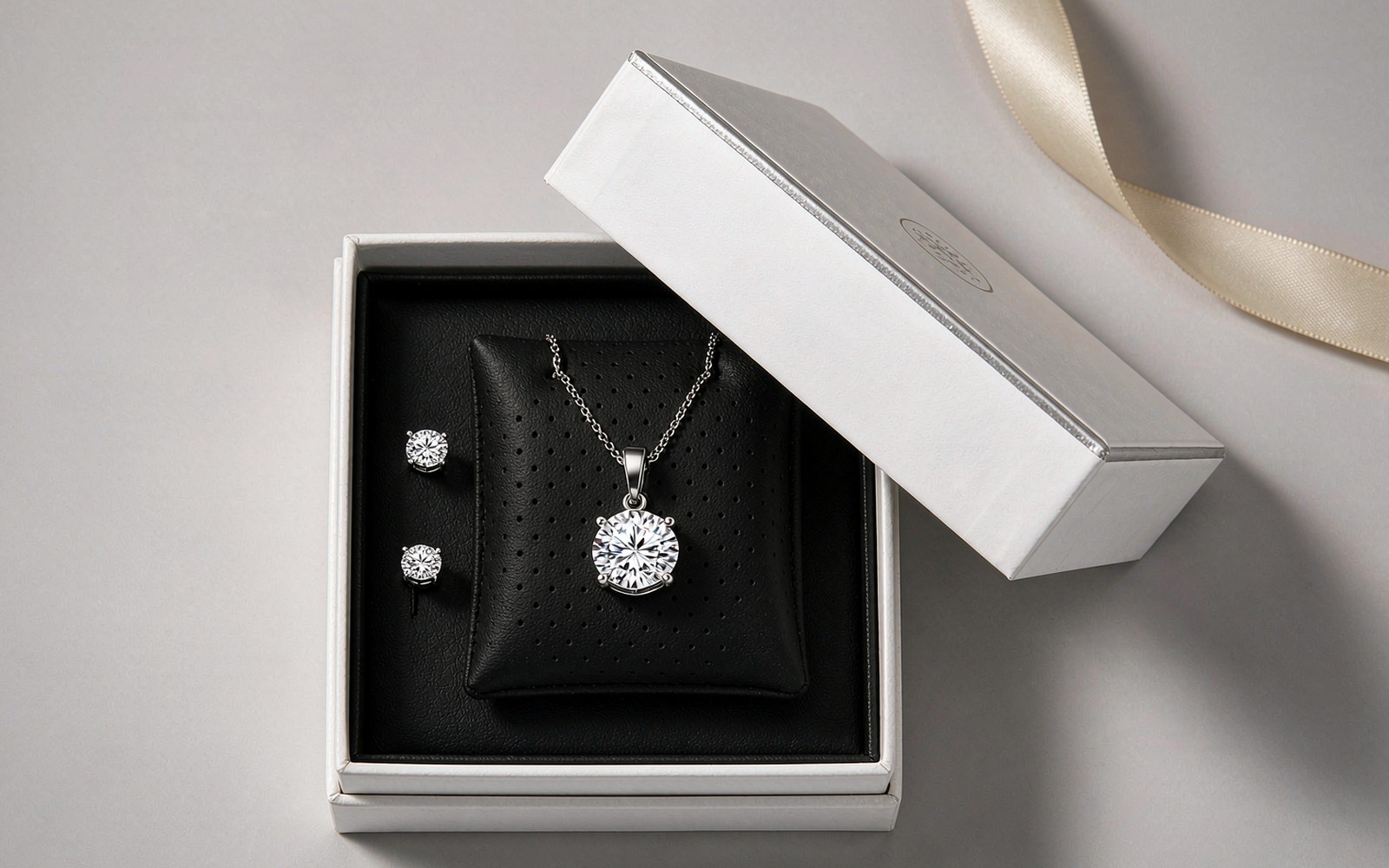
For earrings and necklaces that sit away from sweat and perfume, silver holds up well. For a daily-wear ring, expect to refresh the finish now and then. Read our care notes at /en/faq/ for safe cleaning steps.
Is platinum a better choice than gold for a moissanite ring?
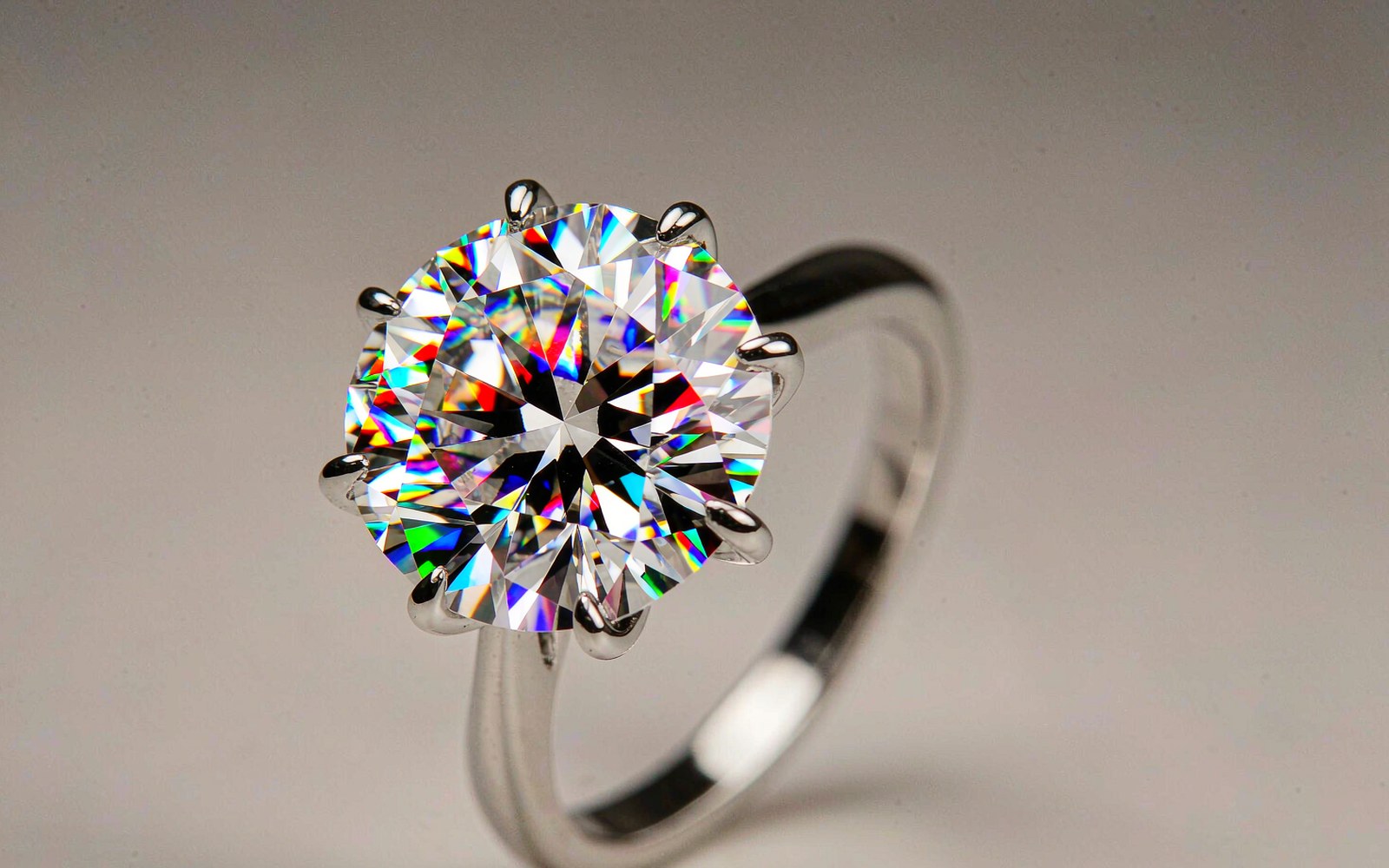
Better depends on what you value. Platinum stays white for life and resists corrosion, so it keeps its look with almost no maintenance. Gold, especially 18K, is harder and holds prongs tightly, which some buyers prefer for securing a center stone. Platinum is denser and costs more per gram, while gold gives you color options - white, yellow, and rose.
Neither metal harms the moissanite. The real difference is upkeep and price per gram, not sparkle. If you want a low-maintenance everyday band, see our moissanite rings at /en/rings/. One detail many guides skip: the metal, not the stone, drives most of the long-term upkeep cost, so weigh the price per gram against how often you will actually wear the piece.
How do I match the metal to my skin and daily wear?
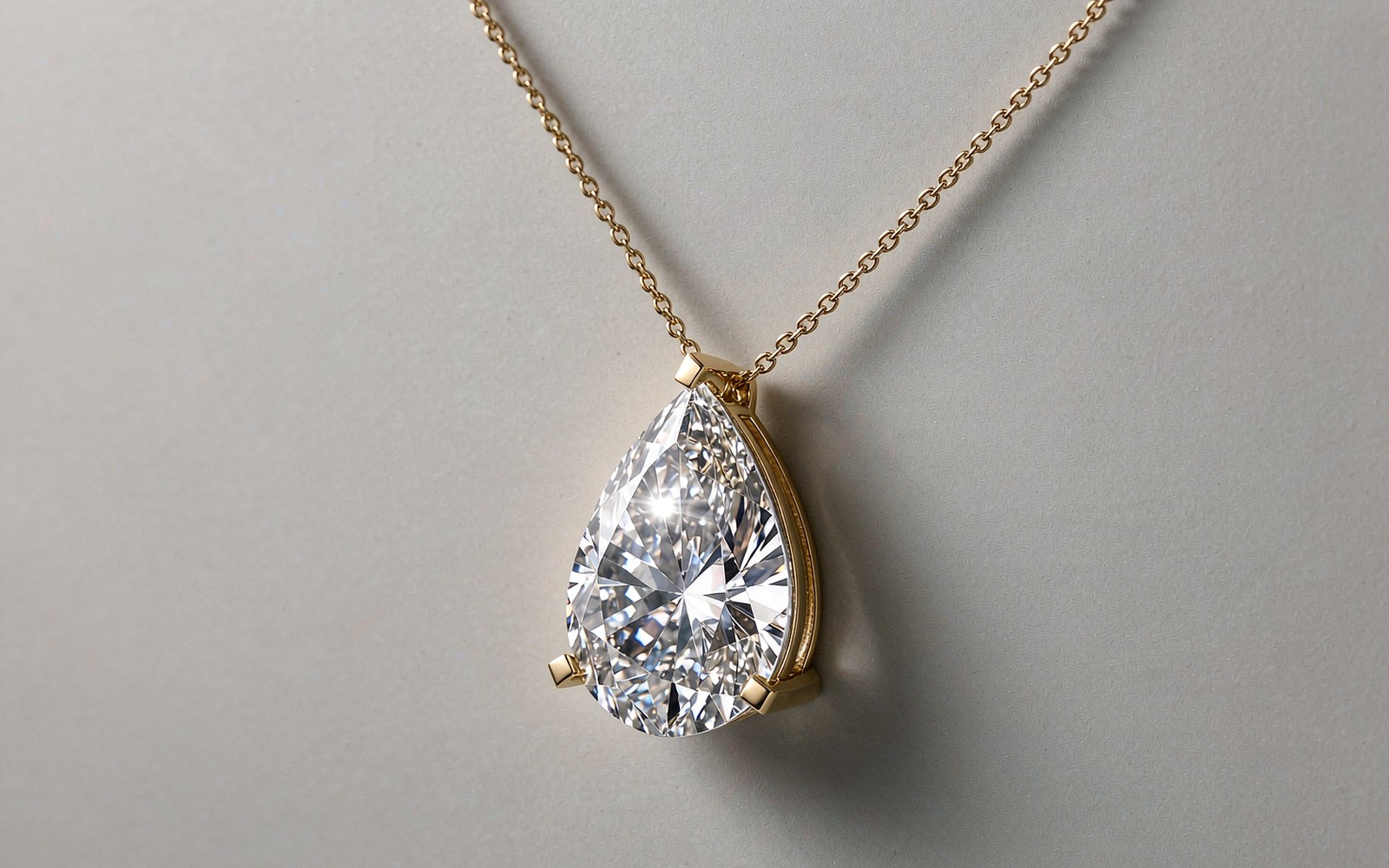
Think about where the piece sits and what it touches. A necklace rarely meets soap or sweat, so silver or gold both work. A ring meets hand soap, gym equipment, and bags all day, so a harder metal like 18K gold or platinum pays off. If you work with your hands or swim often, favor a metal that needs less babying.
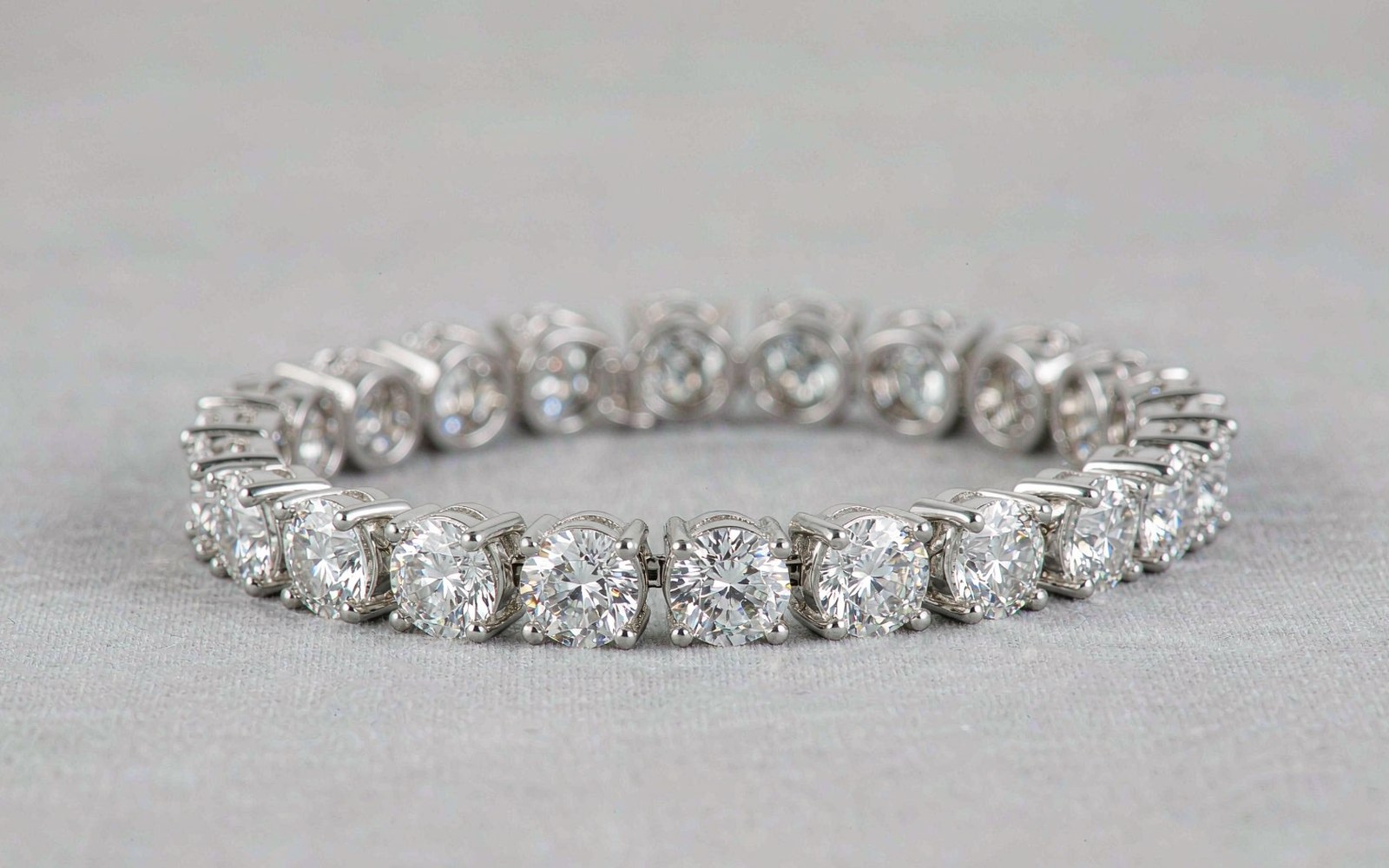
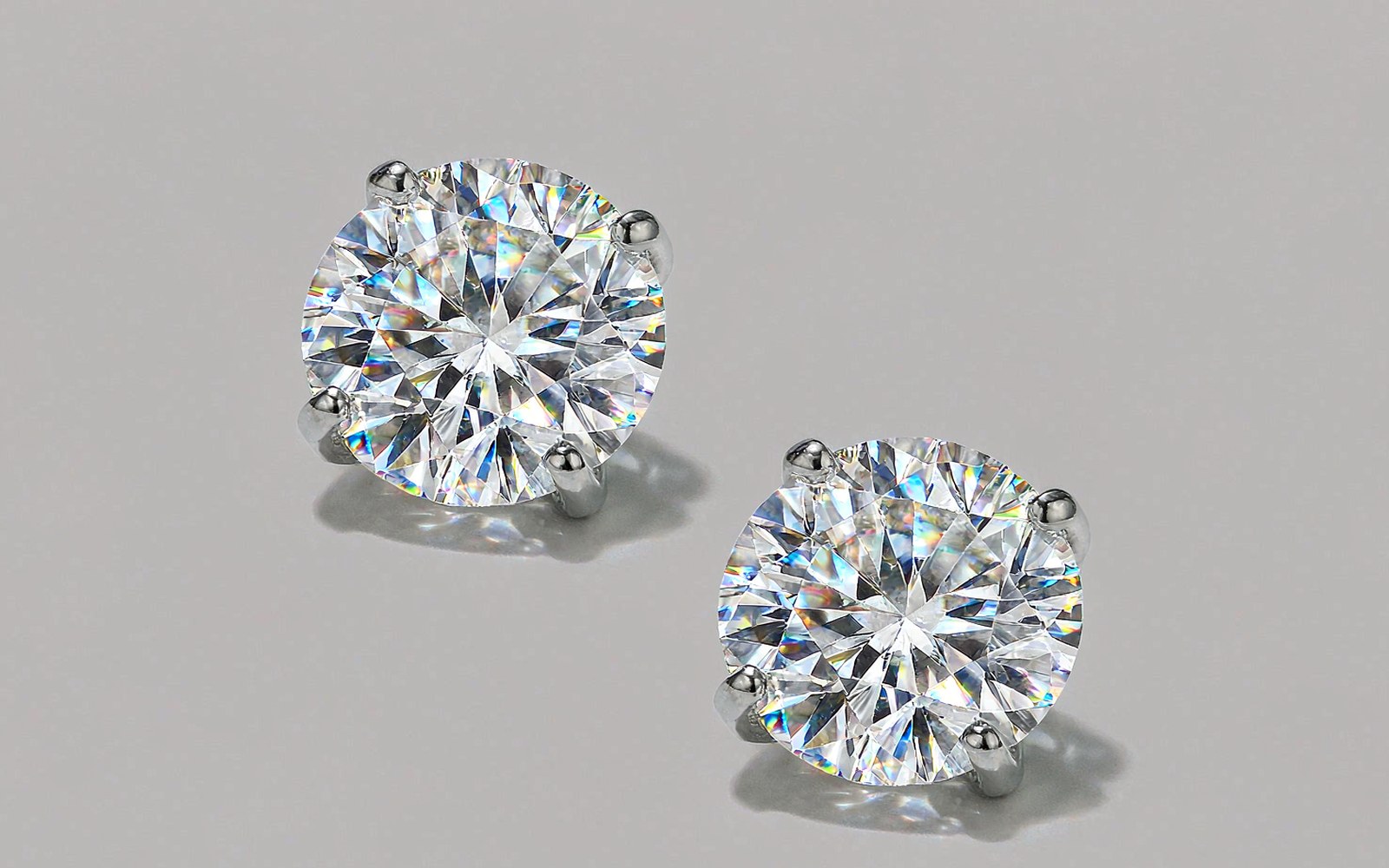
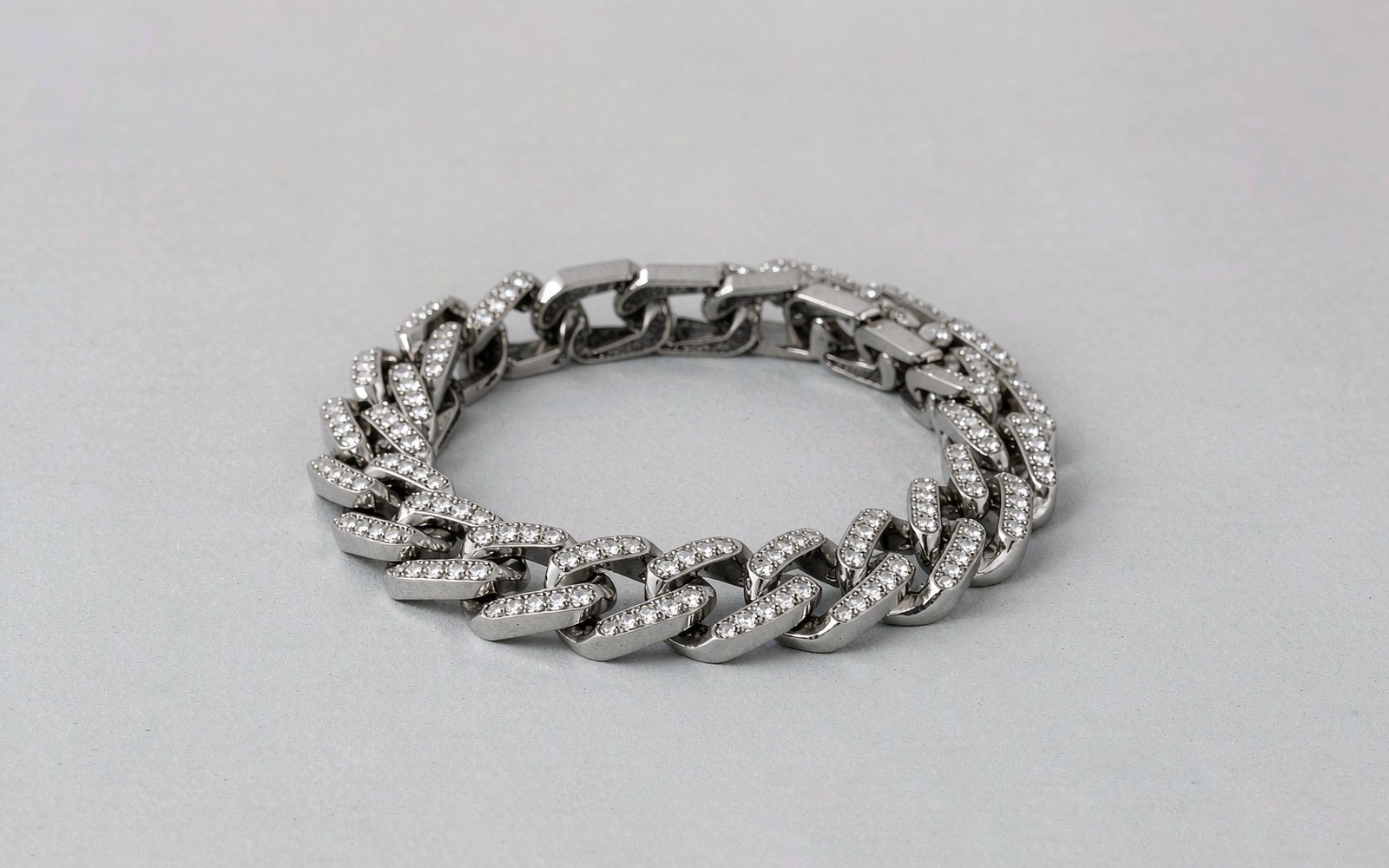
Our moissanite bracelets at /en/bracelets/ and earrings at /en/earrings/ cover pieces that suit lighter metals, while daily rings reward the tougher ones.
Which metal keeps its shine longest next to moissanite?
Platinum keeps its surface tone the longest because it does not need plating. 18K gold keeps its color too, though white gold may need replating after years of wear. Sterling silver needs the most attention because of tarnish, but it is also the easiest to restore.
Shine is also about habits. Storing each piece in its own pouch, keeping it away from perfume, and wiping it after wear will extend the finish of any metal you choose.
What should I ask a seller before I place an order?
Before you pay, line up answers to these eight points so you are not surprised later. They apply whether you buy one piece or a small batch.
- Applicable boundaries: Confirm the piece is built for your use, daily wear versus occasional wear, so the metal choice matches your habit. - Lead time: Ask for the production window in working days, since plating and setting steps add time. - Minimum order: Ask the smallest quantity the seller will accept, especially for custom or plated versions versus solid metal. - Samples: Request one sample piece before a larger order so you can judge weight, finish, and stone security. - Failure conditions: Learn what the seller counts as normal wear, such as plating fade or minor marks, versus a real defect. - Testing methods: Ask how the metal is verified, whether by stamp, assay, or a third party, and what proof travels with the piece. - Parameter explanation: Make sure you understand the stamp, 925 for silver, 18K for gold, PT for platinum, and what each confirms about content. - Inspection and after-sales: Confirm resizing, replating, and return options before you commit, so a small issue stays small.
How can I verify the metal is what the seller claims?
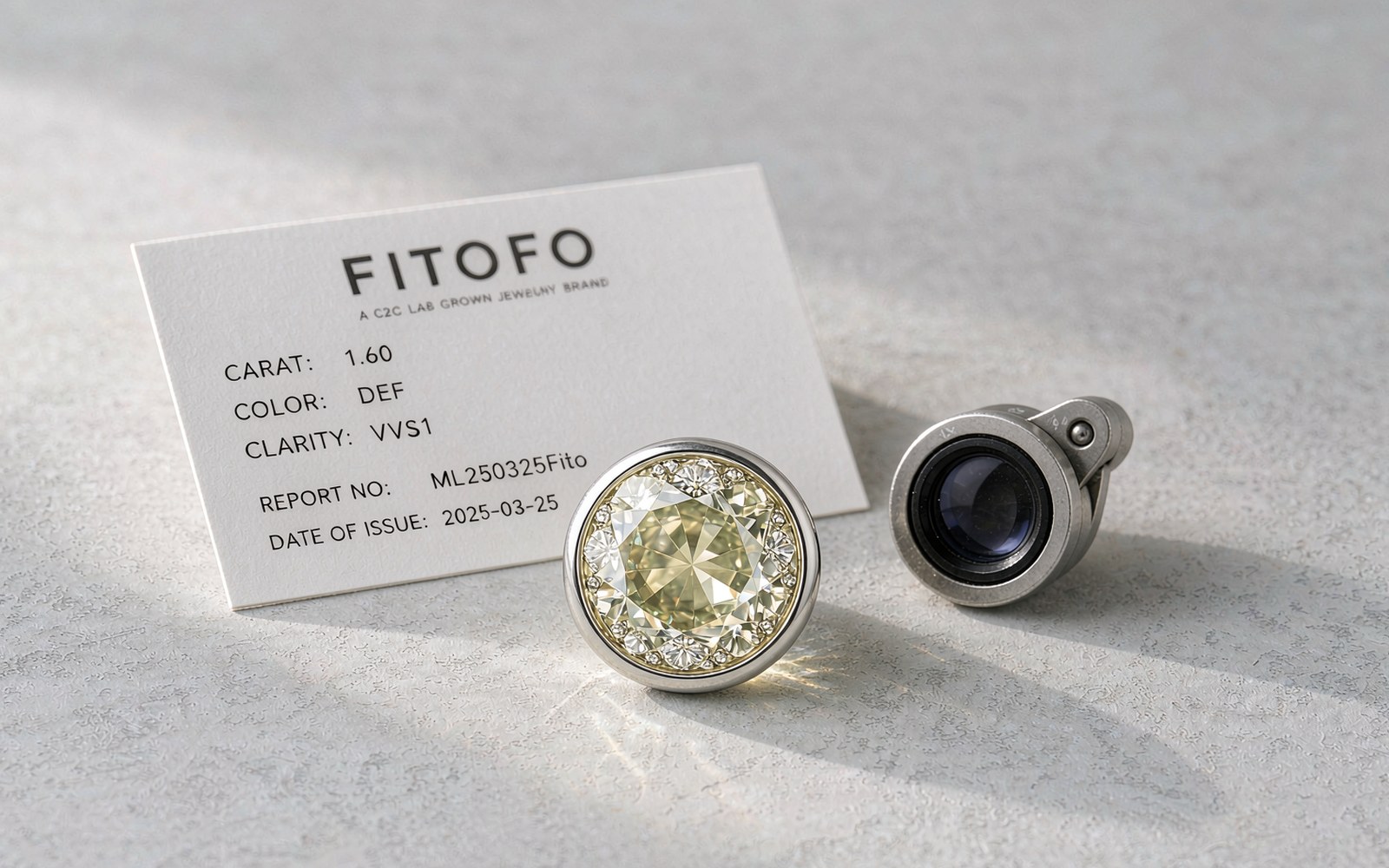
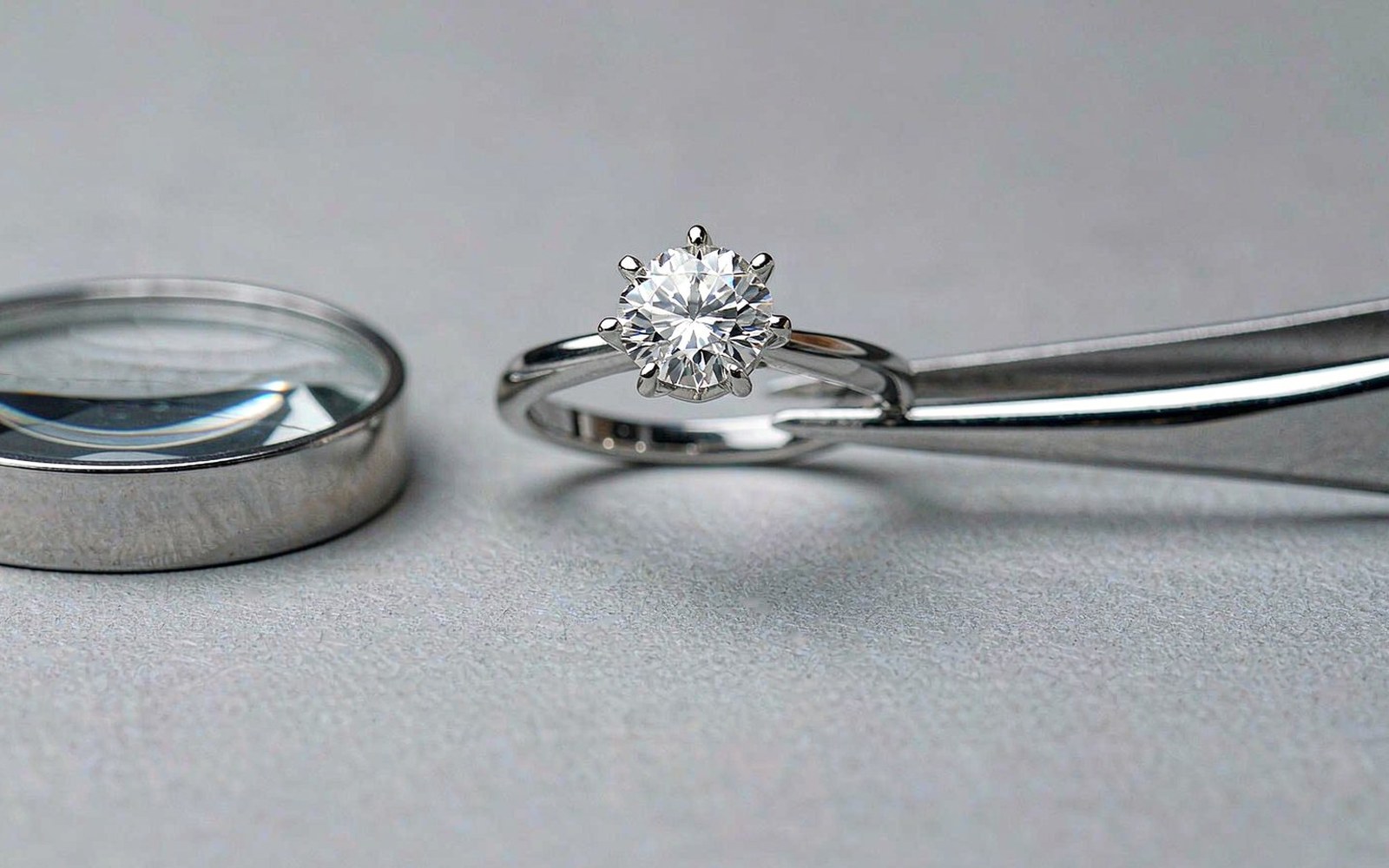
A stamp is the first sign, but stamps can be soft. Ask for an assay or a certificate from a recognized lab for higher value pieces, and weigh the item - platinum feels noticeably heavier than silver at the same size. A stone sold as certified comes with a report that explains what was measured; it does not promise how the piece will perform years later.
For bulk or custom work, keep one piece from the first run as your reference and compare later shipments against it. Our contact page at /en/contact/ is where you can send specs before ordering.
Should I worry about metal allergies with moissanite pieces?
Most reactions come from the alloy mixed into the metal, not from moissanite itself. Pure platinum and high-purity options are the gentlest on sensitive skin. Silver and gold are usually fine, but if you have reacted to jewelry before, ask what alloy is used and favor builds that avoid nickel.
If skin sensitivity matters to you, tell the seller up front and request a hypoallergenic alloy. This one question prevents most of the discomfort buyers report.
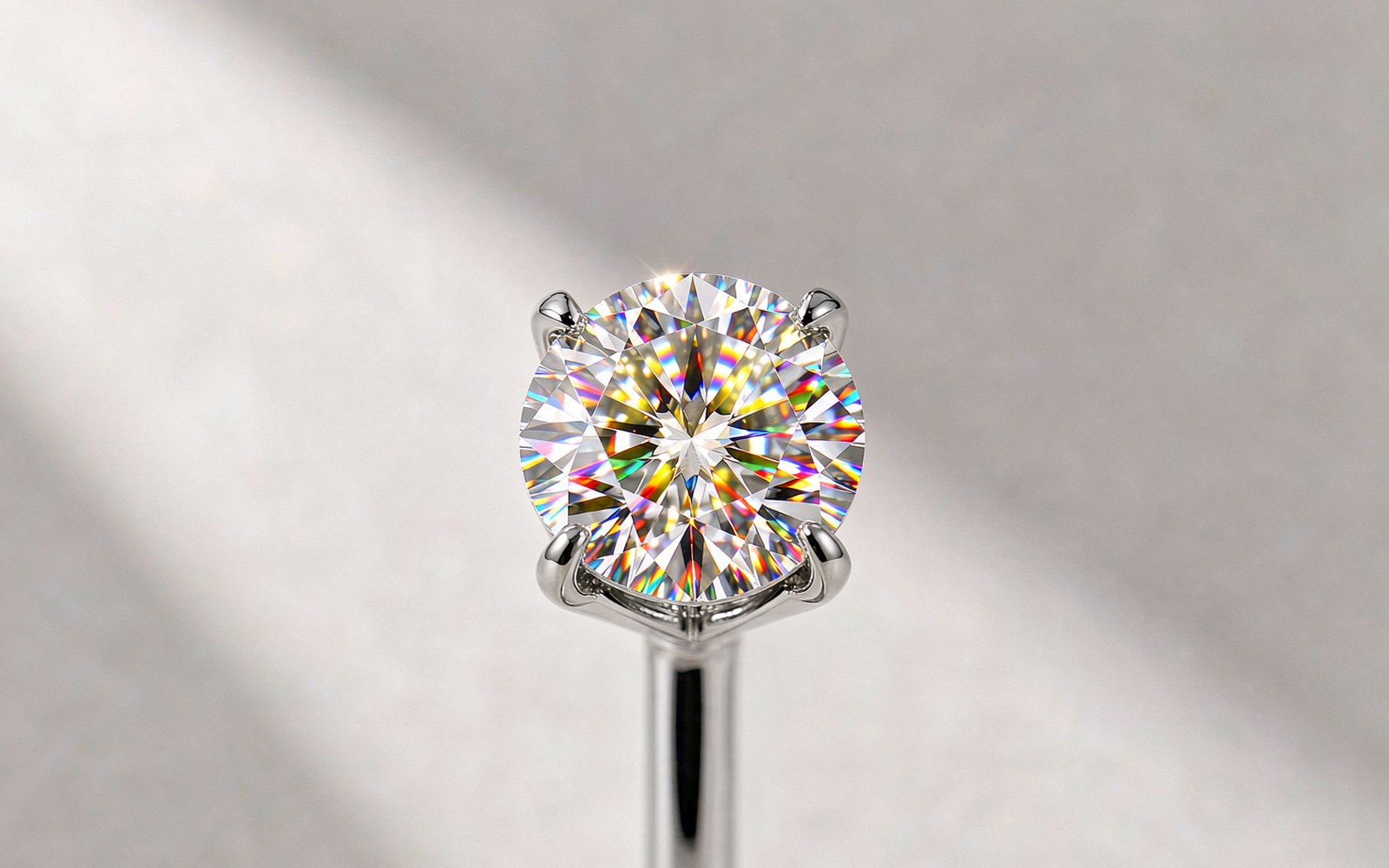
Moissanite looks the same in any metal, so the metal is really about your life, not the stone. Pick silver when budget leads, gold when you want strength with color, and platinum when you want near-zero upkeep. Ask the eight questions before you buy, verify the stamp, and match the metal to how often you actually wear the piece. Do that and the finish will keep pace with the sparkle for years.