· عن الموزانيت
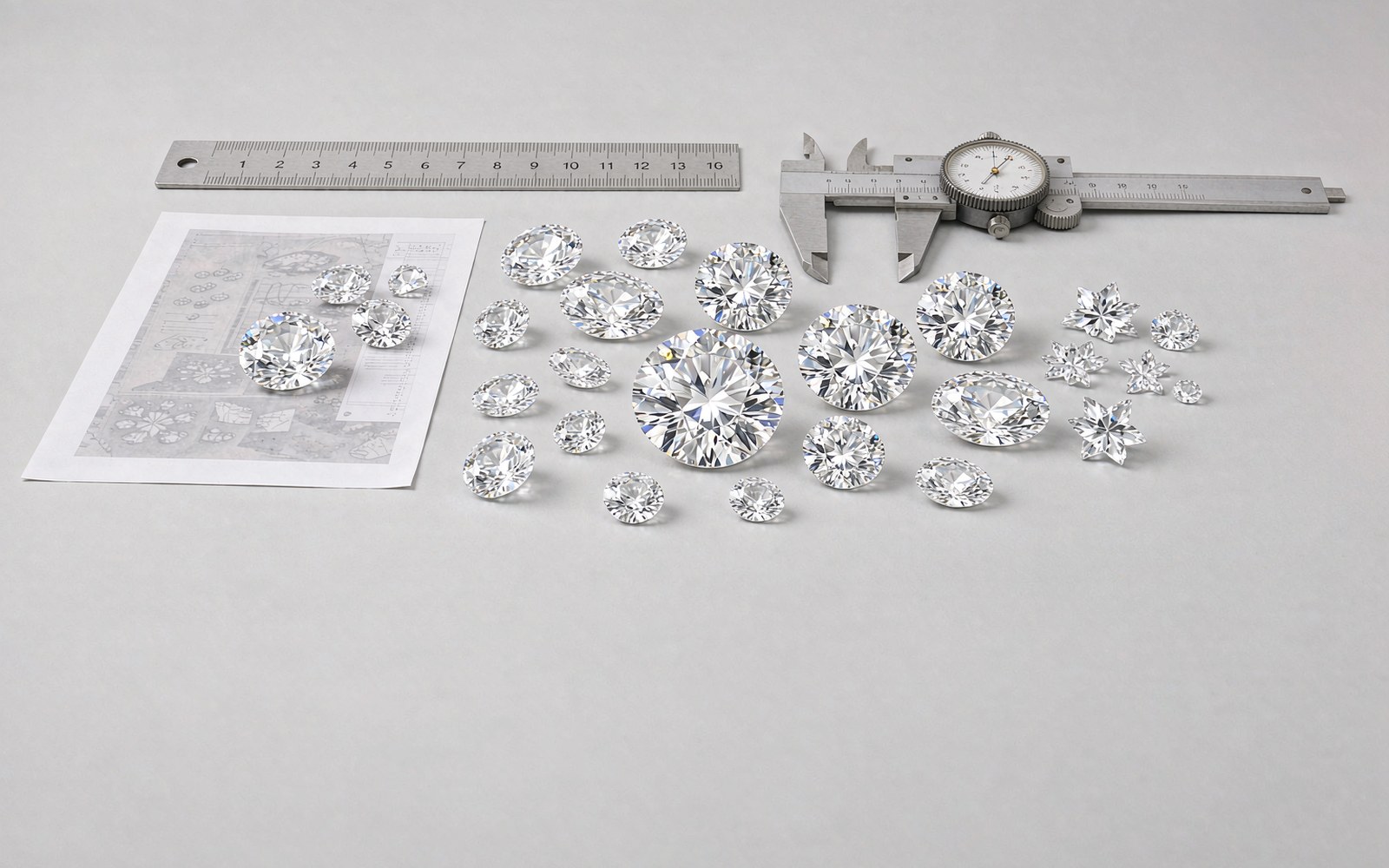
Shoppers and resellers hear 'moissanite' and 'cubic zirconia' used almost interchangeably, and that confusion costs money. Both are man-made diamond-look stones, and neither is mined diamond, but they are different materials with different behavior in daily wear, different weight, and different price points. This guide gives buyers a plain-language way to tell them apart and to specify the right stone before placing an order.
What is the difference between moissanite and cubic zirconia in plain terms?
Both are lab-created and neither is mined diamond, but the materials are unrelated. Moissanite is silicon carbide; cubic zirconia (often shortened to CZ) is zirconium dioxide. That single difference drives everything else in this guide: how the stone handles light, how it wears, how heavy it feels, and what it costs. The practical takeaway is that they are not two qualities of the same thing; they are two different products, and a supplier who treats them as interchangeable is not describing the stone accurately.
Does moissanite look different from cubic zirconia to the eye?
Yes, and the difference shows up most under movement and light, not in a static photo. Moissanite returns more colorful fire, the rainbow flashes, and a brighter, sharper sparkle; CZ tends toward a warmer white flash and can read slightly glassy in low light. Neither is 'better' as a rule; they simply suit different price tiers and different customer expectations. Buyers should decide based on the look their customer actually wants, not on a label. Our education page at /en/what-is-moissanite/ explains how moissanite is graded and described so the listing matches the stone.
Which stone is more durable for everyday rings?
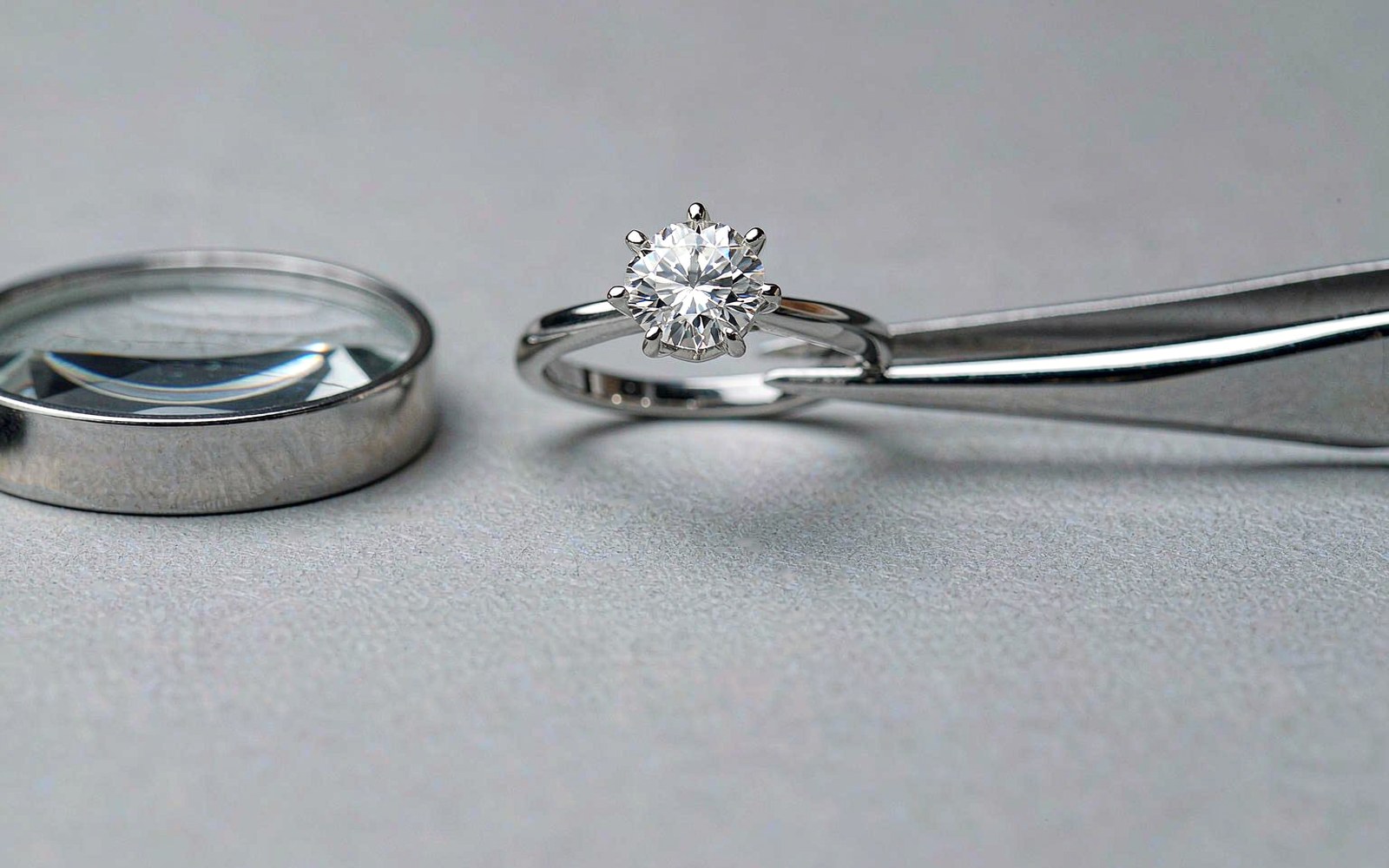
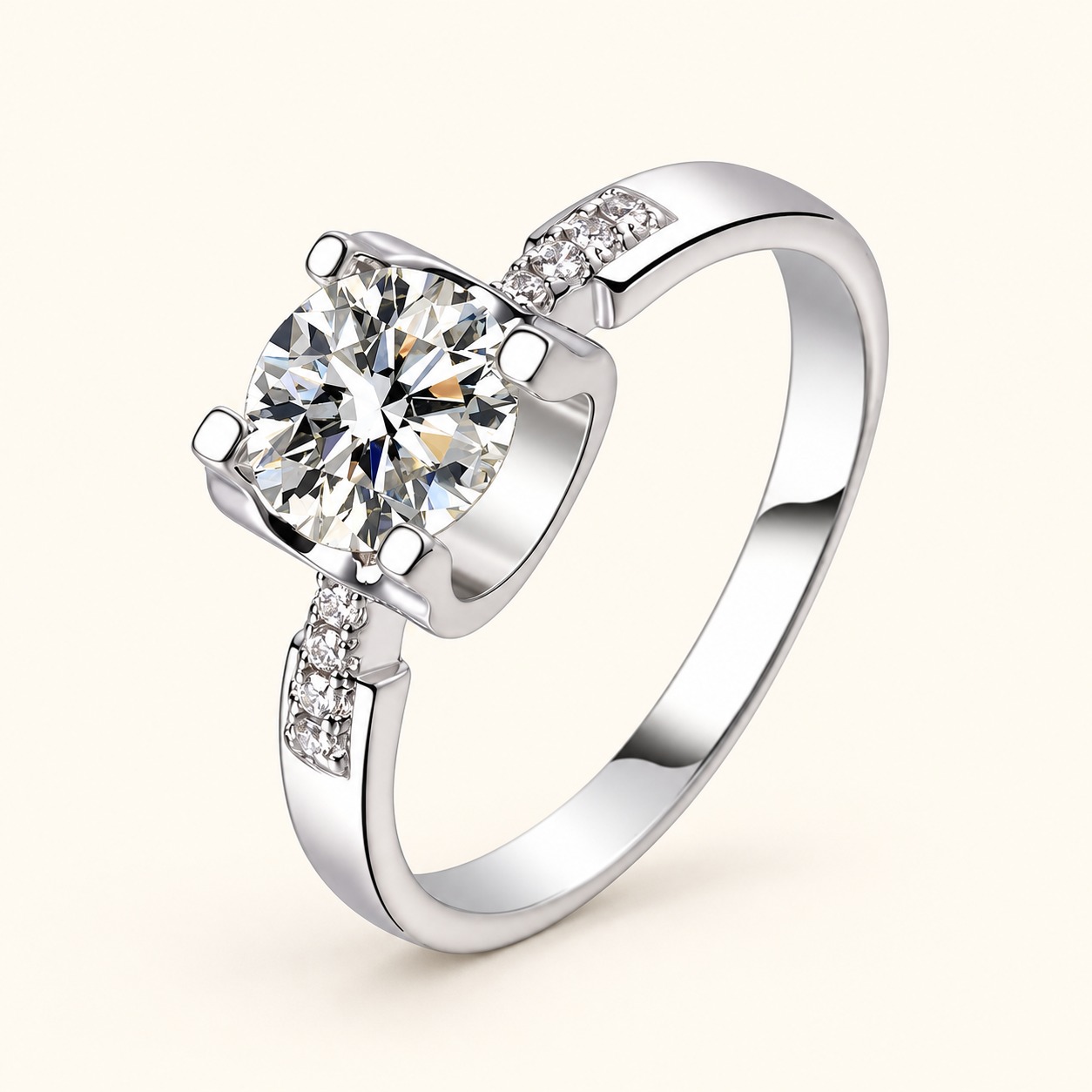
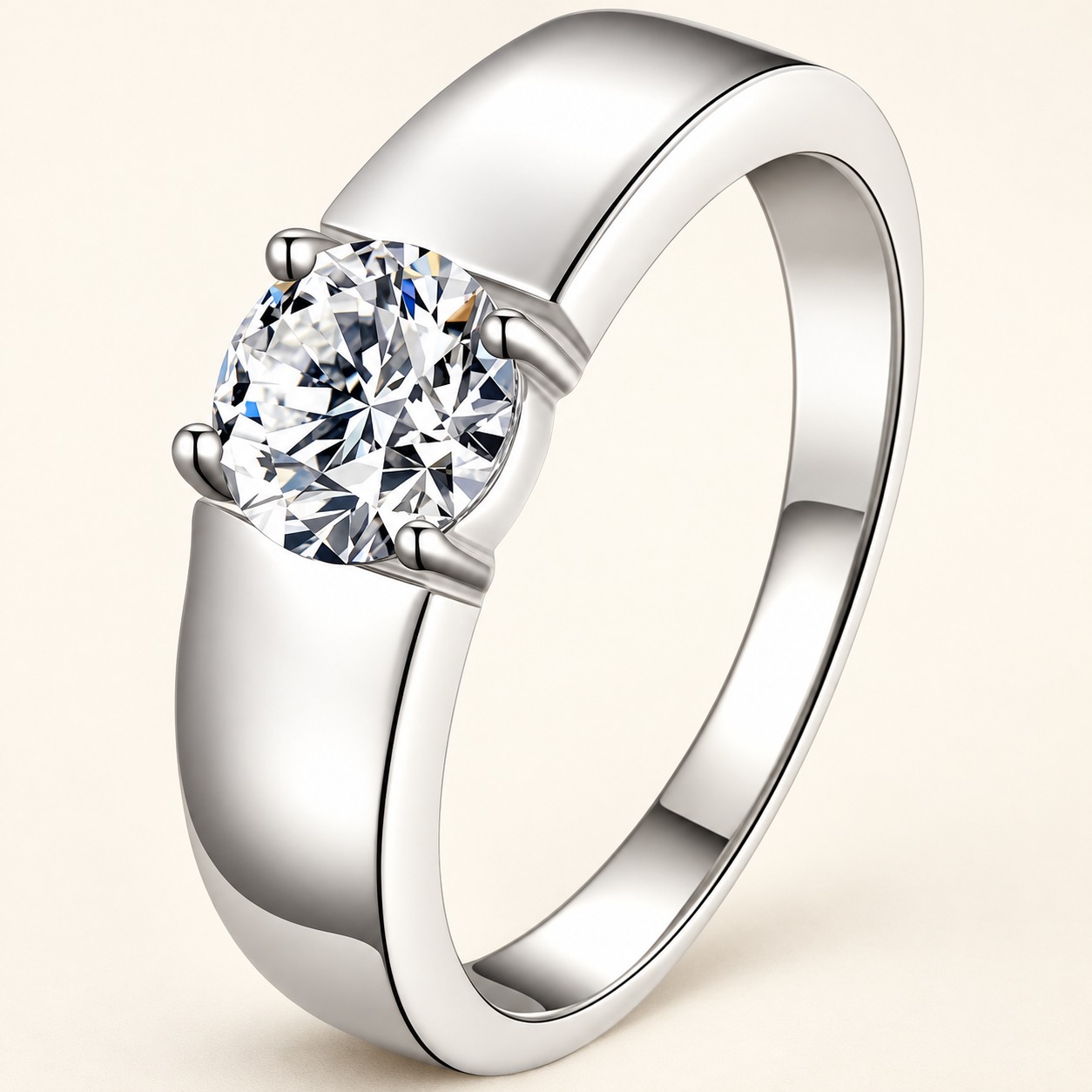
Moissanite is markedly harder than CZ and resists surface scratches far better over years of daily wear; CZ is softer and can cloud or pick up fine scratches with heavy use. For engagement rings and daily-wear bands this difference is the deciding factor, because a ring that is worn every day accumulates more contact than a pendant that is not. Heavier-wear categories, rings, should favor the harder stone; occasional-wear items, earrings and pendants, leave more room for the lighter, lower-cost option. You can see the harder-stone styles built for daily wear at /en/rings/.
How do the two compare on price and long-term value?
CZ is the lower-cost option and always will be, because the material and the production cost are lower; moissanite sits above it on price but holds its appearance far longer in daily wear. The value question is not 'which is cheaper' but 'which keeps looking right for the life the piece will lead'. A lower-cost stone that clouds in a year can cost more in returns than a harder stone bought once. Buyers should model total cost through the wear life, not the sticker price, and the sticker price should always be confirmed on a current supplier quote, because material costs move.
How can I verify what I am actually buying before a bulk order?
Three checks protect you. One: request a few loose samples before committing to volume, and compare them under the same light you will use in product photos. Two: weigh a sample, because CZ is noticeably heavier than moissanite at the same size, so a weight check is a fast tell. Three: put the exact stone material in the purchase order wording, moissanite or cubic zirconia, so the contract and the shipment are governed by the same term. If a supplier cannot state the material in writing, that answer already tells you what you needed to know about quality.
The decision checklist every buyer should keep
- Applicable boundaries: choose moissanite for daily-wear rings and bridal lines; choose CZ for occasional-wear pieces and entry price tiers where the lower cost matters more than long-term scratch resistance. - Lead time: confirm the current production lead time with your supplier in writing before you lock a launch date, because stone material and finishing both affect schedule. - MOQ: confirm the minimum order quantity per stone type and per style with the supplier, and do not assume it matches a previous order, because different materials run on different lines. - Samples: order loose samples of both stones under the same lighting before committing to volume, and photograph them the way your customers will see them. - Failure conditions: CZ can cloud or scratch under heavy daily wear, and moissanite can loosen in a weak setting; most failures come from a mismatch between stone and use, not from the stone alone. - Testing methods: weigh a sample (CZ is heavier), check the fire under movement rather than under a static light, and ask your supplier which simple checks they recommend before shipment. - Parameter explanation: moissanite carat is stated as diamond equivalent weight, while CZ size is given in millimeters, so read both on the invoice and confirm they match the listing you approved. - Inspection and after-sales: agree in writing on what the supplier checks before shipping and on what they will do if the delivered material differs from the purchase order wording.
One decision point competitors under-explain: the single control that makes every other check enforceable is the stone material written into the purchase order. Without that wording, a sample you liked and a shipment you received are two different promises, and you have no contract term to measure them against. Write the material, the size basis, and the tolerance into the order before you pay, and the rest of the checklist becomes something you can actually enforce.
Moissanite and cubic zirconia are different materials, not two grades of one stone: moissanite, silicon carbide, is harder, brighter, and longer-lasting in daily wear, while CZ, zirconium dioxide, is the lower-cost option best suited to occasional-wear and entry price tiers. Tell them apart by fire under movement and by weight, verify with samples and a written material term in the purchase order, and match the stone to the life the piece will lead. For a category-by-category walk-through of stone choices, the team at /en/contact/ can help, and the common buyer questions are collected at /en/faq/.