· عن الموزانيت
Shoppers and resellers ask the same question before almost every bridal and fine-jewelry order: should this be moissanite or a natural diamond? The short answer is that they are different stones with different origins, different behavior in light, different wear profiles, and different price structures, not a premium version and a budget version of one material. This guide gives buyers a plain-language way to compare them and to specify the right one before placing an order.
What is the difference between moissanite and a natural diamond?
A natural diamond is a carbon crystal formed in the earth over geological time and then mined, cut, and traded as a finite natural material. Moissanite is a lab-created stone made from silicon carbide, first identified in a meteorite and now grown for jewelry. That single origin difference drives everything else in this guide: how the stone handles light, how it wears over years, what it costs to source, and what story it carries for the wearer. The practical takeaway is that neither is 'fake'; they are two distinct products, and a supplier who describes moissanite as 'the same as diamond, just cheaper' is not describing the stone accurately.
Does moissanite look like a natural diamond to the eye?
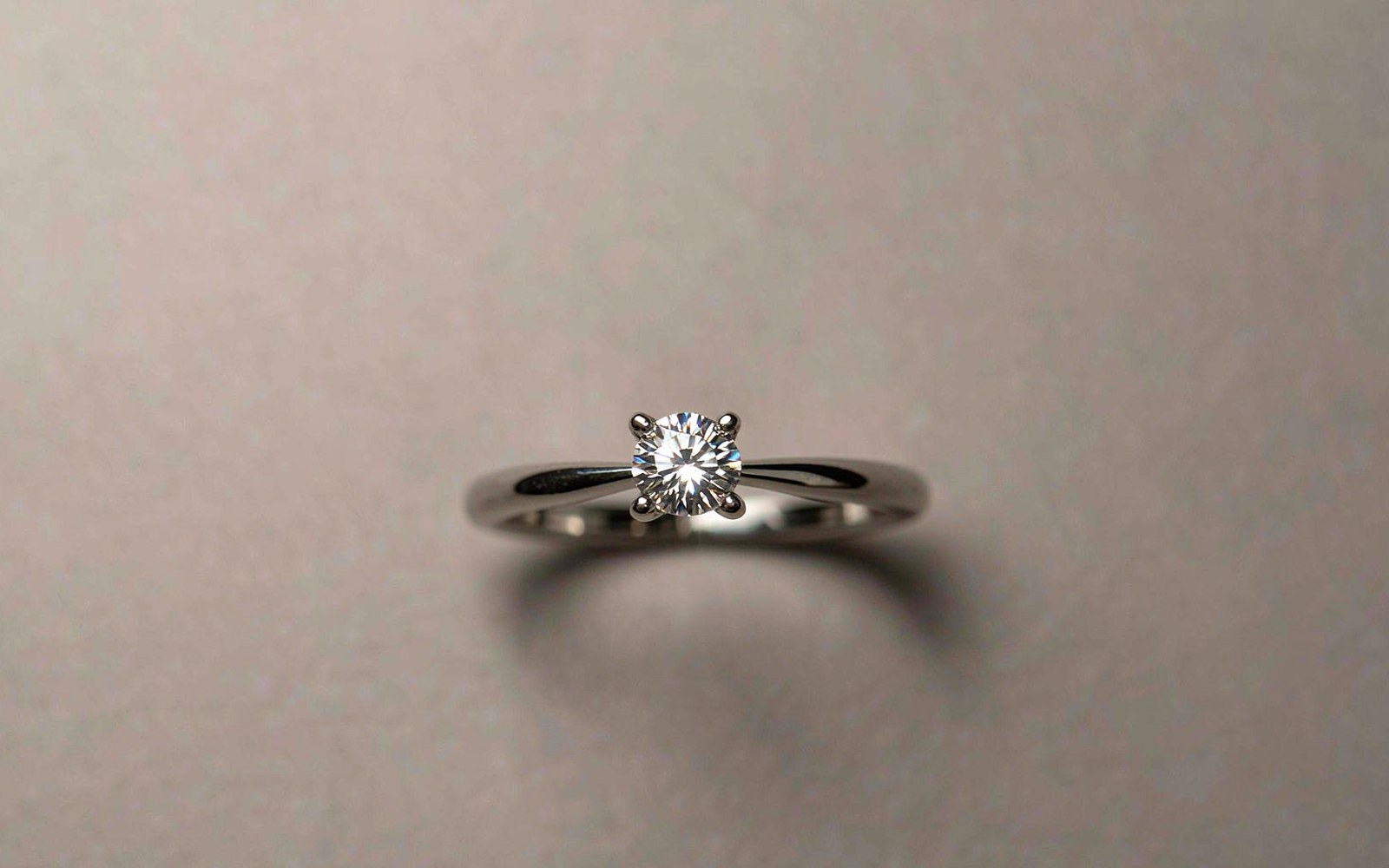
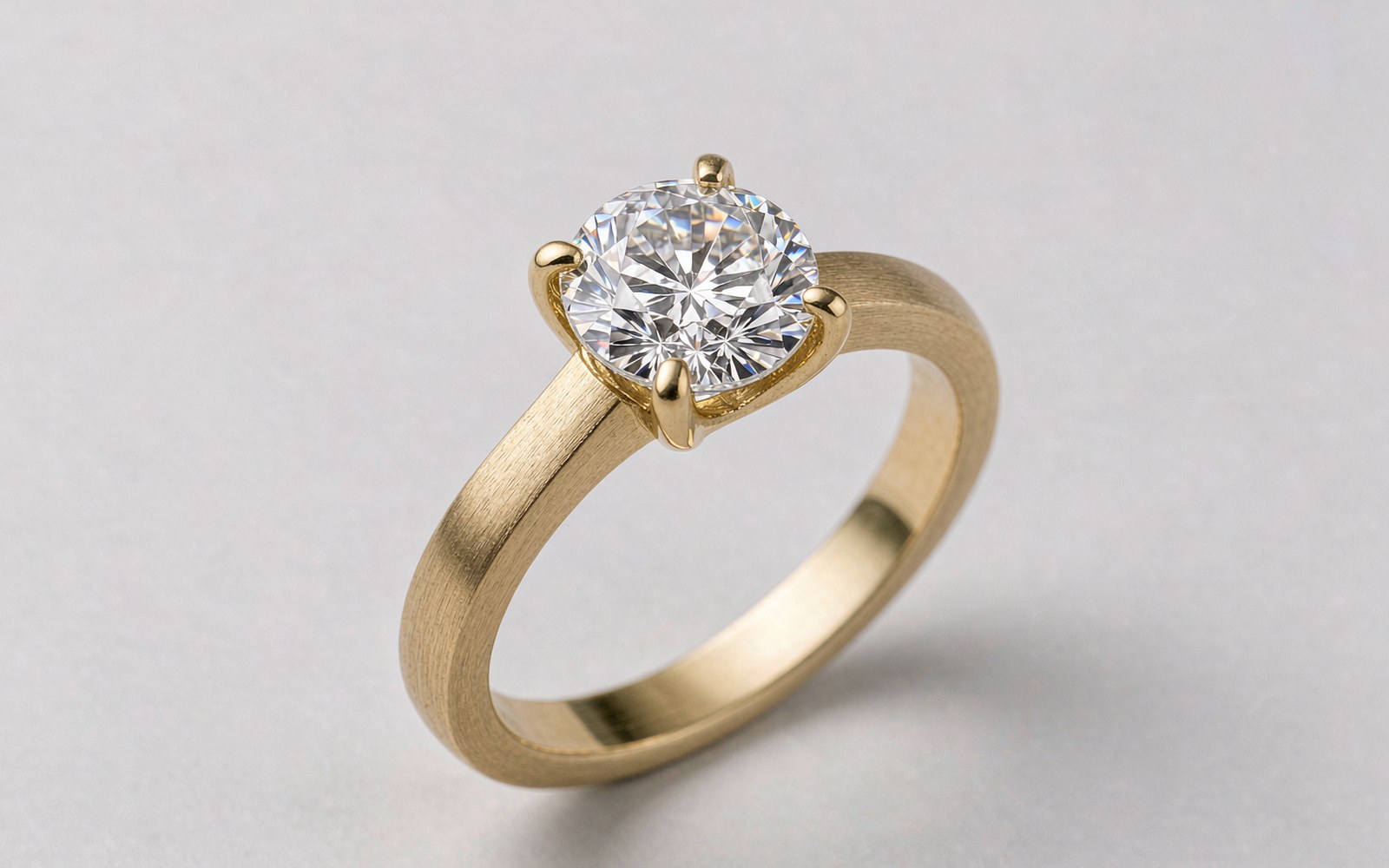
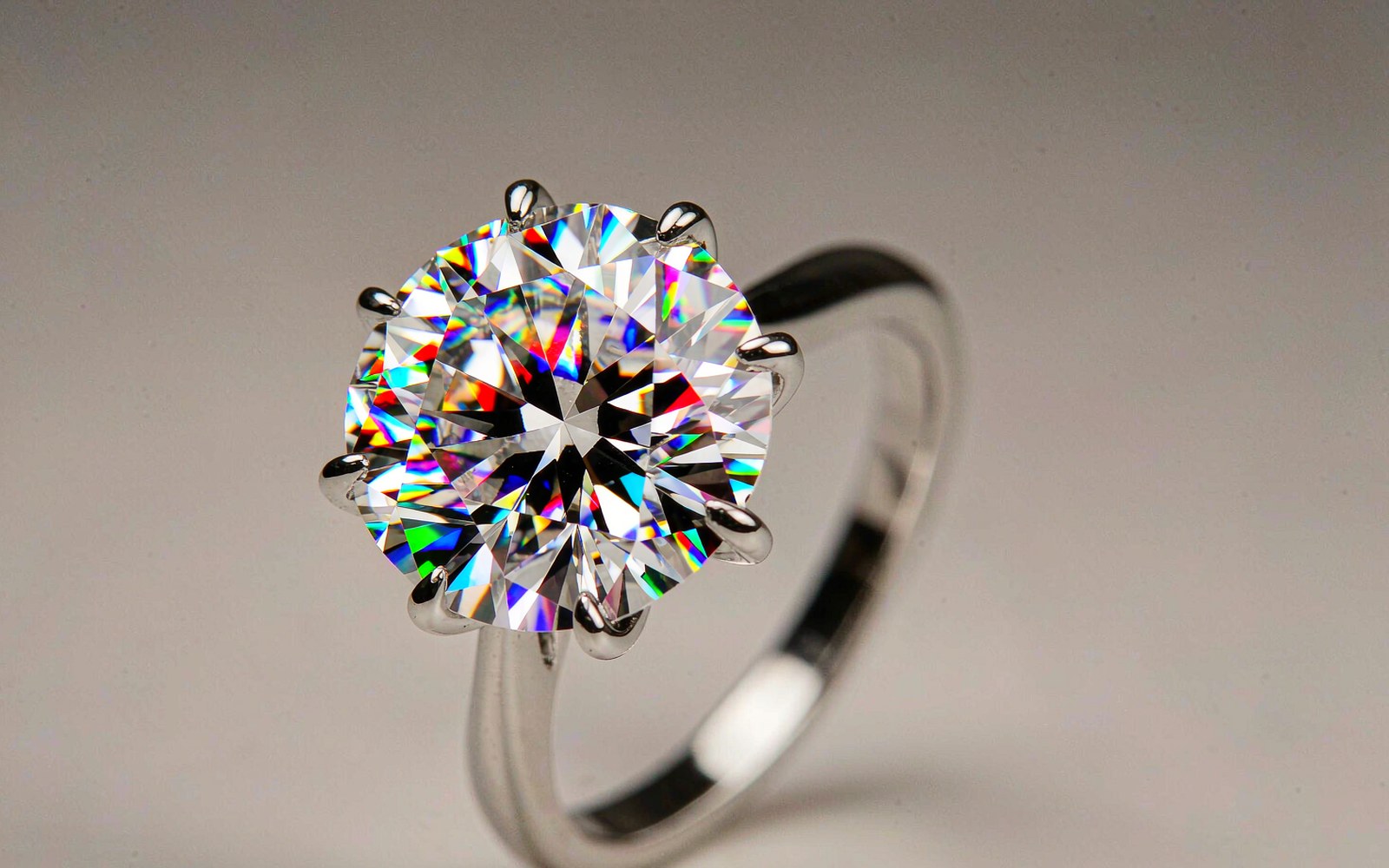
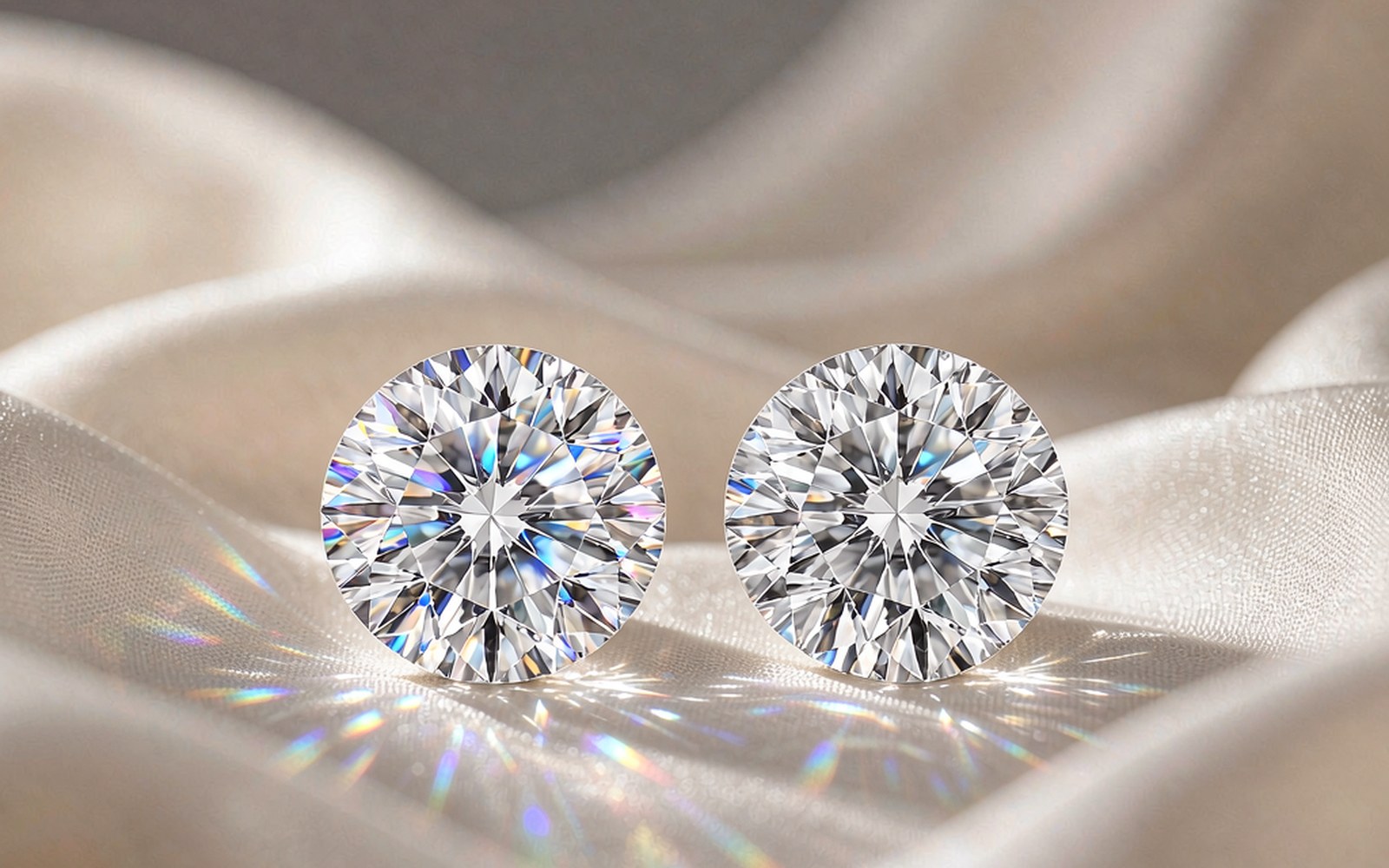
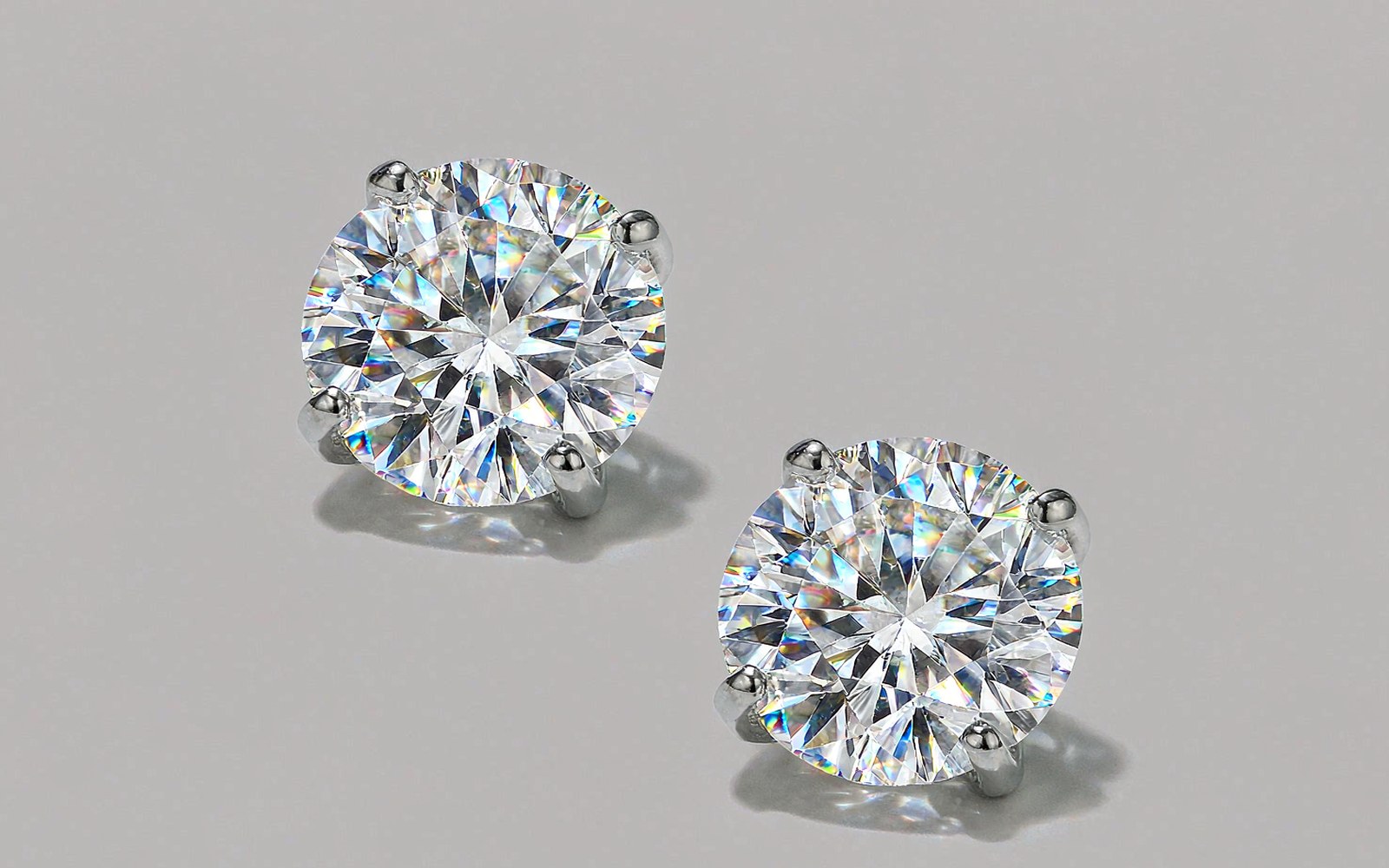
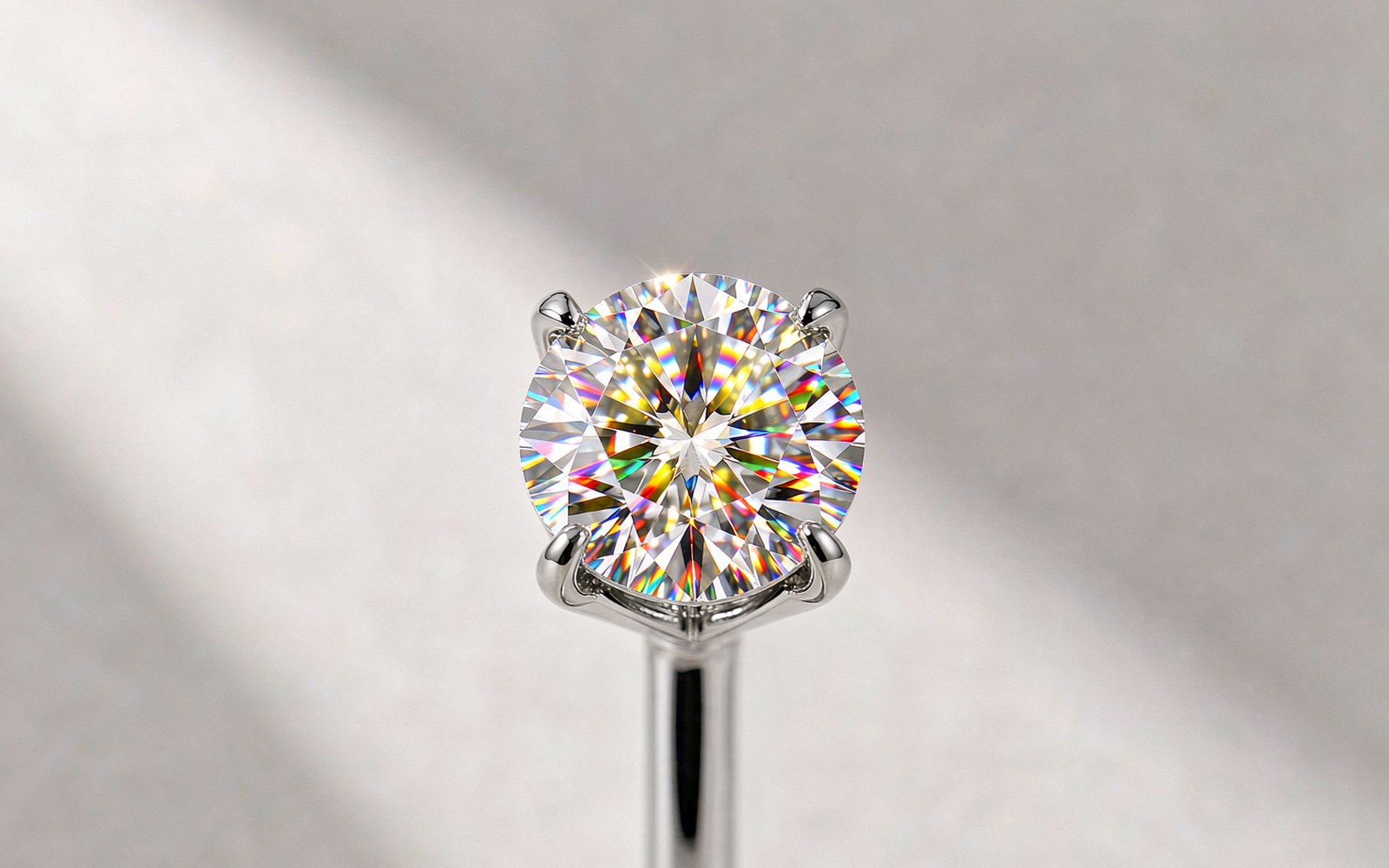
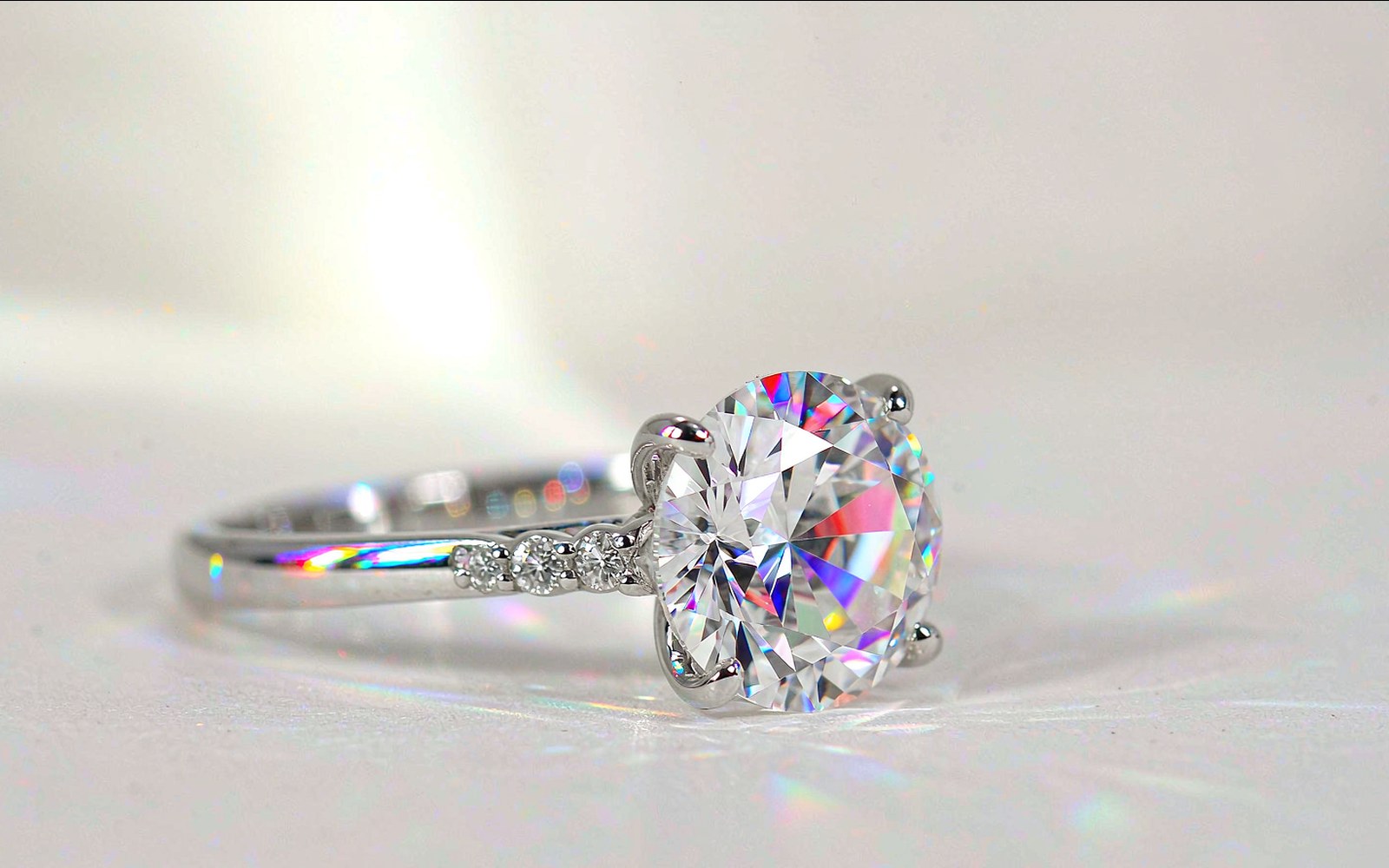
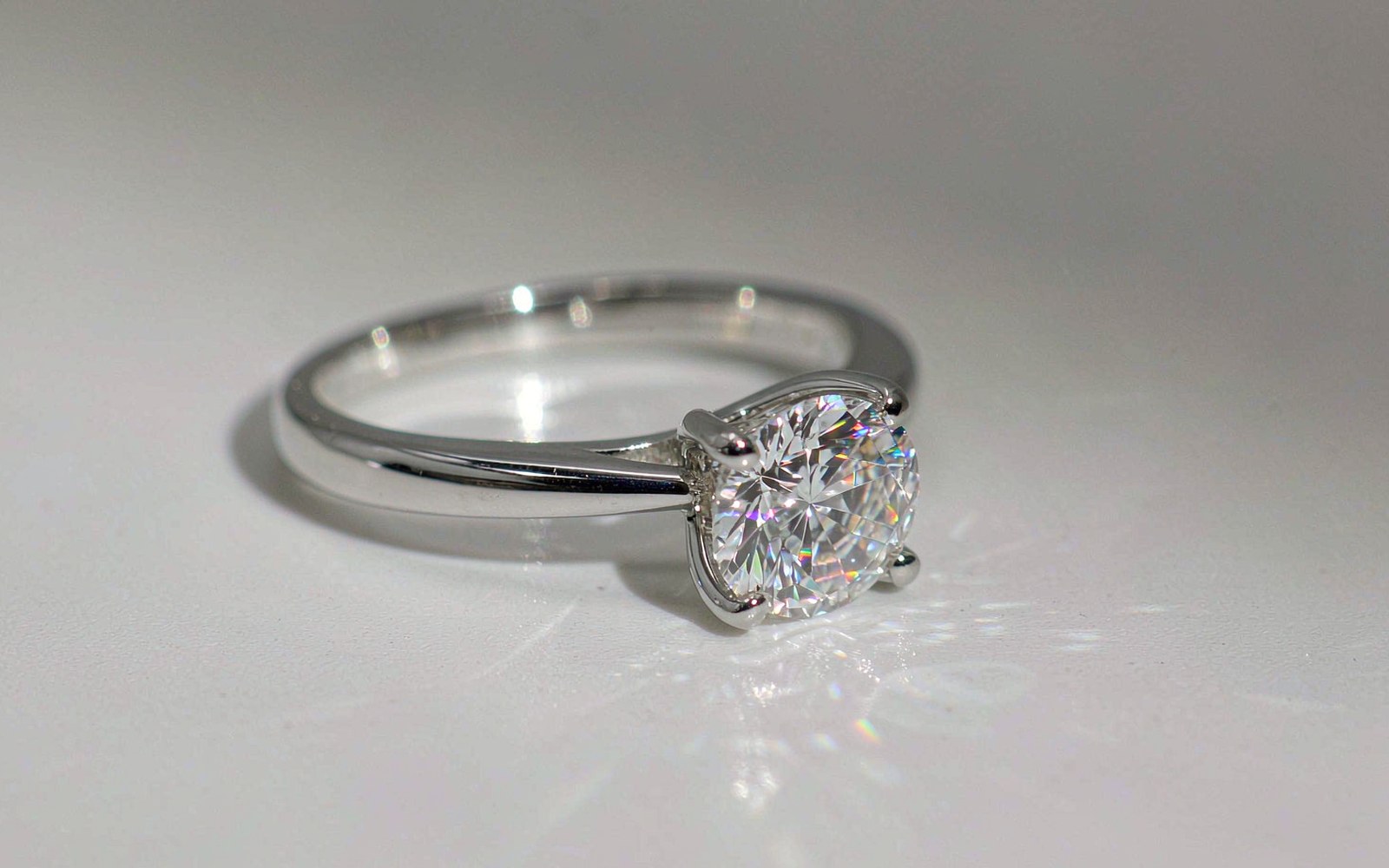
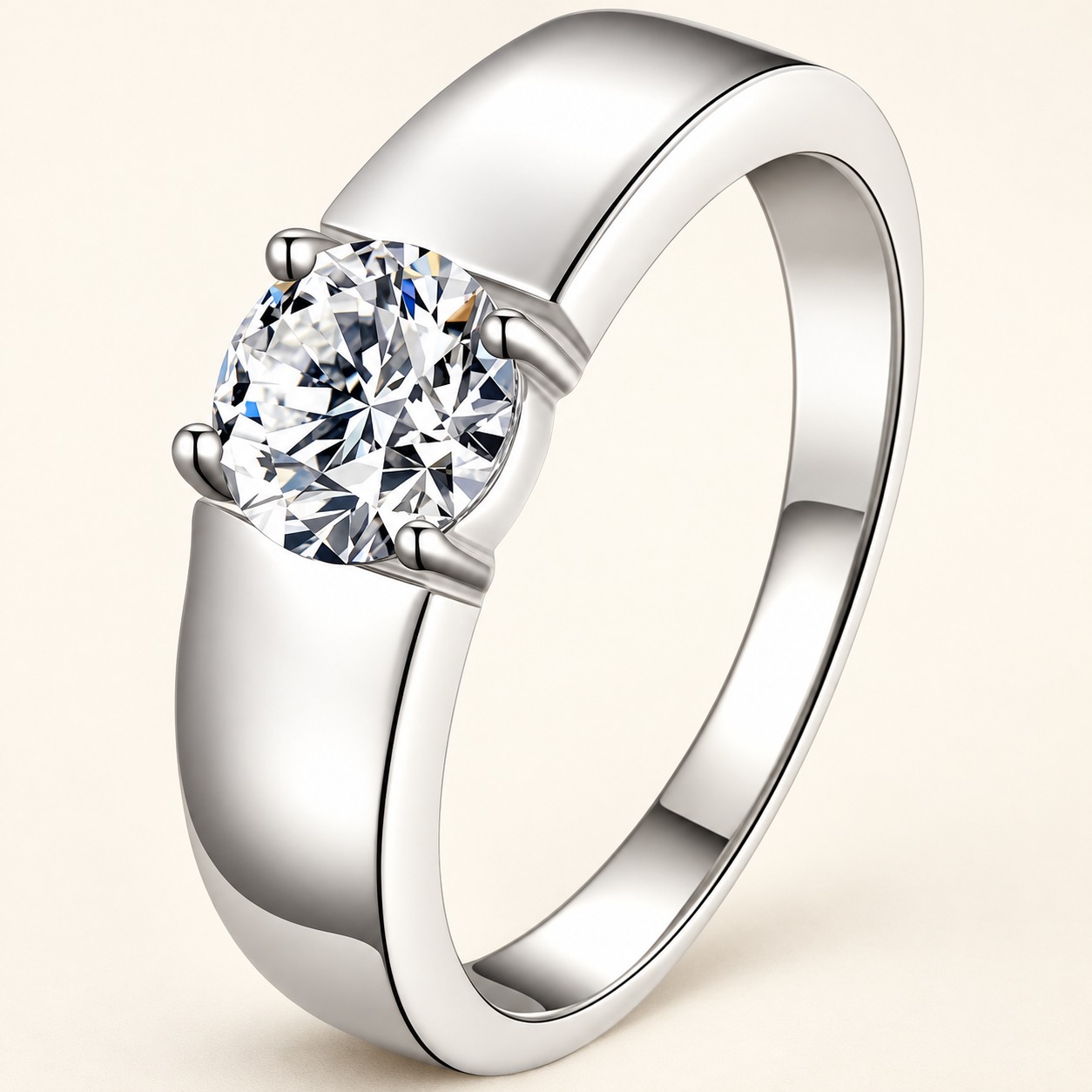
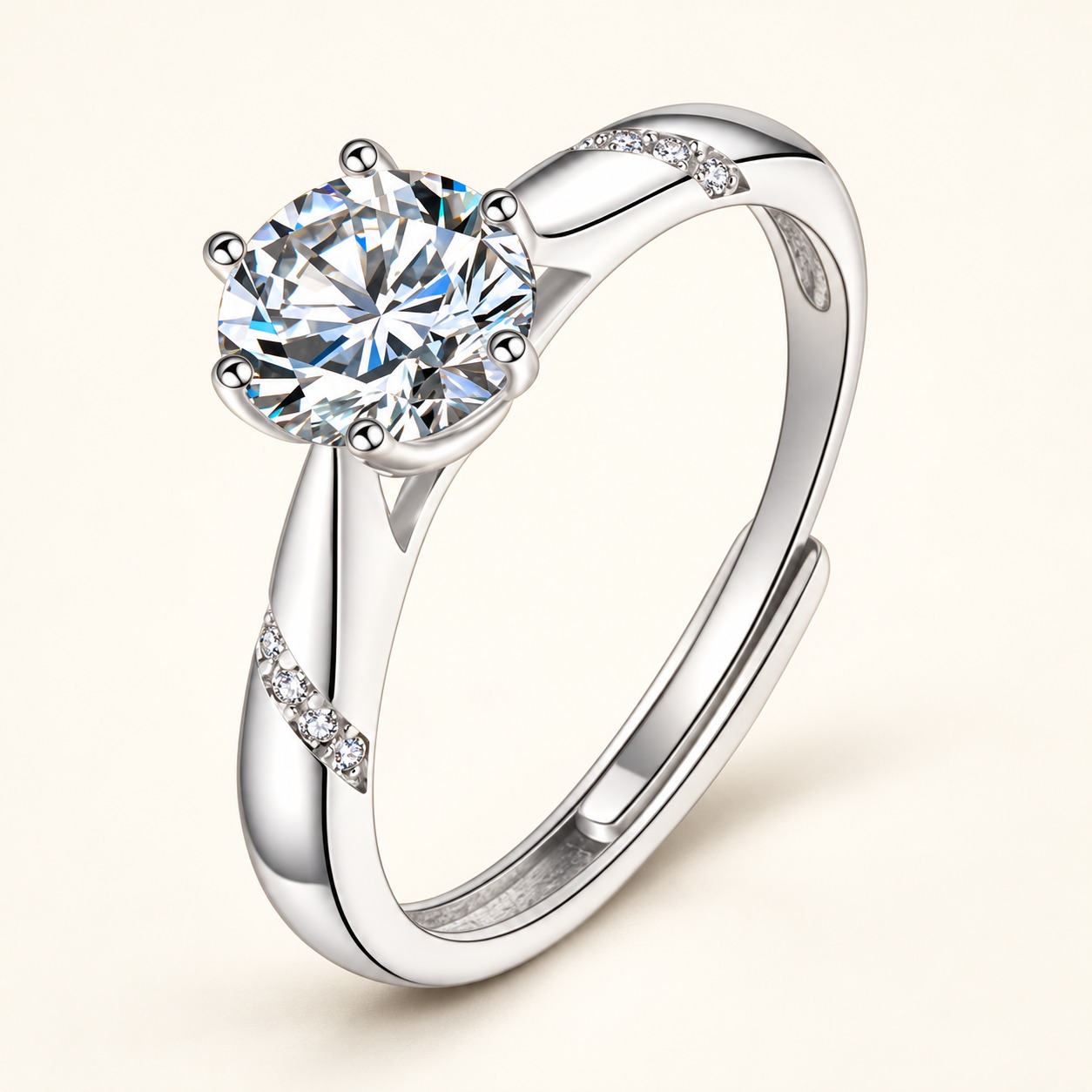
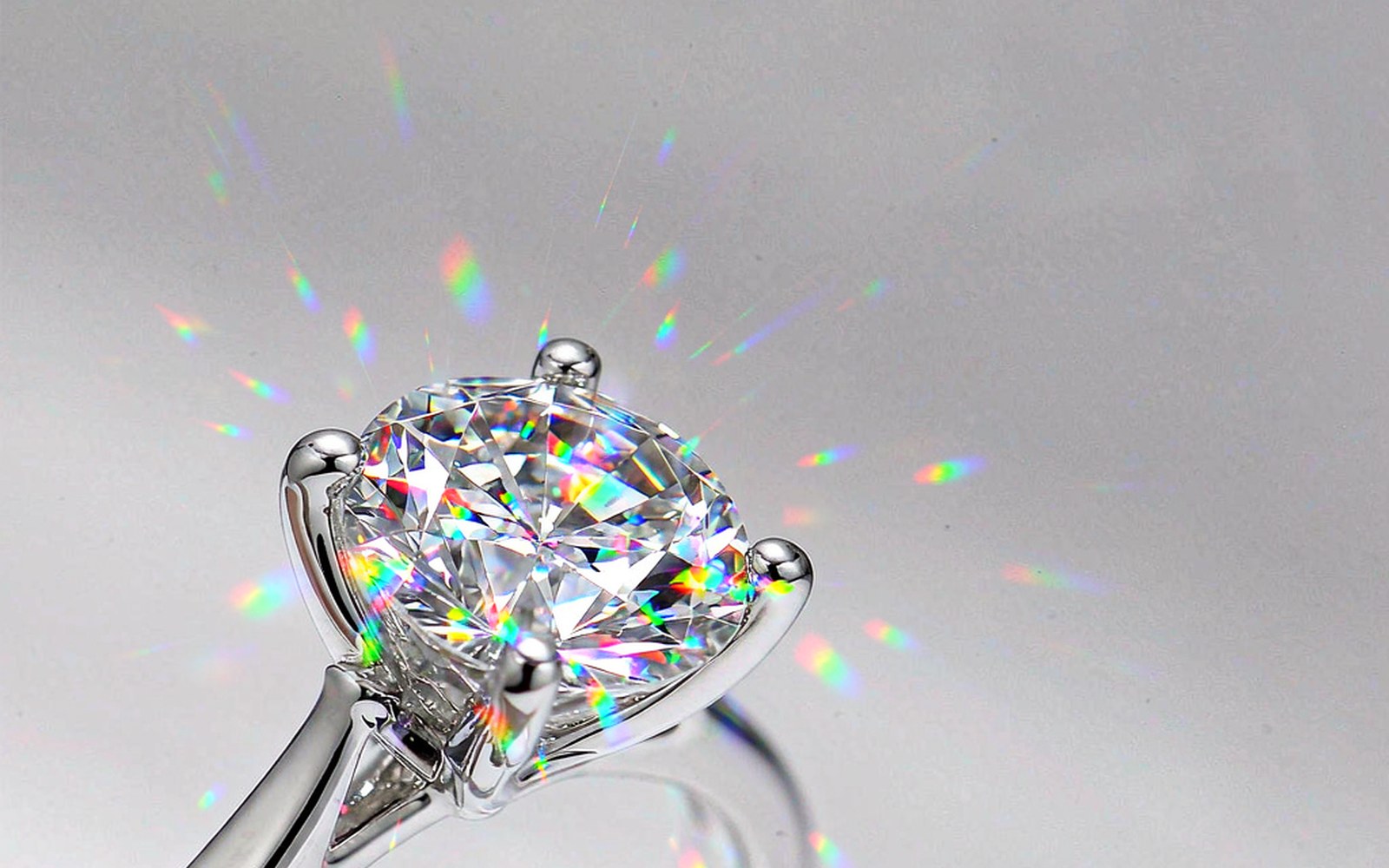
To most people in normal viewing conditions, yes. A well-cut colorless moissanite reads as a bright, convincing diamond-look stone, and many wearers who have never studied gems cannot tell them apart without close inspection. The visible difference shows up under movement and direct light: moissanite returns more colorful fire, the rainbow flashes, while a natural diamond tends toward a sharper white sparkle. Neither is 'better' as a rule; they simply suit different customer expectations. Buyers should decide based on the look their customer actually wants, not on a label. Our education page at /en/what-is-moissanite/ explains how moissanite is graded and described so the listing matches the stone.
How does moissanite compare with a natural diamond on durability?
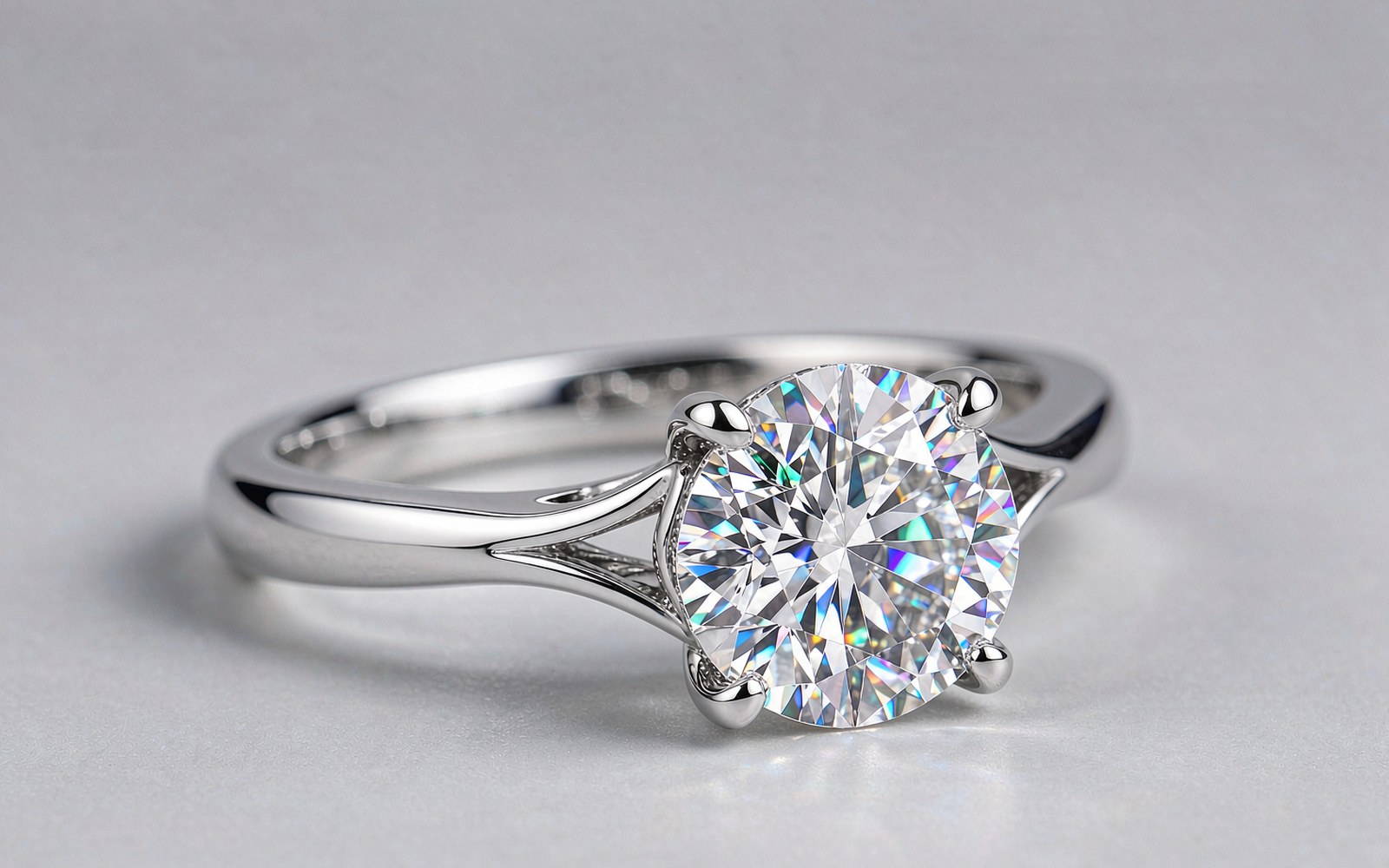
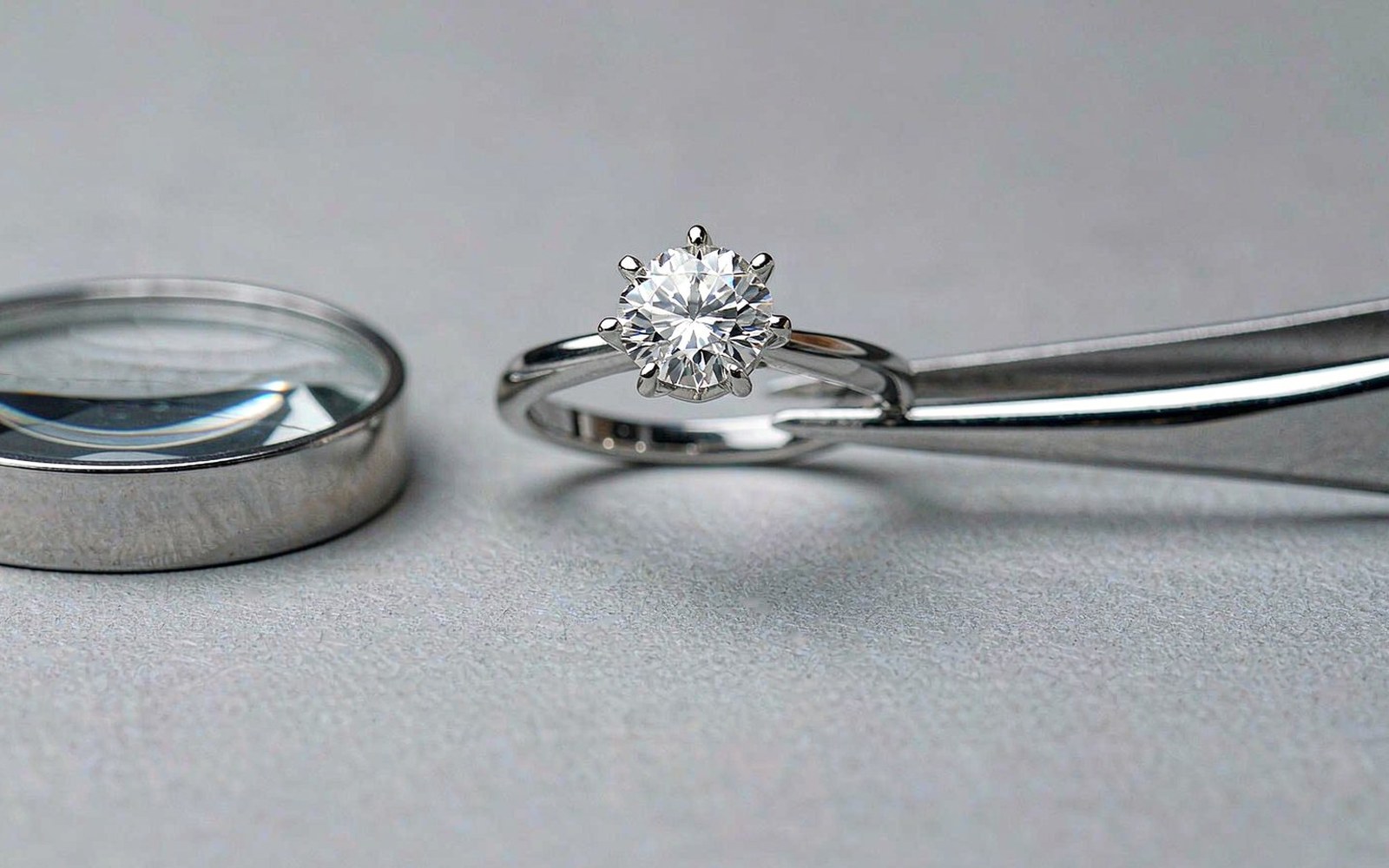
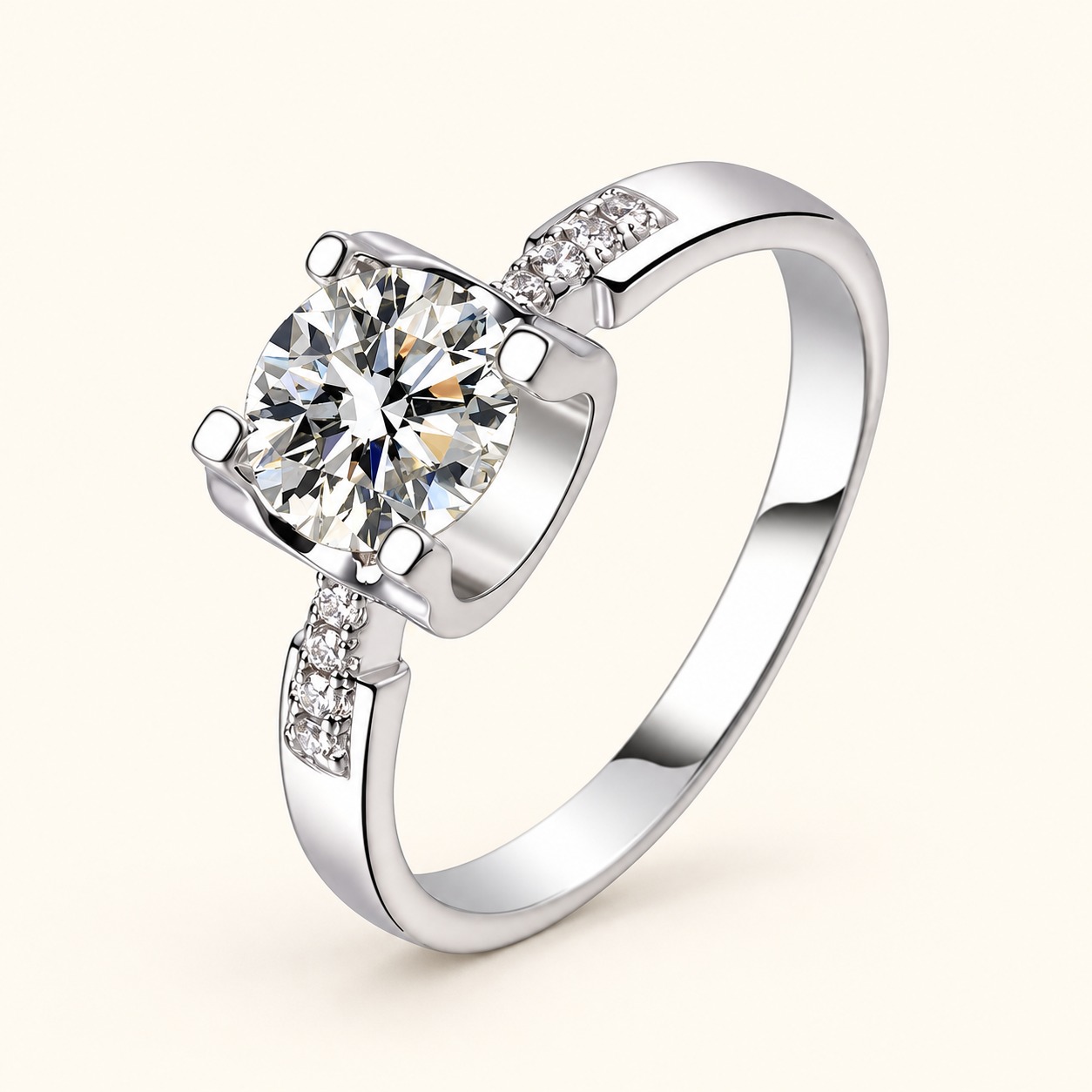
Both are among the hardest materials used in jewelry. Moissanite ranks around 9.25 on the Mohs hardness scale, just below diamond, and resists surface scratches well through years of daily wear; a natural diamond is the hardest known material and is even more resistant to abrasion. For rings worn every day, both are sound choices, and the deciding factor is more often the setting security than the stone itself. Heavier-wear categories, rings, should favor a secure setting regardless of stone; occasional-wear items, earrings and pendants, leave more room for lighter designs. You can see the harder-stone styles built for daily wear at /en/rings/.
What does moissanite cost compared with a natural diamond?
A natural diamond carries the cost of mining, sorting, and a finite supply chain, so it sits at a higher price point at every carat size; moissanite is grown in a controlled process and costs a fraction of the equivalent diamond-look size. The value question is not 'which is cheaper' but 'which keeps looking right for the life the piece will lead and the budget the customer will accept'. A lower entry price on moissanite lets a buyer choose a larger-looking center stone or a more elaborate setting within the same spend. Buyers should model total value through the wear life and the customer's priorities, not the sticker alone, and the exact price should always be confirmed on a current supplier quote, because material and metal costs move.
Which buyers should choose moissanite over a natural diamond?
Choose moissanite when the priority is design freedom, a larger-looking stone within budget, or a lab-created origin the customer actively prefers. It fits design-led buyers, self-purchase jewelry, fashion-forward bridal, and gift lines where the look and the wear matter more than mined provenance. Lean toward a natural diamond when the buyer specifically values mined origin, traditional resale recognition, or the cultural weight of a natural stone, because those are things moissanite does not try to replicate. The honest framing, increasingly used by independent jewelers, is that moissanite is a values-aligned choice for a designed object, not a compromise on a diamond. Match the stone to the reason the customer is buying, and the decision becomes straightforward.
Does moissanite come with a grading report, and what does it confirm?
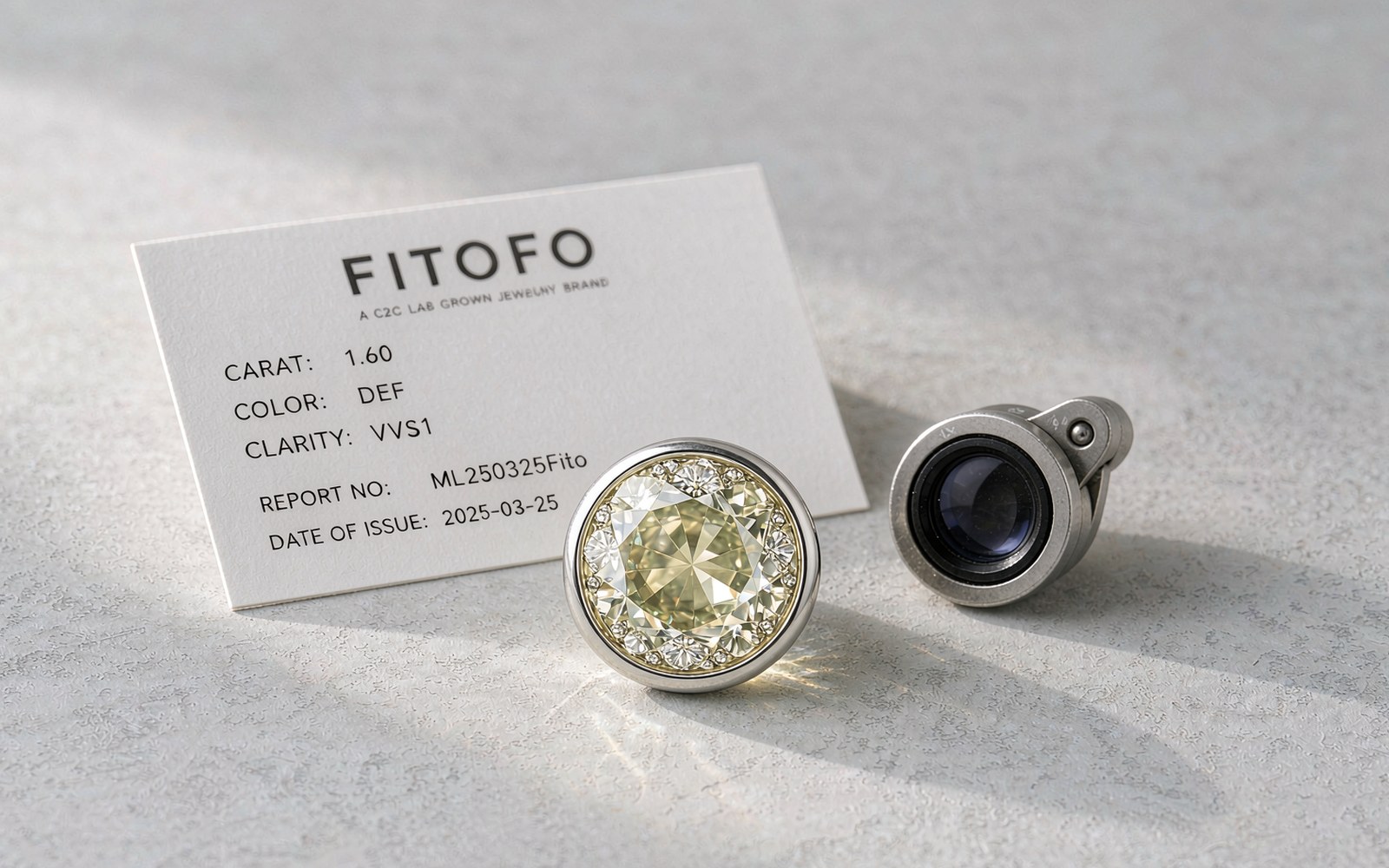
Reputable moissanite can be supplied with a grading report on request, and buyers should ask for one before a volume order. A grading report describes what a stone is measured to be: its color grade, clarity characteristics, cut proportions, and carat weight as assessed by the lab that issued it. It does not certify durability, resale value, or permanence, and you should treat it as a description of the specific stone, not a promise about its future. The responsibility firewall here is simple: read the report as measured data, confirm it matches the purchase order wording, and do not let a grade stand in for a business commitment the supplier has not made in writing.
How can you verify a moissanite stone before you order?
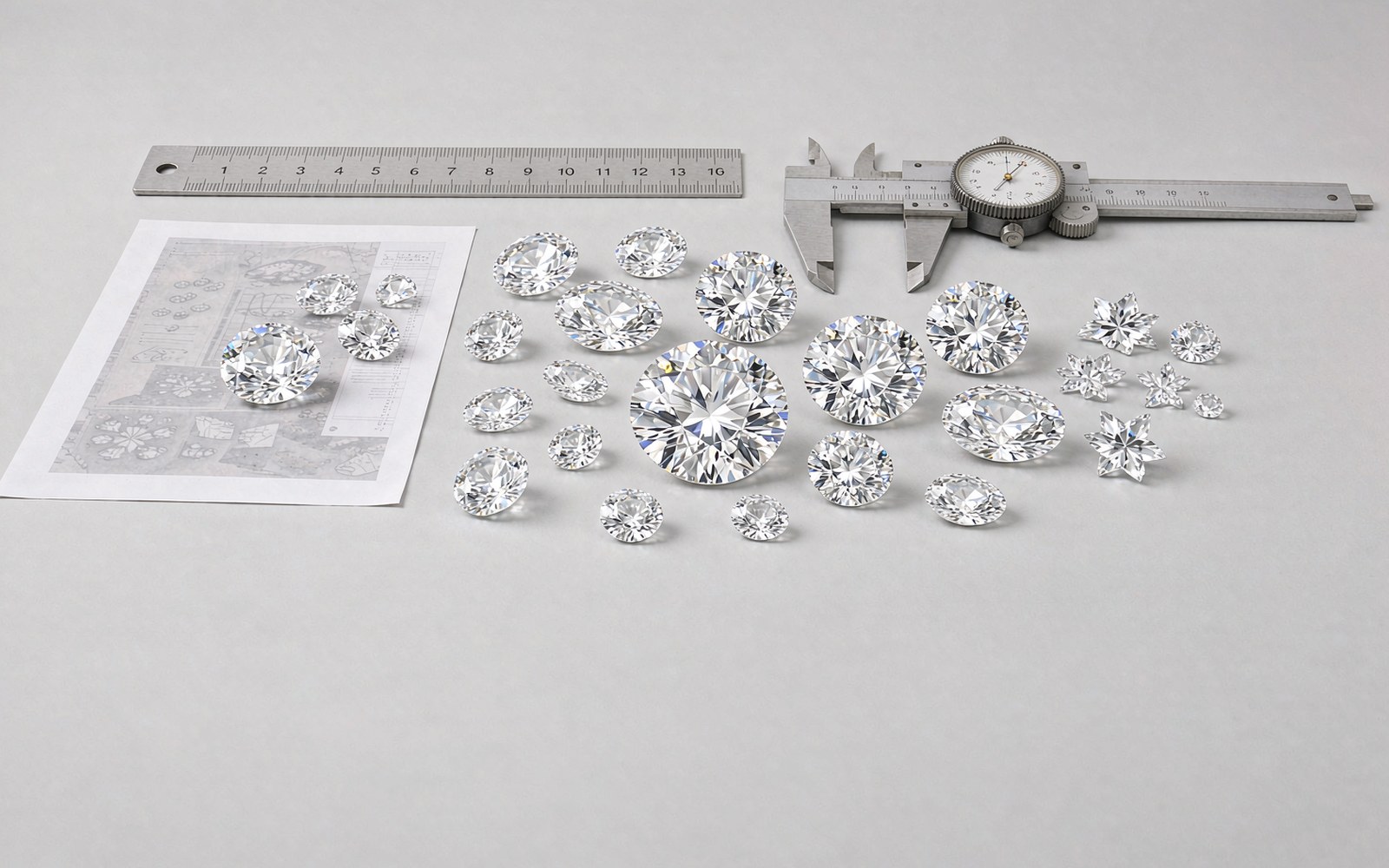
Three checks protect you. One: request a few loose samples or high-resolution videos under the light you will use in product photos before committing to volume. Two: put the exact stone type, moissanite, and the grading basis in the purchase order wording, so the contract and the shipment are governed by the same term. Three: ask your supplier which simple checks they run before shipment and request the measured values in writing. If a supplier cannot state the stone type or the grading basis in writing, that answer already tells you what you needed to know about quality control.
Why are more buyers in 2026 choosing moissanite as a values-aligned choice?
Across North America and Europe, more buyers under 40 are choosing moissanite for three reasons that repeat in market research: budget, ethics, and the fact that the stone is genuinely stunning in person. The framing has shifted from 'diamond alternative' to a considered choice in its own right, supported by growing demand for lab-created origin and transparent sourcing. For resellers this matters because the customer conversation is no longer 'why not a diamond' but 'why this stone fits my look and my values', which is a stronger and more durable selling position. The common buyer questions behind that shift are collected at /en/faq/.
The decision checklist every buyer should keep
- Applicable boundaries: choose moissanite for design-led, budget-conscious, and lab-created-origin buyers; choose a natural diamond when mined provenance, traditional resale recognition, or cultural weight are the explicit priority. - Lead time: confirm the current production lead time with your supplier in writing before you lock a launch date, because stone type and finishing both affect schedule. - MOQ: confirm the minimum order quantity per style and per stone type with the supplier, and do not assume it matches a previous order, because different materials run on different lines. - Samples: order loose samples or request high-resolution videos under your own lighting before committing to volume, and photograph them the way your customers will see them. - Failure conditions: moissanite is the wrong call when the buyer specifically needs mined-origin status or traditional resale recognition, and most disappointments come from a mismatch between expectation and material, not from the stone alone. - Testing methods: request the grading report, inspect the fire under movement rather than under static light, and ask your supplier which simple checks they recommend before shipment. - Parameter explanation: color, clarity, cut, and carat should be read on the invoice and confirmed against the listing you approved, because the same carat weight can look different across cuts. - Inspection and after-sales: agree in writing on what the supplier checks before shipping and on the return and resizing policy, so a delivered stone that differs from the order has a defined path to resolution.
One decision point competitors under-explain: the single control that makes every other check enforceable is the stone type and grading basis written into the purchase order. Without that wording, a sample you liked and a shipment you received are two different promises, and you have no contract term to measure them against. Write the stone type, the grade basis, and the tolerance into the order before you pay, and the rest of the checklist becomes something you can actually enforce. The team at /en/contact/ can walk through stone options for a specific product line.
Moissanite and a natural diamond are different stones, not two prices of one material: moissanite is a lab-created silicon carbide with strong fire, high hardness, and a lower entry cost, while a natural diamond is a mined carbon crystal with higher cost and traditional provenance. Compare them on look, wear, and budget honestly, verify with samples and a written grading basis before a bulk order, and match the stone to the reason the customer is buying rather than to a price tier. For a category-by-category walk-through of stone choices, start from /en/what-is-moissanite/ and the common buyer questions at /en/faq/.