· Moissanite notes
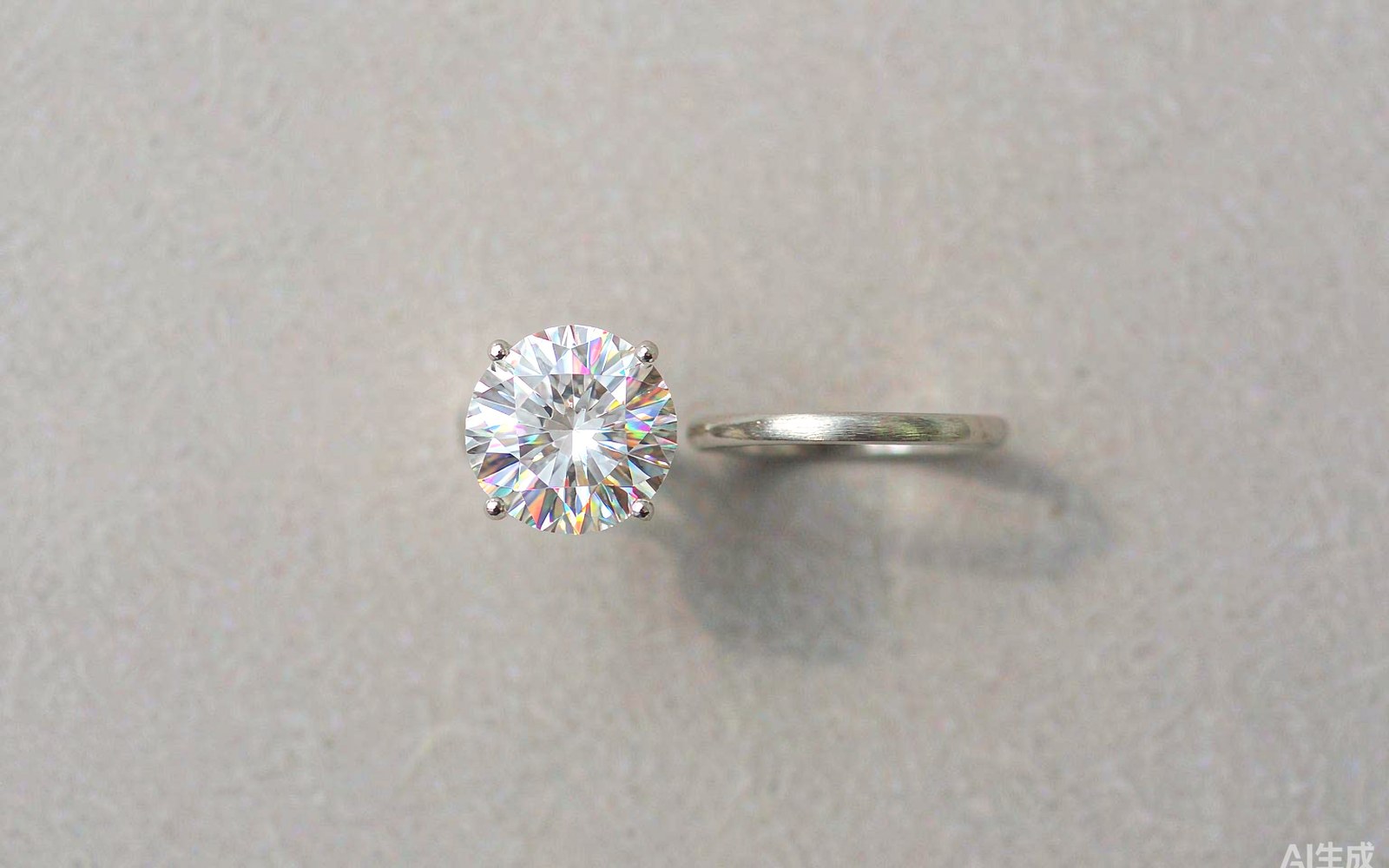
Choosing a moissanite stone shape is one of the first decisions you make when designing a ring or a piece of jewelry. The shape you pick changes how the stone looks on your hand, how much brilliance it shows, and how it pairs with a setting. This guide walks through the buyer questions that matter most, then ends with a practical checklist you can take to your jeweler or supplier.
Which moissanite shape looks largest for its carat weight?
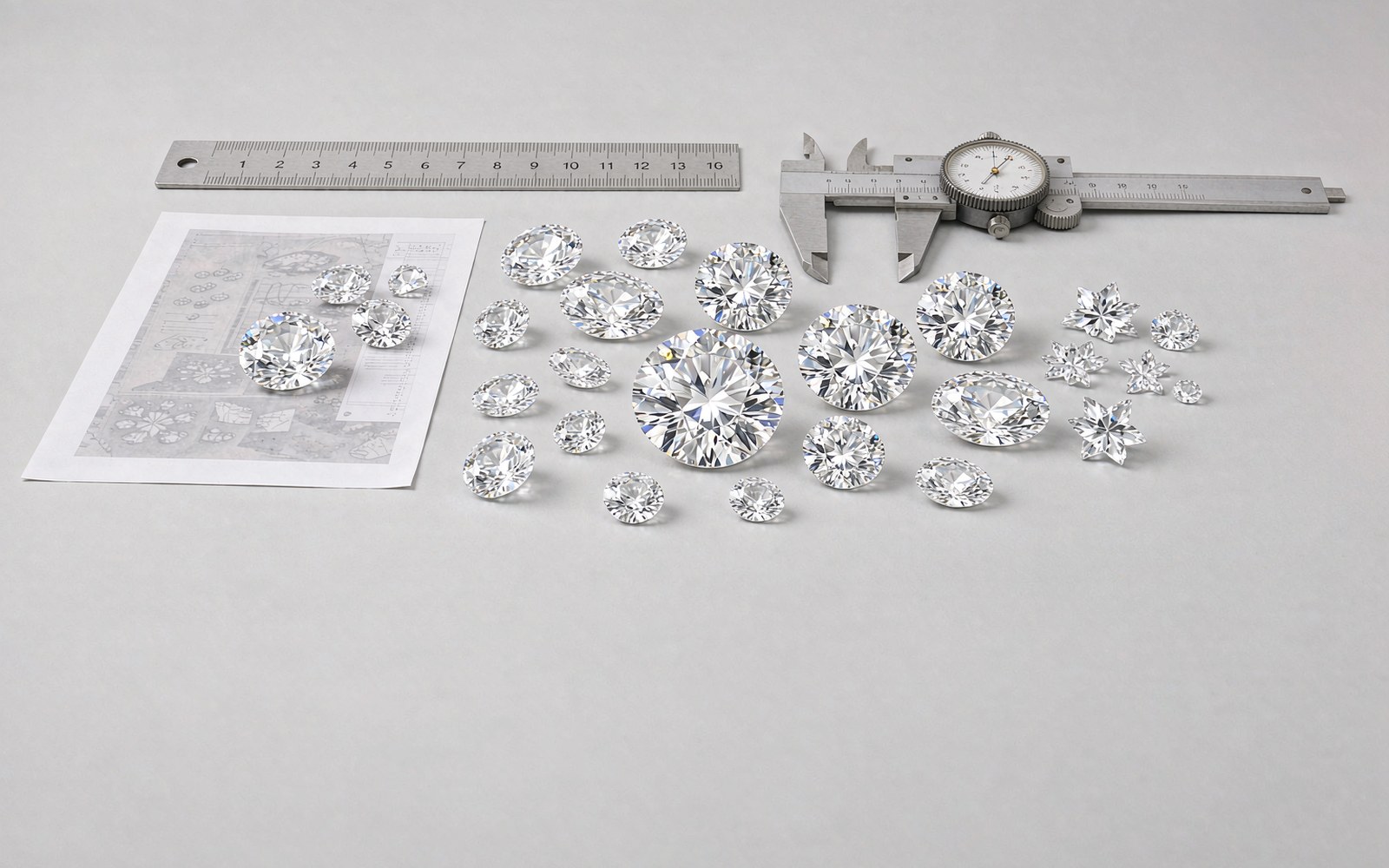
Elongated shapes such as oval, pear, and marquise spread the same carat weight across a longer outline, so they tend to read larger than a round stone of equal weight. If a bigger-looking stone matters more than a classic round silhouette, ask to see the exact dimensions on the specification sheet rather than judging by carat number alone.
Does stone shape change how brilliant the moissanite looks?
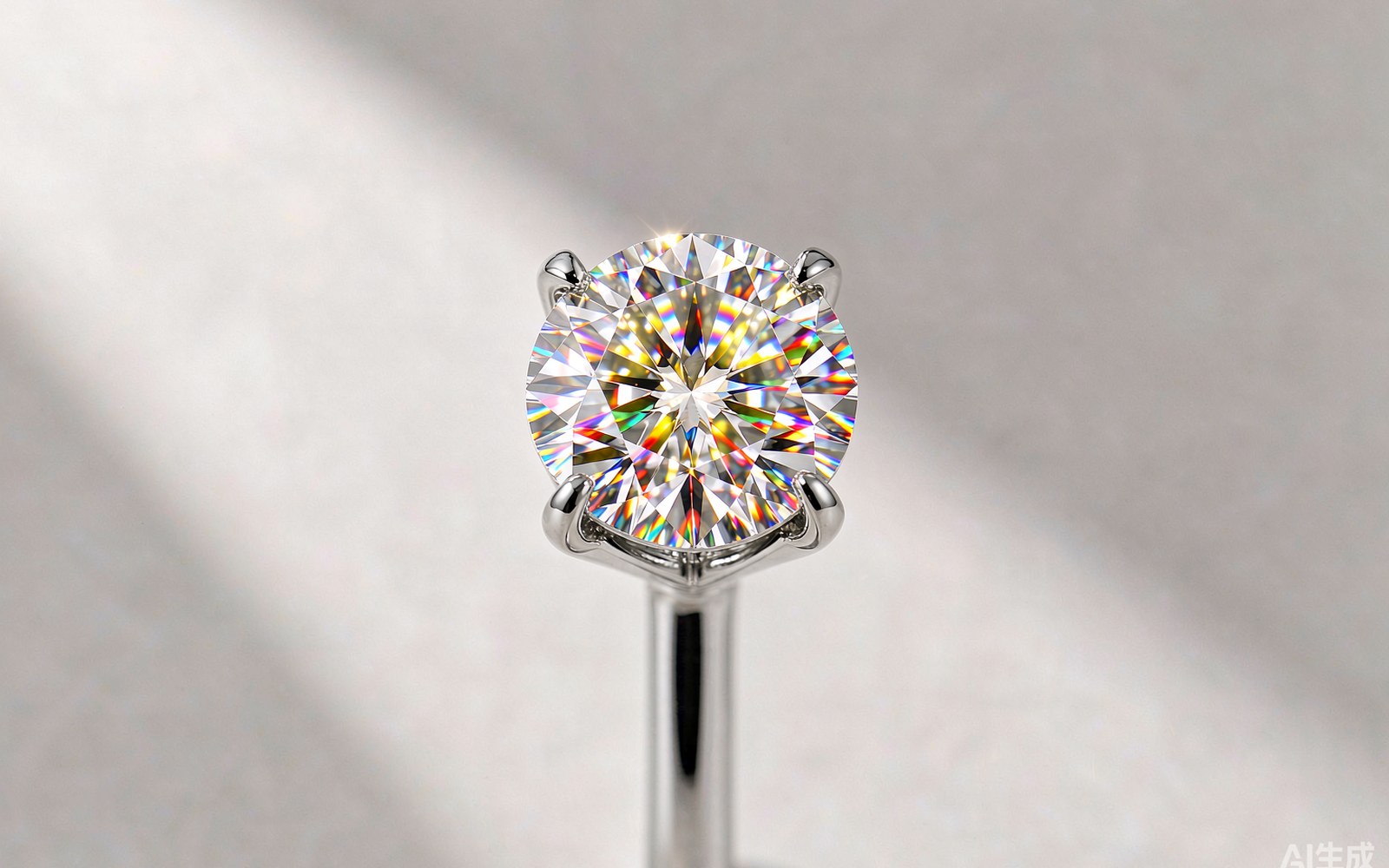
Moissanite is inherently high in brilliance and fire regardless of shape, because the material optical properties stay the same. What changes is how light returns to the eye: a round brilliant cut is engineered for balanced sparkle, while step-cut or crushed-ice styles spread light differently and can look softer. The shape does not raise or lower quality; it changes the visual character.
Which moissanite shape suits an engagement ring best?
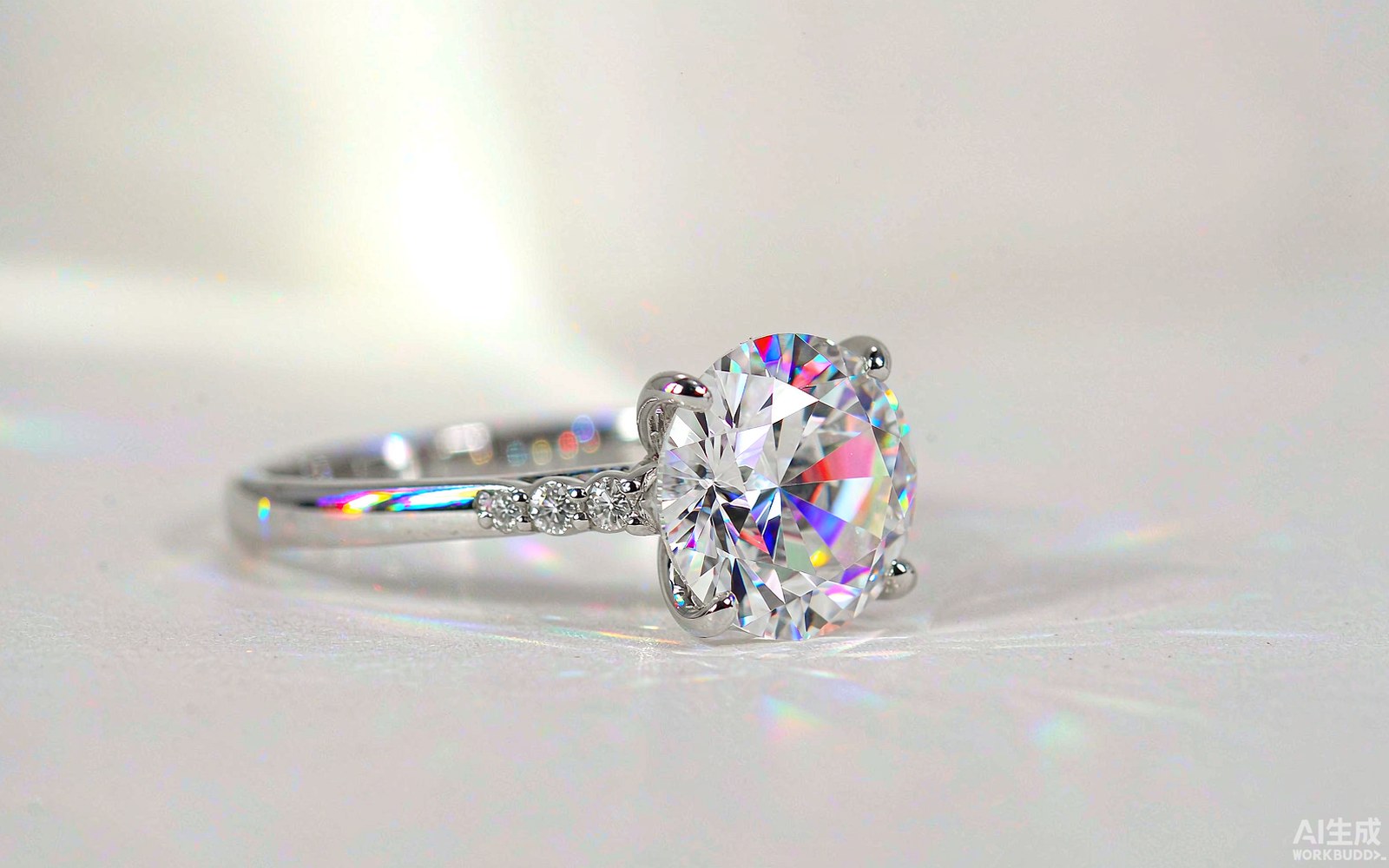
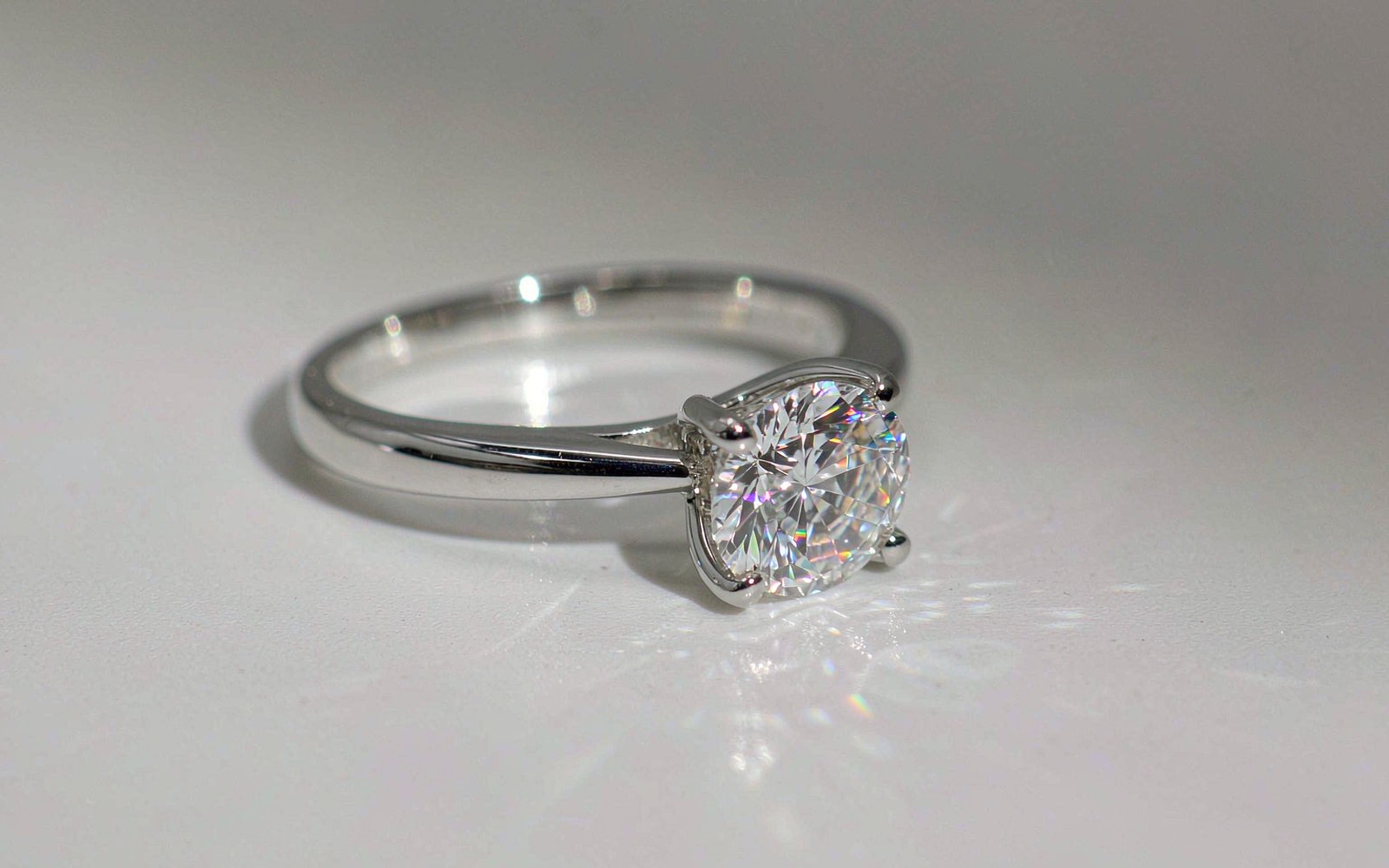
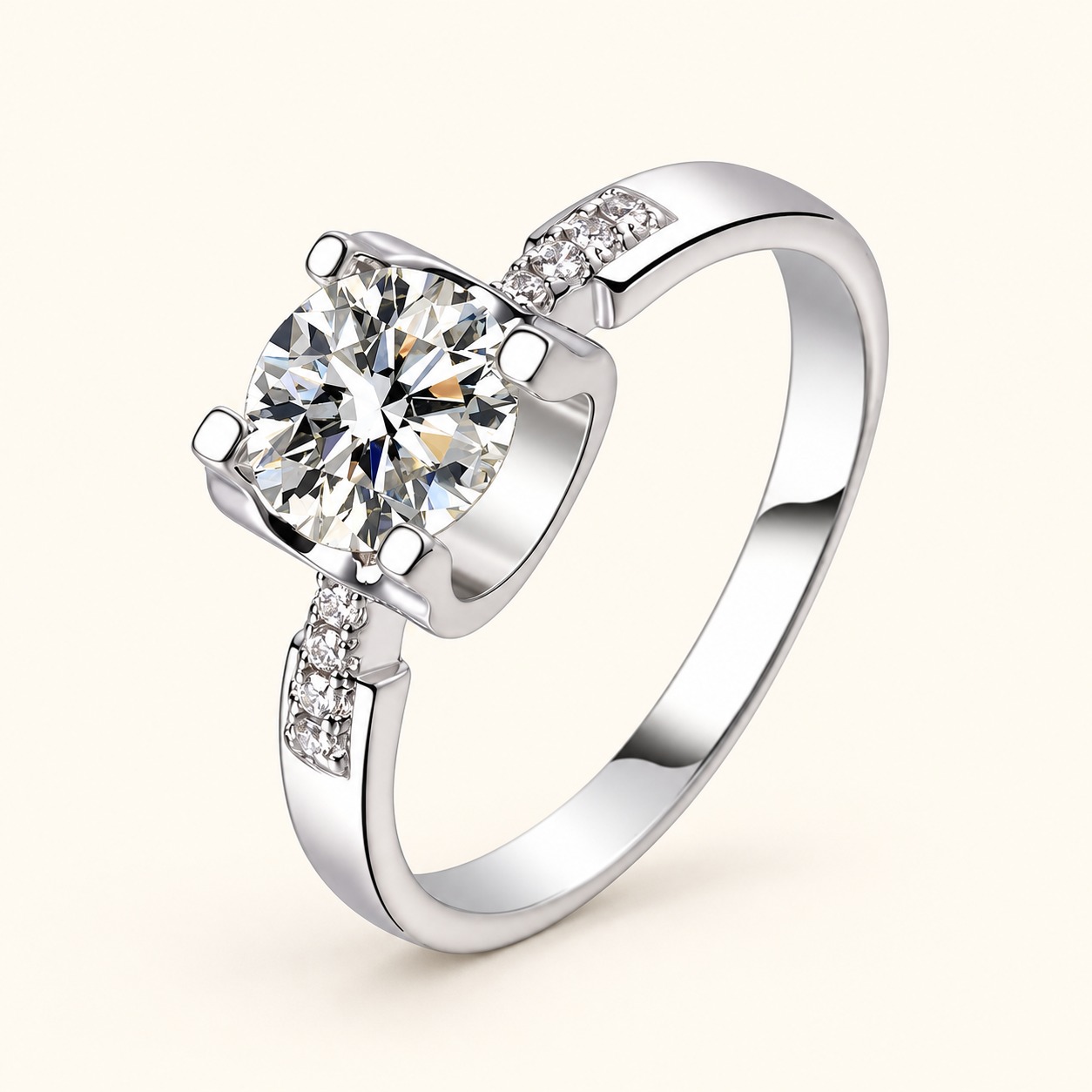
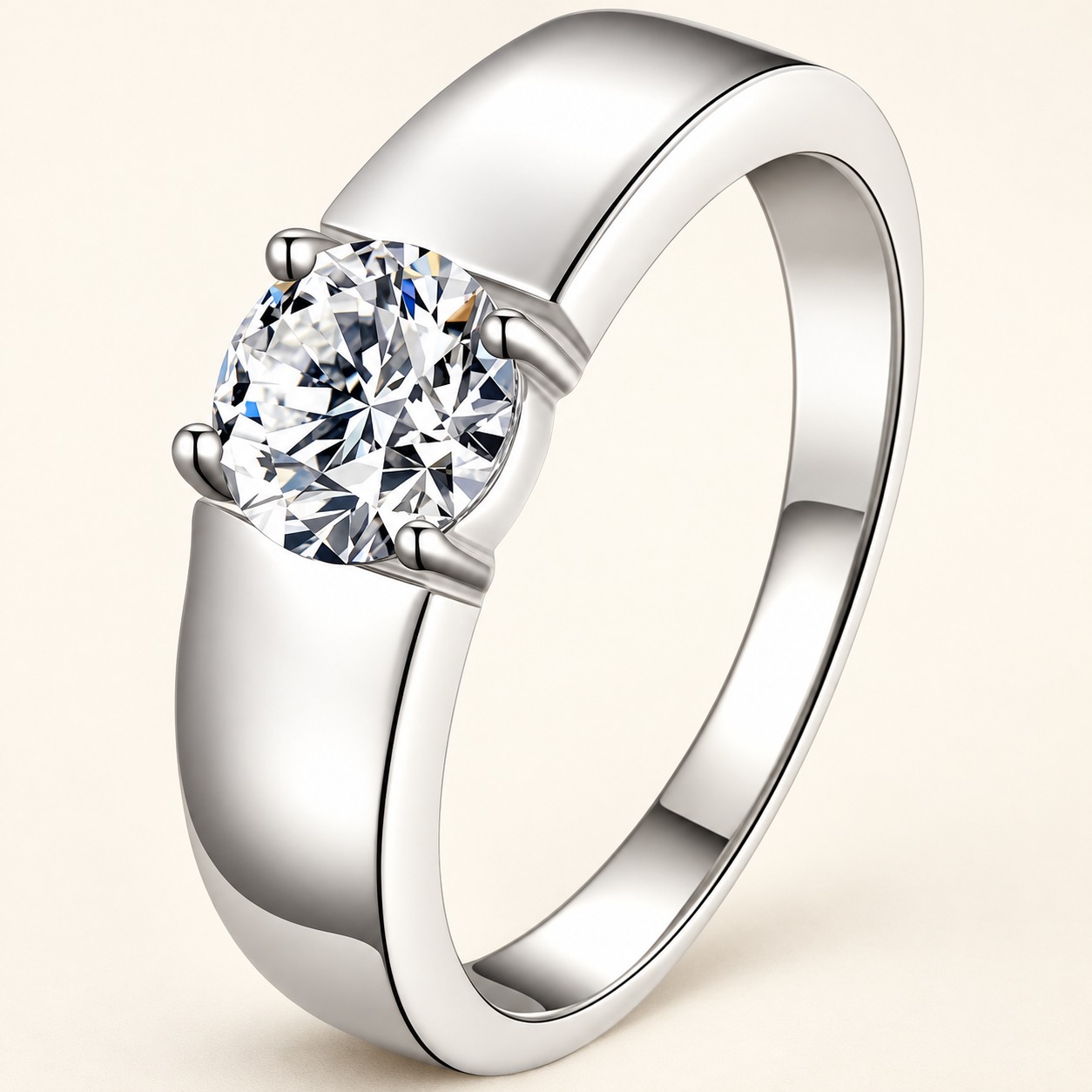
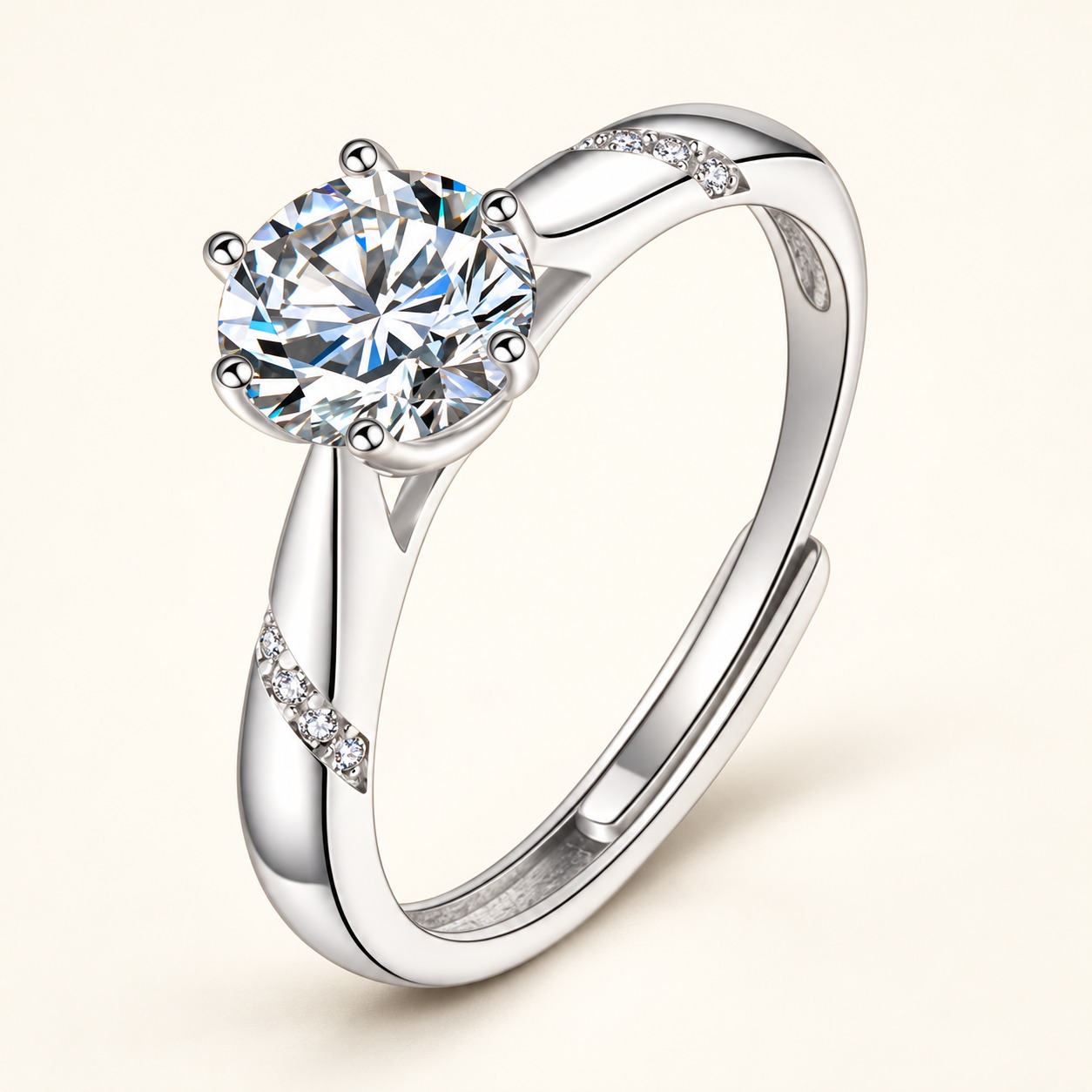
There is no single best shape, only the one that fits your setting and style. Round remains the most balanced and easiest to pair with most bands, while oval and cushion feel modern and show more surface area. For ideas on compatible bands, browse the ready styles in our ring collection at /en/rings/ and compare which outline you prefer from sample photos.
How do I choose a shape that flatters my hand?
Longer shapes like oval, pear, and marquise can make fingers appear slender, while round and cushion read as balanced and classic. The width of the band and the length of the finger also matter. A practical move is to request sample images on a hand or a reference stone before committing to a full custom piece.
What should I confirm with my jeweler before ordering a custom cut?
Before you pay a deposit, confirm the exact outline, dimensions, and how the stone will be set. Ask for the specification in writing and a clear production window. If you are uncertain about any measurement, treat it as a question to resolve with your supplier, not an assumption. You can also reach our team with specific questions through the contact page at /en/contact/ .
What is the eight-point buyer decision checklist before I order?
Whether you order one ring or a small batch, confirm these eight points with your supplier in writing so there is no ambiguity at delivery:
Applicable scope: confirm the shape is cut for your intended jewelry type, such as a ring, pendant, or earring, and that your chosen setting supports that outline.
Lead time: ask for the production and shipping window in writing and avoid assuming a ready-to-ship date, because custom cuts are made to order.
Minimum order quantity: confirm the smallest order your supplier will accept and request the figure in writing, since it varies by workshop.
Sample: request a sample stone or reference photos before a full run so you can verify outline and proportion before committing.
Failure conditions: define what counts as a defect, such as chips, asymmetry, or a loose setting, and agree on the remake or return threshold before production.
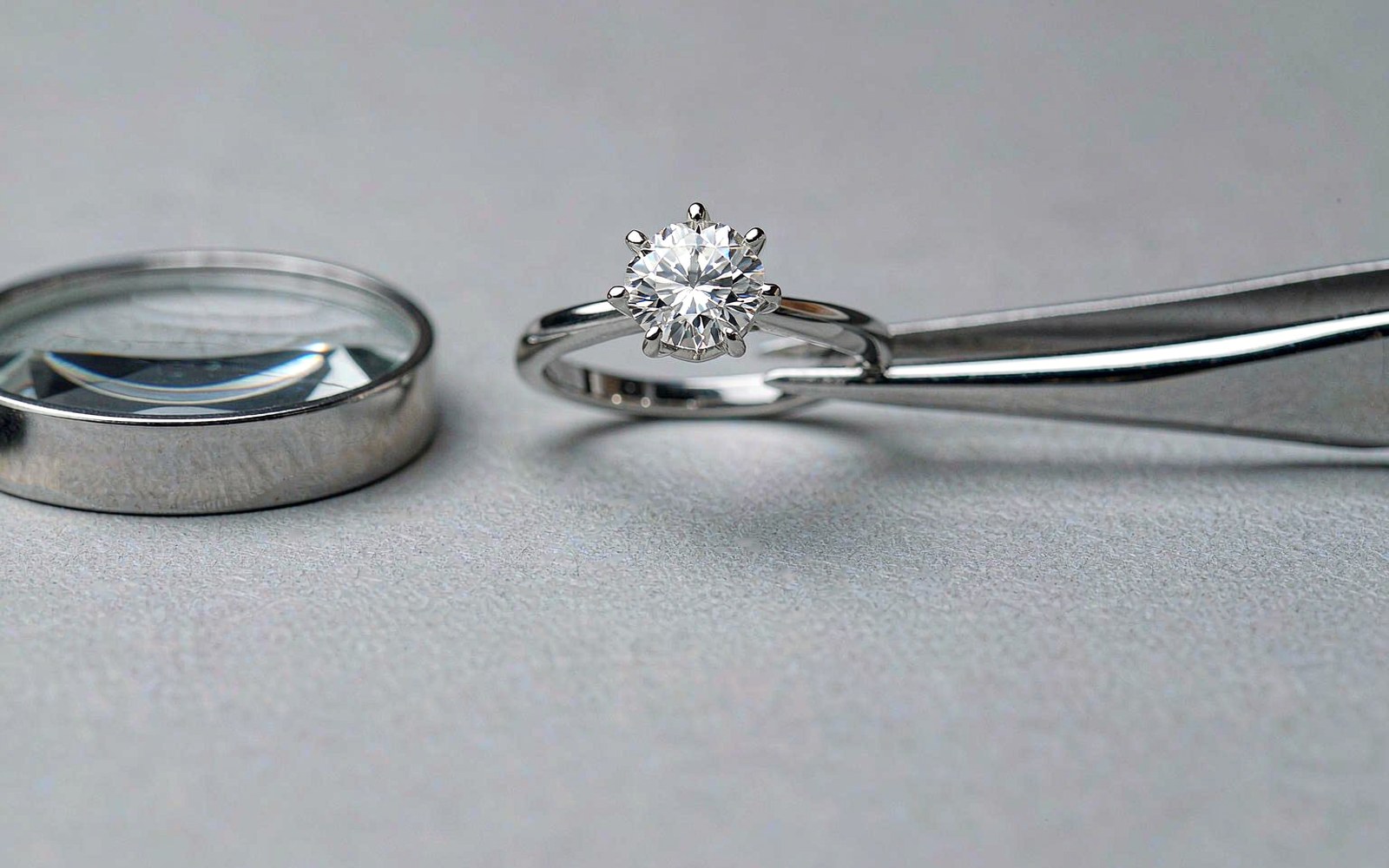
Testing method: agree how the stones are verified on delivery, for example loupe inspection or a proportion check, and write the method into your order note.
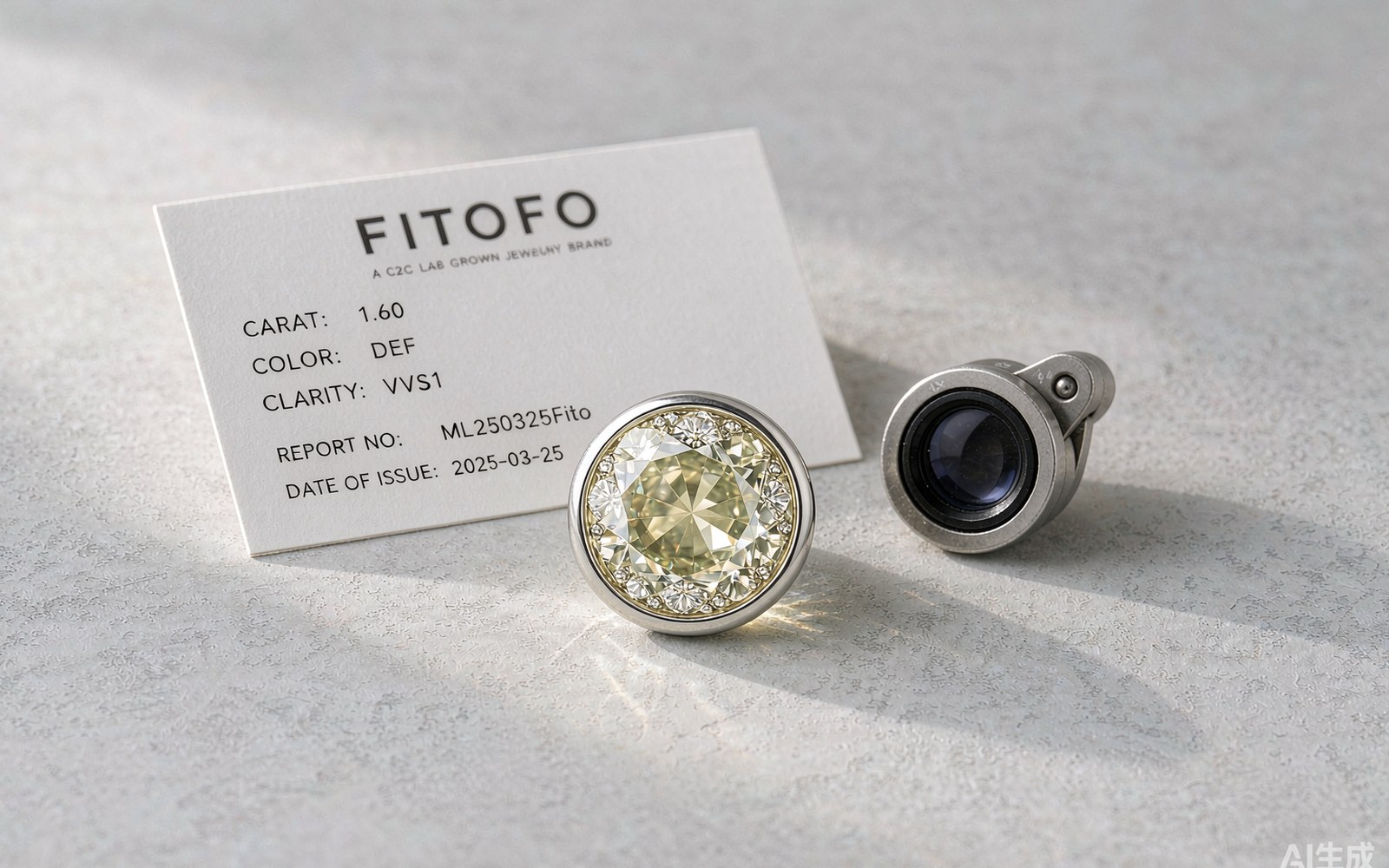
Parameter explanation: ask your supplier to explain each line on the specification sheet in plain language, including dimensions, table percentage, and depth, so you know what you are buying.
Inspection and after-sales: confirm who inspects the goods on arrival and what the after-sales coverage includes, so a problem has a clear path to resolution.
Moissanite shape is a style and proportion decision, not a measure of quality: round gives the most balanced brilliance, elongated cuts such as oval and pear appear larger per carat, and the right choice depends on your hand and setting. Before you order, confirm the scope, lead time, minimum order quantity, a sample, failure conditions, the test method, each specification, and inspection or after-sales terms with your supplier in writing.